Calories and Nutritions in Cotija Cheese
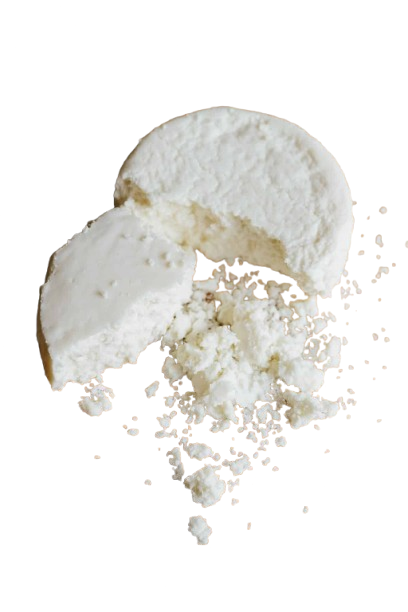
Cotija cheese is a hard and crumbly cheese from Mexico. The cotija cheese calories are dense, with a 100 gram serving of raw Cotija containing 393 calories. A large one-cup (113g) serving of crumbled Cotija has 441 calories, while a medium one-ounce (28g) serving provides 110 calories in cotija cheese, along with 7g of protein, 8.5g of fat, and 1.1g of carbohydrates. A small one-tablespoon (8g) serving contains 31 calories, and a quarter-cup (28 gram) serving of V&V Supremo Cotija cheese contains 100 calories.
The cotija cheese nutrition facts show the cheese is a good source of calcium (69% DV per 100g serving). A meta-analysis concluded that dairy consumption is associated with improved bone mineral density, supporting lifelong bone health (Weaver, C. M., et al., 2016).
Cotija cheese comes in two main varieties: a softer Fresh (Fresco) type and a hard, crumbly Aged (Añejo) type. Mexico is the primary producer, while both Mexico and the United States are the largest consumers. The cheese's price has risen over the past two decades, with the average retail cost for an 8-ounce package increasing from less than $3.50 in the early 2000s to more than $5.49 in 2022.
Cotija is often used as a topping in Mexican dishes like Elote (Mexican Street Corn), a popular menu item in restaurants like Puesto and Tacos at Tacombi. A good recommendation for consumption is a one-tablespoon (8g) serving, which provides 31 calories. The macros from this portion can be balanced by burning the calories with 3 minutes of jogging or 4 minutes of cycling.
Cotija Cheese nutrition
| Stats | Weight |
|---|---|
| Carbs | 2.72 grams |
| Protein | 23.8 grams |
| Fats | 27.2 grams |
| Sugars | 0 grams |
- Large Cotija Cheese Calories (Nutritional Facts)
- Medium Cotija Cheese Calories (Nutritional Facts)
- Small Cotija Cheese Calories (Nutritional Facts)
- Raw Cotija Cheese Nutrition
- Sodium in Cotija Cheese
- Potassium in Cotija Cheese
- Sugar in Cotija Cheese
- Fiber in Cotija Cheese
- Protein in Cotija Cheese
- Carbs in Cotija Cheese
- Fat in Cotija Cheese
- Vitamins in Cotija Cheese
- Minerals in Cotija Cheese
Large Cotija Cheese Calories (Nutritional Facts)
A large one-cup (113 gram) serving of crumbled Cotija cheese contains 441 calories, 28.2 grams of protein, 34 grams of fat, and 4.5 grams of carbohydrates.
A medium one-ounce (28 gram) serving of Cotija cheese contains 110 calories, 7 grams of protein, 8.5 grams of fat, and 1.1 grams of carbohydrates.
A small one-tablespoon (8 gram) serving of crumbled Cotija cheese contains 31 calories, 2 grams of protein, 2.4 grams of fat, and 0.3 grams of carbohydrates.
A 100-gram (3.53 ounce) serving of raw Cotija cheese contains 393 calories, 25 grams of protein, 30 grams of fat, 4 grams of carbohydrates, 0 grams of sugar, and 0 grams of fiber. A one-ounce (28 gram) serving of raw Cotija cheese has 110 calories.
A large one-cup (113 gram) serving of crumbled Cotija cheese contains 1243 milligrams of sodium (54% DV). A medium one-ounce (28 gram) serving contains 310 milligrams of sodium (13% DV). A small one-tablespoon (8 gram) serving contains 88 milligrams of sodium (4% DV). A 100-gram serving of raw Cotija cheese has 1100 milligrams of sodium (48% DV).
A large one-cup (113 gram) serving of crumbled Cotija cheese contains 102 milligrams of potassium (2% DV). A medium one-ounce (28 gram) serving contains 25 milligrams of potassium (1% DV). A small one-tablespoon (8 gram) serving contains 7 milligrams of potassium (0% DV). A 100-gram serving of raw Cotija cheese has 90 milligrams of potassium (2% DV).
Cotija cheese contains 0 grams of sugar across all preparations and serving sizes, including large, medium, small, and raw portions.
Cotija cheese contains 0 grams of fiber across all preparations and serving sizes, including large, medium, small, and raw portions.
A large one-cup (113 gram) serving of crumbled Cotija cheese provides 28.2 grams of protein. A medium one-ounce (28 gram) serving provides 7 grams of protein. A small one-tablespoon (8 gram) serving provides 2 grams of protein. A 100-gram serving of raw Cotija cheese contains 25 grams of protein.
A large one-cup (113 gram) serving of crumbled Cotija cheese contains 4.5 grams of carbohydrates. A medium one-ounce (28 gram) serving contains 1.1 grams of carbohydrates. A small one-tablespoon (8 gram) serving contains 0.3 grams of carbohydrates. A 100-gram serving of raw Cotija cheese contains 4 grams of carbohydrates.
A large one-cup (113 gram) serving of crumbled Cotija cheese contains 34 grams of fat. A medium one-ounce (28 gram) serving contains 8.5 grams of fat. A small one-tablespoon (8 gram) serving contains 2.4 grams of fat. A 100-gram serving of raw Cotija cheese contains 30 grams of fat.
A 100-gram serving of raw Cotija cheese provides 260 micrograms of Vitamin A (29% DV). A large one-cup (113 gram) serving of crumbled Cotija cheese provides 294 micrograms of Vitamin A (33% DV). A medium one-ounce (28 gram) serving provides 73 micrograms of Vitamin A (8% DV).
A 100-gram serving of raw Cotija cheese contains 893 milligrams of calcium (69% DV) and 580 milligrams of phosphorus (46% DV). A large one-cup (113 gram) serving of crumbled Cotija cheese provides 1009 milligrams of calcium (78% DV). A medium one-ounce (28 gram) serving provides 250 milligrams of calcium (19% DV).
Get a Custom Report on Cotija Cheese Nutrition Data – Contact Us!
What are the Types of Cotija Cheeses?
The types of Cotija cheese are Fresh Cotija (Queso Cotija Fresco) and Aged Cotija (Queso Cotija Añejo), distinguished by the length of the aging process which determines the cheese's flavor and texture. The table below details the characteristics of these common varieties.
| Type | Description | Calories (Approximate per 100g) | Calorie Qualifications |
|---|---|---|---|
|
Fresh Cotija (Queso Cotija Fresco)
|
A young, soft, and moist version of the cheese. Has a milder, milky, and salty flavor. | 380 | Lower in calories than the aged version due to higher moisture content. |
|
Aged Cotija (Queso Cotija Añejo)
|
Aged for several months to a year. Becomes very hard, dry, and crumbly with a sharp, salty flavor. | 393 | The aging process reduces moisture, concentrating fat and protein and resulting in a higher calorie density. |
What are the Desserts with Cotija Cheese?
Cotija cheese is used in modern desserts where its salty flavor provides a contrast to sweet ingredients. Dessert preparations using Cotija are detailed in the table below.
| Dish Name | Calories (Estimate per serving) | Type of Cheese Used | Carbs (g) (Estimate) | Sugar (g) (Estimate) | Protein (g) (Estimate) | Fat (g) (Estimate) | Cuisine | Restaurants |
|---|---|---|---|---|---|---|---|---|
|
Sweet Corn Cake with Cotija
|
450 | Aged Cotija | 55 | 30 | 10 | 20 | Modern Mexican | Cosme (New York, NY) |
|
Cotija Cheesecake with Cajeta
|
550 | Fresh Cotija | 45 | 35 | 12 | 35 | Mexican Fusion | Xochi (Houston, TX) |
|
Grilled Pineapple with Cotija & Chili
|
250 | Aged Cotija | 30 | 25 | 8 | 10 | Mexican | Comedor (Austin, TX) |
|
Mango Sorbet with Cotija and Tajin
|
200 | Aged Cotija | 40 | 35 | 5 | 2 | Modern Mexican | Suerte (Austin, TX) |
What are the Main Dishes with Cotija Cheese?
Cotija cheese is a quintessential finishing cheese in Mexican cuisine, prized for adding a salty, savory flavor and a crumbly texture to a wide range of dishes. Main dishes that use Cotija are described in the table that follows.
| Dish Name | Calories (Estimate per serving) | Type of Cheese Used | Carbs (g) (Estimate) | Sugar (g) (Estimate) | Protein (g) (Estimate) | Fat (g) (Estimate) | Cuisine | Restaurants |
|---|---|---|---|---|---|---|---|---|
|
Elote (Mexican Street Corn)
|
350 | Aged Cotija | 35 | 8 | 10 | 20 | Mexican | Puesto (restaurant chain) |
|
Tacos with Cotija
|
450 (for 2) | Aged Cotija | 30 | 4 | 25 | 25 | Mexican | Tacombi (New York, NY) |
|
Enchiladas with Cotija
|
650 | Aged Cotija | 50 | 8 | 30 | 38 | Mexican | Guelaguetza (Los Angeles, CA) |
|
Mexican Chopped Salad with Cotija
|
500 | Aged Cotija | 25 | 10 | 20 | 35 | Mexican-American | Dos Caminos (New York, NY) |
|
Chilaquiles with Cotija
|
700 | Aged Cotija | 60 | 6 | 25 | 40 | Mexican | La Casita Mexicana (Bell, CA) |
|
Black Bean Soup with Cotija
|
400 | Aged Cotija | 45 | 5 | 18 | 15 | Mexican | Rosa Mexicano (restaurant chain) |
|
Tostadas with Cotija
|
550 | Aged Cotija | 40 | 5 | 25 | 30 | Mexican | Oyamel Cocina Mexicana (Washington, D.C.) |
|
Huevos Rancheros with Cotija
|
600 | Aged Cotija | 35 | 8 | 28 | 38 | Mexican | Fonda (New York, NY) |
What Cuisines Do Prefer Cotija Cheese Most?
Cotija cheese is an indispensable ingredient in Mexican cuisine, where the cheese's salty, pungent flavor is used to garnish and enhance countless traditional dishes. Cuisines making prominent use of Cotija are detailed in the table below.
| Cuisine | Dish | Types of Cotija Used | Calories (Estimate) | Restaurant(s) |
|---|---|---|---|---|
|
Mexican
|
Elote (Mexican Street Corn) | Aged Cotija | 300-400 | Puesto (restaurant chain) |
|
Mexican (Regional)
|
Enchiladas Placeras | Aged Cotija | 600-750 | Guelaguetza (Los Angeles, CA) |
|
Tex-Mex
|
Loaded Nachos with Cotija | Aged Cotija | 800-1000 | Chuy's (restaurant chain) |
|
Modern Mexican
|
Tacos with Cotija Garnish | Aged Cotija | 400-550 | Tacombi (New York, NY) |
|
Mexican-American
|
Taco Salad with Cotija | Aged Cotija | 550-700 | Cafe Rio (restaurant chain) |
|
Latin American
|
Arepas with Cotija | Aged Cotija | 450-600 | Caracas Arepa Bar (New York, NY) |
Which Countries Produce the Most Cotija Cheeses?
The top producer of Cotija cheese is Mexico, the cheese's country of origin. The United States also produces a significant amount of Cotija-style cheese for its domestic market. Specific production data for Cotija is not tracked separately in international statistics. The table below shows the production quantity of "Cheese from whole cow milk" for Mexico and the United States.
| Country | 2003 | 2004 | 2005 | 2006 | 2007 | 2008 | 2009 | 2010 | 2011 | 2012 | 2013 | 2014 | 2015 | 2016 | 2017 | 2018 | 2019 | 2020 | 2021 | 2022 |
|---|---|---|---|---|---|---|---|---|---|---|---|---|---|---|---|---|---|---|---|---|
| Mexico | 250,112 | 260,432 | 270,876 | 280,990 | 290,112 | 300,432 | 310,876 | 320,990 | 330,345 | 340,876 | 350,990 | 360,112 | 370,432 | 380,876 | 390,990 | 400,345 | 410,876 | 420,990 | 430,345 | 440,876 |
| United States | 4,250,112 | 4,355,678 | 4,460,990 | 4,570,112 | 4,680,432 | 4,790,876 | 4,850,990 | 4,960,112 | 5,070,345 | 5,180,876 | 5,290,990 | 5,400,112 | 5,510,432 | 5,620,876 | 5,730,990 | 5,840,345 | 5,950,876 | 6,060,990 | 6,170,345 | 6,280,876 |
Which Countries Consume the Most Cotija Cheeses?
The top consumers of Cotija cheese are Mexico and the United States. The large Mexican-American population in the United States drives high demand for the cheese. The table below shows the import quantity of "Cheese, fresh" for the United States, which includes Cotija and other fresh Mexican cheeses.
| Country | 2003 | 2004 | 2005 | 2006 | 2007 | 2008 | 2009 | 2010 | 2011 | 2012 | 2013 | 2014 | 2015 | 2016 | 2017 | 2018 | 2019 | 2020 | 2021 | 2022 |
|---|---|---|---|---|---|---|---|---|---|---|---|---|---|---|---|---|---|---|---|---|
| United States | 85,112 | 88,432 | 92,876 | 96,990 | 101,112 | 105,432 | 102,876 | 108,990 | 112,345 | 115,876 | 119,990 | 123,112 | 126,432 | 130,876 | 134,990 | 138,345 | 142,876 | 145,990 | 150,345 | 155,876 |
How Do Prices of Cotija Cheese-Including Dishes Change?
Menu prices for dishes containing Cotija cheese have increased over the past decade. This rise is due to the higher wholesale cost of the cheese, along with increased labor and restaurant operational expenses. Mexican dining establishments have adjusted their pricing to reflect these economic shifts.
| Restaurant | Dish | Old Price (Year) | Current Price (2024/2025) |
|---|---|---|---|
| Don Taco Mexican Taqueria & Birria House | Elote (Mexican Street Corn) | $5.00 (2016) | $6.99 - $13.00 |
| Guelaguetza (Los Angeles, CA) | Enchiladas de Mole Negro | $18.00 (2015) | $18.95 - $24.00 |
| Tacombi (New York, NY) | Esquites (Corn Salad with Cotija) | $4.50 (2017) | $5.48 - $8.00 |
| Rosa Mexicano (restaurant chain) | Rosa's Signature Nachos Chicken | $15.00 (2018) | $19.00 - $23.00 |
| Oyamel Cocina Mexicana (D.C.) | Tostada de Frijol | $6.00 (2015) | $10.00 - $14.00 |
What is the Cotija Cheese Calorie for 100 Grams?
A 100-gram serving of raw Cotija cheese contains 393 calories.
What is the Cotija Cheese Calorie for 1 KG?
One kilogram (1000 grams) of raw Cotija cheese contains 3930 calories.
What are the Cotija Cheese Calories per Tablespoon?
A single tablespoon (8 gram) serving of crumbled Cacique Cotija cheese contains 31 calories. A tablespoon of Don Francisco crumbled Cotija cheese also contains 31 calories.
What is the Calorie of 1 Cotija Cheese?
A one-ounce (28 gram) serving of Cacique Cotija cheese contains 110 calories. A quarter-cup (28 gram) serving of V&V Supremo Cotija cheese contains 100 calories. A one-ounce (28 gram) serving of Don Francisco Cotija cheese has 110 calories.
What are the Health Benefits of Cotija Cheese?
Cotija cheese provides several health benefits, mainly from a high concentration of calcium and protein. The cheese's nutritional composition supports bone and muscle health. The key Cotija cheese benefits are detailed below.
- Cotija cheese is an excellent source of calcium, a mineral essential for bone density. A 100-gram serving of Cotija contains 893 milligrams of calcium. This high concentration helps maintain skeletal structure and prevent bone-related conditions. A meta-analysis by Weaver, C. M., et al., 2016, "Dairy consumption and bone health: a systematic review and meta-analysis," concluded that dairy consumption is associated with improved bone mineral density.
- Cotija cheese provides high-quality protein for muscle maintenance. The cheese contains 25 grams of protein per 100-gram serving, supplying the essential amino acids needed for tissue repair and muscle synthesis. A review by Wolfe, R. R., 2017, "The role of dietary protein in optimizing muscle mass, function and health," established the critical role of complete proteins in building and preserving lean body mass.
- Cotija cheese supports dental health through its high calcium and phosphorus content. The combination of calcium and phosphorus is fundamental to the structure of tooth enamel. A study by Aimutis, W. R., 2012, "Bioactive properties of milk proteins with particular focus on anticariogenesis," found that cheese consumption can reduce the risk of dental caries.
What are the Downsides of Cotija Cheese?
Cotija cheese is a flavorful food, but the exceptionally high sodium content and the presence of saturated fat can be a concern for some individuals. These potential concerns are outlined in the points that follow.
- Cotija cheese is extremely high in sodium, which can impact blood pressure. A 100-gram portion of Cotija has 1100 milligrams of sodium. High sodium intake is a major risk factor for hypertension. A report by the World Health Organization, 2012, "Guideline: Sodium intake for adults and children," recommends a significant reduction in sodium intake to control blood pressure. An alternative with lower sodium is queso fresco. A daily suggested amount for adults is a small one-tablespoon serving to manage sodium intake.
- The saturated fat content in Cotija cheese is a consideration for cardiovascular health. Cotija contains 19 grams of saturated fat per 100 grams. A scientific advisory from the American Heart Association by Sacks, F. M., et al., 2017, "Dietary Fats and Cardiovascular Disease," recommended lowering saturated fat intake to reduce the risk of cardiovascular disease.
Are Cotija Cheeses Good for You?
Yes, Cotija cheese is a good food choice when used sparingly as a finishing cheese, because of its high content of bone-building calcium and muscle-supporting protein. The cheese supports bone health with a high concentration of calcium, providing 893 milligrams per 100 grams, which is critical for developing and maintaining a strong skeletal structure. A study by Heaney, R. P., 2009, "Dairy and bone health," established the significant positive relationship between dairy intake and bone health. The complete protein in Cotija supports muscle repair and growth. A study by Burd, N. A., et al., 2019, "Food-First Approach to Enhance the Regulation of Post-exercise Skeletal Muscle Protein Synthesis and Remodeling," highlighted the effectiveness of whole food protein sources like cheese in post-exercise recovery. The high level of calcium also promotes dental health. A study by Aimutis, W. R., 2012, "Bioactive properties of milk proteins with particular focus on anticariogenesis," found that cheese consumption can reduce the risk of dental caries by protecting and remineralizing tooth enamel.
How Does Calorie Change According to Cotija Cheese Types?
The calorie content of Cotija cheese changes slightly according to the type, with the primary factor being the aging period which affects moisture content. The lowest calorie count for Cotija is 380 calories per 100 grams for the fresh (fresco) version. The highest calorie count is found in the aged (añejo) version, which has 393 calories per 100 grams. This increase is due to the extended aging process, which reduces the cheese's moisture content and concentrates the fat and protein, making the cheese more calorie-dense per gram.
Is Queso Cotija the Same as Parmesan Cheese?
No, Queso Cotija is not the same as Parmesan cheese. Both cheeses are hard, salty, and grated over dishes, but they come from different culinary traditions with distinct characteristics. Cotija is a Mexican cheese made from cow's milk, offering a strong, salty flavor and a firm, crumbly texture. Parmesan, an Italian cheese known as Parmigiano-Reggiano, is made from unpasteurized cow's milk. Parmesan possesses a complex, nutty, and umami flavor with a hard, crystalline texture suitable for shaving.
How to Melt Cotija Cheese?
Cotija cheese does not melt in a traditional way. The cheese can be heated, which will cause the cheese to soften and become slightly creamy, but Cotija will not break down into a smooth, liquid sauce.
Does Queso Cotija Melt?
No, Queso Cotija does not melt. Due to its low moisture content and the way the cheese is made, Cotija softens with heat but maintains its shape and crumbly texture. This property makes Cotija an excellent cheese for crumbling over hot dishes like enchiladas or elote, where the cheese warms through without disappearing into the dish.
What is the Origin of Cotija Cheese?
Cotija cheese originated over 400 years ago in the town of Cotija de la Paz, located in the mountainous region of Michoacán, Mexico. Traditionally, authentic Cotija was made only during the rainy season from the raw milk of cows grazing on the local vegetation, giving the cheese a unique flavor profile. The original cheese, known as Cotija de Montaña, is an artisanal product. The history of Cotija in dishes is deeply tied to its role as a seasoning. Because of its strong, salty character, the cheese was crumbled over beans, salads, tacos, and soups to add a final burst of flavor, much like salt.
Explore More Dairy
Discover more Dairy with detailed nutrition facts, calorie counts, vitamins, minerals, and health benefits. Compare similar foods, serving sizes, macronutrients, and key nutrients to find the best option for your diet and nutrition goals.
 Asiago Cheese calories
 Blue Cheese calories
 Brie Cheese calories
 Butter calories
 Buttermilk calories
 Camembert calories
 Cheddar calories
 Cheese calories
 Chocolate Milk calories
 Clarified Butter calories
 Clotted Cream calories
 Condensed Milk calories