Calories and Nutritions in Soda
The calories in soda vary based on type and serving size. A can of regular soda (355ml or 12 fl oz) contains 140-170 calories, while a larger 591ml (20 fl oz) bottle provides 250-280 calories. Diet sodas contain 0 calories. Soda nutrition facts show that sodas have 0g fat, 0g protein, 0g fiber, and zero amounts of vitamins and minerals, other than sodium (up to 85 mg per 355ml). Research shows that high sugar content in soda contributes to calorie intake without promoting satiety, linking frequent consumption to weight gain (Malik, V. S., et al., 2013).
Common soda types include regular (cola, lemon-lime, root beer, orange, cream soda), diet, zero-sugar, caffeine-free, ginger ale, and soda water (seltzer, club soda). Major global producers of soda include the United States (47.5 billion liters in 2024), China (42 billion liters), Mexico (18.5 billion liters), and Brazil (16 billion liters). US soda prices increased over the last two decades as seen in the US Consumer Price Index for nonalcoholic beverages rising from 146.3 in 2004 to 231.5 in 2024.
Soda appears in dishes like Root Beer Floats at A&W Restaurants, Coca-Cola Cake at Cracker Barrel, and Dr. Pepper Pulled Pork which is common in BBQ joints. Soda offers no significant health benefits beyond minor hydration contribution and potential temporary alertness from caffeine. Health authorities do not recommend daily consumption of sugary sodas, suggesting less than 50g of added sugar per day. Burning 150 calories in a can of soda requires activities like 20 minutes of jogging or 20 minutes of swimming.
Soda nutrition
| Stats | Weight |
|---|---|
| Carbs | 39 grams |
| Protein | 0 grams |
| Fats | 0 grams |
| Sugars | 39 grams |
- Large Diet Coke Calories (Nutritional Facts)
- Medium Pepsi Calories (Nutritional Facts)
- Small Dr Pepper Calories (Nutritional Facts)
- Cream Soda Calories (Nutritional Facts)
- Soda Water Calories (Nutritional Facts)
- Diet Soda Calories (Nutritional Facts)
- Orange Soda Calories (Nutritional Facts)
- Ginger Ale Calories (Nutritional Facts)
- Root Beer Calories (Nutritional Facts)
- Sugar in Soda
- Fiber in Soda
- Protein in Soda
- Carbs in Soda
- Fat in Soda
- Vitamins in Soda
- Minerals in Soda
Large Diet Coke Calories (Nutritional Facts)
There are zero calories in a large Diet Coke (32 fl oz or 946 mL). A 32 fl oz serving of Diet Coke contains 130mg of sodium (6% DV). Diet Coke gets its sweetness from artificial sweeteners like aspartame and acesulfame potassium.
A 20 fl oz or 591 mL medium Pepsi contains 250 calories, 0g of fat, 0g of protein, 69g of sugar, and 0g fiber. The total Pepsi calories for this serving size come from carbohydrates which amounts to 69g. Pepsi calories for a 12 oz standard can (355 mL) contains 150 calories, 41g of carbohydrates, and 41g of sugar. Diet Pepsi contains 0 calories as it uses artificial sweeteners instead of sugar.
A small Dr Pepper (12 fl oz or 355 mL) contains 150 calories, 0g of fat, 0g of protein, 40g of carbohydrates, 40g of sugar, 0g of fiber, 55 mg of sodium (2% DV). Diet Dr Pepper contains 0 calories as it uses artificial sweeteners instead of sugar.
A 12 fl oz (355 mL) can of A&W Cream Soda contains 170 calories, 0g of fat, 0g of protein, 46g of carbohydrates, 46g of sugar, 70mg of sodium (3% DV) and is caffeine-free. Diet A&W Cream Soda or A&W Zero Sugar Cream Soda contain 0 calories per 12 fl oz can and 100 mg of sodium (4% DV). A 20 fl oz bottle of regular A&W Cream Soda contains 283 calories and 77g of sugar.
Soda water including club soda and seltzer water contains 0 calories per serving. Plain seltzer water contains 0 calories, 0 g fat, 0 g protein, 0 g carbs in soda water, and 0 g sugar. Club soda contains 0 calories, 75 mg of sodium (3% DV) per 12 fl oz, and 7 mg of potassium (<1% DV) per 12 fl oz from added minerals. Sparkling mineral water contains 0 calories and naturally occurring minerals. Tonic water contains 80 to 130 calories per 12 fl oz from added sugar and quinine, based on soda water nutrition facts.
A 12 fl oz can or 20 fl oz bottle of Diet Soda contains 0-5 calories per serving. Diet Coke, Coke Zero Sugar, Diet Pepsi, and Pepsi Max contain 0 calories, 0 g of fat, 0 g of protein, 0 g of sugar, and 0-1 g of carbohydrates per serving. A 12 fl oz can of Diet Coke has 40 mg sodium (2% DV). Diet sodas do not provide vitamins or minerals, according to Diet Soda nutrition facts.
A 12 fl oz (355 mL) can of Sunkist Orange Soda contains 170 calories, 0 g of fat, 0 g of protein, 44 g of carbohydrates, 44 g of sugar, and 70 mg of sodium (3% DV). Fanta Orange (12 fl oz can) has 160 fanta calories and 44 g of carbohydrates, and 44 g of sugar. A 20 fl oz bottle of Sunkist Orange soda contains 280 calories and 73 g of sugar. Sunkist Orange Zero Sugar or Fanta Orange Zero Sugar contain 0 calories.
A 12 fl oz (355 mL) can of Canada Dry Ginger Ale contains 124 calories, 0 g of fat, 0 g of protein, 32 g of carbohydrates, 32 g of sugar, and 26 mg of sodium (1% DV). Canada Dry Ginger Ale Zero Sugar contains 0 calories per 12 fl oz serving. Ginger ale is caffeine-free.
A 12 fl oz (355 mL) can of A&W Root Beer contains 170 calories, 0 g of fat, 0 g of protein, 47 g of carbohydrates, 46 g of sugar, and 85 mg of sodium (4% DV). Mug Root Beer (12 fl oz can) contains 152 calories and 41 g of sugar. Barq's Root Beer (12 fl oz can) has 152 calories, 42 g of sugar, and contains caffeine. Diet A&W Root Beer contains 0 calories and 115 mg sodium (5% DV) per 12 fl oz can.
A 12 fl oz (355 mL) can of Coca-Cola contains 39 g of sugar, Pepsi contains 41 g of sugar, Dr Pepper has 40 g of sugar, Sprite contains 38 g of sugar, Mountain Dew contains 46 g of sugar, Sunkist and Fanta Orange contain 44 g of sugar, Canada Dry Ginger Ale has 32 g of sugar, A&W Root Beer has 46 g, Mug has 41 g, A&W Cream Soda contains 46 g of sugar, and Diet sodas contain 0 g of sugar.
Regular and diet sodas such as Coca-Cola, Pepsi, Dr Pepper, Sprite, Fanta, Ginger Ale, Root Beer, Cream Soda, diet versions, and soda water contain 0 g of dietary fiber.
Soda such as Coca-Cola, Pepsi, Dr Pepper, Sprite, Fanta, Ginger Ale, Root Beer, Cream Soda, soda water, and diet sodas contain 0 g of protein.
A 12 fl oz (355 mL) can of Coca-Cola contains 39 g of carbohydrates, Pepsi contains 41 g, Dr Pepper provides 40 g, Sprite has 38 g, Mountain Dew contains 46 g, Orange sodas (Sunkist, Fanta) have 44 g, Ginger Ale (Canada Dry) contains 32 g, Root Beer (A&W) has 47 g, Cream Soda (A&W) contains 46 g, Diet sodas and soda water contain 0-1 g of carbohydrates per serving.
Regular and diet Coca-Cola, Pepsi, Dr Pepper, Sprite, Fanta, Ginger Ale, Root Beer, Cream Soda, and soda water contain 0 g of total fat, saturated fat, trans fat, monounsaturated fat, or polyunsaturated fat.
Sodas such as Coca-Cola, Pepsi, Dr Pepper, Sprite, Ginger Ale, Root Beer, and Cream Soda contain 0% DV for vitamins A, C, D, E, K, and B vitamins provide 0% Daily Value (DV) for vitamins.
Sodas contain minerals but are not sources, and colas contain non-significant phosphorus. Sodium content per 12 fl oz can depends such as Coke has 45 mg (2% DV), Pepsi has 30 mg (1% DV), Dr Pepper has 55 mg (2% DV), Canada Dry Ginger Ale has 26 mg (1% DV), A&W Root Beer has 85 mg (4% DV), and Diet A&W Root Beer has 115 mg sodium (5% DV). Club soda contains 75 mg sodium (3% DV) and 7 mg potassium (<1% DV) per 12 fl oz from added minerals, while sodas provide 0% DV for calcium, iron, and potassium.
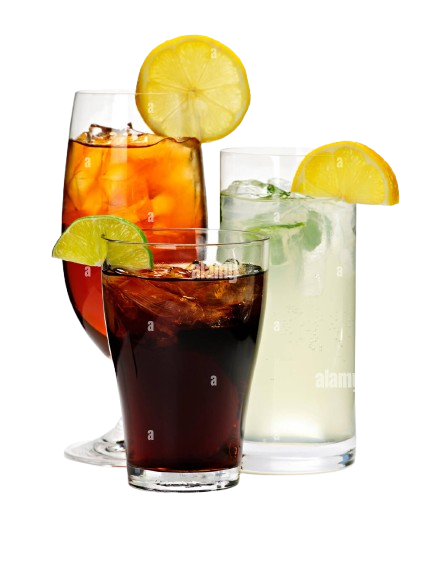
Get a Custom Report on Soda Nutrition Data – Contact Us!
What are the Types of Soda?
Soda types vary by sweetener, flavor, and caffeine content. Here are some common types of soda:
| Type | Description | Calories (Approximate per 12 oz / 355 ml serving) | Calorie Qualifications |
|---|---|---|---|
|
Regular Soda
|
Sweetened with sugar (sucrose or HFCS). Includes cola, lemon-lime, root beer, etc. | 140-190+ | High calorie content, from added sugars. No significant nutritional value. |
|
Diet Soda
|
Sweetened with artificial sweeteners (aspartame, sucralose, acesulfame K, etc.). | 0-7 | Virtually zero calories. Contains artificial sweeteners, acids, flavorings, and caffeine. |
|
Zero-Sugar Soda
|
Similar to diet soda, uses artificial or non-nutritive sweeteners. Marketing term. | 0-7 | Virtually zero calories. Marketed to taste closer to regular versions than traditional "diet" sodas. |
|
Caffeine-Free Soda
|
Regular or diet soda formulated without caffeine. | Varies (0-190+) | Calorie content depends on whether it's regular (sugary) or diet/zero-sugar (artificially sweetened). |
|
Cream Soda
|
Vanilla-flavored, higher in sugar/calories than standard colas. | 160-190+ | Among the higher-calorie regular sodas due to sugar content. Low-cal versions exist. |
|
Ginger Ale
|
Ginger-flavored, perceived as lighter but can still be high in sugar. | 120-150 | Calorie content varies; brands are lower in sugar than colas, others are similar. Diet versions available. |
|
Fruit-Flavored Soda
|
Orange, grape, cherry, etc. Often very high in sugar. | 160-190+ | Frequently among the highest-calorie and highest-sugar regular sodas. |
|
Tonic Water
|
Contains quinine for bitter flavor, usually sweetened with sugar/HFCS. | ~120-130 | Contains significant sugar and calories, despite its bitter taste. Diet versions exist |
|
Club Soda/Seltzer
|
Carbonated water, sometimes with added minerals, unsweetened. | 0 | Zero calories, zero sugar. A base for mixing drinks or a soda alternative. Seltzer typically has no added minerals. |
|
Prebiotic Soda
|
Newer category containing fiber (like inulin) and often less sugar/artificial sweeteners. | 25-50 | Lower in calories and sugar than regular soda. Contains added fiber; potential digestive effects vary by individual. |
What are the Desserts with Soda?
Several desserts incorporate soda for the sweetness, flavor, and sometimes carbonation or acidity. Below are some examples:
| Dish Name | Calories (Estimate) | Type of Soda | Carbs (g) | Sugar (g) | Protein (g) | Fat (g) | Cuisine | Restaurants |
|---|---|---|---|---|---|---|---|---|
|
Root Beer Float
|
350-500 | Root Beer | 60-90 | 55-85 | 4-8 | 15-25 | American | A&W Restaurants, many diners and ice cream parlors (e.g., Sonic Drive-In) |
|
Coca-Cola Cake
|
400-600 (per slice) | Cola (e.g., Coca-Cola) | 50-80 | 40-65 | 3-6 | 20-35 | American (Southern) | Cracker Barrel Old Country Store, Southern-style restaurants |
|
7UP Pound Cake
|
350-550 (per slice) | Lemon-Lime (e.g., 7UP) | 50-70 | 35-55 | 4-7 | 15-30 | American (Southern) | Homemade; found in bakeries or home-style cafes |
|
Cherry Cola Float
|
350-500 | Cherry Cola | 60-90 | 55-85 | 4-8 | 15-25 | American | Diners, ice cream shops, Sonic Drive-In |
|
Soda Cracker Pie
|
300-500 (per slice) | None (Uses crackers) | 40-60 | 30-50 | 3-6 | 15-25 | American | Homemade/vintage recipe, less common in restaurants |
|
Orange Crush Cake
|
400-600 (per slice) | Orange Soda | 50-80 | 40-65 | 3-6 | 20-35 | American | Similar to Cola Cake, found in some bakeries or home-style settings |
|
Dr. Pepper Brownies
|
250-400 (per brownie) | Dr. Pepper | 30-50 | 25-40 | 2-5 | 12-20 | American | Increasingly found in specialty bakeries or as online recipes |
What are the Main Dishes with Soda?
Soda is sometimes used in marinades, braising liquids, or glazes to aid caramelization and acidity to help tenderize the meat, as shown in the table below:
| Dish Name | Calories (Estimate) | Type of Soda | Carbs (g) | Sugar (g) | Protein (g) | Fat (g) | Cuisine | Restaurants |
|---|---|---|---|---|---|---|---|---|
|
Dr. Pepper Pulled Pork
|
500-800 (per serving) | Dr. Pepper | 20-40 | 15-35 | 30-50 | 25-45 | American (BBQ/Southern) | BBQ joints (technique used even if not advertised), home-style restaurants |
|
Cola-Braised Short Ribs
|
600-900 | Cola (e.g., Coca-Cola) | 15-30 | 10-25 | 40-60 | 35-55 | American/Fusion | Gastropubs or modern American restaurants |
|
Root Beer Glazed Ham
|
300-500 (per slice) | Root Beer | 15-30 | 12-25 | 25-40 | 10-20 | American | Holiday dish; sometimes featured in diners or buffets |
|
Cherry Cola BBQ Ribs
|
500-800 (per half rack) | Cherry Cola | 30-50 | 25-45 | 30-50 | 25-40 | American (BBQ) | BBQ restaurants experiment with different soda glazes (e.g., local BBQ spots, some chain restaurants) |
|
Ginger Ale Marinade (Chicken/Pork)
|
Varies widely | Ginger Ale | 5-15 | 4-12 | Varies | Varies | American/Asian Fusion | Less common commercially, more of a home cooking technique |
|
"Beer" Can Chicken (Soda variation)
|
400-600 (per portion) | Cola, Root Beer, etc. | <5 | <3 | 40-60 | 20-35 | American (BBQ) | Primarily a home BBQ method, though some BBQ restaurants might offer variations (e.g., Sonny's BBQ, Famous Dave's might have similar smoked chicken) |
|
Cola Carnitas
|
500-700 (per serving) | Cola (e.g., Mexican Coke) | 10-20 | 5-15 | 30-45 | 30-50 | Mexican/Tex-Mex | Some taquerias or Mexican restaurants offering modern twists |
What Cuisines Prefer Soda the Most?
The integration of soda as an ingredient in cooking is most notably found in American cuisine within Southern and BBQ traditions. Below are cuisines where soda is used in specific dishes:
| Cuisine | Dish | Types of Soda | Calories (Estimate) | Restaurant(s) |
|---|---|---|---|---|
|
American (Southern/BBQ)
|
Dr. Pepper Pulled Pork | Dr. Pepper, Cola | 500-800 (per serving) | Independent BBQ joints (technique common), Cracker Barrel (for similar Southern styles) |
|
American (Southern/BBQ)
|
Coca-Cola Cake | Cola (e.g., Coca-Cola) | 400-600 (per slice) | Cracker Barrel Old Country Store, various Southern-style restaurants |
|
American (Southern/BBQ)
|
7UP Pound Cake | Lemon-Lime (e.g., 7UP) | 350-550 (per slice) | Homemade; sometimes found in local bakeries or home-style cafes |
|
American (Southern/BBQ)
|
Cola/Root Beer Glazed Ham | Cola, Root Beer | 300-500 (per slice) | Holiday special; appear in buffets or diners |
|
American (General/Nostalgic)
|
Root Beer Float | Root Beer | 350-500 | A&W Restaurants, Sonic Drive-In, Steak 'n Shake, many diners |
|
Mexican/Tex-Mex (Modern/Fusion)
|
Cola Carnitas | Cola (esp. cane sugar) | 500-700 (per serving) | Modern taquerias or Mexican restaurants offering fusion dishes (less common than American BBQ usage) |
Which Countries Produce the Most Soda?
The largest global producers of soda (carbonated soft drinks) are countries with large populations and high consumption rates, aligning production with local demand due to bottling logistics. The United States, China, Mexico, and Brazil are consistently among the top producers.
| Country | 2006 | 2007 | 2008 | 2009 | 2010 | 2011 | 2012 | 2013 | 2014 | 2015 | 2016 | 2017 | 2018 | 2019 | 2020 | 2021 | 2022 | 2023 | 2024 |
|---|---|---|---|---|---|---|---|---|---|---|---|---|---|---|---|---|---|---|---|
| USA | 55.0 | 54.8 | 54.5 | 53.8 | 53.5 | 53.0 | 52.5 | 52.0 | 51.8 | 51.5 | 51.0 | 50.5 | 50.0 | 49.5 | 48.0 | 48.2 | 48.0 | 47.8 | 47.5 |
| China | 16.5 | 18.0 | 19.5 | 21.0 | 23.0 | 25.5 | 28.0 | 30.5 | 32.5 | 34.0 | 35.5 | 37.0 | 38.0 | 39.0 | 38.5 | 39.5 | 40.5 | 41.5 | 42.0 |
| Mexico | 18.8 | 19.1 | 19.4 | 19.0 | 19.2 | 19.5 | 19.8 | 20.0 | 19.5 | 19.2 | 19.0 | 18.8 | 18.6 | 18.5 | 18.0 | 18.2 | 18.4 | 18.6 | 18.5 |
| Brazil | 12.5 | 13.0 | 13.5 | 13.8 | 14.2 | 14.6 | 15.0 | 15.4 | 15.8 | 15.5 | 15.2 | 15.0 | 15.2 | 15.4 | 15.0 | 15.3 | 15.6 | 15.9 | 16.0 |
| Germany | 8.1 | 8.2 | 8.3 | 8.2 | 8.3 | 8.4 | 8.5 | 8.6 | 8.7 | 8.6 | 8.5 | 8.4 | 8.3 | 8.2 | 8.0 | 8.1 | 8.2 | 8.1 | 8.0 |
Which Countries Consume the Most Soda?
The countries consuming the most soda by total volume are those with the largest populations, such as the United States and China. Per capita consumption rates are highest in Mexico and the United States.
| Country | 2006 | 2007 | 2008 | 2009 | 2010 | 2011 | 2012 | 2013 | 2014 | 2015 | 2016 | 2017 | 2018 | 2019 | 2020 | 2021 | 2022 | 2023 | 2024 |
|---|---|---|---|---|---|---|---|---|---|---|---|---|---|---|---|---|---|---|---|
| USA | 55.8 | 55.5 | 55.0 | 54.2 | 53.8 | 53.2 | 52.6 | 52.0 | 51.7 | 51.3 | 50.7 | 50.1 | 49.5 | 49.0 | 47.5 | 47.8 | 47.5 | 47.2 | 47.0 |
| China | 16.3 | 17.8 | 19.3 | 20.8 | 22.8 | 25.3 | 27.8 | 30.3 | 32.3 | 33.8 | 35.3 | 36.8 | 37.8 | 38.8 | 38.3 | 39.3 | 40.3 | 41.3 | 41.8 |
| Mexico | 19.3 | 19.6 | 19.9 | 19.5 | 19.7 | 20.0 | 20.3 | 20.5 | 20.0 | 19.6 | 19.3 | 19.0 | 18.8 | 18.6 | 18.1 | 18.3 | 18.5 | 18.7 | 18.6 |
| Brazil | 12.3 | 12.8 | 12.8 | 13.6 | 14.0 | 14.4 | 14.8 | 15.2 | 15.6 | 15.3 | 15.0 | 14.8 | 15.0 | 15.2 | 14.8 | 15.1 | 15.4 | 15.7 | 15.8 |
| Germany | 8.3 | 8.4 | 8.5 | 8.4 | 8.5 | 8.6 | 8.7 | 8.8 | 8.9 | 8.8 | 8.7 | 8.6 | 8.5 | 8.4 | 8.2 | 8.3 | 8.4 | 8.3 | 8.2 |
How Do Prices of Soda-including Dishes Change?
The general increase in soda prices, alongside significant inflation in other food ingredients, labor, and operating costs, has led to higher menu prices for dishes that include soda or are commonly served with it. Below is a comparison showing estimated price changes for some dishes featuring soda as an ingredient or classic pairing:
| Restaurant | Dish | Old Price (Year) | Current Price (2025 Estimate) |
|---|---|---|---|
| A&W Restaurants | Root Beer Float | ~$3.49 (2010) | $4.99 - $6.49 |
| Cracker Barrel Old Country Store | Coca-Cola Cake (slice) | ~$4.29 (2012) | $5.79 - $6.29 |
| Sonic Drive-In | Cherry Limeade (Large) | $1.99 (2008) | $2.89 - $3.59 |
| Famous Dave's | Georgia Pork Sandwich | $9.99 (2010) | $13.89 to $14.89 |
| Generic Diner | Ice Cream Soda/Float | $2.99 to $3.99 (2005) | $5.99 - $8.99 |
How Does the Price of Soda Change for the Last 20 Years?
US soda prices increased over the past 20 years because of inflation and rising industry costs, with key price drivers including costs for ingredients (sweeteners, water), packaging (aluminum, plastic), energy, and labor. Demand shifts between developed and emerging markets, plus government policies like sugar taxes, also significantly impact prices. US Consumer Price Index (CPI) for Nonalcoholic Beverages and Beverage Materials (Index 1982-84=100)
| Year | Price |
|---|---|
| 2005 | $1.1 |
| 2006 | $1.15 |
| 2007 | $1.2 |
| 2008 | $1.3 |
| 2009 | $1.35 |
| 2010 | $1.4 |
| 2011 | $1.48 |
| 2012 | $1.55 |
| 2013 | $1.6 |
| 2014 | $1.65 |
| 2015 | $1.68 |
| 2016 | $1.7 |
| 2017 | $1.75 |
| 2018 | $1.8 |
| 2019 | $1.85 |
| 2020 | $1.9 |
| 2021 | $1.95 |
| 2022 | $2.1 |
| 2023 | $2.25 |
| 2024 | $2.35 |
What is the Soda Calorie for 100 GR?
Coca-Cola Classic has 42 calories per 100g (or 100 mL). Pepsi contains 41 calories per 100g. Dr Pepper has 41 calories, Sprite contains 39 calories, Fanta Orange has 48 calories, A&W Cream Soda contains 48 calories, Canada Dry Ginger Ale has 35 calories, and A&W Root Beer contains 45 calories per 100 g. Diet sodas and soda water contain 0 calories per 100 g.
What is the Soda Calorie for 1 Liter?
Coca-Cola Classic contains 420 calories per liter. Pepsi contains 410 calories, Dr Pepper has 410 calories, Sprite contains 390 calories, Fanta Orange has 480 calories, A&W Cream Soda contains 480 calories, Canada Dry Ginger Ale has 350 calories, and A&W Root Beer contains 450 calories per liter. Diet sodas and soda water contain 0 calories per 1 liter.
What is the Calorie of 1 Soda?
A 12 fl oz (355 mL) can of Coca-Cola Classic contains 140 calories. Pepsi contains 150 calories per can. Dr Pepper provides 150 calories per can. Sprite contains 140 calories, Fanta Orange has 160 calories, Canada Dry Ginger Ale contains 124 calories, and A&W Root Beer provides 170 calories per can. Diet Coke, Diet Pepsi, or Coke Zero Sugar contain 0 calories per 12 fl oz can.
What are the Health Benefits of Soda?
Research does not support health benefits from consuming traditional sugary sodas, as these beverages consist of carbonated water, sugar, and flavorings with minimal essential nutrients. Limited or anecdotal effects are mentioned, but they lack strong evidence and are outweighed by negative impacts. Minor points include:
- Hydration Contribution: Sodas contribute to fluid intake, though water is a superior choice for hydration without added sugars/acids (Popkin, B. M., D'Anci, K. E., & Rosenberg, I. H., 2010, Water, hydration, and health).
- Temporary Alertness: Some sodas contain caffeine, which can provide a short-term boost in alertness and concentration.
- Potential Digestive Aid (Anecdotal): Report carbonation and acidity might ease mild nausea or indigestion, though this lacks consistent proof.
What are the Downsides of Soda?
Soda, especially the sugary types, has downsides to health because of their high added sugar and low nutritional value. Frequent consumption of sodas has been linked to adverse health outcomes, such as:
- Weight Gain and Obesity: Sodas are high-calorie but low-satiety, which leads to excess calorie intake and weight gain. (Malik, V. S., Pan, A., Willett, W. C., & Hu, F. B., 2013, Sugar-sweetened beverages and weight gain in children and adults: a systematic review and meta-analysis).
- Increased Risk of Type 2 Diabetes: Regular sugary drink intake raises type 2 diabetes risk, promoting weight gain and insulin resistance.
- Heart Disease Risk: High consumption links to increased heart disease risk via weight gain, high blood pressure, inflammation, and poor lipid profiles.
- Dental Problems: High sugar feeds mouth bacteria, and acidity erodes enamel, increasing cavity and erosion risk.
- Liver Health Issues: Excessive intake, especially fructose, contributes to non-alcoholic fatty liver disease (NAFLD).
- Other Concerns: Studies suggest links between high soda consumption and increased risk of gout, kidney disease, and negative bone health impacts (phosphoric acid).
Are Sodas Good for Health?
No, sodas are not considered good for health as they offer no nutritional benefits and regular consumption is linked to negative effects across multiple body systems. For heart health, the high sugar contributes to risk factors like weight gain, elevated blood pressure, increased triglycerides, and harmful cholesterol patterns, increasing cardiovascular disease risk. High sugar and carbonation can negatively affect digestive health causing bloating, discomfort, or altering the gut microbiome. Regarding brain health, sugar spikes and crashes impact mood, energy, and concentration, with potential long-term links to cognitive decline under investigation. Liver health is a concern because processing large amounts of fructose can lead to fat accumulation and non-alcoholic fatty liver disease. Soda's acidity damages dental enamel, while components like phosphoric acid raise concerns about negative bone density effects. Even diet sodas, despite being low-calorie, contain artificial sweeteners whose long-term effects on metabolism or gut bacteria are still debated.
How Much Soda Should I Drink in a Day?
Health authorities strongly advise limiting or avoiding sugary drinks like soda. The Dietary Guidelines for Americans recommend added sugars be less than 10% of daily calories which is under 50g for a 2,000-calorie diet. A single can of soda (35-45g sugar) nearly meets or exceeds this limit.
How Much Soda Can I Drink in a Day at Most?
The maximum recommended amount of sugary soda per day is ideally zero. There is no regulated upper limit but consuming even one can of sugary soda daily exceeds health recommendations from the American Heart Association and increases a person’s risks for weight gain, type 2 diabetes, heart disease, liver problems, and dental issues. Soda should be an infrequent treat, not a daily beverage.
How Does Calorie Change According to Soda Types?
Soda calories depend on the sweetener used. Regular sodas using sugar or high-fructose corn syrup are highest, with 140-190 calories per 12oz, with fruit-flavored and cream sodas exceeding 190 calories. Diet and zero-sugar sodas have zero calories due to artificial sweeteners, unsweetened carbonated waters like club soda and seltzer also contain zero calories. Ginger ales and tonic waters range from 120-150 calories, while newer prebiotic sodas are lower at 25-50 calories.
What is the Origin of Soda?
Soda originated in the 18th-century in an attempt to replicate naturally carbonated mineral waters, which were believed to have health benefits. English chemist Joseph Priestley discovered how to infuse water with carbon dioxide in 1767, and Jacob Schweppe developed a practical manufacturing process in the 1780s, initially selling carbonated water for medicinal purposes. The shift to a recreational drink began in early 19th-century US pharmacy soda fountains, where flavorings like ginger and lemon were added, turning the fountains into social hubs. Iconic brands emerged in the late 19th century such as Coca-Cola (1886) and Pepsi-Cola (1893), both initially marketed as tonics. Automated bottling technology soon allowed soda to become a mass-marketed, packaged beverage. Soda in cooking developed later in mid-20th century American kitchens, with Southern traditions using lemon-lime sodas in cakes (like 7UP Pound Cake) and colas in chocolate cakes (like Coca-Cola Cake) for moisture and flavor.
Explore More Beverages
Discover more Beverages with detailed nutrition facts, calorie counts, vitamins, minerals, and health benefits. Compare similar foods, serving sizes, macronutrients, and key nutrients to find the best option for your diet and nutrition goals.
 Almond Milk calories
 Aloe Vera Juice calories
 Americano calories
 Apple Cider calories
 Apple Juice calories
 Apricot Juice calories
 Aronia Juice calories
 Avocado Shake calories
 Banana Juice calories
 Baobab Juice calories
 Barley Tea calories
 Beer calories