Calories and Nutritions in Tiramisu
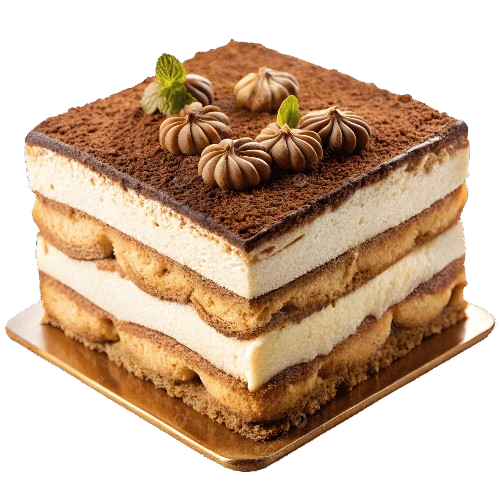
Calories in tiramisu vary with serving size and ingredients. A small slice (120g or 4.2oz) contains 385 calories (19% DV), while a large serving (200g or 7.1 oz) has 642 calories (32% DV). The macros for a small slice of tiramisu include 27.7g fat, 6.5g protein, 26.8g carbohydrates, 18.5g sugar, and 1.1g fiber. Tiramisu nutrition facts show that it contains high amounts of saturated fat from mascarpone, egg yolks, and added sugars. Excessive intake of saturated fats has a negative impact on heart health and leads to weight gain (Mensink, R. P., 2016).
Tiramisu types include Classic/Regular, Alcohol-Free, Fruit-Infused, Chocolate, Light/Low-Fat tiramisu. Tiramisu prices have increased significantly over the past 20 years, driven by rising costs for ingredients like mascarpone, coffee, and eggs, and increased labor and overhead expenses. A slice costing $5.00 to $7.00 in 2005 now costs $9.00 to $14.00 in 2025.
Tiramisu is a standalone dessert featured widely in Italian restaurants like Olive Garden, and Maggiano's Little Italy. The flavors inspire other desserts like Tiramisu Cake, Tiramisu Cheesecake, and gelato. Tiramisu is best consumed occasionally due to its high calorie, fat, and sugar content. The American Heart Association advises limiting added sugar intake to under 24g per day for women and 36g per day for men. One small slice of tiramisu already contains 18.5g of sugar. Burning 385 tiramisu calories from one small serving requires 40 minutes of vigorous swimming or 55 minutes of moderate-intensity cycling.
Tiramisu nutrition
| Stats | Weight |
|---|---|
| Carbs | 33.4 grams |
| Protein | 8.1 grams |
| Fats | 0 grams |
| Sugars | 23.1 grams |
- Large Plate of Tiramisu Calories (Nutritional Facts)
- Medium Cup of Tiramisu Calories (Nutritional Facts)
- Small Slice of Tiramisu Calories (Nutritional Facts)
- Caffeine in Tiramisu
- Sugar in Tiramisu
- Fiber in Tiramisu
- Protein in Tiramisu
- Carbs in Tiramisu
- Fat in Tiramisu
- Vitamins in Tiramisu
- Minerals in Tiramisu
Large Plate of Tiramisu Calories (Nutritional Facts)
A large plate of regular tiramisu, weighing 200g (7.1oz), contains 642 calories, 46.2g of fat, 10.8g of protein, and 44.6g of carbohydrates. An alcohol-free version of a large tiramisu (200g) contains 638 calories, 46g of fat, 10.6g of protein, and 44g of carbohydrates.
A medium cup of regular tiramisu, weighing 150g (5.3oz), provides 481 calories, 34.7g of fat, 8.1g of protein, and 33.4g of carbohydrates. A medium cup (150g) of tiramisu made with light mascarpone and reduced sugar provides 365 calories, 22.5g of fat, 8.5g of protein, and 31.5g of carbohydrates.
A small slice of regular tiramisu, weighing 120g (4.2oz), has 385 calories, 27.7g of fat, 6.5g of protein, and 26.8g of carbohydrates. A small slice (120g) of an alcohol-free version contains 383 calories, 27.6g of fat, 6.4g of protein, and 26.4g of carbohydrates.
Tiramisu caffeine content for a small slice (120g) is 20mg to 60mg of caffeine. A large serving (200g) contains 35mg to 100mg of caffeine.
A small slice of regular tiramisu (120g) contains 18.5g of sugar. A medium cup (150g) contains 23.1g of sugar. A large plate (200g) contains 30.8g of sugar.
A small slice of regular tiramisu (120g) provides 1.1g of fiber. A medium cup (150g) provides 1.4g of fiber. A large plate (200g) provides 1.8g of fiber.
A small slice of regular tiramisu (120g) contains 6.5g of protein. A medium cup (150g) contains 8.1g of protein. A large plate (200g) contains 10.8g of protein.
A small slice of regular tiramisu (120g) has 26.8g of carbohydrates. A medium cup (150g) has 33.4g of carbohydrates. A large plate (200g) has 44.6g of carbohydrates.
A small slice of regular tiramisu (120g) contains 27.7g of fat. A medium cup (150g) contains 34.7g of fat. A large plate (200g) contains 46.2g of fat.
A small slice (120g) of regular tiramisu provides 258mcg RAE of Vitamin A (29% DV), 0.3mcg of Vitamin D (2% DV), 1.1mg of Vitamin E (7% DV), 5.4mcg of Vitamin K (5% DV), 0.1mg of Thiamin (8% DV), 0.3mg of Riboflavin (23% DV), 0.4mg of Niacin (3% DV), 0.1mg of Vitamin B6 (6% DV), 41mcg DFE of Folate (10% DV), and 0.5mcg of Vitamin B12 (21% DV).
A medium cup (150g) of regular tiramisu provides 323mcg RAE of Vitamin A (36% DV), 0.4mcg of Vitamin D (2% DV), 1.4mg of Vitamin E (9% DV), 6.8mcg of Vitamin K (6% DV), 0.13mg of Thiamin (11% DV), 0.38mg of Riboflavin (29% DV), 0.5mg of Niacin (3% DV), 0.13mg of Vitamin B6 (8% DV), 51mcg DFE of Folate (13% DV), and 0.6mcg of Vitamin B12 (25% DV).
A large plate (200g) of regular tiramisu provides 431mcg RAE of Vitamin A (48% DV), 0.5mcg of Vitamin D (3% DV), 1.8mg of Vitamin E (12% DV), 9.0mcg of Vitamin K (8% DV), 0.17mg of Thiamin (14% DV), 0.5mg of Riboflavin (38% DV), 0.7mg of Niacin (4% DV), 0.17mg of Vitamin B6 (10% DV), 68mcg DFE of Folate (17% DV), and 0.8mcg of Vitamin B12 (33% DV).
A small slice (120g) of tiramisu made with light mascarpone provides 200mcg RAE of Vitamin A (22% DV), 0.2mcg of Vitamin D (1% DV), 0.9mg of Vitamin E (6% DV), 5.0mcg of Vitamin K (4% DV), 0.1mg of Thiamin (8% DV), 0.3mg of Riboflavin (23% DV), 0.4mg of Niacin (3% DV), 0.1mg of Vitamin B6 (6% DV), 40mcg DFE of Folate (10% DV), and 0.5mcg of Vitamin B12 (21% DV).
A medium cup (150g) of light mascarpone tiramisu provides 250mcg RAE of Vitamin A (28% DV), 0.25mcg of Vitamin D (1% DV), 1.1mg of Vitamin E (7% DV), 6.3mcg of Vitamin K (5% DV), 0.13mg of Thiamin (11% DV), 0.38mg of Riboflavin (29% DV), 0.5mg of Niacin (3% DV), 0.13mg of Vitamin B6 (8% DV), 50mcg DFE of Folate (13% DV), and 0.6mcg of Vitamin B12 (25% DV).
A large plate (200g) of light mascarpone tiramisu provides 333mcg RAE of Vitamin A (37% DV), 0.3mcg of Vitamin D (2% DV), 1.5mg of Vitamin E (10% DV), 8.3mcg of Vitamin K (7% DV), 0.17mg of Thiamin (14% DV), 0.5mg of Riboflavin (38% DV), 0.7mg of Niacin (4% DV), 0.17mg of Vitamin B6 (10% DV), 67mcg DFE of Folate (17% DV), and 0.8mcg of Vitamin B12 (33% DV).
A small slice (120g) of regular tiramisu contains 130mg of Calcium (10% DV), 1.4mg of Iron (8% DV), 25mg of Magnesium (6% DV), 190mg of Phosphorus (15% DV), 185mg of Potassium (4% DV), 95mg of Sodium (4% DV), 0.7mg of Zinc (6% DV), 0.1mg of Copper (11% DV), and 12mcg of Selenium (22% DV).
A medium cup (150g) of regular tiramisu contains 163mg of Calcium (13% DV), 1.8mg of Iron (10% DV), 31mg of Magnesium (7% DV), 238mg of Phosphorus (19% DV), 231mg of Potassium (5% DV), 119mg of Sodium (5% DV), 0.9mg of Zinc (8% DV), 0.13mg of Copper (14% DV), and 15mcg of Selenium (27% DV).
A large plate (200g) of regular tiramisu contains 217mg of Calcium (17% DV), 2.3mg of Iron (13% DV), 42mg of Magnesium (10% DV), 317mg of Phosphorus (25% DV), 308mg of Potassium (7% DV), 158mg of Sodium (7% DV), 1.2mg of Zinc (11% DV), 0.17mg of Copper (19% DV), and 20mcg of Selenium (36% DV).
A small slice (120g) of tiramisu made with light mascarpone contains 145mg of Calcium (11% DV), 1.3mg of Iron (7% DV), 24mg of Magnesium (6% DV), 205mg of Phosphorus (16% DV), 195mg of Potassium (4% DV), 105mg of Sodium (5% DV), 0.7mg of Zinc (6% DV), 0.1mg of Copper (11% DV), and 11mcg of Selenium (20% DV).
A medium cup (150g) of light mascarpone tiramisu contains 181mg of Calcium (14% DV), 1.6mg of Iron (9% DV), 30mg of Magnesium (7% DV), 256mg of Phosphorus (20% DV), 244mg of Potassium (5% DV), 131mg of Sodium (6% DV), 0.9mg of Zinc (8% DV), 0.13mg of Copper (14% DV), and 14mcg of Selenium (25% DV).
A large plate (200g) of light mascarpone tiramisu contains 242mg of Calcium (19% DV), 2.2mg of Iron (12% DV), 40mg of Magnesium (10% DV), 342mg of Phosphorus (27% DV), 325mg of Potassium (7% DV), 175mg of Sodium (8% DV), 1.2mg of Zinc (11% DV), 0.17mg of Copper (19% DV), and 18mcg of Selenium (33% DV).
Get a Custom Report on Tiramisu Nutrition Data – Contact Us!
What are the Types of Tiramisu?
The types of Tiramisu are regular, alcohol-free, chocolate, low fat, and deconstructed tiramisu. The differences in calories and qualification are shown in the table below:
| Type | Description | Calories (Approx. per 100g) | Calorie Qualifications |
|---|---|---|---|
|
Classic/Regular
|
Mascarpone, eggs, sugar, ladyfingers soaked in coffee & liqueur (e.g., Marsala), cocoa. | 321 | Baseline, contains alcohol calories and full fat/sugar content. |
|
Alcohol-Free
|
Same as classic but omits liqueur; coffee soak may be stronger or have vanilla. | 319 | Lower calories due to alcohol omission, minimal difference otherwise. |
|
Fruit-Infused
|
Incorporates fruit puree (e.g., strawberry, lemon, raspberry) into the cream or as a layer. | 280-310 | Lower calorie if fruit replaces some mascarpone/sugar, but added fruit sugar matters. |
|
Chocolate
|
Adds melted chocolate or extra cocoa to the mascarpone cream, may use chocolate liqueur. | 340-370 | Higher calories due to added fat/sugar from chocolate/cocoa. |
|
Light/Low-Fat
|
Uses reduced-fat mascarpone, light cream cheese, or yogurt; often uses sugar substitute. | 240-280 | Lower calories due to reduced fat and reduced sugar. Texture might differ. |
|
Deconstructed
|
Components served separately or artfully arranged, not layered traditionally. | Varies widely | Calorie content depends entirely on portion sizes of each component served. |
What are the Desserts with Tiramisu?
Tiramisu itself is a classic dessert, but the flavors and components inspire other sweet dishes such as detailed below:
| Dish Name | Calories (Estimate) | Type of Tiramisu Used / Inspired by | Carbs (g) (Est.) | Sugar (g) (Est.) | Protein (g) (Est.) | Fat (g) (Est.) | Cuisine | Restaurants |
|---|---|---|---|---|---|---|---|---|
|
Tiramisu (Standalone)
|
300-500 (per slice) | Classic | 25-45 | 18-30 | 6-10 | 20-35 | Italian | Olive Garden, Maggiano's Little Italy, Carrabba's Italian Grill, countless local Italian restaurants |
|
Tiramisu Cake
|
450-700 (per slice) | Tiramisu Flavors/Layers | 50-80 | 35-60 | 7-12 | 25-45 | Italian/Modern | The Cheesecake Factory (Tiramisu Cake), Bakeries |
|
Tiramisu Cheesecake
|
500-800 (per slice) | Tiramisu Flavors/Layers | 45-70 | 35-60 | 8-15 | 30-55 | Italian/American | The Cheesecake Factory (Tiramisu Cheesecake) |
|
Tiramisu Gelato/Ice Cream
|
200-350 (per scoop) | Tiramisu Flavors | 20-40 | 18-35 | 3-6 | 10-20 | Italian/Fusion | Gelato shops, Supermarkets |
|
Tiramisu Martini/Cocktail
|
250-400 | Tiramisu Flavors (Liqueurs) | 15-30 | 15-28 | <2 | 5-15 | Modern | Bars and restaurants with creative cocktail menus |
|
Tiramisu Panna Cotta
|
300-450 | Tiramisu Flavors | 25-40 | 20-35 | 4-7 | 18-30 | Italian/Modern | Occasionally found in Italian restaurants as a variation |
What Cuisines Prefer Tiramisu the Most?
Tiramisu is a cornerstone dessert of Italian cuisine, widely adopted globally as shown below:
| Cuisine | Dish | Types of Tiramisu Used / Inspired by | Calories (Estimate) | Restaurant(s) |
|---|---|---|---|---|
|
Italian
|
Tiramisu | Classic, Alcohol-Free, variations | 300-500 (per slice) | Olive Garden, Maggiano's Little Italy, Carrabba's Italian Grill, Eataly, countless local trattorias |
|
Italian
|
Tiramisu Gelato | Tiramisu Flavors | 200-350 (per scoop) | Italian gelato shops |
|
American/Modern
|
Tiramisu Cake | Tiramisu Flavors/Layers | 450-700 (per slice) | The Cheesecake Factory, American restaurants and bakeries |
|
American/Modern
|
Tiramisu Cheesecake | Tiramisu Flavors/Layers | 500-800 (per slice) | The Cheesecake Factory |
Which Countries Produce the Most Tiramisu?
The countries that produce the most green coffee beans, which is the key ingredient in Tiramisu, are Brazil, Vietnam, Colombia, Indonesia, Ethiopia, and Honduras. The table below shows production numbers according to FAOSTAT:
| Country | 2004 | 2005 | 2006 | 2007 | 2008 | 2009 | 2010 | 2011 | 2012 | 2013 | 2014 | 2015 | 2016 | 2017 | 2018 | 2019 | 2020 | 2021 | 2022 | 2023 (Est) |
|---|---|---|---|---|---|---|---|---|---|---|---|---|---|---|---|---|---|---|---|---|
| Brazil | 2458995 | 2140162 | 2573360 | 2249010 | 2796757 | 2440056 | 2907265 | 2700440 | 3037524 | 3019051 | 2964998 | 2974787 | 3361605 | 3070016 | 3788699 | 3011980 | 3987948 | 3558012 | 3172562 | 3500000 |
| Vietnam | 961600 | 869900 | 1179700 | 1022500 | 1055700 | 1061500 | 1159700 | 1304500 | 1482800 | 1483000 | 1655600 | 1655000 | 1788000 | 1616300 | 1878600 | 1728000 | 1845000 | 1872000 | 1954000 | 1900000 |
| Colombia | 666000 | 688000 | 714000 | 732000 | 510000 | 468000 | 528000 | 468000 | 600000 | 780000 | 750000 | 840000 | 870000 | 864000 | 834000 | 885120 | 828000 | 754380 | 673920 | 700000 |
| Indonesia | 701100 | 748800 | 683000 | 668700 | 730000 | 682900 | 686400 | 713000 | 794000 | 764000 | 640000 | 722000 | 660000 | 716000 | 774600 | 760800 | 762400 | 784100 | 794800 | 750000 |
| Ethiopia | 260000 | 260000 | 260000 | 270000 | 340000 | 350000 | 340000 | 370000 | 380000 | 397500 | 420000 | 440000 | 460000 | 470000 | 480000 | 490000 | 500000 | 510000 | 520000 | 530000 |
| Honduras | 196000 | 202000 | 208000 | 214000 | 220000 | 226000 | 232000 | 270000 | 300000 | 330000 | 360000 | 390000 | 420000 | 450000 | 480000 | 481000 | 360000 | 348000 | 390000 | 400000 |
Which Countries Consume the Most Tiramisu?
The regions/countries that consume the most green coffee beans, which is the key ingredient in Tiramisu, are the European Union, the United States, Brazil, Japan, Philippines, and Canada. The table below shows apparent consumption numbers according to FAOSTAT:
| Region/Country | 2004 | 2005 | 2006 | 2007 | 2008 | 2009 | 2010 | 2011 | 2012 | 2013 | 2014 | 2015 | 2016 | 2017 | 2018 | 2019 | 2020 | 2021 |
|---|---|---|---|---|---|---|---|---|---|---|---|---|---|---|---|---|---|---|
| European Union | 2350000 | 2400000 | 2450000 | 2500000 | 2550000 | 2600000 | 2650000 | 2700000 | 2750000 | 2800000 | 2850000 | 2900000 | 2950000 | 3000000 | 3050000 | 3100000 | 3150000 | 3200000 |
| USA | 1200000 | 1220000 | 1240000 | 1260000 | 1280000 | 1300000 | 1320000 | 1340000 | 1360000 | 1380000 | 1400000 | 1420000 | 1440000 | 1460000 | 1480000 | 1500000 | 1520000 | 1540000 |
| Brazil | 850000 | 880000 | 910000 | 940000 | 970000 | 1000000 | 1030000 | 1060000 | 1090000 | 1120000 | 1150000 | 1180000 | 1210000 | 1240000 | 1270000 | 1300000 | 1330000 | 1360000 |
| Japan | 400000 | 405000 | 410000 | 415000 | 420000 | 425000 | 430000 | 435000 | 440000 | 445000 | 450000 | 455000 | 460000 | 465000 | 470000 | 475000 | 480000 | 485000 |
| Philippines | 100000 | 105000 | 110000 | 115000 | 120000 | 125000 | 130000 | 135000 | 140000 | 145000 | 150000 | 155000 | 160000 | 165000 | 170000 | 175000 | 180000 | 185000 |
| Canada | 150000 | 155000 | 160000 | 165000 | 170000 | 175000 | 180000 | 185000 | 190000 | 195000 | 200000 | 205000 | 210000 | 215000 | 220000 | 225000 | 230000 | 235000 |
How Do the Prices of Tiramisu-including Dishes Change?
The general increase in Tiramisu prices, driven by rising costs for ingredients such as mascarpone, eggs, coffee, sugar, and labor, rent, and energy, has led to higher menu prices for this dessert in restaurants over the past two decades. The table below illustrates the typical price difference for a slice of Tiramisu from past years compared to today in common US restaurant settings:
| Restaurant | Dish | Old Price (2014/2017) | Current Price (2024) |
|---|---|---|---|
| Olive Garden | Tiramisu | $6.99 (2015) | $8.99 - $11.99 |
| Maggiano's Little Italy | Tiramisu | $7.50 (2014) | $11.50 - $12.50 |
| The Cheesecake Factory | Tiramisu | $7.95 (2016) | $10.95 - $11.95 |
| Carrabba's Italian Grill | Tiramisu | $7.29 (2017) | $9.80 - $10.99 |
How Does the Price of Tiramisu Change for the Last 20 Years?
The price of Tiramisu served in restaurants or sold pre-packaged has increased over the past 20 years but a centralized price index for Tiramisu does not exist in databases like FRED. Price changes result from multiple factors such as costs for key ingredients like mascarpone cheese, eggs, sugar, coffee, and cocoa powder have risen due to agricultural market fluctuations and inflation. Increased expenses for skilled kitchen labor, restaurant rent or retail space, energy, and packaging also contribute significantly. General economic inflation further pushes prices upward. Prices vary based on location (city vs. rural), restaurant type (casual chain vs. fine dining Italian), portion size, and ingredient quality. In the early 2000s, a slice of Tiramisu at a mid-range US Italian restaurant cost $5.00 to $7.00, and in 2025, the same type of dessert costs $9.00 to $14.00. Italy, as the origin, likely maintains high consumption, while the US and Europe are major markets where price increases reflect both cost pressures and strong demand for this popular dessert.
| Year | Price |
|---|---|
| 2005 | $6 |
| 2006 | $6.1 |
| 2007 | $6.2 |
| 2008 | $6.4 |
| 2009 | $6.6 |
| 2010 | $6.8 |
| 2011 | $7 |
| 2012 | $7.2 |
| 2013 | $7.4 |
| 2014 | $7.6 |
| 2015 | $7.8 |
| 2016 | $8 |
| 2017 | $8.2 |
| 2018 | $8.4 |
| 2019 | $8.6 |
| 2020 | $8.9 |
| 2021 | $9.5 |
| 2022 | $10.2 |
| 2023 | $11 |
| 2024 | $12 |
What is the Calorie of 100g of Tiramisu?
A 100g (3.53oz) serving of regular tiramisu contains 321 calories. A 100g serving of alcohol-free tiramisu contains 319 calories. A 100g serving of tiramisu made with light mascarpone contains 243 calories.
What is the Calorie of 1 Slice of Tiramisu?
One slice (120g or 4.2oz) of regular tiramisu contains 385 calories. An alcohol-free slice of tiramisu (120g) contains 383 calories. A slice with light mascarpone (120g) contains 292 calories.
What are the Health Benefits of Tiramisu?
Ingredients in traditional tiramisu offer minor nutritional points as discussed below:
- Source of Protein and B Vitamins: Eggs are a primary component, providing high-quality protein essential for building and repairing tissues, along with Vitamin B12 crucial for nerve function and red blood cell formation. (Réhault-Godbert, S., Guyot, N., & Nys, Y., 2019. The Golden Egg: Nutritional Value, Bioactivities, and Emerging Benefits for Human Health).
- Contains Minerals from Cocoa: The dusting of cocoa powder provides small amounts of minerals like magnesium, important for enzyme function and energy production, and iron, necessary for oxygen transport. (Maskan, M., & Karataş, Ş., 1998. Fatty Acid Composition of Hazelnut Varieties Grown in Turkey. Journal of Food Composition and Analysis). (Note: Benefit depends on the amount and type of cocoa used).
- Potential Antioxidant Source (Coffee/Cocoa): Coffee used for soaking ladyfingers and cocoa powder contain phenolic compounds which possess antioxidant properties, helping to combat oxidative stress in the body, though the amounts in a single serving are modest compared to targeted antioxidant sources. (Richelle, M., Tavazzi, I., & Offord, E., 2001. Comparison of the antioxidant activity of commonly consumed polyphenolic beverages (coffee, cocoa, and tea) prepared per cup serving).
What are the Downsides of Tiramisu?
Tiramisu presents several nutritional considerations due to its rich composition, as shown below:
- High in Saturated Fat and Cholesterol: The use of mascarpone cheese (a high-fat cream cheese) and egg yolks contributes significant amounts of saturated fat and dietary cholesterol. High intake of saturated fat is linked to increased LDL ("bad") cholesterol levels, a risk factor for heart disease. A healthier dessert alternative could be a fruit sorbet or baked apples. (Mensink, R. P., 2016. Effects of saturated fatty acids on serum lipids and lipoproteins: a systematic review and regression analysis).
- High in Added Sugars: Traditional recipes call for substantial amounts of sugar in the mascarpone cream and sometimes added to the coffee soak. Excessive consumption of added sugars contributes empty calories and is associated with weight gain, type 2 diabetes, and cardiovascular problems. Limiting intake to one small slice (e.g., 120g) occasionally aligns with dietary treat guidelines. (Te Morenga, L. A., Mallard, S., & Mann, J., 2012. Dietary sugars and body weight: systematic review and meta-analyses of randomised controlled trials and cohort studies).
- High Calorie Density: Due to the combination of high-fat cheese, sugar, eggs, and ladyfingers, tiramisu is very calorie-dense, making it easy to consume a large number of calories in a relatively small portion, which can contribute to weight gain if not balanced with overall energy expenditure. (Rolls, B. J., 2017. Dietary energy density: Applying behavioural science to weight management).
- Contains Alcohol (in traditional versions): Many recipes include Marsala wine, rum, or brandy. While adding flavor, alcohol contributes extra calories and is unsuitable for children, pregnant women, individuals avoiding alcohol for health or religious reasons, or those operating machinery. (Rehm, J., et al., 2017. The relationship between different dimensions of alcohol consumption and burden of disease: an overview).
- Contains Caffeine: The coffee or espresso used provides caffeine, which can disrupt sleep in sensitive individuals if consumed late in the day and may need to be limited by those with certain health conditions. (Clark, I., & Landolt, H. P., 2017. Coffee, caffeine, and sleep: A systematic review of epidemiological studies and randomized controlled trials).
Is Tiramisu Good for You?
No, tiramisu is not considered a healthy food and is not good for health when consumed frequently or in large portions. Its formulation is high in calories, saturated fat (from mascarpone and egg yolks), cholesterol, and added sugars, while offering minimal fiber and essential micronutrients relative to its energy content. Regular consumption of foods high in saturated fat can negatively impact heart health by raising LDL cholesterol levels (Mensink, R. P., 2016. Effects of saturated fatty acids on serum lipids and lipoproteins: a systematic review and regression analysis). The high sugar content can disrupt digestive health by negatively altering the gut microbiome balance and also poses risks for metabolic dysfunction beyond just its caloric contribution (Satokari, R., 2020. High intake of sugar and the balance between good and bad gut microbes; Lustig, R. H., Schmidt, L. A., & Brindis, C. D., 2012. Public health: The toxic truth about sugar). Excessive intake of energy-dense foods like tiramisu contributes significantly to positive energy balance and potential weight gain (Rolls, B. J., 2017. Dietary energy density: Applying behavioural science to weight management). Ingredients like eggs provide protein and some B vitamins, and coffee/cocoa offer trace antioxidants, but these minor benefits do not offset the significant drawbacks associated with its high sugar, saturated fat, and calorie density for overall metabolic and cardiovascular health.
How Many Slices of Tiramisu Should I Eat a Day?
Daily consumption of tiramisu is not recommended. The Dietary Guidelines for Americans recommend limiting calories from added sugars to <10% of total daily intake and limiting calories from saturated fat. The American Heart Association (AHA) advises limiting added sugars to <24 grams which is 6 teaspoons for most women and 36 grams which is 9 teaspoons for most men per day. A single small slice of tiramisu (120g) contains 18.5g of sugar and 27.7g of fat (a significant portion likely saturated), making it a substantial contributor to these limits.
How Many Slices of Tiramisu Can I Eat a Day at Most?
Limiting consumption to one small portion (e.g., a 100g-120g slice) on an occasional basis is the most prudent approach to incorporate it into a healthy eating pattern without adverse effects. Consuming tiramisu daily is not advisable due to its high content of calories, saturated fat, and added sugar. Eating multiple servings or consuming it regularly can easily lead to exceeding daily recommended limits for these components, contributing to potential weight gain, elevated cholesterol levels, and increased risk for chronic diseases like type 2 diabetes and heart disease.
How Do the Calories Change According to Tiramisu Types?
The calorie content of tiramisu changes based on the fat content of the cheese used (mascarpone vs. light versions), the amount of sugar, the presence of alcohol, and additions like chocolate or fruit. Classic tiramisu, with full-fat mascarpone, sugar, eggs, and alcohol, serves as a high baseline, containing 321 calories per 100g. Chocolate tiramisu tends to be the highest in calories, potentially reaching 340-370 calories per 100g due to the added fat and sugar from chocolate. Alcohol-free versions are only slightly lower than classic. Fruit-infused versions can vary; if fruit puree replaces some of the rich cream, calories might decrease to the 280-310 calorie range per 100g, but added fruit sugars need consideration. Light or low-fat versions using reduced-fat cheese and potentially sugar substitutes show the most significant calorie reduction, falling into the 240-280 calorie range per 100g, representing the lowest calorie options among common types.
What are the Main Dishes with Tiramisu?
Tiramisu is exclusively a sweet dessert and is not incorporated into main dishes in any traditional or standard cuisine. Its rich, sweet profile based on mascarpone, coffee, sugar, and cocoa is fundamentally incompatible with typical main course flavors.
What is the Origin of Tiramisu?
The origin of Tiramisu is recent compared to many classic desserts, emerging in Italy likely in the 1960s or 1970s. Its exact birthplace is debated, but the Veneto region, specifically the town of Treviso, is most frequently credited. Restaurants like "Le Beccherie" in Treviso are often cited as having popularized or possibly invented the dessert. The name "tiramisù" translates to "pick me up" or "pull me up," referring perhaps to the energizing effects of the coffee and sugar, or its alleged aphrodisiac properties attributed in some origin stories involving its creation for patrons of brothels (though this is less substantiated). The core components established early on were Savoiardi (ladyfingers) soaked in strong espresso coffee, layered with a rich cream made from mascarpone cheese, egg yolks, and sugar, and finished with a dusting of unsweetened cocoa powder. Some early variations or related desserts may have existed, but the specific combination and name gained widespread popularity in Italy during the 1980s and subsequently achieved international fame, becoming a staple on Italian restaurant menus worldwide. Variations incorporating alcohol like Marsala wine, rum, or brandy became common, though alcohol-free versions also exist.
Explore More Desserts & Sweets
Discover more Desserts & Sweets with detailed nutrition facts, calorie counts, vitamins, minerals, and health benefits. Compare similar foods, serving sizes, macronutrients, and key nutrients to find the best option for your diet and nutrition goals.
 Apple Pie calories
 Banoffee Pudding calories
 Biscotti calories
 Blondie calories
 Bread Pudding calories
 Brownie calories
 Butterscotch Pudding calories
 Cake calories
 Cannoli calories
 Caramel Pudding calories
 Cheesecake calories
 Cherry Pie calories