Calories and Nutritions in Cherry Pie
Cherry pie is a beloved American dessert and a staple of holiday celebrations. The cherry pie calories are quite high, with a medium slice (125g or 4.4oz) containing 338 calories. A small slice (100g or 3.5oz) has 270 calories, while a large slice (150g or 5.3oz) provides 405 calories. A piece of cherry pie from a brand like Marie Callender's (119g) has 304 calories, and a single-serving Hostess Cherry Fruit Pie (120g) offers 430 calories.
The nutritional profile reveals a dessert high in carbohydrates and fat. A medium slice (125g) provides 3.5g of protein (7% DV), 15.3g of fat (20% DV), and 48.1g of carbohydrates (18% DV), which includes 21.8g of sugar. A study established that consuming cherries, the pie's key ingredient, lowers circulating markers of inflammation in the body (Kelley, D. S., et al., 2006). The standard macros for a 100g portion are 2.8g of protein, 12.2g of fat, and 38.5g of carbohydrates, confirming the dessert's energy-dense nature. Major health advantages are derived from the cherry filling, which supplies antioxidants and anti-inflammatory compounds.
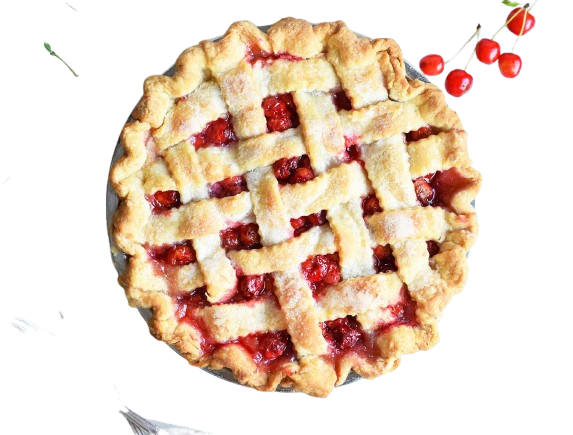
Classic preparations like double-crust and lattice-top pies have secured cherry pie's status as a quintessential American dessert. The dessert's global presence is supported by leading cherry producers like Turkey and the United States and major bakery consumers such as the United Kingdom. The price of a whole pie has climbed from below $5.00 in the early 2000s to over $15.00 at specialty bakeries after 2020.
The high sugar and fat content prompts health advisories for consumption as an infrequent treat. A person should limit intake to a single, small slice (around 100g) to align with dietary guidelines that advise minimizing added sugars. A single medium slice with over 21g of sugar can represent almost the entire American Heart Association's recommended daily limit for women. Overconsumption can lead to weight gain and an increased risk of chronic disease. A small slice of cherry pie (100g) delivers 270 calories, an energy value equivalent to 27 minutes of running or 35 minutes of swimming.
Cherry Pie nutrition
| Stats | Weight |
|---|---|
| Carbs | 48.1 grams |
| Protein | 3.5 grams |
| Fats | 0 grams |
| Sugars | 21.8 grams |
- Large Cherry Pie Calories (Nutritional Facts)
- Medium Cherry Pie Calories (Nutritional Facts)
- Small Slice Cherry Pie Calories (Nutritional Facts)
- Raw Cherry Pie Nutrition
- Sodium in Cherry Pie
- Potassium in Cherry Pie
- Sugar in Cherry Pie
- Fiber in Cherry Pie
- Protein in Cherry Pie
- Carbs in Cherry Pie
- Fat in Cherry Pie
- Vitamins in Cherry Pie
- Minerals in Cherry Pie
Large Cherry Pie Calories (Nutritional Facts)
A large slice of cherry pie (1/6 of a 9-inch pie, 150g or 5.3oz) contains 405 calories, 4.2g of protein (8% DV), 18.3g of fat (24% DV), 57.8g of carbohydrates (21% DV), 3.3g of fiber (12% DV), and 26.2g of sugar.
A medium slice of cherry pie (1/8 of a 9-inch pie, 125g or 4.4oz) contains 338 calories, 3.5g of protein (7% DV), 15.3g of fat (20% DV), 48.1g of carbohydrates (18% DV), 2.8g of fiber (10% DV), and 21.8g of sugar.
A small slice of cherry pie (1/10 of a 9-inch pie, 100g or 3.5oz) contains 270 calories, 2.8g of protein (6% DV), 12.2g of fat (16% DV), 38.5g of carbohydrates (14% DV), 2.2g of fiber (8% DV), and 17.4g of sugar.
Cherry pie is a baked good and is not consumed raw. The nutritional information provided throughout this article is for a fully baked cherry pie prepared from a standard recipe.
A large slice of cherry pie (150g) contains 287mg of sodium (12% DV). A medium slice (125g) has 239mg of sodium (10% DV). A small slice (100g) contains 191mg of sodium (8% DV).
A large slice of cherry pie (150g) contains 116mg of potassium (2% DV). A medium slice (125g) has 96mg of potassium (2% DV). A small slice (100g) contains 77mg of potassium (2% DV).
A large slice of cherry pie (150g) contains 26.2g of sugar. A medium slice (125g) has 21.8g of sugar. A small slice (100g) contains 17.4g of sugar.
A large slice of cherry pie (150g) provides 3.3g of dietary fiber (12% DV). A medium slice (125g) has 2.8g of fiber (10% DV). A small slice (100g) contains 2.2g of fiber (8% DV).
A large slice of cherry pie (150g) provides 4.2g of protein (8% DV). A medium slice (125g) has 3.5g of protein (7% DV). A small slice (100g) contains 2.8g of protein (6% DV).
A large slice of cherry pie (150g) contains 57.8g of carbohydrates (21% DV). A medium slice (125g) has 48.1g of carbohydrates (18% DV). A small slice (100g) contains 38.5g of carbohydrates (14% DV).
A large slice of cherry pie (150g) contains 18.3g of total fat (24% DV). A medium slice (125g) has 15.3g of total fat (20% DV). A small slice (100g) contains 12.2g of total fat (16% DV).
A large slice of cherry pie (150g) provides 43.5mcg of Vitamin A (5% DV), 1.5mg of Vitamin C (2% DV), and 61.5mcg of Folate DFE (15% DV). A medium slice (125g) provides 36.3mcg of Vitamin A (4% DV), 1.3mg of Vitamin C (1% DV), and 51.3mcg of Folate DFE (13% DV). A small slice (100g) provides 29mcg of Vitamin A (3% DV), 1mg of Vitamin C (1% DV), and 41mcg of Folate DFE (10% DV).
A large slice of cherry pie (150g) provides 2.8mg of iron (16% DV), 11.7mcg of selenium (21% DV), and 0.3mg of manganese (13% DV). A medium slice (125g) provides 2.3mg of iron (13% DV), 9.8mcg of selenium (18% DV), and 0.25mg of manganese (11% DV). A small slice (100g) provides 1.85mg of iron (10% DV), 7.8mcg of selenium (14% DV), and 0.2mg of manganese (9% DV).
Get a Custom Report on Cherry Pie Nutrition Data – Contact Us!
What are the Types of Cherry Pies?
The types of cherry pies are Double-Crust, Lattice-Top, Cherry Crumb, and No-Sugar-Added. These variations are defined by the crust design and the nature of the filling, which affect the texture, flavor, and nutritional content of the final dessert. The following table illustrates these common cherry pie types.
| Type | Description | Calories (Approximate per 100g) | Calorie Qualifications |
|---|---|---|---|
|
Double-Crust Cherry Pie
|
The classic version, with a full pastry crust on both the bottom and the top, enclosing the cherry filling. | 270 | The high amount of pastry makes this one of the most calorie-dense versions. |
|
Lattice-Top Cherry Pie
|
Features a woven, decorative top crust made of pastry strips, leaving some of the filling exposed. | 260 | The reduced amount of top crust results in a slightly lower calorie count compared to a double-crust pie. |
|
Cherry Crumb Pie
|
Topped with a crumbly streusel mixture made from flour, sugar, butter, and sometimes oats instead of a top pastry crust. | 290 | The high sugar and butter content in the streusel topping makes this version higher in calories than a standard pastry top. |
|
No-Sugar-Added Cherry Pie
|
Made with artificial sweeteners instead of sugar in the filling to reduce the overall sugar and calorie content. | 220 | The absence of added sugar in the filling makes this the lowest-calorie option, with most calories coming from the crust. |
What are the Desserts With Cherry Pie?
Cherry pie is a standalone dessert, but a slice is often served with a simple, creamy accompaniment to balance the tartness of the fruit. A collection of items that are commonly served with cherry pie is presented in the following table.
| Dish Name | Calories (Estimate per serving) | Type of Dessert | Carbs (g) (Estimate) | Sugar (g) (Estimate) | Protein (g) (Estimate) | Fat (g) (Estimate) | Cuisine | Restaurants |
|---|---|---|---|---|---|---|---|---|
|
Vanilla Ice Cream
|
150-250 (per scoop) | Frozen Dessert | 20 | 18 | 3 | 10 | American | Baskin-Robbins, Häagen-Dazs |
|
Whipped Cream
|
50-100 (per dollop) | Topping | 2 | 2 | 0 | 8 | French/American | Reddi-wip, most diners |
|
Crème Fraîche
|
100-120 (per 2 tbsp) | Topping | 1 | 1 | 1 | 11 | French | The Cheesecake Factory (on the side) |
|
Cheddar Cheese
|
110-140 (per slice) | Topping | 1 | 0 | 7 | 9 | American/British | Cracker Barrel, local diners |
What Cuisines Prefer Cherry Pie the Most?
Cherry pie is an iconic dessert that is indispensable in American culinary traditions, especially those related to holidays and comfort food. The following table showcases the culinary traditions that feature cherry pie.
| Cuisine | Dish | Types of Cherry Pies Used | Calories (Estimate) | Restaurant(s) |
|---|---|---|---|---|
|
American
|
Classic Cherry Pie | Double-Crust, Lattice-Top | 300-500 | Perkins Restaurant & Bakery, Marie Callender's |
|
Midwestern American
|
Tart Cherry Pie | Double-Crust with Tart Cherries | 350-550 | Grand Traverse Pie Company, Baker's Square |
|
Pennsylvania Dutch
|
Shoofly Pie (as a regional pie) | N/A | 400-500 | Dutch Eating Place |
|
Canadian
|
Cherry Pie | Double-Crust, Lattice-Top | 300-500 | The Pie Commission (Toronto) |
Which Countries Produce the Most Cherry Pies?
The top producers of cherries, the main ingredient in cherry pie, are Turkey, the United States, and Iran. Specific global production data for cherry pie is not tracked separately from the broader "bakery products" category. The table below shows the production quantity of cherries in key countries.
| Country | 2003 | 2008 | 2013 | 2018 | 2019 | 2020 | 2021 | 2022 |
|---|---|---|---|---|---|---|---|---|
| Turkey | 255,000 | 417,000 | 490,000 | 639,000 | 664,000 | 690,000 | 700,000 | 725,000 |
| United States | 225,000 | 270,000 | 385,000 | 312,000 | 340,000 | 320,000 | 280,000 | 300,000 |
| Iran | 200,000 | 225,000 | 170,000 | 130,000 | 135,000 | 140,000 | 145,000 | 150,000 |
| Uzbekistan | 50,000 | 70,000 | 110,000 | 170,000 | 180,000 | 190,000 | 200,000 | 210,000 |
| Chile | 30,000 | 55,000 | 95,000 | 150,000 | 160,000 | 170,000 | 180,000 | 190,000 |
Which Countries Consume the Most Cherry Pies?
The top consumers of bakery products, a category that includes cherry pie, are the United States, the United Kingdom, and Germany. Consumption data for cherry pie is best represented by import values for the broader category of pastries, cakes, and sweet biscuits. The table below shows import values for this category in key markets.
| Country | 2003 | 2008 | 2013 | 2018 | 2019 | 2020 | 2021 | 2022 |
|---|---|---|---|---|---|---|---|---|
| United States | 1,300,000 | 2,000,000 | 2,900,000 | 3,800,000 | 4,000,000 | 4,300,000 | 5,000,000 | 5,600,000 |
| United Kingdom | 1,000,000 | 1,600,000 | 2,400,000 | 3,100,000 | 3,200,000 | 3,400,000 | 3,800,000 | 4,100,000 |
| Germany | 900,000 | 1,400,000 | 2,000,000 | 2,600,000 | 2,700,000 | 2,900,000 | 3,300,000 | 3,600,000 |
| France | 700,000 | 1,100,000 | 1,600,000 | 2,100,000 | 2,200,000 | 2,300,000 | 2,600,000 | 2,900,000 |
| Canada | 600,000 | 950,000 | 1,400,000 | 1,800,000 | 1,900,000 | 2,100,000 | 2,400,000 | 2,700,000 |
How Do Prices of Cherry Pie-Including Dishes Change?
Menu pricing for a slice of cherry pie at diners and bakeries has climbed during the last decade, a direct consequence of higher wholesale ingredient costs and escalating expenses for labor and operations. This upward adjustment is reflected on the menus of prominent dining establishments.
| Restaurant | Dish | Old Price (Year) | Current Price (2024/2025) |
|---|---|---|---|
| Perkins Restaurant & Bakery | Cherry Pie Slice | $3.29 (2014) | $4.79 - $5.89 |
| Marie Callender's | Cherry Pie Slice | $3.99 (2015) | $5.63 - $6.99 |
| Baker's Square | Cherry Pie Slice | $3.49 (2013) | $4.75 - $5.79 |
| Grand Traverse Pie Company | Cherry Crumb Pie Slice | $4.50 (2016) | $5.99 - $7.00 |
What is the Cherry Pie Calorie for 100 Grams?
A 100g serving of cherry pie contains 270 calories.
What is the Cherry Pie Calorie for 1 KG?
One kilogram (1000g) of cherry pie contains 2,700 calories.
What is the Calorie of 1 Cherry Pie?
One whole 9-inch cherry pie (1.44kg) contains 3,888 calories.
How Many Calories in a Piece of Cherry Pie?
One piece of cherry pie (1/8 of a 9-inch pie, 180g) contains 486 calories, but the calorie count changes based on the brand and preparation. A piece of Marie Callender's cherry pie (1/10 of the pie, 119g) has 304 calories, and a slice of Sara Lee cherry pie (1/8 of the pie, 113g) contains 330 calories. A single-serving Hostess Cherry Fruit Pie (120g) has 430 calories, while a slice from a restaurant bakery like Perkins contains 580 calories.
What are the Health Benefits of Cherry Pie?
Cherry pie offers some health advantages, which are derived almost exclusively from the cherry filling. The potential benefits of consuming the cherry component of the pie are listed here.
- Contains Anti-Inflammatory Properties: Cherries are a rich source of anthocyanins, which are plant compounds that possess potent anti-inflammatory effects. A study by Kelley, D. S., et al. (2006), "Consumption of Bing cherries lowers circulating concentrations of inflammation markers in healthy men and women," found that cherry consumption was associated with a significant decrease in several biomarkers of inflammation.
- Provides Antioxidants: The cherries in the pie filling supply antioxidants that help protect the body's cells from damage caused by free radicals. Research from Chaovanalikit, A., & Wrolstad, R. E. (2004), "Total Anthocyanins and Total Phenolics of Fresh and Processed Cherries and Their Antioxidant Properties," confirmed that both fresh and processed cherries retain a high level of antioxidant activity.
- May Support Sleep: Tart cherries are a natural source of melatonin, a hormone that helps regulate sleep-wake cycles. A study by Howatson, G., et al. (2012), "Effect of tart cherry juice (Prunus cerasus) on melatonin levels and enhanced sleep quality," demonstrated that consumption of tart cherry juice concentrate led to increased melatonin levels and improvements in sleep duration and quality.
What are the Downsides of Cherry Pie?
The high concentration of sugar, refined flour, and saturated fat in cherry pie presents several health risks. The health risks from consuming cherry pie are outlined here.
- High in Added Sugar: A single slice of cherry pie can contain over 20 grams of sugar, contributing to an increased risk of weight gain, type 2 diabetes, and heart disease. A scientific statement from the American Heart Association by Johnson, R. K., et al. (2009), "Dietary sugars intake and cardiovascular health," recommends strict limits on added sugar. An alternative with lower sugar is a bowl of fresh cherries. A suggested amount is to limit consumption to one small slice on an occasional basis.
- High in Saturated Fat and Refined Carbohydrates: The pie crust is made from refined white flour and a fat source like butter or shortening, which is high in saturated fat. Diets high in these ingredients can lead to elevated LDL cholesterol levels and an increased risk of cardiovascular disease. A scientific advisory from the American Heart Association by Sacks, F. M., et al. (2017), "Dietary Fats and Cardiovascular Disease," reaffirmed the recommendation to limit saturated fat intake.
Are Cherry Pies Good for You?
No, cherry pies are not good for a person because the dessert's high content of sugar, saturated fat, and refined carbohydrates outweighs the nutritional benefits provided by the cherry filling. The pie's impact on heart health is negative, as the high sugar and saturated fat content can lead to increased LDL cholesterol and a higher risk of cardiovascular disease. A meta-analysis by de Souza, R. J., et al. (2015), "Intake of saturated and trans unsaturated fatty acids and risk of all cause mortality, cardiovascular disease, and type 2 diabetes," linked high saturated fat intake to adverse cardiovascular outcomes.
The dessert is also detrimental to metabolic health. A review by Stanhope, K. L. (2016), "Sugar consumption, metabolic disease and obesity: The state of the controversy," detailed how excessive sugar consumption is a key driver of metabolic syndrome. For digestive health, the pie offers a small amount of fiber from the cherries, but the refined flour in the crust provides little nutritional value. While the anthocyanins in cherries may support brain health, these potential advantages are negated by the pastry's overall unhealthy composition. A review by Spencer, J. P. E. (2010), "The impact of fruit flavonoids on memory and cognition," explains the cognitive benefits of such compounds, but these are offset by the high sugar and fat content of the pie.
How Does Eating Cherry Pie Affect Your Daily Sugar Intake?
Eating cherry pie substantially affects daily sugar intake because a single medium slice (125g) contains about 22 grams of added sugar. This amount constitutes 88% of the American Heart Association's recommended daily limit for women (25 grams) and 61% of the limit for men (36 grams). Consuming a large slice or a commercially prepared pie with even higher sugar content can cause a person to exceed the recommended daily sugar intake from just one food item.
How Do Calories Change According to Cherry Pie Types?
The specific type of crust and filling in a cherry pie determines the calorie count. A cherry crumb pie has the highest calorie value at 290 calories per 100 grams, a result of the high concentration of butter and sugar in the streusel topping. A no-sugar-added cherry pie contains the lowest calorie value at 220 calories per 100 grams, a reflection of the removal of high-calorie sugar from the filling, which significantly lowers the total carbs in cherry pie. A classic lattice-top pie has a calorie count of 260 per 100 grams, placing the pastry between the other two. The overall cherry pie carbs and fat content are the primary factors that change with each recipe variation.
Which Type of Cherry Pie Has the Lowest Carb Content?
The type of cherry pie with the lowest carb content is the no-sugar-added cherry pie. This version replaces the high-carbohydrate sugar in the filling with low- or no-calorie sweeteners. While the pie still contains carbohydrates from the flour in the crust and the natural sugars in the cherries, the total carbohydrate count is substantially lower than in pies made with a traditional sugar-sweetened filling.
What are the Main Dishes With Cherry Pie?
Cherry pie is exclusively a dessert food and is not served with main dishes. The sweet profile of the pie, with its sugary filling and rich crust, makes the dessert unsuitable for pairing with savory main courses. Cherry pie is traditionally served after a main meal, particularly in the context of American holiday dinners like Thanksgiving or Fourth of July celebrations.
What is the Origin of Cherry Pie?
The origin of cherry pie is rooted in the English tradition of fruit pies, which was brought to North America by early colonists. Pie-making was a common practice in England, but the first pies were savory, with fruit pies becoming popular in the 16th century. The first recorded recipe for a cherry pie dates back to that era. When English settlers arrived in America, they brought their pie recipes with them and adapted them to the local ingredients. The native North American cherry varieties were different from those in Europe, but they were quickly incorporated into pies. The dessert became a symbol of American domesticity and abundance, particularly in the Midwest, where cherries are a major agricultural crop. The image of the cherry pie as an all-American dessert was solidified in the 20th century through its association with holidays like the Fourth of July and Washington's Birthday.
Explore More Desserts & Sweets
Discover more Desserts & Sweets with detailed nutrition facts, calorie counts, vitamins, minerals, and health benefits. Compare similar foods, serving sizes, macronutrients, and key nutrients to find the best option for your diet and nutrition goals.
 Apple Pie calories
 Banoffee Pudding calories
 Biscotti calories
 Blondie calories
 Bread Pudding calories
 Brownie calories
 Butterscotch Pudding calories
 Cake calories
 Cannoli calories
 Caramel Pudding calories
 Cheesecake calories
 Chia Seed Pudding calories