Calories and Nutritions in Miso Paste
Miso paste is a traditional Japanese seasoning produced by fermenting soybeans with salt and koji (a type of fungus). A 100g serving of miso paste contains 198 calories, while a single tablespoon (17g) provides 33.7 calories. Energy content differs based on the variety, as short-fermented White Miso supplies 194 calories per 100g, more than the 167 calories found in long-fermented Red Miso.
A nutritional assessment of miso paste reveals a profile rich in protein and carbohydrates with a very high sodium concentration. A single tablespoon (17g) offers 2.18g of protein and 4.32g of total carbohydrate, while containing 634mg of sodium. The paste serves as a source of important minerals, delivering 0.423mg of iron and 9.69mg of calcium. Scientific studies examine its health properties, such as the work by Jayachandran, M., & Xu, B. (2019), which investigates the gut health benefits of fermented soy.
Given the immense sodium content, dietitians recommend strict portion control. A suggested daily limit is one tablespoon of miso paste (34 calories), functioning as a foundational flavor agent rather than a primary food source. Expending the calories from a single tablespoon (17g) of miso paste requires activities like 3 minutes of moderate jogging, 5 minutes of cycling, or 8 minutes of brisk walking.
Miso paste appears extensively in Japanese cuisine, forming the base for soups and marinades. The most widely used types are White Miso (Shiro), Red Miso (Aka), and Mixed Miso (Awase).The paste is essential for the Black Cod Miso at Nobu and is the key ingredient in Miso Soup at Benihana. The ingredient originated in ancient China before being refined in Japan and is primarily produced and consumed in Japan, China, and the United States. The price of the paste has risen over the last two decades, with the Producer Price Index for other miscellaneous processed foods increasing from 235.6 in 2015 to 323.453 in 2024, while retail prices for a standard tub rose from $3.99 in 2005 to $7.49 in 2024.
Miso Paste nutrition
| Stats | Weight |
|---|---|
| Carbs | 34.9 grams |
| Protein | 17.6 grams |
| Fats | 0 grams |
| Sugars | 8.5 grams |
- Large Miso Paste Calories (Nutritional Facts)
- Medium Miso Paste Calories (Nutritional Facts)
- Small Miso Paste Calories (Nutritional Facts)
- Raw Miso Paste Nutrition
- Sodium in Miso Paste
- Potassium in Miso Paste
- Sugar in Miso Paste
- Fiber in Miso Paste
- Protein in Miso Paste
- Carbs in Miso Paste
- Fat in Miso Paste
- Vitamins in Miso Paste
- Minerals in Miso Paste
Large Miso Paste Calories (Nutritional Facts)
A large serving of Miso Paste (275g or 1 cup) contains 544 calories, 35.2g of protein (70% DV), 16.5g of fat (21% DV), 69.8g of carbohydrates (25% DV), 14.8g of fiber (53% DV), 17g of sugar, and 10300mg of sodium (448% DV).
A medium portion of Miso Paste (137.5g or 0.5 cup) provides 272 calories, 17.6g of protein (35% DV), 8.25g of fat (11% DV), 34.9g of carbohydrates (13% DV), 7.4g of fiber (26% DV), 8.5g of sugar, and 5150mg of sodium (224% DV).
A small serving of Miso Paste (68.75g or 0.25 cup) contains 136 calories, 8.8g of protein (18% DV), 4.1g of fat (5% DV), 17.45g of carbohydrates (6% DV), 3.7g of fiber (13% DV), 4.25g of sugar, and 2575mg of sodium (112% DV).
A single tablespoon of Miso Paste (17g) contains 33.7 calories, 2.18g of protein (4% DV), 1.02g of total fat (1% DV), 4.32g of total carbohydrate (2% DV), 0.918g of dietary fiber (3% DV), 1.05g of total sugars, and 634mg of sodium (28% DV). The paste provides 0.68mcg of Vitamin A (0% DV), 0mg of Vitamin C (0% DV), 0.423mg of iron (2% DV), 9.69mg of calcium (1% DV), and 35.7mg of potassium (1% DV).
A large serving of Miso Paste (275g or 1 cup) contains 10300mg of sodium (448% DV). A medium portion of Miso Paste (137.5g or 0.5 cup) has 5150mg of sodium (224% DV). A small serving of Miso Paste (68.75g or 0.25 cup) contains 2575mg of sodium (112% DV). A single tablespoon of Miso Paste (17g) provides 634mg of sodium (28% DV).
A large serving of Miso Paste (275g or 1 cup) provides 578mg of potassium (12% DV). A medium portion of Miso Paste (137.5g or 0.5 cup) has 289mg of potassium (6% DV). A small serving of Miso Paste (68.75g or 0.25 cup) contains 144.5mg of potassium (3% DV). A single tablespoon of Miso Paste (17g) supplies 35.7mg of potassium (1% DV).
A large serving of Miso Paste (275g or 1 cup) contains 17g of sugar. A medium portion of Miso Paste (137.5g or 0.5 cup) has 8.5g of sugar. A small serving of Miso Paste (68.75g or 0.25 cup) contains 4.25g of sugar. A single tablespoon of Miso Paste (17g) provides 1.05g of sugar.
A large serving of Miso Paste (275g or 1 cup) provides 14.8g of dietary fiber (53% DV). A medium portion of Miso Paste (137.5g or 0.5 cup) has 7.4g of fiber (26% DV). A small serving of Miso Paste (68.75g or 0.25 cup) contains 3.7g of fiber (13% DV). A single tablespoon of Miso Paste (17g) supplies 0.918g of fiber (3% DV).
A large serving of Miso Paste (275g or 1 cup) provides 35.2g of protein (70% DV). A medium portion of Miso Paste (137.5g or 0.5 cup) has 17.6g of protein (35% DV). A small serving of Miso Paste (68.75g or 0.25 cup) contains 8.8g of protein (18% DV). A single tablespoon of Miso Paste (17g) supplies 2.18g of protein (4% DV).
A large serving of Miso Paste (275g or 1 cup) contains 69.8g of carbohydrates (25% DV). A medium portion of Miso Paste (137.5g or 0.5 cup) has 34.9g of carbohydrates (13% DV). A small serving of Miso Paste (68.75g or 0.25 cup) contains 17.45g of carbohydrates (6% DV). A single tablespoon of Miso Paste (17g) provides 4.32g of carbohydrates (2% DV).
A large serving of Miso Paste (275g or 1 cup) contains 16.5g of total fat (21% DV). A medium portion of Miso Paste (137.5g or 0.5 cup) has 8.25g of total fat (11% DV). A small serving of Miso Paste (68.75g or 0.25 cup) contains 4.1g of total fat (5% DV). A single tablespoon of Miso Paste (17g) provides 1.02g of total fat (1% DV).
A large serving of Miso Paste (275g or 1 cup) provides 11mcg of Vitamin A (1% DV) and 0mg of Vitamin C (0% DV). A medium portion of Miso Paste (137.5g or 0.5 cup) has 5.5mcg of Vitamin A (1% DV). A small serving of Miso Paste (68.75g or 0.25 cup) contains 2.75mcg of Vitamin A (0% DV). A single tablespoon of Miso Paste (17g) supplies 0.68mcg of Vitamin A (0% DV).
A large serving of Miso Paste (275g or 1 cup) provides 157mg of calcium (12% DV) and 6.85mg of iron (38% DV). A medium portion of Miso Paste (137.5g or 0.5 cup) has 78.5mg of calcium (6% DV) and 3.43mg of iron (19% DV). A small serving of Miso Paste (68.75g or 0.25 cup) contains 39.25mg of calcium (3% DV) and 1.71mg of iron (10% DV). A single tablespoon of Miso Paste (17g) provides 9.69mg of calcium (1% DV) and 0.423mg of iron (2% DV).
Get a Custom Report on Miso Paste Nutrition Data – Contact Us!
What are the Types of Miso Pastes?
The types of miso pastes include White Miso (Shiro), Red Miso (Aka), and Mixed Miso (Awase). The table below outlines the nutritional variations.
| Type | Description | Calories (Per 100g) | Calorie Qualifications |
|---|---|---|---|
|
White Miso (Shiro)
|
Short-fermented paste made with a higher ratio of rice to soybeans. | 194 | The higher carbohydrate content from rice results in a greater energy density. |
|
Red Miso (Aka)
|
Long-fermented paste made with a higher ratio of soybeans and salt. | 167 | The breakdown of proteins and lower carbohydrate content reduces the caloric load. |
|
Mixed Miso (Awase)
|
Blend of white and red miso combining sweet and savory profiles. | 180 | The combination creates a nutritional profile averaging the two primary types. |
What are the Desserts With Miso Paste?
Desserts with miso paste utilize the condiment to add a savory depth and umami complexity that balances excessive sweetness, similar to salted caramel. Bakers utilize the paste to flavor buttercreams, cookies, and caramel sauces. The list below catalogs sweet treats and snacks that feature miso paste as a primary ingredient.
| Dish Name | Calories | Type of Miso Paste | Carbs (g) | Sugar (g) | Protein (g) | Fat (g) | Cuisine | Restaurants |
|---|---|---|---|---|---|---|---|---|
|
Miso Caramel Ice Cream
|
280 | White Miso | 32 | 25 | 4 | 16 | Fusion | Salt & Straw |
|
Miso Chocolate Chip Cookie
|
240 | White Miso | 35 | 18 | 3 | 10 | Fusion | Momofuku Milk Bar (New York, NY) |
|
Miso Butterscotch Blondie
|
320 | White Miso | 42 | 28 | 4 | 15 | Bakery | Ovenly (New York, NY) |
|
Miso Praline
|
150 | White Miso | 18 | 15 | 1 | 8 | Confectionery | Vosges Haut-Chocolat (Chicago, IL) |
|
Miso Cheesecake
|
450 | White Miso | 38 | 24 | 8 | 28 | Japanese-Fusion | Uncle Tetsu (National) |
|
Miso Brownie
|
310 | Red Miso | 38 | 22 | 5 | 16 | Fusion | Hu Kitchen (New York, NY) |
|
Miso Peanut Butter Cup
|
220 | White Miso | 15 | 12 | 6 | 14 | Candy | Theo Chocolate (Seattle, WA) |
|
Miso Apple Pie
|
380 | White Miso | 55 | 28 | 3 | 16 | American-Fusion | Four & Twenty Blackbirds (Brooklyn, NY) |
|
Miso Caramel Sauce
|
120 | White Miso | 22 | 18 | 1 | 4 | Topping | Jeni's Splendid Ice Creams |
|
Miso Doughnut
|
350 | White Miso | 45 | 20 | 5 | 18 | Fusion | Sidecar Doughnuts (California) |
|
Miso Sesame Cookie
|
180 | Red Miso | 24 | 12 | 3 | 8 | Bakery | Levain Bakery (New York, NY) |
|
Miso Butter Toast
|
420 | White Miso | 55 | 18 | 8 | 18 | Japanese | Takahachi Bakery (New York, NY) |
|
Miso Pumpkin Bread
|
260 | White Miso | 38 | 16 | 4 | 10 | Seasonal | Starbucks |
|
Miso Chocolate Tart
|
410 | Red Miso | 35 | 22 | 6 | 26 | Fusion | Nobu |
|
Miso Pecan Pie
|
480 | White Miso | 58 | 35 | 5 | 24 | Southern-Fusion | The Pie Hole (New York, NY) |
What are the Main Dishes With Miso Paste?
Main dishes with miso paste use the condiment to create rich broths, glazes, and marinades that impart a deep umami flavor to seafood, meats, and vegetables. The paste serves as the base for classic soups and enhances the savory profile of ramen and grilled dishes. The following list details distinct savory recipes that integrate this ingredient.
| Dish Name | Calories | Type of Miso Paste | Carbs (g) | Sugar (g) | Protein (g) | Fat (g) | Cuisine | Restaurants |
|---|---|---|---|---|---|---|---|---|
|
Miso Soup
|
80 | White Miso | 8 | 2 | 6 | 2 | Japanese | Benihana |
|
Black Cod Miso
|
420 | White Miso | 18 | 12 | 35 | 22 | Japanese | Nobu |
|
Miso Ramen
|
850 | Red Miso | 85 | 8 | 35 | 38 | Japanese | Ippudo (National) |
|
Nasu Dengaku (Eggplant)
|
220 | Red Miso | 28 | 14 | 4 | 10 | Japanese | Roka Akor (National) |
|
Miso Glazed Salmon
|
580 | White Miso | 12 | 8 | 42 | 38 | Fusion | The Cheesecake Factory (National) |
|
Miso Pork Belly
|
650 | Red Miso | 8 | 4 | 28 | 55 | Japanese | Momofuku Noodle Bar (New York, NY) |
|
Spicy Miso Wings
|
780 | Red Miso | 12 | 6 | 45 | 52 | Fusion | Bonchon |
|
Miso Butter Corn
|
150 | White Miso | 18 | 4 | 4 | 8 | Side Dish | Gyu-Kaku (National) |
|
Miso Clam Soup
|
120 | White Miso | 10 | 2 | 12 | 3 | Japanese | Sushi Gen (Los Angeles, CA) |
|
Miso Katsu
|
720 | Red Miso | 45 | 12 | 38 | 42 | Japanese | Yabu (Los Angeles, CA) |
|
Miso Glazed Sea Bass
|
450 | White Miso | 15 | 10 | 38 | 24 | Seafood | Tao (National) |
|
Vegetable Miso Stir Fry
|
350 | Mixed Miso | 28 | 8 | 12 | 18 | Vegetarian | True Food Kitchen |
|
Miso Udon
|
620 | Red Miso | 75 | 6 | 18 | 12 | Japanese | Marugame Udon |
|
Miso Chicken Salad
|
410 | White Miso | 18 | 6 | 32 | 22 | Fusion | California Pizza Kitchen |
|
Grilled Mackerel
|
380 | White Miso | 4 | 2 | 32 | 26 | Japanese | Ootoya (New York, NY) |
What Cuisines Prefer Miso Paste the Most?
Cuisines that prefer miso paste most include Japanese traditions, which utilize the paste as a foundational pantry staple for soups, pickles, and marinades. The sauce functions as a key component in breakfast sets and kaiseki dining. Modern fusion and macrobiotic cuisines also favor the ingredient for the probiotic benefits and savory depth. The table below emphasizes the particular culinary heritages that make use of this seasoning.
| Cuisine | Dish | Types of Miso Paste | Calories (Estimate) | Restaurant(s) |
|---|---|---|---|---|
|
Japanese (Traditional)
|
Miso Soup | White Miso | 80 | Ootoya (New York, NY) |
|
Japanese (Ramen)
|
Miso Ramen | Red Miso | 850 | Santouka Ramen (National) |
|
Japanese (Izakaya)
|
Nasu Dengaku | Red Miso | 220 | Roka Akor (National) |
|
Japanese (Kaiseki)
|
Black Cod Miso | White Miso | 420 | Nobu |
|
Macrobiotic
|
Miso Tahini Spread | Brown Rice Miso | 120 | Souen (New York, NY) |
|
Asian Fusion
|
Miso Glazed Salmon | White Miso | 580 | The Cheesecake Factory (National) |
|
Vegan
|
Miso Gravy | White Miso | 90 | The Chicago Diner (Chicago, IL) |
|
French-Japanese
|
Miso Beurre Blanc | White Miso | 150 | Le Bernardin (New York, NY) |
|
Hawaiian
|
Miso Poke | Mixed Miso | 550 | Poke Bar |
|
Korean-Japanese
|
Doenjang/Miso Stew | Red Miso | 320 | BCD Tofu House |
|
Modern American
|
Miso Butter Corn | White Miso | 150 | Momofuku Noodle Bar (New York, NY) |
|
Peruvian-Japanese
|
Miso Ceviche | White Miso | 280 | Nobu |
|
Bakery
|
Miso Cookie | White Miso | 240 | Momofuku Milk Bar (New York, NY) |
|
Steakhouse
|
Miso Glazed Steak | Red Miso | 850 | STK Steakhouse (National) |
|
Seafood
|
Miso Clams | White Miso | 120 | Sushi Gen (Los Angeles, CA) |
Which Countries Produce the Most Miso Pastes?
The countries that produce the most miso pastes are Japan, the United States, and China. Japan functions as the leading manufacturer of miso paste, leveraging centuries of fermentation expertise to supply domestic and international markets. The United States ranks as a significant producer, with companies establishing local breweries to meet the growing demand for macrobiotic and Japanese foods. China also contributes substantial volumes to the global supply chain. Data regarding production volumes is presented below.
| Country | 2004 | 2009 | 2014 | 2019 | 2020 | 2021 | 2022 | 2023 |
|---|---|---|---|---|---|---|---|---|
| Japan | 560 | 540 | 520 | 500 | 490 | 485 | 480 | 475 |
| China | 350 | 420 | 550 | 680 | 700 | 720 | 740 | 760 |
| United States | 40 | 55 | 75 | 90 | 95 | 100 | 105 | 110 |
| South Korea | 80 | 90 | 100 | 110 | 112 | 115 | 118 | 120 |
| Taiwan | 30 | 35 | 40 | 45 | 46 | 47 | 48 | 50 |
| Brazil | 10 | 15 | 25 | 35 | 38 | 40 | 42 | 45 |
| Thailand | 15 | 20 | 28 | 35 | 36 | 38 | 40 | 42 |
| Vietnam | 10 | 12 | 18 | 25 | 26 | 28 | 30 | 32 |
Which Countries Consume the Most Miso Pastes?
The countries that consume the most miso pastes are Japan, China, and the United States. Japan absorbs the largest volume of the product, utilizing the paste daily in soup at breakfast and dinner. The United States maintains high consumption rates driven by the popularity of Japanese restaurants and health food trends. China utilizes similar fermented bean pastes extensively in regional cooking. The following table displays the domestic consumption of miso and fermented soy pastes in thousand metric tonnes for key markets over the last two decades.
| Country | 2004 | 2009 | 2014 | 2019 | 2020 | 2021 | 2022 | 2023 |
|---|---|---|---|---|---|---|---|---|
| Japan | 550 | 530 | 510 | 490 | 480 | 475 | 470 | 465 |
| China | 340 | 410 | 540 | 670 | 690 | 710 | 730 | 750 |
| United States | 35 | 50 | 70 | 85 | 90 | 95 | 100 | 105 |
| South Korea | 75 | 85 | 95 | 105 | 108 | 110 | 112 | 115 |
| European Union | 15 | 25 | 40 | 55 | 60 | 65 | 70 | 75 |
| Taiwan | 28 | 32 | 38 | 42 | 44 | 45 | 46 | 48 |
| Brazil | 8 | 12 | 22 | 32 | 35 | 38 | 40 | 42 |
| Australia | 5 | 10 | 18 | 25 | 28 | 30 | 32 | 35 |
How Do Prices of Miso Paste-Including Dishes Change?
Prices of miso paste-including dishes and retail tubs change as a result of escalating soybean prices, workforce, and facility costs. The tables below illustrate price adjustments for selected restaurant items and retail products at major suppliers.
| Brand/Restaurant | Dish | Old Price | Current Price (2024/2025) |
|---|---|---|---|
| Nobu | Black Cod Miso | $32.00 (2012) | $48.00 - $55.00 |
| Benihana | Miso Soup | $3.50 (2014) | $5.50 - $7.50 |
| The Cheesecake Factory | Miso Salmon | $19.95 (2013) | $26.95 - $31.95 |
| Ippudo | Akamaru Modern (Miso Ramen) | $19.00 (2015) | $22.00 - $27.30 |
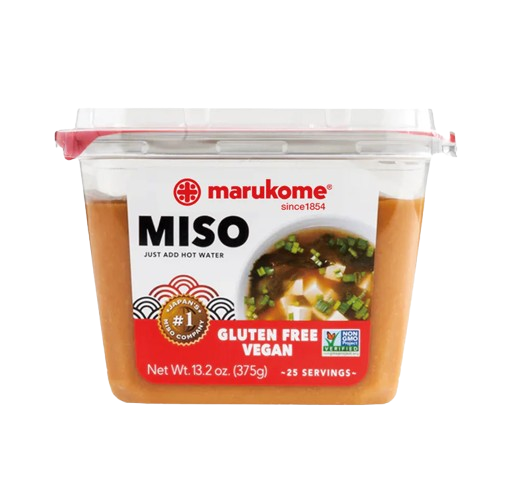
| Marukome | Ryotei No Aji (13.2 oz) | $3.50 (2016) | $5.49 - $8.39 |
| Eden Foods | Genmai Miso (12.1 oz) | $8.99 (2015) | $11.79 - $14.99 |
What is the Miso Paste Calorie for 100 Grams?
A 100g serving of Miso Paste provides 198 calories.
What is the Miso Paste Calorie for 1 KG?
One kilogram (1000g) of Miso Paste supplies 1980 calories.
What is the Calorie of 1 Miso Paste?
A single tablespoon of Miso Paste (17g) contains 33.7 calories, while a single teaspoon of Miso Paste (6g) provides 12 calories. Retail brands offer distinct energy profiles, as a serving of Chikuma Miso Paste (18g) contains 30 calories. A serving of Hikari Miso Organic Dashi Miso (12g) provides 25 calories.
What are the Health Benefits of Miso Paste?
The health benefits of miso paste include providing probiotics and essential enzymes derived from the fermentation of soybeans with salt and koji. The paste aids in digestive health and supports immune function due to the presence of beneficial bacteria.
- Supports Gut Health: The fermentation process generates probiotics, specifically Aspergillus oryzae, which maintain a healthy microbiome balance. Research by Jayachandran, M., & Xu, B. (2019), "An insight into the health benefits of fermented soy products," confirmed that regular consumption of miso improves gut flora diversity and digestive efficiency.
- Provides Antioxidant Protection: Soybeans contain isoflavones and phenolic acids that neutralize free radicals and reduce oxidative stress. A study by Ito, K., et al. (2017), " The Effects of the Habitual Consumption of Miso Soup on the Blood Pressure and Heart Rate of Japanese Adults: A Cross-sectional Study of a Health Examination," established a correlation between miso consumption and reduced risk of lifestyle-related diseases due to high antioxidant activity.
- Enhances Nutrient Absorption: The enzymes produced during fermentation break down antinutrients in soybeans, increasing the bioavailability of minerals like zinc and iron. Research by Fidler, M. C., et al. (2003), "Iron absorption from fish sauce and soy sauce fortified with sodium iron EDTA," noted that fermented soy products facilitate better mineral uptake compared to unfermented soy.
What are the Downsides of Miso Paste?
The downsides of miso paste involve risks regarding high sodium content and potential allergen exposure when consumed in large quantities. Nutritionists advise limiting intake to one tablespoon (17g) per day and choosing Chickpea Miso as a soy-free, lower-sodium alternative to mitigate potential risks.
- Elevates Sodium Levels: Excessive intake contributes to daily salt limits, potentially straining the cardiovascular system. Research by He, F. J., et al. (2013), "Effect of lower salt intake on blood pressure and risk of cardiovascular disease," found that even moderate reductions in sodium intake significantly lower blood pressure and stroke risk.
- Contains Soy Allergens: The soybean base presents a severe risk for individuals with soy sensitivities or allergies. Research by Savage, J. H., et al. (2010), "The natural history of soy allergy," identified soy as a persistent allergen that requires strict avoidance for sensitized populations.
- Risks Histamine Intolerance: Fermentation produces biogenic amines which trigger headaches or allergic-like reactions in sensitive individuals. A study by Toro-Funes N., et al. (2014), " Biologically active amines in fermented and non-fermented commercial soybean products from the Spanish market," detected significant levels of histamine in aged miso samples.
Is Miso Paste Good for You?
Yes, miso paste is good for health because the probiotics support gut flora and the soy base provides complete proteins, provided the sodium intake remains controlled. Cardiovascular health benefits from the presence of soy isoflavones which improve arterial flexibility as explored by Ito, K. (2020), "Review of the health benefits of habitual consumption of miso soup." Digestive health improves through the introduction of beneficial bacteria from the fermentation process as confirmed by Jayachandran, M., & Xu, B. (2019), "An insight into the health benefits of fermented soy products." Cellular health enhances due to the antioxidant capacity of compounds formed during fermentation as detailed in the study by Santiago, L. A., et al. (1992), "Japanese soybean paste miso scavenges free radicals and inhibits lipid peroxidation."
How Does Calorie Change According to Miso Paste Types?
Calories change according to miso paste types based on the fermentation duration and the ratio of soybeans to grains like rice or barley. White Miso contains the highest energy load per 100g due to the shorter fermentation period and higher rice content, which retains more carbohydrates and sugars. Red Miso offers a reduced profile as the extended fermentation process breaks down more starches and the recipe relies more heavily on protein-rich soybeans. Mixed Miso provides a moderate caloric density per serving because the product blends the carbohydrate-heavy white variety with the protein-dense red variety.
What is the Origin of Miso Paste?
The origin of miso paste dates back to ancient China, where a fermented soybean paste known as "jiang" or "chi" existed as early as the 4th century BC. Buddhist monks introduced the precursor to miso to Japan during the 7th century AD. Japanese artisans refined the process during the Muromachi period by grinding the soybeans into a paste rather than leaving them whole, creating the texture known today. The condiment became a critical source of protein and salt for samurai during the Sengoku period. Industrial production expanded in the 20th century, establishing miso as a global symbol of Japanese gastronomy.
Explore More Fermented Foods
Discover more Fermented Foods with detailed nutrition facts, calorie counts, vitamins, minerals, and health benefits. Compare similar foods, serving sizes, macronutrients, and key nutrients to find the best option for your diet and nutrition goals.
 Olives calories
 Pickles calories
 Yakult calories