Calories and Nutritions in Cupcake
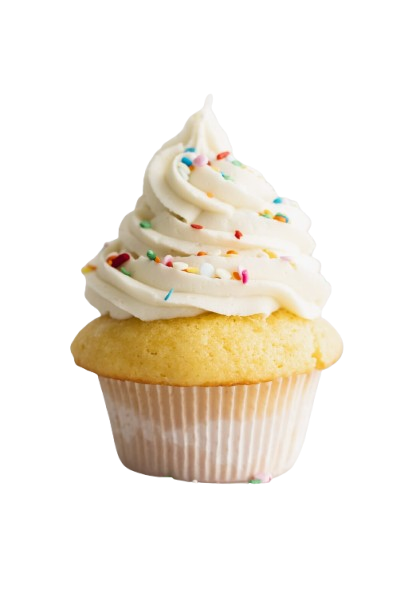
The calories in a cupcake depend on ingredients, size, and the type and amount of frosting. A regular sized vanilla cupcake with frosting (70g) contains 283 calories, 14g fat, 2.2g protein, 38g carbohydrates, 27g sugar, and 0.5g fiber. A chocolate cupcake with frosting (70g) provides 277 calories, 13g fat, 2.6g protein, 38g carbohydrates, 29g sugar, and 1g fiber. A large vanilla cupcake with frosting weighing 110g contains 445 calories, while a large chocolate cupcake with frosting provides 435 calories. Cupcakes offer limited health benefits, mainly providing quick energy from sugars and starches. The high sugar content triggers temporary mood elevation (DiLeone et al., 2012), and cupcakes made with enriched flour supply small amounts of B vitamins and iron.
Different cupcake types include Vanilla, Chocolate, Red Velvet, Carrot Cake, Gluten-Free, and Vegan cupcake options. Cupcake prices have increased because of higher ingredient costs like flour, sugar, and butter, with a single cupcake costing $3.50 in the mid 2000s to over $4.50 or $5.50 in 2024.
Classic dessert cupcakes, like frosted vanilla or chocolate, are common offerings at bakeries such as Sprinkles Cupcakes, Georgetown Cupcake, SusieCakes, and Magnolia Bakery. Health guidelines recommend minimizing cupcake consumption due to high amounts of sugar and unhealthy fat content. One standard frosted cupcake which contains 283 calories and 27g sugar. Burning 283 cupcake calories requires 45 to 50 minutes of jogging or 50 to 60 minutes of brisk walking.
Cupcake nutrition
| Stats | Weight |
|---|---|
| Carbs | 38 grams |
| Protein | 2.2 grams |
| Fats | 0 grams |
| Sugars | 29 grams |
- Large Cupcake Calories (Nutritional Facts)
- Medium Cupcake Calories (Nutritional Facts)
- Small Cupcake Calories (Nutritional Facts)
- Vanilla Cupcake Calories (Nutritional Facts)
- Chocolate Cupcake Calories (Nutritional Facts)
- Cupcake Calories with Frosting
- Cupcake Calories with Icing
- Sugar in Cupcake
- Fiber in Cupcake
- Protein in Cupcake
- Carbs in Cupcake
- Fat in Cupcake
- Vitamins in Cupcake
- Minerals in Cupcake
Large Cupcake Calories (Nutritional Facts)
A large vanilla cupcake with frosting weighing 110g (3.9oz) contains 445 calories, 22g fat, 3.5g protein, 59g carbohydrates, 42g sugar, and 0.8g fiber. A large chocolate cupcake with frosting (110g or 3.9oz) provides 435 calories, 21g fat, 4g protein, 60g carbohydrates, 45g sugar, and 1.5g fiber. A large red velvet cupcake with cream cheese frosting (110g or 3.9oz) contains 440 calories, 24g fat, 3.8g protein, 55g carbohydrates, 40g sugar, and 1g fiber.
A medium vanilla cupcake with frosting weighing 70g (2.5oz) contains 283 calories, 14g fat, 2.2g protein, 38g carbohydrates, 27g sugar, and 0.5g fiber. A medium chocolate cupcake with frosting (70g or 2.5oz) provides 277 calories, 13g fat, 2.6g protein, 38g carbohydrates, 29g sugar, and 1g fiber. A medium red velvet cupcake with cream cheese frosting (70g or 2.5oz) contains 280 calories, 15g fat, 2.4g protein, 35g carbohydrates, 25g sugar, and 0.6g fiber.
A small vanilla cupcake with frosting, weighing 35g (1.2oz), contains 142 calories, 7g fat, 1.1g protein, 19g carbohydrates, 13.5g sugar, and 0.3g fiber. A small chocolate cupcake with frosting (35g or 1.2oz) provides 138 calories, 6.5g fat, 1.3g protein, 19g carbohydrates, 14.5g sugar, and 0.5g fiber. A small red velvet cupcake with cream cheese frosting (35g or 1.2oz) contains 140 calories, 7.5g fat, 1.2g protein, 17.5g carbohydrates, 12.5g sugar, and 0.3g fiber.
A small plain vanilla cupcake without frosting (30g or 1.1oz) contains 110 calories, 5.5g fat, 1.3g protein, 14g carbohydrates, 8g sugar, and 0.3g fiber. A medium plain vanilla cupcake without frosting (60g or 2.1oz) contains 220 calories, 11g fat, 2.5g protein, 28g carbohydrates, 16g sugar, and 0.5g fiber. A large plain vanilla cupcake without frosting (90g or 3.2oz) contains 330 calories, 16.5g fat, 3.8g protein, 42g carbohydrates, 24g sugar, and 0.8g fiber.
A small plain chocolate cupcake without frosting (30g or 1.1oz) contains 108 calories, 5g fat, 1.5g protein, 15g carbohydrates, 8.5g sugar, and 0.6g fiber. A medium plain chocolate cupcake without frosting (60g or 2.1oz) contains 215 calories, 10g fat, 3g protein, 30g carbohydrates, 17g sugar, and 1.2g fiber. A large plain chocolate cupcake without frosting (90g or 3.2oz) contains 323 calories, 15g fat, 4.5g protein, 45g carbohydrates, 25.5g sugar, and 1.8g fiber.
A small vanilla cupcake with frosting (35g or 1.2oz) contains 142 calories. A small chocolate cupcake with frosting (35g or 1.2oz) provides 138 calories. A medium vanilla cupcake with frosting (70g or 2.5oz) contains 283 calories. A medium chocolate cupcake with frosting (70g or 2.5oz) contains 277 calories. A large vanilla cupcake with frosting (110g or 3.9oz) contains 445 calories. A large chocolate cupcake with frosting (110g or 3.9oz) provides 435 calories.
A small vanilla cupcake weighing 35 grams with glaze icing contains 125 calories. A small chocolate cupcake (35g) with glaze icing provides 123 calories. A medium vanilla cupcake weighing 70 grams with glaze icing contains 250 calories. A medium chocolate cupcake (70g or 2.5oz) with glaze icing provides 245 calories. A large vanilla cupcake (100g or 3.5oz) with glaze icing contains 360 calories. A large chocolate cupcake (100g or 3.5oz) with glaze icing provides 350 calories. The specific calorie count depends on the type of icing (glaze, fondant, royal icing) and the amount applied.
Cupcake sugar content for a small plain vanilla cupcake (30g or 1.1oz) is 8 grams of sugar. A small vanilla cupcake with frosting (35g or 1.2oz) contains 13.5 grams of sugar. A medium plain vanilla cupcake (60g or 2.1oz) contains 16g sugar. A medium vanilla cupcake with frosting (70g or 2.5oz) contains 27g sugar. A large plain vanilla cupcake (90g or 3.2oz) contains 24g sugar. A large vanilla cupcake with frosting (110 grams) contains 42g sugar. A small plain chocolate cupcake contains 8.5g sugar. A small chocolate cupcake with frosting provides 14.5g sugar. A medium plain chocolate cupcake (60g or 2.1oz) contains 17g sugar. A medium chocolate cupcake with frosting (70g or 2.5oz) contains 29 grams of sugar. A large plain chocolate cupcake (90g or 3.2oz) contains 25.5 grams of sugar. A large chocolate cupcake with frosting (110g or 3.9oz) provides 45 grams of sugar.
A small plain vanilla cupcake (30g or 1.1oz) contains 0.3g fiber. A small vanilla cupcake with frosting (35g or 1.2oz) contains 0.3g fiber. A medium plain vanilla cupcake (60g or 2.1oz) contains 0.5g fiber. A medium vanilla cupcake with frosting (70g or 2.5oz) contains 0.5g fiber. A large plain vanilla cupcake (90g or 3.2oz) contains 0.8g fiber. A large vanilla cupcake with frosting (110g or 3.9oz) contains 0.8g fiber. A small plain chocolate cupcake (30g or 1.1oz) provides 0.6g fiber. A small chocolate cupcake with frosting (35g or 1.2oz) provides 0.5g fiber. A medium plain chocolate cupcake (60g or 2.1oz) provides 1.2g fiber. A medium chocolate cupcake with frosting (70g or 2.5oz) contains 1g fiber. A large plain chocolate cupcake (90g or 3.2oz) provides 1.8g fiber. A large chocolate cupcake with frosting (110g or 3.9oz) contains 1.5g fiber.
A small plain vanilla cupcake (30g or 1.1oz) provides 1.3g protein. A small vanilla cupcake with frosting (35g or 1.2oz) provides 1.1g protein. A medium plain vanilla cupcake (60g or 2.1oz) provides 2.5g protein. A medium vanilla cupcake with frosting (70g or 2.5oz) provides 2.2g protein. A large plain vanilla cupcake (90g or 3.2oz) provides 3.8g protein. A large vanilla cupcake with frosting (110g or 3.9oz) provides 3.5g protein. A small plain chocolate cupcake (30g or 1.1oz) provides 1.5g protein. A small chocolate cupcake with frosting (35g or 1.2oz) provides 1.3g protein. A medium plain chocolate cupcake (60g or 2.1oz) provides 3g protein. A medium chocolate cupcake with frosting (70g or 2.5oz) provides 2.6g protein. A large plain chocolate cupcake (90g or 3.2oz) provides 4.5g protein. A large chocolate cupcake with frosting (110g or 3.9oz) provides 4g protein.
A small plain vanilla cupcake (30g) contains 14 grams of carbohydrates. A small vanilla cupcake with frosting (35g or 1.2oz) contains 19 grams of carbohydrates. A medium plain vanilla cupcake (60g or 2.1oz) contains 28g carbohydrates. A medium vanilla cupcake with frosting (70g or 2.5oz) contains 38g carbohydrates. A large plain vanilla cupcake (90g or 3.2oz) contains 42g carbohydrates. A large vanilla cupcake with frosting (110g or 3.9oz) contains 59g carbohydrates. A small plain chocolate cupcake (30g or 1.1oz) contains 15g carbohydrates. A small chocolate cupcake with frosting (35g or 1.2oz) contains 19g carbohydrates. A medium plain chocolate cupcake (60g or 2.1oz) contains 30g carbohydrates. A medium chocolate cupcake with frosting (70g or 2.5oz) contains 38g carbohydrates. A large plain chocolate cupcake (90g or 3.2oz) contains 45g carbohydrates. A large chocolate cupcake with frosting (110g or 3.9oz) contains 60g carbohydrates.
A small plain vanilla cupcake (30g) contains 5.5g of total fat. A small vanilla cupcake with frosting (35g or 1.2oz) contains 7g total fat. A medium plain vanilla cupcake (60g or 2.1oz) contains 11g total fat. A medium vanilla cupcake with frosting (70g or 2.5oz) contains 14g total fat. A large plain vanilla cupcake (90g or 3.2oz) contains 16.5g total fat. A large vanilla cupcake with frosting (110g or 3.9oz) contains 22g total fat. A small plain chocolate cupcake (30g or 1.1oz) contains 5g total fat. A small chocolate cupcake with frosting (35g or 1.2oz) contains 6.5g total fat. A medium plain chocolate cupcake (60g or 2.1oz) contains 10g total fat. A medium chocolate cupcake with frosting (70g or 2.5oz) contains 13g total fat. A large plain chocolate cupcake (90g or 3.2oz) contains 15g total fat. A large chocolate cupcake with frosting (110g or 3.9oz) contains 21g total fat.
A small plain vanilla cupcake (30g or 1.1oz) provides 18mcg RAE of Vitamin A (2% DV), 0.03mg of Thiamin (3% DV), 0.04mg of Riboflavin (3% DV), 0.4mg of Niacin (3% DV), 11mcg of Folate (3% DV), and 0.04mcg of Vitamin B12 (2% DV). A small chocolate cupcake with frosting (35g or 1.2oz) provides 11mcg RAE of Vitamin A (1% DV), 0.04mg of Thiamin (3% DV), 0.05mg of Riboflavin (4% DV), 0.6mg of Niacin (4% DV), 13mcg of Folate (3% DV), and 0.05mcg of Vitamin B12 (2% DV).
A small plain vanilla cupcake (30g or 1.1oz) contains 15mg of Calcium (1% DV), 0.4mg of Iron (2% DV), 4mg of Magnesium (1% DV), 25mg of Phosphorus (2% DV), 20mg of Potassium (0% DV), 95mg of Sodium (4% DV), 0.1mg of Zinc (1% DV), 0.01mg of Copper (1% DV), 0.03mg of Manganese (1% DV), and 1.5mcg of Selenium (3% DV). A small chocolate cupcake with frosting (35g or 1.2oz) contains 18mg of Calcium (1% DV), 0.7mg of Iron (4% DV), 10mg of Magnesium (2% DV), 35mg of Phosphorus (3% DV), 38mg of Potassium (1% DV), 105mg of Sodium (5% DV), 0.2mg of Zinc (2% DV), 0.04mg of Copper (4% DV), 0.05mg of Manganese (2% DV), and 2mcg of Selenium (4% DV).
Get a Custom Report on Cupcake Nutrition Data – Contact Us!
What are the Types of Cupcake?
The types of cupcake include Vanilla, Chocolate, Red Velvet, Carrot, Gluten-Free, and Vegan. The table below outlines the characteristics and calorie content per standard frosted cupcake:
| Type | Description | Calories (Approx. per standard frosted) | Calorie Qualifications |
|---|---|---|---|
|
Vanilla
|
Classic yellow or white cake base with vanilla flavor, buttercream frosting. | 280-450 | Calories vary based on frosting amount/type (buttercream vs. glaze), fat source (butter vs. oil), and exact size. |
|
Chocolate
|
Chocolate cake base, often with chocolate or vanilla frosting. | 280-480 | Cocoa adds minimal fiber. Frosting type (ganache, buttercream) and density significantly impact calories. |
|
Red Velvet
|
Mild cocoa flavor with red coloring, cream cheese frosting. | 350-500 | Cream cheese frosting is high in fat and calories. Cake often uses buttermilk and oil. |
|
Carrot Cake
|
Spiced cake with shredded carrots, nuts, raisins, cream cheese frosting. | 380-550 | Additions like nuts and dense cream cheese frosting make this one of the higher-calorie options. |
|
Gluten-Free
|
Made with non-wheat flours (almond, rice, GF blend), various frostings. | 250-450 | Calories depend heavily on the flour blend (nut flours are higher calorie) and fat/sugar content. |
|
Vegan
|
Excludes eggs and dairy, uses plant milk, oil/vegan butter, egg replacers. | 250-450 | Can be lower or higher calorie depending on fat source (coconut oil vs. less), sugar amount, and frosting type. |
What are the Desserts with Cupcake?
Cupcakes are fundamentally desserts, served plain or with different sweet additions. The table below details common cupcake dessert presentations found in the United States:
| Dish Name | Calories (Estimate per serving) | Type of Cupcake/Topping | Carbs (g) (Estimate) | Sugar (g) (Estimate) | Protein (g) (Estimate) | Fat (g) (Estimate) | Cuisine | Restaurants |
|---|---|---|---|---|---|---|---|---|
|
Classic Vanilla Cupcake
|
280-450 | Vanilla cupcake, vanilla or chocolate buttercream | 35-60 | 25-45 | 2-4 | 14-25 | American | Sprinkles Cupcakes, Georgetown Cupcake, Magnolia Bakery |
|
Classic Chocolate Cupcake
|
280-480 | Chocolate cupcake, chocolate or vanilla buttercream | 35-65 | 25-50 | 3-5 | 13-28 | American | Sprinkles Cupcakes, Georgetown Cupcake, Magnolia Bakery |
|
Red Velvet Cupcake
|
350-500 | Red velvet cake base, cream cheese frosting | 35-55 | 25-40 | 3-5 | 20-30 | American | Sprinkles Cupcakes, Georgetown Cupcake |
|
Carrot Cake Cupcake
|
380-550 | Spiced carrot cake base, nuts/raisins, cream cheese frosting | 40-60 | 30-50 | 4-6 | 22-35 | American | Smallcakes Cupcakery, SusieCakes, Local Bakeries |
|
Lemon Cupcake
|
270-430 | Lemon cake base, lemon buttercream or glaze | 35-55 | 25-40 | 2-4 | 13-23 | American | Sprinkles Cupcakes, Local Bakeries |
|
Cupcake with Fruit Topping
|
300-480 | Vanilla/other base, frosting, fresh fruit garnish | 40-65 | 30-50 | 2-4 | 14-25 | American | Many Cupcake Shops, Bakeries |
|
Cupcake with Candy/Cookie Top
|
350-550+ | Base cupcake, frosting, crushed cookies/candy pieces | 45-75 | 35-60 | 3-6 | 18-35+ | American | Crumbl Cookies (rotating), Smallcakes Cupcakery |
|
Filled Cupcake (e.g., Cream)
|
320-520 | Base cupcake with cream, custard, or fruit filling | 40-65 | 30-50 | 3-5 | 16-30 | American | Hostess (packaged), Some Gourmet Cupcake Shops |
What are the Main Dishes with Cupcake?
Cupcake is traditionally an indulgent dish, but some modern culinary creations present main dish components in a cupcake shape or liner for novelty or portion control, which are distinct from sweet cupcakes. The table below lists examples of dishes sometimes presented in a cupcake style:
| Dish Name | Calories (Estimate per serving) | Description | Carbs (g) (Estimate) | Sugar (g) (Estimate) | Protein (g) (Estimate) | Fat (g) (Estimate) | Cuisine | Restaurants |
|---|---|---|---|---|---|---|---|---|
|
Mini Chicken Pot Pie "Cupcakes"
|
250-400 | Pie crust base filled with creamy chicken and vegetable pot pie filling | 20-35 | 2-5 | 10-18 | 12-25 | American | Caterers, Specialty Cafes, Home Cooking (e.g., Pillsbury recipes) |
|
Mac and Cheese "Cupcakes"
|
300-500 | Baked macaroni and cheese portions, sometimes with a breadcrumb topping | 25-40 | 2-6 | 12-20 | 15-30 | American | Caterers, Food Blogs, Home Cooking |
|
Spaghetti & Meatball "Cupcakes"
|
300-450 | Cooked spaghetti base, topped with a meatball and marinara sauce | 30-45 | 5-10 | 15-25 | 10-20 | American/Italian | Novelty Food Contexts, Food Blogs, Home Cooking |
|
Mini Shepherd's Pie "Cupcakes"
|
280-420 | Ground meat and vegetable base topped with mashed potato "frosting" | 20-35 | 3-7 | 15-22 | 14-25 | British/American | Caterers, Pub-Style Restaurants (occasionally), Home Cooking |
|
Corn Dog Muffins/Cupcakes
|
200-350 | Cornbread batter baked around a piece of hot dog | 20-30 | 5-10 | 8-12 | 10-18 | American | State Fairs, Food Blogs, Home Cooking (e.g., Jiffy Corn Muffin Mix ideas) |
What Cuisines Prefer Cupcakes the Most?
Cupcakes are a feature of American baking culture. The table below shows the cuisine associated with cupcakes:
| Cuisine | Dish | Types of Cupcake | Calories (Estimate per standard frosted) | Restaurant(s) |
|---|---|---|---|---|
|
American
|
Cupcake (Various) | Vanilla, Chocolate, Red Velvet, Carrot, Seasonal Flavors | 280-550+ | Sprinkles Cupcakes, Georgetown Cupcake, Magnolia Bakery |
|
American
|
Mini Cupcakes | Smaller versions of standard flavors | 80-150 | Baked by Melissa, Sprinkles Cupcakes |
Which Countries Produce the Most Cupcakes?
The countries that produce the most wheat, which is a key ingredient in cupcakes, are China, the EU-27, India, Russia, the USA, and Canada. The table below shows wheat production numbers according to FAOSTAT and USDA PSD data:
| Country/Region | 2005 | 2006 | 2007 | 2008 | 2009 | 2010 | 2011 | 2012 | 2013 | 2014 | 2015 | 2016 | 2017 | 2018 | 2019 | 2020 | 2021 | 2022 | 2023 | 2024 (Est.) |
|---|---|---|---|---|---|---|---|---|---|---|---|---|---|---|---|---|---|---|---|---|
| China | 96,160 | 103,470 | 109,298 | 112,464 | 115,116 | 115,181 | 117,411 | 120,580 | 121,722 | 126,213 | 130,185 | 131,671 | 134,341 | 131,442 | 133,599 | 134,250 | 136,946 | 137,720 | 136,590 | 137,000 |
| EU-27 | 110,130 | 115,760 | 110,020 | 140,870 | 127,180 | 125,910 | 130,450 | 129,890 | 135,560 | 144,950 | 148,050 | 143,100 | 141,300 | 126,500 | 130,800 | 126,800 | 129,000 | 125,700 | 124,800 | 125,500 |
| India | 68,637 | 69,355 | 75,807 | 78,570 | 80,680 | 80,804 | 86,874 | 94,880 | 93,506 | 95,850 | 86,527 | 92,288 | 98,510 | 99,700 | 103,597 | 107,860 | 109,590 | 107,740 | 110,550 | 112,000 |
| Russia | 47,597 | 44,939 | 49,369 | 63,765 | 61,739 | 41,508 | 56,240 | 37,719 | 52,089 | 59,711 | 61,786 | 73,295 | 85,863 | 72,136 | 74,453 | 85,354 | 76,053 | 104,230 | 91,000 | 93,500 |
| USA | 57,291 | 49,394 | 55,828 | 68,029 | 60,340 | 60,103 | 54,425 | 61,756 | 57,977 | 55,136 | 55,839 | 62,833 | 47,374 | 51,287 | 52,258 | 49,691 | 44,902 | 44,903 | 49,330 | 50,500 |
| Canada | 25,543 | 25,265 | 20,055 | 28,611 | 26,848 | 23,166 | 25,261 | 27,013 | 37,533 | 29,281 | 27,590 | 31,738 | 30,000 | 32,349 | 32,349 | 35,183 | 22,338 | 34,335 | 31,980 | 33,000 |
| Australia | 25,170 | 10,830 | 13,040 | 21,410 | 21,900 | 22,130 | 29,910 | 22,860 | 27,000 | 23,700 | 24,200 | 31,800 | 21,200 | 17,300 | 15,200 | 33,300 | 36,200 | 39,700 | 25,500 | 26,000 |
Which Countries Consume the Most Cupcakes?
The countries that consume the most wheat, which is a primary ingredient in cupcakes, are China, the EU-27, India, Russia, and the USA. The table below shows domestic wheat consumption numbers according to USDA Foreign Agricultural Service (FAS) PSD Online data:
| Country/Region | 2005/06 | 2006/07 | 2007/08 | 2008/09 | 2009/10 | 2010/11 | 2011/12 | 2012/13 | 2013/14 | 2014/15 | 2015/16 | 2016/17 | 2017/18 | 2018/19 | 2019/20 | 2020/21 | 2021/22 | 2022/23 | 2023/24 | 2024/25 (Est.) |
|---|---|---|---|---|---|---|---|---|---|---|---|---|---|---|---|---|---|---|---|---|
| China | 103,000 | 104,000 | 106,000 | 107,000 | 108,000 | 110,500 | 114,000 | 118,000 | 121,000 | 122,000 | 123,000 | 125,500 | 128,000 | 131,000 | 135,000 | 140,000 | 148,500 | 145,000 | 150,500 | 152,000 |
| EU-27 | 107,500 | 108,000 | 108,500 | 110,000 | 109,000 | 109,500 | 110,000 | 111,000 | 112,000 | 113,000 | 113,500 | 114,000 | 114,500 | 115,000 | 115,500 | 116,000 | 108,000 | 108,500 | 108,000 | 108,500 |
| India | 68,000 | 70,000 | 71,500 | 73,000 | 74,500 | 76,000 | 78,000 | 82,000 | 85,000 | 88,000 | 91,000 | 93,000 | 95,000 | 98,000 | 101,000 | 104,000 | 106,000 | 108,000 | 110,000 | 111,500 |
| Russia | 35,000 | 36,000 | 37,000 | 38,000 | 38,500 | 39,000 | 39,500 | 40,000 | 40,500 | 41,000 | 41,500 | 42,000 | 42,500 | 43,000 | 43,500 | 44,000 | 44,500 | 45,000 | 46,000 | 46,500 |
| USA | 32,500 | 32,000 | 31,500 | 31,000 | 30,500 | 30,000 | 29,500 | 29,000 | 28,500 | 28,000 | 27,500 | 27,000 | 26,500 | 26,000 | 25,500 | 25,000 | 24,500 | 24,000 | 24,500 | 25,000 |
| Egypt | 15,500 | 16,000 | 16,500 | 17,000 | 17,500 | 18,000 | 18,500 | 19,000 | 19,500 | 20,000 | 20,500 | 21,000 | 21,500 | 22,000 | 22,500 | 23,000 | 21,000 | 20,500 | 20,300 | 20,500 |
| Pakistan | 20,500 | 21,000 | 21,500 | 22,000 | 22,500 | 23,000 | 23,500 | 24,000 | 24,500 | 25,000 | 25,500 | 26,000 | 26,500 | 27,000 | 27,500 | 28,000 | 28,500 | 29,000 | 29,500 | 30,000 |
How Do the Prices of Cupcake-including Dishes change?
Prices for cupcakes at specialty bakeries have increased over the last two decades because of rising ingredient and operational costs. The table below shows comparisons of old and current prices:
| Restaurant | Dish | Old Price 2015 | Current Price (2025) |
|---|---|---|---|
| Sprinkles Cupcakes | Single Classic Cupcake | $3.25 | $4.95 - $5.25 |
| Magnolia Bakery | Classic Cupcake (each) | $3.00 | $4.00 - $5.00 |
| Crumbl Cookies | Cupcake Cookie | $4.00 | $4.49 - $5.00 |
How Does the Price of Cupcake Change for the Last 20 Years?
The price of cupcakes has increased because of higher costs for key ingredients like flour, sugar, butter, and eggs, plus increased expenses for labor, energy, and transportation. Wheat prices saw major peaks around 2008 and 2022. US Hard Red Winter wheat prices exceeded $9 per bushel during these peaks, compared to prices below $4 per bushel in the mid-2000s (Source: FRED data, St. Louis Fed). Sugar prices also experienced fluctuations, with world raw sugar prices (#11 contract) reaching over 30 cents per pound in 2010-2011 and again above 25 cents per pound in 2023-2024, much higher than levels near 10 to 15 cents per pound seen at other times during the last 20 years. Butter prices showed significant increases, particularly after 2014, with US Grade AA butter prices sometimes exceeding $2.50 per pound, compared to prices closer to $1.20 to $1.50 in the mid-2000s (Source: USDA AMS). Egg prices spiked in 2015 and again in 2022-2023 due to avian influenza outbreaks, reaching record highs. These ingredient cost surges directly translate to higher production costs for bakeries. Increased global demand for wheat and sugar, alongside consistent production levels shown earlier, also supports overall price increases. Countries with higher labor costs and general food inflation, like the United States and Western European nations, experienced steeper increases in cupcake prices at bakeries compared to regions with lower input costs.
| Year | Price |
|---|---|
| 2005 | $1.5 |
| 2006 | $1.55 |
| 2007 | $1.6 |
| 2008 | $1.8 |
| 2009 | $1.85 |
| 2010 | $1.9 |
| 2011 | $2 |
| 2012 | $2.1 |
| 2013 | $2.2 |
| 2014 | $2.3 |
| 2015 | $2.5 |
| 2016 | $2.55 |
| 2017 | $2.6 |
| 2018 | $2.7 |
| 2019 | $2.8 |
| 2020 | $3 |
| 2021 | $3.2 |
| 2022 | $3.6 |
| 2023 | $3.9 |
| 2024 | $4.1 |
What is the Cupcake Calorie for 100 GR?
A plain vanilla cupcake contains 367 calories per 100g (3.5oz). A plain chocolate cupcake contains 358 calories per 100g (3.5oz). A vanilla cupcake with frosting contains 404 calories per 100g (3.5oz). A chocolate cupcake with frosting contains 396 calories per 100g (3.5oz).
What is the Cupcake Calorie for 1 KG?
A plain vanilla cupcake contains 3670 calories per 1 kilogram (2.2 lbs or 35.3oz). A plain chocolate cupcake contains 3580 calories per 1 kilogram (2.2 lbs or 35.3oz). A vanilla cupcake with frosting contains 4040 calories per 1 kilogram (2.2 lbs or 35.3oz). A chocolate cupcake with frosting contains 3960 calories per 1 kilogram (2.2 lbs or 35.3oz).
What is the Calorie of 1 Cupcake?
One plain vanilla cupcake (60g or 2.1oz) contains 220 calories. One vanilla cupcake with frosting (70g or 2.5oz) contains 283 calories. One plain chocolate cupcake (60g or 2.1oz) contains 215 calories. One chocolate cupcake with frosting (70g or 2.5oz) contains 277 calories.
What are the Health Benefits of Cupcake?
Cupcakes offer limited health benefits, primarily related to providing energy and some micronutrients if made with enriched flour as discussed below:
- Provide Quick Energy: Cupcakes supply carbohydrates, mainly sugars and starches, which the body uses for immediate energy. (Kerksick, C.M. et al., 2018, ISSN exercise & sports nutrition review update: research & recommendations). This rapid energy supply can be useful before short bursts of activity, although sustained energy is better obtained from complex carbohydrates.
- Offer Temporary Mood Elevation: The high sugar content can trigger a brief release of dopamine in the brain's reward center, leading to a short-term feeling of pleasure or improved mood. (DiLeone, R.J., Taylor, J.R., Picciotto, M.R., 2012, Dopamine, Addiction, and Reward). This effect is temporary and can be followed by a mood crash.
- Supply Some B Vitamins and Iron: When prepared using enriched white flour, cupcakes contain added B vitamins (thiamin, riboflavin, niacin, folic acid) and iron, nutrients essential for energy metabolism and red blood cell production. (U.S. Food and Drug Administration, Fortification Policy). The amounts are modest relative to the high calorie and sugar content.
What are the Downsides of Cupcakes?
Cupcakes possess several nutritional downsides due to high levels of sugar, unhealthy fats, and refined carbohydrates such as the ones listed below:
- High in Added Sugars: Cupcakes, particularly frosted varieties, contain substantial amounts of added sugar, exceeding recommended daily limits in a single serving. Excessive sugar intake is linked to weight gain, type 2 diabetes, and heart disease. (Malik, V.S., Hu, F.B., 2022, The role of sugar-sweetened beverages in the global epidemics of obesity and chronic diseases). An alternative is choosing mini cupcakes, removing frosting, or opting for fruit-based desserts. The American Heart Association suggests limiting added sugars.
- Contain Unhealthy Fats: Many recipes use butter, shortening, or oils high in saturated or trans fats, especially in frostings. High intake of these fats can raise LDL cholesterol levels, increasing heart disease risk. (Hooper, L. et al., 2020, Reduction in saturated fat intake for cardiovascular disease). Preparing cupcakes with healthier oils (like canola) in moderation or using fruit purees as fat replacers are alternatives.
- Made with Refined Flour: Standard cupcakes use refined white flour, which lacks the fiber and nutrients found in whole grains. Refined carbohydrates cause rapid blood sugar spikes and offer little satiety. (Ludwig, D.S. et al., 2018, Dietary carbohydrates: role of quality and quantity in chronic disease). Using whole wheat pastry flour can increase fiber content, or selecting different types of treats is an alternative.
- Low Nutrient Density: Cupcakes provide many calories (empty calories) relative to essential vitamins, minerals, and fiber. Consuming nutrient-poor foods displaces opportunities to eat more beneficial foods. Choosing nutrient-dense snacks like fruits, nuts, or yogurt is a healthier alternative for meeting nutritional needs.
Are Cupcakes Good for You?
No, cupcakes are not considered good for promoting health because they are high in added sugars, unhealthy fats, and refined carbohydrates, while being low in essential nutrients like fiber, vitamins, and minerals. These components negatively impact overall health. High sugar and refined carbohydrate intake can impair heart health by contributing to elevated triglycerides, blood pressure, and inflammation (Malik, V.S., Hu, F.B., 2022, The role of sugar-sweetened beverages in the global epidemics of obesity and chronic diseases). The lack of fiber from refined flour is detrimental to digestive health, failing to support regular bowel movements or gut microbiome diversity (McRae, M.P., 2017, Health Benefits of Dietary Whole Grains: An Umbrella Review of Meta-analyses). Fluctuations in blood sugar caused by cupcakes can negatively affect brain health, impacting focus and mood, with long-term high sugar diets potentially linked to cognitive decline (Kerti, L. et al., 2013, Hyperinsulinemia and Cognitive Function). Excessive sugar intake can also burden liver health, contributing to fat accumulation (non-alcoholic fatty liver disease).
How Many Cupcakes Should I Eat in a Day?
Cupcakes are not recommended for regular daily consumption. Health guidelines recommend minimizing consumption of foods high in added sugars and saturated fats, like cupcakes. The Dietary Guidelines for Americans suggest limiting added sugars to less than 10 percent of daily calories. The American Heart Association advises even stricter limits, recommending no more than 24 grams (6 teaspoons) of added sugar per day for most women and 36 grams (9 teaspoons) for most men. One frosted cupcake (standard serving size) can easily contain this entire daily amount of added sugar or more, which means cupcakes are best reserved for special occasions in small portions rather than being a daily food choice.
What is the Optimal Serving Size of Cupcakes?
The most optimal serving size for a cupcake, from a health perspective, is the smallest possible portion consumed infrequently, such as a mini cupcake or half of a standard one. There is no officially defined "optimal" serving size for cupcakes according to health guidelines because they are categorized as discretionary treats, high in sugar and fat, rather than essential foods. Standard cupcake sizes vary, with common options including mini cupcakes (around 25-35g) and regular or standard cupcakes (ranging from 60g to 110g or more, depending on frosting). Choosing a mini cupcake or limiting consumption to half of a standard cupcake allows for enjoying the treat while minimizing the intake of calories, sugar, and unhealthy fats compared to eating a full-sized, heavily frosted cupcake.
How Many Cupcakes Can I Eat in a Day at Most?
From a nutritional standpoint aiming for zero cupcakes per day is best for health. Consuming more than one small or standard cupcake in a day leads to excessive intake of calories, added sugars, unhealthy fats, and refined carbohydrates, displacing more nutritious food choices. Overconsumption increases risks associated with high sugar and fat intake, including weight gain, blood sugar dysregulation, and negative impacts on heart health. Limiting intake to a single small portion on an infrequent basis is the maximum advisable for minimizing negative health effects.
How Does Calorie Change According to Cupcake Types?
Cupcake calorie content depends on ingredients, size, and the type and amount of frosting. Richer cupcakes incorporating high-fat ingredients like cream cheese frosting, nuts, or dense additions possess higher calorie counts. Carrot cake cupcakes and red velvet cupcakes, both commonly paired with cream cheese frosting, are among the highest calorie options, exceeding 500 calories for a large, generously frosted serving. Standard vanilla and chocolate cupcakes with buttercream frosting fall into a broad middle range. Cupcakes with simple glaze icing or no frosting have the lowest calorie content. Gluten-free or vegan cupcakes show calorie variability depending on the specific substitute ingredients used, nut flours or high amounts of coconut oil can increase calories, while careful formulation might yield lower-calorie results compared to traditional recipes. Plain, unfrosted mini cupcakes represent the lowest calorie choice.
What is the Origin of the Cupcake?
The cupcake originated in the United States during the late 18th or early 19th century. The name stems from the practice of measuring ingredients by the cupful (e.g., one cup butter, two cups sugar, three cups flour), simplifying recipes before standardized measurements were common. An alternative origin theory suggests the name came from baking small cakes directly in individual pottery cups or ramekins before the invention of muffin tins. One of the earliest documented recipes resembling a cupcake appeared in Amelia Simmons' "American Cookery" in 1796, detailing a "light cake to bake in small cups." Eliza Leslie's 1828 cookbook "Seventy-five Receipts for Pastry, Cakes, and Sweetmeats" provided a recipe explicitly titled "Cup Cake." These early versions were simpler than modern cupcakes, often lacking elaborate frosting. The development of muffin tins with individual indentations in the 20th century facilitated mass production and uniform baking. The popularity of cupcakes surged in the early 2000s, driven by bakeries like Magnolia Bakery in New York City, featured in popular culture. This resurgence led to gourmet cupcake shops and diverse flavor innovations, including the distinct red velvet cupcake, whose exact origins are debated but gained prominence in the mid-20th century, linked to the Waldorf Astoria Hotel or Adams Extract company promoting red food coloring.
Explore More Desserts & Sweets
Discover more Desserts & Sweets with detailed nutrition facts, calorie counts, vitamins, minerals, and health benefits. Compare similar foods, serving sizes, macronutrients, and key nutrients to find the best option for your diet and nutrition goals.
 Apple Pie calories
 Banoffee Pudding calories
 Biscotti calories
 Blondie calories
 Bread Pudding calories
 Brownie calories
 Butterscotch Pudding calories
 Cake calories
 Cannoli calories
 Caramel Pudding calories
 Cheesecake calories
 Cherry Pie calories