Calories and Nutritions in Donut
Donut calories vary significantly by type, size, toppings, and fillings. A 100g (3.5 ounce) serving of glazed yeast donuts contains 371 calories, while 100g (3.5 ounces) of plain cake donuts offer 429 calories. One medium glazed donut (70g) provides 260 calories, 31g carbohydrates, 13g sugar, 1g fiber, 3g protein, and 14g fat. Health guidelines recommend strictly limiting foods like donuts. Frequent consumption of foods high in added sugars and unhealthy fats is linked to increased risk for weight gain and metabolic diseases (Malik, V.S., Hu, F.B. 2022. Nature Reviews Endocrinology). Common donut types include glazed yeast, cake, filled (jelly, cream), frosted, crullers, and old-fashioned donuts.
Doughnuts are a popular treat globally, particularly in North America (US and Canada). The baked goods industry sees major export activity from countries like Germany and Canada. Donut prices have followed general food inflation trends, increasing over the last two decades due to rising ingredient, energy, and labor costs. Doughnuts appear in novelty dishes like donut burgers and donut ice cream sandwiches, found at fairs or specialty shops, while chains like Dunkin' and Krispy Kreme dominate the traditional doughnut market.
From a health standpoint, donuts offer minimal benefits, primarily quick energy from refined carbohydrates and sugars, plus minor nutrients from enrichment. Downsides of consuming donuts are significant, including high levels of added sugars, unhealthy fats, low fiber content, and low overall nutrient density that contribute negatively to heart health, blood sugar control, and weight management. A single donut ranges from 250 to 450 calories. Burning the calories from one donut involves 35 minutes of moderate jogging (5 mph), 40 minutes of cycling at a moderate pace (12-14 mph), or an hour of brisk walking (3.5 mph).
Donut nutrition
| Stats | Weight |
|---|---|
| Carbs | 31 grams |
| Protein | 3 grams |
| Fats | 0 grams |
| Sugars | 13 grams |
- Large Donut Calories (Nutritional Facts)
- Medium Donut Calories (Nutritional Facts)
- Small Donut Calories (Nutritional Facts)
- Glazed Donut Calories (Nutritional Facts)
- Filled Donut Calories (Nutritional Facts)
- Sour Cream Donut Calories (Nutritional Facts)
- Cruller Donut Calories (Nutritional Facts)
- Jelly Donut Calories (Nutritional Facts)
- Frosted Donut Calories (Nutritional Facts)
- Cake Donut Calories (Nutritional Facts)
- Boston Cream Donut Calories (Nutritional Facts)
- Sugar in Donut
- Fiber in Donut
- Protein in Donut
- Carbs in Donut
- Fat in Donut
- Vitamins in Donut
- Minerals in Donut
Large Donut Calories (Nutritional Facts)
A large glazed yeast donut (90g) provides 350 calories, 4g of protein, 18g of fat, 40g of carbohydrates, 1.3g of fiber, and 17g of sugar. A large chocolate frosted donut with sprinkles (95g) contains 410 calories, 4.5g of protein, 22g of fat, 48g of carbohydrates, 1.8g of fiber, and 25g of sugar. Large filled donuts, such as those with cream or custard (100g), can exceed 450 calories, 6g of protein, 25g of fat, 50g of carbohydrates, 1.2g of fiber, and 22g of sugar due to the dense filling adding extra fat and sugar.
A medium classic glazed donut (70g) contains 260 calories, 3g of protein, 14g of fat, 31g of carbohydrates, 1g of fiber, and 13g of sugar. A medium jelly-filled donut (80g) provides 290 calories, 4g of protein, 14g of fat, 38g of carbohydrates, 1g of fiber, and 18g of sugar. A medium plain cake donut (70g) contains 300 calories, 4g of protein, 17g of fat, 33g of carbohydrates, 1g of fiber, and 14g of sugar; a frosted version would be higher in calories, fat, and sugar.
A small glazed donut hole (25g) contains 60 calories, 0.7g of protein, 3g of fat, 7g of carbohydrates, less than 0.5g of fiber, and 3g of sugar. A small plain cake donut (40g) might offer 150 calories, 2g of protein, 8.5g of fat, 16.5g of carbohydrates, 0.5g of fiber, and 7g of sugar. A small powdered sugar donut (40g) contains 140 calories, 1.5g of protein, 7g of fat, 18g of carbohydrates, 0.5g of fiber, and 8g of sugar.
A standard medium glazed yeast donut (70g or 2.5 oz) contains 260 calories, 3g of protein, 14g of fat, 31g of carbohydrates, 1g of fiber, and 13g of sugar. A chocolate glazed donut (75g or 2.6 oz) provides 300 calories, 3.5g of protein, 17g of fat, 34g of carbohydrates, 1.5g of fiber, and 15g of sugar.
Filled donuts pack extra calories due to their fillings. A medium jelly-filled donut (80g or 2.8 oz) contains 290 calories, 4g of protein, 14g of fat, 38g of carbohydrates, 1g of fiber, and 18g of sugar. A medium cream-filled donut, like a Bavarian cream (85g or 3 oz), provides 340 calories, 5g of protein, 19g of fat, 38g of carbohydrates, 1g of fiber, and 17g of sugar.
A medium sour cream donut (85g or 3 oz) contains 360 calories, 4g of protein, 22g of fat, 37g of carbohydrates, 1g of fiber, and 20g of sugar. A large sour cream donut (100g or 3.5 oz) provides 420 calories, 5g of protein, 26g of fat, 43g of carbohydrates, 1.2g of fiber, and 24g of sugar.
A standard glazed French cruller (45g or 1.6 oz), known for its light, eggy texture, contains 240 calories, 2g of protein, 16g of fat, 21g of carbohydrates, less than 1g of fiber, and 8g of sugar. A larger cruller or one with heavier glazing or frosting would contain more calories.
A medium jelly-filled donut (80g or 2.8 oz) provides 290 calories, 4g of protein, 14g of fat, 38g of carbohydrates, 1g of fiber, and 18g of sugar. Variations exist based on the type of jelly and whether the donut is glazed or coated in sugar.
A medium chocolate frosted donut (75g or 2.6 oz) contains 300 calories, 3.5g of protein, 17g of fat, 34g of carbohydrates, 1.5g of fiber, and 15g of sugar. A medium vanilla frosted donut with sprinkles (78g or 2.8 oz) provides 310 calories, 3g of protein, 16g of fat, 38g of carbohydrates, 1g of fiber, and 20g of sugar.
Cake donuts are denser than yeast donuts. A medium plain cake donut (70g or 2.5 oz) contains 300 calories, 4g of protein, 17g of fat, 33g of carbohydrates, 1g of fiber, and 14g of sugar. A medium chocolate cake donut (75g or 2.6 oz) provides 330 calories, 4.5g of protein, 19g of fat, 36g of carbohydrates, 1.5g of fiber, and 17g of sugar.
A standard Boston Cream donut (85g or 3 oz), filled with custard and topped with chocolate icing, contains 340 calories, 5g of protein, 19g of fat, 38g of carbohydrates, 1g of fiber, and 17g of sugar. A Dunkin' Boston Kreme Donut (88g or 3.1 oz) provides 300 calories, 4g of protein, 14g of fat, 39g of carbohydrates, 1g of fiber, and 16g of sugar. Size variations will alter these values.
A medium glazed donut (70g) contains 13g of sugar. A medium jelly donut (80g) has 18g of sugar. A medium chocolate frosted donut (75g) provides 15g of sugar. A Boston cream donut (85g) contains 17g of sugar. A plain cake donut (70g) has 14g of sugar.
Donuts are low in dietary fiber, usually made with refined white flour. Most medium-sized donuts, including glazed (70g), jelly-filled (80g), frosted (75g), cake (70g), and Boston cream (85g), contain only 1g or sometimes 1.5g of fiber.
Donuts provide a small amount of protein, primarily from flour and sometimes eggs or milk. A medium glazed donut (70g) offers 3g of protein. Filled donuts like jelly (80g) or Boston cream (85g) provide 4 to 5g of protein. Cake donuts (70g) contain around 4g of protein.
Carbohydrates are the main macronutrient in donuts, coming from flour and sugar. A medium glazed donut (70g) contains 31g of carbohydrates. A medium jelly donut (80g) has 38g of carbohydrates. A medium frosted donut (75g) provides 34g of carbohydrates. A Boston cream donut (85g) contains 38g of carbohydrates. A plain cake donut (70g) has 33g of carbohydrates.
Donuts are high in fat due to being deep-fried and often containing fat in glazes, frostings, or fillings. A medium glazed donut (70g) contains 14g of fat, often including significant saturated fat. A medium jelly donut (80g) also has 14g of fat. A medium chocolate frosted donut (75g) provides 17g of fat. A Boston cream donut (85g) contains 19g of fat. A plain cake donut (70g) has 17g of fat.
Donuts made with enriched flour are fortified with B vitamins and iron, though amounts per donut are usually modest. A typical medium donut might provide Thiamin (Vitamin B1, 8% Daily Value or DV), Riboflavin (Vitamin B2, 4% DV), Niacin (Vitamin B3, 5% DV), and Folate (Vitamin B9, 6% DV). Donuts are not considered significant sources of most vitamins.
Enriched donuts provide some iron. A medium donut might offer Iron (6% Daily Value or DV). Donuts are also typically high in sodium due to salt used in the dough and leavening agents. A single medium donut can contain 150-300 mg of sodium (7%-13% DV). They are generally poor sources of other essential minerals like calcium or potassium.
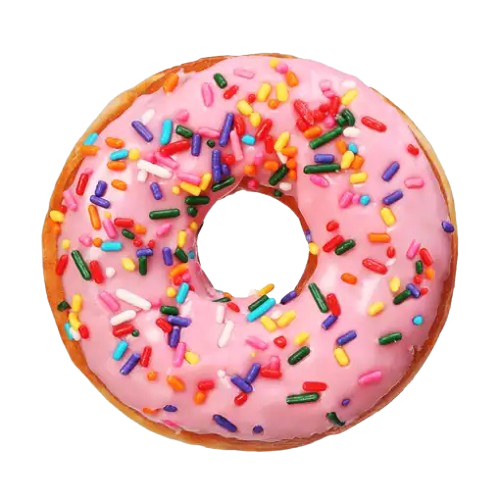
Get a Custom Report on Donut Nutrition Data – Contact Us!
What are the Types of Donuts?
Donuts come in various forms, differing in dough type, preparation, toppings, and fillings, which affects their nutritional profile.
| Type | Description | Calories (per medium donut approx.) | Calorie Qualifications |
|---|---|---|---|
|
Glazed Yeast Donut
|
Light, airy ring donut made with yeast dough, covered in glaze. | 250-300 | Classic, relatively lower end for frosted/coated donuts. |
|
Plain Cake Donut
|
Denser donut made with a cake-like batter, chemically leavened. | 300-350 | Denser texture means more calories per volume than yeast; plain version lacks topping calories. |
|
Chocolate Frosted
|
Yeast or cake donut topped with chocolate frosting. | 300-400 | Frosting adds significant sugar and fat calories. Sprinkles add slightly more. |
|
Jelly-Filled (Yeast)
|
Yeast donut injected with jelly filling, often coated in sugar/glaze. | 280-350 | Filling adds sugar and calories; coating type matters. |
|
Cream/Custard Filled
|
Yeast donut injected with cream, custard, or similar filling. | 320-450+ | Fillings are often high in fat and sugar, significantly increasing calorie density. |
|
French Cruller
|
Light, eggy, ridged donut often made with choux pastry, usually glazed. | 240-300 | Lighter texture but high fat from frying and glaze; often smaller than other types. |
|
Old-Fashioned/Sour Cream
|
Type of cake donut, often with a slightly tangy flavor, dense crumb. | 350-450 | Dense texture and often glazed; higher fat content contributes to calories. |
|
Powdered Sugar Donut
|
Yeast or cake donut coated in powdered sugar. | 230-300 | Powdered sugar adds fewer calories than heavy frostings or glazes. |
|
Apple Fritter
|
Irregular shape, contains apple pieces, often glazed. | 400-500+ | Larger size, fruit, and heavy glaze make this one of the highest calorie options. |
What are the Desserts with Donut?
Donuts themselves are desserts, but they feature as components in other sweet creations, as shown below:
| Dish Name | Calories (per serving) | Carbs (g) | Sugar (g) | Protein (g) | Fat (g) | Cuisine | Restaurants |
|---|---|---|---|---|---|---|---|
|
Donut Ice Cream Sandwich
|
410 (approx.) | 48 | 30 | 6 | 22 | Modern American | Afters Ice Cream, specialty dessert shops, fairs |
|
Donut Bread Pudding
|
600 (200g) | 70 | 45 | 10 | 30 | American/British | Comfort food restaurants/diners (as specials) |
|
Donut Sundae
|
550 (approx.) | 70 | 50 | 7 | 27 | American | Diners, ice cream shops |
|
Decorated/Gourmet Doughnut
|
500-700 (120g) | 60-90 | 40-60 | 6-8 | 25-40 | Modern American | Voodoo Doughnut, Stan's Donuts, specialty doughnut shops |
What are the Main Dishes with Donut?
Using doughnuts in savory main dishes is uncommon in traditional cuisine but appears in novelty American dishes. Some examples are provided below:
| Dish Name | Calories (per serving) | Carbs (g) | Sugar (g) | Protein (g) | Fat (g) | Cuisine | Restaurants |
|---|---|---|---|---|---|---|---|
|
Donut Burger (Luther Burger)
|
900 (approx.) | 45 | 20 | 40 | 60 | American Novelty | Fairs, Crave Real Burgers |
|
Donut Breakfast Sandwich
|
650 (approx.) | 40 | 18 | 25 | 40 | Modern American | Experimental cafes/diners |
What Cuisines Prefer Donuts the Most?
While the modern ring doughnut is strongly associated with American culture, fried dough pastries are popular worldwide as shown in the table below:
| Cuisine | Dish Name | Calories (Approx. per serving/piece) | Restaurants / Purveyors |
|---|---|---|---|
|
American
|
Glazed Donut / Filled Doughnut / Apple Fritter | 250-500+ | Dunkin', Krispy Kreme, Tim Hortons, local donut shops |
|
Dutch
|
Oliebollen (Oil Balls - seasonal) | 200-300 (each) | Street vendors (Netherlands, esp. New Year), Dutch bakeries |
|
Spanish/Latin Am.
|
Churros (often with chocolate) | 150-250 (per serving without dip) | Cafes, street vendors, Mexican/Spanish restaurants |
|
French
|
Beignets (esp. New Orleans style) | 100-150 (each, powdered) | Café Du Monde (New Orleans), French bakeries |
|
Italian
|
Bomboloni (Filled doughnuts) | 250-400 (each) | Italian bakeries (Pasticcerie), cafes |
|
German
|
Berliner / Krapfen (Filled doughnuts) | 250-400 (each) | German bakeries (Bäckereien), cafes |
|
Greek
|
Loukoumades (Honey-soaked dough balls) | 300-450 (per serving) | Greek restaurants, specialty dessert shops |
|
Indian
|
Balushahi / Gulab Jamun (syrup-soaked) | 150-250 (each) / 150-200 (each) | Indian sweet shops (Mithai shops), restaurants |
Which Countries Produce the Most Donuts?
Donuts fall under broader categories like "Pastry, cakes, biscuits and other bakers' wares" (HS Code 1905). Export data for this category indicates major industrial producers of baked goods like the United States and Canada, have large domestic production through major chains (Dunkin', Krispy Kreme, Tim Hortons) and local bakeries. The table below reflects top exporters of baked goods:
| Country | Export Value (Billion USD, 2022 Estimate) | Export Value (Billion USD, 2021 Estimate) |
|---|---|---|
| Germany | 7.0 - 8.0 | 6.5 - 7.5 |
| Italy | 5.0 - 6.0 | 4.5 - 5.5 |
| Belgium | 4.5 - 5.5 | 4.0 - 5.0 |
| Canada | 4.5 - 5.5 | 4.0 - 5.0 |
| France | 4.0 - 5.0 | 3.8 - 4.8 |
| Netherlands | 4.0 - 5.0 | 3.5 - 4.5 |
| Mexico | 3.5 - 4.5 | 3.0 - 4.0 |
| Poland | 3.0 - 4.0 | 2.8 - 3.8 |
| United States | 3.0 - 4.0 | 2.8 - 3.8 |
| United Kingdom | 2.5 - 3.5 | 2.3 - 3.3 |
Which Countries Consume the Most Donuts?
North American countries lead in modern doughnut consumption and Canada has one of the highest numbers of doughnut shops per capita globally. The United States market is also vast. The table shows estimated recent consumption for sweet baked goods categories in high-consuming regions:
| Country/Region | Consumption ( kg/person/year , 2021-2023 Range) |
|---|---|
| Canada | 6.0 - 8.0 |
| United States | 5.0 - 7.0 |
| United Kingdom | 8.0 - 10.0 |
| Germany | 7.5 - 9.5 |
| Netherlands | 7.0 - 9.0 |
| Australia | 4.0 - 6.0 |
How Do Prices of Donut-including Dishes Change?
The price of individual donuts from major chains like Dunkin', Krispy Kreme, and Tim Hortons has steadily increased over the past 10-20 years. This rise is driven by increased costs for ingredients (flour, sugar, oil, dairy), packaging, labor, rent, and general operational expenses. While prices vary by location, the general trend is upward, particularly noticeable in the jump from under $1 per donut in the early 2000s to $1.50 to $2.50 today for standard or specialty options.
| Restaurant/Chain | Donut Type | Old Price | Current Price (2025) |
|---|---|---|---|
| Dunkin' | Classic Glazed Donut | $0.89 - $1.09 (2010) | $1.59 - $1.99 |
| Dunkin' | Boston Kreme / Filled Donut | $1.19 - $1.39 (2010) | $1.89 - $2.29 |
| Krispy Kreme | Original Glazed® Donut | $0.99 - $1.19 (2012) | $1.69 - $2.09 |
| Krispy Kreme | Filled or Specialty Donut | $1.29 - $1.59 (2012) | $2.09 - $2.69+ |
| Tim Hortons | Classic Glazed Donut | $0.85 - $0.99 (2010, Canada/US adjusted) | $1.49 - $1.89 |
| Tim Hortons | Filled Donut (e.g., Boston Cream) | $1.09 - $1.29 (2010, Canada/US adjusted) | $1.79 - $2.19 |
| Specialty Burger Joints | Donut Burger (Luther type) | $10 - $14 (Mid-2010s) | $15 - $20+ |
| Specialty Dessert Shops | Donut Ice Cream Sandwich | $5 - $7 (Mid-2010s) | $8 - $12+ |
How Does the Price of Donut Change for the Last 20 Years?
The price of doughnuts in the United States has generally increased over the past two decades. Data from the U.S. Bureau of Labor Statistics (BLS) for related categories like "Cakes, cupcakes, and cookies" or general "Snacks" reflects this upward trend. Looking back 20 years from early 2025, the average price of a single doughnut around 2005 was much lower, often well under one dollar at major chains. The Consumer Price Index (CPI) for relevant food-away-from-home or specific bakery item categories shows a significant climb. For instance, the index for "Cakes, cupcakes, and cookies" rose from roughly 200 in early 2005 to over 330 by early 2025, suggesting prices increased over 65% in that period. The lowest prices were found at the start of this timeframe. The highest prices are the current ones (2023-2025), with single doughnuts at major chains now often costing $1.50 to $2.50 or more, especially for specialty varieties. Price increases accelerated significantly from 2021 onwards due to inflation affecting ingredients (flour, sugar, oil, dairy), energy (for frying and transport), and labor costs. Prices vary based on location (higher in major cities), brand (premium vs. standard chains), and type (basic glazed vs. elaborate filled/gourmet doughnuts).
| Year | Price |
|---|---|
| 2005 | $0.75 |
| 2006 | $0.78 |
| 2007 | $0.8 |
| 2008 | $0.85 |
| 2009 | $0.88 |
| 2010 | $0.9 |
| 2011 | $0.95 |
| 2012 | $1 |
| 2013 | $1.05 |
| 2014 | $1.1 |
| 2015 | $1.15 |
| 2016 | $1.2 |
| 2017 | $1.25 |
| 2018 | $1.3 |
| 2019 | $1.35 |
| 2020 | $1.4 |
| 2021 | $1.55 |
| 2022 | $1.75 |
| 2023 | $2 |
| 2024 | $2.2 |
What is the Donut Calorie for 100g?
A glazed yeast donut contains 371 calories per 100g (3.5 oz). A jelly-filled donut provides 363 calories per 100g. A chocolate frosted donut contains 400 calories per 100g. A plain cake donut offers 429 calories per 100g. A Boston cream donut contains 400 calories per 100g.
What is the Donut Calorie for 1 KG?
A glazed yeast donut contains 3710 calories per 1 kilogram (2.2 pounds). A jelly-filled donut provides 3630 calories per 1 kilogram. A chocolate frosted donut contains 4000 calories per 1 kilogram. A plain cake donut offers 4290 calories per 1 kilogram. A Boston cream donut contains 4000 calories per 1 kilogram.
What is the Calorie of 1 Donut?
The calorie count of one donut varies greatly by type and size. One medium glazed donut (70g) provides 260 calories. One medium jelly-filled donut (80g) contains 290 calories. One medium chocolate frosted donut (75g) offers 300 calories. One medium plain cake donut (70g) has 300 calories. One Boston cream donut (85g) contains 340 calories.
What are the Health Benefits of Donuts?
Donuts are primarily consumed as indulgent treats rather than for health benefits. Their nutritional contributions are minimal as listed below:
- Source of Quick Energy: Donuts provide a rapid source of energy due to their high content of refined carbohydrates (from flour and sugar). The body quickly digests these simple carbohydrates for immediate fuel (USDA FoodData Central). This rapid absorption, however, can also lead to subsequent energy crashes, unlike the sustained energy from complex carbohydrates (Ludwig, D.S., et al. 2013. Effects of dietary glycemic index on brain regions related to reward and craving in men. The American Journal of Clinical Nutrition).
- Enriched Flour Nutrients: Donuts made with enriched white flour contain added B vitamins (like thiamin, riboflavin, niacin, folate) and iron. These nutrients, involved in energy metabolism and other functions, are added back after the refining process strips them away (USDA FoodData Central). While present, the overall nutrient density remains low compared to whole foods (Slavin, J. 2004. Whole grains and human health. Nutrition Reviews).
- Psychological Aspect: Consuming palatable foods high in sugar and fat, like donuts, can activate brain reward pathways, providing temporary pleasure and comfort (Volkow, N.D., et al. 2011. Addiction: Decreased reward sensitivity and increased expectation sensitivity conspire to overwhelm the brain's control circuit. BioEssays). This enjoyment factor contributes to their role in social settings or as occasional personal treats, though this effect is related to hedonic response rather than physiological health benefit.
What are the Downsides of Donuts?
Regular consumption of donuts is associated with several health concerns:
- High in Added Sugars: Donuts, especially glazed, frosted, or filled varieties, contain significant amounts of added sugars. Excessive sugar intake contributes to weight gain, increased risk of type 2 diabetes, heart disease, and poor dental health (World Health Organization. 2015. Guideline: Sugars intake for adults and children).
- High in Unhealthy Fats: Donuts are typically deep-fried, absorbing considerable amounts of fat. This often includes saturated fat and, depending on the frying oil used historically or currently, potentially unhealthy trans fats. High intake of these fats negatively impacts blood cholesterol levels and increases cardiovascular risk (Mozaffarian, D., et al. 2006. Trans fatty acids and cardiovascular disease. The New England Journal of Medicine).
- Refined Carbohydrates: Made primarily from refined white flour, donuts lack significant dietary fiber. This leads to rapid blood sugar spikes and subsequent crashes, which can affect energy levels and appetite control, and over time contribute to insulin resistance (Brand-Miller, J.C., et al. 2002. Glycemic index and glycemic load for foods: a systematic review. The American Journal of Clinical Nutrition).
- Low in Nutrients, High in Calories: Donuts offer minimal essential vitamins, minerals (beyond enrichment), and fiber relative to their high calorie count. They are considered calorie-dense but nutrient-poor, easily contributing excess calories without substantial nutritional value. A healthier alternative when craving a treat could be whole fruit, Greek yogurt with berries, a small handful of nuts, or a whole-grain baked good with minimal sugar. Donuts should be considered an infrequent indulgence; a daily suggested amount is zero for optimal health.
Are Donuts Good for You?
Donuts are generally not considered good from a nutritional standpoint. They offer minimal benefits while presenting several health drawbacks if consumed regularly. Donuts do not support heart health due to their high content of saturated fats, potential trans fats, and added sugars, all of which are risk factors for cardiovascular disease. Their low fiber content means they do not promote digestive health and can contribute to blood sugar fluctuations rather than stability. Regarding brain health, the rapid spikes and drops in blood sugar from consuming refined carbohydrates and sugars can negatively impact focus and energy levels, and long-term high-sugar diets are linked to cognitive concerns. Donuts are also not beneficial for liver health, and high intake of sugar and unhealthy fats can contribute to conditions like non-alcoholic fatty liver disease (NAFLD).
How Many Donuts Should I Eat a Day?
Health organizations strongly advise limiting foods high in added sugars, saturated fats, and refined carbohydrates, categories where donuts prominently feature. The Dietary Guidelines for Americans recommend limiting added sugars to less than 10% of daily calories and saturated fat to less than 10% of daily calories. The American Heart Association suggests even stricter limits on added sugar: no more than 36 grams (9 teaspoons) per day for men and 24 grams (6 teaspoons) per day for women. A single donut can easily contain 15-30 grams of sugar and 5-10 grams (or more) of saturated fat, significantly contributing to, or even exceeding, these daily limits. Therefore, donuts should not be part of a daily diet. The recommended intake is zero donuts on most days to maintain a healthy eating pattern.
How Many Donuts Can I Eat a Day at Most?
There is no nutritionally recommended "maximum" number of donuts to eat daily. Intake should be zero on most days. Consuming even one donut regularly pushes against health guidelines for sugar and saturated fat. Eating multiple donuts in a day would almost certainly exceed these limits significantly, contribute excessive calories lacking essential nutrients, and displace healthier food choices needed for vitamins, minerals, fiber, and protein. From a health perspective, donuts are treats for very infrequent occasions.
How Does Calorie Change According to Donut Types?
Donut calories vary widely based on several factors: the type of dough (lighter yeast versus denser cake), the preparation method (frying absorbs fat), the size, and especially the toppings and fillings. Generally, plain yeast donuts or small donut holes have the lowest calorie counts, sometimes under 200 calories for very small ones or around 250 for a standard glazed ring. Calories increase significantly with density (cake donuts are often higher calorie than plain yeast donuts of similar size), glazes, heavy frostings (chocolate, vanilla), sprinkles, and particularly fillings. Cream, custard, or rich chocolate fillings add substantial fat and sugar, pushing calories well into the 350-450+ range for a single medium-to-large filled donut. Large, irregular donuts like apple fritters, which combine fruit, dense dough, and heavy glazing over a larger surface area, are often among the highest-calorie options, frequently exceeding 400 or even 500 calories.
What is the Origin of the Donut?
The history of the doughnut is linked to various fried dough traditions across cultures. Precursors include ancient fried cakes and Roman scriblita. The modern doughnut's direct ancestors likely arrived in America (then New Amsterdam) with Dutch settlers in the early 19th century in the form of olykoeks or "oil cakes,” sweetened dough balls fried in pork fat. These often contained fruits or nuts in the center where the dough might not cook through. The invention of the characteristic ring shape is popularly attributed to an American ship captain, Hanson Gregory, around 1847. Legend claims he punched a hole in the dough balls to ensure even cooking or to store them on the ship's wheel spokes, though the exact reason is debated. The term "doughnut" appeared in print in the early 19th century. Doughnuts gained immense popularity in the United States, particularly during World War I when Salvation Army volunteers ("Doughnut Lassies") served them to soldiers in France. The invention of automated doughnut machines in the 1920s further boosted production and availability, leading to the rise of major chains and making doughnuts a ubiquitous treat.
Explore More Desserts & Sweets
Discover more Desserts & Sweets with detailed nutrition facts, calorie counts, vitamins, minerals, and health benefits. Compare similar foods, serving sizes, macronutrients, and key nutrients to find the best option for your diet and nutrition goals.
 Apple Pie calories
 Banoffee Pudding calories
 Biscotti calories
 Blondie calories
 Bread Pudding calories
 Brownie calories
 Butterscotch Pudding calories
 Cake calories
 Cannoli calories
 Caramel Pudding calories
 Cheesecake calories
 Cherry Pie calories