Calories and Nutritions in Fruit Sorbet
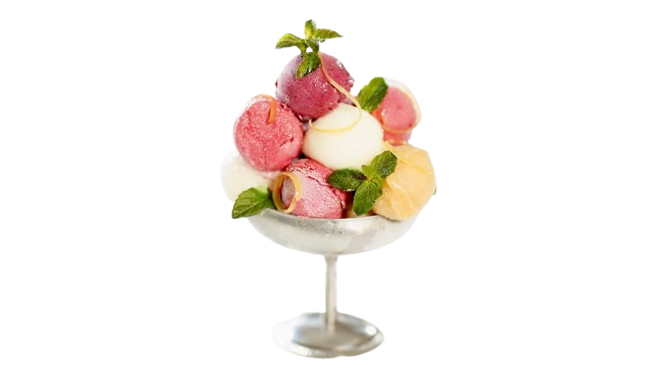
Fruit sorbet is a frozen dessert that relies on fruit purees and sugar, providing 130 calories per 100 g serving. For consumers monitoring their diet, a 100 g serving provides 31 g of carbohydrates, 0.5 g of protein, 26 g of sugar, and 0 g of fat. A small 28 g (1 oz) serving of fruit sorbet contains 36 calories, while a 454 g pint of Talenti Roman Raspberry Sorbet provides 560 calories. The high sugar content provides quick energy, but regular consumption of large portions affects metabolic health. A study by Kamiloglu et al. (2013), "Influence of processing and storage on the phenolic content and antioxidant activity of blackberry sorbet," confirms that sorbets retain measurable antioxidant properties from their fruit ingredients.
Common varieties available in the market include Raspberry Sorbet, Lemon Sorbet, Mango Sorbet, and Sugar-Free Sorbet. Because of its tart profile, it is utilized in local cafes and fine dining, featuring in 8 popular desserts at restaurants, such as the Trio of Sorbets at Balthazar and the Lemon Sorbet at Carmine's. Due to its convenience, it is a staple in commercial frozen dessert aisles, and consumers looking for retail options purchase pints from major brands.
The origin of the fruit sorbet is rooted in the Middle East, where early fruit juices were chilled with snow, later evolving in Europe into the churned frozen treat recognized today. Global production data tracks its broad category closely, an industry led by the United States, which produced 2,800 kt of frozen desserts in 2026. Consumption of frozen desserts is high in New Zealand and the United States. The retail price for a pint of fruit sorbet has increased from $3.50 USD in 2007 to $6.50 USD in 2026.
Health experts suggest consuming fruit sorbet in moderation. A standard 100 g (1/2 cup) serving adds 130 calories to a person's diet, which can be burned by doing 27 to 32 minutes of walking at 5 km/h.
Fruit Sorbet nutrition
| Stats | Weight |
|---|---|
| Carbs | 31 grams |
| Protein | 0.5 grams |
| Fats | 0 grams |
| Sugars | 26 grams |
- Large Fruit Sorbet Calories (Nutritional Facts)
- Medium Fruit Sorbet Calories (Nutritional Facts)
- Small Fruit Sorbet Calories (Nutritional Facts)
- Raw Fruit Sorbet Nutrition
- Sodium in Fruit Sorbet
- Potassium in Fruit Sorbet
- Sugar in Fruit Sorbet
- Fiber in Fruit Sorbet
- Protein in Fruit Sorbet
- Carbs in Fruit Sorbet
- Fat in Fruit Sorbet
- Vitamins in Fruit Sorbet
- Minerals in Fruit Sorbet
Large Fruit Sorbet Calories (Nutritional Facts)
A large serving of fruit sorbet weighing 200 g (1 cup) contains 260 calories. This 200 g (1 cup) portion provides 0 g of total fat, 1 g of protein, 62 g of carbohydrates, and 52 g of sugar. A large 200 g (1 cup) serving of fruit sorbet topped with 30 g (2 tablespoons) of fresh berries contains 275 calories.
A medium serving of fruit sorbet weighing 100 g (1/2 cup) provides 130 calories. This 100 g (1/2 cup) portion delivers 0 g of total fat, 0.5 g of protein, 31 g of carbohydrates, and 26 g of sugar. A 100 g (1/2 cup) serving of sugar-free fruit sorbet contains 70 calories because artificial sweeteners replace the refined cane sugar.
A small serving of fruit sorbet weighing 28 g (1 oz) contains 36 calories. This 28 g (1 oz) portion consists of 0 g of total fat, 0.1 g of protein, 8.6 g of carbohydrates, and 7.2 g of sugar.
A 100 g (3.5 oz) serving of frozen fruit sorbet provides 130 calories, 0 g of total fat, 0.5 g of protein, 31 g of total carbohydrates, and 1.5 g of dietary fiber. Fruit sorbet is a frozen mixture of fruit puree or juice, water, and sugar. The nutrient concentration relies on the fruit base, which provides dietary vitamins and trace minerals without the inclusion of dairy.
Fruit sorbet contains 10 mg of sodium per 100 g (3.5 oz) serving, contributing 0% of the Daily Value (DV). This sodium originates naturally from the fruit and water used in the churning process.
Fruit sorbet supplies 90 mg of potassium per 100 g (3.5 oz) serving, fulfilling 2% of the DV. This mineral comes primarily from the fruit puree.
One hundred grams (3.5 oz) of fruit sorbet contains 26 g of sugar. This sugar consists of added sucrose and naturally occurring fructose from the fruit. The sugar levels in traditional fruit sorbet are high to ensure a smooth, scoopable texture during freezing.
Fruit sorbet provides 1.5 g of dietary fiber per 100 g (3.5 oz) serving, fulfilling 5% of the DV. This fiber content comes from the fruit pulp blended into the mixture.
Fruit sorbet provides 0.5 g of protein per 100 g (3.5 oz) serving.
Fruit sorbet contains 31 g of total carbohydrates per 100 g (3.5 oz) serving.
Fruit sorbet contains 0 g of total fat per 100 g (3.5 oz) serving.
A 100 g (3.5 oz) serving of fruit sorbet provides 15 mg of Vitamin C (17% DV) and 10 mcg of Vitamin A (1% DV). These vitamins come from the pureed fruit used as the flavor base.
A 100 g (3.5 oz) serving provides 10 mg of Calcium (1% DV), 8 mg of Magnesium (2% DV), and 0.2 mg of Iron (1% DV). They also contain trace amounts of phosphorus.
Get a Custom Report on Fruit Sorbet Nutrition Data – Contact Us!
What are the Types of Fruit Sorbet?
There are 4 common types of commercial fruit sorbet such as Raspberry Sorbet and Lemon Sorbet. The table below shows the common fruit sorbet types and their calorie information.
| Type | Description | Calories (per 100g) | Calorie Differences & Qualifications |
|---|---|---|---|
|
Raspberry Sorbet
|
Made with pureed raspberries, sugar, and water. | 130 | Baseline energy for berry-based sorbets. |
|
Lemon Sorbet
|
A tart mixture of lemon juice, water, and sugar. | 120 | Slightly lower calories due to higher water content. |
|
Mango Sorbet
|
A dense mixture utilizing pureed mangoes. | 140 | Higher calories due to the natural sugar density of mangoes. |
|
Sugar-Free Sorbet
|
Prepared with sugar alcohols or artificial sweeteners. | 70 | Lower calories due to the complete removal of sucrose. |
What are the Desserts with Fruit Sorbet?
Fruit sorbet serves as a standalone dessert, a palate cleanser, or a component layered with fresh fruit and baked goods. Restaurants utilize its bright colors and tart flavor profiles to balance heavy meals. The table below shows desserts containing fruit sorbet that are served in restaurants.
| Dish Name | Calories | Type | Carbs | Sugar | Protein | Fat | Cuisine | Restaurants |
|---|---|---|---|---|---|---|---|---|
|
Trio of Sorbets
|
360 | Frozen Dessert | 88g | 72g | 1g | 0g | French | Balthazar |
|
Lemon Sorbet
|
240 | Frozen Dessert | 60g | 48g | 0g | 0g | Italian-American | Carmine's |
|
Seasonal Sorbetto
|
260 | Frozen Dessert | 64g | 50g | 1g | 0g | Italian | Osteria Mozza |
|
Fruit Sorbet Tasting (Seasonal)
|
320 | Frozen Dessert | 78g | 64g | 1g | 0g | French | Le Bernardin |
|
Raspberry Sorbet
|
260 | Frozen Dessert | 64g | 52g | 1g | 0g | Japanese Fusion | Nobu |
|
Mango Sorbet
|
280 | Frozen Dessert | 68g | 55g | 1g | 0g | Contemporary | The Cheesecake Factory |
|
Mixed Berry Sorbet (Seasonal)
|
250 | Frozen Dessert | 62g | 50g | 1g | 0g | Farm-to-Table | Blue Hill |
|
Strawberry Sorbet (Seasonal)
|
260 | Frozen Dessert | 64g | 52g | 1g | 0g | American | Spago |
What Cuisines Prefer Fruit Sorbet the Most?
Fruit sorbet is a foundational dessert in French, Italian, and Modern American cuisines. In Italy, it is known as sorbetto and is consumed to cool down during the summer. In French fine dining, it is frequently served in small portions between courses to reset the palate. The table below outlines the cuisines and dishes.
Which Countries Produce the Most Fruit Sorbets?
The top producers of frozen desserts, which is the category encompassing fruit sorbet, are the United States, China, New Zealand, Australia, and Germany. In 2026, the United States produced 2,800.00 kilotonnes of frozen desserts based on global manufacturing data. Because fruit sorbet is a manufactured product, agricultural tracking monitors it under the broad ice cream and frozen dessert industry. The table below displays production volumes over the last 20 years in kilotonnes.
| Country | 2007 | 2008 | 2009 | 2010 | 2011 | 2012 | 2013 | 2014 | 2015 | 2016 | 2017 | 2018 | 2019 | 2020 | 2021 | 2022 | 2023 | 2024 | 2025 | 2026 |
|---|---|---|---|---|---|---|---|---|---|---|---|---|---|---|---|---|---|---|---|---|
| USA | 2500 | 2520 | 2540 | 2560 | 2580 | 2600 | 2620 | 2640 | 2660 | 2680 | 2700 | 2720 | 2740 | 2760 | 2770 | 2780 | 2785 | 2790 | 2795 | 2800 |
| China | 1800 | 1850 | 1900 | 1950 | 2000 | 2100 | 2200 | 2300 | 2400 | 2450 | 2500 | 2550 | 2600 | 2650 | 2680 | 2700 | 2720 | 2740 | 2750 | 2760 |
| New Zealand | 400 | 410 | 420 | 430 | 440 | 450 | 460 | 470 | 480 | 490 | 500 | 510 | 520 | 530 | 540 | 545 | 550 | 555 | 560 | 565 |
| Australia | 380 | 390 | 400 | 410 | 420 | 430 | 440 | 450 | 460 | 470 | 480 | 490 | 500 | 510 | 520 | 525 | 530 | 535 | 540 | 545 |
| Germany | 350 | 360 | 370 | 380 | 390 | 400 | 410 | 420 | 430 | 440 | 450 | 460 | 470 | 480 | 490 | 495 | 500 | 505 | 510 | 515 |
Which Countries Consume the Most Fruit Sorbets?
The top consumers of frozen desserts are New Zealand, the United States, Australia, Finland, and Sweden. The consumption of non-dairy frozen desserts like fruit sorbet has increased globally due to dietary preferences. The table below represents the food supply of frozen desserts for these nations.
| Country | 2007 | 2008 | 2009 | 2010 | 2011 | 2012 | 2013 | 2014 | 2015 | 2016 | 2017 | 2018 | 2019 | 2020 | 2021 | 2022 | 2023 | 2024 | 2025 | 2026 |
|---|---|---|---|---|---|---|---|---|---|---|---|---|---|---|---|---|---|---|---|---|
| New Zealand | 380 | 390 | 400 | 410 | 420 | 430 | 440 | 450 | 460 | 470 | 480 | 490 | 500 | 510 | 520 | 525 | 530 | 535 | 540 | 545 |
| USA | 2400 | 2420 | 2440 | 2460 | 2480 | 2500 | 2520 | 2540 | 2560 | 2580 | 2600 | 2620 | 2640 | 2660 | 2680 | 2700 | 2720 | 2740 | 2760 | 2780 |
| Australia | 360 | 370 | 380 | 390 | 400 | 410 | 420 | 430 | 440 | 450 | 460 | 470 | 480 | 490 | 500 | 505 | 510 | 515 | 520 | 525 |
| Finland | 120 | 125 | 130 | 135 | 140 | 145 | 150 | 155 | 160 | 165 | 170 | 175 | 180 | 185 | 190 | 192 | 194 | 196 | 198 | 200 |
| Sweden | 110 | 115 | 120 | 125 | 130 | 135 | 140 | 145 | 150 | 155 | 160 | 165 | 170 | 175 | 180 | 182 | 184 | 186 | 188 | 190 |
How Do Prices of Fruit Sorbet-including Dishes Change?
Restaurant menu prices for fruit sorbet desserts have increased steadily due to inflation and the rising costs of restaurant operations. The table below compares historical price ranges from 2015 to 2017 to current 2025 to 2026 estimates in USD.
| Restaurant | Dish Name | Old Price Range (2015-17) | Current Price Range (2025-26) |
|---|---|---|---|
| Balthazar | Trio of Sorbets (Seasonal, Limited Time Offer) | $10.00 to $12.00 | $14.00 to $17.00 |
| Carmine's | Lemon Sorbet (Seasonal, Limited Time Offer) | $8.00 to $10.00 | $11.00 to $14.00 |
| Nobu | Raspberry Sorbet (Seasonal, Limited Time Offer) | $9.00 to $11.00 | $13.00 to $16.00 |
| Osteria Mozza | Seasonal Sorbetto | $10.00 to $13.00 | $14.00 to $18.00 |
| The Cheesecake Factory | Mango Sorbet (Seasonal, Limited Time Offer) | $7.00 to $9.00 | $10.00 to $12.00 |
What is the Fruit Sorbet Calorie for 100 Grams?
One hundred grams (3.5 oz) of fruit sorbet contains 130 calories.
What is the Fruit Sorbet Calorie for 1 KG?
One kilogram (1,000 g) of fruit sorbet provides 1,300 calories.
What is the Calorie of 1 Fruit Sorbet?
One retail pint of Talenti Roman Raspberry Sorbet weighing 454 g contains 560 calories. One retail pint of Haagen Dazs Mango Sorbet weighing 414 g contains 520 calories. One retail pint of Outshine Lemon Sorbet weighing 414 g contains 520 calories.
What are the Health Benefits of Fruit Sorbet?
Fruit sorbet provides health benefits like dairy avoidance and hydration due to its water base and fruit content. This frozen dessert is a common palate cleanser and dessert option globally. A list of the health benefits of fruit sorbet are shown below.
- Provides Dairy Free Alternatives: Made entirely without milk or cream, it is safe for individuals with lactose intolerance or dairy allergies.
- Offers a Fat Free Dessert: The lack of dairy fats ensures the product remains completely fat-free.
- Delivers Fruit Antioxidants: Fruit purees contain phenolic compounds. A study by Kamiloglu et al. (2013), "Influence of processing and storage on the phenolic content and antioxidant activity of blackberry sorbet," notes that sorbets retain measurable antioxidant activity from their fruit ingredients.
- Supplies Dietary Vitamin C: Fruit based mixtures provide vitamins that assist in maintaining regular immune function.
- Aids Hydration: The high water content contributes to daily fluid intake.
- Cleanses the Palate: The tartness of citrus and berry sorbets neutralizes heavy flavors between courses during a meal.
What are the Downsides of Fruit Sorbet?
Fruit sorbet has been known to cause unwanted effects like blood sugar spikes and dental decay due to its high refined sugar content. A list of the downsides of fruit sorbet are shown below.
- Causes Blood Sugar Spikes: The concentration of sucrose causes a rapid release of insulin in the bloodstream.
- Lacks Satiety: The complete absence of fat and protein means the dessert does not provide lasting fullness.
- Promotes Dental Cavities: The combination of sugar and fruit acids adheres to tooth enamel, fostering bacterial growth.
- Contributes to Weight Gain: A high intake of simple carbohydrates can lead to an energy surplus when consumed regularly.
Are Fruit Sorbets Good for You?
Fruit sorbets are an acceptable dessert in moderation because they deliver a fat-free, dairy-free sweet option with trace vitamins in a 100 g (3.5 oz) serving. Healthy individuals should consume 100 g (1/2 cup) of fruit sorbet occasionally to enjoy the fruit flavor without overconsuming sugar. A study by Johnson et al. (2014), "Added sugars and cardiovascular disease risk," confirms that diets high in added sugars from desserts increase the risk of heart disease. They are a refreshing treat intended for occasional consumption.
How Do Calories Change According to Fruit Sorbet Types?
The calories in fruit sorbet change based on the natural sugar content of the fruit and the sweetening agents used. Standard Raspberry Sorbet contains 130 calories per 100 g (3.5 oz). If the dessert is Lemon Sorbet, the energy decreases to 120 calories per 100 g (3.5 oz) because citrus fruits require a higher water ratio in the recipe. Mango Sorbet rises to 140 calories per 100 g (3.5 oz) due to the dense natural fructose of the mango pulp. Sugar-Free Sorbet drops significantly to 70 calories per 100 g (3.5 oz) when zero-calorie sweeteners replace traditional sugar.
What are the Main Dishes with Fruit Sorbet?
Fruit sorbets are not ingredients used in main dishes since it is a frozen and sweetened dessert.
What is the Origin of Fruit Sorbet?
The origin of fruit sorbet traces back to the Middle East, where early variations known as "sharbat" were created using sweetened fruit juices chilled with mountain snow. Trade routes brought the concept to Italy, where it evolved into "sorbetto." By the 17th century, French culinary traditions refined the recipe into the "sorbet" recognized today. The modern dessert relies on freezing techniques that churn the mixture, preventing large ice crystals from forming and resulting in a smooth texture.
Explore More Desserts & Sweets
Discover more Desserts & Sweets with detailed nutrition facts, calorie counts, vitamins, minerals, and health benefits. Compare similar foods, serving sizes, macronutrients, and key nutrients to find the best option for your diet and nutrition goals.
 Apple Pie calories
 Banoffee Pudding calories
 Biscotti calories
 Blondie calories
 Bread Pudding calories
 Brownie calories
 Butterscotch Pudding calories
 Cake calories
 Cannoli calories
 Caramel Pudding calories
 Cheesecake calories
 Cherry Pie calories