Calories and Nutritions in Tapioca Pudding
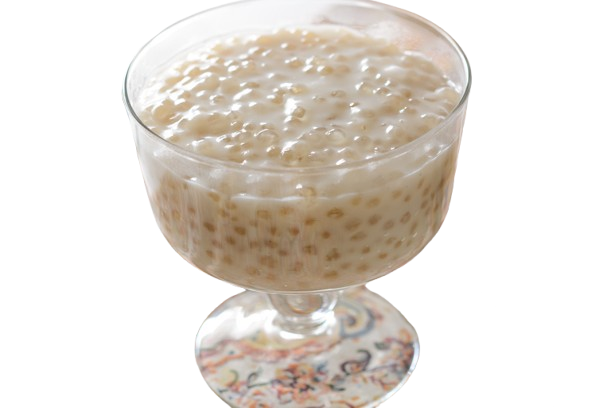
Tapioca pudding is a beloved dessert characterized by its uniquely chewy pearls, enjoying widespread popularity across Western diners and Asian cuisines. The dish provides 110 calories per 100 g serving of tapioca pudding, while a 1 cup (260 g) serving yields 286 calories. Consumers can find specific caloric values in retail brands; for instance, a Dutch Farms Tapioca Pudding 1/2 cup (128 g) contains 110 calories, a Snack Pack Tapioca (1 cup) provides 110 calories, and a Kozy Shack Tapioca Pudding (1 container) delivers 130 calories. A 100 g serving also provides 19 g of carbohydrates, 1.5 g of protein, 15 g of sugars, and 3 g of fat. While this dessert offers trace minerals like calcium derived from its milk base, the significant reliance on refined sugar requires careful dietary management. A study by Montagnac et al. (2009), "Nutritional value of cassava for use as a staple food and recent advances for improvement," notes that while cassava starch provides quick metabolic energy, the added sugar in dessert adaptations can contribute to nutritional imbalances if consumed excessively.
The market offers several varieties, including the classic Dairy Tapioca Pudding, the rich Coconut Tapioca Pudding, and Sugar Free Tapioca Pudding. Its comforting and highly adaptable texture has made it a fixture in casual dining and modern Asian restaurants, appearing in 8 well known desserts at establishments like the Baked Tapioca Pudding at Tim Ho Wan and the Coconut Tapioca at Slanted Door. Recognizing its convenience, it remains a heavily stocked item in commercial grocery aisles, allowing consumers to easily purchase ready to eat cups from major brands.
The dessert's roots tie back to the cassava plant native to South America, which was eventually transported globally, leading to Western dairy adaptations and Southeast Asian coconut milk variations. Production data closely monitors its primary botanical ingredient, a sector dominated by Nigeria, which produced 63,000 kt of cassava in 2026. Consumption of cassava products remains high across Africa and Asia, while the dairy based pudding is heavily consumed in the United States. The retail price for a 4-pack of tapioca pudding cups has increased from $1.00 USD in 2007 to $1.85 USD in 2026.
Health experts advise consuming tapioca pudding in moderation. A standard 130 g (1/2 cup) serving adds 143 calories to a person's diet. These calories can be burned by doing 35 minutes of walking at 5 km/h for an average sized woman or 30 minutes of walking for an average sized man. If a person consumes a heavy dining dessert like the Tapioca Pudding at Gramercy Tavern yielding 450 calories, the physical requirement increases to 112 minutes of walking for a woman and 95 minutes of walking for a man.
Tapioca Pudding nutrition
| Stats | Weight |
|---|---|
| Carbs | 24.7 grams |
| Protein | 1.95 grams |
| Fats | 0 grams |
| Sugars | 19.5 grams |
- Large Tapioca Pudding Calories (Nutritional Facts)
- Medium Tapioca Pudding Calories (Nutritional Facts)
- Small Tapioca Pudding Calories (Nutritional Facts)
- Raw Tapioca Pudding Nutrition
- Sodium in Tapioca Pudding
- Potassium in Tapioca Pudding
- Sugar in Tapioca Pudding
- Fiber in Tapioca Pudding
- Protein in Tapioca Pudding
- Carbs in Tapioca Pudding
- Fat in Tapioca Pudding
- Vitamins in Tapioca Pudding
- Minerals in Tapioca Pudding
Large Tapioca Pudding Calories (Nutritional Facts)
A large serving of ready to eat tapioca pudding weighing 260 g (1 cup) contains 286 calories. This 260 g (1 cup) portion provides 7.8 g of total fat, 3.9 g of protein, 49.4 g of carbohydrates, and 39 g of sugar. A large 260 g (1 cup) serving of tapioca pudding mixed with 15 g of fruit preserves contains 326 calories due to the added sugar from the fruit.
A medium serving of tapioca pudding weighing 130 g (1/2 cup) provides 143 calories. This 130 g (1/2 cup) portion delivers 3.9 g of total fat, 1.95 g of protein, 24.7 g of carbohydrates, and 19.5 g of sugar. A 130 g (1/2 cup) serving of sugar free tapioca pudding contains 70 calories because artificial sweeteners replace the refined cane sugar.
A small serving of tapioca pudding weighing 100 g contains 110 calories. This 100 g portion consists of 3 g of total fat, 1.5 g of protein, 19 g of carbohydrates, and 15 g of sugar.
A 100 g serving of standard chilled tapioca pudding provides 110 calories, 3 g of total fat, 1.5 g of protein, 19 g of total carbohydrates, and 0 g of dietary fiber. In this context, standard tapioca pudding is a cooked and chilled mixture of milk, tapioca pearls, sugar, and vanilla. The nutrient concentration relies on the dairy base, which provides calcium and trace vitamins, while the tapioca pearls supply simple carbohydrates.
Tapioca pudding contains 140 mg of sodium per 100 g serving, contributing 6% of the Daily Value (DV). This sodium comes from added salt used to enhance the flavor and stabilize the commercial mixture.
Tapioca pudding supplies 135 mg of potassium per 100 g serving, fulfilling 3% of the DV. This mineral comes primarily from the milk used in the pudding base.
One hundred grams of tapioca pudding contains 15 g of sugar. This sugar consists of added sucrose and naturally occurring lactose from the milk. The sugar levels in traditional tapioca pudding are high, making it a calorie dense dessert.
Tapioca pudding provides 0 g of dietary fiber per 100 g serving, fulfilling 0% of the DV. The cassava root used to make the tapioca pearls is stripped of its natural fiber during processing.
Tapioca pudding provides 1.5 g of protein per 100 g serving.
Tapioca pudding contains 19 g of total carbohydrates per 100 g serving.
Tapioca pudding contains 3 g of total fat per 100 g serving.
A 100 g serving of tapioca pudding provides 1.2 mcg of Vitamin D (6% DV) and 45 mcg of Vitamin A (5% DV). These vitamins come from the fortified dairy milk used as the pudding base.
A 100 g serving provides 100 mg of Calcium (8% DV), 10 mg of Magnesium (2% DV), and 0.1 mg of Iron (0% DV). They also contain trace amounts of phosphorus.
Get a Custom Report on Tapioca Pudding Nutrition Data – Contact Us!
What are the Types of Tapioca Pudding?
There are 4 different types of commercial tapioca pudding such as the traditional Dairy Tapioca Pudding and Coconut Tapioca Pudding. The table below shows the common tapioca pudding types and their calorie information.
| Type | Description | Calories (per 100g) | Calorie Differences & Qualifications |
|---|---|---|---|
|
Dairy Tapioca Pudding
|
Standard pudding made with whole milk, tapioca pearls, and sugar. | 110 | Baseline energy for the traditional dessert. |
|
Coconut Tapioca Pudding
|
An Asian style dessert made with coconut milk and small pearls. | 130 | Higher calories due to the dense fats present in coconut milk. |
|
Sugar Free Tapioca Pudding
|
Prepared with artificial sweeteners to reduce carbohydrate load. | 60 | Lower calories due to the complete removal of sucrose. |
|
Baked Tapioca Pudding
|
A baked dim sum pastry filled with thick tapioca custard. | 150 | Higher energy density due to moisture loss during baking. |
What are the Desserts with Tapioca Pudding?
Tapioca pudding is a dessert often served in individual cups or layered with fresh fruits. Restaurants utilize the unique texture of the tapioca pearls to create comforting Western custards or refreshing Asian sweets. The table below shows desserts containing tapioca pudding that are served in restaurants.
| Dish Name | Calories | Type | Carbs | Sugar | Protein | Fat | Cuisine | Restaurants |
|---|---|---|---|---|---|---|---|---|
|
Baked Tapioca Pudding
|
350 | Baked Dessert | 48g | 28g | 6g | 15g | Chinese | Tim Ho Wan |
|
Tapioca Pudding
|
420 | Pudding | 58g | 40g | 6g | 18g | American | Bubby's |
|
Coconut Tapioca
|
380 | Pudding | 52g | 32g | 4g | 17g | Vietnamese | Slanted Door |
|
Coconut Tapioca Pudding
|
360 | Pudding | 48g | 30g | 4g | 16g | Thai | Lotus of Siam |
|
Tapioca Pudding (Seasonal)
|
450 | Pudding | 60g | 42g | 7g | 21g | American | Gramercy Tavern |
|
Tapioca Pudding with Corn
|
340 | Pudding | 50g | 28g | 3g | 14g | Thai | Osha Thai |
|
Tropical Tapioca Pudding
|
390 | Pudding | 55g | 35g | 4g | 16g | Japanese Fusion | Roka Akor |
|
Chilled Sago Soup
|
280 | Sweet Soup | 45g | 25g | 2g | 10g | Chinese | Din Tai Fung |
What Cuisines Prefer Tapioca Pudding the Most?
Tapioca pudding is a common dessert in American, British, Chinese, and Southeast Asian cuisines. In the United States, it is a nostalgic diner staple. In Chinese dim sum restaurants, it is baked with a crust or served chilled as a sweet soup. Thai and Vietnamese cuisines adapt the dessert using coconut milk instead of cow's milk. The table below outlines the cuisines and dishes.
| Cuisine | Dish Name | Calories | Restaurants |
|---|---|---|---|
|
Chinese
|
Baked Tapioca Pudding | 350 | Tim Ho Wan |
|
American
|
Tapioca Pudding | 420 | Bubby's |
|
Vietnamese
|
Coconut Tapioca | 380 | Slanted Door |
|
Thai
|
Coconut Tapioca Pudding | 360 | Lotus of Siam |
|
Japanese Fusion
|
Tropical Tapioca Pudding | 390 | Roka Akor |
Which Countries Produce the Most Tapioca Puddings?
The top producers of cassava, the primary botanical ingredient used to make tapioca pearls, are Nigeria, the Democratic Republic of the Congo, Thailand, Ghana, and Brazil. In 2026, Nigeria produced 63,000.00 kilotonnes of cassava based on international agricultural data. Because tapioca pudding is a manufactured dessert, global agricultural bodies track the yield of its core root crop. The table below displays cassava production volumes over the last 20 years in kilotonnes.
| Country | 2007 | 2008 | 2009 | 2010 | 2011 | 2012 | 2013 | 2014 | 2015 | 2016 | 2017 | 2018 | 2019 | 2020 | 2021 | 2022 | 2023 | 2024 | 2025 | 2026 |
|---|---|---|---|---|---|---|---|---|---|---|---|---|---|---|---|---|---|---|---|---|
| Nigeria | 43000 | 44000 | 36000 | 42000 | 46000 | 50000 | 47000 | 54000 | 57000 | 57000 | 59000 | 59000 | 59000 | 60000 | 63000 | 60000 | 61000 | 62000 | 62500 | 63000 |
| Congo (DRC) | 15000 | 15000 | 15000 | 15000 | 15000 | 16000 | 16000 | 29000 | 29000 | 30000 | 31000 | 29000 | 40000 | 41000 | 45000 | 48000 | 49000 | 50000 | 51000 | 52000 |
| Thailand | 26000 | 25000 | 30000 | 22000 | 21000 | 29000 | 30000 | 30000 | 32000 | 31000 | 30000 | 31000 | 31000 | 28000 | 30000 | 34000 | 33000 | 33000 | 34000 | 35000 |
| Ghana | 10000 | 11000 | 12000 | 13000 | 14000 | 14000 | 15000 | 16000 | 17000 | 17000 | 19000 | 20000 | 22000 | 21000 | 22000 | 23000 | 23000 | 24000 | 24500 | 25000 |
| Brazil | 26000 | 26000 | 24000 | 24000 | 25000 | 23000 | 21000 | 23000 | 23000 | 21000 | 18000 | 17000 | 17000 | 18000 | 18000 | 18000 | 19000 | 19000 | 19500 | 20000 |
Which Countries Consume the Most Tapioca Puddings?
The top consumers of cassava products, the base ingredient for tapioca pearls, are Nigeria, the Democratic Republic of the Congo, Ghana, Brazil, and Indonesia. Consumption of dairy based tapioca desserts is prevalent in the United States and Europe, while coconut based variations dominate Southeast Asia. The table below represents the food supply of cassava for these nations based on global tracking.
| Country | 2007 | 2008 | 2009 | 2010 | 2011 | 2012 | 2013 | 2014 | 2015 | 2016 | 2017 | 2018 | 2019 | 2020 | 2021 | 2022 | 2023 | 2024 | 2025 | 2026 |
|---|---|---|---|---|---|---|---|---|---|---|---|---|---|---|---|---|---|---|---|---|
| Nigeria | 42000 | 43000 | 35000 | 41000 | 45000 | 49000 | 46000 | 53000 | 56000 | 56000 | 58000 | 58000 | 58000 | 59000 | 62000 | 59000 | 60000 | 61000 | 61500 | 62000 |
| Congo (DRC) | 14000 | 14000 | 14000 | 14000 | 14000 | 15000 | 15000 | 28000 | 28000 | 29000 | 30000 | 28000 | 39000 | 40000 | 44000 | 47000 | 48000 | 49000 | 50000 | 51000 |
| Ghana | 9500 | 10500 | 11500 | 12500 | 13500 | 13500 | 14500 | 15500 | 16500 | 16500 | 18500 | 19500 | 21500 | 20500 | 21500 | 22500 | 22500 | 23500 | 24000 | 24500 |
| Brazil | 25000 | 25000 | 23000 | 23000 | 24000 | 22000 | 20000 | 22000 | 22000 | 20000 | 17000 | 16000 | 16000 | 17000 | 17000 | 17000 | 18000 | 18000 | 18500 | 19000 |
| Indonesia | 19000 | 21000 | 21000 | 23000 | 23000 | 23000 | 23000 | 23000 | 21000 | 20000 | 19000 | 19000 | 16000 | 18000 | 16000 | 14000 | 14000 | 14000 | 14500 | 15000 |
How Do Prices of Tapioca Pudding-including Dishes Change?
Restaurant menu prices for tapioca pudding desserts have increased steadily due to inflation and the rising costs of commercial baking ingredients. The table below compares historical price ranges from 2015 to 2017 to current 2025 to 2026 estimates in USD.
| Restaurant | Dish Name | Old Price Range (2015-17) | Current Price Range (2025-26) |
|---|---|---|---|
| Tim Ho Wan | Baked Tapioca Pudding | $4.50 to $6.00 | $6.50 to $8.50 |
| Slanted Door | Coconut Tapioca | $8.00 to $10.00 | $12.00 to $14.50 |
| Lotus of Siam | Coconut Tapioca Pudding | $6.00 to $8.00 | $9.50 to $11.50 |
| Bubby's | Tapioca Pudding | $7.00 to $9.00 | $10.00 to $12.50 |
| Gramercy Tavern | Tapioca Pudding (Seasonal) | $10.00 to $12.00 | $15.00 to $18.00 |
What is the Tapioca Pudding Calorie for 100 Grams?
One hundred grams of tapioca pudding contains 110 calories.
What is the Tapioca Pudding Calorie for 1 KG?
One kilogram (1,000 g) of tapioca pudding provides 1,100 calories.
What is the Calorie of 1 Tapioca Pudding?
One Dutch Farms Tapioca Pudding 1/2 cup (128 g) contains 110 calories. One Snack Pack Tapioca (1 cup) contains 110 calories. One Kozy Shack Tapioca Pudding (1 container) contains 130 calories.
What are the Health Benefits of Tapioca Pudding?
Tapioca pudding provides health benefits like minor bone support and rapid energy provision due to its dairy base and carbohydrate content. This classic dessert is a common treat in household kitchens and bakeries. A list of the health benefits of tapioca pudding are shown below.
- Supports Bone Density: The milk used in traditional recipes provides calcium and phosphorus necessary for skeletal maintenance.
- Provides Quick Energy: The simple carbohydrates from the tapioca pearls and refined sugar deliver immediate glucose to the bloodstream.
- Safe for Gluten Free Diets: Tapioca is naturally free of gluten, making it a safe dessert base for individuals with celiac disease.
- Soothes the Digestive Tract: The smooth, easily digestible texture is often well tolerated by individuals recovering from stomach illnesses.
- Supplies Fortified Vitamins: Dairy based puddings offer Vitamin D, which assists in calcium absorption.
- Aids in Weight Gain: For individuals needing to increase their caloric intake, the combination of milk fats and carbohydrates provides a dense energy source.
What are the Downsides of Tapioca Pudding?
Tapioca pudding has been known to cause unwanted effects like blood sugar spikes and weight gain due to its high refined sugar content. A list of the downsides of tapioca pudding are shown below.
- Causes Blood Sugar Spikes: The high concentration of sucrose and starch causes rapid insulin release.
- Promotes Weight Gain: The combination of fats and simple sugars makes the dessert calorie dense.
- Triggers Lactose Intolerance: The reliance on cow's milk causes gastrointestinal distress, bloating, and gas in individuals with lactose sensitivity.
- Lacks Dietary Fiber: The absence of fiber means the dessert does not provide lasting fullness or support gut health.
Are Tapioca Puddings Good for You?
No, traditional tapioca puddings are not considered healthy because they contain high amounts of added sugars and lack dietary fiber. While they provide trace amounts of calcium and protein, the metabolic cost of the refined sugar outweighs the benefits. A study by Johnson et al. (2014), "Added sugars and cardiovascular disease risk," confirms that diets high in added sugars from desserts increase the risk of heart disease. They are a dessert item that should be consumed strictly in moderation.
How Do Calories Change According to Tapioca Pudding Types?
The calories in tapioca pudding change based on the sweetener used and the fat content of the liquid base. Standard Dairy Tapioca Pudding contains 110 calories per 100 g. If the dessert is a Sugar Free Tapioca Pudding, the energy decreases significantly to 60 calories per 100 g because artificial sweeteners replace the calorie dense sucrose. When coconut milk is used to create Coconut Tapioca Pudding, the value rises to 130 calories per 100 g due to the higher lipid content of coconut milk compared to standard dairy milk. Baked Tapioca Pudding contains 150 calories per 100 g as the baking process evaporates water and concentrates the fats and sugars.
What are the Main Dishes with Tapioca Pudding?
There are no main dishes with tapioca pudding since it is a heavily sweetened dessert.
What is the Origin of Tapioca Pudding?
The origin of tapioca pudding relies on the cassava root, which is native to Brazil and South America. Portuguese and Spanish explorers introduced cassava to Africa and Asia. The pudding itself developed along two distinct culinary paths. In Western cultures, cooks substituted tapioca pearls into traditional European rice and bread pudding recipes, creating a milk based custard. In Southeast Asia, locals combined the pearls with coconut milk, palm sugar, and local fruits, creating regional variations that remain popular in modern Asian dining.
Explore More Desserts & Sweets
Discover more Desserts & Sweets with detailed nutrition facts, calorie counts, vitamins, minerals, and health benefits. Compare similar foods, serving sizes, macronutrients, and key nutrients to find the best option for your diet and nutrition goals.
 Apple Pie calories
 Banoffee Pudding calories
 Biscotti calories
 Blondie calories
 Bread Pudding calories
 Brownie calories
 Butterscotch Pudding calories
 Cake calories
 Cannoli calories
 Caramel Pudding calories
 Cheesecake calories
 Cherry Pie calories