Calories and Nutritions in Tart
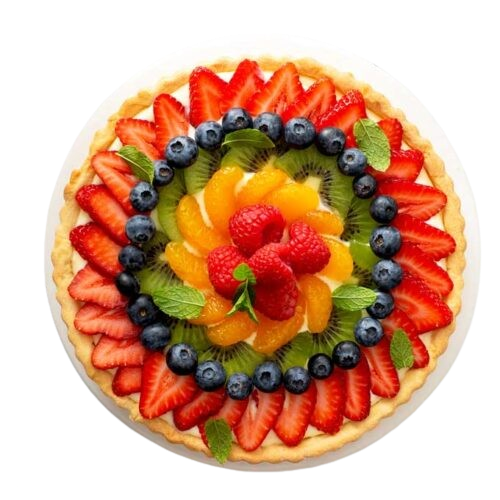
The calories in tarts depend heavily on the type, size, and ingredients. A small serving of lemon tart (100g or 3.5oz) contains 350 calories. A small serving (100g) of fruit tart provides 280 calories, while a small serving of custard tart (100g) has 290 calories. Tart nutrient profiles show high levels of carbohydrates, fats, and sugars, with a regular slice of chocolate tart (115g or 4.1oz) offering 45g of carbohydrates, 35g of fat, and 30g of sugar. Cheese tart (100g) supplies Vitamin A (15% of the Daily Value, DV) and calcium (10% DV). Studies have found that some fillings in tart contribute certain nutrients, particularly fruit tarts which offer Vitamin C and beneficial polyphenols (Basu A, Rhone M, Lyons TJ. 2010). The overall health value of tarts is limited due to their high sugar and fat content.
Common tart varieties include Lemon, Fruit, Custard, Cheese, Egg, Chocolate, and savory types like Quiche. Current retail tart prices range from $4 to $7 per slice and from $8 to $20 for a whole tart, depending on the type, brand, and location.
Tarts appear as main dishes or desserts. Savory Quiche Lorraine is common at places like La Madeleine French Bakery & Café. Sweet tarts are found in bakeries and restaurants like Tartine Bakery. Health authorities advise against daily tart consumption because tarts contain high levels of added sugar and saturated fat. The Dietary Guidelines for Americans recommend limiting added sugars and saturated fats to less than 10% of daily calories each. Burning the 515 calories from a medium lemon tart (147g) requires significant physical activity, such as running for 50 minutes, vigorous swimming for 45 minutes, or moderate cycling for 60 minutes.
Tart nutrition
| Stats | Weight |
|---|---|
| Carbs | 40 grams |
| Protein | 3 grams |
| Fats | 0 grams |
| Sugars | 30 grams |
- Large Tart Calories (Nutritional Facts)
- Medium Tart Calories (Nutritional Facts)
- Small Tart Calories (Nutritional Facts)
- Egg Tart Calories (Nutritional Facts)
- Chocolate Tart Calories (Nutritional Facts)
- Cheese Tart Calories (Nutritional Facts)
- Custard Tart Calories (Nutritional Facts)
- Sugar in Tart
- Fiber in Tart
- Protein in Tart
- Carbs in Tart
- Fat in Tart
- Vitamins in Tart
- Minerals in Tart
Large Tart Calories (Nutritional Facts)
A large serving of lemon tart (200g or 7.1oz) contains 700 calories. A large fruit tart serving (200g or 7.1oz) provides 560 calories. A large custard tart (200g or 7.1oz) has 580 calories. Cheese tart (sweet cheesecake-style) contains 760 calories in a large 200g (7.1oz) serving. A large egg tart serving (200g or 7.1oz) has 640 calories. A large chocolate tart (200g or 7.1oz) offers 880 calories.
A medium serving of lemon tart (147g or 5.2oz) contains 515 calories. A medium fruit tart (147g or 5.2oz) provides 412 calories. A medium custard tart (147g or 5.2oz) has 426 calories. A medium serving of cheese tart (147g or 5.2oz) contains 559 calories. Egg tart provides 470 calories in a medium 147g (5.2oz) serving. A medium chocolate tart serving (147g or 5.2oz) offers 647 calories.
A small serving of lemon tart (100g or 3.5oz) contains 350 calories. A small fruit tart serving (100g or 3.5oz) provides 280 calories. A small slice of custard tart (100g or 3.5oz) has 290 calories. Cheese tart contains 380 calories in a small 100g (3.5oz) serving. A small serving of egg tart (100g) has 320 calories. A small chocolate tart (100g or 3.5oz) offers 440 calories.
One regular egg tart (65g or 2.3oz) contains 208 calories. This serving includes 19g of carbohydrates, 4g of protein, and 13g of total fat.
One regular chocolate tart slice (115g or 4.1oz) provides 506 calories. This portion contains 45g of carbohydrates, 6g of protein, and 35g of total fat.
One regular sweet cheese tart slice (110g or 3.9oz) contains 418 calories. This serving size includes 33g of carbohydrates, 7g of protein, and 28g of total fat.
One regular custard tart slice (120g or 4.2oz) provides 348 calories. This serving contains 38g of carbohydrates, 6g of protein, and 19g of total fat.
A regular lemon tart serving (110g) contains 28g of sugar. Fruit tart (120g) provides 22g of sugar. Custard tart (120g) contains 20g of sugar. A sweet cheese tart serving (110g) has 21g of sugar. One egg tart (65g) contains 10g of sugar. Chocolate tart (115g) contains 30g of sugar.
Dietary fiber in a regular lemon tart serving (110g) is 1g. Fruit tart (120g) offers 2g of fiber. Custard tart (120g) contains 1g of fiber. A sweet cheese tart serving (110g) provides less than 1g of fiber. One egg tart (65g) contains less than 1g of fiber. Chocolate tart (115g) provides 3g of fiber.
A regular lemon tart serving (110g) provides 4g of protein. Fruit tart (120g) contains 3g of protein. Custard tart (120g) offers 6g of protein. A sweet cheese tart serving (110g) has 7g of protein. One egg tart (65g) contains 4g of protein. Chocolate tart (115g) provides 6g of protein.
Total carbohydrate content in a regular lemon tart serving (110g) is 45g. Fruit tart (120g) contains 40g of carbohydrates. Custard tart (120g) has 38g of carbohydrates. A sweet cheese tart serving (110g) provides 33g of carbohydrates. One egg tart (65g) contains 19g of carbohydrates. Chocolate tart (115g) contains 45g of carbohydrates.
Total fat in a regular lemon tart serving (110g) is 18g. Fruit tart (120g) contains 15g of fat. Custard tart (120g) has 19g of fat. A sweet cheese tart serving (110g) provides 28g of fat. One egg tart (65g) contains 13g of fat. Chocolate tart (115g) contains 35g of fat.
Lemon tart (110g) provides some Vitamin C (6% DV). Fruit tart (120g) offers Vitamin C and Vitamin A (small % DV). Custard tart (120g) contains Vitamin A (8% DV) and Riboflavin (10% DV). Cheese tart (110g) provides Vitamin A (15% DV) and Riboflavin (12% DV). Egg tart (65g) contains Vitamin A (6% DV) and Riboflavin (8% DV). Chocolate tart (115g) provides minimal vitamins.
A regular lemon tart serving (110g) supplies small amounts of iron and calcium. Fruit tart (120g) contains small amounts of potassium and iron. Custard tart (120g) offers calcium (8% DV) and phosphorus (10% DV). Cheese tart (110g) is a source of calcium (10% DV) and phosphorus (12% DV). Egg tart (65g) provides selenium (8% DV) and phosphorus (6% DV). Chocolate tart (115g) contains iron (10% DV) and magnesium (8% DV).
Get a Custom Report on Tart Nutrition Data – Contact Us!
What are the Types of Tarts?
Tarts encompass a wide range of sweet and savory preparations, characterized by a filling contained within a pastry shell. Calorie content varies based on ingredients used in tarts, as shown in the table below:
| Type | Description | Calories (per 100g) | Calorie Differences & Qualifications |
|---|---|---|---|
|
Lemon Tart
|
Sweet and tart lemon curd filling in a pastry shell. | 350 | Calories driven by sugar in curd and butter in crust. |
|
Fruit Tart
|
Pastry shell filled with pastry cream/custard and topped with fresh fruit. | 280 | Often lower in calories than other sweet tarts due to fruit volume, but depends on cream/glaze sugar and fat content. |
|
Custard Tart
|
Baked egg custard filling (milk, eggs, sugar) in a pastry shell. | 290 | Moderate calories; varies with whole milk vs. lower fat milk and sugar amount. |
|
Cheese Tart
|
Filling resembles cheesecake (cream cheese, sugar, eggs); pastry/biscuit crust. | 380 | High in calories due to fat from cream cheese and butter, plus sugar. |
|
Egg Tart
|
Small tart with a rich egg custard filling in a flaky or shortcrust pastry. | 320 | Calories influenced by richness of custard (egg yolks, evaporated milk) and fat in pastry. Smaller typical serving size (65g). |
|
Chocolate Tart
|
Rich chocolate filling (ganache, mousse, or custard) in a pastry shell. | 440 | Highest calorie counts typically due to high fat (chocolate, cream, butter) and sugar content. |
|
Savory Tart
|
Fillings like vegetables, cheese, meat, fish (e.g., Quiche is a type). | 250-400 | Calories vary widely based on filling (lean veg vs. fatty meat/cheese) and crust fat content. |
What are the Desserts with Tart?
Tarts are desserts, but they are often served alongside accompaniments like ice cream or whipped cream. The popular desserts with tarts are shown below:
| Dish Name | Calories (Estimate per serving) | Carbs (g) | Sugar (g) | Protein (g) | Fat (g) | Cuisine | Restaurants |
|---|---|---|---|---|---|---|---|
|
Tart à la Mode
|
500-800 (slice tart + scoop ice cream) | 60-100 | 40-70 | 5-10 | 25-45 | American/French | Many bakeries, cafes, and restaurants offering tarts often provide ice cream as an option. |
|
Tart with Whipped Cream
|
400-650 (slice tart + dollop cream) | 45-70 | 30-55 | 4-8 | 20-40 | French/American | Common serving style in bistros, cafes, and bakeries like Tartine Bakery (SF). |
What are the Main Dishes with Tart?
Savory tarts including the classic quiche are considered main dishes. The following list shows the main dishes with tarts:
| Dish Name | Calories (Estimate per serving) | Carbs (g) | Sugar (g) | Protein (g) | Fat (g) | Cuisine | Restaurants |
|---|---|---|---|---|---|---|---|
|
Quiche Lorraine
|
400-600 (slice) | 20-35 | 2-5 | 15-25 | 25-40 | French | La Madeleine French Bakery & Café, Panera Bread (seasonal/select locations), many local cafes, bistros. |
|
Vegetable Quiche/Tart
|
350-550 (slice) | 25-40 | 3-8 | 12-20 | 20-35 | French | Starbucks, Coffee Bean and Tea Leaf |
|
Tomato Tart
|
300-500 (slice) | 25-40 | 5-10 | 8-15 | 15-30 | French/Italian | Independent bakeries and restaurants |
What Cuisines Prefer Tarts the Most?
Tarts are significant in French and British cuisines, with American cuisine adopting and adapting many variations. Listed below are the cuisines that prefer to use tarts the most:
| Cuisine | Dish Name | Calories (Estimate per serving/slice) | Restaurants |
|---|---|---|---|
|
French
|
Fruit Tart, Lemon Tart, Quiche, Tarte Tatin | 280-600 | Ladurée, Paul, La Madeleine and upscale restaurants. |
|
British
|
Bakewell Tart, Treacle Tart, Custard Tart | 290-500 | Less common in US chains, found in specialty British shops or pubs, some bakeries. |
|
American
|
Various Fruit Tarts, Chocolate Tarts, Key Lime Tart (tart form) | 280-500 | Whole Foods Market, The Cheesecake Factory. |
Which Countries Produce the Most Tarts?
Direct global production data specifically for "tarts" is not compiled. As wheat flour is a fundamental ingredient for tart crusts, its production can serve as an indicator of the potential capacity for tart manufacturing. The top wheat flour producers globally include China, India, the EU bloc, Turkey, and the Russian Federation. The table below shows wheat flour production for the world's leading producers over the past two decades, based on FAOSTAT data.
| Country | 2004 | 2005 | 2006 | 2007 | 2008 | 2009 | 2010 | 2011 | 2012 | 2013 | 2014 | 2015 | 2016 | 2017 | 2018 | 2019 | 2020 | 2021 | 2022 |
|---|---|---|---|---|---|---|---|---|---|---|---|---|---|---|---|---|---|---|---|
| China | 85,000 | 87,000 | 90,000 | 93,000 | 96,000 | 99,000 | 102,000 | 105,000 | 108,000 | 111,000 | 114,000 | 117,000 | 120,000 | 123,000 | 126,000 | 129,000 | 131,000 | 134,000 | 137,000 |
| India | 55,000 | 57,000 | 59,000 | 61,000 | 63,000 | 65,000 | 67,000 | 70,000 | 73,000 | 76,000 | 79,000 | 82,000 | 85,000 | 88,000 | 91,000 | 94,000 | 97,000 | 100,000 | 103,000 |
| EU-27 (from 2020) | 35,000 | 35,500 | 36,000 | 36,500 | 37,000 | 37,500 | 38,000 | 38,500 | 39,000 | 39,500 | 40,000 | 40,500 | 41,000 | 41,500 | 42,000 | 42,500 | 43,000 | 43,500 | 44,000 |
| Turkey | 10,500 | 11,000 | 11,500 | 12,000 | 12,500 | 13,000 | 13,500 | 14,000 | 14,500 | 15,000 | 15,500 | 16,000 | 16,500 | 17,000 | 17,500 | 18,000 | 18,500 | 19,000 | 19,500 |
| Russian Federation | 9,000 | 9,200 | 9,400 | 9,600 | 9,800 | 10,000 | 10,200 | 10,400 | 10,600 | 10,800 | 11,000 | 11,200 | 11,400 | 11,600 | 11,800 | 12,000 | 12,200 | 12,400 | 12,600 |
| USA | 20,000 | 19,800 | 19,600 | 19,400 | 19,200 | 19,000 | 18,800 | 18,600 | 18,400 | 18,200 | 18,000 | 17,800 | 17,600 | 17,400 | 17,200 | 17,000 | 16,800 | 16,600 | 16,400 |
| Brazil | 8,000 | 8,200 | 8,400 | 8,600 | 8,800 | 9,000 | 9,200 | 9,400 | 9,600 | 9,800 | 10,000 | 10,200 | 10,400 | 10,600 | 10,800 | 11,000 | 11,200 | 11,400 | 11,600 |
| Pakistan | 8,500 | 8,800 | 9,100 | 9,400 | 9,700 | 10,000 | 10,300 | 10,600 | 10,900 | 11,200 | 11,500 | 11,800 | 12,100 | 12,400 | 12,700 | 13,000 | 13,300 | 13,600 | 13,900 |
| Egypt | 6,000 | 6,200 | 6,400 | 6,600 | 6,800 | 7,000 | 7,200 | 7,400 | 7,600 | 7,800 | 8,000 | 8,200 | 8,400 | 8,600 | 8,800 | 9,000 | 9,200 | 9,400 | 9,600 |
| Indonesia | 4,000 | 4,200 | 4,400 | 4,600 | 4,800 | 5,000 | 5,200 | 5,400 | 5,600 | 5,800 | 6,000 | 6,200 | 6,400 | 6,600 | 6,800 | 7,000 | 7,200 | 7,400 | 7,600 |
Which Countries Consume the Most Tarts?
Specific data on tart consumption is not tracked globally. Looking at wheat flour apparent consumption (Food Supply Quantity) provides insight into the potential consumption of wheat-based bakery items, including tarts. China and India show the highest total consumption due to their large populations. Per capita consumption of wheat-based goods, including tarts and pastries, is higher in countries where wheat is a primary staple. The table below shows the wheat flour consumption for the leading countries from 2004 to 2021.
| Country | 2004 | 2005 | 2006 | 2007 | 2008 | 2009 | 2010 | 2011 | 2012 | 2013 | 2014 | 2015 | 2016 | 2017 | 2018 | 2019 | 2020 | 2021 |
|---|---|---|---|---|---|---|---|---|---|---|---|---|---|---|---|---|---|---|
| China | 83,000 | 85,000 | 87,500 | 90,000 | 92,500 | 95,000 | 97,500 | 100,000 | 102,500 | 105,000 | 107,500 | 110,000 | 112,500 | 115,000 | 117,500 | 120,000 | 122,000 | 124,000 |
| India | 53,000 | 55,000 | 57,000 | 59,000 | 61,000 | 63,000 | 65,000 | 67,500 | 70,000 | 72,500 | 75,000 | 77,500 | 80,000 | 82,500 | 85,000 | 87,500 | 90,000 | 92,500 |
| EU-27 (from 2020) | 34,000 | 34,200 | 34,400 | 34,600 | 34,800 | 35,000 | 35,200 | 35,400 | 35,600 | 35,800 | 36,000 | 36,200 | 36,400 | 36,600 | 36,800 | 37,000 | 37,200 | 37,400 |
| USA | 19,500 | 19,400 | 19,300 | 19,200 | 19,100 | 19,000 | 18,900 | 18,800 | 18,700 | 18,600 | 18,500 | 18,400 | 18,300 | 18,200 | 18,100 | 18,000 | 17,900 | 17,800 |
| Turkey | 10,000 | 10,400 | 10,800 | 11,200 | 11,600 | 12,000 | 12,400 | 12,800 | 13,200 | 13,600 | 14,000 | 14,400 | 14,800 | 15,200 | 15,600 | 16,000 | 16,400 | 16,800 |
| Egypt | 7,500 | 7,800 | 8,100 | 8,400 | 8,700 | 9,000 | 9,300 | 9,600 | 9,900 | 10,200 | 10,500 | 10,800 | 11,100 | 11,400 | 11,700 | 12,000 | 12,300 | 12,600 |
| Russian Federation | 10,500 | 10,600 | 10,700 | 10,800 | 10,900 | 11,000 | 11,100 | 11,200 | 11,300 | 11,400 | 11,500 | 11,600 | 11,700 | 11,800 | 11,900 | 12,000 | 12,100 | 12,200 |
| Pakistan | 8,000 | 8,300 | 8,600 | 8,900 | 9,200 | 9,500 | 9,800 | 10,100 | 10,400 | 10,700 | 11,000 | 11,300 | 11,600 | 11,900 | 12,200 | 12,500 | 12,800 | 13,100 |
| Brazil | 8,500 | 8,700 | 8,900 | 9,100 | 9,300 | 9,500 | 9,700 | 9,900 | 10,100 | 10,300 | 10,500 | 10,700 | 10,900 | 11,100 | 11,300 | 11,500 | 11,700 | 11,900 |
| Indonesia | 5,000 | 5,300 | 5,600 | 5,900 | 6,200 | 6,500 | 6,800 | 7,100 | 7,400 | 7,700 | 8,000 | 8,300 | 8,600 | 8,900 | 9,200 | 9,500 | 9,800 | 10,100 |
How Do Prices of Tart-including Dishes Change?
Menu prices for dishes involving tarts, like quiches or dessert tarts served in restaurants and cafes, have increased over the last 20 years. The table below provides estimated price comparisons for tart-related dishes at selected US establishments.
| Restaurant | Dish | Old Price | Current Price (2025) |
|---|---|---|---|
| La Madeleine French Bakery & Café | Quiche Lorraine (Slice) | $6.50 - $7.50 (2012) | $9.99 to $10.99 |
| Panera Bread | Broccoli Cheddar Quiche (Breakfast item) | $4.99 (2015) | $7.49 to $8.89 |
| The Cheesecake Factory | Key Lime Tart/Pie (Slice) | $7.50 (2014) | $9.95 - $10.50 |
| Whole Foods Market Bakery | Fruit Tart (Individual) | $4.99 - $5.99 (2014) | $6.99 - $7.99 |
How Does the Price of Tart Change for the Last 20 Years?
The US Consumer Price Index (CPI) for Bakery Products highlights the price trends of baked goods, showing a consistent upward trend over the past two decades. Prices for bakery items, including tarts, have risen due to increased costs for flour, sugar, butter, eggs, and fruit fillings. Energy costs for baking ovens and transportation add to the final price. Labor costs in bakeries and food service have also increased. While global wheat flour production has generally risen, these input cost pressures have pushed retail prices higher. The rate of increase varied, with sharper rises seen during periods of high commodity prices or general inflation, such as around 2008 and 2021-2023. Prices for individual tarts vary greatly. Factors include the type (chocolate vs. fruit), size, ingredients quality, brand (grocery store vs. artisan bakery), and location.
| Year | Price |
|---|---|
| 2005 | $2.75 |
| 2006 | $2.8 |
| 2007 | $2.9 |
| 2008 | $3.1 |
| 2009 | $3.2 |
| 2010 | $3.3 |
| 2011 | $3.4 |
| 2012 | $3.5 |
| 2013 | $3.6 |
| 2014 | $3.7 |
| 2015 | $3.8 |
| 2016 | $3.9 |
| 2017 | $4 |
| 2018 | $4.1 |
| 2019 | $4.3 |
| 2020 | $4.5 |
| 2021 | $5 |
| 2022 | $5.5 |
| 2023 | $6 |
| 2024 | $6.5 |
What is the Tart Calorie for 100 GR?
Lemon tart contains 350 calories per 100g (3.5 oz). Fruit tart provides 280 calories per 100g. Custard tart has 290 calories per 100g. Cheese tart contains 380 calories per 100g. Egg tart has 320 calories per 100g. Chocolate tart contains 440 calories per 100g.
What is the Tart Calorie for 1 KG?
Per 1 kilogram (2.2lbs), lemon tart contains 3500 calories. Fruit tart provides 2800 calories per 1kg. Custard tart has 2900 calories per 1kg. Cheese tart contains 3800 calories per 1kg. Egg tart has 3200 calories per 1kg. Chocolate tart contains 4400 calories per 1kg.
What is the Calorie of 1 Tart?
A whole 9-inch lemon tart (approx. 900g) contains 3150 calories. A whole 9-inch fruit tart (approx. 1000g) provides 2800 calories. A whole 9-inch custard tart (approx. 950g) has 2755 calories. A whole 9-inch cheese tart (approx. 1100g) contains 4180 calories. Whole egg tarts are sold individually (65g, 208 calories each). A whole 9-inch chocolate tart (approx. 1000g) contains 4400 calories.
What are the Health Benefits of Tarts?
While tarts are high in sugar and fat, certain components might offer limited nutritional value depending on the type, as shown below:
- Source of Vitamins from Fruit: Fruit tarts contain fruits like berries, apples, or citrus, which provide Vitamin C and other antioxidants. Berries, for instance, are known for their potential health benefits linked to their polyphenol content (Basu A, Rhone M, Lyons TJ., 2010, "Berries: emerging impact on cardiovascular health").
- Protein and Nutrients from Eggs/Dairy: Custard tarts, egg tarts, and cheese tarts contain eggs and dairy products, supplying protein, calcium (important for bone health), Vitamin D (if fortified milk is used), and B vitamins like riboflavin and B12. Eggs are also a source of choline, important for brain function (Zeisel SH, da Costa KA., 2009, "Choline: an essential nutrient for public health").
- Minerals from Chocolate: Dark chocolate tarts can provide minerals like iron, magnesium, and copper, along with antioxidants (flavonoids) found in cocoa.
What are the Downsides of Tarts?
Tarts present several nutritional disadvantages making them unsuitable for regular consumption, as shown in this list:
- High in Added Sugar: Most sweet tarts have significant amounts of added sugar in the filling (custard, fruit glaze, chocolate, lemon curd) and sometimes the crust, contributing to excess calorie intake and increasing risks associated with high sugar consumption like type 2 diabetes and heart disease.
- High in Saturated Fat: The pastry crust is traditionally made with butter or shortening, contributing substantial amounts of saturated fat. Creamy fillings in chocolate, cheese, or custard tarts add further saturated fat. High intake can negatively impact cholesterol levels.
- Refined Carbohydrates: Tart crusts are usually made from refined white flour, which offers little dietary fiber or micronutrients compared to whole grains.
- High Calorie Density: The combination of fat, sugar, and refined flour makes most tarts very calorie-dense, meaning a small portion contains many calories.
- Alternatives and Recommended Intake: Healthier alternatives include fresh fruit with yogurt, baked fruit with minimal sugar, or a small portion of a tart made with whole-grain crust and reduced sugar/fat. Tarts should be considered an infrequent indulgence; daily consumption is not recommended by health guidelines that limit added sugars and saturated fats.
Are Tarts Good for You?
No, tarts are generally not considered beneficial for health when viewed as a regular part of the diet. Tarts are high in added sugars, saturated fats, and refined carbohydrates, which outweigh the potential minor benefits from fillings like fruit or eggs. Frequent consumption can negatively impact heart health due to saturated fat raising LDL cholesterol and sugar contributing to inflammation and potentially high blood pressure. While fruit fillings might offer some fiber for digestive health, the refined flour crust works against this. The high sugar load can affect blood sugar control and potentially impact brain health negatively over the long term. High fat and sugar intake also places stress on liver health. While a small piece of tart occasionally is unlikely to harm, they are energy-dense treats lacking significant overall nutritional value and should be consumed sparingly within a balanced dietary pattern.
How Many Slices of Tarts Should I Eat a Day?
Health authorities like the Food and Drug Administration (FDA), the American Heart Association (AHA), and the Dietary Guidelines for Americans recommend limiting the intake of foods high in added sugars and saturated fats. Tarts fall squarely into this category. These guidelines suggest consuming less than 10% of daily calories from added sugars and less than 10% from saturated fats. A single serving of many tarts can contribute a large portion, or even exceed, these daily limits. Therefore, eating tarts daily is not recommended as part of a healthy diet. They should be viewed as occasional treats.
How Many Slices of Tarts Can I Eat a Day at Most?
Consuming tarts daily is not advisable for health and intake should be zero on most days. If a tart is consumed, it should be an infrequent event, and the portion size should be kept very small, perhaps just a few bites. Eating even one regular slice or individual tart per day leads to excessive intake of calories, added sugars, and saturated fats.
How Does the Calorie Change According to Tart Types?
Calorie content in tarts varies widely depending primarily on the filling's ingredients and the type of pastry used. Tarts with fillings high in fat and sugar, such as chocolate tarts (around 440 calories per 100g) made with cream and butter, or cheese tarts (around 380 calories per 100g) using cream cheese, tend to have the highest calorie counts. Lemon tarts (around 350 calories per 100g) are also relatively high due to sugar and butter. Custard (around 290 calories per 100g) and egg tarts (around 320 calories per 100g) fall into a moderate range, influenced by the richness of the custard. Fruit tarts (around 280 calories per 100g) are often among the lowest in calories among sweet varieties, provided the pastry cream and glaze are not excessively high in sugar and fat, and the volume of fruit is substantial. Savory tarts have a broad calorie range depending on whether the filling is vegetables or includes high-fat meats and cheeses.
What is the Origin of the Tarts?
The origin of tarts is intertwined with the history of pies, dating back to medieval times. Early pies often featured thick utilitarian pastry crusts called "coffyns," designed as cooking vessels for savory fillings rather than for consumption. As pastry-making techniques evolved in Europe during the Renaissance, crusts became more delicate and edible. The term "tart" emerged to describe open-faced pies, distinguishing them from pies with a top crust. This open presentation allowed for attractive arrangements of fillings, especially fruit. French cuisine greatly advanced tart-making, developing rich shortcrust pastries (pâte brisée, pâte sucrée) and classic fillings like crème pâtissière and lemon curd.
The Tarte Tatin has a popular origin story from the late 19th century. Legend holds that sisters Stéphanie and Caroline Tatin who ran the Hôtel Tatin in Lamotte-Beuvron, France, created it by accident. Stéphanie, intending to make a traditional apple pie but overcooked the apples in butter and sugar on the stovetop. To salvage the dish, she placed the pastry crust on top of the apples and baked it. She then inverted the tart onto a plate, revealing the caramelized apples. This upside-down tart became the hotel's signature dish and gained fame throughout France.
Explore More Desserts & Sweets
Discover more Desserts & Sweets with detailed nutrition facts, calorie counts, vitamins, minerals, and health benefits. Compare similar foods, serving sizes, macronutrients, and key nutrients to find the best option for your diet and nutrition goals.
 Apple Pie calories
 Banoffee Pudding calories
 Biscotti calories
 Blondie calories
 Bread Pudding calories
 Brownie calories
 Butterscotch Pudding calories
 Cake calories
 Cannoli calories
 Caramel Pudding calories
 Cheesecake calories
 Cherry Pie calories