Calories and Nutritions in Aronia Juice
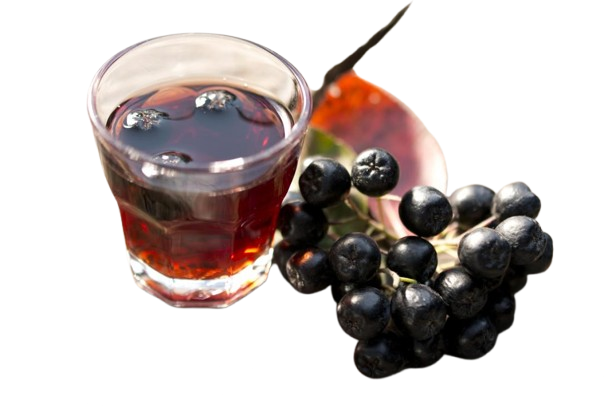
Aronia juice, commonly recognized as chokeberry juice, is a deeply colored astringent beverage used in Eastern European and Nordic diets. A 100 ml volume of aronia juice provides 50 calories, delivering 12 g of carbohydrates (4% RDA), 0.2 g of fat (0% RDA), 0.5 g of protein (1% RDA), 15 mg of Vitamin C (17% RDA), and 0.4 mg of manganese (17% RDA). A 240 ml (1 cup) portion of aronia juice supplies 120 calories. A 1 cup serving of Trader Joe's aronia berry juice contains 100 calories, while 100 ml of Aronia Juice from Joospress holds 32 calories. A study on aronia's health benefits by Valcheva-Kuzmanova et al. (2004) shows that the dark liquid supplies strong cardiovascular and immune-supporting properties, though the tart natural sugars in pure or blended variations must be monitored within daily caloric targets.
Grocery shelves stock multiple versions of this dark beverage, including 100% Pure Aronia Juice, Aronia Juice Concentrate, Aronia and Apple Juice Blend, and Sparkling Aronia Water. Experiencing its highly astringent flavor profile, chefs feature it in 6 recognizable desserts and 5 savory main dishes at established dining venues, such as the Venison with Aronia Reduction at Aquavit and the Chokeberry Tart at Aska. Acknowledging its utility in health-focused diets, manufacturers distribute it widely in specialized supermarket sections, letting consumers buy pure or mixed bottles from trusted labels.
The agricultural foundation of this drink began in North America, where indigenous groups utilized the raw berries, before the plant was exported to Eastern Europe and cultivated into the commercial, pasteurized liquids sold today. Market analysts track the core fruit within the specialty berry sector, dominated by Poland, which generated 145 kt in 2026. Food supply databases indicate a heavy dietary intake of these berries in Poland and Russia. The retail price for a 32 oz bottle of pure aronia juice has climbed from $7.00 USD in 2007 to $18.00 USD in 2026.
Drinking a medium 240 ml (1 cup) portion of aronia juice introduces 120 calories to a daily meal plan. This can be burned by engaging in 13 minutes of swimming at a steady pace for an average sized woman or 11 minutes of moderate bicycling for an average sized man.
Aronia Juice nutrition
| Stats | Weight |
|---|---|
| Carbs | 28 grams |
| Protein | 0.5 grams |
| Fats | 0 grams |
| Sugars | 23 grams |
- Large Aronia Juice Calories (Nutritional Facts)
- Medium Aronia Juice Calories (Nutritional Facts)
- Small Aronia Juice Calories (Nutritional Facts)
- Raw Aronia Juice Nutrition
- Sodium in Aronia Juice
- Potassium in Aronia Juice
- Sugar in Aronia Juice
- Fiber in Aronia Juice
- Protein in Aronia Juice
- Carbs in Aronia Juice
- Fat in Aronia Juice
- Vitamins in Aronia Juice
- Minerals in Aronia Juice
Large Aronia Juice Calories (Nutritional Facts)
Pouring a large 480 ml (2 cups) volume of aronia juice, commonly known as chokeberry juice, provides 240 calories. This 480 ml (2 cups) serving delivers 0.4 g of total fat, 1 g of protein, 56 g of carbohydrates, and 46 g of sugar. A large 480 ml (2 cups) glass of sweetened aronia nectar holds 310 calories because commercial producers blend in refined cane sugar to reduce the natural astringency of the fruit.
Consuming a medium 240 ml (1 cup) glass of aronia juice yields 120 calories. This 240 ml (1 cup) amount supplies 0.2 g of total fat, 0.5 g of protein, 28 g of carbohydrates, and 23 g of sugar. A 240 ml (1 cup) serving of sparkling aronia juice contains 85 calories due to the physical volume occupied by unflavored carbonated water.
Measuring a small 100 ml portion of aronia juice offers 50 calories. This 100 ml volume consists of 0.1 g of total fat, 0.2 g of protein, 11.6 g of carbohydrates, and 9.5 g of sugar.
Evaluating 100 ml of raw, unpasteurized aronia juice reveals 50 calories, 0.1 g of total fat, 0.2 g of protein, 11.6 g of total carbohydrates, and 0.3 g of dietary fiber. The nutritional composition of this dark purple beverage relies heavily on natural fruit sugars and dense anthocyanin pigments, supplying dietary micronutrients without added lipids.
The sodium content in aronia juice equals 2 mg per 100 ml serving, which accounts for 0% of the Daily Value (DV). This low sodium presence makes the drink suitable for strict blood pressure management diets.
Drinking aronia juice supplies 160 mg of potassium per 100 ml serving, meeting 3% of the DV. This mineral transfers directly from the pressed wild berries and assists in proper muscle contraction and cellular fluid balance.
The natural sugar found in aronia juice is 9.5 g per one hundred milliliters. This sugar is made up of naturally occurring fructose and glucose from the fruit flesh, rendering pure commercial extracts moderately dense in carbohydrates compared to watery fruit juices.
Dietary fiber inside aronia juice reaches 0.3 g per 100 ml serving, satisfying 1% of the DV. The industrial pressing process filters out the thick skin and seeds, extracting the vast majority of the natural fiber found in the whole plant.
Plant proteins within aronia juice equal 0.2 g per 100 ml serving.
Total carbohydrates in aronia juice carry 11.6 g per 100 ml serving.
The lipid content of aronia juice is 0.1 g per 100 ml serving.
A standard pour of aronia juice yields 15 mg of Vitamin C (17% DV) and 10 mcg of Vitamin K (8% DV) in a 100 ml serving. This vitamin profile supports regular immune cell production and healthy blood clotting functions.
Trace minerals in aronia juice include 0.4 mg of Manganese (17% DV), 12 mg of Calcium (1% DV), and 0.5 mg of Iron (3% DV) per 100 ml. The juice also contains small amounts of magnesium and zinc.
Get a Custom Report on Aronia Juice Nutrition Data – Contact Us!
What are the Types of Aronia Juice?
Consumers shopping for aronia juice will find 4 main commercial variations on supermarket shelves, ranging from pure extractions to sparkling waters. The table below shows the common aronia juice types and their calorie information.
| Type | Description | Calories (per 100ml) | Calorie Differences & Qualifications |
|---|---|---|---|
|
100% Pure Aronia Juice
|
Undiluted liquid pressed from fresh chokeberries with no sweeteners. | 50 | Baseline energy for the pure fruit liquid. |
|
Aronia Juice Concentrate
|
Thick, boiled fruit liquid used sparingly for smoothies. | 218 | Higher calories per 100g due to the complete removal of water. |
|
Aronia and Apple Juice Blend
|
A mixture of chokeberry and sweet apple juice. | 54 | Slightly higher calories due to the sugar density of the apple base. |
|
Sparkling Aronia Water
|
Carbonated water lightly flavored with aronia extract. | 20 | Low calories due to the high volume of carbonated water. |
What are the Desserts with Aronia Juice?
Pastry professionals utilize aronia juice and puree in frozen desserts, panna cottas, and baked tarts to impart a distinctive tart profile and deep purple color. Commercial bakeries use it to add natural acidity to heavy creams. The table below shows 6 desserts containing aronia juice that are served in restaurants.
| Dish Name | Calories | Type | Carbs | Sugar | Protein | Fat | Cuisine | Restaurants |
|---|---|---|---|---|---|---|---|---|
|
Aronia Sorbet (Seasonal)
|
140 | Frozen | 34g | 30g | 0g | 0g | Nordic | Aquavit |
|
Chokeberry Tart (Seasonal)
|
390 | Pastry | 46g | 26g | 6g | 20g | Modern Nordic | Aska |
|
Aronia Berry Danish
|
360 | Pastry | 42g | 22g | 5g | 18g | Danish | Ole & Steen |
|
Aronia Ice Cream (Seasonal)
|
290 | Frozen | 35g | 28g | 5g | 16g | Contemporary | Salt & Straw |
|
Chokeberry Panna Cotta
|
310 | Pudding | 32g | 26g | 5g | 18g | Swedish | Fika |
|
Aronia and Apple Crumble
|
410 | Baked Dessert | 58g | 36g | 4g | 18g | Farm-to-Table | Restaurant Alma |
What are the Main Dishes with Aronia Juice?
Savory restaurant menus incorporate aronia juice by reducing the tart liquid into rich sauces for game meats and poultry. Culinary professionals use the deep astringency of the juice to cut through the fats of rich oils and roasted proteins. The table below lists 5 main dishes containing aronia juice reductions.
| Dish Name | Calories | Type | Carbs | Sugar | Protein | Fat | Cuisine | Restaurants |
|---|---|---|---|---|---|---|---|---|
|
Venison with Aronia Reduction (Seasonal)
|
520 | Game | 18g | 12g | 48g | 28g | Nordic | Aquavit |
|
Duck Breast with Chokeberry Glaze
|
640 | Poultry | 16g | 12g | 42g | 45g | Modern Nordic | Aska |
|
Pork Tenderloin with Aronia Jus
|
580 | Meat | 22g | 14g | 46g | 34g | Farm-to-Table | Restaurant Alma |
|
Bison with Aronia Berry Sauce
|
560 | Game | 14g | 8g | 52g | 28g | Indigenous | Owamni |
|
Pork Chops with Chokeberry Compote
|
610 | Meat | 24g | 16g | 48g | 36g | Scandinavian | Broder Nord |
What Cuisines Prefer Aronia Juice the Most?
Nordic, Eastern European, and Modern American food cultures prefer aronia juice the most for crafting thick smoothies, meat marinades, and dessert bowls. In Scandinavian restaurants, it serves as a primary liquid base for fruit reductions because its dark flavor enhances game meats without requiring added dairy. The table below outlines 5 cuisines and dishes.
| Cuisine | Dish Name | Calories | Restaurants |
|---|---|---|---|
|
Nordic
|
Venison with Aronia Reduction (Seasonal) | 520 | Aquavit |
|
Modern Nordic
|
Chokeberry Tart (Seasonal) | 390 | Aska |
|
Farm-to-Table
|
Aronia and Apple Crumble | 410 | Restaurant Alma |
|
Indigenous
|
Bison with Aronia Berry Sauce | 560 | Owamni |
|
Danish
|
Aronia Berry Danish | 360 | Ole & Steen |
Which Countries Produce the Most Aronia Juices?
Global agricultural bodies track the raw material for aronia juice under the specialty and wild berries category, led by Poland, Russia, the United States, Germany, and Ukraine. In 2026, Poland yielded 145.00 kilotonnes of specialty berries based on international agricultural data, cementing its position as the undisputed global leader in commercial aronia cultivation. Since aronia juice is a manufactured liquid, international food organizations record the harvest volume of the core fruit crop. The table below displays specialty berry production volumes over the last 20 years in kilotonnes.
| Country | 2007 | 2008 | 2009 | 2010 | 2011 | 2012 | 2013 | 2014 | 2015 | 2016 | 2017 | 2018 | 2019 | 2020 | 2021 | 2022 | 2023 | 2024 | 2025 | 2026 |
|---|---|---|---|---|---|---|---|---|---|---|---|---|---|---|---|---|---|---|---|---|
| Poland | 95 | 98 | 100 | 105 | 110 | 115 | 120 | 125 | 128 | 130 | 132 | 135 | 137 | 138 | 139 | 140 | 142 | 143 | 144 | 145 |
| Russia | 80 | 85 | 88 | 92 | 95 | 98 | 102 | 105 | 108 | 110 | 112 | 115 | 118 | 120 | 122 | 125 | 127 | 128 | 129 | 130 |
| USA | 50 | 52 | 54 | 56 | 58 | 60 | 62 | 64 | 66 | 68 | 70 | 72 | 74 | 76 | 78 | 80 | 82 | 84 | 85 | 86 |
| Germany | 30 | 32 | 34 | 36 | 38 | 40 | 42 | 44 | 46 | 48 | 50 | 52 | 54 | 55 | 56 | 57 | 58 | 59 | 60 | 61 |
| Ukraine | 25 | 27 | 29 | 31 | 33 | 35 | 37 | 39 | 41 | 42 | 43 | 44 | 45 | 46 | 47 | 48 | 49 | 50 | 51 | 52 |
Which Countries Consume the Most Aronia Juices?
The dietary integration of tart fruit liquids like aronia juice remains prevalent in Poland, Russia, Germany, the United States, and Ukraine. The consumption of natural immunity beverages is high in these nations, with Eastern Europe driving the bulk demand for pureed fruit bases. The table below represents the food supply of specialty berries for these nations based on international tracking.
| Country | 2007 | 2008 | 2009 | 2010 | 2011 | 2012 | 2013 | 2014 | 2015 | 2016 | 2017 | 2018 | 2019 | 2020 | 2021 | 2022 | 2023 | 2024 | 2025 | 2026 |
|---|---|---|---|---|---|---|---|---|---|---|---|---|---|---|---|---|---|---|---|---|
| Poland | 85 | 88 | 90 | 95 | 100 | 105 | 110 | 115 | 118 | 120 | 122 | 125 | 127 | 128 | 129 | 130 | 132 | 133 | 134 | 135 |
| Russia | 75 | 80 | 83 | 87 | 90 | 93 | 97 | 100 | 103 | 105 | 107 | 110 | 113 | 115 | 117 | 120 | 122 | 123 | 124 | 125 |
| Germany | 45 | 47 | 49 | 51 | 53 | 55 | 57 | 59 | 61 | 63 | 65 | 67 | 69 | 71 | 73 | 75 | 76 | 77 | 78 | 79 |
| USA | 40 | 42 | 44 | 46 | 48 | 50 | 52 | 54 | 56 | 58 | 60 | 62 | 64 | 66 | 68 | 70 | 72 | 74 | 75 | 76 |
| Ukraine | 22 | 24 | 26 | 28 | 30 | 32 | 34 | 36 | 38 | 39 | 40 | 41 | 42 | 43 | 44 | 45 | 46 | 47 | 48 | 49 |
How Do Prices of Aronia Juice-including Dishes Change?
Restaurant menu items featuring aronia juice reductions and tarts have grown in price to reflect rising culinary operation expenses and fresh fruit import costs. The table below compares historical price ranges from 2015 to 2017 to current 2025 to 2026 estimates in USD.
| Restaurant | Dish Name | Old Price Range (2015-17) | Current Price Range (2025-26) |
|---|---|---|---|
| Aquavit | Venison with Aronia Reduction (Seasonal) | $38.00 to $45.00 | $52.00 to $65.00 |
| Aska | Chokeberry Tart (Seasonal) | $12.00 to $15.00 | $18.00 to $24.00 |
| Restaurant Alma | Pork Tenderloin with Aronia Jus | $26.00 to $32.00 | $36.00 to $44.00 |
| Owamni | Bison with Aronia Berry Sauce | $28.00 to $35.00 | $40.00 to $50.00 |
| Ole & Steen | Aronia Berry Danish | $4.50 to $6.00 | $7.00 to $9.00 |
What is the Aronia Juice Calorie for 100 Grams?
There are 50 calories per one hundred grams of aronia juice.
What is the Aronia Juice Calorie for 1 KG?
A full kilogram (1,000 g) of aronia juice holds 500 calories.
What is the Calorie of 1 Aronia Juice?
There are 32 calories in 100 ml of Aronia Juice from Joospress derived from 6 g of carbs, 0.2 g of fat, and 1 g of protein. A 1 cup serving of Trader Joe's aronia berry juice contains 100 calories. An Organic Aronia Berry Juice Concentrate provides 218.75 calories, 0.0 g of fat, and 56.25 g of carbohydrates per 100 grams. There are 80 calories in 118 ml of Aronia Juice from Schade containing 18 g of carbs, 0 g of fat, and 1 g of protein. A 240 ml (8 oz) serving of R.W. Knudsen Just Aronia contains approximately 120 calories.
What are the Health Benefits of Aronia Juice?
Drinking aronia juice offers physiological advantages, such as aiding cardiovascular health and delivering measurable antioxidants. This dark purple liquid is a recognized pantry staple in Eastern European and Nordic diets. A list of the health benefits of aronia juice are shown below.
- Provides Cellular Protection: The liquid contains high concentrations of anthocyanins that defend tissues from oxidative stress.
- Supports Heart Function: The polyphenols aid in improving blood circulation and managing healthy blood pressure.
- Stimulates Immune Activity: Vitamin C supports the generation of white blood cells to fight pathogens.
- Aids Weight Management: Research indicates that the bioactive compounds in the berries may help reduce fat accumulation.
- Improves Liver Function: The antioxidants assist the liver in filtering metabolic waste.
- Regulates Blood Sugar: The low glycemic index and specific fruit acids help manage blood glucose absorption.
What are the Downsides of Aronia Juice?
Consuming high amounts of aronia juice triggers certain physiological drawbacks, specifically severe dry mouth and potential stomach upset due to its highly astringent tannin profile. A list of the downsides of aronia juice are shown below.
- Causes Dry Mouth: The dense tannin concentration creates a strong, puckering sensation in the mouth.
- Induces Nausea: Drinking the highly acidic, raw juice on an empty stomach irritates the gastric lining, causing stomach aches.
- Interferes with Diabetes Medication: The fruit's natural blood sugar lowering effects cause hypoglycemia when combined with prescribed insulin treatments.
- Contributes to Weight Gain in Blends: Commercial nectars heavily sweetened to mask the tartness lead to caloric surpluses over time.
Are Aronia Juices Good for You?
Yes, taking in aronia juice is a beneficial dietary habit when utilized with portion control, providing manganese and plant vitamins in a 100 ml serving. Healthy individuals should limit intake of the pure juice to 120 ml (0.5 cup) daily to secure the antioxidant properties of the fruit without irritating the digestive tract. A study on aronia's health benefits by Valcheva-Kuzmanova et al. (2004) shows that the bioactive compounds in the fruit reduce oxidative stress, though the high astringency demands careful culinary blending. It is a tart, functional ingredient that demands portion management.
How Do Calories Change According to Aronia Juice Types?
Energy values for aronia juice shift based on the specific liquid dilution and added fruit bases. Standard 100% Pure Aronia Juice contains 50 calories per 100 ml. If the product is an Aronia Juice Concentrate, the energy rises to 218 calories per 100 g because producers boil away the water to create a dense, shelf-stable syrup. An Aronia and Apple Juice Blend yields 54 calories per 100 ml since the addition of apple juice increases the overall sugar density to offset the tartness. When formulated as Sparkling Aronia Water, the caloric value remains very low at 20 calories per 100 ml because carbonated water replaces the bulk of the fruit mass.
What is the Origin of Aronia Juice?
The agricultural history of aronia juice begins in eastern North America, where early indigenous societies cultivated the Aronia melanocarpa plant for survival during harsh winters. The berries were historically dried and mixed into pemmican. In the early 20th century, Russian botanist Ivan Michurin transported the cold-hardy plant to Eastern Europe and Russia. The fruit thrived in these rigorous climates, establishing deep culinary roots. As modern processing technologies improved, the crushed berries evolved into a highly sought-after commercial health beverage valued for its natural immune-supporting properties.
Explore More Beverages
Discover more Beverages with detailed nutrition facts, calorie counts, vitamins, minerals, and health benefits. Compare similar foods, serving sizes, macronutrients, and key nutrients to find the best option for your diet and nutrition goals.
 Almond Milk calories
 Aloe Vera Juice calories
 Americano calories
 Apple Cider calories
 Apple Juice calories
 Apricot Juice calories
 Avocado Shake calories
 Banana Juice calories
 Baobab Juice calories
 Barley Tea calories
 Beer calories
 Beet Juice calories