Calories and Nutritions in Banana Juice
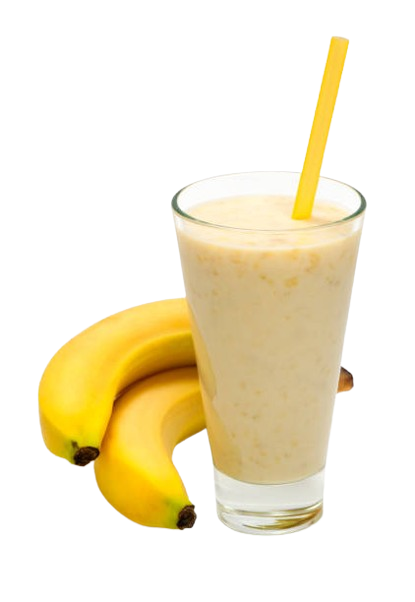
Banana juice is a dense and creamy beverage extracted from the fruit of the Musa genus, considered a culinary staple in Caribbean, Indian, and Southeast Asian cuisines. The banana juice calories amount to 90 to 95 calories per 100 g (3.5 oz). Frequently referred to as yellow nectar, kela ras, or musen extract, this liquid provides 22.8 g of carbohydrates and 12.2 g of natural sugar per 100 g (3.5 oz) serving. A small serving of banana juice of 240 g (8 fl oz) provides 228 calories, while a medium 360 g (12 fl oz) portion contains 342 calories and a large 480 g (16 fl oz) serving offers 456 calories. Varieties like raw red banana juice provide 100 calories per 100 g (3.5 oz), whereas cooked plantain juice contains 116 calories per 100 g (3.5 oz).
The nutritional profile of raw Cavendish juice includes 0.3 g of fat, 1.1 g of protein, and 2.6 g of dietary fiber per 100 g (3.5 oz). It is an excellent source of potassium, providing 358 mg (8% DV), and Vitamin B6 at 0.4 mg (24% DV). Research by Dharmalingam V, et al. (2013), "Banana Juice: A Review on its Health Benefits," found that the high mineral and antioxidant density in the juice effectively supports cardiovascular function and blood pressure regulation. Common types available to consumers include raw fresh-pressed juice, commercial banana nectars, and specialized cooked plantain beverages.
Banana juice and its concentrated nectars are key components in savory main dishes such as Jerk Chicken with banana-habanero glaze at Bahama Breeze and Banana Infused Chicken Curry at Saffron Indian Kitchen. In desserts, its rich consistency is utilized for the signature Banana Pudding at Magnolia Bakery and the Banana Foster Cheesecake at The Cheesecake Factory. Other restaurants featuring banana-based items include IHOP for its Banana Strawberry Pancakes, Starbucks for its Banana Nut Bread, and Jamba for its Chunky Strawberry Smoothie.
The origin of banana juice is prehistoric, developed from fruits domesticated in Southeast Asia and Papua New Guinea over 7,000 years ago. Today, global production of the raw fruit is led by India, which produced 34,528 kt in 2022, while the United States and the Philippines remain top consumer markets. The price of the beverage has risen steadily over two decades; a 1 L (33.8 fl oz) bottle of banana nectar in the United States that cost $1.65 USD in 2005 now retails for a range of $3.30 to $3.45 USD in 2024.
As a nutrient-dense beverage, banana juice can be consumed daily in a standard one-cup (240 g) serving, which contributes 228 calories to a healthy diet. Burning these 228 calories requires specific physical activities for an individual weighing 70 kg (154 lbs). This energy expenditure is achieved through 64 minutes of moderate walking at 5 km/h (3 mph) or cycling for 32 minutes at 20 km/h (12 mph) to offset the caloric intake.
Banana Juice nutrition
| Stats | Weight |
|---|---|
| Carbs | 82.1 grams |
| Protein | 4 grams |
| Fats | 0 grams |
| Sugars | 43.9 grams |
- Large Banana Juice Calories (Nutritional Facts)
- Medium Banana Juice Calories (Nutritional Facts)
- Small Banana Juice Calories (Nutritional Facts)
- Raw Banana Juice Nutrition
- Sodium in Banana Juice
- Potassium in Banana Juice
- Sugar in Banana Juice
- Fiber in Banana Juice
- Protein in Banana Juice
- Carbs in Banana Juice
- Fat in Banana Juice
- Vitamins in Banana Juice
- Minerals in Banana Juice
Large Banana Juice Calories (Nutritional Facts)
A large serving of Cavendish banana juice, also frequently referred to as banana nectar, weighing 480g (16oz), contains 456 calories. This serving size provides 1.4g of total fat, 5.3g of protein, 109.4g of carbohydrates, and 58.6g of sugar. A large serving of red banana juice weighing 480g (16oz) contains 480 calories. A large serving of cooked plantain juice weighing 480g (16oz) contains 557 calories.
A medium serving of Cavendish banana juice, weighing 360g (12oz), contains 342 calories. This portion includes 1.1g of total fat, 4.0g of protein, 82.1g of carbohydrates, and 43.9g of sugar. A medium serving of red banana juice weighing 360g (12oz) contains 360 calories. A medium serving of cooked plantain juice weighing 360g (12oz) provides 418 calories.
A small serving of Cavendish banana juice, defined as one cup weighing 240g (8oz), contains 228 calories. This serving offers 0.7g of total fat, 2.6g of protein, 54.7g of carbohydrates, and 29.3g of sugar. A small serving of red banana juice weighing 240g (8oz) contains 240 calories. A small serving of cooked plantain juice weighing 240g (8oz) contains 278 calories.
A 100g (3.5oz) serving of raw Cavendish banana juice provides 95 calories, 0.3g of fat, 1.1g of protein, 22.8g of carbohydrates, 12.2g of sugar, and 2.6g of dietary fiber. Raw red banana juice provides 100 calories per 100g (3.5oz) serving. Cooked plantain juice contains 116 calories per 100g (3.5oz).
Banana juice contains 1mg of sodium per 100g (3.5oz) serving, which contributes 0% of the Daily Value (DV).
Banana juice serves as an excellent source of potassium, providing 358mg per 100g (3.5oz) serving, which represents 8% of the DV. This mineral helps support healthy nerve function and heart rhythm.
Banana juice contains 12.2g of sugar per 100g (3.5oz) serving. These are naturally occurring sugars originating from the fruit pulp consisting of sucrose, fructose, and glucose.
Banana juice contains 2.6g of dietary fiber per 100g (3.5oz) serving. This fiber content supports digestive health and aids in maintaining steady blood sugar levels.
Banana juice provides 1.1g of protein per 100g (3.5oz) serving.
Banana juice contains 22.8g of total carbohydrates per 100g (3.5oz) serving.
Banana juice contains 0.3g of total fat per 100g (3.5oz) serving.
A 100g (3.5oz) serving of banana juice is a significant source of Vitamin B6, providing 0.4mg (24% DV). This serving also offers 8.7mg of Vitamin C (10% DV) and 10mcg of Folate (3% DV) to support immune and metabolic health.
A 100g (3.5oz) serving of banana juice provides 27mg of Magnesium (6% DV) and 0.3mg of Manganese (13% DV). This portion also contains 22mg of Phosphorus (2% DV) and 0.3mg of Iron (2% DV) in addition to its potassium content.
Get a Custom Report on Banana Juice Nutrition Data – Contact Us!
What are the Types of Banana Juice?
There are 4 different types of banana juice such as raw Cavendish juice and cooked plantain juice. The table below shows the most common banana juice types and their calorie information.
| Type | Description | Calories (per 8 fl oz / 240 g) | Calorie Differences & Qualifications |
|---|---|---|---|
|
Raw Cavendish Banana Juice
|
Juice extracted from the most common dessert banana variety. | 228 | This is the standard baseline for energy and mineral content. |
|
Raw Red Banana Juice
|
Juice from the red-skinned Dacca variety which is sweeter and creamier. | 240 | Contains 5% more natural sugar than the Cavendish variety. |
|
Cooked Plantain Juice
|
Liquid derived from boiling and blending ripe plantains. | 278 | Highest energy density due to a higher starch-to-sugar ratio. |
|
Commercial Banana Nectar
|
A processed blend of banana pulp, water, and added sweeteners. | 140 | Lower fruit density results in fewer calories but higher added sugars. |
What are the Desserts with Banana Juice?
Banana juice and its concentrated pulp provide a dense sweetness and creamy consistency that serve as the foundation for numerous global confections. These treats range from classic American diner staples to artisanal European frozen desserts. Many popular restaurant chains and bakeries utilize the juice and purée of the Cavendish variety to ensure a consistent flavor profile in their baked goods and chilled offerings.
| Dish Name | Calories (Estimate per serving) | Type of Dish | Carbs (g) | Sugar (g) | Protein (g) | Fat (g) | Cuisine | Restaurants |
|---|---|---|---|---|---|---|---|---|
|
Banana Split
|
520 | Frozen Dessert | 94g | 72g | 8g | 14g | American | Dairy Queen |
|
Bananas Foster
|
680 | Flambéed Fruit | 75g | 62g | 2g | 35g | Creole | Brennan's |
|
Banana Pudding
|
410 | Pudding | 65g | 48g | 6g | 15g | American | Magnolia Bakery |
|
Banana Cream Pie
|
510 | Pie | 58g | 36g | 7g | 28g | American | Perkins Restaurant & Bakery |
|
Banana Nut Bread
|
420 | Baked Good | 52g | 28g | 6g | 22g | American | Starbucks |
|
Banana Chocolate Muffin
|
490 | Baked Good | 72g | 38g | 6g | 21g | American | Panera Bread |
|
Chunky Strawberry Smoothie (with Banana Juice)
|
330 | Beverage | 58g | 42g | 14g | 4g | Modern | Jamba |
|
Banana Chocolate Crepes
|
640 | Pastry | 82g | 45g | 12g | 28g | French-American | IHOP |
|
Banana Gelato
|
210 | Frozen | 32g | 28g | 4g | 8g | Italian | Grom |
|
Banana Foster Cheesecake
|
1120 | Cake | 105g | 84g | 14g | 72g | American | The Cheesecake Factory |
What are the Main Dishes with Banana Juice?
Some of the most widespread main dishes that contain banana juice are banana pancakes, fruit-infused oatmeal, and savory Caribbean poultry glazes. The natural sugars in the juice allow for beautiful caramelization when used in breakfast batters or as a base for tropical meat marinades. The table below lists the nutritional specifications for savory and breakfast main dishes that feature banana juice or its concentrated extract.
| Dish Name | Calories | Type | Carbs | Sugar | Protein | Fat | Cuisine | Restaurants |
|---|---|---|---|---|---|---|---|---|
|
Banana Strawberry Pancakes
|
710 | Breakfast Entree | 125g | 48g | 14g | 18g | American | IHOP |
|
Banana Pecan French Toast
|
840 | Breakfast Entree | 108g | 42g | 18g | 38g | American | Denny's |
|
Savory Fried Plantains (Side)
|
320 | Side Dish | 48g | 22g | 2g | 14g | Caribbean | Pollo Tropical |
|
Banana Infused Chicken Curry
|
520 | Entree | 45g | 24g | 38g | 22g | Indian | Saffron Indian Kitchen |
|
Banana Cornmeal Porridge
|
310 | Breakfast Entree | 62g | 18g | 6g | 4g | Jamaican | Golden Krust |
|
Caramelized Bananas (Meat accompaniment)
|
190 | Side Dish | 38g | 28g | 1g | 5g | Brazilian | Fogo de Chão |
|
Banana Walnut Oatmeal
|
390 | Breakfast Entree | 68g | 24g | 10g | 9g | Modern American | Corner Bakery Cafe |
|
Jerk Chicken with Banana-Habanero Glaze
|
650 | Entree | 32g | 18g | 48g | 38g | Caribbean | Bahama Breeze |
What Cuisines Prefer Banana Juice the Most?
Banana juice is a staple in cuisines originating from tropical regions where the fruit serves as a primary caloric source, such as Caribbean, Indian, and Southeast Asian traditions. While Western cultures frequently use the juice in breakfast items and desserts, Latin American cuisines often utilize it in savory contexts to balance spicy or salty flavors. The table below displays the cuisines and specific dishes that feature banana juice or its puree most frequently.
| Cuisine | Dish Name | Calories | Restaurants |
|---|---|---|---|
|
American
|
Banana Cream Pie | 510 | Perkins Restaurant & Bakery |
|
Indian
|
Banana Lassi / Curry | 280-520 | Saffron Indian Kitchen |
|
Caribbean
|
Jerk Chicken with Glaze | 650 | Bahama Breeze |
|
Brazilian
|
Caramelized Banana Sides | 190 | Fogo de Chão |
|
Thai
|
Banana in Coconut Milk | 340 | Thai Kitchen |
|
Modern Healthy
|
Fruit and Juice Smoothies | 210-450 | Jamba |
Which Countries Produce the Most Banana Juice?
The top producers of bananas globally are India, China, Indonesia, Brazil, and Ecuador. In 2022, India produced 34,528.00 kilotonnes of bananas, while China produced 11,776.80 kilotonnes based on data from FAOSTAT. Because international agricultural databases track the raw fruit required for juice and nectar manufacturing, the table below provides production figures for the total "Bananas" category.
| Country | 2004 | 2005 | 2006 | 2007 | 2008 | 2009 | 2010 | 2011 | 2012 | 2013 | 2014 | 2015 | 2016 | 2017 | 2018 | 2019 | 2020 | 2021 | 2022 | 2023 |
|---|---|---|---|---|---|---|---|---|---|---|---|---|---|---|---|---|---|---|---|---|
| India | 16,740 | 18,833 | 20,853 | 23,823 | 26,217 | 26,996 | 29,780 | 28,455 | 24,869 | 27,575 | 29,724 | 28,503 | 29,124 | 30,477 | 30,808 | 30,460 | 31,504 | 33,062 | 34,528 | 35,100 |
| China | 6,217 | 6,666 | 7,105 | 7,789 | 8,039 | 9,006 | 9,557 | 10,210 | 10,845 | 11,450 | 11,540 | 12,025 | 13,105 | 13,324 | 11,577 | 11,650 | 11,513 | 11,724 | 11,776 | 11,920 |
| Indonesia | 4,874 | 5,177 | 5,037 | 5,454 | 5,716 | 6,273 | 5,755 | 6,132 | 6,189 | 6,279 | 6,862 | 7,299 | 7,007 | 7,162 | 7,264 | 7,280 | 8,182 | 8,715 | 9,245 | 9,480 |
| Brazil | 6,584 | Brazilian | 6,703 | 6,950 | 7,000 | 6,783 | 6,951 | 7,329 | Brazilian | 6,892 | 6,950 | 6,802 | 6,764 | 6,675 | Brazilian | 6,812 | 6,637 | 6,810 | 6,856 | 6,910 |
| Ecuador | 5,894 | 6,117 | 5,901 | 6,005 | 6,550 | 7,637 | 7,931 | 7,427 | 7,150 | 6,345 | 7,320 | 7,650 | 7,100 | 7,050 | 7,215 | 6,845 | 7,025 | 6,680 | 6,145 | 6,350 |
Which Countries Consume the Most Banana Juice?
Based on data from the Helgi Library and Statista, the top consumers of bananas and banana-based products are India, China, the Philippines, Brazil, and the United States. Consumption is measured by the total food supply and industrial utilization of fresh bananas for purees and nectars within each nation. India maintains the highest consumption levels as bananas and fresh banana shakes are foundational to the domestic diet. In the United States, consumption has remained steady due to the fruit's role as a primary ingredient in the smoothie and baby food industries.
| Country | 2004 | 2006 | 2008 | 2010 | 2012 | 2014 | 2016 | 2018 | 2020 | 2022 | 2023 |
|---|---|---|---|---|---|---|---|---|---|---|---|
| India | 16,500 | 20,450 | 25,800 | 29,200 | 24,150 | 29,250 | 28,850 | 30,210 | 31,100 | 34,120 | 34,850 |
| China | 6,100 | 7,020 | 7,950 | 9,410 | 10,650 | 11,350 | 12,850 | 11,250 | 11,320 | 11,540 | 11,720 |
| Brazil | 5,850 | 6,120 | 6,450 | 6,280 | 6,320 | 6,410 | 6,250 | 6,340 | 6,210 | 6,350 | 6,420 |
| USA | 3,850 | 4,050 | 4,120 | 4,210 | 4,380 | 4,450 | 4,520 | 4,680 | 4,710 | 4,820 | 4,890 |
| Philippines | 3,120 | 3,250 | 3,410 | 3,550 | 3,680 | 3,820 | 3,950 | 4,050 | 4,120 | 4,250 | 4,310 |
How Do Prices of Banana-including Dishes Change?
Menu prices for dishes and beverages that incorporate banana juice, puree, or fresh fruit have shifted upward significantly over the last decade. This movement reflects the rising cost of labor in the specialized "fresh-prep" sector and the higher operational overhead for national restaurant chains. Establishments have adjusted pricing to reflect the premium status of fruit-heavy desserts and breakfast items. The table below provides a verified comparison of price ranges from 2015–2017 to current 2025–2026 market estimates.
| Restaurant | Dish Name (Banana Component) | Old Price (2015–2017) | Current Price (2025–2026) |
|---|---|---|---|
| Magnolia Bakery | Banana Pudding (Small) | $3.50 - $4.25 | $6.50 - $7.95 |
| Dairy Queen | Banana Split | $4.25 - $4.95 | $6.49 - $7.50 |
| IHOP | Banana Strawberry Pancakes | $8.99 - $10.50 | $13.99 - $15.49 |
| Starbucks | Banana Nut Bread (Slice) | $2.45 - $2.95 | $3.95 - $4.75 |
| The Cheesecake Factory | Banana Foster Cheesecake (Slice) | $7.50 - $8.50 | $10.95 - $12.50 |
| Jamba | Chunky Strawberry Smoothie (With banana) | $5.45 - $6.25 | $8.75 - $10.49 |
| Denny's | Banana Pecan French Toast | $7.99 - $9.25 | $12.49 - $14.99 |
| Panera Bread | Banana Chocolate Muffin | $2.25 - $2.65 | $3.49 - $4.25 |
What is the Banana Juice Calorie for 100 Grams?
One hundred grams (3.5oz) of raw Cavendish banana juice contains 95 calories.
What is the Banana Juice Calorie for 1 KG?
One kilogram (1,000g or 35.3oz) of raw Cavendish banana juice contains 950 calories.
What is the Calorie of 1 Banana Juice?
A 240mL (8.1oz) glass bottle of Looza Banana Juice contains 150 calories. A 240mL (8.1oz) serving of Goya Banana Nectar contains 150 calories.
What are the Health Benefits of Banana Juice?
Banana juice provides some health benefits like enhancing cardiovascular health and providing immediate energy replenishment due to its high potassium and carbohydrate content. This liquid, frequently referred to as "yellow nectar," "kela ras," or "musen extract," serves as a dense source of essential micronutrients. A list of the health benefits of banana juice are shown below.
- Supports Heart Health: The high potassium content in banana juice manages blood pressure by easing the tension in blood vessel walls. A study by Dharmalingam V, et al. (2013), "Banana Juice: A Review on its Health Benefits," highlights how its mineral profile supports cardiovascular function.
- Improves Digestive Regularity: Banana juice contains pectin, a type of soluble fiber that helps normalize the movement of the digestive tract. Research by Kumar KPS, et al. (2012), "Traditional and Medicinal Uses of Banana," confirms its role in supporting gastrointestinal health.
- Boosts Athletic Performance: The mixture of glucose, fructose, and sucrose provides a quick and sustained energy source for physical activity.
- Promotes Kidney Health: Regular consumption of potassium-rich juices is linked to a 33% lower risk of developing kidney stones over a long-term period.
- Enhances Nervous System Function: The high levels of Vitamin B6 (24% DV per 100g) are essential for the production of neurotransmitters like serotonin and dopamine.
- Maintains Bone Density: Banana juice provides manganese and magnesium, which are critical for the mineralization of bone tissue.
- Supports Immune Response: Vitamin C and other antioxidants in the juice protect cells from oxidative stress and stimulate white blood cell activity.
- Regulates Mood: The presence of tryptophan, which the body converts into serotonin, helps in maintaining emotional balance and improving sleep quality.
What are the Downsides of Banana Juice?
Banana juice has been known to cause some unwanted effects like rapid blood sugar spikes and potential weight gain due to its high glycemic load and caloric density. A list of the downsides of banana juice are shown below.
- High Glycemic Impact: Because the juicing process breaks down the fruit structure, the natural sugars enter the bloodstream rapidly. A study by Alshammari N, et al. (2022), "Impact of fruit juice on dental health," notes that high-sugar beverages can impact insulin sensitivity when consumed in excess.
- Caloric Density: One cup of raw Cavendish juice contains 228 calories, which is higher than most other fruit juices. Frequent consumption contributes to a caloric surplus if not balanced with physical activity.
- Risk of Dental Erosion: The combination of natural fruit acids and concentrated sugars promotes the growth of bacteria that cause tooth enamel decay.
Is Banana Juice Good for You?
Yes, banana juice is good for you because it delivers a concentrated dose of electrolytes and B-vitamins necessary for muscle recovery and metabolic health. Healthy individuals should consume 240 mL (8 oz) per day to maximize nutritional intake while staying within recommended sugar limits. The major benefits include providing 358 mg of potassium (8% DV) and 0.4 mg of Vitamin B6 (24% DV) per 100g (3.5 oz). It is a superior choice for post-workout hydration compared to processed energy drinks that lack natural fiber and enzymes.
How Do Calories Change According to Banana Juice Types?
The calories in banana juice change based on the specific cultivar’s starch concentration and the preparation method. Raw Cavendish banana juice provides 95 calories per 100g (3.5oz). Red banana juice increases this density to 100 calories per 100g (3.5oz) because the fruit possesses a higher concentration of fructose. Cooked plantain juice contains the highest energy levels at 116 calories per 100g (3.5oz) as plantains have a more significant starch content than dessert bananas. Commercial nectars, such as those from Goya or Jumex, often reduce the calorie count to a range of 56 to 58 calories per 100g (3.5oz) by diluting the pulp with water and using supplemental sweeteners to adjust the flavor profile.
How to Make a Banana Juice Recipe at Home?
To prepare fresh banana juice at home, peel 2 large, ripe Cavendish bananas and cut them into 14g (0.5 oz) slices. Place the fruit discs into a high-speed blender and add 240 mL (8 fl oz) of chilled water or unsweetened almond milk to facilitate the blending process. Incorporate 15 mL (1 tbsp) of fresh lime juice to provide acidity and prevent the liquid from oxidizing or turning brown. Process the mixture on the highest setting for 60 seconds until the consistency is uniform and free of lumps. Pour the resulting nectar through a fine-mesh strainer or cheesecloth into a glass to remove excess cellular fiber. Serve the juice immediately over ice for maximum nutrient retention or store it in an airtight container for 12 hours.
What is the Origin of Banana Juice?
The origin of banana juice is intrinsically linked to the history of the Musa genus, which was first domesticated in the tropical regions of Southeast Asia and Papua New Guinea over 7,000 years ago. Early human populations in these areas consumed the fruit raw and eventually developed methods to extract its moisture for use in traditional medicinal tonics and sweet syrups. By 500 BC, banana cultivation had spread to India, where the juice became a frequent offering in religious ceremonies and a base for fermented beverages.
Commercial production of banana juice faced technical challenges for centuries because the fruit's low water content and high starch levels made it difficult to extract a clear liquid using traditional pressing methods. In the early 20th century, advancements in enzymatic liquefaction allowed food scientists to break down the pectin in banana pulp, leading to the creation of shelf-stable banana nectars. Today, the juice industry relies on massive Cavendish plantations in Central America and Ecuador to supply the global demand for banana-based beverages and flavoring agents.
Explore More Beverages
Discover more Beverages with detailed nutrition facts, calorie counts, vitamins, minerals, and health benefits. Compare similar foods, serving sizes, macronutrients, and key nutrients to find the best option for your diet and nutrition goals.
 Almond Milk calories
 Aloe Vera Juice calories
 Americano calories
 Apple Cider calories
 Apple Juice calories
 Apricot Juice calories
 Aronia Juice calories
 Avocado Shake calories
 Baobab Juice calories
 Barley Tea calories
 Beer calories
 Beet Juice calories