Calories and Nutritions in Cantaloupe Juice
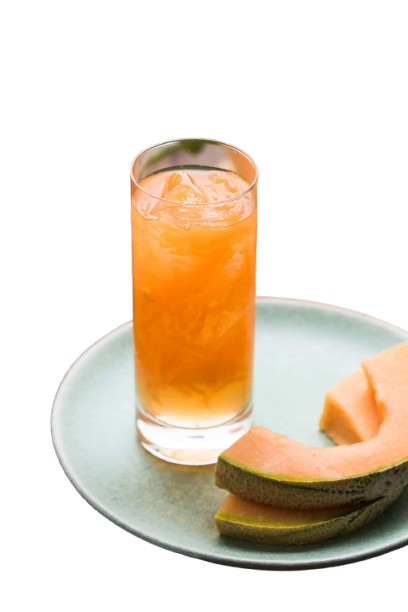
Cantaloupe juice is an orange-colored fruit beverage with a sweet flavor profile, highly popular in Southeast Asian and Latin American cuisines. A 100 ml volume of cantaloupe juice provides 34 calories, delivering 8 g of carbohydrates (3% RDA), 0.2 g of fat (0% RDA), 0.8 g of protein (2% RDA), 36 mg of Vitamin C (40% RDA), and 169 mcg of Vitamin A (18% RDA). Retail options display specific energy measurements; an 8 fl oz serving of Filipino-style Melon Juice (Melon sa Malamig) contains approximately 187 calories due to added milk and sugar, while 150 ml of 20% Cantaloupe Juice from Deedo holds 25 calories. A study on cantaloupe's antioxidant properties by Vouldoukis et al. (2004) shows that the fruit supplies strong cellular defense mechanisms, though the natural sugars in pure or blended liquid variations must be monitored within daily caloric targets.
Grocery shelves stock multiple versions of this sweet beverage, including 100% Cantaloupe Juice, Melon sa Malamig, Agua de Melon, and Sparkling Cantaloupe Drink. Experiencing its highly refreshing flavor profile, chefs feature it in 6 recognizable desserts and 5 savory dishes at established dining venues, such as the Melon Juice at Max's Restaurant and the Agua de Melon at Guelaguetza.
The agricultural foundation of this drink began in the Middle East and ancient Egypt, where early agrarian societies utilized the raw fruit, before the plant was exported to Europe and cultivated into the sweet, pasteurized liquids sold today. Market analysts track the core fruit within the melon sector, dominated by China, which generated 14,200 kt in 2026. Food supply databases indicate a heavy dietary intake of these fruits in China and Turkey. The global export cost for a kilogram of raw melons has climbed from $0.35 USD in 2007 to $0.85 USD in 2026.
Drinking a medium 240 ml (1 cup) portion of cantaloupe juice introduces 82 calories to a daily meal plan. An individual can burn this energy by engaging in 9 minutes of swimming at a steady pace for an average sized woman or 7 minutes of moderate bicycling for an average sized man.
Cantaloupe Juice nutrition
| Stats | Weight |
|---|---|
| Carbs | 19.2 grams |
| Protein | 1.9 grams |
| Fats | 0 grams |
| Sugars | 19.2 grams |
- Large Cantaloupe Juice Calories (Nutritional Facts)
- Medium Cantaloupe Juice Calories (Nutritional Facts)
- Small Cantaloupe Juice Calories (Nutritional Facts)
- Raw Cantaloupe Juice Nutrition
- Sodium in Cantaloupe Juice
- Potassium in Cantaloupe Juice
- Sugar in Cantaloupe Juice
- Fiber in Cantaloupe Juice
- Protein in Cantaloupe Juice
- Carbs in Cantaloupe Juice
- Fat in Cantaloupe Juice
- Vitamins in Cantaloupe Juice
- Minerals in Cantaloupe Juice
Large Cantaloupe Juice Calories (Nutritional Facts)
Pouring a large 480 ml (2 cups) glass of cantaloupe juice yields 164 calories. This 480 ml (2 cups) volume, widely known in the Philippines as melon juice or melon sa malamig, supplies 1 g of total fat, 3.8 g of protein, 38.4 g of carbohydrates, and 38.4 g of sugar. A large 480 ml (2 cups) portion of sweetened melon sa malamig holds 374 calories because street vendors and restaurants blend in evaporated milk and refined cane sugar.
Measuring out a medium 240 ml (1 cup) serving of cantaloupe juice provides 82 calories. This 240 ml (1 cup) amount delivers 0.5 g of total fat, 1.9 g of protein, 19.2 g of carbohydrates, and 19.2 g of sugar. A 240 ml (1 cup) serving of sparkling rockmelon juice contains 65 calories due to the physical volume occupied by carbonated water.
Taking a small 100 ml tasting portion of cantaloupe juice introduces 34 calories to a meal. This 100 ml volume consists of 0.2 g of total fat, 0.8 g of protein, 8 g of carbohydrates, and 8 g of sugar.
Evaluating 100 ml of pure, raw cantaloupe juice reveals 34 calories, 0.2 g of total fat, 0.8 g of protein, 8 g of total carbohydrates, and 0.2 g of dietary fiber. The nutritional composition of this pressed Cucumis melo beverage relies entirely on natural fruit sugars, water, and beta-carotene, supplying dietary vitamins with a minor trace of plant fats.
Only 16 mg of sodium is present in a 100 ml serving of cantaloupe juice, making up 1% of the Daily Value (DV). This low sodium presence makes the orange drink suitable for blood pressure management diets.
You get about 267 mg of potassium per 100 ml of cantaloupe juice, fulfilling 6% of the DV. This mineral transfers directly from the pressed fruit and assists in proper muscle contraction and cellular fluid balance.
Roughly 8 g of natural sugar is found in one hundred milliliters of cantaloupe juice. This sugar is made up of naturally occurring fructose and glucose from the fruit flesh, rendering pure commercial extracts relatively moderate in sugar compared to other fruit juices.
Because the pressing process removes the pulp, cantaloupe juice supplies only 0.2 g of dietary fiber per 100 ml, satisfying 1% of the DV. The industrial juicing process extracts the vast majority of the natural fiber found in the whole plant.
A standard 100 ml pour of cantaloupe juice gives 0.8 g of protein.
Total carbohydrates reach 8 g per 100 ml serving of cantaloupe juice.
The lipid content in cantaloupe juice sits at a very low 0.2 g per 100 ml.
A 100 ml serving of cantaloupe juice offers 36 mg of Vitamin C (40% DV) and 169 mcg of Vitamin A (18% DV). These vitamins support regular immune cell production and skin health.
Trace minerals inside cantaloupe juice include 9 mg of Calcium (1% DV), 12 mg of Magnesium (3% DV), and 0.2 mg of Iron (1% DV) per 100 ml. The juice also contains small amounts of zinc and phosphorus.
Get a Custom Report on Cantaloupe Juice Nutrition Data – Contact Us!
What are the Types of Cantaloupe Juice?
Consumers looking for cantaloupe juice will find 4 distinct commercial variations available in specialty markets and restaurants. The table below shows the common cantaloupe juice types and their calorie information.
| Type | Description | Calories (per 100ml) | Calorie Differences & Qualifications |
|---|---|---|---|
|
100% Cantaloupe Juice
|
Pure liquid pressed from fresh cantaloupes with no added sweeteners. | 34 | Baseline energy for the pure fruit beverage. |
|
Melon sa Malamig
|
A Filipino drink blending shredded cantaloupe, water, sugar, and milk. | 78 | Higher calories due to the dense sugar profile and dairy fats. |
|
Agua de Melon
|
A Mexican agua fresca made with blended cantaloupe, water, and sugar. | 45 | Moderately higher calories due to added refined sucrose. |
|
Sparkling Cantaloupe Drink
|
Carbonated juice served as a chilled alternative to soda. | 27 | Lower calories due to the added volume of carbonated water. |
What are the Desserts with Cantaloupe Juice?
Restaurants use cantaloupe juice and puree as a sweet base for sorbets and gelatin desserts. Culinary professionals rely on it to impart a natural fruit flavor and a bright orange hue to the final dish. The table below shows desserts and beverages containing cantaloupe juice that are served in restaurants.
| Dish Name | Calories | Type | Carbs | Sugar | Protein | Fat | Cuisine | Restaurants |
|---|---|---|---|---|---|---|---|---|
|
Melon sa Malamig
|
187 | Beverage | 38g | 32g | 2g | 3g | Filipino | Max's Restaurant |
|
Agua de Melon
|
140 | Beverage | 35g | 31g | 1g | 0g | Mexican | Guelaguetza |
|
Cantaloupe Sorbet (Seasonal)
|
130 | Frozen | 32g | 28g | 0g | 0g | Contemporary | Spago |
|
Cantaloupe Sago
|
240 | Pudding | 45g | 30g | 2g | 6g | Chinese | Din Tai Fung |
|
Rockmelon Milk Tea
|
280 | Beverage | 48g | 40g | 3g | 8g | Taiwanese | Chatime |
|
Cantaloupe Gelato (Seasonal)
|
220 | Frozen | 30g | 26g | 4g | 10g | Italian | Eataly |
What are the Main Dishes with Cantaloupe Juice?
Asian and Latin restaurants commonly incorporate cantaloupe juice into cold soups and ceviche marinades. Chefs use the sweet liquid to balance the acidity of citrus and salt in raw seafood dishes. The table below lists the main dishes containing cantaloupe juice.
| Dish Name | Calories | Type | Carbs | Sugar | Protein | Fat | Cuisine | Restaurants |
|---|---|---|---|---|---|---|---|---|
|
Scallop Ceviche with Melon Juice
|
210 | Seafood | 14g | 8g | 24g | 6g | Contemporary | Providence |
|
Chilled Melon Soup (Seasonal)
|
180 | Soup | 28g | 18g | 4g | 6g | French | The French Laundry |
|
Duck Breast with Cantaloupe Gastrique
|
640 | Poultry | 18g | 14g | 42g | 45g | French | Le Coucou |
|
Prosciutto Salad with Melon Vinaigrette
|
340 | Salad | 18g | 12g | 16g | 24g | Italian | Osteria Mozza |
|
Pork Belly with Melon Glaze
|
680 | Meat | 22g | 14g | 42g | 48g | Farm-to-Table | Blue Hill |
What Cuisines Prefer Cantaloupe Juice the Most?
Filipino, Mexican, and modern American culinary traditions rely heavily on cantaloupe juice to flavor beverages and cold appetizers. In the Philippines, Melon sa Malamig is a ubiquitous street food and restaurant drink served over ice. Mexican restaurants serve Agua de Melon as a daily staple alongside spicy food. The table below outlines the cuisines and dishes.
| Cuisine | Dish Name | Calories | Restaurants |
|---|---|---|---|
|
Filipino
|
Melon sa Malamig | 187 | Max's Restaurant |
|
Mexican
|
Agua de Melon | 140 | Guelaguetza |
|
Contemporary
|
Scallop Ceviche with Melon Juice | 210 | Providence |
|
French
|
Chilled Melon Soup (Seasonal) | 180 | The French Laundry |
|
Contemporary
|
Cantaloupe Sorbet (Seasonal) | 130 | Spago |
Which Countries Produce the Most Cantaloupe Juice?
China, Turkey, India, Iran, and the United States lead the global cultivation of melons, which is the agricultural category encompassing cantaloupe juice. In 2026, China produced 14,200.00 kilotonnes of melons based on international agricultural data. Since cantaloupe juice is a manufactured beverage, international food organizations record the harvest volume under the broader melon crop. The table below displays melon production volumes over the last 20 years in kilotonnes.
| Country | 2007 | 2008 | 2009 | 2010 | 2011 | 2012 | 2013 | 2014 | 2015 | 2016 | 2017 | 2018 | 2019 | 2020 | 2021 | 2022 | 2023 | 2024 | 2025 | 2026 |
|---|---|---|---|---|---|---|---|---|---|---|---|---|---|---|---|---|---|---|---|---|
| China | 11000 | 11200 | 11400 | 11600 | 11800 | 12000 | 12200 | 12400 | 12600 | 12800 | 13000 | 13200 | 13400 | 13500 | 13700 | 13800 | 13900 | 14000 | 14100 | 14200 |
| Turkey | 1600 | 1620 | 1650 | 1680 | 1700 | 1720 | 1750 | 1780 | 1800 | 1820 | 1850 | 1880 | 1900 | 1920 | 1940 | 1960 | 1980 | 2000 | 2020 | 2050 |
| India | 1000 | 1050 | 1100 | 1150 | 1200 | 1250 | 1300 | 1350 | 1400 | 1450 | 1500 | 1550 | 1600 | 1650 | 1700 | 1750 | 1800 | 1850 | 1900 | 1950 |
| Iran | 1300 | 1320 | 1340 | 1360 | 1380 | 1400 | 1420 | 1440 | 1460 | 1480 | 1500 | 1520 | 1540 | 1560 | 1580 | 1600 | 1620 | 1640 | 1660 | 1680 |
| USA | 1200 | 1180 | 1150 | 1120 | 1100 | 1080 | 1050 | 1020 | 1000 | 980 | 950 | 920 | 900 | 880 | 850 | 820 | 800 | 780 | 760 | 750 |
Which Countries Consume the Most Cantaloupe Juice?
The highest consumption rates for melons, the general category for cantaloupe juice, occur in China, Turkey, India, Iran, and the United States. The dietary integration of sweet fruit beverages and fresh slices remains highly prevalent in these nations, with Asia and the Middle East maintaining a high intake due to traditional cooling practices. The table below represents the food supply of these fruits for these nations based on international tracking.
| Country | 2007 | 2008 | 2009 | 2010 | 2011 | 2012 | 2013 | 2014 | 2015 | 2016 | 2017 | 2018 | 2019 | 2020 | 2021 | 2022 | 2023 | 2024 | 2025 | 2026 |
|---|---|---|---|---|---|---|---|---|---|---|---|---|---|---|---|---|---|---|---|---|
| China | 10800 | 11000 | 11200 | 11400 | 11600 | 11800 | 12000 | 12200 | 12400 | 12600 | 12800 | 13000 | 13200 | 13300 | 13500 | 13600 | 13700 | 13800 | 13900 | 14000 |
| Turkey | 1550 | 1570 | 1600 | 1630 | 1650 | 1670 | 1700 | 1730 | 1750 | 1770 | 1800 | 1830 | 1850 | 1870 | 1890 | 1910 | 1930 | 1950 | 1970 | 2000 |
| India | 980 | 1030 | 1080 | 1130 | 1180 | 1230 | 1280 | 1330 | 1380 | 1430 | 1480 | 1530 | 1580 | 1630 | 1680 | 1730 | 1780 | 1830 | 1880 | 1930 |
| Iran | 1250 | 1270 | 1290 | 1310 | 1330 | 1350 | 1370 | 1390 | 1410 | 1430 | 1450 | 1470 | 1490 | 1510 | 1530 | 1550 | 1570 | 1590 | 1610 | 1630 |
| USA | 1150 | 1130 | 1100 | 1070 | 1050 | 1030 | 1000 | 970 | 950 | 930 | 900 | 870 | 850 | 830 | 800 | 770 | 750 | 730 | 710 | 700 |
How Do Prices of Cantaloupe Juice-including Dishes Change?
Menu items featuring cantaloupe juice beverages and dishes have grown more expensive to reflect increasing culinary labor and fruit sourcing expenses in restaurants. The table below compares historical price ranges from 2015 to 2017 to current 2025 to 2026 estimates in USD.
| Restaurant | Dish Name | Old Price Range (2015-17) | Current Price Range (2025-26) |
|---|---|---|---|
| Max's Restaurant | Melon Juice (Melon sa Malamig) | $3.00 to $4.00 | $5.50 to $7.00 |
| Guelaguetza | Agua de Melon | $3.50 to $4.50 | $6.00 to $7.50 |
| Providence | Scallop Ceviche with Melon Juice | $18.00 to $22.00 | $28.00 to $34.00 |
| The French Laundry | Chilled Melon Soup (Seasonal) | $25.00 to $30.00 | $38.00 to $45.00 |
| Spago | Cantaloupe Sorbet (Seasonal) | $10.00 to $12.00 | $15.00 to $18.00 |
What is the Cantaloupe Juice Calorie for 100 Grams?
There are 34 calories stored in 100 grams of raw cantaloupe juice.
What is the Cantaloupe Juice Calorie for 1 KG?
One kilogram (1,000 g) of cantaloupe juice provides 340 calories.
What is the Calorie of 1 Cantaloupe Juice?
The energy content of commercial cantaloupe liquid products shifts by brand, with 25 calories in 150 ml of 20% Cantaloupe Juice from Deedo derived from 6 g of carbs, 0 g of fat, and 0 g of protein. A standard 8 fl oz serving of Filipino-style Melon Juice (Melon sa Malamig) contains approximately 187 calories due to added sugar and milk.
What are the Health Benefits of Cantaloupe Juice?
Adding cantaloupe juice to a daily routine presents physiological perks, ranging from bolstered immunity to enhanced hydration. This orange beverage is a recognized pantry staple in Southeast Asian and Latin American kitchens. A list of the health benefits of cantaloupe juice are shown below.
- Stimulates Immune Activity: The Vitamin C content supports the generation of white blood cells to combat seasonal illnesses.
- Provides Cellular Protection: The juice contains beta-carotene that defends tissues from oxidative stress.
- Supports Cardiovascular Health: The natural potassium aids in balancing bodily sodium, which manages steady blood pressure.
- Delivers Rapid Energy: Simple carbohydrates from the natural fructose transfer glucose into the bloodstream.
- Contributes to Hydration: The high water volume assists individuals in meeting their daily fluid requirements.
- Maintains Skin Structure: Vitamin C facilitates collagen synthesis, supporting dermal tissue integrity.
What are the Downsides of Cantaloupe Juice?
Drinking large amounts of cantaloupe juice can trigger specific physiological drawbacks, especially regarding blood sugar and dental enamel. A list of the downsides of cantaloupe juice are shown below.
- Elevates Blood Sugar: The removal of dietary fiber causes rapid fructose absorption, triggering sharp insulin releases.
- Promotes Dental Decay: Natural fruit acids and concentrated sugars weaken tooth enamel and provide food for oral bacteria.
- Contributes to Weight Gain: Drinking liquid calories bypasses the fullness signals normally activated by eating whole fruit, leading to caloric surpluses over time.
- Induces Heartburn: The fruit acidity causes acid reflux or gastrointestinal irritation in sensitive individuals if consumed on an empty stomach.
Are Cantaloupe Juices Good for You?
Yes, drinking cantaloupe juice provides healthy hydration and a strong dose of Vitamin A when managed with proper portion control. Healthy individuals should limit intake to 240 ml (1 cup) daily to secure the antioxidant properties of the fruit without taking in excess simple sugars. A study on cantaloupe's health benefits by Vouldoukis et al. (2004) shows that the extracts from Cucumis melo possess antioxidant and anti-inflammatory properties. It is a sweet, functional drink that demands careful portioning.
How Do Calories Change According to Cantaloupe Juice Types?
Energy values for cantaloupe juice fluctuate based on sugar additions and liquid dilution. Standard 100% Cantaloupe Juice contains 34 calories per 100 ml. If the product is Melon sa Malamig, the energy rises to 78 calories per 100 ml because producers mix in evaporated milk and simple syrup to create a rich beverage. Agua de Melon yields 45 calories per 100 ml since the addition of water is offset by cane sugar. When carbonated water is injected to produce a Sparkling Cantaloupe Drink, the value decreases to 27 calories per 100 ml because the gas takes up physical space in the container.
What is the Origin of Cantaloupe Juice?
The agricultural history of cantaloupe juice begins in the Middle East and ancient Egypt, where the raw Cucumis melo vine grows natively in warm climates. Early societies consumed the water-dense fruit to stay hydrated in the desert. The seeds traveled to Europe, taking root in Cantalupo in Sabina, Italy, which gave the fruit its modern English name. As it reached the Americas and Southeast Asia, local populations began shredding the flesh and mixing it with water and sugar to create refreshing summer beverages. Today, modern processing allows the fruit to be pressed and bottled globally.
Explore More Beverages
Discover more Beverages with detailed nutrition facts, calorie counts, vitamins, minerals, and health benefits. Compare similar foods, serving sizes, macronutrients, and key nutrients to find the best option for your diet and nutrition goals.
 Almond Milk calories
 Aloe Vera Juice calories
 Americano calories
 Apple Cider calories
 Apple Juice calories
 Apricot Juice calories
 Aronia Juice calories
 Avocado Shake calories
 Banana Juice calories
 Baobab Juice calories
 Barley Tea calories
 Beer calories