Calories and Nutritions in Carrot Juice
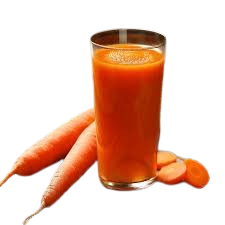
Carrot juice is a nutrient-dense beverage extracted from the Daucus carota root that is a staple in Indian, Middle Eastern, and American wellness cuisines. Calories in carrot juice are 40 calories per 100 mL (3.4 fl oz). Research by Potter AS, et al. (2011), "Drinking carrot juice increases total antioxidant status and decreases lipid peroxidation in adults," found that 473 mL (16 oz) of daily intake reduces systolic blood pressure. The carrot originated in Persia during the 10th century, though the orange variety used today was developed in the 17th century. Often called "orange gold" or "liquid sunshine," carrot juice provides 9.3 g of carbohydrates and 3.9 g of sugar per 100 mL (3.4 fl oz) serving.
A small 240 mL (8 oz) serving of carrot juice provides 96 calories, whereas a medium 355 mL (12 oz) serving contains 142 calories and a large 473 mL (16 oz) serving offers 189 calories. Carrot juice calories increase to 130 calories per 240 mL (8 oz) when blended with fruit juices like apple or mango. Carrot juice provides 956 mcg of Vitamin A per 100 mL (3.4 fl oz), which is 106% of the Daily Value (DV). It also contains 15.5 mcg of Vitamin K (13% DV) and 292 mg of potassium (6% DV). Common types include raw cold-pressed, pasteurized bottled, and fermented carrot kvass.
Carrot juice is a key component in dishes like Gajar Ka Halwa, which contains 350 calories per serving, and the Carrot Celebration Cake at The Cheesecake Factory, which contains 1510 calories per serving. Other restaurants featuring carrot-based items include Jamba Juice, Panera Bread, and Pressed Juicery. Global production of carrots is led by China, which produced 18,178 kt of carrots in 2022, followed by Uzbekistan at 3,215 kt. Consumption is significant in the United States, where the food supply for carrots and turnips reached 2,010 kt in 2022. The price for a 946 mL (32 oz) bottle of organic carrot juice has risen from $3.99 in 2010 to a range of $7.00 to $8.50 in 2024.
Health guidelines recommend a daily consumption of 240 mL (8 oz), which provides 96 calories and 2.3 g of protein. To burn the 96 calories from a 240 mL (8 oz) serving, a person weighing 70 kg (154 lbs) must walk at 5 km/h (3 mph) for 27 minutes. The same individual can perform 11 minutes of vigorous swimming or 14 minutes of cycling at 20 km/h (12 mph) to expend this energy.
Carrot Juice nutrition
| Stats | Weight |
|---|---|
| Carbs | 32.9 grams |
| Protein | 3.4 grams |
| Fats | 0 grams |
| Sugars | 13.9 grams |
- Large Carrot Juice Calories (Nutritional Facts)
- Medium Carrot Juice Calories (Nutritional Facts)
- Small Carrot Juice Calories (Nutritional Facts)
- Raw Carrot Juice Nutrition
- Sodium in Carrot Juice
- Potassium in Carrot Juice
- Sugar in Carrot Juice
- Fiber in Carrot Juice
- Protein in Carrot Juice
- Carbs in Carrot Juice
- Fat in Carrot Juice
- Vitamins in Carrot Juice
- Minerals in Carrot Juice
Large Carrot Juice Calories (Nutritional Facts)
A large serving of carrot juice, weighing 473 mL (16 fl oz), contains 189 calories. This serving size provides 0.7 g of fat, 4.5 g of protein, 43.9 g of carbohydrates, and 18.5 g of sugar.
A medium serving of carrot juice, weighing 355 mL (12 fl oz), contains 142 calories. This portion includes 0.5 g of fat, 3.4 g of protein, 32.9 g of carbohydrates, and 13.9 g of sugar.
A small serving of carrot juice, defined as 240 mL (8 fl oz), contains 96 calories. This serving offers 0.4 g of fat, 2.3 g of protein, 22.3 g of carbohydrates, and 9.4 g of sugar.
A 100 mL (3.4 fl oz) serving of raw carrot juice provides 40 calories, 0.2 g of fat, 1.0 g of protein, 9.3 g of carbohydrates, 3.9 g of sugar, and 0.8 g of dietary fiber. Freshly squeezed raw carrot juice retains small amounts of fiber compared to highly filtered varieties.
Carrot juice contains 66 mg of sodium per 100 mL (3.4 fl oz) serving, which contributes 3% of the Daily Value (DV).
Carrot juice serves as a significant source of potassium, providing 292 mg per 100 mL (3.4 fl oz) serving, representing 6% of the DV.
Carrot juice contains 3.9 g of sugar per 100 mL (3.4 fl oz) serving. These sugars are naturally occurring and originate from the carrot root itself.
Carrot juice contains 0.8 g of dietary fiber per 100 mL (3.4 fl oz) serving. While the juicing process removes the bulk of the vegetable's structure, some soluble fiber remains in the liquid.
Carrot juice provides 1.0 g of protein per 100 mL (3.4 fl oz) serving.
Carrot juice contains 9.3 g of total carbohydrates per 100 mL (3.4 fl oz) serving.
Carrot juice contains 0.2 g of total fat per 100 mL (3.4 fl oz) serving.
A 100 mL (3.4 fl oz) serving of carrot juice is an exceptional source of Vitamin A, providing 956 mcg (106% DV) in the form of beta-carotene. It also provides 15.5 mcg of Vitamin K (13% DV) and 4.2 mg of Vitamin C (5% DV).
A 100 mL (3.4 fl oz) serving of carrot juice provides 24 mg of Calcium (2% DV), 14 mg of Magnesium (3% DV), and 42 mg of Phosphorus (3% DV) in addition to its potassium and sodium content.
Get a Custom Report on Carrot Juice Nutrition Data – Contact Us!
What are the Types of Carrot Juice?
There are 4 different types of carrot juice such as fresh raw juice and commercial pasteurized juice. The table below shows the most common carrot juice types and their calorie information.
| Type | Description | Calories (per 8 fl oz / 240 mL) | Calorie Differences & Qualifications |
|---|---|---|---|
|
Freshly Squeezed Carrot Juice
|
Raw juice made at home or a juice bar with no additives. | 96 | This serves as the nutritional standard. It retains the most heat-sensitive vitamins. |
|
Commercial 100% Carrot Juice
|
Bottled juice found in stores, usually pasteurized for shelf life. | 80-90 | Often has a slightly lower calorie count due to industrial filtration processes that remove more solids. |
|
Carrot-Fruit Blends
|
Carrot juice mixed with apple, orange, or ginger juices. | 110-130 | Calories are higher in these blends because fruit juices provide a higher concentration of fructose. |
|
Concentrated Carrot Juice
|
Juice that has been evaporated and later reconstituted with water. | 95-100 | The calorie count is similar to fresh, but flavor and some vitamins are altered during the heating process. |
What are Desserts with Carrot Juice?
Carrot juice and its source vegetable provide a natural sweetness and moisture that make them a favorite in bakeries and dessert bars worldwide. While carrot cake is the most recognizable application, many cultures use carrot juice to infuse color and earthiness into puddings, smoothies, and frozen treats. These desserts are frequently found in American bakeries, Indian fine dining, and health-conscious cafes.
| Dish Name | Calories (Estimate per serving) | Type of Dish | Carbs (g) | Sugar (g) | Protein (g) | Fat (g) | Cuisine | Restaurants |
|---|---|---|---|---|---|---|---|---|
|
Carrot Celebration Cake
|
1510 (large slice) | Baked Good | 164g | 120g | 14g | 89g | American | The Cheesecake Factory |
|
Gajar Ka Halwa (Carrot Pudding)
|
350 (1 cup) | Pudding | 45g | 32g | 6g | 18g | Indian | Junoon, Saffron |
|
Carrot Pineapple Muffin
|
510 (one muffin) | Baked Good | 75g | 42g | 6g | 21g | American | Panera Bread |
|
Carrot Orange Ginger Smoothie
|
280 (20 oz) | Beverage | 66g | 58g | 2g | 1g | Health-focused | Smoothie King, Jamba Juice |
|
Carrot Cake Cheesecake
|
1080 (slice) | Cake | 115g | 88g | 12g | 62g | American | The Cheesecake Factory, Maggiano's Little Italy |
|
Orange Carrot Fruit Pop
|
40 (one pop) | Frozen Dessert | 10g | 9g | 0g | 0g | Modern American | Whole Foods Market |
|
Carrot Ginger Juice Blend
|
140 (16 oz) | Beverage | 32g | 22g | 2g | 0g | Wellness | Juice Press, Pressed Juicery |
|
Carrot Cake Cupcake
|
490 (one piece) | Baked Good | 62g | 45g | 4g | 26g | American | Sprinkles Cupcakes, Georgetown Cupcake |
|
Carrot Walnut Bread
|
390 (slice) | Baked Good | 55g | 30g | 5g | 18g | American | Starbucks |
|
Carrot & Chia Pudding
|
220 (8 oz) | Custard | 28g | 15g | 5g | 10g | Vegan/Health | Le Pain Quotidien |
What are the Main Dishes with Carrot Juice?
Carrot juice frequently serves as a nutrient-dense liquid base for savory soups and sauces in professional kitchens. Its ability to glaze proteins and add depth to vegetable stews makes it a versatile component in both traditional and plant-based cooking. Some of the most widespread main dishes that contain carrot juice or a heavy concentration of its parent root are 100% Vegetable Soup, Glazed Carrots, and Vegetable Korma. The table below lists the nutritional profile and restaurant availability for these dishes.
| Dish Name | Calories (per serving) | Type of Dish | Carbs (g) | Sugar (g) | Protein (g) | Fat (g) | Cuisine | Restaurants |
|---|---|---|---|---|---|---|---|---|
|
Ten Vegetable Soup (with carrot base)
|
100 (1 cup) | Soup | 16g | 6g | 5g | 2g | American | Panera Bread |
|
Honey Roasted Carrots
|
120 (side portion) | Side Dish | 18g | 14g | 1g | 5g | American | Seasons 52 |
|
Carrot "Lox" (Carrot juice cured)
|
180 (serving) | Vegan Entree | 12g | 6g | 2g | 14g | Plant-based | Crossroads Kitchen (Los Angeles) |
|
Vegetable Korma
|
420 (serving) | Curry | 35g | 10g | 8g | 28g | Indian | Tiffin Wallah, Saffron |
|
Country Style Beef Stew
|
340 (bowl) | Stew | 28g | 5g | 22g | 16g | American | Marie Callender’s, Cracker Barrel |
|
Roasted Carrot Ginger Soup
|
180 (bowl) | Soup | 22g | 12g | 3g | 9g | French/American | Au Bon Pain |
|
Carrot Hummus
|
80 (2 tbsp) | Dip/Appetizer | 9g | 2g | 2g | 4g | Middle Eastern | CAVA |
|
Veggie Grill Bowl with Carrots
|
580 (full bowl) | Entree | 65g | 12g | 18g | 28g | Modern American | Veggie Grill |
|
Glazed Carrots
|
110 (serving) | Side Dish | 15g | 11g | 1g | 6g | American | Boston Market |
|
Coleslaw (with shredded carrots)
|
170 (individual) | Side Dish | 14g | 11g | 1g | 12g | American | KFC, Popeyes |
What Cuisines Prefer Carrot Juice the Most?
Different culinary traditions utilize carrot juice and whole carrots in unique ways, from thick Indian desserts to light French vegetable preparations. The table below illustrates the cuisines that incorporate this ingredient most frequently alongside specific dish examples.
| Cuisine | Dish Name/Usage | Calories (per serving) | Restaurants |
|---|---|---|---|
|
American
|
Carrot Cake, Roasted Carrot Sides | 120-1510 | The Cheesecake Factory, Cracker Barrel |
|
Indian
|
Gajar Halwa, Vegetable Korma | 350-420 | Junoon, Tiffin Wallah (New York) |
|
French
|
Carrots Vichy, Carrot Ginger Soup | 150-220 | Au Bon Pain, Mon Ami Gabi |
|
Middle Eastern
|
Carrot Hummus, Salads | 80-250 | CAVA, Hummus & Pita Co. |
|
Modern Vegan
|
Carrot "Lox," Beet & Carrot Juice | 140-180 | Crossroads Kitchen, Veggie Grill |
Which Countries Produce the Most Carrot Juice?
The top producers of carrots and turnips, which serve as the primary raw materials for carrot juice, globally are China, Uzbekistan, the United States, the Russian Federation, and Germany. In 2022, China produced 18,178.54 kt of these root vegetables, while Uzbekistan produced 3,215.35 kt based on data from FAOSTAT. Since international databases do not track the specific volume of carrots diverted exclusively for juicing, the table below utilizes production figures for the "Carrots and Turnips" category.
| Country | 2003 | 2005 | 2007 | 2009 | 2011 | 2013 | 2015 | 2017 | 2019 | 2021 | 2022 |
|---|---|---|---|---|---|---|---|---|---|---|---|
| China | 8,561 | 9,012 | 10,250 | 12,500 | 15,900 | 16,800 | 17,500 | 17,850 | 18,050 | 18,100 | 18,178 |
| Uzbekistan | 485 | 620 | 850 | 1,150 | 1,580 | 1,950 | 2,300 | 2,650 | 2,800 | 3,120 | 3,215 |
| USA | 1,920 | 1,850 | 1,740 | 1,580 | 1,420 | 1,350 | 1,420 | 1,510 | 1,480 | 1,380 | 1,324 |
| Russia | 1,750 | 1,680 | 1,520 | 1,490 | 1,380 | 1,550 | 1,620 | 1,480 | 1,520 | 1,350 | 1,310 |
| Germany | 425 | 450 | 490 | 510 | 580 | 620 | 650 | 710 | 780 | 820 | 850 |
| UK | 685 | 710 | 690 | 720 | 680 | 740 | 780 | 810 | 850 | 830 | 795 |
| France | 650 | 620 | 580 | 590 | 610 | 585 | 560 | 595 | 615 | 605 | 585 |
| Poland | 850 | 820 | 780 | 750 | 710 | 690 | 650 | 720 | 705 | 680 | 650 |
| Turkey | 510 | 535 | 560 | 580 | 595 | 610 | 630 | 650 | 680 | 710 | 725 |
| Japan | 650 | 635 | 615 | 600 | 585 | 570 | 550 | 540 | 520 | 505 | 490 |
Which Countries Consume the Most Carrot Juice?
Based on food supply and utilization data from FAOSTAT, the top consumers of carrot products are China, the United States, India, the Russian Federation, and Germany. Consumption patterns for carrot juice are highest in regions with established "wellness" markets and juice bar cultures. The table below represents the apparent food supply of carrots and turnips for human consumption, which provides the most accurate proxy for juice availability.
| Country | 2003 | 2005 | 2007 | 2009 | 2011 | 2013 | 2015 | 2017 | 2019 | 2021 | 2022 |
|---|---|---|---|---|---|---|---|---|---|---|---|
| China | 7,850 | 8,200 | 9,400 | 11,500 | 14,200 | 15,100 | 15,800 | 16,100 | 16,400 | 16,550 | 16,620 |
| USA | 1,650 | 1,720 | 1,750 | 1,780 | 1,820 | 1,850 | 1,890 | 1,920 | 1,950 | 1,980 | 2,010 |
| India | 1,100 | 1,180 | 1,250 | 1,320 | 1,450 | 1,580 | 1,720 | 1,880 | 2,050 | 2,180 | 2,240 |
| Russia | 1,520 | 1,480 | 1,450 | 1,420 | 1,380 | 1,410 | 1,440 | 1,390 | 1,405 | 1,380 | 1,365 |
| Germany | 710 | 725 | 740 | 755 | 780 | 810 | 845 | 880 | 920 | 950 | 975 |
| UK | 620 | 635 | 650 | 670 | 685 | 710 | 740 | 765 | 790 | 810 | 825 |
| Japan | 625 | 610 | 595 | 580 | 570 | 555 | 540 | 525 | 510 | 495 | 485 |
| Canada | 310 | 325 | 340 | 355 | 370 | 385 | 405 | 420 | 440 | 465 | 480 |
| Brazil | 285 | 305 | 320 | 345 | 365 | 385 | 410 | 435 | 455 | 475 | 490 |
| Turkey | 480 | 505 | 525 | 540 | 565 | 590 | 615 | 640 | 675 | 705 | 718 |
How Do Prices of Carrot Juice-including Dishes Change?
Restaurant menu prices for beverages and dishes featuring carrot juice, primarily found in national juice chains, bakeries, and health-focused eateries, have seen a steady climb over the last ten years. These prices fluctuate based on regional labor costs, local supply chains, and the specific urban market. The table below compares the price ranges for popular carrot-based menu items from 2015/2016 to the current 2025 market rates.
| Restaurant | Dish (Carrot Juice-prominent) | Old Price Range (2015-2016) | Current Price Range (2025) |
|---|---|---|---|
| Jamba Juice | Freshly Squeezed Carrot Juice (16 oz) | $4.99 - $5.99 | $8.25 - $9.95 |
| Pressed Juicery | Roots 1 (Carrot, Apple, Ginger) | $6.25 - $7.00 | $8.00 - $10.50 |
| Smoothie King | Carrot Kale Dream (20 oz) | $5.99 - $6.75 | $9.29 - $10.79 |
| Joe & The Juice | Go Away Doc (Carrot, Apple, Ginger) | $6.50 - $7.50 | $9.95 - $12.50 |
| The Cheesecake Factory | Carrot Cake (Slice) | $7.50 - $8.95 | $10.50 - $12.95 |
| Seasons 52 | Honey-Roasted Carrots | $5.50 - $6.50 | $8.50 - $10.50 |
| Le Pain Quotidien | Organic Carrot Juice | $5.25 - $6.50 | $6.05 - $9.75 |
What is the Carrot Juice Calorie for 100 mL?
One hundred milliliters (3.4 fl oz) of carrot juice contains 40 calories.
What is the Carrot Juice Calorie for 1 Liter?
One liter (1000 mL or 33.8 fl oz) of carrot juice contains 400 calories.
How Many Calories are in 1 Glass of Carrot Juice?
One glass of carrot juice, considered as a standard 240 mL (8 fl oz) serving, contains 96 calories.
What is the Calorie of 1 Carrot Juice?
A 450 mL (15.2 fl oz) bottle of Bolthouse Farms 100% Carrot Juice contains 170 calories. A 946 mL (32 fl oz) bottle of Lakewood Organic Pure Carrot Juice contains 320 calories. A 946 mL (32 fl oz) bottle of R.W. Knudsen Organic Carrot Juice contains 280 calories.
What are the Health Benefits of Carrot Juice?
Carrot juice provides some health benefits like supporting ocular health and enhancing immune response due to its high concentration of beta-carotene and essential vitamins. Carrot juice, frequently referred to as "orange gold" or liquid sunshine, is a nutrient-dense beverage derived from whole raw carrots. A list of the health benefits of carrot juice are shown below.
- Supports Vision and Eye Health: Carrot juice is a premier source of beta-carotene, which the body converts into Vitamin A. This nutrient is vital for maintaining night vision and preventing age-related macular degeneration. A study by Ma L, et al. (2012), "Lutein and Zeaxanthin Intake and the Risk of Age-Related Macular Degeneration: A Systematic Review and Meta-Analysis," highlights how these specific carotenoids in orange vegetables protect ocular tissues.
- Boosts Immune System Function: The Vitamin C and Vitamin B6 found in carrot juice are crucial for a robust immune response. Vitamin B6 deficiency is linked to impaired immunity, and daily intake ensures the production of antibodies.
- Promotes Heart Health: Carrot juice is a good source of potassium, which helps maintain healthy blood pressure by neutralizing the effects of sodium. Research by Potter AS, et al. (2011), "Drinking carrot juice increases total antioxidant status and decreases lipid peroxidation in adults," demonstrated that regular consumption protects the cardiovascular system by reducing oxidative stress.
- May Protect Liver Health: The carotenoids in carrot juice possess anti-inflammatory and antioxidant effects that help prevent non-alcoholic fatty liver disease.
- Improves Skin Health: The high beta-carotene content acts as a precursor to Vitamin A, which aids in skin cell repair and protects the dermis from ultraviolet (UV) radiation damage.
- Provides Anticancer Potential: Bioactive chemicals in carrot juice, such as polyacetylenes, have shown the ability to inhibit the growth of certain cancer cells. A study by Zaini R, et al. (2011), "Effects of bioactive compounds from carrots (Daucus carota L.) on leukemia cell lines," suggests these compounds may induce apoptosis in leukemia cells.
- Enhances Cognitive Function: The antioxidants in carrot juice reduce oxidative stress in the brain, which is a contributing factor to cognitive decline.
- Supports Healthy Blood Sugar Levels: While it contains natural sugars, carrot juice has a lower glycemic index than many fruit juices, and fermented varieties can improve gut bacteria related to glucose metabolism.
What are the Downsides of Carrot Juice?
Carrot juice has been known to cause some unwanted effects like skin discoloration and blood sugar spikes in specific populations due to its high beta-carotene and natural sugar content. A list of the downsides of carrot juice are shown below.
- Carotenemia (Skin Oranging): Consuming excessive amounts of carrot juice leads to carotenemia, a condition where the skin takes on a yellow-orange tint. This occurs because of the accumulation of beta-carotene in the outermost layer of the skin (Lascari AD., 1981, "Carotenemia").
- High Natural Sugar Content without Fiber: The juicing process removes the insoluble fiber found in whole carrots, which causes the natural sugars to enter the bloodstream more rapidly. This can be problematic for individuals with diabetes who must manage glycemic loads.
- Potential for Pesticide Exposure: Unless organic varieties are used, carrot juice can contain concentrated levels of pesticides used during the cultivation of the root vegetable.
Risk of Vitamin A Toxicity: While rare from food sources alone, extremely high intake of preformed Vitamin A or excessive beta-carotene in supplement form alongside juice can stress the liver.
How Do Calories Change According to Carrot Juice Types?
The calories in carrot juice change based on the concentration of the liquid and the addition of secondary ingredients. Freshly squeezed, pure carrot juice contains 96 calories per 240 mL (8 fl oz) serving. When carrot juice is blended with fruit juices like apple or mango, the calorie count increases to a range of 110 to 130 calories per serving because fruits possess higher natural sugar densities than root vegetables. Commercial bottled versions, such as those from Bolthouse Farms, often provide 90 calories per 240 mL (8 fl oz) because they are highly filtered to remove all plant particulate. Conversely, carrot juices that include added sweeteners or syrups can exceed 150 calories per serving.
Are Calories in Carrot Juice Higher in Fresh Juice?
Yes, calories in carrot juice are slightly higher in fresh juice compared to some mass-produced commercial versions. Freshly squeezed carrot juice contains 40 calories per 100 mL (3.4 fl oz), whereas many commercial 100% carrot juices contain 33 to 38 calories per 100 mL (3.4 fl oz). This difference exists because fresh juice usually retains more suspended solids and minute amounts of pulp that contain energy-providing nutrients, while commercial filtration processes remove these elements to ensure a thinner consistency and longer shelf stability.
What is the Origin of Carrot Juice?
The origin of carrot juice is rooted in the history of the wild carrot (Daucus carota), which is native to Persia and Asia Minor, particularly the region of modern-day Afghanistan. Initially, these ancestors were cultivated for their aromatic leaves and seeds rather than the root itself. Historical records suggest that the first domesticated carrots appeared in the 10th century and were typically purple or yellow. The orange carrot variety that produces the vibrant juice familiar today was developed by Dutch growers in the 17th century, allegedly as a tribute to the House of Orange.
Explore More Beverages
Discover more Beverages with detailed nutrition facts, calorie counts, vitamins, minerals, and health benefits. Compare similar foods, serving sizes, macronutrients, and key nutrients to find the best option for your diet and nutrition goals.
 Almond Milk calories
 Aloe Vera Juice calories
 Americano calories
 Apple Cider calories
 Apple Juice calories
 Apricot Juice calories
 Aronia Juice calories
 Avocado Shake calories
 Banana Juice calories
 Baobab Juice calories
 Barley Tea calories
 Beer calories