Calories and Nutritions in Cider
Cider is a fermented alcoholic beverage made from apples, popular in British, French, and American cuisines where it is also known as "hard cider" to distinguish it from non-alcoholic apple juice. The cider calories vary significantly based on sweetness and alcohol content, offering a different profile than other fermented drinks like beer. A standard 355 mL (12 fl oz) bottle of dry hard cider contains 140-170 calories, while a sweeter modern cider has 180-250 calories. Non-alcoholic "sweet cider" or "fresh cider," which is unfiltered apple juice, contains 150-180 calories for the same serving, all from sugar. The nutritional profile of hard cider is primarily carbohydrates and alcohol, with a 355 mL serving providing 15-20 g of carbohydrates (13-18 g from sugar), 0 g of fat, and 0 g of protein. While made from apples, hard cider retains some polyphenol antioxidants, which are linked to health benefits, though it is not a significant source of vitamins or minerals (Serra AT, et al. 2012 "Evaluation of Portuguese Ciders in Relation to Their Phenolic and Antioxidant Composition").
The main types of cider include dry, sweet, heritage (using traditional cider apples), fruit-infused, and non-alcoholic versions. A healthy intake of alcoholic cider is defined by moderation, with dietary guidelines recommending up to one drink per day for women and two for men. A 12 fl oz serving of a lower-calorie dry hard cider (around 150 calories) can fit within these limits. Burning the 190 calories from a standard sweet hard cider like Angry Orchard Crisp Apple requires activities such as 20 minutes of moderate jogging or 25 minutes of cycling.
Cider is a versatile ingredient in both main dishes and desserts. In savory cooking, it is used for braising pork chops or chicken, a preparation style seen on seasonal menus at restaurants like The Cheesecake Factory, and for steaming mussels (moules au cidre) at French bistros such as Balthazar (NYC). In desserts, it is the key ingredient in American fall classics like Apple Cider Donuts, a seasonal favorite at chains like Krispy Kreme and Dunkin'.
Cider originated in Europe, with evidence of its production by the ancient Romans. Today, the United Kingdom and France are traditional production hubs, while the United States is a major producer and consumer. Global apple production, the source of cider, is led by China. The price of hard cider in the US has increased over the past 20 years. A six-pack of a major domestic brand that cost $6.99 to $8.99 in 2004 now retails for $10.99 to as high as $13.99.
Cider nutrition
| Stats | Weight |
|---|---|
| Carbs | 30 grams |
| Protein | 0 grams |
| Fats | 0 grams |
| Sugars | 28 grams |
- Large Cider Calories (Nutritional Facts)
- Medium Cider Calories (Nutritional Facts)
- Small Cider Calories (Nutritional Facts)
- Hard Cider Calories (Nutritional Facts)
- Raw Cider Nutrition
- Sodium in Cider
- Potassium in Cider
- Sugar in Cider
- Fiber in Cider
- Protein in Cider
- Carbs in Cider
- Fat in Cider
- Vitamins in Cider
- Minerals in Cider
Large Cider Calories (Nutritional Facts)
A large serving of hard apple cider, also known as alcoholic cider, weighing 591 mL (20 fl oz), contains 250-300 calories. This serving provides 0 g of fat, 0-1 g of protein, 25-35 g of carbohydrates, and 22-30 g of sugar. Non-alcoholic apple cider contains a similar calorie count from sugar in this serving size.
A medium serving of hard apple cider, weighing 355 mL (12 fl oz), contains 150-180 calories. This serving size includes 0 g of fat, 0 g of protein, 15-20 g of carbohydrates, and 13-18 g of sugar. Non-alcoholic sparkling cider has similar values.
A small serving of hard apple cider, considered as a tasting size of 150 mL (5 fl oz), contains 60-75 calories. This portion offers 0 g of fat, 0 g of protein, 6-8 g of carbohydrates, and 5-7 g of sugar. A small serving of non-alcoholic fresh apple cider (150 mL) contains 73 calories.
Hard cider is a fermented alcoholic beverage made from apple juice. A standard 355 mL (12 fl oz) bottle or can of hard apple cider with 5% alcohol by volume contains 150-180 calories. The nutritional profile is primarily carbohydrates from residual and sometimes added sugars, with 0 g of fat and negligible protein.
A 100 mL (3.4 fl oz) serving of raw apple cider provides 49 calories, 0.1 g of fat, 0.1 g of protein, 12.2 g of carbohydrates, 11.7 g of sugar, and 0.1 g of dietary fiber. "Raw cider" refers to unpasteurized, unfiltered, non-alcoholic fresh apple cider.
Hard apple cider contains 10-20 mg of sodium per 355 mL (12 fl oz) serving, contributing less than 1% of the Daily Value (DV). Fresh non-alcoholic apple cider contains a similar low amount, around 7 mg per 240 mL serving.
Hard apple cider provides 120-150 mg of potassium per 355 mL (12 fl oz) serving, which is 3-4% of the DV. Fresh non-alcoholic apple cider contains a higher amount, with 250 mg of potassium per 240 mL (5% DV).
Hard apple cider is high in sugar, containing 13-18 g of sugar per 355 mL (12 fl oz) serving, from residual apple sugars and sometimes added sweeteners. Fresh non-alcoholic apple cider is also high in sugar, with 24 g per 240 mL serving.
Hard apple cider and filtered non-alcoholic apple cider contain 0 g of dietary fiber. Unfiltered fresh apple cider may contain trace amounts of fiber.
Hard apple cider contains 0 g of protein per 355 mL (12 fl oz) serving. Fresh non-alcoholic apple cider contains a negligible amount, around 0.2 g per 240 mL.
Hard apple cider contains 15-20 g of total carbohydrates per 355 mL (12 fl oz) serving, most of which are sugars. Fresh non-alcoholic apple cider contains 28 g of carbohydrates per 240 mL.
Hard apple cider contains 0 g of total fat. Fresh non-alcoholic apple cider contains a negligible amount, around 0.2 g per 240 mL.
Hard apple cider is not a significant source of vitamins. It may contain trace amounts of Vitamin C, but provides less than 2% DV for most essential vitamins. Fresh, unpasteurized apple cider contains more Vitamin C.
Hard apple cider contains small amounts of minerals like potassium, but is not a significant source of most essential minerals.
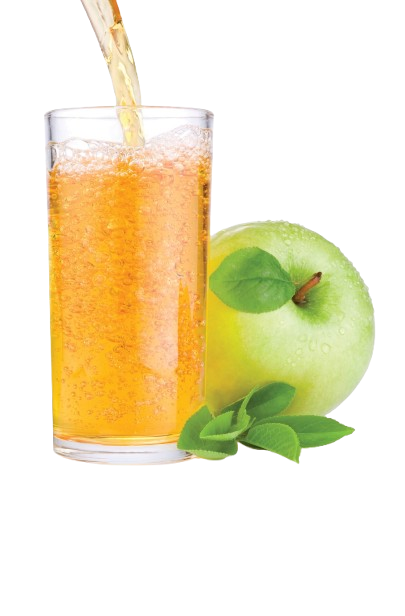
Get a Custom Report on Cider Nutrition Data – Contact Us!
What are the Types of Cider?
There are many different types of cider, primarily distinguished by their sweetness, the type of apple used, and whether they are alcoholic. The table below shows the most common cider types and their calorie information.
| Type | Description | Calories (per 12 fl oz / 355 mL) | Calorie Differences & Qualifications |
|---|---|---|---|
|
Modern Hard Cider (Sweet)
|
Most common type in the US. Clear, crisp, and sweet, often from culinary apples. | 180-250+ | High in calories due to high sugar content (residual and often added). Brands like Angry Orchard Crisp Apple (190 cal) fall here. |
|
Dry Hard Cider
|
Fermented until most of the sugar is converted to alcohol. Crisp, less fruity, and not sweet. | 140-170 | Lower in calories and sugar than modern sweet ciders. Bold Rock Apple (144 cal) and Strongbow Original Dry (149 cal) are examples of drier styles. |
|
Heritage/Traditional Cider
|
Made from specific cider apples (bittersweets/sharps). Often complex, tannic, and can be dry or off-dry. | 150-200 | Calorie count varies. These are less about sweetness and more about complex apple flavors. |
|
Fruit Cider
|
Apple cider with other fruit juices added (e.g., pear, berry, pineapple). | 200-280+ | Often very high in calories and sugar due to the addition of more fruit juice and sometimes sweeteners. |
|
Rosé Cider
|
Cider with a pink or reddish hue, often from red-fleshed apples or the addition of red fruit skins/juice. | 160-200 | Can be sweet or dry. Calorie count depends on the sweetness level. |
|
Non-Alcoholic Apple Cider (Fresh/Sweet Cider)
|
Unfiltered, unfermented, sweet apple juice. | 150-180 | High in calories, but they come entirely from the natural sugars in the apples, not from alcohol. Contains more nutrients from the fresh apples. |
|
Non-Alcoholic Sparkling Cider
|
Filtered, carbonated apple juice. Clear and bubbly. | 180-200 | High in sugar and calories, similar to soda. Martinelli's is a famous brand. |
What are the Main Dishes with Cider?
Hard cider, with its fruity, acidic, and sometimes sweet profile, is a versatile ingredient in savory main dishes, where it is often used for braising, deglazing, or as the base for sauces and marinades, particularly with pork and poultry. Some of the most widespread main dishes that contain cider are braised pork dishes and mussels steamed in cider. The table below lists some popular examples.
| Dish Name | Calories (Estimate per serving) | Type of Dish | Carbs (g) (Estimate) | Sugar (g) (Estimate) | Protein (g) (Estimate) | Fat (g) (Estimate) | Cuisine | Restaurants |
|---|---|---|---|---|---|---|---|---|
|
Pork Chops/Loin with Cider Sauce/Glaze
|
400-600 | Meat Entree | 15-30 | 10-25 | 30-45 | 15-25 | European/American | The Cheesecake Factory, Seasons 52, many gastropubs like The Spotted Pig (NYC - historically). |
|
Mussels Steamed in Hard Cider (Moules au Cidre)
|
400-600 (with broth, without fries) | Seafood Entree | 15-25 | 5-10 | 30-45 | 15-25 | French (Norman)/Belgian | Balthazar (NYC - Moules Frites variations), Mon Ami Gabi (Las Vegas, Chicago), many French bistros. |
|
Cider-Braised Chicken
|
350-550 | Braised Entree | 10-20 | 8-15 | 35-50 | 15-25 | French/American | Found on seasonal menus at farm-to-table or contemporary American restaurants. |
|
Cider-Braised Sausages with Apples & Onions
|
500-700 | Sausage Dish | 25-40 | 15-25 | 15-25 | 30-45 | British/European | Found in many British-style pubs or gastropubs. |
|
Welsh Rarebit (sometimes made with cider)
|
350-500 | Cheese Toast | 20-30 | 2-5 | 15-20 | 20-30 | British | Dame (NYC), Tea & Sympathy (NYC). |
|
Cider Can Chicken
|
Varies with chicken size | Roasted Entree | Varies | Varies | Varies | Varies | American (BBQ) | A variation of beer can chicken, more common in home cooking but could be found at inventive BBQ joints like Franklin Barbecue (Austin) as a special. |
|
Cider Vinaigrette for Salads
|
80-150 (2 tbsp dressing) | Salad Dressing | 5-10 | 4-8 | <1 | 7-14 | American/French | Tender Greens, Sweetgreen, Chopt Creative Salad Co. (for general cider vinaigrette). |
|
Cheddar and Ale/Cider Soup
|
300-450 (bowl) | Soup | 20-30 | 5-10 | 10-15 | 15-25 | British/American | Found in some pubs and breweries with restaurants. |
|
Cider-Brined Turkey/Pork
|
Varies with meat dish | Brined Meat | Varies | Varies | Varies | Varies | American | A preparation method used by some restaurants for holiday meals or special dishes, like at The Capital Grille for Thanksgiving specials. |
|
Onion Soup (some recipes substitute cider for some wine)
|
300-500 (bowl) | Soup | 20-35 | 8-15 | 10-18 | 15-25 | French/Modern | Panera Bread, Balthazar (NYC). |
What are Desserts with Cider?
Hard cider and sweet (non-alcoholic) cider are popular ingredients in a variety of desserts, where their apple flavor adds a fruity and sometimes tangy complexity.
| Dish Name | Calories (Estimate per serving/piece) | Type of Dish | Carbs (g) (Estimate) | Sugar (g) (Estimate) | Protein (g) (Estimate) | Fat (g) (Estimate) | Cuisine | Restaurants |
|---|---|---|---|---|---|---|---|---|
|
Apple Cider Donuts
|
250-400 (each) | Donut | 30-50 | 15-30 | 3-6 | 12-22 | American | Krispy Kreme, Dunkin', many apple orchards and local bakeries. |
|
Apple Cider Cake/Muffins
|
300-500 (slice/muffin) | Baked Good | 40-60 | 25-45 | 3-6 | 15-25 | American | Found in some Starbucks and Panera Bread locations as a seasonal item. |
|
Apple Cider Slushie/Granita
|
150-250 | Frozen Beverage | 35-55 | 30-50 | <1 | <1 | American | Common at farms, fairs, and seasonal stands. |
|
Poached Pears in Cider
|
200-300 (serving) | Fruit Dessert | 40-60 | 35-55 | <1-2 | <1 | European | May appear on seasonal menus at restaurants like Gramercy Tavern (NYC). |
|
Cider Caramel Sauce
|
80-120 (per 2 tbsp) | Sauce | 15-25 | 14-23 | <1 | 2-5 | American | Used as a topping for ice cream at artisanal shops like Salt & Straw or Jeni's Splendid Ice Creams. |
|
Apple Cider Sorbet/Ice Cream
|
100-180 (scoop) | Frozen Dessert | 25-40 | 20-35 | <1 | <1-5 | Artisanal | Häagen-Dazs, Ben & Jerry's, Salt & Straw. |
|
Mulled Cider (hot, spiced)
|
150-200 (cup) | Beverage | 35-45 | 30-40 | <1 | <1 | European/American | Starbucks, many cafes offer it seasonally. |
|
Cider Sabayon
|
200-300 | Custard | 20-30 | 18-28 | 3-6 | 10-18 | French/Italian | Found on menus at fine dining restaurants. |
What Cuisines Prefer Cider the Most?
Cider, both as a beverage and a cooking ingredient, is most deeply rooted in the cuisines of the United Kingdom, Northern France (particularly Normandy and Brittany), and the northern regions of Spain. It has a long and storied history in American cuisine as well, especially in New England and other apple-growing regions, where it has seen a major resurgence.
| Cuisine | Dish Name/Usage Examples | Calories (Varies widely by dish) | Restaurants |
|---|---|---|---|
|
British
|
Cider as a beverage, Cider-braised Pork/Sausages, Cheddar & Cider Soup | Varies | Many pubs in the UK (e.g., Fuller's, Greene King), Hawksmoor (NYC), Dame (NYC), Tea & Sympathy (NYC). |
|
French (Norman/Breton)
|
Cider as a beverage, Moules au Cidre, Braised Chicken/Pork with Cider, Galettes (often served with cider) | Varies | Balthazar (NYC), Mon Ami Gabi (Las Vegas, Chicago), many French bistros. |
|
American
|
Hard Cider, Apple Cider Donuts, Cider-brined Turkey, BBQ sauces, Vinaigrettes | Varies | The Cheesecake Factory, Seasons 52, Cracker Barrel Old Country Store (cider-flavored items), Angry Orchard, Bold Rock (cider brands). |
|
Spanish (Asturian/Basque)
|
Sidra (Cider) as a beverage, Chorizo a la Sidra (Chorizo cooked in Cider) | Varies | Jaleo by José Andrés (various locations), Mercado Little Spain (NYC), Despaña (NYC). |
Which Countries Produce the Most Cider?
The top producers of cider globally are the United Kingdom, the United States, Spain, France, and South Africa. In 2022, the UK was the largest market for cider production and consumption, while the US craft cider market has grown significantly. The table below shows production figures for "Apples" as the primary raw material for cider, for key producing countries.
| Country | 2004 | 2005 | 2006 | 2007 | 2008 | 2009 | 2010 | 2011 | 2012 | 2013 | 2014 | 2015 | 2016 | 2017 | 2018 | 2019 | 2020 | 2021 | 2022 |
|---|---|---|---|---|---|---|---|---|---|---|---|---|---|---|---|---|---|---|---|
| China | 20,000 | 22,000 | 24,000 | 26,000 | 27,000 | 29,000 | 33,000 | 35,000 | 37,000 | 39,000 | 40,000 | 42,000 | 43,000 | 41,000 | 40,000 | 42,000 | 44,000 | 46,000 | 47,500 |
| USA | 4,300 | 4,200 | 4,000 | 4,100 | 4,200 | 4,100 | 4,200 | 4,300 | 4,100 | 4,000 | 5,000 | 4,500 | 4,600 | 5,000 | 4,700 | 5,000 | 4,800 | 4,600 | 4,500 |
| Turkey | 2,500 | 2,550 | 2,600 | 2,500 | 2,400 | 2,600 | 2,650 | 2,700 | 2,800 | 3,100 | 3,000 | 2,500 | 2,900 | 3,000 | 3,600 | 3,800 | 4,300 | 4,500 | 4,800 |
| Poland | 2,000 | 2,200 | 2,500 | 2,800 | 2,600 | 2,500 | 2,300 | 2,800 | 3,000 | 3,200 | 3,500 | 3,000 | 4,000 | 3,000 | 4,500 | 3,500 | 3,400 | 4,000 | 4,200 |
| India | 1,400 | 1,500 | 1,600 | 1,700 | 1,800 | 1,900 | 2,000 | 2,200 | 2,200 | 2,300 | 2,500 | 2,400 | 2,300 | 2,200 | 2,300 | 2,400 | 2,300 | 2,500 | 2,600 |
| Iran | 2,300 | 2,350 | 2,400 | 2,500 | 2,600 | 2,700 | 2,800 | 2,700 | 2,600 | 2,500 | 2,400 | 2,300 | 2,200 | 2,100 | 2,000 | 1,900 | 1,800 | 1,700 | 1,600 |
| Italy | 2,000 | 2,100 | 2,200 | 2,000 | 2,300 | 2,200 | 2,100 | 2,300 | 2,000 | 1,900 | 2,100 | 2,200 | 2,000 | 1,900 | 2,200 | 2,000 | 1,900 | 2,100 | 2,200 |
| France | 2,200 | 2,000 | 1,800 | 1,700 | 1,600 | 1,500 | 1,600 | 1,700 | 1,800 | 1,900 | 1,800 | 1,700 | 1,600 | 1,500 | 1,400 | 1,500 | 1,600 | 1,500 | 1,400 |
| Russia | 1,500 | 1,600 | 1,700 | 1,800 | 1,900 | 2,000 | 1,500 | 1,400 | 1,300 | 1,200 | 1,100 | 1,000 | 1,200 | 1,300 | 1,400 | 1,500 | 1,600 | 1,700 | 1,800 |
| Chile | 1,000 | 1,100 | 1,200 | 1,300 | 1,350 | 1,300 | 1,200 | 1,100 | 1,200 | 1,300 | 1,400 | 1,300 | 1,200 | 1,100 | 1,000 | 1,100 | 1,200 | 1,300 | 1,400 |
Which Countries Consume the Most Cider?
Based on market data from various beverage industry sources like Statista, the top consumers of cider are the United Kingdom (highest per capita), the United States, South Africa, Australia, and Spain. Consumption is very strong in these countries, which have a combination of traditional cider-making heritage and modern craft cider movements. The table below uses "Apples" apparent consumption as a broad proxy for the availability of the primary ingredient.
| Country/Region | 2012 | 2013 | 2014 | 2015 | 2016 | 2017 | 2018 | 2019 | 2020 | 2021 |
|---|---|---|---|---|---|---|---|---|---|---|
| China | 30,000 | 32,000 | 33,000 | 35,000 | 36,000 | 34,000 | 33,000 | 35,000 | 36,000 | 38,000 |
| EU-27 (from 2020) | 12,000 | 12,200 | 12,400 | 12,600 | 12,800 | 13,000 | 13,200 | 13,400 | 13,600 | 13,800 |
| USA | 4,000 | 3,900 | 4,500 | 4,200 | 4,300 | 4,600 | 4,400 | 4,600 | 4,500 | 4,300 |
| India | 1,800 | 1,900 | 2,000 | 2,100 | 2,000 | 1,900 | 2,000 | 2,100 | 2,000 | 2,200 |
| Turkey | 2,000 | 2,200 | 2,100 | 1,800 | 2,100 | 2,200 | 2,500 | 2,600 | 3,000 | 3,200 |
| Russian Federation | 1,800 | 1,700 | 1,600 | 1,500 | 1,700 | 1,800 | 1,900 | 2,000 | 2,100 | 2,200 |
| Iran | 1,900 | 1,800 | 1,700 | 1,600 | 1,500 | 1,400 | 1,300 | 1,200 | 1,100 | 1,000 |
| Brazil | 1,000 | 1,050 | 1,100 | 1,150 | 1,200 | 1,250 | 1,300 | 1,350 | 1,400 | 1,450 |
| Mexico | 800 | 820 | 840 | 860 | 880 | 900 | 920 | 940 | 960 | 980 |
| Egypt | 700 | 710 | 720 | 730 | 740 | 750 | 760 | 770 | 780 | 790 |
How Do Prices of Cider-including Dishes Change?
Restaurant menu prices for dishes that use cider as a key ingredient, such as braised pork or mussels, have increased over the past two decades, as shown in the following pricing table. This is driven by the rising costs of all ingredients (cider, proteins, produce) and general inflation in the restaurant industry.
| Restaurant | Dish (Cider-prominent) | Old Price | Current Price (2025) |
|---|---|---|---|
| Balthazar (New York, NY) | Moules Frites (often with wine, cider is a classic variant) | $24.00 - $28.00 (2012) | $36.00 - $42.00 |
| Mon Ami Gabi (Las Vegas) | Mussels (Cider variant when available) | $18.95 - $21.95 (2015) | $26.95 - $30.95 |
| Panera Bread | Fuji Apple Salad (uses Apple Cider Vinaigrette) | $8.99 - $10.99 (2015) | $13.99 - $15.99 |
| Starbucks | Caramel Apple Spice (hot cider drink) | $3.75 - $4.25 (Grande, 2013) | $4.75 - $5.95 (Grande) |
What is the Cider Calorie for 100 Grams?
One hundred grams (equivalent to 100 mL) of a standard hard apple cider contains 42-50 calories. One hundred grams of fresh, non-alcoholic apple cider contains 49 calories.
What is the Cider Calorie for 1 KG?
One kilogram (1 L or 33.8 fl oz) of a standard hard apple cider contains 420-500 calories. One kilogram of fresh, non-alcoholic apple cider contains 490 calories.
What is the Calorie of 1 Cider?
One 355 mL (12 fl oz) bottle of Angry Orchard Crisp Apple Hard Cider contains 180 calories. One 355 mL (12 fl oz) can of Bold Rock Apple Hard Cider contains 144 calories. A 355 mL (12 fl oz) serving of Strongbow Original Dry Cider contains 149 calories (calculated from 42 calories per 100 mL).
What are the Health Benefits of Cider?
Cider, particularly hard cider made from fermented apples, may provide some health benefits like antioxidant effects due to its apple-derived compounds. While it is an alcoholic beverage, some of its base components offer potential advantages. A list of the health benefits of cider are shown below.
- Contains Antioxidants: Hard cider is made from apples, which are rich in polyphenols and other antioxidants. Some of these compounds, such as procyanidins, are retained in the cider and can help protect the body from oxidative stress caused by free radicals (Serra AT, et al., 2012, "Evaluation of Portuguese Ciders in Relation to Their Phenolic and Antioxidant Composition").
- Source of Vitamin C (Fresh Cider): Fresh, unfermented apple cider is a good source of Vitamin C, a powerful antioxidant that supports the immune system. However, much of this Vitamin C is lost during the fermentation and pasteurization processes of hard cider.
- Naturally Gluten-Free: Hard ciders made from 100% fermented apple juice are naturally gluten-free, making them a suitable alcoholic beverage choice for individuals with celiac disease or gluten sensitivity.
- May Support Heart Health (in moderation): The polyphenols in cider may contribute to cardiovascular health. Moderate alcohol consumption itself has been linked in some observational studies to a reduced risk of certain cardiovascular outcomes, although this is a complex topic and is not a recommendation to start drinking (O'Keefe JH, et al., 2014, "Alcohol and Cardiovascular Health: The Dose Makes the Poison…or the Remedy").
What are the Downsides of Cider?
Cider has been known to cause some unwanted effects like contributing to high sugar intake and the negative health impacts of alcohol due to its composition as a sweetened alcoholic beverage. A list of the downsides of cider are shown below.
- Alcohol Content: Hard cider is an alcoholic beverage. Excessive alcohol consumption is linked to numerous health problems, including liver disease, heart problems, certain cancers, and alcohol dependence (World Health Organization, 2018, "Global status report on alcohol and health 2018").
- High in Sugar and Calories: Both hard and non-alcoholic ciders are often high in sugar and calories. Many commercial hard ciders have added sugars to increase sweetness, contributing to a high calorie count and the risks associated with high sugar intake, such as weight gain and type 2 diabetes.
- Can Cause Digestive Upset: The combination of sugar, carbonation, and alcohol in hard cider can cause digestive issues like bloating, gas, or heartburn in some individuals.
- Sulfite Content: Most commercially produced ciders contain sulfites as a preservative. While safe for most people, individuals with a sulfite sensitivity can experience adverse reactions, including asthma symptoms.
Are Ciders Good for You?
No, in general, ciders, particularly sweetened hard ciders, are not considered "good for you" in a nutritional sense. While they may retain some antioxidants from the apples they are made from, this small benefit is overwhelmingly negated by their high sugar and alcohol content. These two components contribute "empty" calories and are linked to significant health risks when consumed in excess. A study by Valenzuela A, et al. (2019), "Impact of the processing of cider apples on the polyphenol content of cider," shows that while polyphenols are present, their concentration is affected by processing. Health authorities, such as the Dietary Guidelines for Americans, recommend limiting alcohol intake and minimizing added sugars. A preferred consumption rate for any alcoholic beverage is moderation: up to one drink per day for women and up to two drinks per day for men, and choosing "dry" ciders with less added sugar is a better option.
How Do Calories Change According to Cider Types?
The calories in cider change dramatically based on its sugar and alcohol content. The highest calorie versions are modern sweet hard ciders and fruit ciders, which can range from 180 to over 250 calories per 12 fl oz serving due to high levels of residual and often added sugars. Non-alcoholic sparkling ciders are also high in calories (180-200 calories) because they are essentially sweetened, carbonated apple juice. Dry hard ciders are the lowest calorie alcoholic option, containing 140-170 calories per 12 fl oz, because most of the sugar has been fermented into alcohol, leaving less residual sugar. Fresh, non-alcoholic apple cider falls in the middle, with around 150-180 calories, all from the natural sugars present in the apples.
Which Cider Has the Lowest Calorie Content?
Dry hard cider has the lowest calorie content among alcoholic ciders, with a 12 fl oz serving containing a range of 140-170 calories. Examples include Bold Rock Apple (144 calories) and Strongbow Original Dry (149 calories). Unsweetened fresh apple juice that has been fermented completely dry would be the absolute lowest, while commercially, "dry" or "brut" ciders are the consumer's lowest calorie choice for hard cider.
Is Cider Healthier Than Beer?
No, cider is not definitively healthier than beer. In the cider vs beer comparison, it’s evident that both cider and beer have pros and cons, and their health impact depends greatly on the specific type and amount consumed. A 12 fl oz serving of a standard hard cider (e.g., Angry Orchard, 190 calories, 23g carbs) is often higher in calories and sugar than a standard lager beer (e.g., Budweiser, 145 calories, 10.6g carbs). This is a significant disadvantage for cider. However, cider is naturally gluten-free (if made from 100% apples), making it a necessary choice for individuals with celiac disease. Beer, made from grains like barley, contains gluten. Cider also retains some polyphenol antioxidants from the apples it's made from, which beer lacks, though beer contains some B vitamins from the yeast and grains. Neither beverage is a "health food," and the negative effects of alcohol and calories/sugar are the primary health considerations for both. As noted in the WHO's global report on alcohol (World Health Organization, 2018, "Global status report on alcohol and health 2018"), excessive consumption of any alcoholic beverage is detrimental to health.
What is the Origin of the Cider?
The origin of cider, the fermented juice of apples, is ancient, with its roots stretching back to at least the time of the Romans, who encountered cider-making traditions among the Celts in Britain around 55 BCE. Apples themselves originated in Central Asia, but their cultivation spread across Europe. Cider-making flourished in regions with climates well-suited for growing apples, but not necessarily for growing grapes for wine, such as Northern France (Normandy), Spain (Asturias), and England. For centuries, cider was a staple alcoholic beverage for rural populations in these areas, safer to drink than water and a valuable source of calories and hydration.
A classic dish that highlights the culinary use of cider is Moules au Cidre, a variation of the famous Moules Marinières (mussels in white wine). This dish is a specialty of Normandy, France, a region renowned for its apple orchards and cider production. The preparation involves steaming fresh mussels in a broth made from hard cider, shallots, garlic, and herbs like parsley and thyme. The cider's fruity acidity provides a perfect counterpoint to the briny sweetness of the mussels. The dish is often finished with a touch of cream to enrich the broth, which is then eagerly soaked up with crusty bread or served with French fries (frites). This dish is a perfect example of regional "terroir" in cooking, where the local beverage (cider) is used to create a signature dish with the local seafood (mussels), embodying the culinary identity of the Normandy coast.
Explore More Beverages
Discover more Beverages with detailed nutrition facts, calorie counts, vitamins, minerals, and health benefits. Compare similar foods, serving sizes, macronutrients, and key nutrients to find the best option for your diet and nutrition goals.
 Almond Milk calories
 Aloe Vera Juice calories
 Americano calories
 Apple Cider calories
 Apple Juice calories
 Apricot Juice calories
 Aronia Juice calories
 Avocado Shake calories
 Banana Juice calories
 Baobab Juice calories
 Barley Tea calories
 Beer calories