Calories and Nutritions in Coconut Water
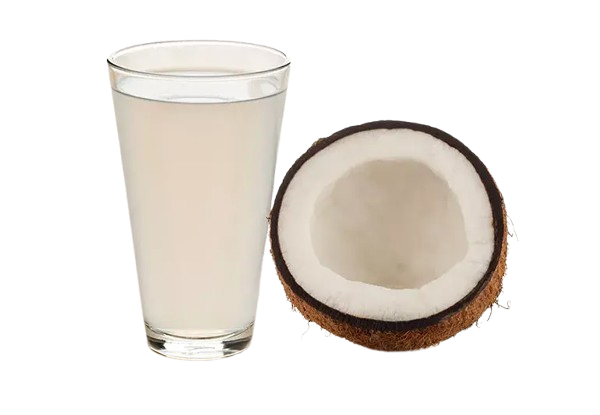
Coconut water calories are low, with a 100g (3.5 oz) serving of fresh, unsweetened coconut water containing 19 calories. A standard 8 fl oz glass (245g, 8.64 oz) provides 46 calories, and a 330ml container (11.6 oz) has 63 calories. Flavored or sweetened coconut waters are more calorie-dense, often ranging from 60 to over 120 calories per 8 fl oz serving. Coconut water nutrition facts show that a 100g portion contains 0.7g of protein (1% Daily Value/DV) and 0.2g of fat (0% DV), of which 0.18g is saturated fat. It contains 3.7g of carbohydrates (1% DV), with 2.6g of natural sugar, and 1.1g of fiber (4% DV). Key minerals include potassium (250mg, 5% DV), magnesium (25mg, 6% DV), and manganese (0.142mg, 6% DV). Sodium content is 105mg (5% DV) per 100g. Vitamins present in coconut water include Vitamin C (2.4mg, 3% DV) and trace amounts of B vitamins. Its composition of water and electrolytes makes it an effective natural beverage for hydration, especially after exercise (Saad, I., et al., 2007). The main types of coconut water are fresh/raw from young green coconuts, packaged 100% pure coconut water, and flavored or sweetened commercial varieties.
A daily consumption of one to two glasses, or 8 to 16 fl oz per day, of plain, unsweetened coconut water can be a healthy part of a diet. This amount is equivalent to 46 to 92 calories, which can be burned by doing 5-7 minutes of walking, 4-6 minutes of jogging, or about 6-8 minutes of cycling at a moderate intensity.
Coconut water is primarily consumed as a popular beverage, available from brands like Vita Coco and Zico, and used as a base for smoothies at chains like Jamba and Smoothie King. It is also used in desserts like the Filipino Buko Pandan found at Red Ribbon Bakeshop. Coconut water originated in the tropical regions of Southeast Asia or Northwestern South America, where it has been consumed fresh from young green coconuts for millennia. The top producers of the raw coconuts are Indonesia, the Philippines, and India, and the largest consumers of the packaged beverage are the United States and Brazil. The price of packaged coconut water has increased over the past 20 years, from $2.00 to $3.50 for a 1-liter carton in 2003 to $3.50 to $5.50 or more in recent times.
Coconut Water nutrition
| Stats | Weight |
|---|---|
| Carbs | 9 grams |
| Protein | 1 grams |
| Fats | 0 grams |
| Sugars | 7 grams |
- Young Coconut Water Calories (Nutritional Facts)
- Fresh Coconut Water Calories (Nutritional Facts)
- Raw Coconut Water Calories (Nutritional Facts)
- Electrolytes in Coconut Water
- Sodium in Coconut Water
- Potassium in Coconut Water
- Sugar in Coconut Water
- Fiber in Coconut Water
- Protein in Coconut Water
- Carbs in Coconut Water
- Fat in Coconut Water
- Saturated Fat Coconut Water
- Vitamins in Coconut Water
- Minerals in Coconut Water
Young Coconut Water Calories (Nutritional Facts)
A 100g (3.5 oz) serving of coconut water from fresh, young green coconuts contains 19 calories. One cup (240g, 8.47 oz) of young coconut water provides 46 calories. Young coconut water (100g) also contains 0.7g of protein, 3.7g of carbohydrates, and 0.2g of total fat.
Fresh coconut water, referring to the liquid straight from an unpasteurized coconut, contains 19 calories per 100g (3.5 oz). An 8 fl oz glass (245g, 8.64 oz) of fresh coconut water has 46 calories. The nutritional profile of fresh coconut water is identical to that of raw young coconut water.
A 100g (3.5 oz) serving of raw coconut water contains 19 calories. This portion provides 3.7g of total carbohydrates, 0.7g of protein, and 0.2g of fat. A 330ml container (330g, 11.6 oz) of raw coconut water contains 63 calories.
The primary electrolytes in coconut water are potassium, sodium, magnesium, and calcium. A 100g (3.5 oz) serving of coconut water contains 250mg of potassium (5% DV), 105mg of sodium (5% DV), 25mg of magnesium (6% DV), and 24mg of calcium (2% DV).
Coconut water contains 105mg of sodium per 100g (3.5 oz) serving (5% DV). One cup (240g, 8.47 oz) of coconut water provides 252mg of sodium (11% DV).
Coconut water is a good source of potassium, providing 250mg per 100g (3.5 oz) serving (5% DV). One cup (240g, 8.47 oz) of coconut water contains 600mg of potassium (13% DV).
Coconut water contains 2.6g of total sugars per 100g. One cup (240g, 8.47 oz) of coconut water has 6.3g of sugar. These are naturally occurring sugars.
Coconut water provides 1.1g of dietary fiber per 100g (4% DV). One cup (240g, 8.47 oz) of coconut water offers 2.6g of dietary fiber (9% DV).
Coconut water contains 0.7g of protein per 100g (1% DV). One cup (240g, 8.47 oz) of coconut water has 1.7g of protein (3% DV).
Coconut water has 3.7g of total carbohydrates per 100g (1% DV). One cup (240g, 8.47 oz) of coconut water contains 9.1g of total carbohydrates (3% DV).
Coconut water contains 0.2g of total fat per 100g (0% DV). One cup (240g, 8.47 oz) of coconut water has 0.5g of total fat (1% DV).
Coconut water contains 0.18g of saturated fat per 100g. One cup (240g, 8.47 oz) of coconut water has 0.43g of saturated fat (2% DV).
A 100g (3.5 oz) serving of coconut water provides Vitamin C at 2.4mg (3% DV). It also contains small amounts of B vitamins, including Riboflavin (Vitamin B2) at 0.057mg (4% DV) and Folate (Vitamin B9) at 3µg (1% DV).
A 100g (3.5 oz) serving of coconut water is a good source of Manganese, providing 0.142mg (6% DV). It also contains Magnesium at 25mg (6% DV), Potassium at 250mg (5% DV), Sodium at 105mg (5% DV), and Calcium at 24mg (2% DV).
Get a Custom Report on Coconut Water Nutrition Data – Contact Us!
What are the Types of Coconut Water?
There are several types of coconut water available, primarily differing by their source, processing method, and whether flavors or other ingredients have been added. The table below shows common types of coconut water and their general calorie information.
| Type | Description | Calories (per 8 fl oz / 240ml) | Calorie Qualifications |
|---|---|---|---|
|
Fresh/Raw Coconut Water
|
The liquid straight from a young, green coconut. Unprocessed, unpasteurized. Must be consumed quickly. | 45-60 | Lowest in calories, contains live enzymes. |
|
Packaged 100% Pure Coconut Water
|
Pasteurized (often flash-pasteurized or HPP - high pressure processed) to extend shelf life. No added sugar or flavors. The most common commercial type. | 45-60 | Similar calories to fresh. Pasteurization may slightly alter some enzymes and nutrients but core macros remain. |
|
Coconut Water from Concentrate
|
Coconut water that has been dehydrated into a syrup and then reconstituted with water. | 45-70 | Calorie content can be similar to pure coconut water but some nutrients may be lost in the concentration process. |
|
Flavored Coconut Water
|
100% coconut water with added natural fruit purees or juices (e.g., pineapple, mango). | 60-100 | Higher in calories and sugar due to the added fruit sugars. |
|
Sweetened Coconut Water
|
Coconut water with added sugar or other sweeteners. Often overlaps with "flavored" types. | 80-120+ | Significantly higher in calories and sugar. Less healthy option. |
|
Sparkling Coconut Water
|
Carbonated coconut water, can be plain or flavored. | 45-80 | Plain sparkling is similar to still coconut water. Flavored sparkling versions will have more calories from sugar. |
|
Coconut Water with Pulp (Coconut bits)
|
Coconut water with small, soft pieces of coconut meat added. | 60-90 | Slightly higher in calories and fat due to the coconut meat. |
What are the Main Dishes with Coconut Water?
Some of the most widespread culinary uses for coconut water in main dishes are in rice preparations and light, brothy stews. It imparts a delicate sweetness and depth of flavor. The table below lists dishes where coconut water can be a characteristic ingredient. The nutritional information is for the entire dish and can vary significantly based on all ingredients.
| Dish Name | Calories (per serving) | Type of Coconut Water Used (Fresh/Packaged) | Carbs (g) | Sugar (g) | Protein (g) | Fat (g) | Cuisine | Restaurants |
|---|---|---|---|---|---|---|---|---|
|
Coconut Rice (cooked with coconut water/milk)
|
250-400 (1 cup) | Fresh or Packaged | 40-55 | 1-3 | 4-6 | 5-15 | Southeast Asian, Caribbean, Latin American | Many Thai, Malaysian, or Caribbean restaurants, e.g., Golden Krust Caribbean Bakery & Grill |
|
Brazilian Fish Stew (Moqueca - some versions use coconut water & milk)
|
400-650 | Fresh or Packaged | 15-30 | 5-10 | 25-40 | 20-35 | Brazilian (Bahian) | Restaurants specializing in Brazilian cuisine, e.g., Fogo de Chão (seasonal seafood) |
|
Filipino Chicken Tinola (sometimes with coconut water)
|
250-400 (bowl) | Fresh | 5-15 | 2-4 | 20-30 | 8-15 | Filipino | Max's Restaurant, Jollibee (some soup dishes) |
|
Vietnamese Sour Soup (Canh Chua - some regional variations)
|
200-350 | Fresh | 15-25 | 8-15 | 10-20 | 5-10 | Vietnamese | Local Vietnamese restaurants |
|
Ceviche (some recipes use coconut water in the marinade)
|
150-250 (appetizer) | Fresh | 10-20 | 3-7 | 15-25 | 2-8 | Latin American | Upscale Latin American or seafood restaurants |
|
Poached Fish in Coconut Water
|
200-350 | Fresh or Packaged | 2-8 | 1-4 | 25-35 | 5-12 | Tropical, Fusion | Contemporary seafood restaurants with tropical influences |
|
Smoothie Base (using coconut water)
|
Varies | Packaged | Varies | Varies | Varies | Varies | Health-conscious, American | Jamba, Smoothie King, local juice bars |
|
Rice Noodles cooked in Coconut Broth
|
300-450 | Fresh or Packaged | 40-55 | 3-6 | 6-10 | 5-10 | Southeast Asian | Some modern Asian or vegan restaurants |
What are Desserts with Coconut Water?
Coconut water's natural sweetness and light, refreshing quality make it an excellent liquid base for a variety of healthy and tropical-themed desserts. It is particularly well-suited for frozen treats, jellies, and puddings.
| Dish Name | Calories (per serving) | Type of Coconut Water Used | Carbs (g) | Sugar (g) | Protein (g) | Fat (g) | Cuisine | Restaurants/Brands |
|---|---|---|---|---|---|---|---|---|
|
Coconut Water Popsicles/Ice Pops
|
40-80 (per pop) | Fresh or Packaged | 10-20 | 8-18 | <1 | 0-1 | Healthy Treats, Tropical | Outshine (some fruit bars), Chloe's Fruit (brand), often homemade |
|
Coconut Water Gelatin/Jelly (Nata de Coco often included)
|
60-120 | Fresh or Packaged | 15-30 | 12-28 | <1 | 0-1 | Asian, Tropical | Asian supermarkets (pre-packaged jellies), some dessert shops in Asian communities |
|
Chia Seed Pudding with Coconut Water
|
200-350 | Fresh or Packaged | 20-35 | 10-20 | 5-8 | 8-15 | Healthy Treats, Vegan | Health-focused cafes, e.g., Le Pain Quotidien (some chia puddings) |
|
Tropical Fruit Sorbet (with coconut water base)
|
80-150 | Fresh or Packaged | 20-35 | 18-30 | <1 | 0-1 | International | Artisanal ice cream and sorbet shops |
|
Buko Pandan (Filipino dessert - uses young coconut water & meat)
|
250-400 | Fresh Young Coconut | 30-45 | 20-30 | 3-6 | 10-18 | Filipino | Red Ribbon Bakeshop, Goldilocks Bakeshop |
|
Agar-Agar Jelly with Coconut Water & Fruit
|
100-180 | Fresh or Packaged | 25-40 | 20-35 | <1 | 0-1 | Southeast Asian | Often homemade or found in specialty dessert shops |
What Cuisines Prefer Coconut Water the Most?
Coconut water is most deeply integrated and preferred in the cuisines of tropical regions where coconuts are abundant. It is consumed both as a refreshing beverage on its own and as an ingredient in various dishes. Southeast Asian cuisines (Thai, Vietnamese, Filipino), Caribbean cuisines, the cuisine of the Indian state of Kerala, and various Latin American and Pacific Islander cuisines all make extensive use of coconut water. In Western countries, it is primarily preferred as a health and wellness beverage.
| Cuisine | Dish/Beverage Name | Calories (per serving) | Restaurants/Brands |
|---|---|---|---|
|
Filipino
|
Buko Juice (Fresh Young Coconut Drink) | 45-60 (8 oz) | Max's Restaurant, Jollibee (sometimes offer buko drinks) |
|
Filipino
|
Buko Pandan Salad (Dessert) | 250-400 | Red Ribbon Bakeshop, Goldilocks Bakeshop |
|
Thai
|
Tom Kha Gai (Coconut Soup, sometimes thinned with coconut water) | 350-500 (bowl) | Most Thai restaurants |
|
Brazilian
|
Água de Coco (as a standalone beverage) | 45-60 (8 oz) | Street vendors in Brazil, Brazilian restaurants like Fogo de Chão (beverage menu) |
|
Indian (Keralan)
|
Tender Coconut Payasam (Dessert) | 250-400 | Restaurants specializing in Keralan cuisine |
|
Caribbean
|
As a refreshing drink and base for cocktails | Varies | Golden Krust Caribbean Bakery & Grill (beverage menu), resort bars in the Caribbean |
|
Vietnamese
|
Rau câu dừa (Coconut Jelly) | 60-120 | Vietnamese bakeries and dessert shops |
|
American (Health & Wellness Culture)
|
As a standalone beverage for hydration, in smoothies | Varies | Vita Coco, Zico, Harmless Harvest (brands), Jamba, Smoothie King |
Which Countries Produce the Most Coconut Water?
The top producers of coconut water are, therefore, the largest producers of coconuts. These are Indonesia, the Philippines, and India, followed by Brazil and Sri Lanka. These countries have massive coconut plantations and are the primary sources for the raw material. In 2022, Indonesia produced over 18,000 kilotonnes of coconuts. Thailand and Vietnam are also major players, particularly in processing and exporting packaged coconut water. The table below shows the production volume of "Coconuts" for these leading countries over the past two decades, based on data from the Food and Agriculture Organization of the United Nations (FAO).
| Country | 2004 | 2005 | 2006 | 2007 | 2008 | 2009 | 2010 | 2011 | 2012 | 2013 | 2014 | 2015 | 2016 | 2017 | 2018 | 2019 | 2020 | 2021 | 2022 | 2023 (Est.) |
|---|---|---|---|---|---|---|---|---|---|---|---|---|---|---|---|---|---|---|---|---|
| Indonesia | 15,500 | 16,000 | 16,500 | 17,000 | 17,500 | 18,000 | 18,500 | 18,800 | 19,000 | 19,200 | 19,300 | 19,000 | 18,500 | 18,200 | 17,800 | 17,500 | 17,100 | 17,800 | 18,100 | 18,200 |
| Philippines | 13,800 | 14,200 | 14,600 | 15,000 | 15,200 | 15,500 | 15,800 | 15,500 | 15,200 | 14,800 | 14,500 | 14,200 | 13,800 | 14,000 | 14,300 | 14,500 | 14,700 | 14,800 | 14,900 | 15,000 |
| India | 12,500 | 12,800 | 13,100 | 13,500 | 13,800 | 14,000 | 14,200 | 14,500 | 14,700 | 14,800 | 14,900 | 14,700 | 14,500 | 14,300 | 14,000 | 13,800 | 13,500 | 13,300 | 13,100 | 13,000 |
| Brazil | 2,800 | 2,850 | 2,900 | 2,950 | 3,000 | 2,900 | 2,800 | 2,750 | 2,700 | 2,650 | 2,600 | 2,550 | 2,500 | 2,450 | 2,400 | 2,350 | 2,300 | 2,250 | 2,200 | 2,180 |
| Sri Lanka | 2,100 | 2,150 | 2,200 | 2,250 | 2,300 | 2,200 | 2,100 | 2,000 | 1,900 | 1,800 | 1,850 | 1,900 | 1,950 | 2,000 | 2,050 | 2,100 | 2,150 | 2,200 | 2,250 | 2,280 |
| Vietnam | 800 | 850 | 900 | 950 | 1,000 | 1,050 | 1,100 | 1,150 | 1,200 | 1,250 | 1,300 | 1,350 | 1,400 | 1,450 | 1,500 | 1,550 | 1,600 | 1,650 | 1,700 | 1,720 |
Which Countries Consume the Most Coconut Water?
Based on market data from firms like Statista, Nielsen, and various beverage industry reports, the United States is the largest consumer of packaged coconut water by total volume. Its popularity is driven by a strong health and wellness trend and marketing that positions it as a natural sports drink. Brazil is another massive consumer market, where fresh "água de coco" is a traditional and ubiquitous beverage. Consumption is also very high throughout Southeast Asia (especially the Philippines, Thailand, Indonesia) and India, where it is a common, everyday drink often consumed fresh from the coconut.
| Country | 2004 | 2005 | 2006 | 2007 | 2008 | 2009 | 2010 | 2011 | 2012 | 2013 | 2014 | 2015 | 2016 | 2017 | 2018 | 2019 | 2020 | 2021 |
|---|---|---|---|---|---|---|---|---|---|---|---|---|---|---|---|---|---|---|
| USA | <5 | <5 | 10 | 15 | 25 | 40 | 60 | 90 | 130 | 170 | 210 | 250 | 280 | 310 | 330 | 350 | 360 | 370 |
| Brazil | 50 | 55 | 60 | 65 | 70 | 75 | 80 | 85 | 90 | 95 | 100 | 105 | 110 | 115 | 120 | 125 | 120 | 122 |
| United Kingdom | <1 | <1 | <1 | 2 | 4 | 6 | 8 | 12 | 18 | 25 | 32 | 40 | 45 | 50 | 55 | 60 | 58 | 60 |
| Canada | <1 | <1 | 1 | 2 | 3 | 5 | 7 | 10 | 14 | 18 | 22 | 26 | 30 | 33 | 36 | 38 | 37 | 38 |
| Australia | <1 | <1 | 1 | 2 | 3 | 4 | 6 | 9 | 12 | 16 | 20 | 24 | 28 | 31 | 34 | 36 | 35 | 36 |
| China | <5 | <5 | <5 | 10 | 15 | 20 | 25 | 30 | 35 | 40 | 45 | 50 | 55 | 60 | 65 | 70 | 75 | 80 |
How Do Prices of Coconut Water-including Dishes Change?
The price of coconut water has generally increased over the past 15 years, reflecting its growth from a niche health product to a mainstream beverage. The table below shows a comparison of estimated prices.
| Establishment/Brand | Offering | Old Price (2010-2012) | Current Price (2024-2025) |
|---|---|---|---|
| Whole Foods Market | Vita Coco or Zico Coconut Water (11.1 fl oz / 330ml bottle) | $1.99 - $2.49 | $2.79 - $3.49 |
| Starbucks | Evolution Fresh Coconut Water (if available) | $2.95 - $3.95 | $3.95 - $5.25 |
| 7-Eleven | Vita Coco or similar brand (16.9 fl oz / 500ml can/bottle) | $2.49 - $3.29 | $3.29 - $4.49 |
| Supermarket (Kroger, Albertsons) | Store Brand 1-Liter Carton of Coconut Water | $2.99 - $3.99 | $3.79 - $5.29 |
What is the Coconut Water Calorie for 100g?
A 100g (3.5 oz) serving of fresh, raw coconut water contains 19 calories.
What is the Coconut Water Calorie for 1 KG?
One kilogram (1000g, 35.27 oz) of fresh, raw coconut water contains 190 calories.
What is the Coconut Water Calorie for 1 Glass?
One glass (8 fl oz or 245g, 8.64 oz) of fresh coconut water contains 46 calories. A larger 12 fl oz (368g) glass contains 70 calories.
What is the Coconut Water Calorie for 100ml?
A 100ml (3.4 fl oz or 100g) serving of coconut water contains 19 calories.
What is the Coconut Water Calorie for 1 Coconut?
The calorie content of the water from one coconut varies by the coconut's size and maturity. The water from one average young green coconut (which can yield 200-1000ml of water) contains between 38 and 190 calories. A typical medium young coconut yielding 1.5 cups (360ml) of water would provide 68 calories.
What are the Health Benefits of Coconut Water?
Coconut water provides some health benefits like promoting hydration and replenishing electrolytes due to its natural content of water, potassium, and other minerals. A list of the health benefits of coconut water are shown below:
- Excellent Source of Hydration: Coconut water is composed of over 94% water and contains electrolytes, making it an effective natural beverage for hydration, especially after exercise or during hot weather. (Saad, I., et al., 2007, "Rehydration with sodium-enriched coconut water after exercise-induced dehydration").
- Rich in Key Electrolytes: It is a good source of potassium, an essential electrolyte for maintaining fluid balance, nerve function, and healthy blood pressure. It also provides smaller amounts of magnesium, calcium, and sodium. (USDA FoodData Central, "Nuts, coconut water").
- May Support Heart Health: The potassium content in coconut water can help counteract the effects of sodium and contribute to lower blood pressure levels. Some animal studies have also suggested it may help reduce cholesterol and triglycerides. (Anurag, P. & Rajamohan, T., 2003, "Cardioprotective effect of tender coconut water in experimental myocardial infarction").
- Contains Antioxidants: Coconut water contains antioxidants that help neutralize oxidative stress and free radicals in the body, which can protect cells from damage. (Loki, A.L. & Rajamohan, T., 2003, "Hepatoprotective and antioxidant effect of tender coconut water on CCl4 induced liver injury in rats").
- May Help Prevent Kidney Stones: Staying hydrated is key to preventing kidney stones. Additionally, some research suggests that coconut water may be even better than plain water at preventing kidney stones by reducing crystal and stone formation in animal studies. (Gandhi, M., et al., 2013, "Prophylactic effect of coconut water (Cocos nucifera L.) on ethylene glycol induced nephrocalcinosis in male wistar rat").
- Low-Calorie Alternative to Sugary Drinks: Unsweetened coconut water is relatively low in calories and sugar compared to sodas, fruit juices, and many sports drinks, making it a healthier choice for a flavorful beverage.
What are the Downsides of Coconut Water?
Coconut water has been known to cause some unwanted effects like potential for high sugar intake in flavored varieties and electrolyte imbalances if consumed in extreme excess, due to its specific nutritional composition. A list of the downsides of coconut water are shown below:
- High in Sugar (Flavored Varieties): While plain coconut water has natural sugars, many commercially available flavored coconut waters contain significant amounts of added sugar, which contributes to empty calories and can negate its health benefits.
- Calorie Content: Although lower than many other beverages, coconut water is not calorie-free. A standard serving contains 45-60 calories, which can add up if consumed in large quantities, potentially impacting weight management efforts.
- High in Potassium: The high potassium content, while a benefit for most, can be a concern for individuals with kidney disease who cannot properly excrete potassium, leading to a dangerous condition called hyperkalemia. (Hak, E.B., et al., 2014, "Hyperkalemia From Coconut Water").
- Not a Complete Sports Drink for Intense Exercise: While good for general hydration, coconut water is lower in sodium and carbohydrates compared to traditional sports drinks, which may be more effective for rehydration and refueling during long, intense exercise sessions. (Saat, M., et al., 2002, "Rehydration after exercise with fresh young coconut water, carbohydrate-electrolyte beverage and plain water").
- Cost: Packaged coconut water is generally more expensive than water or some other beverages.
- Potential for Digestive Upset: For some individuals, drinking large amounts of coconut water can cause digestive discomfort, such as bloating or an upset stomach.
Is Coconut Water Good for You?
Yes, in moderation, unsweetened coconut water can be good for you. It is a natural source of hydration and provides essential electrolytes, most notably potassium and magnesium, which are important for various bodily functions including blood pressure regulation and muscle function. (Saat, M., et al., 2002, "Rehydration after exercise with fresh young coconut water, carbohydrate-electrolyte beverage and plain water"). It is also low in calories and sugar compared to most fruit juices and sodas. The presence of antioxidants further adds to its health benefits. (Loki, A.L. & Rajamohan, T., 2003, "Hepatoprotective and antioxidant effect of tender coconut water on CCl4 induced liver injury in rats").
The American Heart Association recommends that most of the fluid a person drinks should be water, but unsweetened beverages like coconut water can contribute to hydration. For most healthy, active individuals, a serving of 8-12 oz of pure coconut water per day can be a healthy part of their diet. (U.S. Department of Agriculture and U.S. Department of Health and Human Services, "Dietary Guidelines for Americans, 2020-2025").
Can Coconut Water Act as a Laxative and Soothe Gastric Discomfort?
Yes, coconut water can have a mild laxative effect for some individuals and may also help soothe certain types of gastric discomfort. Its high potassium content helps maintain proper fluid balance in the digestive tract, which can aid in preventing constipation. The presence of magnesium in coconut water can also contribute to a mild laxative effect, as magnesium helps relax intestinal muscles and draw water into the bowels. (Slavin, J.L. & Lloyd, B., 2012, "Health benefits of fruits and vegetables"). For gastric discomfort, such as after a bout of diarrhea or vomiting, coconut water can be beneficial for rehydration due to its balance of water and electrolytes, helping to restore lost fluids and minerals gently. (Adams, W. & Bratt, D.E., 1992, "Young coconut water for home rehydration in children with mild gastroenteritis"). However, for others, particularly those not used to it, drinking large amounts can lead to bloating or an upset stomach.
How Much Coconut Water Should a Person Drink Daily?
A person can generally drink one to two cups (8-16 fl oz or 240-480ml) of unsweetened coconut water daily as part of a healthy hydration plan. There is no official recommended daily consumption limit for coconut water, but moderation is key. Drinking coconut water daily can contribute to hydration and provide beneficial electrolytes like potassium and magnesium, which support heart health and muscle function. (Saat, M., et al., 2002, "Rehydration after exercise with fresh young coconut water, carbohydrate-electrolyte beverage and plain water"). Its antioxidant content may also help combat oxidative stress. (Loki, A.L. & Rajamohan, T., 2003, "Hepatoprotective and antioxidant effect of tender coconut water on CCl4 induced liver injury in rats"). The best time of day to drink it can be after light to moderate exercise for rehydration, in the morning for a gentle boost of electrolytes, or anytime as a low-sugar alternative to other sweetened beverages.
What Happens When You Drink Coconut Water on an Empty Stomach?
Drinking coconut water on an empty stomach is generally safe for most people and allows for quick absorption of its electrolytes and nutrients. The coconut water benefits and side effects when consumed this way are often highlighted. Benefits include kickstarting hydration for the day, delivering electrolytes like potassium and magnesium directly to your system, and providing a gentle energy boost from its natural sugars without a heavy digestive load. Some people find that drinking coconut water on an empty stomach helps with morning cleansing or settling the stomach.
But it is important to be aware of the risks of drinking coconut water on an empty stomach for some individuals. The natural sugars, though modest, could still cause a mild blood sugar response. More significantly, some people may experience digestive discomfort, bloating, or a laxative effect, particularly if they are not used to it or drink a large quantity. The key to enjoying coconut water benefits on an empty stomach is to start with a small amount and see how your body responds.
Can Drinking Coconut Water on an Empty Stomach Help with Acid Reflux?
Yes, for some individuals, drinking coconut water on an empty stomach may help with acid reflux. Coconut water has a relatively neutral to slightly alkaline pH once metabolized, which may help to temporarily buffer stomach acid and soothe irritation in the esophagus. Its high electrolyte content, particularly potassium, can also contribute to overall digestive health. (Fenton, T.R. & Lyon, A.W., 2011, "Milk and acid-base balance: proposed hypothesis versus scientific evidence"). Furthermore, as a natural, low-fat beverage, it is less likely to trigger reflux compared to fatty, spicy, or highly acidic drinks like coffee or orange juice. While direct large-scale clinical trials on coconut water specifically for acid reflux are limited, anecdotal evidence and its general properties suggest it can be a gentle option. (Yadav, M., et al., 2014, "Tender coconut water: A review on its nutritional and health benefits"). It is important to choose unsweetened coconut water, as high sugar content can sometimes worsen reflux symptoms for some people. (Kou, W.G., et al., 2019, "Diet and Lifestyle in the Management of Gastroesophageal Reflux Disease: Why We Feel the Burn").
Can Drinking Coconut Water Regularly Relieve Constipation?
Yes, drinking coconut water regularly can help relieve constipation for some individuals, primarily through its hydrating properties and mineral content. Dehydration is a common cause of constipation, and coconut water, being over 94% water, is an effective way to increase fluid intake. (Popkin, B.M., et al., 2010, "Water, hydration, and health"). In addition to hydration, coconut water contains a significant amount of magnesium, a mineral that helps to relax intestinal muscles and draw water into the bowels, which can soften stool and promote bowel movements. (Slavin, J.L. & Lloyd, B., 2012, "Health benefits of fruits and vegetables"). It also contains potassium, which is important for proper muscle function, including the smooth muscles of the digestive tract. While not a potent laxative, incorporating coconut water into a daily routine, alongside a diet rich in fiber, can contribute to better digestive regularity. (Quigley, E.M.M., 2011, "Probiotics and constipation: A new treatment option?").
Which Coconut Water Should Diabetics Choose - Young or Mature?
Diabetics should choose coconut water from young, green coconuts over that from mature, brown coconuts. The water from young coconuts is lower in natural sugars and calories compared to the liquid found inside mature coconuts. As a coconut matures, the composition of its water changes, with sugar and fat content generally increasing as it contributes to the development of the coconut meat. Young coconut water has a lower glycemic index, meaning it is less likely to cause a rapid spike in blood sugar levels, which is a critical consideration for managing diabetes. (Trinidad, T.P., et al., 2004, "Glycaemic index of different coconut (Cocos nucifera)-flour products in normal and diabetic subjects"). It is also essential for individuals with diabetes to choose 100% pure coconut water without any added sugars or fruit juices. (American Diabetes Association, "Healthy Food Choices").
How Do Calories Change According to Coconut Water Types?
The calorie content of coconut water changes significantly based on whether sugars, fruit purees, or coconut pulp are added. The lowest calorie options are fresh, raw coconut water and packaged 100% pure coconut water, both of which contain 45 to 60 calories per 8 fl oz serving. These calories are from the naturally occurring sugars and small amounts of protein and fat. Coconut water from concentrate is in a similar low-calorie range. The calorie count starts to increase with flavored and sweetened varieties. Flavored coconut water, with added fruit juices or purees, typically contains 60 to 100 calories per serving. Sweetened coconut water, which has added sugar like cane sugar, will be higher, often ranging from 80 to over 120 calories, making it the highest calorie option among non-alcoholic types and comparable to other sugary drinks. Coconut water with added pulp will be slightly higher in calories than plain coconut water due to the fat and fiber from the coconut meat, generally in the 60 to 90 calorie range. Sparkling coconut water's calorie content will mirror its still counterpart, being low if plain and higher if flavored and sweetened.
What is the Origin of Coconut Water?
The origin of coconut water as a beverage is tied to the origin of the coconut palm (Cocos nucifera) itself, which is believed to have originated in the tropical regions of Southeast Asia or Northwestern South America thousands of years ago. For as long as coastal and tropical peoples have been utilizing coconuts, they have been drinking the sterile, refreshing liquid found inside young, green coconuts. This water served as a vital source of safe hydration in regions where clean drinking water might not have always been available.
Its importance as a natural, hydrating beverage has been documented in various cultures for centuries. In traditional Ayurvedic medicine in India, coconut water was valued for its cooling and digestive properties. During World War II in the Pacific Theater, coconut water was reportedly used as an emergency intravenous hydration fluid for wounded soldiers when standard IV saline was not available.
A classic dish, or rather a simple preparation that highlights its origin, is "Buko Juice" from the Philippines. "Buko" means young coconut in Tagalog. This isn't a complex dish but the purest form of consumption: a young green coconut is simply opened, and the naturally sweet and refreshing water is drunk directly from the shell, often with a straw.
Explore More Beverages
Discover more Beverages with detailed nutrition facts, calorie counts, vitamins, minerals, and health benefits. Compare similar foods, serving sizes, macronutrients, and key nutrients to find the best option for your diet and nutrition goals.
 Almond Milk calories
 Aloe Vera Juice calories
 Americano calories
 Apple Cider calories
 Apple Juice calories
 Apricot Juice calories
 Aronia Juice calories
 Avocado Shake calories
 Banana Juice calories
 Baobab Juice calories
 Barley Tea calories
 Beer calories