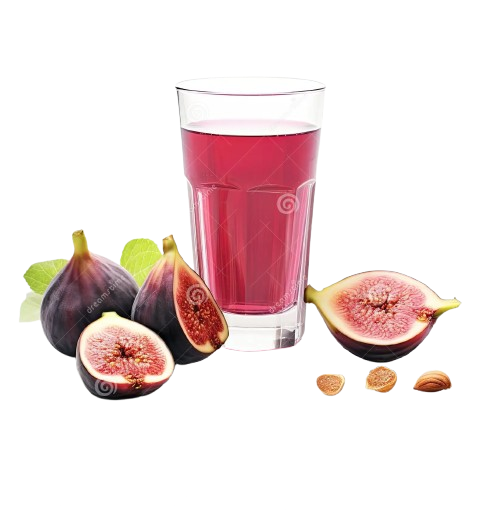
Integrating fig juice into a balanced diet offers notable physiological perks, such as aiding digestion and delivering beneficial antioxidants. This dark, honey-toned beverage is a recognized pantry staple in the Middle East and the Mediterranean. A list of the health benefits of fig juice are shown below.
- Aids Digestion: The juice contains mild laxative properties and residual soluble fiber that naturally soften stool and relieve constipation.
- Provides Cellular Protection: Phenolic compounds defend tissues from oxidative stress.
- Supports Cardiovascular Health: The natural potassium aids in balancing bodily sodium, which manages steady blood pressure.
- Delivers Rapid Energy: Simple carbohydrates from the natural fructose transfer glucose quickly into the bloodstream.
- Contributes to Hydration: The water volume assists individuals in meeting their daily fluid requirements.
- Assists Bone Density: Trace amounts of calcium and magnesium help maintain skeletal strength.
What are the Downsides of Fig Juice?
Consuming fig juice can trigger certain physiological drawbacks, specifically rapid blood sugar elevation and osmotic diarrhea due to its natural sugar concentration. A list of the downsides of fig juice are shown below.
- Induces Gastrointestinal Distress: High intakes of the natural fruit compounds draw excess water into the intestines, causing bloating, gas, and diarrhea.
- Elevates Blood Sugar: The removal of dietary fiber causes rapid fructose absorption, triggering sharp insulin releases.
- Contributes to Weight Gain: Drinking liquid calories bypasses the fullness signals normally activated by eating whole fruit, leading to caloric surpluses over time.
- Promotes Dental Decay: Natural fruit acids and sugars weaken tooth enamel and provide food for oral bacteria.
Are Fig Juices Good for You?
Yes, drinking fig juice is a beneficial dietary choice when managed with strict portion control, providing hydration and plant polyphenols in a 100 ml serving. Healthy individuals should limit intake to 120 ml (0.5 cup) daily to secure the digestive properties of the fruit without taking in excess simple sugars. A study by Mawa et al. (2013), "Ficus carica L. (Moraceae): Phytochemistry, Traditional Uses and Biological Activities," notes that the bioactive compounds in figs provide measurable cellular support. It is a sweet, functional drink that demands portion control.
How Do Calories Change According to Fig Juice Types?
The total energy values in fig juice fluctuate heavily based on the specific water dilution and added sweeteners. Standard 100% Fig Juice contains 53 calories per 100 ml. If the product is a Fig Nectar, the energy rises to 68 calories per 100 ml because producers blend in cane sugar to enhance the heavy fruit puree. A Fig and Apple Juice Blend yields 55 calories per 100 ml since apple juice bases carry a slightly denser natural sugar profile. When carbonated water is injected to produce Sparkling Fig Juice, the value decreases to 40 calories per 100 ml because the gas takes up physical space in the liquid.
What is the Origin of Fig Juice?
The earliest agricultural origin of fig juice is traced back to ancient Western Asia and the Middle East, where the raw Ficus carica tree was first domesticated. The fruit traveled along historical trade routes to Persia and the Mediterranean, where early agrarian societies sun-dried the fruit pulp or boiled it with water to create a thick, sweet liquid for preservation and hydration. As mechanical pressing and pasteurization improved during the 20th century, the beverage evolved into a shelf-stable commercial nectar valued for its rich, earthy flavor and digestive properties.