Calories and Nutritions in Ginger Tea
Ginger tea is widely consumed, especially in Asia, due to its ability to alleviate nausea. Ginger tea calories are very low, with a standard 240 mL (8 fl oz) cup of homemade, unsweetened tea containing only 5 calories. A larger 473 mL (16 fl oz or one mug) serving contains 7 calories. The ginger tea nutrition facts show it is not a significant source of macronutrients; a 240 mL serving has less than 0.1 g of protein, less than 0.1 g of fat, and about 1.2 g of carbohydrates with negligible sugar. Its main benefits come from bioactive compounds in the ginger root, especially gingerol, which has potent anti-inflammatory and antioxidant effects. Research confirms ginger's effectiveness against nausea, with a meta-analysis finding it beneficial for preventing postoperative nausea and vomiting (Chaiyakunapruk N, et al. 2006 "The efficacy of ginger for the prevention of postoperative nausea and vomiting: a meta-analysis").
Common types of ginger tea include homemade from fresh root, commercial tea bags (0-5 calories), lemon ginger tea (5-10 calories), honey ginger tea (25-70+ calories), and instant mixes (70-100+ calories). The primary ingredient, ginger, is produced globally, with India, Nigeria, and China being the top producers; India produced 2,274 kilotonnes in 2022. These countries are also the largest consumers. The price of fresh ginger has seen an upward trend over the last 20 years; in the US, a pound of ginger that cost $1.50 to $2.50 in 2004, has increased to as much as $5.00 in 2024.
A daily consumption of 1 to 3 cups of unsweetened ginger tea (5 to 15 calories) is a common way to enjoy its benefits. Burning the minimal calories from plain ginger tea is achieved through normal daily activity. Burning the calories from a cup of ginger tea with one tablespoon of honey (around 69 calories) requires activities such as 7-10 minutes of jogging or 10-15 minutes of brisk walking.
Ginger, the key component of the tea, is a foundational aromatic in countless dishes. It is essential in main dishes like Ginger Chicken with Broccoli at P.F. Chang's and a base for most Indian curries served at restaurants like Swagat Indian Cuisine. Ginger is also a popular spice in desserts, featured in Gingerbread Cookies at Panera Bread and in artisanal Ginger Ice Cream at shops like Salt & Straw.
The origin of ginger tea is tied to the history of the ginger root (Zingiber officinale), which is native to Southeast Asia and has been cultivated in China and India for thousands of years. It was valued in ancient times as a culinary spice and a key component in traditional medicine systems like Ayurveda. An iconic beverage that highlights ginger's cultural importance is Masala Chai, a spiced milk tea from India. In this preparation, fresh, crushed ginger is simmered with black tea, milk, a sweetener, and a blend of other spices like cardamom and cinnamon, creating a warming and aromatic drink that is a daily staple across the subcontinent.
Ginger Tea nutrition
| Stats | Weight |
|---|---|
| Carbs | 1.4 grams |
| Protein | 0.08 grams |
| Fats | 0 grams |
| Sugars | 0 grams |
- Large Ginger Tea Calories (Nutritional Facts)
- Medium Ginger Tea Calories (Nutritional Facts)
- Small Ginger Tea Calories (Nutritional Facts)
- Lemon Ginger Tea Calories (Nutritional Facts)
- Honey Ginger Tea Calories (Nutritional "Facts)
- Raw Ginger Tea Nutrition
- Sodium in Ginger Tea
- Potassium in Ginger Tea
- Sugar in Ginger Tea
- Fiber in Ginger Tea
- Protein in Ginger Tea
- Carbs in Ginger Tea
- Fat in Ginger Tea
- Vitamins in Ginger Tea
- Minerals in Ginger Tea
Large Ginger Tea Calories (Nutritional Facts)
A large serving of homemade ginger tea, made with fresh ginger and water, weighing 473 mL (16 fl oz or one mug), contains 7 calories. This serving provides 0.06 g of fat, 0.1 g of protein, and 1.6 g of carbohydrates.
A medium serving of homemade ginger tea, weighing 355 mL (12 fl oz), contains 6 calories. This serving size includes 0.05 g of fat, 0.08 g of protein, and 1.4 g of carbohydrates.
A small serving of homemade ginger tea, considered as one teacup or 240 mL (8 fl oz), contains 5 calories. This portion offers 0.04 g of fat, 0.07 g of protein, and 1.16 g of carbohydrates.
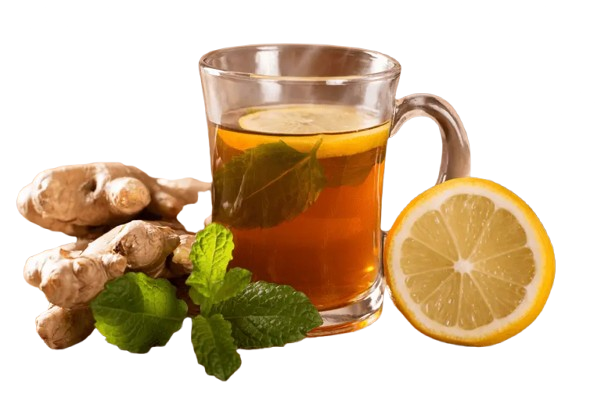
Lemon ginger tea, made with fresh ginger, lemon juice, and water, is very low in calories. A 240 mL (8 fl oz) cup contains 5-10 calories, primarily from the carbohydrates in the lemon and ginger. A commercial tea bag, like Twinings Lemon & Ginger Tea, produces a beverage with 2 calories per serving.
A 240 mL (8 fl oz) cup of ginger tea (5 calories) with one teaspoon (tsp) of honey (21 calories) contains 26 calories. A cup of the same size with one tablespoon (tbsp) of honey (64 calories) contains 69 calories. Honey ginger tea's calorie content is determined by the amount of honey added.
A 240 mL (8 fl oz) serving of this tea provides 5 calories. Its macronutrient breakdown consists of 1.16 g of carbohydrates (84%), 0.04 g of fat (9%), and 0.07 g of protein (8%). It contains trace amounts of vitamins and minerals infused from the ginger root.
Homemade ginger tea made with fresh ginger and water contains a negligible amount of sodium, less than 5 mg per 240 mL (8 fl oz) serving, contributing 0% of the Daily Value (DV).
A 240 mL (8 fl oz) serving of homemade ginger tea provides 15-30 mg of potassium, which is less than 1% of the DV.
Unsweetened ginger tea made from fresh ginger contains a negligible amount of sugar, less than 0.1 g per 240 mL (8 fl oz) serving. Instant ginger tea mixes, like Alitea, can be high in sugar, containing around 15 g per serving.
Ginger tea, being an infusion, contains 0 g of dietary fiber, as the fibrous part of the ginger root is not consumed.
A 240 mL (8 fl oz) serving of homemade ginger tea contains less than 0.1 g of protein.
A 240 mL (8 fl oz) serving of homemade ginger tea contains 1.16 g of total carbohydrates. Instant ginger tea mixes are much higher, with a serving of Alitea Ginger Tea containing 17 g of carbohydrates.
A 240 mL (8 fl oz) serving of homemade ginger tea contains less than 0.1 g of total fat.
Homemade ginger tea is not a significant source of vitamins. It contains trace amounts of Vitamin C infused from the fresh ginger but provides less than 1% DV for most essential vitamins.
Homemade ginger tea contains trace amounts of minerals like potassium and magnesium but is not a significant source, providing less than 1% DV for most essential minerals in a standard serving.
Get a Custom Report on Ginger Tea Nutrition Data – Contact Us!
What are the Types of Ginger Tea?
There are several different types of ginger tea, primarily differing in the form of ginger used and whether other ingredients are added. The table below shows the most common ginger tea types and their calorie information.
| Type | Description | Calories (per 8 fl oz / 240 mL) | Calorie Differences & Qualifications |
|---|---|---|---|
|
Homemade Ginger Tea (from Fresh Root)
|
Tea made by steeping slices of fresh ginger root in hot water. | 2-5 | The baseline, lowest calorie option. Contains the highest levels of active compounds like gingerol. Flavor is pungent and spicy. |
|
Ginger Tea (from Tea Bags)
|
Commercial tea bags containing dried ginger pieces, sometimes blended with other herbs or flavors. | 0-5 | Very low in calories. Convenient, but may have a milder flavor and potentially fewer volatile oils than fresh ginger tea. A Twinings Lemon & Ginger tea bag yields a 2-calorie drink. |
|
Honey Ginger Tea
|
Any ginger tea with added honey for sweetness and its own soothing properties. | 25-70+ | Calories depend entirely on the amount of honey added. A teaspoon of honey adds about 21 calories; a tablespoon adds about 64 calories. |
|
Lemon Ginger Tea
|
Ginger tea with added fresh lemon juice. | 5-10 | Adds a small number of calories and a significant boost of Vitamin C from the lemon. |
|
Instant Ginger Tea Mix
|
A powdered mix that dissolves in water, containing ginger extract, sugar, and sometimes creamer or honey powder. | 70-100+ | Significantly higher in calories due to a large amount of added sugar. An Alitea instant ginger tea serving contains 81 calories. It is the least healthy option. |
What are the Desserts with Ginger Tea?
Ginger tea itself is a beverage, but its key ingredient, ginger, is a popular spice in many desserts, adding a warm, pungent kick that complements sweet flavors. Desserts can be infused with ginger tea or, more commonly, made with fresh, candied, or ground ginger.
| Dish Name | Calories (Estimate per serving/piece) | Type of Dish | Carbs (g) (Estimate) | Sugar (g) (Estimate) | Protein (g) (Estimate) | Fat (g) (Estimate) | Cuisine | Restaurants |
|---|---|---|---|---|---|---|---|---|
|
Gingerbread Cookies/Men
|
100-180 (per cookie) | Baked Good | 20-35 | 10-20 | 1-3 | 4-8 | European/American | Panera Bread, Starbucks. |
|
Gingerbread Cake/Loaf
|
300-450 (slice) | Baked Good | 45-65 | 25-45 | 3-6 | 10-20 | European/American | The Cheesecake Factory (seasonal Gingerbread Cheesecake), many local bakeries. |
|
Ginger Snaps
|
30-50 (per cookie) | Baked Good | 5-8 | 3-6 | <1 | 1-2 | European/American | Nabisco (retail brand), Pepperidge Farm (retail brand). |
|
Ginger Ice Cream/Sorbet
|
150-250 (scoop) | Frozen Dessert | 20-35 | 18-30 | 2-4 | 6-12 | Modern/Artisanal | Salt & Straw, Jeni's Splendid Ice Creams, Häagen-Dazs. |
|
Candied/Crystallized Ginger
|
80-100 (per 1 oz/28g) | Confection | 20-25 | 18-23 | <1 | <1 | Global | Trader Joe's, Whole Foods Market. |
|
Pumpkin Pie (often spiced with ginger)
|
300-450 (slice) | Baked Dessert | 40-60 | 20-35 | 5-8 | 15-25 | American | Marie Callender's Restaurant & Bakery, Perkins Restaurant & Bakery, Village Inn. |
|
Apple Crumble/Pie (often spiced with ginger)
|
350-500 (serving) | Baked Dessert | 50-70 | 30-50 | 3-6 | 15-25 | American/British | Applebee's, Cracker Barrel Old Country Store (apple desserts). |
|
Ginger Crème Brûlée
|
300-450 | Custard | 25-40 | 20-35 | 5-8 | 18-30 | French/Fusion | Roy's Restaurant, many upscale Asian-fusion or contemporary American restaurants. |
What are the Main Dishes with Ginger Tea?
Ginger tea itself is not used as an ingredient in main dishes, but its primary component, ginger, is a foundational aromatic in countless savory main dishes worldwide. Some of the most widespread main dishes that contain ginger are Asian stir-fries, curries, and soups. The table below lists some popular examples.
| Dish Name | Calories (Estimate per serving) | Type of Dish | Carbs (g) (Estimate) | Sugar (g) (Estimate) | Protein (g) (Estimate) | Fat (g) (Estimate) | Cuisine | Restaurants |
|---|---|---|---|---|---|---|---|---|
|
Ginger Chicken/Beef Stir-fry
|
400-700 (with rice) | Stir-fry | 40-60 | 8-15 | 25-40 | 15-30 | Chinese/Asian | P.F. Chang's (Mongolian Beef, Ginger Chicken with Broccoli), Panda Express, many local Asian restaurants. |
|
Indian Curries (Ginger-garlic paste is a base)
|
300-500 (curry only) | Curry/Stew | 15-30 | 3-8 | 20-35 | 15-25 | Indian | Swagat Indian Cuisine, The Saffron Patch, Junoon, Badmaash, nearly all Indian restaurants. |
|
Thai Soups (Tom Yum/Tom Kha - use galangal, a relative of ginger)
|
200-400 (bowl) | Soup | 10-25 | 3-8 | 8-15 | 10-20 | Thai | Thai Villa (NYC), Lotus of Siam (Las Vegas), Jitlada (LA). |
|
Japanese Ginger Salad Dressing
|
50-100 (2 tbsp serving) | Salad Dressing | 5-10 | 4-8 | <1 | 3-8 | Japanese-American | Benihana, Kobe Japanese Steakhouse, Makoto. |
|
Ginger Marinades (for fish, chicken, pork)
|
Varies with main dish | Marinade | Varies | Varies | Varies | Varies | Global | Roy's Restaurant (Hawaiian Fusion), many restaurants marinate proteins with ginger. |
|
Vietnamese Pho Broth (sometimes contains ginger)
|
400-600 (bowl) | Noodle Soup | 50-70 | 3-8 | 20-30 | 10-20 | Vietnamese | Pho Pasteur (Boston), Saigon Shack (NYC). |
|
Korean Bulgogi (Marinade often has ginger)
|
400-600 | Grilled Meat | 10-20 | 8-18 | 25-40 | 18-30 | Korean | Kang Ho Dong Baekjeong, The Kunjip, BCD Tofu House. |
What Cuisines Prefer Ginger Tea the Most?
Ginger tea and the use of ginger as a primary aromatic are fundamental to many cuisines across Asia. It is also widely consumed globally as a wellness beverage. The table below highlights some key cuisines where ginger and ginger tea are particularly favored:
| Cuisine | Dish Name/Usage Examples | Calories (Varies widely by dish) | Restaurants |
|---|---|---|---|
|
Chinese
|
Ginger Tea (as a traditional remedy), Ginger in Stir-fries, Soups, Steamed Fish | Varies | P.F. Chang's, Panda Express, Din Tai Fung, Joe's Shanghai (NYC). |
|
Indian
|
Adrak Chai (Ginger Milk Tea), Ginger in Curries, Dals, Marinades | Varies | Swagat Indian Cuisine, The Saffron Patch, Junoon, Badmaash. |
|
Japanese
|
Gari (Pickled Ginger for Sushi), Ginger in dressings, teas, and marinades | Varies | Benihana, Kura Sushi, Nobu, Sugarfish by Nozawa, Morimoto. |
|
Korean
|
Kimchi (often contains ginger), Bulgogi marinade, Ginger Tea (Saenggang-cha) | Varies | Kang Ho Dong Baekjeong, BCD Tofu House, Bonchon Chicken. |
|
Southeast Asian (Thai, Vietnamese, Indonesian)
|
Ginger in curries, soups (Pho), marinades (Satay), and beverages | Varies | Thai Villa (NYC), Lotus of Siam (Las Vegas), Pho Pasteur (Boston), Saigon Shack (NYC). |
|
Caribbean
|
Ginger Beer, Ginger Tea, Jerk Marinade | Varies | Golden Krust Caribbean Bakery & Grill, Miss Lily's (NYC). |
Which Countries Produce the Most Ginger Tea?
The top producers of ginger tea's main ingredient, fresh ginger, globally are India, Nigeria, China, Indonesia, and Nepal. In 2022, India was the largest producer, yielding 2,274 kilotonnes of ginger, while Nigeria produced 756 kilotonnes, based on data from FAOSTAT.
| Country | 2004 | 2005 | 2006 | 2007 | 2008 | 2009 | 2010 | 2011 | 2012 | 2013 | 2014 | 2015 | 2016 | 2017 | 2018 | 2019 | 2020 | 2021 | 2022 |
|---|---|---|---|---|---|---|---|---|---|---|---|---|---|---|---|---|---|---|---|
| India | 300 | 350 | 380 | 400 | 420 | 450 | 700 | 720 | 740 | 760 | 1000 | 1020 | 1050 | 1100 | 1800 | 1850 | 1900 | 2253 | 2274 |
| Nigeria | 150 | 155 | 160 | 165 | 170 | 180 | 200 | 220 | 350 | 380 | 400 | 420 | 450 | 480 | 520 | 600 | 650 | 700 | 756 |
| China | 350 | 360 | 370 | 380 | 390 | 400 | 410 | 420 | 430 | 440 | 450 | 460 | 470 | 480 | 490 | 500 | 520 | 550 | 580 |
| Indonesia | 100 | 110 | 120 | 130 | 140 | 150 | 160 | 170 | 180 | 190 | 200 | 210 | 220 | 230 | 240 | 250 | 260 | 270 | 280 |
| Nepal | 180 | 185 | 190 | 195 | 200 | 205 | 210 | 215 | 220 | 225 | 230 | 235 | 240 | 245 | 250 | 255 | 260 | 265 | 270 |
| Bangladesh | 70 | 72 | 75 | 78 | 80 | 82 | 85 | 88 | 90 | 92 | 95 | 98 | 100 | 102 | 105 | 108 | 110 | 112 | 115 |
| Thailand | 120 | 125 | 130 | 135 | 140 | 145 | 150 | 155 | 160 | 165 | 170 | 175 | 180 | 185 | 190 | 195 | 200 | 205 | 210 |
| Cameroon | 30 | 32 | 35 | 38 | 40 | 42 | 45 | 48 | 50 | 52 | 55 | 58 | 60 | 62 | 65 | 68 | 70 | 72 | 75 |
| Philippines | 25 | 26 | 28 | 30 | 32 | 33 | 35 | 36 | 38 | 40 | 42 | 43 | 45 | 46 | 48 | 50 | 52 | 53 | 55 |
| Japan | 50 | 48 | 45 | 42 | 40 | 38 | 35 | 32 | 30 | 28 | 26 | 25 | 24 | 23 | 22 | 21 | 20 | 19 | 18 |
Which Countries Consume the Most Ginger Tea?
Based on available data from sources like FAOSTAT for fresh ginger consumption (as a proxy for ginger tea), the top consumers are India, Nigeria, China, Indonesia, and Nepal. Consumption of ginger and ginger tea is highest in these and other Asian countries where it is a staple in both culinary and traditional medicinal practices. Since FAOSTAT does not provide a "Food Supply Quantity" table for ginger tea, the table below uses "Ginger" (fresh) apparent consumption as the most direct proxy.
| Country/Region | 2012 | 2013 | 2014 | 2015 | 2016 | 2017 | 2018 | 2019 | 2020 | 2021 |
|---|---|---|---|---|---|---|---|---|---|---|
| India | 700 | 720 | 950 | 970 | 1000 | 1050 | 1700 | 1750 | 1800 | 2150 |
| Nigeria | 330 | 360 | 380 | 400 | 430 | 460 | 500 | 570 | 620 | 660 |
| Nepal | 210 | 215 | 220 | 225 | 230 | 235 | 240 | 245 | 250 | 255 |
| Indonesia | 170 | 180 | 190 | 200 | 210 | 220 | 230 | 240 | 250 | 260 |
| Bangladesh | 85 | 88 | 90 | 92 | 95 | 98 | 100 | 102 | 105 | 108 |
| China | 200 | 210 | 220 | 230 | 240 | 250 | 260 | 270 | 280 | 290 |
| Cameroon | 48 | 50 | 53 | 56 | 58 | 60 | 63 | 66 | 68 | 70 |
| USA | 60 | 62 | 65 | 68 | 70 | 72 | 75 | 78 | 80 | 82 |
| Japan | 50 | 48 | 46 | 44 | 42 | 40 | 38 | 36 | 34 | 32 |
| Germany | 30 | 32 | 33 | 35 | 36 | 38 | 40 | 42 | 43 | 45 |
How Do Prices of Ginger Tea-including Dishes Change?
Restaurant menu prices for dishes that feature ginger prominently, as well as for ginger tea as a beverage, have increased over the past two decades. This reflects the rising cost of fresh ginger, as well as general inflation across the restaurant industry.
| Restaurant | Dish (Ginger-prominent) | Old Price | Current Price (Estimate 2025) |
|---|---|---|---|
| P.F. Chang's | Ginger Chicken with Broccoli | $14.95 - $16.95 (2012) | $17.50 |
| Swagat Indian Cuisine | Ginger Chicken (Adraki) | $13.95 - $15.95 (2013) | $17.99 |
| The Cheesecake Factory | Thai Ginger Salad (when on menu) | $12.95 - $14.95 (2014) | $18.95 - $21.95 |
| Kang Ho Dong Baekjeong (various US) | Bulgogi (Marinade with ginger) | $25.99 - $29.99 (2015) | $38.99 - $44.99 |
What is the Ginger Tea Calorie for 100 Grams?
One hundred grams (equivalent to 100 mL) of homemade, unsweetened ginger tea contains 2-3 calories.
What is the Ginger Tea Calorie for 1 KG?
One kilogram (1 L or 33.8 fl oz) of homemade, unsweetened ginger tea contains 20-30 calories.
What is the Calorie of 1 Ginger Tea?
The calorie of one ginger tea varies based on whether it is a simple tea bag infusion or a sweetened instant mix. A serving of Twinings Lemon & Ginger Tea, made from a tea bag, contains 2 calories. In contrast, a serving of Alitea Ginger Tea, which is an instant mix containing sugar and creamer, provides 81 calories. A homemade cup of unsweetened ginger tea (240 mL or 8 fl oz), made from fresh ginger, contains 5 calories.
What are the Health Benefits of Ginger Tea?
Ginger tea provides some health benefits like alleviating nausea and reducing inflammation due to its powerful bioactive compound, gingerol. Ginger (Zingiber officinale) has been used for centuries in traditional medicine, and its benefits are well-supported by modern research. A list of the health benefits of ginger tea are shown below.
- Alleviates Nausea and Vomiting: Ginger is highly effective against nausea. It has a long history of use as a sea sickness remedy and can also relieve nausea and vomiting after surgery and in cancer patients undergoing chemotherapy (Chaiyakunapruk N, et al., 2006, "The efficacy of ginger for the prevention of postoperative nausea and vomiting: a meta-analysis").
- Potent Anti-inflammatory Properties: Gingerol, the main bioactive compound in ginger, has powerful anti-inflammatory effects. It can help reduce pain and inflammation in conditions like osteoarthritis.
- Aids in Digestion: Ginger can help speed up the emptying of the stomach, which can be beneficial for people with indigestion and related stomach discomfort (Wu KL, et al., 2008, "Effects of ginger on gastric emptying and motility in healthy humans").
- Rich in Antioxidants: Ginger is loaded with antioxidants that help protect the body's cells from damage caused by oxidative stress.
- May Help with Cold and Flu Symptoms: A warm cup of ginger tea is a popular home remedy for colds and flu. It can help soothe a sore throat, reduce congestion, and its diaphoretic properties can induce sweating, which may be helpful during a fever.
- Pain Relief: Ginger has been shown to be effective against exercise-induced muscle pain. It doesn't have an immediate impact, but may be effective at reducing the day-to-day progression of muscle pain. It can also help reduce menstrual pain (dysmenorrhea) (Black CD, et al., 2010, "Ginger (Zingiber officinale) reduces muscle pain caused by eccentric exercise").
- May Lower Blood Sugar and Improve Heart Disease Risk Factors: Some research suggests that ginger can have powerful anti-diabetic properties, potentially lowering blood sugar levels. It may also improve various heart disease risk factors by lowering LDL ("bad") cholesterol and triglyceride levels.
- May Help Prevent Cancer: Gingerol has been studied as an alternative remedy for several forms of cancer. Its anti-cancer properties are attributed to 6-gingerol, a substance that is found in large amounts in raw ginger (Bode AM, Dong Z., 2011, "The Amazing and Mighty Ginger"). More research is needed in this area.
What are the Downsides of Ginger Tea?
Ginger tea has been known to cause some unwanted effects like heartburn and potential medication interactions due to its potent bioactive compounds, especially when consumed in large quantities. A list of the downsides of ginger tea are shown below.
- May Cause Heartburn and Stomach Discomfort: While ginger aids digestion for many, high doses (more than 5 grams a day) can sometimes cause mild gastrointestinal side effects, including heartburn, an upset stomach, or diarrhea in sensitive individuals.
- Can Interact with Blood-Thinning Medications: Ginger has mild anticoagulant (blood-thinning) properties. Individuals taking blood-thinning medications like warfarin or aspirin should use ginger with caution and consult their doctor, as high intake could increase the risk of bleeding or bruising.
- May Lower Blood Sugar Too Much: Because ginger can lower blood sugar levels, individuals on diabetes medication should monitor their blood sugar closely if they start consuming large amounts of ginger tea to prevent hypoglycemia (blood sugar dropping too low).
- Potential to Lower Blood Pressure: Ginger may lower blood pressure. While this is a benefit for many, those already on blood pressure medication should be mindful, as it could enhance the medication's effect.
Is Ginger Tea Good for You?
Yes, ginger tea is very good for you. It is a natural, low-calorie beverage packed with beneficial bioactive compounds, most notably gingerol, which is responsible for its powerful anti-inflammatory and antioxidant effects. Its most well-established benefit is its ability to combat nausea, making it a valuable remedy for motion sickness, morning sickness, and other forms of nausea. A comprehensive review by Bode AM and Dong Z (2011), "The Amazing and Mighty Ginger," covers the extensive research on ginger's diverse health-promoting properties, including its effects on gastrointestinal health, pain, inflammation, and metabolic syndromes. There is no official suggested consumption rate for ginger tea, but consuming 1 to 3 cups per day is a common and safe practice for most people to enjoy its benefits. It is important to use unsweetened ginger tea to avoid the negative health effects of added sugar.
How Do Calories Change According to Ginger Tea Types?
The calories in ginger tea change dramatically based on the addition of sweeteners and other ingredients. The lowest calorie forms are homemade ginger tea made from fresh root and commercial tea bags, both of which contain between 0 and 5 calories per cup. These provide the flavor and benefits of ginger without any significant caloric impact. Adding a small amount of lemon juice for Lemon Ginger Tea only increases the count to 5-10 calories. The calorie content rises significantly when sweeteners are introduced. Honey Ginger Tea can range from 25 to over 70 calories per cup, depending entirely on how much honey is used. The highest calorie versions are instant ginger tea mixes, which are often pre-sweetened and can contain 70 to over 100 calories per serving, with the vast majority of these calories coming from added sugar, not the ginger itself.
Is Ginger Tea a Zero-Calorie Drink?
No, ginger tea is not a zero-calorie drink, but it is extremely low in calories. An 8 fl oz (240 mL) cup of plain, unsweetened ginger tea made by infusing fresh ginger in hot water contains a calorie range of 2 to 5 calories. These few calories come from trace amounts of carbohydrates and proteins that leach out from the ginger root during steeping. Commercial ginger tea bags, like Twinings, also produce a beverage with around 2 calories.
The calorie count increases significantly when add-ons are included. A cup of ginger tea with one tablespoon of honey will contain 65-70 calories. If made into a "ginger latte" with milk, the calories will increase further depending on the type and amount of milk used. Instant ginger tea mixes are the highest in calories, as they contain a large amount of sugar, with a single serving often containing 70-100 calories.
What is the Origin of Ginger Tea?
The origin of ginger tea is deeply rooted in the history of ginger (Zingiber officinale) itself, which is native to Southeast Asia. Ginger has been cultivated for thousands of years in ancient China and India, where it was highly valued not just as a culinary spice but as a cornerstone of traditional medicine systems like Ayurveda and Traditional Chinese Medicine. The practice of infusing ginger in hot water to create a medicinal or warming beverage is ancient. In these cultures, ginger tea was (and still is) widely used to treat a variety of ailments, including digestive issues, nausea, inflammation, and symptoms of the common cold. The use of ginger spread along spice trade routes to the Middle East, the Roman Empire, and eventually all of Europe.
A classic and popular application that highlights the importance of ginger in beverages is Indian Masala Chai, where ginger plays a starring role. While "chai" simply means tea, Masala Chai is a spiced milk tea that is a daily staple for millions in India. The recipe involves brewing strong black tea with a mixture of aromatic spices, known as a "masala." While the exact spice blend varies by region and family, it almost always includes fresh, crushed ginger alongside other spices like cardamom, cinnamon, cloves, and black pepper. The tea and spices are simmered with milk and sweetened with sugar. The pungent, warming kick of ginger cuts through the richness of the milk and provides a vibrant, aromatic counterpoint to the other spices. This beloved beverage is a perfect example of how ginger is used not just for flavor, but for its warming, digestive, and comforting properties.
Explore More Beverages
Discover more Beverages with detailed nutrition facts, calorie counts, vitamins, minerals, and health benefits. Compare similar foods, serving sizes, macronutrients, and key nutrients to find the best option for your diet and nutrition goals.
 Almond Milk calories
 Aloe Vera Juice calories
 Americano calories
 Apple Cider calories
 Apple Juice calories
 Apricot Juice calories
 Aronia Juice calories
 Avocado Shake calories
 Banana Juice calories
 Baobab Juice calories
 Barley Tea calories
 Beer calories