Calories and Nutritions in Green Tea
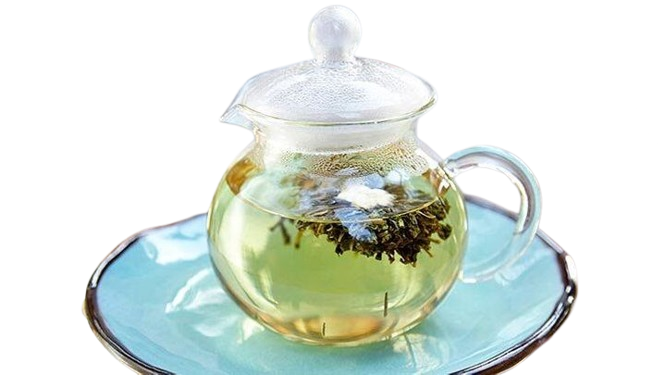
Green tea is a staple beverage in global wellness circles, containing 2 calories per 240ml serving. Home brewing methods preserve this low-calorie profile, but the introduction of dairy and sweeteners adds to its calorie density, with a 16 oz green tea latte with whole milk providing as high as 280 calories. A bottle of Pure Leaf Green Tea with Honey (547ml) contains 100 calories, while Starbucks Emperor’s Clouds & Mist (473ml) is completely calorie-free.
A nutritional breakdown of calories in green tea reveals a composition devoid of lipids and proteins, and only trace carbohydrates. Green tea infusions contain potent bioactive compounds such as catechins and epigallocatechin gallate (EGCG), which promote cardiovascular longevity. Scientific inquiry by Kuriyama, S., et al. (2006) confirms that regular consumption inversely correlates with mortality from cardiovascular disease. The beverage is essentially calorie-free when prepared with water alone, making the drink an excellent choice for restrictive dietary protocols like intermittent fasting. Green tea nutrition facts indicate the presence of micronutrients in minute quantities, specifically offering trace manganese to aid metabolic processes.
Global production of green tea is anchored by the agricultural sectors of China, Japan, and Vietnam. These nations satisfy international demand, exporting massive volumes of dried leaves to major markets including the United States and Morocco. Green tea is pivotal in East Asian gastronomies, appearing in beverages, sweets like Matcha Mille Crêpes, and savory dishes such as Tea Smoked Duck. Wholesale costs for green tea leaves have risen noticeably over the past two decades, climbing from $2.50 per kilogram in the early 2000s to a range of $4.50 to $6.00 per kilogram by 2024. Retail pricing mirrors this upward trend, illustrated by the cost of a Matcha Green Tea Latte at Starbucks, which increased from $3.75 in 2014 to between $5.25 and $5.95 in 2024.
Nutritionists suggest a daily intake of 1 to 5 cups of green tea to optimize cardiovascular and metabolic benefits, a habit that adds 6 to 10 calories. Neutralizing this minor energy intake requires minimal physical effort, such as 2 minutes of carrying groceries or 2 minutes of washing the car.
Green Tea nutrition
| Stats | Weight |
|---|---|
| Carbs | 0.6 grams |
| Protein | 0 grams |
| Fats | 0 grams |
| Sugars | 0 grams |
- Large Green Tea Calories (Nutritional Facts)
- Medium Green Tea Calories (Nutritional Facts)
- Small Green Tea Calories (Nutritional Facts)
- Raw Green Tea Nutrition
- Sodium in Green Tea
- Magnesium in Green Tea
- Potassium in Green Tea
- Sugar in Green Tea
- Fiber in Green Tea
- Protein in Green Tea
- Carbs in Green Tea
- Fat in Green Tea
- Vitamins in Green Tea
- Minerals in Green Tea
Large Green Tea Calories (Nutritional Facts)
A large serving of brewed green tea (480ml or 16oz) contains 5 calories, 0g of protein, 0g of fat, 1g of carbohydrates, 0g of fiber, 0g of sugar, and 5mg of sodium. A large serving of green tea latte with whole milk (480ml or 16oz) provides 280 calories, 12g of protein, 11g of fat, 34g of carbohydrates, 1g of fiber, 33g of sugar, and 150mg of sodium.
A medium portion of brewed green tea (300ml or 10oz) provides 3 calories, 0g of protein, 0g of fat, 0.6g of carbohydrates, 0g of fiber, 0g of sugar, and 3mg of sodium. A medium portion of sweetened green tea (300ml or 10oz) supplies 90 calories, 0g of protein, 0g of fat, 23g of carbohydrates, 0g of fiber, 22g of sugar, and 10mg of sodium.
A small cup of brewed green tea (180ml or 6oz) contains 2 calories, 0g of protein, 0g of fat, 0.4g of carbohydrates, 0g of fiber, 0g of sugar, and 2mg of sodium. A small cup of green tea with honey (180ml or 6oz) provides 65 calories, 0g of protein, 0g of fat, 17g of carbohydrates, 0g of fiber, 16g of sugar, and 6mg of sodium.
A cup of freshly brewed green tea (240ml) supplies 2 calories, 0g of protein, 0g of fat, 0.5g of carbohydrates, 0g of fiber, 0g of sugar, and 2mg of sodium. A cup of bottled unsweetened green tea (240ml) contains 0 calories, 0g of protein, 0g of fat, 0g of carbohydrates, 0g of fiber, 0g of sugar, and 10mg of sodium.
A large serving of brewed green tea (480ml or 16oz) contains 5mg of sodium (0% DV), while a large serving of green tea latte (480ml or 16oz) provides 150mg of sodium (7% DV). A medium portion of brewed green tea (300ml or 10oz) has 3mg of sodium (0% DV), whereas a medium portion of sweetened green tea (300ml or 10oz) supplies 10mg of sodium (0% DV). A small cup of brewed green tea (180ml or 6oz) contains 2mg of sodium (0% DV), and a small cup of green tea with honey (180ml or 6oz) provides 6mg of sodium (0% DV). A cup of fresh brewed green tea (240ml) supplies 2mg of sodium (0% DV), while a cup of bottled unsweetened green tea (240ml) contains 10mg of sodium (0% DV).
A large serving of brewed green tea (480ml or 16oz) contains 5mg of magnesium (1% DV), while a large serving of green tea latte (480ml or 16oz) provides 48mg of magnesium (11% DV). A medium portion of brewed green tea (300ml or 10oz) has 3mg of magnesium (1% DV), whereas a medium portion of sweetened green tea (300ml or 10oz) supplies 3mg of magnesium (1% DV). A small cup of brewed green tea (180ml or 6oz) contains 2mg of magnesium (0% DV), and a small cup of green tea with honey (180ml or 6oz) provides 2mg of magnesium (0% DV). A cup of freshly brewed green tea (240ml) supplies 2.5mg of magnesium (1% DV), while a cup of bottled unsweetened green tea (240ml) contains 0mg of magnesium (0% DV).
A large serving of brewed green tea (480ml or 16oz) contains 40mg of potassium (1% DV), while a large serving of green tea latte (480ml or 16oz) provides 560mg of potassium (12% DV). A medium portion of brewed green tea (300ml or 10oz) has 25mg of potassium (1% DV), whereas a medium portion of sweetened green tea (300ml or 10oz) supplies 25mg of potassium (1% DV). A small cup of brewed green tea (180ml or 6oz) contains 15mg of potassium (0% DV), and a small cup of green tea with honey (180ml or 6oz) provides 20mg of potassium (0% DV). A cup of fresh brewed green tea (240ml) supplies 20mg of potassium (0% DV), while a cup of bottled unsweetened green tea (240ml) contains 10mg of potassium (0% DV).
A large serving of brewed green tea (480ml or 16oz) contains 0g of sugar, while a large serving of green tea latte (480ml or 16oz) provides 33g of sugar. A medium portion of brewed green tea (300ml or 10oz) has 0g of sugar, whereas a medium portion of sweetened green tea (300ml or 10oz) supplies 22g of sugar. A small cup of brewed green tea (180ml or 6oz) contains 0g of sugar, and a small cup of green tea with honey (180ml or 6oz) provides 16g of sugar. A cup of fresh brewed green tea (240ml) supplies 0g of sugar, while a cup of bottled unsweetened green tea (240ml) contains 0g of sugar.
A large serving of brewed green tea (480ml or 16oz) provides 0g of dietary fiber (0% DV), while a large serving of green tea latte (480ml or 16oz) contains 1g of fiber (4% DV). A medium portion of brewed green tea (300ml or 10oz) has 0g of fiber (0% DV), whereas a medium portion of sweetened green tea (300ml or 10oz) supplies 0g of fiber (0% DV). A small cup of brewed green tea (180ml or 6oz) contains 0g of fiber (0% DV), and a small cup of green tea with honey (180ml or 6oz) provides 0g of fiber (0% DV). A cup of fresh brewed green tea (240ml) supplies 0g of fiber (0% DV), while a cup of bottled unsweetened green tea (240ml) contains 0g of fiber (0% DV).
A large serving of brewed green tea (480ml or 16oz) provides 0g of protein (0% DV), while a large serving of green tea latte (480ml or 16oz) contains 12g of protein (24% DV). A medium portion of brewed green tea (300ml or 10oz) has 0g of protein (0% DV), whereas a medium portion of sweetened green tea (300ml or 10oz) supplies 0g of protein (0% DV). A small cup of brewed green tea (180ml or 6oz) contains 0g of protein (0% DV), and a small cup of green tea with honey (180ml or 6oz) provides 0g of protein (0% DV). A cup of fresh brewed green tea (240ml) supplies 0g of protein (0% DV), while a cup of bottled unsweetened green tea (240ml) contains 0g of protein (0% DV).
A large serving of brewed green tea (480ml or 16oz) contains 1g of carbohydrates (0% DV), while a large serving of green tea latte (480ml or 16oz) provides 34g of carbohydrates (12% DV). A medium portion of brewed green tea (300ml or 10oz) has 0.6g of carbohydrates (0% DV), whereas a medium portion of sweetened green tea (300ml or 10oz) supplies 23g of carbohydrates (8% DV). A small cup of brewed green tea (180ml or 6oz) contains 0.4g of carbohydrates (0% DV), and a small cup of green tea with honey (180ml or 6oz) provides 17g of carbohydrates (6% DV). A cup of fresh brewed green tea (240ml) supplies 0.5g of carbohydrates (0% DV), while a cup of bottled unsweetened green tea (240ml) contains 0g of carbohydrates (0% DV).
A large serving of brewed green tea (480ml or 16oz) contains 0g of total fat (0% DV), while a large serving of green tea latte (480ml or 16oz) provides 11g of total fat (14% DV). A medium portion of brewed green tea (300ml or 10oz) has 0g of total fat (0% DV), whereas a medium portion of sweetened green tea (300ml or 10oz) supplies 0g of total fat (0% DV). A small cup of brewed green tea (180ml or 6oz) contains 0g of total fat (0% DV), and a small cup of green tea with honey (180ml or 6oz) provides 0g of total fat (0% DV). A cup of fresh brewed green tea (240ml) supplies 0g of total fat (0% DV), while a cup of bottled unsweetened green tea (240ml) contains 0g of total fat (0% DV).
A large serving of brewed green tea (480ml or 16oz) provides 0IU of Vitamin A (0% DV), while a large serving of green tea latte (480ml or 16oz) contains 150mcg of Vitamin A (17% DV) and 2.5mcg of Vitamin D (12% DV). A medium portion of brewed green tea (300ml or 10oz) has 0IU of Vitamin A (0% DV), whereas a medium portion of sweetened green tea (300ml or 10oz) supplies 0IU of Vitamin A (0% DV). A small cup of brewed green tea (180ml or 6oz) contains 0IU of Vitamin A (0% DV), and a small cup of green tea with honey (180ml or 6oz) provides 0IU of Vitamin A (0% DV). A cup of fresh brewed green tea (240ml) supplies 0IU of Vitamin A (0% DV), while a cup of bottled unsweetened green tea (240ml) contains 15mg of Vitamin C (17% DV).
A large serving of brewed green tea (480ml or 16oz) provides 0.9mg of manganese (39% DV) and 0.1mg of copper (11% DV), while a large serving of green tea latte (480ml or 16oz) contains 400mg of calcium (30% DV). A medium portion of brewed green tea (300ml or 10oz) has 0.56mg of manganese (24% DV), whereas a medium portion of sweetened green tea (300ml or 10oz) supplies 0.56mg of manganese (24% DV). A small cup of brewed green tea (180ml or 6oz) contains 0.34mg of manganese (15% DV), and a small cup of green tea with honey (180ml or 6oz) provides 0.34mg of manganese (15% DV). A cup of fresh brewed green tea (240ml) supplies 0.45mg of manganese (20% DV), while a cup of bottled unsweetened green tea (240ml) contains 0mg of manganese (0% DV).
Get a Custom Report on Green Tea Nutrition Data – Contact Us!
What are the Types of Green Teas?
The types of Green Teas include Sencha, Matcha, Genmaicha, Jasmine Green, and Green Tea Latte. The table below highlights the nutritional variations among these forms.
| Type | Description | Calories (Per 240ml) | Calorie Qualifications |
|---|---|---|---|
|
Sencha
|
Steamed Camellia sinensis leaves. | 2 | The standard infusion contains negligible energy. |
|
Matcha
|
Stone-ground whole tea leaves. | 5 | Consuming the whole leaf powder provides slightly more protein and fiber. |
|
Genmaicha
|
Green tea blended with roasted brown rice. | 4 | The roasted rice adds a trace amount of starch to the brew. |
|
Jasmine Green
|
Green tea scented with jasmine blossoms. | 2 | The floral scenting process adds no caloric density. |
|
Green Tea Latte
|
Matcha concentrate with steamed milk. | 240 | The addition of whole milk and sugar drastically increases the load. |
|
Sweetened Iced Green
|
Chilled tea with added cane sugar. | 90 | Added sugars create a higher caloric density compared to hot infusions. |
What are Desserts With Green Tea?
Green tea, particularly in the form of matcha powder, functions as a distinct flavoring agent in desserts, adding earthy, grassy notes that balance the sweetness of sugar and cream. The fine powder integrates seamlessly into batters, creams, and glazes, creating a vibrant green hue without artificial coloring. Highlighted dessert options that feature this botanical element are listed below.
| Dish Name | Calories (Estimate) | Type of Dish | Carbs (g) (Estimate) | Sugar (g) (Estimate) | Protein (g) (Estimate) | Fat (g) (Estimate) | Cuisine | Restaurants) |
|---|---|---|---|---|---|---|---|---|
|
Matcha Mille Crêpes
|
450 | Cake | 38 | 22 | 6 | 30 | French-Japanese | Lady M Cake Boutique (National) |
|
Green Tea Ice Cream
|
260 | Frozen Dessert | 28 | 24 | 5 | 16 | American | Häagen-Dazs Shop |
|
Matcha Macaron
|
90 | Cookie | 15 | 12 | 2 | 4 | French | Ladurée (New York, NY) |
|
Green Tea Mochi Ice Cream
|
100 | Frozen Dessert | 20 | 14 | 1 | 2 | Japanese | Nobu |
|
Matcha Lava Cake
|
420 | Cake | 45 | 32 | 6 | 24 | Asian Fusion | Spot Dessert Bar (New York, NY) |
|
Green Tea Tiramisu
|
380 | Cake | 35 | 20 | 5 | 22 | Italian-Japanese | Cha An Teahouse (New York, NY) |
|
Matcha Donut
|
350 | Pastry | 42 | 22 | 4 | 18 | American | Doughnut Plant (New York, NY) |
|
Green Tea Cheesecake
|
480 | Cake | 40 | 28 | 8 | 32 | American | The Cheesecake Factory (National) |
|
Matcha Soft Serve
|
180 | Frozen Dessert | 30 | 26 | 4 | 5 | American | Cha Cha Matcha (New York, NY) |
|
Green Tea Shaved Ice (Bingsoo)
|
350 | Frozen Dessert | 75 | 55 | 8 | 4 | Korean | Sul & Beans (Los Angeles, CA) |
|
Matcha Croissant
|
320 | Pastry | 38 | 12 | 6 | 16 | French | Dominique Ansel Bakery (New York, NY) |
|
Green Tea Roll Cake
|
280 | Cake | 32 | 18 | 5 | 14 | Japanese | Paris Baguette |
|
Matcha Cream Puff
|
220 | Pastry | 22 | 12 | 4 | 12 | Japanese | Beard Papa's |
|
Green Tea Brownie
|
290 | Pastry | 35 | 24 | 3 | 15 | American | Fat Witch Bakery (New York, NY) |
|
Matcha Chocolate Truffle
|
80 | Confectionery | 7 | 6 | 1 | 5 | Japanese | Royce' Chocolate |
What are the Main Dishes With Green Tea?
Green tea leaves and brewed infusions function as versatile savory ingredients, utilized for smoking, steaming, and creating aromatic broths. The tannins in the tea act as a tenderizer for meats, while the leaves themselves provide texture and a slight bitterness to salads and rice dishes. Well-known savory dishes that incorporate this ingredient are listed below.
| Dish Name | Calories (Estimate) | Type of Dish | Carbs (g) (Estimate) | Sugar (g) (Estimate) | Protein (g) (Estimate) | Fat (g) (Estimate) | Cuisine | Restaurants |
|---|---|---|---|---|---|---|---|---|
|
Ochazuke (Tea over Rice)
|
320 | Rice Entree | 60 | 2 | 12 | 4 | Japanese | Ootoya (New York, NY) |
|
Tea Smoked Duck
|
550 | Roasted Entree | 8 | 4 | 45 | 38 | Chinese | Peking Gourmet Inn (Falls Church, VA) |
|
Tea Leaf Salad (Laphet Thoke)
|
280 | Salad Entree | 18 | 4 | 8 | 22 | Burmese | Burma Superstar (San Francisco, CA) |
|
Green Tea Soba Noodles
|
310 | Noodle Entree | 65 | 2 | 14 | 1 | Japanese | Sobaya (New York, NY) |
|
Dragon Well Shrimp
|
240 | Seafood Entree | 4 | 0 | 35 | 10 | Chinese | Hang Ah Tea Room (San Francisco, CA) |
|
Matcha Salt Tempura
|
450 | Fried Entree | 35 | 1 | 12 | 28 | Japanese | Tempura Matsui (New York, NY) |
|
Lei Cha (Thunder Tea Rice)
|
480 | Rice Entree | 65 | 4 | 18 | 16 | Malaysian | Nyonya (New York, NY) |
|
Tea Smoked Ribs
|
620 | Roasted Entree | 15 | 12 | 40 | 42 | Chinese | Mister Jiu's (San Francisco, CA) |
|
Green Tea Fried Rice
|
380 | Rice Entree | 55 | 2 | 10 | 14 | Asian Fusion | Banana Leaf (Milpitas, CA) |
|
Tea Marinated Sea Bass
|
340 | Seafood Entree | 2 | 0 | 42 | 18 | Asian Fusion | Tao (National) |
|
Green Tea Infused Broth (Shabu)
|
50 | Soup Base | 4 | 0 | 2 | 0 | Japanese | Shabu-Zen (Boston, MA) |
|
Matcha Gnocchi
|
360 | Pasta Entree | 52 | 2 | 8 | 12 | Fusion | N/A (Specialty Pop-ups) |
|
Green Tea Smoked Chicken
|
420 | Roasted Entree | 2 | 0 | 48 | 24 | Chinese | R&G Lounge (San Francisco, CA) |
|
Tea Braised Pork Belly
|
680 | Braised Entree | 12 | 8 | 35 | 55 | Asian Fusion | Momofuku Noodle Bar (New York, NY) |
|
Green Tea Poached Salmon
|
350 | Seafood Entree | 0 | 0 | 40 | 20 | French | Le Bernardin (New York, NY) |
What Cuisines Prefer Green Tea the Most?
Green tea serves as a cultural cornerstone and essential culinary ingredient in East Asian and Southeast Asian traditions. The chart below showcases culinary traditions that make extensive use of this botanical ingredient.
| Cuisine | Dish | Types of Green Tea Use | Calories (Estimate) | Restaurant(s) |
|---|---|---|---|---|
|
Japanese
|
Matcha | Powdered Tea | 5 | Nobu |
|
Chinese
|
Longjing (Dragon Well) | Whole Leaf Tea | 2 | Nom Wah Tea Parlor (New York, NY) |
|
Burmese
|
Laphet (Fermented Tea) | Salad Ingredient | 45 | Burma Superstar (San Francisco, CA) |
|
Vietnamese
|
Tra Da (Iced Green Tea) | Cold Beverage | 5 | The Slanted Door (San Francisco, CA) |
|
Korean
|
Nokcha | Hot Beverage | 5 | Kang Ho Dong Baekjeong (National) |
|
Taiwanese
|
Bubble Green Tea | Sweetened Beverage | 220 | Gong Cha |
|
Thai
|
Green Tea Latte | Sweetened Beverage | 180 | Farmhouse Kitchen Thai (San Francisco, CA) |
|
Moroccan
|
Gunpowder Mint Tea | Hot Beverage | 80 | Mourad (San Francisco, CA) |
|
American
|
Matcha Latte | Milk Beverage | 240 | Starbucks |
|
French
|
Matcha Pastry | Baking Ingredient | 350 | Ladurée (New York, NY) |
|
Malaysian
|
Lei Cha | Soup/Sauce Base | 120 | Nyonya (New York, NY) |
|
Singaporean
|
Green Tea Cake | Dessert Ingredient | 320 | Laut (New York, NY) |
|
Russian
|
Green Tea with Jam | Hot Beverage | 60 | Mari Vanna (New York, NY) |
|
Indian
|
Green Tea Chai | Spiced Beverage | 110 | Dishoom |
|
Peruvian
|
Green Tea Pisco | Cocktail Ingredient | 180 | Rosaliné (Los Angeles, CA) |
Which Countries Produce the Most Green Teas?
The top producers of green tea are China, Japan, and Vietnam. China dominates the global sector, accounting for over 80% of the world's green tea supply due to massive agricultural capacity in provinces like Zhejiang and Anhui. Japan focuses exclusively on high-quality steamed varieties like Sencha and Matcha for domestic use and premium exports. The table below shows the estimated production volume of green tea in metric tons from 2003 to 2023.
| Country | 2003 | 2008 | 2013 | 2018 | 2019 | 2020 | 2021 | 2022 | 2023 |
|---|---|---|---|---|---|---|---|---|---|
| China | 750,000 | 1,100,000 | 1,450,000 | 1,750,000 | 1,850,000 | 1,950,000 | 2,050,000 | 2,150,000 | 2,250,000 |
| Japan | 95,000 | 92,000 | 85,000 | 80,000 | 78,000 | 75,000 | 73,000 | 71,000 | 69,000 |
| Vietnam | 45,000 | 55,000 | 65,000 | 75,000 | 78,000 | 80,000 | 82,000 | 84,000 | 86,000 |
| Indonesia | 35,000 | 38,000 | 40,000 | 42,000 | 41,000 | 40,000 | 39,000 | 38,000 | 37,000 |
| India | 10,000 | 12,000 | 15,000 | 18,000 | 19,000 | 20,000 | 21,000 | 22,000 | 23,000 |
Which Countries Consume the Most Green Teas?
The top consumers of green tea utilize the beverage for daily hydration and cultural ceremonies, with China, Japan, and Vietnam leading global demand. China records the highest total volume due to population size and the ubiquity of the drink in social settings. Japan maintains a high per capita intake, integrating unsweetened green tea into meals and vending machine offerings. The table below shows the estimated consumption and import volumes in metric tons for key markets from 2003 to 2023.
| Country | 2003 | 2008 | 2013 | 2018 | 2019 | 2020 | 2021 | 2022 | 2023 |
|---|---|---|---|---|---|---|---|---|---|
| China | 600,000 | 900,000 | 1,200,000 | 1,500,000 | 1,600,000 | 1,700,000 | 1,800,000 | 1,900,000 | 2,000,000 |
| Japan | 100,000 | 98,000 | 90,000 | 85,000 | 83,000 | 80,000 | 78,000 | 76,000 | 74,000 |
| Vietnam | 35,000 | 45,000 | 55,000 | 65,000 | 68,000 | 70,000 | 72,000 | 74,000 | 76,000 |
| United States | 15,000 | 22,000 | 30,000 | 38,000 | 40,000 | 42,000 | 44,000 | 46,000 | 48,000 |
| Morocco | 40,000 | 48,000 | 55,000 | 60,000 | 62,000 | 64,000 | 66,000 | 68,000 | 70,000 |
How Do Prices of Green Tea-Including Dishes Change?
Pricing for green tea beverages and desserts reflects increasing costs of dairy and other ingredients. The table below shows updated prices for selected items at well-known venues.
| Brand/Restaurant | Dish | Old Price (Year) | Current Price (2024/2025) |
|---|---|---|---|
| Starbucks | Matcha Green Tea Latte (Tall) | $3.75 (2014) | $5.25 - $5.95 |
| Starbucks | Emperor's Clouds & Mist (Tall) | $2.45 (2014) | $3.15 - $4.25 |
| Dunkin' | Iced Green Tea | $1.99 (2015) | $2.29 – $3.49 |
| Panera Bread | Passion Papaya Iced Green Tea - Naturally Flavored | $2.19 (2014) | $3.39 - $3.89 |
What is the Green Tea Calorie for 100 Grams?
A 100g serving of brewed green tea contains 1 calorie, while the same quantity of a green tea latte with whole milk provides 58 calories. A 100g serving of sweetened green tea supplies 30 calories, whereas a 100g portion of dried green tea leaves provides 297 calories.
What is the Green Tea Calorie for 1 KG?
One kilogram (1000g) of brewed green tea contains 10 calories, whereas a kilogram of green tea latte with whole milk provides 580 calories. One kilogram (1000g) of sweetened green tea supplies 300 calories, while a kilogram of dried green tea leaves provides 2970 calories.
What is the Calorie of 1 Green Tea?
A single cup of brewed green tea (240ml) contains 2 calories, while a bottle of Pure Leaf Green Tea with Honey (547ml) provides 100 calories. A serving of Starbucks Emperor’s Clouds & Mist (473ml) supplies 0 calories, whereas a tea bag of Twinings Pure Green Tea (2g) contains 0 calories.
How Many Calories Does Green Tea Have Per Cup?
A cup of plain brewed green tea (240ml) contains 2 calories, derived from trace amounts of carbohydrates in the leaves. This value remains negligible unless caloric sweeteners or milk are added to the beverage.
What are the Health Benefits of Green Tea?
Green tea functions as a potent source of bioactive compounds, specifically catechins like epigallocatechin gallate (EGCG), which reduce oxidative stress and inflammation. The beverage supports cardiovascular longevity, enhances cognitive performance, and assists in metabolic regulation. The following points delineate these positive attributes.
- Reduces Cardiovascular Risk: The high concentration of polyphenols improves endothelial function and lowers low-density lipoprotein (LDL) cholesterol. A study by Kuriyama, S., et al. (2006), "Green tea consumption and mortality due to cardiovascular disease, cancer, and all causes in Japan," confirmed that regular consumption inversely correlates with mortality from cardiovascular disease.
- Supports Cognitive Function: Caffeine and L-theanine work synergistically to improve brain function and protect against neurodegenerative decline. Research by Mancini, E., et al. (2017), "Green tea effects on cognition, mood and human brain function: A systematic review," established that these components enhance working memory and reduce anxiety symptoms.
- Aids Weight Management: Catechins increase thermogenesis and fat oxidation, supporting body composition goals. A meta-analysis by Hursel, R., et al. (2009), "The effects of green tea on weight loss and weight maintenance," validated that catechin-caffeine mixtures have a small positive effect on weight loss and weight maintenance.
What are the Downsides of Green Tea?
Green tea poses risks for individuals with iron deficiency or high sensitivity to stimulants. Nutritionists advise limiting consumption to three cups daily and selecting rooibos tea as a caffeine-free alternative to mitigate risks. The table below shows potential adverse effects associated with high consumption.
- Inhibits Iron Absorption: Tannins present in the leaves bind to non-heme iron from plant sources, preventing proper absorption in the digestive tract. A study by Fan, F. S. (2016), "Iron deficiency anemia due to excessive green tea drinking," documented cases where excessive intake precipitated severe anemia in susceptible individuals.
- Increases Anxiety and Insomnia: The caffeine content acts as a central nervous system stimulant, potentially triggering jitteriness or sleep disruption in sensitive populations. Research by Richards, G., & Smith, A. (2015), "Caffeine consumption and self-assessed stress, anxiety, and depression in secondary school children," indicated that high caffeine intake correlates with increased stress and anxiety levels.
Are Green Teas Good for You?
Yes, green teas are good for health because the leaves provide a dense concentration of catechins and L-theanine which support heart health, brain function, and metabolic efficiency. Cardiovascular health improves through the reduction of arterial stiffness and blood pressure as analyzed by Pang, J., et al. (2016), "Green tea consumption and risk of cardiovascular and ischemic related diseases: A meta-analysis." Brain health benefits from the neuroprotective properties that enhance connectivity and working memory as confirmed by Schmidt, A., et al. (2014), "Green tea extract enhances parieto-frontal connectivity during working memory processing." Metabolic function enhances through increased fat oxidation rates during exercise as detailed in the study by Auvichayapat, P., et al. (2008), "Effectiveness of green tea on weight reduction in obese Thais: A randomized, controlled trial."
How Does Calorie Change According to Green Tea Types?
Energy content depends on processing methods and added ingredients like milk or rice. Green Tea Lattes have the highest calories due to dairy and sweeteners, often surpassing 240 calories per serving. Pure teas such as Sencha or Gyokuro contain only 2 calories per cup, providing a minimal energy load ideal for weight management.
How Much Green Tea Should I Drink Daily?
Nutritionists recommend consuming one to five cups of green tea daily to maximize cardiovascular and metabolic benefits. This specific volume provides 250mg to 300mg of catechins, the optimal dosage for reducing oxidative stress. Research by Kuriyama, S., et al. (2006), "Green tea consumption and mortality due to cardiovascular disease, cancer, and all causes in Japan," demonstrated that individuals consuming five or more cups per day experienced significantly lower mortality rates from all causes compared to those consuming less than one cup. Consuming amounts exceeding this recommendation may lead to caffeine-related side effects like insomnia or jitteriness in sensitive individuals.
What is the Origin of Green Tea?
Green tea originated in China during the reign of Emperor Shennong around 2737 BC, initially functioning as a medicinal herb before evolving into a recreational beverage. Legends state that wild tea leaves drifted into the Emperor's pot of boiling water, creating the first infusion. Buddhist monks played a crucial role in disseminating the plant to Japan in the 12th century, where the powdered matcha form became integral to the Zen tea ceremony. The steaming method used to prevent oxidation and preserve the green color was refined during the Ming Dynasty, establishing the processing standard used globally today. Modern cultivation has since expanded to nations like India, Kenya, and Sri Lanka, though East Asia remains the cultural heart of production.
Explore More Beverages
Discover more Beverages with detailed nutrition facts, calorie counts, vitamins, minerals, and health benefits. Compare similar foods, serving sizes, macronutrients, and key nutrients to find the best option for your diet and nutrition goals.
 Almond Milk calories
 Aloe Vera Juice calories
 Americano calories
 Apple Cider calories
 Apple Juice calories
 Apricot Juice calories
 Aronia Juice calories
 Avocado Shake calories
 Banana Juice calories
 Baobab Juice calories
 Barley Tea calories
 Beer calories