Calories and Nutritions in Herbal Tea
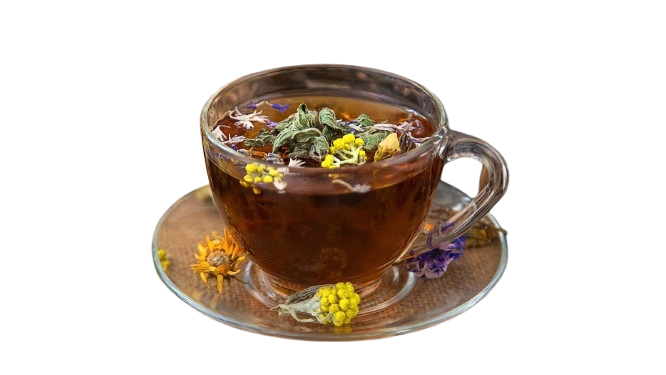
Herbal tea is a low-calorie drink that encompasses a vast array of infusions derived from dried fruits, flowers, spices, and herbs. A standard 240ml cup of unsweetened herbal tea infusion provides 2 calories. But a large herbal tea latte made with whole milk reaches 230 calories. Ready-to-drink commercial options vary widely, with a bottle of Pure Leaf Herbal Tea (547ml) containing 150 calories, in contrast to a Starbucks Mint Majesty (473ml) which is completely calorie-free.
The calories in herbal tea reveals a composition devoid of lipids and proteins, containing only trace carbohydrates in its natural state. A standard 240ml serving supplies 0.5g of carbohydrates. These infusions act as delivery systems for potent bioactive compounds such as polyphenols and flavonoids, which promote cardiovascular and digestive wellness. Scientific inquiry by McKay, D. L., et al. (2010) confirms that specific varieties, such as hibiscus, effectively reduce systolic blood pressure in adults. The beverage is essentially calorie-free when prepared with water alone, making the drink an excellent choice for restrictive dietary protocols like intermittent fasting. Herbal tea nutrition facts indicate the presence of micronutrients in minute quantities, specifically offering trace manganese to aid metabolic processes.
Global production of herbal teas is anchored by the agricultural sectors of China, India, and Egypt. These nations satisfy international demand, exporting massive volumes of dried botanicals to major markets including Germany, the United States, and Russia. Culturally, these ingredients are pivotal in Chinese, German, and American gastronomies, appearing in beverages, in desserts like Hibiscus Sorbet and Chamomile Cake, and savory dishes such as Ginger Tea Poached Chicken and Rooibos Braised Short Ribs. Widespread reliance on these crops has subjected the market to distinct economic shifts. Wholesale costs for herbal tea ingredients have risen noticeably over the past two decades, climbing from $5.00 per kilogram in the early 2000s to a range of $15.00 to $20.00 per kilogram by 2024. Retail pricing mirrors this upward trend, illustrated by the cost of an Iced Passion Tango Tea at Starbucks, which increased from $2.25 in 2014 to between $2.75 and $3.65 in 2024.
Dietitians suggest a daily intake of two to three cups of herbal tea (480ml to 720ml) to optimize hydration and antioxidant absorption, a habit that adds 6 calories. Neutralizing this minor energy intake requires minimal physical effort, such as 2 minutes of carrying groceries or 2 minutes of washing the car. Individuals with certain medical histories should proceed with care, as potent herbs like St. John's Wort are known to interact with prescription medications.
Herbal Tea nutrition
| Stats | Weight |
|---|---|
| Carbs | 0.6 grams |
| Protein | 0 grams |
| Fats | 0 grams |
| Sugars | 0 grams |
- Large Herbal Tea Calories (Nutritional Facts)
- Medium Herbal Tea Calories (Nutritional Facts)
- Small Herbal Tea Calories (Nutritional Facts)
- Chamomile Tea Calories (Nutritional Facts)
- Peppermint Tea Calories (Nutritional Facts)
- Rooibos Tea Calories (Nutritional Facts)
- Raw Herbal Tea Nutrition
- Sodium in Herbal Tea
- Potassium in Herbal Tea
- Sugar in Herbal Tea
- Fiber in Herbal Tea
- Protein in Herbal Tea
- Carbs in Herbal Tea
- Fat in Herbal Tea
- Vitamins in Herbal Tea
- Minerals in Herbal Tea
Large Herbal Tea Calories (Nutritional Facts)
A large serving of brewed herbal tea (480ml or 16oz) contains 5 calories, 0g of protein, 0g of fat, 1g of carbohydrates, 0g of fiber, 0g of sugar, and 5mg of sodium. A large serving of herbal tea latte with whole milk (480ml or 16oz) provides 230 calories, 10g of protein, 11g of fat, 24g of carbohydrates, 0g of fiber, 23g of sugar, and 135mg of sodium.
A medium portion of brewed herbal tea (300ml or 10oz) provides 3 calories, 0g of protein, 0g of fat, 0.6g of carbohydrates, 0g of fiber, 0g of sugar, and 3mg of sodium. A medium portion of sweetened herbal iced tea (300ml or 10oz) supplies 95 calories, 0g of protein, 0g of fat, 25g of carbohydrates, 0g of fiber, 24g of sugar, and 10mg of sodium.
A small cup of brewed herbal tea (180ml or 6oz) contains 2 calories, 0g of protein, 0g of fat, 0.4g of carbohydrates, 0g of fiber, 0g of sugar, and 2mg of sodium. A small cup of herbal tea with honey (180ml or 6oz) provides 65 calories, 0g of protein, 0g of fat, 17g of carbohydrates, 0g of fiber, 16g of sugar, and 6mg of sodium.
A cup of brewed chamomile tea (240ml or 8oz) supplies 2 calories, 0g of protein, 0g of fat, 0.5g of carbohydrates, 0g of fiber, 0g of sugar, and 2mg of sodium. A cup of sweetened chamomile tea (240ml or 8oz) contains 60 calories, 0g of protein, 0g of fat, 16g of carbohydrates, 0g of fiber, 15g of sugar, and 5mg of sodium.
A cup of brewed peppermint tea (240ml or 8oz) contains 2 calories, 0g of protein, 0g of fat, 0.5g of carbohydrates, 0g of fiber, 0g of sugar, and 7mg of sodium. A cup of peppermint tea latte with soy milk (240ml or 8oz) provides 110 calories, 5g of protein, 3g of fat, 14g of carbohydrates, 1g of fiber, 12g of sugar, and 65mg of sodium.
A cup of brewed rooibos tea (240ml or 8oz) provides 0 calories, 0g of protein, 0g of fat, 0g of carbohydrates, 0g of fiber, 0g of sugar, and 4mg of sodium. A cup of rooibos red latte with whole milk (240ml or 8oz) supplies 120 calories, 6g of protein, 7g of fat, 9g of carbohydrates, 0g of fiber, 9g of sugar, and 90mg of sodium.
A cup of fresh brewed herbal tea (240ml) supplies 2 calories, 0g of protein, 0g of fat, 0.5g of carbohydrates, 0g of fiber, 0g of sugar, and 5mg of sodium. A cup of bottled unsweetened herbal tea (240ml) contains 0 calories, 0g of protein, 0g of fat, 0g of carbohydrates, 0g of fiber, 0g of sugar, and 10mg of sodium.
A large serving of brewed herbal tea (480ml or 16oz) contains 5mg of sodium (0% DV), while a large serving of herbal tea latte (480ml or 16oz) provides 135mg of sodium (6% DV). A medium portion of brewed herbal tea (300ml or 10oz) has 3mg of sodium (0% DV), whereas a medium portion of sweetened herbal iced tea (300ml or 10oz) supplies 10mg of sodium (0% DV). A small cup of brewed herbal tea (180ml or 6oz) contains 2mg of sodium (0% DV), and a small cup of herbal tea with honey (180ml or 6oz) provides 6mg of sodium (0% DV). A cup of fresh brewed herbal tea (240ml) supplies 5mg of sodium (0% DV), while a cup of bottled unsweetened herbal tea (240ml) contains 10mg of sodium (0% DV).
A large serving of brewed herbal tea (480ml or 16oz) contains 20mg of potassium (0% DV), while a large serving of herbal tea latte (480ml or 16oz) provides 460mg of potassium (10% DV). A medium portion of brewed herbal tea (300ml or 10oz) has 12mg of potassium (0% DV), whereas a medium portion of sweetened herbal iced tea (300ml or 10oz) supplies 15mg of potassium (0% DV). A small cup of brewed herbal tea (180ml or 6oz) contains 7mg of potassium (0% DV), and a small cup of herbal tea with honey (180ml or 6oz) provides 11mg of potassium (0% DV). A cup of fresh brewed herbal tea (240ml) supplies 10mg of potassium (0% DV), while a cup of bottled unsweetened herbal tea (240ml) contains 5mg of potassium (0% DV).
A large serving of brewed herbal tea (480ml or 16oz) contains 0g of sugar, while a large serving of herbal tea latte (480ml or 16oz) provides 23g of sugar. A medium portion of brewed herbal tea (300ml or 10oz) has 0g of sugar, whereas a medium portion of sweetened herbal iced tea (300ml or 10oz) supplies 24g of sugar. A small cup of brewed herbal tea (180ml or 6oz) contains 0g of sugar, and a small cup of herbal tea with honey (180ml or 6oz) provides 16g of sugar. A cup of fresh brewed herbal tea (240ml) supplies 0g of sugar, while a cup of bottled unsweetened herbal tea (240ml) contains 0g of sugar.
A large serving of brewed herbal tea (480ml or 16oz) provides 0g of dietary fiber (0% DV), while a large serving of herbal tea latte (480ml or 16oz) contains 0g of fiber (0% DV). A medium portion of brewed herbal tea (300ml or 10oz) has 0g of fiber (0% DV), whereas a medium portion of sweetened herbal iced tea (300ml or 10oz) supplies 0g of fiber (0% DV). A small cup of brewed herbal tea (180ml or 6oz) contains 0g of fiber (0% DV), and a small cup of herbal tea with honey (180ml or 6oz) provides 0g of fiber (0% DV). A cup of fresh brewed herbal tea (240ml) supplies 0g of fiber (0% DV), while a cup of bottled unsweetened herbal tea (240ml) contains 0g of fiber (0% DV).
A large serving of brewed herbal tea (480ml or 16oz) provides 0g of protein (0% DV), while a large serving of herbal tea latte (480ml or 16oz) contains 10g of protein (20% DV). A medium portion of brewed herbal tea (300ml or 10oz) has 0g of protein (0% DV), whereas a medium portion of sweetened herbal iced tea (300ml or 10oz) supplies 0g of protein (0% DV). A small cup of brewed herbal tea (180ml or 6oz) contains 0g of protein (0% DV), and a small cup of herbal tea with honey (180ml or 6oz) provides 0g of protein (0% DV). A cup of fresh brewed herbal tea (240ml) supplies 0g of protein (0% DV), while a cup of bottled unsweetened herbal tea (240ml) contains 0g of protein (0% DV).
A large serving of brewed herbal tea (480ml or 16oz) contains 1g of carbohydrates (0% DV), while a large serving of herbal tea latte (480ml or 16oz) provides 24g of carbohydrates (9% DV). A medium portion of brewed herbal tea (300ml or 10oz) has 0.6g of carbohydrates (0% DV), whereas a medium portion of sweetened herbal iced tea (300ml or 10oz) supplies 25g of carbohydrates (9% DV). A small cup of brewed herbal tea (180ml or 6oz) contains 0.4g of carbohydrates (0% DV), and a small cup of herbal tea with honey (180ml or 6oz) provides 17g of carbohydrates (6% DV). A cup of fresh brewed herbal tea (240ml) supplies 0.5g of carbohydrates (0% DV), while a cup of bottled unsweetened herbal tea (240ml) contains 0g of carbohydrates (0% DV).
A large serving of brewed herbal tea (480ml or 16oz) contains 0g of total fat (0% DV), while a large serving of herbal tea latte (480ml or 16oz) provides 11g of total fat (14% DV). A medium portion of brewed herbal tea (300ml or 10oz) has 0g of total fat (0% DV), whereas a medium portion of sweetened herbal iced tea (300ml or 10oz) supplies 0g of total fat (0% DV). A small cup of brewed herbal tea (180ml or 6oz) contains 0g of total fat (0% DV), and a small cup of herbal tea with honey (180ml or 6oz) provides 0g of total fat (0% DV). A cup of fresh brewed herbal tea (240ml) supplies 0g of total fat (0% DV), while a cup of bottled unsweetened herbal tea (240ml) contains 0g of total fat (0% DV).
A large serving of brewed herbal tea (480ml or 16oz) provides 0IU of Vitamin A (0% DV), while a large serving of herbal tea latte (480ml or 16oz) contains 2.4mcg of Vitamin D (12% DV) and 180mcg of Vitamin A (20% DV). A medium portion of brewed herbal tea (300ml or 10oz) has 0IU of Vitamin A (0% DV), whereas a medium portion of sweetened herbal iced tea (300ml or 10oz) supplies 0IU of Vitamin A (0% DV). A small cup of brewed herbal tea (180ml or 6oz) contains 0IU of Vitamin A (0% DV), and a small cup of herbal tea with honey (180ml or 6oz) provides 0IU of Vitamin A (0% DV). A cup of fresh brewed herbal tea (240ml) supplies 0IU of Vitamin A (0% DV), while a cup of bottled unsweetened herbal tea (240ml) contains 0mg of Vitamin C (0% DV).
A large serving of brewed herbal tea (480ml or 16oz) provides 0.2mg of manganese (9% DV) and 0.4mg of fluoride (10% DV), while a large serving of herbal tea latte (480ml or 16oz) contains 390mg of calcium (30% DV). A medium portion of brewed herbal tea (300ml or 10oz) has 0.12mg of manganese (5% DV), whereas a medium portion of sweetened herbal iced tea (300ml or 10oz) supplies 0.12mg of manganese (5% DV). A small cup of brewed herbal tea (180ml or 6oz) contains 0.08mg of manganese (3% DV), and a small cup of herbal tea with honey (180ml or 6oz) provides 0.08mg of manganese (3% DV). A cup of fresh brewed herbal tea (240ml) supplies 0.1mg of manganese (4% DV), while a cup of bottled unsweetened herbal tea (240ml) contains 0mg of manganese (0% DV).
Get a Custom Report on Herbal Tea Nutrition Data – Contact Us!
What are the Types of Herbal Teas?
The types of Herbal Teas include Chamomile, Peppermint, Hibiscus, Rooibos, and Herbal Lattes. The table below compares the nutritional variations among these forms.
| Type | Description | Calories (Per 240ml) | Calorie Qualifications |
|---|---|---|---|
|
Chamomile
|
Dried Matricaria recutita flowers. | 2 | The flower-based infusion contains negligible energy. |
|
Peppermint
|
Dried Mentha piperita leaves. | 2 | The leaf-based brew remains virtually calorie-free. |
|
Hibiscus
|
Dried Hibiscus sabdariffa calyces. | 0 | The tart infusion provides zero calories and high acidity. |
|
Rooibos
|
Fermented Aspalathus linearis leaves. | 0 | The red bush tea offers a rich flavor without caloric density. |
|
Ginger
|
Steeped Zingiber officinale root. | 2 | The root extraction releases trace carbohydrates. |
|
Herbal Latte
|
Tea concentrate with steamed milk. | 150 | The addition of dairy and sweeteners drastically increases the load. |
|
Sweetened Iced Herbal
|
Chilled tea with added cane sugar. | 90 | Added sugars create a higher caloric density compared to hot infusions. |
What are Desserts With Herbal Tea?
Herbal infusions and dried botanicals serve as aromatic flavoring agents in confectionery, imparting floral, spicy, or tart notes to creams, cakes, and frozen treats. The absence of caffeine and tannins allows these ingredients to blend seamlessly with dairy and fruit without adding bitterness. Popular dessert selections that feature these botanical ingredients are outlined below.
| Dish Name | Calories (Estimate) | Type of Dish | Carbs (g) (Estimate) | Sugar (g) (Estimate) | Protein (g) (Estimate) | Fat (g) (Estimate) | Cuisine | Restaurants |
|---|---|---|---|---|---|---|---|---|
|
Hibiscus Sorbet
|
140 | Frozen Dessert | 36 | 34 | 0 | 0 | Mexican | La Michoacana Meat Market (National) |
|
Lavender Honey Macaron
|
90 | Cookie | 15 | 12 | 2 | 4 | French | Ladurée (New York, NY) |
|
Chamomile Cake
|
320 | Cake | 45 | 28 | 4 | 14 | American | Bakery Nouveau (Seattle, WA) |
|
Rooibos Custard Tart
|
310 | Pie/Tart | 38 | 22 | 6 | 16 | South African | Panera Bread |
|
Ginger Tea Poached Pears
|
180 | Fruit Dessert | 45 | 38 | 1 | 0 | French | Le Bernardin (New York, NY) |
|
Lemon Balm Cookies
|
130 | Cookie | 18 | 9 | 2 | 6 | American | Levain Bakery (New York, NY) |
|
Peppermint Tea Ice Cream
|
260 | Frozen Dessert | 28 | 24 | 5 | 15 | American | Salt & Straw |
|
Hibiscus Cheesecake
|
450 | Cake | 42 | 32 | 7 | 28 | American | The Cheesecake Factory (National) |
|
Lavender Scone
|
410 | Pastry | 52 | 16 | 6 | 19 | British | Alice's Tea Cup (New York, NY) |
|
Chamomile Panna Cotta
|
300 | Pudding | 25 | 22 | 4 | 20 | Italian | Osteria Mozza (Los Angeles, CA) |
|
Lemongrass Coconut Cake
|
340 | Cake | 48 | 30 | 4 | 16 | Thai | Lotus of Siam (Las Vegas, NV) |
|
Mint Tea Gelato
|
180 | Frozen Dessert | 30 | 28 | 4 | 6 | Italian | Amorino (Various Locations) |
|
Rose Herbal Donut
|
380 | Pastry | 45 | 25 | 4 | 20 | American | Doughnut Plant (New York, NY) |
|
Hibiscus Paletas
|
110 | Frozen Dessert | 28 | 26 | 0 | 0 | Mexican | Paletas Betty (Chandler, AZ) |
|
Ginger Tea Crème Brûlée
|
420 | Pudding | 26 | 24 | 5 | 34 | French | Bouchon Bakery (Yountville, CA) |
What are the Main Dishes With Herbal Tea?
Botanical infusions function as versatile ingredients in savory cooking, providing acidity, earthiness, or floral aromas to meats and grains. Chefs utilize strong brews for poaching liquids, marinades, and reductions to tenderize proteins and enhance complexity. Well-known savory dishes that incorporate these herbal components are listed below.
| Dish Name | Calories (Estimate) | Type of Dish | Carbs (g) (Estimate) | Sugar (g) (Estimate) | Protein (g) (Estimate) | Fat (g) (Estimate) | Cuisine | Restaurants |
|---|---|---|---|---|---|---|---|---|
|
Hibiscus Glazed Duck
|
580 | Roasted Entree | 15 | 12 | 42 | 38 | French | Le Coucou (New York, NY) |
|
Tacos de Jamaica (Hibiscus)
|
220 | Vegetarian Entree | 28 | 4 | 6 | 10 | Mexican | Empellón (New York, NY) |
|
Chamomile Cured Salmon
|
310 | Appetizer | 2 | 0 | 32 | 18 | Scandinavian | Aquavit (New York, NY) |
|
Rooibos Braised Short Ribs
|
650 | Braised Entree | 12 | 8 | 55 | 42 | American | Gramercy Tavern (New York, NY) |
|
Ginger Tea Poached Chicken
|
380 | Boiled Entree | 4 | 0 | 45 | 18 | Chinese | The Slanted Door (San Francisco, CA) |
|
Lavender Roasted Chicken
|
450 | Roasted Entree | 5 | 1 | 40 | 28 | French | Bouchon Bistro (Yountville, CA) |
|
Lemongrass Steamed Fish
|
320 | Seafood Entree | 8 | 2 | 38 | 12 | Thai | Langbaan (Portland, OR) |
|
Yerba Mate Marinated Steak
|
520 | Grilled Entree | 4 | 1 | 48 | 32 | Argentine | El Che Steakhouse (Chicago, IL) |
|
Chamomile Risotto
|
480 | Rice Entree | 60 | 2 | 10 | 20 | Italian | Marea (New York, NY) |
|
Peppermint Crusted Lamb
|
550 | Roasted Entree | 12 | 4 | 45 | 35 | American | The French Laundry (Yountville, CA) |
|
Hibiscus Flower Quesadilla
|
340 | Vegetarian Entree | 32 | 2 | 14 | 18 | Mexican | Guelaguetza (Los Angeles, CA) |
|
Ginseng Chicken Soup
|
280 | Soup Entree | 15 | 2 | 25 | 12 | Korean | Tosokchon (Los Angeles, CA) |
|
Mint Tea Couscous
|
240 | Side Dish | 45 | 2 | 8 | 4 | Moroccan | Mourad (San Francisco, CA) |
|
Lavender Rubbed Pork Chop
|
460 | Grilled Entree | 2 | 0 | 42 | 30 | American | Blue Hill at Stone Barns (Pocantico Hills, NY) |
|
Sage Tea Roasted Squash
|
180 | Side Dish | 28 | 8 | 3 | 7 | American | ABC Kitchen (New York, NY) |
What Cuisines Prefer Herbal Teas the Most?
Herbal tea functions as a foundational beverage and culinary component in Asian, African, and Latin American traditions. The chart below showcases culinary traditions that make extensive use of these botanical ingredients.
| Cuisine | Dish | Types of Herbal Tea Use | Calories (Estimate) | Restaurant(s) |
|---|---|---|---|---|
|
Mexican
|
Agua de Jamaica | Iced Beverage | 120 | La Monarca Bakery (Los Angeles, CA) |
|
Chinese
|
Chrysanthemum Tea | Hot Beverage | 5 | Nom Wah Tea Parlor (New York, NY) |
|
South African
|
Rooibos Tea | Hot Beverage | 0 | Peli Peli (Houston, TX) |
|
Egyptian
|
Karkade (Hibiscus) | Hot/Cold Beverage | 110 | Kabab Cafe (Astoria, NY) |
|
Thai
|
Butterfly Pea Tea | Iced Beverage | 80 | Farmhouse Kitchen Thai (San Francisco, CA) |
|
Korean
|
Yuja-cha (Citron) | Hot Beverage | 150 | Kang Ho Dong Baekjeong (National) |
|
French
|
Verveine (Verbena) | Hot Beverage | 5 | Balthazar (New York, NY) |
|
Moroccan
|
Louisa (Lemon Verbena) | Hot Beverage | 5 | Mourad (San Francisco, CA) |
|
Japanese
|
Mugicha (Barley) | Cold Beverage | 5 | Ippudo (National) |
|
German
|
Fencheltee (Fennel) | Hot Beverage | 5 | Cafe Sabarsky (New York, NY) |
|
Greek
|
Mountain Tea | Hot Beverage | 5 | Estiatorio Milos (Various Locations) |
|
Indian
|
Tulsi Tea (Holy Basil) | Hot Beverage | 5 | Pondicheri (Houston, TX) |
|
Turkish
|
Ada Çayı (Sage) | Hot Beverage | 5 | Pera Mediterranean Brasserie (New York, NY) |
|
Peruvian
|
Emoliente | Warm Beverage | 90 | Rosaliné (Los Angeles, CA) |
|
Jamaican
|
Sorrel Drink | Spiced Beverage | 140 | The Door (Queens, NY) |
Which Countries Produce the Most Herbal Teas?
The top producers of medicinal and aromatic plants, which serve as the main components of herbal teas, are China, India, and Egypt. China dominates the sector by cultivating a vast array of traditional botanicals such as ginseng, chrysanthemum, and goji berries for domestic use and export. India contributes substantial quantities of holy basil, lemongrass, and spices used in ayurvedic blends. The table below shows the estimated production volume of medicinal and aromatic plants in metric tons from 2003 to 2023.
| Country | 2003 | 2008 | 2013 | 2018 | 2019 | 2020 | 2021 | 2022 | 2023 |
|---|---|---|---|---|---|---|---|---|---|
| China | 1,800,000 | 2,400,000 | 3,100,000 | 3,800,000 | 3,950,000 | 4,100,000 | 4,250,000 | 4,400,000 | 4,550,000 |
| India | 450,000 | 580,000 | 720,000 | 850,000 | 880,000 | 910,000 | 940,000 | 970,000 | 1,000,000 |
| Egypt | 60,000 | 75,000 | 90,000 | 105,000 | 108,000 | 112,000 | 115,000 | 118,000 | 122,000 |
| Germany | 35,000 | 42,000 | 48,000 | 55,000 | 56,000 | 57,000 | 58,000 | 59,000 | 60,000 |
| Poland | 25,000 | 30,000 | 36,000 | 42,000 | 43,000 | 44,000 | 45,000 | 46,000 | 47,000 |
| United States | 20,000 | 24,000 | 28,000 | 32,000 | 33,000 | 34,000 | 35,000 | 36,000 | 37,000 |
| Mexico | 15,000 | 18,000 | 22,000 | 26,000 | 27,000 | 28,000 | 29,000 | 30,000 | 31,000 |
| Turkey | 12,000 | 15,000 | 19,000 | 23,000 | 24,000 | 25,000 | 26,000 | 27,000 | 28,000 |
Which Countries Consume the Most Herbal Teas?
The top consumers of herbal tea utilize the beverages for health and hydration, with Germany, the United States, and Russia driving market volume. Germany records the highest per capita intake of fruit and herbal infusions in Europe, favoring blends like fennel, peppermint, and chamomile. The United States market favors iced variations and functional wellness teas. The table below shows the estimated consumption and import volumes in metric tons for key markets from 2003 to 2023.
| Country | 2003 | 2008 | 2013 | 2018 | 2019 | 2020 | 2021 | 2022 | 2023 |
|---|---|---|---|---|---|---|---|---|---|
| Germany | 32,000 | 36,000 | 39,000 | 42,000 | 43,000 | 45,000 | 46,000 | 47,000 | 48,000 |
| United States | 25,000 | 30,000 | 35,000 | 40,000 | 41,500 | 44,000 | 45,500 | 47,000 | 48,500 |
| Russia | 18,000 | 22,000 | 26,000 | 30,000 | 31,000 | 32,000 | 33,000 | 34,000 | 35,000 |
| Turkey | 10,000 | 12,500 | 15,000 | 18,000 | 19,000 | 20,000 | 21,000 | 22,000 | 23,000 |
| France | 8,000 | 9,500 | 11,000 | 12,500 | 13,000 | 13,500 | 14,000 | 14,500 | 15,000 |
| United Kingdom | 6,000 | 7,500 | 9,000 | 10,500 | 11,000 | 12,000 | 12,500 | 13,000 | 13,500 |
| Poland | 5,000 | 6,200 | 7,500 | 8,800 | 9,100 | 9,400 | 9,700 | 10,000 | 10,300 |
| Japan | 4,500 | 5,500 | 6,500 | 7,500 | 7,800 | 8,100 | 8,400 | 8,700 | 9,000 |
How Do Prices of Herbal Tea-Including Dishes Change?
Menu pricing for herbal tea beverages mirrors increasing ingredient and operating expenses. The table below shows updated prices for selected offerings at well-known venues.
| Brand/Restaurant | Dish | Old Price (Year) | Current Price (2024/2025) |
|---|---|---|---|
| Starbucks | Iced Passion Tango Tea | $2.25 (2014) | $2.75 - $3.65 |
| Starbucks | Mint Majesty Herbal Tea (Grande) | $2.45 (2014) | $3.45 - $4.25 |
| Panera Bread | Hot Tea (Republic of Tea) | $1.99 (2014) | $2.99 - $3.89 |
| Dunkin' | Hibiscus Kiss Herbal Infusion | $1.89 (2015) | $2.09 - $2.69 |
| Peet's Coffee | Hibiscus C Berry (Medium) | $7.45 (2013) | $9.95 - $11.95 |
| The Coffee Bean & Tea Leaf | Ginseng Peppermint Tea | $12.50 (2015) | $12.70 - $14.99 |
What is the Herbal Tea Calorie for 100 Grams?
A 100g serving of brewed herbal tea contains 1 calorie, while the same quantity of an herbal tea latte with whole milk provides 48 calories. A 100g serving of sweetened herbal iced tea supplies 32 calories, whereas a 100g portion of dried herbal tea leaves provides 297 calories.
What is the Herbal Tea Calorie for 1 KG?
One kilogram (1000g) of brewed herbal tea contains 10 calories, whereas a kilogram of herbal tea latte with whole milk provides 480 calories. One kilogram (1000g) of sweetened herbal iced tea supplies 320 calories, while a kilogram of dried herbal tea leaves provides 2970 calories.
What is the Calorie of 1 Herbal Tea?
A single cup of brewed herbal tea (240ml) contains 2 calories, while a bottle of Pure Leaf Herbal Tea (547ml) provides 150 calories. A serving of Starbucks Mint Majesty (473ml) supplies 0 calories, whereas a tea bag of generic herbal tea (2g) contains 0 calories.
What are the Health Benefits of Herbal Tea?
Herbal tea functions as a therapeutic infusion rich in bioactive compounds like polyphenols and flavonoids. The beverage supports cardiovascular health, enhances sleep quality, and aids gastrointestinal function. The points below outline these beneficial characteristics.
- Lowers Blood Pressure: Hibiscus tea contains anthocyanins which act as natural ACE inhibitors to relax blood vessels. A study by McKay, D. L., et al. (2010), "Hibiscus sabdariffa L. tea (tisane) lowers blood pressure in prehypertensive and mildly hypertensive adults," confirmed that daily consumption significantly reduces systolic blood pressure.
- Enhances Sleep Quality: Chamomile and valerian root teas possess sedative properties that bind to GABA receptors in the brain. Research by Adib-Hajbaghery, M., & Mousavi, S. N. (2017), "The effects of chamomile extract on sleep quality among elderly people: A clinical trial," established that the extract demonstrably improves sleep latency and duration in older adults.
- Alleviates Digestive Symptoms: Ginger and peppermint teas accelerate gastric emptying and reduce intestinal cramping. A study by Hu, M. L., et al. (2011), "Effect of ginger on gastric motility and symptoms of functional dyspepsia," validated that ginger stimulates stomach contractions and relieves indigestion.
What are the Downsides of Herbal Tea?
Herbal tea poses risks for individuals with specific medical conditions or those taking prescription medications. Nutritionists advise limiting consumption to three cups daily and choosing lemon balm tea as a mild alternative to mitigate risks. The table below presents potential adverse effects linked to excessive consumption.
- Interacts with Medications: St. John's Wort induces liver enzymes that metabolize drugs too quickly, reducing the efficacy of medications like birth control and antidepressants. Research by Mannel, M. (2004), "Drug interactions with St John's wort : mechanisms and clinical implications," indicated that the herb significantly alters the pharmacokinetics of various therapeutic agents.
- Causes Liver Toxicity: Comfrey and Kava teas contain pyrrolizidine alkaloids or kavalactones which damage liver cells upon prolonged exposure. A study by Stickel, F., & Seitz, H. K. (2000), "The efficacy and safety of comfrey," detailed how these compounds lead to veno-occlusive disease and hepatotoxicity in humans.
Are Herbal Teas Good for You?
Yes, herbal teas are good for health because the infusions provide antioxidants that support cardiovascular stability, digestive efficiency, and cognitive function. Cardiovascular health improves through the blood pressure-lowering effects of hibiscus as analyzed by McKay, D. L., et al. (2010), "Hibiscus sabdariffa L. tea (tisane) lowers blood pressure in prehypertensive and mildly hypertensive adults." Digestive health benefits from the anti-inflammatory properties of ginger which accelerate gastric emptying as confirmed by Hu, M. L., et al. (2011), "Effect of ginger on gastric motility and symptoms of functional dyspepsia." Cognitive function strengthens through the neuroprotective effects of lemon balm which enhance mood and memory as detailed in the study by Scholey, A., et al. (2014), "Anti-stress effects of lemon balm-containing foods."
Is Herbal Tea Good for Weight Loss?
Yes, herbal tea is good for weight loss because the beverage increases satiety, boosts metabolism, and replaces high-calorie drinks. Dietitians recommend consuming two to three cups daily before meals to maximize these effects. Metabolic rate increases through the thermogenic properties of rooibos as established by Beltrán-Debón, R., et al. (2011), "Continuous administration of polyphenols from aqueous rooibos (Aspalathus linearis) extract ameliorates dietary-induced metabolic disturbances in hyperlipidemic mice." Fat oxidation improves with yerba mate consumption which promotes lipid metabolism as demonstrated by Gambero, A., & Ribeiro, M. L. (2015), "The positive effects of yerba maté (Ilex paraguariensis) in obesity." Appetite suppression occurs as specific herbal scents reduce cravings, a phenomenon confirmed by Raudenbush, B., et al. (2008), "Effects of peppermint scent on appetite control and caloric intake."
How Do Calories Change According to Herbal Tea Types?
Energy content fluctuates based on the plant part used and the addition of caloric ingredients. Herbal Lattes possess the highest caloric load due to the incorporation of steamed milk and sweeteners, frequently surpassing 150 calories per serving. Pure infusions like Rooibos or Hibiscus present the lowest profile with 0 calories per cup, maintaining a non-existent energy footprint ideal for fasting.
What is the Origin of Herbal Tea?
Ancient civilizations utilized herbal infusions long before the discovery of the Camellia sinensis plant. Historical records from Ancient Egypt, such as the Ebers Papyrus dating back to 1550 BC, document the use of chamomile and peppermint for medicinal purposes. Chinese folklore attributes the discovery of medicinal brews to the mythical Emperor Shennong, who cataloged the properties of hundreds of plants. Greek physician Dioscorides compiled De Materia Medica in the first century AD, detailing the preparation of willow bark and mint for pain relief. The term "tisane" originated from the Greek word ptisanē, referring to a medicinal barley water, before evolving to encompass all plant-based infusions. Medieval monasteries in Europe preserved this knowledge, cultivating physic gardens to produce remedies for the local population. Modern consumption continues this tradition, utilizing global trade to access botanicals like rooibos from South Africa and yerba mate from South America.
Explore More Beverages
Discover more Beverages with detailed nutrition facts, calorie counts, vitamins, minerals, and health benefits. Compare similar foods, serving sizes, macronutrients, and key nutrients to find the best option for your diet and nutrition goals.
 Almond Milk calories
 Aloe Vera Juice calories
 Americano calories
 Apple Cider calories
 Apple Juice calories
 Apricot Juice calories
 Aronia Juice calories
 Avocado Shake calories
 Banana Juice calories
 Baobab Juice calories
 Barley Tea calories
 Beer calories