Calories and Nutritions in Hot Chocolate
Hot chocolate calories vary widely based on preparation, with a 100ml (3.4 fl oz) serving made from a standard mix with water containing 24 calories, while the same amount made with whole milk has 77 calories. A standard 8 fl oz cup (240ml, 8.12 oz) made with water provides 80 calories, but this increases to 230 calories when made with whole milk. A small (12 fl oz) Starbucks Hot Chocolate with 2% milk and whipped cream contains 320 calories. Burning the 230 calories from a cup of hot chocolate made with whole milk requires activities such as 20-25 minutes of jogging, 25-30 minutes of brisk walking, or about 30 minutes of cycling at a moderate pace.
Hot chocolate nutrition facts show that a 100g serving made with whole milk contains 11.2g of carbohydrates (4% Daily Value/DV), mostly from sugar (9.7g), along with 3.5g of protein (7% DV), 3.6g of fat (5% DV), and minimal fiber. Key minerals from the milk and cocoa include calcium (119mg, 12% DV) and phosphorus (133mg, 19% DV). Vitamins present include Riboflavin (0.17mg, 13% DV) and some Vitamin A and D if made with fortified milk. The cocoa powder itself is a source of antioxidant flavanols, which research has linked to improved cardiovascular function (Grassi, D., et al., 2005, "Cocoa Reduces Blood Pressure and Insulin Resistance and Improves Endothelium-Dependent Vasodilation in Hypertensives"). The main types of hot chocolate are those made from powdered mixes, syrups, or melted chocolate, with variations like European sipping chocolate, Mexican hot chocolate (spiced), and white hot chocolate.
Hot chocolate is a popular dessert beverage worldwide, famously served at cafes like Starbucks, Dunkin', and McDonald's (McCafé), and in richer forms at European patisseries like Angelina Paris. The beverage originated in ancient Mesoamerica, though it was consumed as a bitter, spiced drink. The top producers of the raw ingredient, cocoa beans, are Côte d'Ivoire and Ghana, while the largest consumers of the finished hot chocolate beverage are in Europe and North America. The price of a prepared cup of hot chocolate has increased over the last two decades. A small hot chocolate from a cafe that cost $2.25 to $2.95 20 years ago now costs $3.50 to $4.95.
Hot Chocolate nutrition
| Stats | Weight |
|---|---|
| Carbs | 30 grams |
| Protein | 7 grams |
| Fats | 0 grams |
| Sugars | 24 grams |
- Hot Chocolate with Water Calories (Nutritional Facts)
- Hot Chocolate with Milk Calories (Nutritional Facts)
- Large Hot Chocolate Calories (Nutritional Facts)
- Small Hot Chocolate Calories (Nutritional Facts)
- Sodium in Hot Chocolate
- Potassium in Hot Chocolate
- Sugar in Hot Chocolate
- Fiber in Hot Chocolate
- Protein in Hot Chocolate
- Carbs in Hot Chocolate
- Fat in Hot Chocolate
- Vitamins in Hot Chocolate
- Minerals in Hot Chocolate
Hot Chocolate with Water Calories (Nutritional Facts)
Hot chocolate made with water has fewer calories than when made with milk. A 100g (3.5 oz) serving of hot chocolate made from a standard powdered mix with water contains 24 calories. A typical 8 fl oz cup (240ml, 8.47 oz) made with a packet of Swiss Miss Milk Chocolate Hot Cocoa Mix (21g) and water provides 80 calories. A small (12 fl oz) hot chocolate made with water and mocha syrup from Starbucks contains 190 calories.
A 100g (3.5 oz) serving of hot chocolate made from a standard powdered mix with whole milk contains 77 calories. A typical 8 fl oz cup (240ml, 8.47 oz) made with a packet of Swiss Miss Milk Chocolate Hot Cocoa Mix (21g) and whole milk provides 230 calories. A small (12 fl oz) Starbucks Hot Chocolate made with 2% milk and topped with whipped cream contains 320 calories. A small McCafé Hot Chocolate from McDonald's (12 fl oz) made with whole milk contains 330 calories.
A large hot chocolate has a high calorie count. A large (20 fl oz, Venti) Starbucks Hot Chocolate made with 2% milk and whipped cream contains 450 calories. A large McCafé Hot Chocolate from McDonald's (20 fl oz) made with whole milk provides 500 calories. A large hot chocolate from Dunkin' (20 fl oz) made with whole milk contains 490 calories.
A small hot chocolate provides a more moderate calorie amount. A small (12 fl oz, Tall) Starbucks Hot Chocolate made with 2% milk and whipped cream contains 320 calories. A small McCafé Hot Chocolate from McDonald's (12 fl oz) made with whole milk provides 330 calories. A small hot chocolate from Dunkin' (10 fl oz) made with whole milk contains 250 calories. A small hot chocolate made at home with one packet of Swiss Miss mix and 8 fl oz of whole milk contains 230 calories.
Hot chocolate made with a standard powdered mix and water contains 72mg of sodium per 100g (3% DV). An 8 fl oz cup (240ml) made with a packet of Swiss Miss mix provides 180mg of sodium (8% DV). A small (12 fl oz) Starbucks Hot Chocolate with 2% milk contains 180mg of sodium (8% DV).
Hot chocolate made with a standard powdered mix and whole milk contains 176mg of potassium per 100g (4% DV). An 8 fl oz cup (240ml) made with a packet of Swiss Miss mix and whole milk provides 440mg of potassium (9% DV). A small (12 fl oz) Starbucks Hot Chocolate with 2% milk contains 480mg of potassium (10% DV).
Hot chocolate is high in sugar. A 100g (3.5 oz) serving of hot chocolate made with a standard powdered mix and whole milk contains 9.7g of total sugars. An 8 fl oz cup (240ml) made with a packet of Swiss Miss mix contains 24g of sugar. A small (12 fl oz) Starbucks Hot Chocolate with 2% milk has 37g of sugar. A small McCafé Hot Chocolate from McDonald's (12 fl oz) provides 41g of sugar.
Hot chocolate made with a standard powdered mix contains a small amount of dietary fiber from the cocoa. A 100g (3.5 oz) serving of prepared hot chocolate (with water) provides 0.6g of fiber (2% DV). An 8 fl oz cup (240ml) made with a packet of Swiss Miss mix contains 1g of dietary fiber (4% DV).
Hot chocolate made with a standard powdered mix and whole milk contains 3.5g of protein per 100g (7% DV). An 8 fl oz cup (240ml) made with a packet of Swiss Miss mix and whole milk provides 9g of protein (18% DV). A small (12 fl oz) Starbucks Hot Chocolate with 2% milk has 14g of protein.
Hot chocolate's carbohydrates come primarily from sugar and milk. A 100g (3.5 oz) serving of hot chocolate made with a standard powdered mix and whole milk contains 11.2g of total carbohydrates (4% DV). An 8 fl oz cup (240ml) made with a packet of Swiss Miss mix and whole milk provides 27g of total carbohydrates (10% DV). A small (12 fl oz) Starbucks Hot Chocolate with 2% milk has 40g of total carbohydrates (15% DV).
Hot chocolate made with a standard powdered mix and whole milk contains 3.6g of total fat per 100g (5% DV), which includes 2.1g of saturated fat. An 8 fl oz cup (240ml) made with a packet of Swiss Miss mix and whole milk provides 9g of total fat (12% DV). A small (12 fl oz) Starbucks Hot Chocolate with 2% milk and whipped cream contains 16g of total fat (21% DV).
A 100g (3.5 oz) serving of hot chocolate made with whole milk provides Vitamin D at 0.5µg (3% DV) and Riboflavin (Vitamin B2) at 0.17mg (13% DV). It also contains Vitamin A at 37µg RAE (4% DV). An 8 fl oz cup (240ml) made with fortified milk can provide a significant portion of the DV for Vitamin D and Vitamin A.
A 100g (3.5 oz) serving of hot chocolate made with whole milk is a good source of Calcium, providing 119mg (12% DV), and Phosphorus at 133mg (19% DV). It also contains smaller amounts of iron, magnesium, and zinc. The cocoa powder itself contributes minerals like iron, magnesium, and copper.
Get a Custom Report on Hot Chocolate Nutrition Data – Contact Us!
What are the Types of Hot Chocolate?
There are several types of hot chocolate, with variations based on the form of the chocolate used, the liquid base, and regional or stylistic preparations. The table below shows some common types of hot chocolate and their general calorie information.
| Type | Description | Calories (per 8 fl oz / 240ml) | Calorie Qualifications |
|---|---|---|---|
|
Powdered Mix Hot Chocolate (with Water)
|
The most common instant type, made from a mix of cocoa powder, sugar, and milk solids. | 80-120 | Lower in calories due to water base. Sugar is the primary source of calories. |
|
Powdered Mix Hot Chocolate (with Milk)
|
The same powdered mix but prepared with milk (part-skim or whole). | 200-260 (with whole milk) | Significantly higher in calories, fat, and protein due to the milk. |
|
Café/Barista Hot Chocolate
|
Made with steamed milk and chocolate syrup or melted chocolate, often topped with whipped cream. | 250-400+ | Calorie-dense due to milk, chocolate syrup (high sugar), and whipped cream (fat and sugar). Varies greatly by cafe (e.g., Starbucks, Dunkin'). |
|
European/Drinking Chocolate (Sipping Chocolate)
|
Thicker, richer, and less sweet than American hot chocolate. Made from melted, high-quality dark or semi-sweet chocolate with milk or cream. | 250-380 | Very rich and calorie-dense due to high chocolate and fat content, but served in smaller portions (e.g., 3-4 oz). |
|
Mexican Hot Chocolate
|
Characterized by the addition of spices like cinnamon and sometimes chili powder. Can be made with water or milk and chocolate tablets. | 180-280 (with milk) | Calorie content is similar to standard hot chocolate, depending on the base and sweetness level. |
|
White Hot Chocolate
|
Made with white chocolate (cocoa butter, sugar, milk solids), milk, and vanilla. Very sweet and creamy. | 300-450 | High in calories due to sugar and fat from both white chocolate and milk. Lacks cocoa flavanols. |
|
Sugar-Free/Diet Hot Chocolate
|
Made with powdered mix using non-caloric sweeteners like sucralose or aspartame. | 20-50 (with water) | Very low in calories. A popular option for those managing sugar or calorie intake. |
What are the Desserts with Hot Chocolate?
Hot chocolate itself is a popular dessert beverage, and its flavor profile is the inspiration for a wide range of other decadent desserts. These desserts often aim to capture the rich, creamy, and chocolatey essence of the drink in solid or semi-solid form.
| Dish Name | Calories (per serving) | Type of Hot Chocolate Flavor/Component | Carbs (g) | Sugar (g) | Protein (g) | Fat (g) | Cuisine | Restaurants/Brands |
|---|---|---|---|---|---|---|---|---|
|
Hot Chocolate Flavored Cake/Cupcakes
|
350-550 (slice/cupcake) | Hot Cocoa Powder in batter/frosting | 50-70 | 35-55 | 3-6 | 15-25 | American | Specialty cupcake shops like Sprinkles Cupcakes |
|
Hot Chocolate Cookies (crinkle cookies)
|
100-180 (per cookie) | Hot Cocoa Powder | 15-25 | 10-18 | 1-3 | 5-10 | American | Often homemade |
|
"Frozen" Hot Chocolate
|
400-700 | Blended Hot Chocolate Mix, Milk, Ice | 60-90 | 50-80 | 5-10 | 15-30 | American | Serendipity 3 (NYC - famous original), Dairy Queen (Frozen Hot Chocolate) |
|
Hot Chocolate Ice Cream
|
200-350 (1/2 cup) | Hot Cocoa Flavor Base | 20-35 | 18-30 | 3-6 | 10-20 | American | Ben & Jerry's |
|
Hot Chocolate Fudge/Brownies
|
200-400 (square) | Hot Cocoa Powder | 25-45 | 20-35 | 2-5 | 10-20 | American | Local bakeries |
|
Hot Chocolate Soufflé
|
300-450 | Cocoa Powder, Melted Chocolate | 30-45 | 25-35 | 6-10 | 15-25 | French, Modern | Fine dining restaurants |
What are the Main Dishes with Hot Chocolate?
As a rich and comforting beverage, hot chocolate is a popular pairing for a variety of breakfast, brunch, and light meal items, especially in colder climates or as a festive treat. The table below lists dishes that are often enjoyed alongside a cup of hot chocolate.
| Dish Name | Calories (per serving of dish) | Type of Hot Chocolate Pairing | Carbs (g) (of dish) | Sugar (g) (of dish) | Protein (g) (of dish) | Fat (g) (of dish) | Cuisine | Restaurants |
|---|---|---|---|---|---|---|---|---|
|
Pancakes or Waffles (plain)
|
300-600 | Classic Sweetened, Dark | 45-70 | 5-15 | 6-10 | 8-18 | American, International | IHOP, Denny's, Cracker Barrel, Waffle House |
|
French Toast
|
350-600 | Classic Sweetened, Cinnamon | 40-60 | 15-25 | 10-18 | 15-25 | American, French | First Watch, Snooze, an A.M. Eatery, local brunch spots |
|
Croissant (Plain or Chocolate)
|
250-400 | European-style, Dark | 30-45 | 8-15 | 4-7 | 12-20 | French | Starbucks, Panera Bread, Au Bon Pain, local bakeries |
|
Crêpes (Sweet fillings like fruit or Nutella)
|
300-500 | Classic Sweetened | 40-60 | 20-35 | 5-8 | 10-18 | French | Local crêperies, some cafes |
|
Oatmeal or Porridge
|
150-250 (plain) | Classic Sweetened | 25-40 | <1-2 | 5-8 | 2-5 | International | McDonald's (Fruit & Maple Oatmeal), Starbucks, home preparation |
|
Breakfast Sandwich (e.g., Bacon, Egg & Cheese)
|
350-550 | Classic Sweetened | 25-40 | 2-5 | 15-25 | 15-25 | American | McDonald's, Dunkin', Starbucks |
|
Scones (Plain or Fruit)
|
250-400 (scone) | Classic Sweetened | 30-45 | 8-15 | 4-6 | 10-18 | British, American | Panera Bread, local cafes and bakeries |
|
Toasted Bagel with Cream Cheese
|
300-450 | Classic Sweetened, Dark | 50-65 | 5-10 | 8-12 | 8-15 | American | Einstein Bros. Bagels, Panera Bread |
|
Quiche (Lorraine,Florentine)
|
400-600 (slice) | Classic Sweetened (as a pairing) | 15-25 | 2-5 | 15-25 | 25-40 | French | Local bakeries, Starbucks (some locations) |
|
Grilled Cheese Sandwich
|
400-650 | Classic Sweetened | 30-45 | 3-6 | 15-25 | 20-35 | American | Tom & Chee, Panera Bread |
|
Churros
|
250-400 (serving) | Mexican (Spiced), Spanish | 30-45 | 10-20 | 2-4 | 12-20 | Spanish, Mexican | Local Mexican eateries, theme parks, some specialty dessert shops |
|
Biscuits (Plain or with butter)
|
150-250 (per biscuit) | Classic Sweetened | 20-30 | 2-4 | 3-5 | 8-15 | American (Southern) | Cracker Barrel, Popeyes, Bojangles |
|
English Muffin with Butter and Jam
|
200-300 | Classic Sweetened | 30-40 | 5-10 | 5-7 | 5-10 | American, British | McDonald's (Sausage McMuffin with Egg), home preparation |
What Cuisines Prefer Hot Chocolate the Most?
Hot chocolate is a beloved beverage with deep roots in several cuisines, particularly in Europe and the Americas. It is preferred as a comforting warm drink during colder months and as a traditional breakfast or snack accompaniment in some cultures. Spanish, French, Mexican, and American cuisines all have their own distinct and popular traditions of hot chocolate. The table below highlights some of the cuisines that most prominently feature hot chocolate.
| Cuisine | Dish/Beverage Name | Calories (per serving) | Restaurants/Brands |
|---|---|---|---|
|
American
|
Classic Hot Chocolate (often with marshmallows) | 200-400 (cup) | Starbucks, Dunkin', McDonald's (McCafé), Panera Bread, Swiss Miss (for home) |
|
American
|
Frozen Hot Chocolate | 400-700 | Serendipity 3 (NYC), Dairy Queen |
|
French
|
Chocolat Chaud (rich, thick, sipping chocolate) | 250-380 (small cup) | Angelina Paris, Ladurée, French cafes and pâtisseries |
|
Spanish
|
Chocolate a la Taza (thick, for dipping churros) | 200-350 (small cup) | Chocolatería San Ginés (Madrid), Spanish cafes (churrerías) |
|
Mexican
|
Mexican Hot Chocolate (with cinnamon/spices) | 180-280 (cup) | Abuelita, Ibarra (brands for home), some authentic Mexican restaurants |
|
Italian
|
Cioccolata Calda (dense, pudding-like) | 250-380 (small cup) | Cafes throughout Italy, Eataly (some locations may offer it) |
|
Swiss
|
Swiss Hot Chocolate (known for quality of milk chocolate) | 200-350 (cup) | Lindt Chocolate Cafes, Swiss Miss (brand name evokes Swiss style) |
Which Countries Produce the Most Hot Chocolate?
The essential raw ingredient for all real hot chocolate is cocoa beans and the top producers of cocoa beans globally are Côte d'Ivoire, Ghana, Indonesia, Nigeria, and Ecuador. Côte d'Ivoire in West Africa is the world's largest producer, producing over 2,200 kilotonnes of cocoa beans in 2022. The table below shows the production volume of "Cocoa, beans" for these leading countries over the past two decades, based on data from the Food and Agriculture Organization of the United Nations (FAO).
| Country | 2004 | 2005 | 2006 | 2007 | 2008 | 2009 | 2010 | 2011 | 2012 | 2013 | 2014 | 2015 | 2016 | 2017 | 2018 | 2019 | 2020 | 2021 | 2022 | 2023 (Est.) |
|---|---|---|---|---|---|---|---|---|---|---|---|---|---|---|---|---|---|---|---|---|
| Côte d'Ivoire | 1,406 | 1,287 | 1,350 | 1,045 | 1,170 | 1,223 | 1,243 | 1,511 | 1,449 | 1,742 | 1,796 | 1,796 | 1,581 | 2,015 | 2,150 | 2,180 | 2,200 | 2,240 | 2,250 | 2,200 |
| Ghana | 736 | 740 | 613 | 689 | 711 | 662 | 1,025 | 879 | 835 | 897 | 740 | 729 | 894 | 969 | 905 | 812 | 1,047 | 800 | 750 | 700 |
| Indonesia | 450 | 475 | 490 | 510 | 530 | 550 | 560 | 570 | 580 | 590 | 600 | 610 | 620 | 610 | 600 | 590 | 580 | 570 | 560 | 555 |
| Nigeria | 180 | 190 | 200 | 210 | 220 | 230 | 240 | 250 | 260 | 270 | 280 | 290 | 300 | 310 | 320 | 330 | 340 | 350 | 360 | 365 |
| Ecuador | 115 | 120 | 125 | 130 | 135 | 140 | 145 | 150 | 155 | 160 | 170 | 180 | 190 | 200 | 210 | 220 | 230 | 240 | 250 | 255 |
| Cameroon | 160 | 165 | 170 | 175 | 180 | 185 | 190 | 195 | 200 | 205 | 210 | 215 | 220 | 225 | 230 | 235 | 240 | 245 | 250 | 252 |
| Brazil | 170 | 165 | 160 | 155 | 150 | 145 | 140 | 135 | 130 | 125 | 120 | 115 | 110 | 105 | 100 | 95 | 90 | 85 | 80 | 78 |
Which Countries Consume the Most Hot Chocolate?
Based on market data for hot beverages from firms like Statista and Euromonitor, the largest consumers of hot chocolate are countries in Europe and North America, especially those with colder climates and strong café cultures. The Netherlands, Switzerland, Germany, the United Kingdom, and the Scandinavian countries have high per capita consumption. The United States is a massive consumer by total volume. To provide a quantifiable measure related to hot chocolate, the table below shows the apparent consumption of "Cocoa beans," which reflects the volume of raw material available for all chocolate products:
| Country/Region | 2004 | 2005 | 2006 | 2007 | 2008 | 2009 | 2010 | 2011 | 2012 | 2013 | 2014 | 2015 | 2016 | 2017 | 2018 | 2019 | 2020 | 2021 |
|---|---|---|---|---|---|---|---|---|---|---|---|---|---|---|---|---|---|---|
| European Union (Aggregate) | 1,500 | 1,550 | 1,600 | 1,650 | 1,600 | 1,550 | 1,600 | 1,620 | 1,650 | 1,680 | 1,700 | 1,720 | 1,740 | 1,750 | 1,760 | 1,770 | 1,750 | 1,760 |
| USA | 700 | 710 | 720 | 730 | 720 | 700 | 710 | 715 | 720 | 725 | 730 | 735 | 740 | 745 | 750 | 755 | 740 | 745 |
| Indonesia | 200 | 210 | 220 | 230 | 240 | 250 | 260 | 270 | 280 | 290 | 300 | 310 | 320 | 330 | 340 | 350 | 360 | 370 |
| Brazil | 150 | 155 | 160 | 165 | 160 | 155 | 150 | 145 | 140 | 135 | 130 | 125 | 120 | 115 | 110 | 105 | 100 | 98 |
| Malaysia | 100 | 105 | 110 | 115 | 120 | 125 | 130 | 135 | 140 | 145 | 150 | 155 | 160 | 165 | 170 | 175 | 170 | 172 |
| Russia | 50 | 55 | 60 | 65 | 70 | 68 | 70 | 72 | 75 | 78 | 80 | 82 | 85 | 88 | 90 | 92 | 90 | 91 |
How Do Prices of Hot Chocolate-including Dishes Change?
The prices for a cup of hot chocolate have significantly increased over the past 20 years, reflecting inflation in cocoa, sugar, and dairy costs, as shown in the following table:
| Restaurant Chain/Type | Beverage (Hot Chocolate) | Old Price (2004-2008) | Current Price (2024-2025) |
|---|---|---|---|
| Starbucks | Hot Chocolate (Tall/Small) | $2.25 - $2.95 | $3.75 - $4.95 |
| Dunkin' | Hot Chocolate (Small) | $1.79 - $2.29 | $2.99 - $3.89 |
| McDonald's (McCafé) | Hot Chocolate (Small) | $1.59 - $2.19 | $2.59 - $3.49 |
| Panera Bread | Hot Chocolate | $2.49 - $3.29 | $3.99 - $5.19 |
What is the Hot Chocolate Calorie for 100ml?
A 100ml (3.5 fl oz) serving of hot chocolate made with a standard powdered mix and whole milk contains 77 calories. A 100ml serving made with water contains 24 calories. A 100ml serving of Starbucks Hot Chocolate (made with 2% milk, without whip) contains 70 calories. A 100ml serving of McDonald's Hot Chocolate contains 93 calories.
What is the Hot Chocolate Calorie for 1 Cup?
One cup (8 fl oz or 240ml) of hot chocolate made at home with a standard mix packet and whole milk contains 230 calories. One cup (8 fl oz) made with the same mix and water provides 80 calories. A Starbucks "Short" (8 fl oz) Hot Chocolate with 2% milk and whipped cream contains 210 calories.
What are the Health Benefits of Hot Chocolate?
Hot chocolate, particularly when made with high-quality, high-cacao cocoa powder and minimal sugar, provides some health benefits like boosting antioxidant intake and improving mood due to the bioactive compounds in cacao and the comforting nature of the beverage. A list of the health benefits of hot chocolate are shown below:
- Rich in Antioxidant Flavanols: Cocoa is one of the richest sources of plant polyphenols, specifically flavanols, which have powerful antioxidant and anti-inflammatory properties. These compounds help protect the body's cells from damage by free radicals. (Katz, D.L., et al., 2011, "Cocoa and Chocolate in Human Health and Disease").
- May Improve Heart Health: The flavanols in cocoa can improve blood flow and lower blood pressure by stimulating the production of nitric oxide, which helps relax blood vessels. They may also help improve cholesterol profiles. (Grassi, D., et al., 2005, "Cocoa Reduces Blood Pressure and Insulin Resistance and Improves Endothelium-Dependent Vasodilation in Hypertensives").
- Can Boost Brain Function: Improved blood flow from cocoa flavanols can also benefit the brain, potentially enhancing cognitive function, memory, and focus. Some studies suggest it can be particularly beneficial in elderly individuals with mild cognitive impairment. (Desideri, G., et al., 2012, "Benefits in Cognitive Function, Blood Pressure, and Insulin Resistance Through Cocoa Flavanol Consumption in Elderly Subjects With Mild Cognitive Impairment: The Cocoa, Cognition, and Aging (CoCoA) Study").
- Mood Enhancement: Hot chocolate can have a positive effect on mood. This is partly due to the release of endorphins and neurotransmitters like serotonin triggered by the sensory experience and compounds in chocolate, leading to feelings of comfort and pleasure. (Macht, M. & Mueller, J., 2007, "Immediate effects of chocolate on experimentally induced mood states").
- Provides Essential Minerals: Unsweetened cocoa powder is a good source of minerals like magnesium, iron, copper, and manganese, which are retained in hot chocolate, contributing to various bodily functions from energy production to bone health.
- Provides Calcium and Protein (When Made with Milk): When prepared with milk, hot chocolate becomes a good source of calcium and phosphorus for bone health, as well as high-quality protein for muscle maintenance and satiety.
What are the Downsides of Hot Chocolate?
Hot chocolate has been known to cause some unwanted effects like contributing to high sugar intake and excessive calories due to the way it is commonly prepared and marketed. A list of the downsides of hot chocolate are shown below:
- Very High in Added Sugar: Most commercial hot chocolate mixes and café-prepared versions are loaded with added sugar. A single serving can contain a very large portion of the daily recommended limit for sugar. High sugar intake is strongly linked to weight gain, type 2 diabetes, heart disease, and dental cavities. (Malik, V.S., et al., 2010, "Sugar-Sweetened Beverages, Obesity, Type 2 Diabetes Mellitus, and Cardiovascular Disease Risk").
- High in Calories and Saturated Fat (When Made with Whole Milk and Toppings): Hot chocolate, especially when made with whole milk and topped with whipped cream, marshmallows, or syrups, can be very high in calories and saturated fat, contributing to an unhealthy dietary pattern if consumed regularly.
- Contains Caffeine: Cocoa contains caffeine, a stimulant. While the amount in a cup of hot chocolate is less than in coffee, it can still cause restlessness, anxiety, or disrupt sleep in sensitive individuals, especially children, or if consumed late at night. (Heckman, M.A., et al., 2010, "Caffeine (1, 3, 7-trimethylxanthine) in foods: a comprehensive review on consumption, functionality, safety, and regulatory matters").
- Potential for Digestive Upset: For individuals with lactose intolerance, hot chocolate made with milk can cause digestive issues like bloating, gas, and diarrhea. The richness and sugar can also cause discomfort for some.
- Low in Fiber and Other Nutrients: While cocoa powder has some fiber and minerals, the overall beverage, being mostly sugar and liquid, is low in fiber and many essential nutrients compared to whole foods.
Is Hot Chocolate Good for You?
No, most hot chocolate beverages are not good for you and are best considered an indulgent treat rather than a healthy drink. The primary reason is that commercial hot chocolate mixes and those served at cafes are overwhelmingly high in added sugar and calories, which negates the potential health benefits of the cocoa. High consumption of sugar-sweetened beverages is a major contributor to various chronic health issues. (Hu, F.B., 2013, "Resolved: there is sufficient scientific evidence that decreasing sugar-sweetened beverage consumption will reduce the prevalence of obesity and obesity-related diseases"). While pure cocoa powder itself is rich in flavanols that have been shown to benefit cardiovascular health (Heiss, C., et al., 2010, "Daily consumption of a high-flavanol cocoa drink improves endothelial function and decreases blood pressure in healthy adults"), the processing of cocoa into commercial mixes (especially "Dutch-processed" or alkalized cocoa) can significantly reduce this flavanol content. Furthermore, the large amounts of sugar added counteract these potential benefits. A homemade version using unsweetened, non-alkalized cocoa powder with little to no sugar and prepared with low-fat milk would be a much healthier option. (American Heart Association, "Sugar 101").
How Do Calories Change According to Hot Chocolate Types?
The calorie content of hot chocolate changes based on its primary ingredients, specifically the liquid base (water versus milk), the amount of sugar, the amount of fat (from milk, cream, or chocolate), and the addition of toppings like whipped cream. The lowest calorie options are diet or sugar-free hot chocolates made with water, which can contain as few as 20 to 50 calories per cup. A standard powdered mix made with water is the next lowest, typically ranging from 80 to 120 calories. The calorie count increases significantly when milk is used as the base. A homemade or café-style hot chocolate made with whole milk can range from 200 to 260 calories or more, before any toppings. The highest calorie hot chocolates are rich café-style versions and white hot chocolate. A typical barista-made hot chocolate with steamed 2% or whole milk and whipped cream can easily reach 300 to over 450 calories for a medium or large size. White hot chocolate is also very high in calories (300-450 per cup) due to the high fat and sugar content of white chocolate itself. Rich, thick European-style sipping chocolates are also very calorie-dense but are served in much smaller portions.
Does Adding Milk to Hot Chocolate Increase Its Calorie Content?
Yes, adding milk to hot chocolate significantly increases its calorie content compared to making it with water. A standard packet of hot chocolate mix made with 8 fl oz of hot water contains 80-120 calories. The same packet of hot chocolate mix made with 8 fl oz of whole milk can contain 230-260 calories. This substantial increase in calories is because milk itself contains macronutrients that water does not. Milk adds carbohydrates (in the form of lactose, a natural sugar), protein, and fat, all of which contribute calories. (Huth, P.J., et al., 2006, "A systematic review of the effects of dairy products and dietary calcium on weight and body fatness"). The type of milk used also matters; whole milk will add more calories and fat than 2%, 1%, or skim milk. For instance, an 8 oz cup of whole milk adds about 150 calories, while skim milk adds about 80-90 calories. In addition to calories, milk also enhances the nutritional profile of the beverage by adding significant amounts of protein, calcium, phosphorus, and Vitamin D (if fortified). (Gueguen, L. & Pointillart, A., 2000, "The Bioavailability of Dietary Calcium").
What is the Origin of Hot Chocolate?
The origin of hot chocolate lies with the ancient civilizations of Mesoamerica, including the Olmec, Maya, and later, the Aztec, thousands of years before it was known in Europe. These cultures cultivated cacao and consumed a beverage that was fundamentally different from the sweet, comforting drink known today. Their chocolate drink, often called "xocolātl" by the Aztecs, was a cold, bitter, and frothy concoction made by grinding roasted cacao beans into a paste, mixing it with water, and flavoring it with spices like chili peppers, vanilla, and achiote for color. It was a ceremonial and elite beverage, valued for its invigorating and purported aphrodisiac properties, and the cacao beans themselves were used as currency.
When Spanish explorers, notably Hernán Cortés, encountered the Aztec civilization in the early 16th century, they were introduced to this unique cacao beverage. The Spanish brought cacao beans back to Spain, where the drink was transformed to suit European palates. They began serving it hot and, most importantly, sweetened it with sugar or honey, removing the chili peppers. This new, sweet, hot version of chocolate became a secret luxury of the Spanish court before its popularity spread to the aristocracies of France, England, and other European nations in the 17th century.
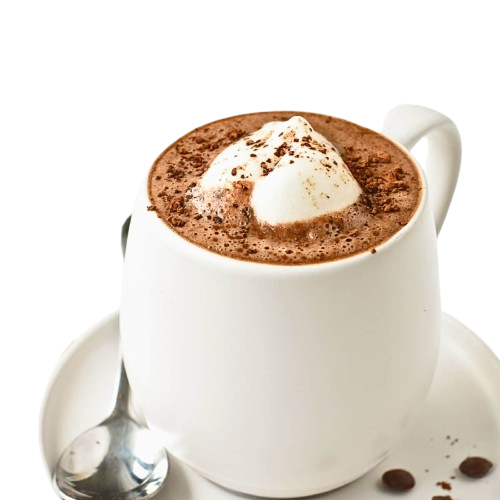
A dish that highlights the modern evolution of this ancient beverage is the classic café-style "Hot Chocolate with Whipped Cream." This popular preparation, served worldwide in coffee shops like Starbucks and Dunkin', represents the complete transformation of the original bitter Mesoamerican drink into a globally beloved sweet, creamy, and indulgent treat, a direct descendant of the Spanish court's sweetened adaptation.
Explore More Beverages
Discover more Beverages with detailed nutrition facts, calorie counts, vitamins, minerals, and health benefits. Compare similar foods, serving sizes, macronutrients, and key nutrients to find the best option for your diet and nutrition goals.
 Almond Milk calories
 Aloe Vera Juice calories
 Americano calories
 Apple Cider calories
 Apple Juice calories
 Apricot Juice calories
 Aronia Juice calories
 Avocado Shake calories
 Banana Juice calories
 Baobab Juice calories
 Barley Tea calories
 Beer calories