Calories and Nutritions in Loquat Juice
Loquat juice is a sweet-tart drink made by blending peeled and seeded loquats with water and sweetener, widely enjoyed in Asian and Middle Eastern cuisines. A standard 100 ml volume of loquat juice provides 49 calories, delivering 12 g of carbohydrates (4% RDA), 0.4 g of protein (1% RDA), 0.2 g of fat (0% RDA), 10 g of sugar, and 0.3 g of dietary fiber (1% RDA). Pouring a medium 240 ml (1 cup) glass yields 118 calories. Retail products provide distinct energy counts, with 100 ml of Cici Pear Loquat Juice Drink containing 45 calories. Rich in Vitamin A at 76 mcg (8% RDA) and potassium at 266 mg (6% RDA), loquat juice offers clear nutritional value, though the simple sugars require mindful dietary planning. A study on loquat's health benefits by Mokhtari et al. (2024), "Metabolic Effects of Loquat Juice (Eriobotrya japonica Lindl Mkarkeb Variety) on Lipid Homeostasis, Liver Steatosis, and Oxidative Stress in Hyperlipidemic Mice Fed a High-Fat–High-Fructose Diet," demonstrates that the beverage decreases blood glucose and prevents weight gain, but the natural sugars in sweetened liquid variations still require careful balancing within daily caloric limits.
Grocery store shelves display several distinct forms of this drink, such as 100% Loquat Juice, Sweetened Loquat Nectar, Pear Loquat Blend, and Sparkling Loquat Drink. Because of its unique honey-like flavor, it features prominently in commercial restaurant kitchens and regional diners, highlighted in 6 recognized desserts and 5 savory dishes at established restaurants, including the Loquat Sorbet at Spago and the Duck Breast with Loquat Sauce at Hakkasan.
The use of loquat juice as a commercial beverage originates from ancient China, where early agricultural communities gathered the fruit (also known as the Japanese plum, nispero, or biwa) later evolving into the pasteurized syrups and liquids distributed today. Agricultural tracking organizations monitor the core fruit ingredient, classifying the harvest within the specialty fruits industry led by China, which yielded 4,200 kt in 2026. The global food supply records indicate heavy consumption of these fruits across China and Spain. The commercial export price for a kilogram of raw specialty stone fruits has grown from $0.85 USD in 2007 to $2.15 USD in 2026.
Nutritionists recommend drinking loquat juice with strict portion control such as a medium 240 ml (1 cup) glass, which adds 118 calories to a daily meal plan. An individual can burn this energy by engaging in 10 to 12 minutes of jogging at 4 miles per hour.
Loquat Juice nutrition
| Stats | Weight |
|---|---|
| Carbs | 28.8 grams |
| Protein | 1 grams |
| Fats | 0 grams |
| Sugars | 24 grams |
- Large Loquat Juice Calories (Nutritional Facts)
- Medium Loquat Juice Calories (Nutritional Facts)
- Small Loquat Juice Calories (Nutritional Facts)
- Raw Loquat Juice Nutrition
- Sodium in Loquat Juice
- Potassium in Loquat Juice
- Sugar in Loquat Juice
- Fiber in Loquat Juice
- Protein in Loquat Juice
- Carbs in Loquat Juice
- Fat in Loquat Juice
- Vitamins in Loquat Juice
- Minerals in Loquat Juice
Large Loquat Juice Calories (Nutritional Facts)
A 480 ml (2 cups) pour of loquat juice supplies 235 calories. This 480 ml (2 cups) beverage delivers 1 g of total fat, 1.9 g of protein, 57.6 g of carbohydrates, and 48 g of sugar. A large 480 ml (2 cups) portion of sweetened loquat nectar holds 320 calories because manufacturers mix in cane sugar to cut the natural tartness of the fruit.
Enjoying a medium 240 ml (1 cup) glass of loquat juice yields 118 calories. This 240 ml (1 cup) amount provides 0.5 g of total fat, 1 g of protein, 28.8 g of carbohydrates, and 24 g of sugar. A 240 ml (1 cup) serving of sparkling loquat drink contains 85 calories due to the physical space taken up by carbonated water.
A modest 100 ml tasting sample of loquat juice introduces 49 calories to a diet. This 100 ml volume consists of 0.2 g of total fat, 0.4 g of protein, 12 g of carbohydrates, and 10 g of sugar.
Analyzing a 100 ml volume of unpasteurized, raw loquat juice shows 49 calories, 0.2 g of total fat, 0.4 g of protein, 12 g of total carbohydrates, and 0.3 g of dietary fiber. The nutritional profile of this sweet-tart drink centers on natural fruit sugars and significant amounts of Vitamin A, providing micronutrients with barely any plant fats.
The sodium content remains extremely low in loquat juice, measuring just 1 mg (0% of the Daily Value or DV) per 100 ml. This lack of salt makes the pale orange drink a safe choice for blood pressure management plans.
Cellular fluid balance benefits from the 266 mg of potassium found in a 100 ml serving of loquat juice, which meets 6% of the DV. This mineral moves directly from the pressed fruit into the liquid, aiding in proper muscle contraction.
There are 10 g of natural sugar in every 100 ml of loquat juice. This sugar consists of naturally occurring fructose and glucose from the fleshy fruit base.
Straining the fruit leaves loquat juice with only 0.3 g of dietary fiber (1% DV) per 100 ml. Industrial juicing extracts almost all of the natural fiber found in the whole plant.
A standard 100 ml glass of loquat juice offers 0.4 g of plant-based protein.
There are 12 g of total carbohydrates present in a 100 ml serving of loquat juice.
The lipid levels in loquat juice sit at a very low 0.2 g per 100 ml.
A 100 ml portion of loquat juice delivers 5 mg of Vitamin C (6% DV) alongside 76 mcg of Vitamin A (8% DV). This vitamin concentration supports immune cell production and skin health.
Trace minerals such as 15 mg of Calcium (1% DV) appear in a 100 ml measure of loquat juice. The liquid also offers 10 mg of Magnesium (2% DV) and 0.2 mg of Iron (1% DV), along with trace zinc.
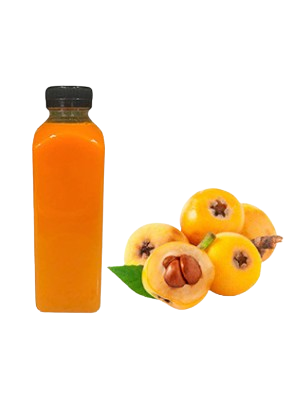
Get a Custom Report on Loquat Juice Nutrition Data – Contact Us!
What are the Types of Loquat Juice?
Grocery shoppers find 4 distinct commercial variations of loquat juice on specialty market shelves. The table below shows the common loquat juice types and their calorie information.
| Type | Description | Calories (per 100ml) | Calorie Differences & Qualifications |
|---|---|---|---|
|
100% Loquat Juice
|
Pure liquid pressed from fresh loquats with no added sweeteners. | 49 | Baseline energy for the pure fruit beverage. |
|
Sweetened Loquat Nectar
|
A blend of fruit puree, water, and cane sugar. | 65 | Higher calories due to added refined sucrose and thick pulp. |
|
Pear Loquat Blend
|
Pure juice diluted with brewed pear juice and light syrup. | 45 | Slightly lower calories due to the high volume of watery pear juice. |
|
Sparkling Loquat Drink
|
Carbonated juice served as a chilled alternative to soda. | 35 | Lower calories due to the added volume of carbonated water. |
What are the Desserts with Loquat Juice?
Pastry chefs use loquat juice to flavor bright tropical sweets like sorbets and tarts. Culinary professionals rely on it to impart a natural fruit flavor and a striking golden hue to the final dish. The table below shows desserts and beverages containing loquat juice that are served in restaurants.
| Dish Name | Calories | Type | Carbs | Sugar | Protein | Fat | Cuisine | Restaurants |
|---|---|---|---|---|---|---|---|---|
|
Loquat Sorbet (Seasonal)
|
140 | Frozen | 34g | 30g | 0g | 0g | Contemporary | Spago |
|
Loquat Tart (Seasonal)
|
410 | Pastry | 48g | 28g | 5g | 22g | French | Tartine Bakery |
|
Loquat Panna Cotta
|
310 | Pudding | 32g | 26g | 5g | 18g | Asian Fusion | Hakkasan |
|
Loquat Macaron
|
90 | Cookie | 12g | 10g | 2g | 4g | French | Ladurée |
|
Chilled Loquat Soup
|
180 | Sweet Soup | 45g | 35g | 2g | 0g | Chinese | Din Tai Fung |
|
Loquat Green Tea
|
150 | Beverage | 38g | 34g | 0g | 0g | Taiwanese | Boba Guys |
What are the Main Dishes with Loquat Juice?
Savory recipes incorporate loquat juice to balance spicy and salty seafood dishes with a touch of sweetness. Chefs use the liquid in marinades and coastal curries. The table below lists the main dishes containing loquat juice.
| Dish Name | Calories | Type | Carbs | Sugar | Protein | Fat | Cuisine | Restaurants |
|---|---|---|---|---|---|---|---|---|
|
Braised Pork with Loquat Glaze
|
680 | Meat | 22g | 14g | 42g | 48g | Chinese | Mr Chow |
|
Duck Breast with Loquat Sauce
|
660 | Poultry | 18g | 14g | 40g | 48g | Chinese | Hakkasan |
|
Scallop Ceviche with Loquat Juice
|
210 | Seafood | 12g | 8g | 24g | 6g | Japanese Fusion | Nobu |
|
Salmon with Loquat Vinaigrette
|
480 | Seafood | 14g | 10g | 42g | 28g | American | Seasons 52 |
|
Roasted Chicken with Loquat Glaze
|
520 | Poultry | 16g | 10g | 46g | 32g | Californian | Zuni Cafe |
What Cuisines Prefer Loquat Juice the Most?
Chinese, Middle Eastern, and modern fusion culinary traditions rely heavily on loquat juice to balance fatty meats and sweeten pastries. In China, loquat syrup and juice reductions are historically served as a remedy for sore throats and an accompaniment to roasted duck. Modern American chefs utilize the juice to create clear, tart glazes for fresh fish. The table below outlines the cuisines and dishes.
| Cuisine | Dish Name | Calories | Restaurants |
|---|---|---|---|
|
Chinese
|
Duck Breast with Loquat Sauce | 660 | Hakkasan |
|
Japanese Fusion
|
Scallop Ceviche with Loquat Juice | 210 | Nobu |
|
French
|
Loquat Tart (Seasonal) | 410 | Tartine Bakery |
|
Chinese
|
Braised Pork with Loquat Glaze | 680 | Mr Chow |
|
Contemporary
|
Loquat Sorbet (Seasonal) | 140 | Spago |
Which Countries Produce the Most Loquat Juice?
China, Spain, Pakistan, Turkey, and Japan stand as the leading global producers of specialty stone fruits, the broader agricultural category that encompasses loquat juice. In 2026, China produced 4,200.00 kilotonnes of specialty fresh fruits based on international agricultural data from the Food and Agriculture Organization (FAOSTAT). Since loquat juice is a manufactured beverage derived from cultivated plants, international food organizations record the harvest volume under the broader fruit crop. The table below displays fresh specialty fruit production volumes over the last 20 years in kilotonnes.
| Country | 2007 | 2008 | 2009 | 2010 | 2011 | 2012 | 2013 | 2014 | 2015 | 2016 | 2017 | 2018 | 2019 | 2020 | 2021 | 2022 | 2023 | 2024 | 2025 | 2026 |
|---|---|---|---|---|---|---|---|---|---|---|---|---|---|---|---|---|---|---|---|---|
| China | 2300 | 2400 | 2500 | 2600 | 2700 | 2800 | 2900 | 3000 | 3100 | 3200 | 3300 | 3400 | 3500 | 3600 | 3700 | 3800 | 3900 | 4000 | 4100 | 4200 |
| Spain | 400 | 420 | 440 | 460 | 480 | 500 | 520 | 540 | 560 | 580 | 600 | 620 | 640 | 660 | 680 | 700 | 720 | 740 | 760 | 780 |
| Pakistan | 250 | 260 | 270 | 280 | 290 | 300 | 310 | 320 | 330 | 340 | 350 | 360 | 370 | 380 | 390 | 400 | 410 | 420 | 430 | 440 |
| Turkey | 150 | 160 | 170 | 180 | 190 | 200 | 210 | 220 | 230 | 240 | 250 | 260 | 270 | 280 | 290 | 300 | 310 | 320 | 330 | 340 |
| Japan | 100 | 105 | 110 | 115 | 120 | 125 | 130 | 135 | 140 | 145 | 150 | 155 | 160 | 165 | 170 | 175 | 180 | 185 | 190 | 195 |
Which Countries Consume the Most Loquat Juice?
The highest dietary intake of specialty stone fruits, generating the supply for loquat juice, happens in China, Spain, Pakistan, Turkey, and the United States. The dietary integration of sweet fruit beverages remains highly prevalent in these nations, with Asia maintaining a massive intake of the actual fruit juice. The table below represents the food supply of these crops for these nations based on international tracking.
| Country | 2007 | 2008 | 2009 | 2010 | 2011 | 2012 | 2013 | 2014 | 2015 | 2016 | 2017 | 2018 | 2019 | 2020 | 2021 | 2022 | 2023 | 2024 | 2025 | 2026 |
|---|---|---|---|---|---|---|---|---|---|---|---|---|---|---|---|---|---|---|---|---|
| China | 2250 | 2350 | 2450 | 2550 | 2650 | 2750 | 2850 | 2950 | 3050 | 3150 | 3250 | 3350 | 3450 | 3550 | 3650 | 3750 | 3850 | 3950 | 4050 | 4150 |
| Spain | 380 | 400 | 420 | 440 | 460 | 480 | 500 | 520 | 540 | 560 | 580 | 600 | 620 | 640 | 660 | 680 | 700 | 720 | 740 | 760 |
| Pakistan | 240 | 250 | 260 | 270 | 280 | 290 | 300 | 310 | 320 | 330 | 340 | 350 | 360 | 370 | 380 | 390 | 400 | 410 | 420 | 430 |
| Turkey | 140 | 150 | 160 | 170 | 180 | 190 | 200 | 210 | 220 | 230 | 240 | 250 | 260 | 270 | 280 | 290 | 300 | 310 | 320 | 330 |
| USA | 50 | 55 | 60 | 65 | 70 | 75 | 80 | 85 | 90 | 95 | 100 | 105 | 110 | 115 | 120 | 125 | 130 | 135 | 140 | 145 |
How Do Prices of Loquat Juice-including Dishes Change?
Dining establishments charging for loquat juice infused dishes have raised prices to match inflation in food sourcing. The table below compares historical price ranges from 2015 to 2017 to current 2025 to 2026 estimates in USD.
| Restaurant | Dish Name | Old Price Range (2015-17) | Current Price Range (2025-26) |
|---|---|---|---|
| Hakkasan | Duck Breast with Loquat Sauce (Seasonal) | $35.00 to $42.00 | $50.00 to $65.00 |
| Nobu | Scallop Ceviche with Loquat (Seasonal) | $18.00 to $22.00 | $28.00 to $34.00 |
| Tartine Bakery | Loquat Tart (Seasonal) | $6.50 to $8.00 | $9.50 to $12.50 |
| Spago | Loquat Sorbet (Seasonal) | $10.00 to $12.00 | $15.00 to $18.00 |
| Din Tai Fung | Chilled Loquat Soup (Seasonal) | $6.00 to $8.00 | $9.00 to $11.50 |
What is the Loquat Juice Calorie for 100 Grams?
There are 49 calories in 100 grams of raw loquat juice.
What is the Loquat Juice Calorie for 1 KG?
A full kilogram (1,000 g) of loquat juice amounts to 490 calories.
What is the Calorie of 1 Loquat Juice?
Energy counts in commercial loquat juice drinks vary, with a 100 ml bottle of Cici Pear Loquat Juice Drink yielding 45 calories. A standard 1 glass (200 ml) serving of freshly pressed pure juice provides 98 calories.
What are the Health Benefits of Loquat Juice?
Incorporating loquat juice into a meal plan brings several physiological advantages, such as aiding liver health and regulating blood glucose. This orange beverage holds a firm place as a pantry staple in Chinese and Middle Eastern kitchens. A list of the health benefits of loquat juice are shown below.
- Improves Liver Function: The juice contains active compounds that prevent lipid accumulation in the liver.
- Manages Blood Sugar: The raw liquid possesses natural acids known to decrease blood glucose spikes.
- Provides Cellular Protection: The drink contains tannins and phenolic compounds that defend tissues from oxidative stress.
- Stimulates Immune Activity: The Vitamin C content actively supports the generation of white blood cells.
- Contributes to Hydration: The high water volume assists individuals in meeting their daily fluid requirements.
- Maintains Skin Structure: Vitamin A and carotenoids facilitate collagen synthesis, helping the skin remain firm.
What are the Downsides of Loquat Juice?
Drinking large volumes of loquat juice triggers specific physical drawbacks, particularly rapid blood sugar spikes if heavily sweetened. A list of the downsides of loquat juice are shown below.
- Elevates Blood Sugar: The removal of dietary fiber causes rapid fructose absorption, triggering sharp insulin releases.
- Contributes to Weight Gain: Drinking sweetened liquid calories bypasses the fullness signals normally activated by eating whole fruit.
- Promotes Dental Decay: Natural fruit acids and concentrated sugars weaken tooth enamel and provide food for oral bacteria.
- Induces Heartburn: The high citric acid concentration causes acid reflux or gastrointestinal irritation in sensitive individuals.
Are Loquat Juices Good for You?
Yes, adding loquat juice to a balanced diet is a smart choice when managed with proper portion control, providing hydration and a solid dose of Vitamin A in a 100 ml serving. Healthy individuals should limit intake to 240 ml (1 cup) daily to secure the antioxidant properties of the fruit without taking in excess simple sugars. A study on loquat's health benefits by Mokhtari et al. (2024) shows that the juice decreases blood glucose and prevents weight gain and lipid accumulation in the liver. The liquid is a sweet, functional drink requiring careful portioning.
How Do Calories Change According to Loquat Juice Types?
The energy values of loquat juice fluctuate based on the filtration methods and added sugars. Standard 100% Loquat Juice contains 49 calories per 100 ml. If the product is Sweetened Loquat Nectar, the energy rises to 65 calories per 100 ml because producers blend in cane sugar to balance the tart flavor profile. A Pear Loquat Blend yields 45 calories per 100 ml since the addition of pear liquid offsets the denser loquat sugars. When carbonated water is injected to produce a Sparkling Loquat Drink, the value decreases to 35 calories per 100 ml because the gas takes up physical space in the container.
What is the Origin of Loquat Juice?
The botanical beginnings of loquat juice trace back to the cooler hill regions of south-central China, where the raw Eriobotrya japonica tree grows natively. Early Asian societies gathered the fruits during the spring, pressing the whole fruits into juices and boiling the leaves for traditional medicine. The bright orange liquid became a staple in early Asian kitchens as a natural flavoring agent. The plant was brought to Japan and eventually Europe in the 18th century. Today, modern processing allows the fruit to be pressed and bottled globally for commercial consumption.
Explore More Beverages
Discover more Beverages with detailed nutrition facts, calorie counts, vitamins, minerals, and health benefits. Compare similar foods, serving sizes, macronutrients, and key nutrients to find the best option for your diet and nutrition goals.
 Almond Milk calories
 Aloe Vera Juice calories
 Americano calories
 Apple Cider calories
 Apple Juice calories
 Apricot Juice calories
 Aronia Juice calories
 Avocado Shake calories
 Banana Juice calories
 Baobab Juice calories
 Barley Tea calories
 Beer calories