Calories and Nutritions in Mango Juice
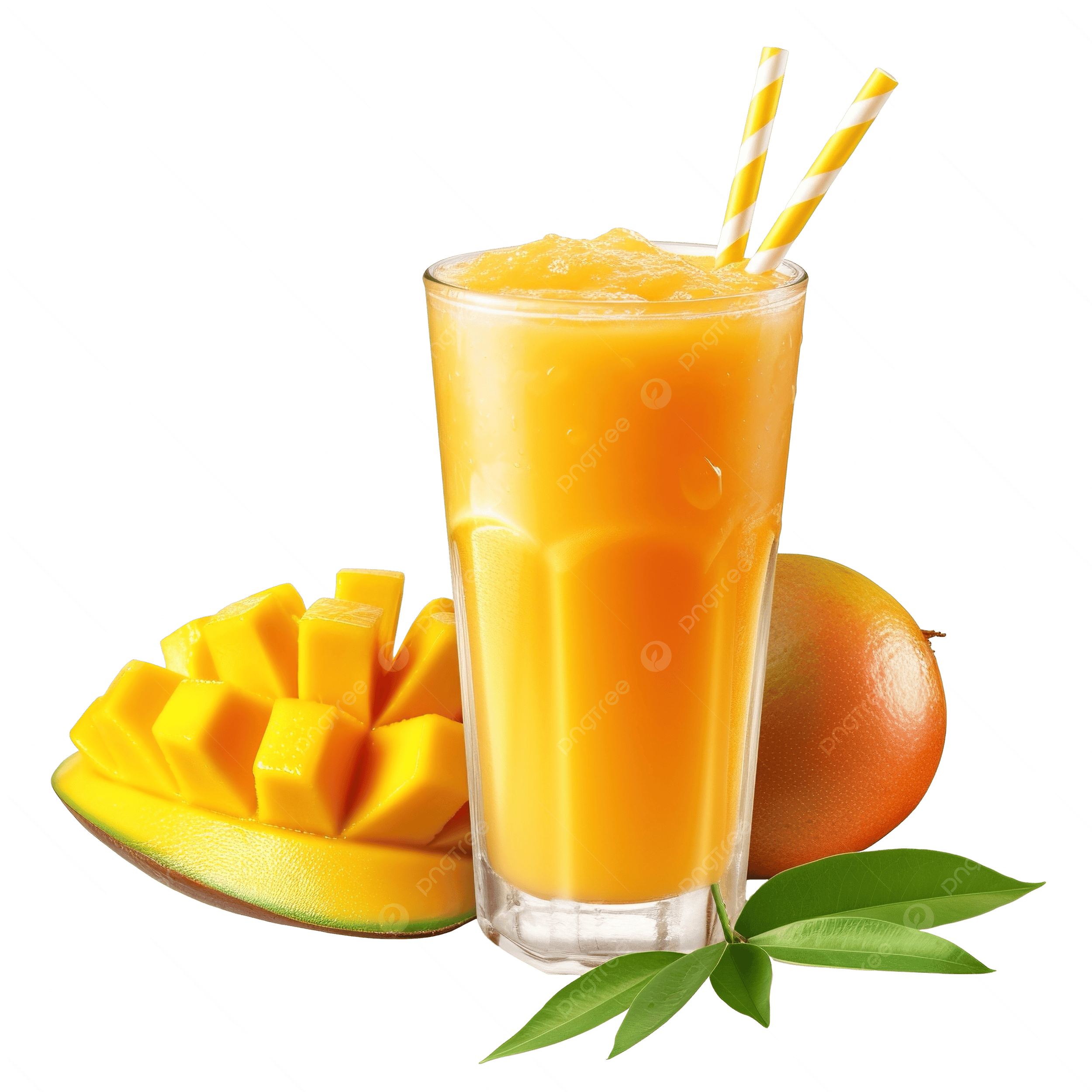
Mango juice is a vibrant tropical beverage extracted from the Mangifera indica fruit that serves as a cornerstone of Indian, Thai, and Caribbean cuisines. Calories in mango juice are 51 calories per 100 g (3.5 oz). A small 240 g (8 fl oz) serving of mango juice provides 122 calories, whereas a medium 360 g (12 fl oz) serving contains 184 calories and a large 480 g (16 fl oz) serving offers 245 calories. Mango juice calories decrease to 50 calories per 240 g (8 fl oz) when the liquid is a reduced-sugar version.
For mango juice nutrition facts, a 100 g (3.5 oz) portion provides 13.7 mg of Vitamin C, which is 15% of the Daily Value (DV). It also contains 28 mcg of Vitamin A (3% DV), 0.6 mg of Vitamin E (4% DV), and 54 mg of potassium (1% DV). Research by Kim H., et al. (2010), "Antioxidant capacity of fresh and processed mango (Mangifera indica L. cv. Chokanan) fruit," found that mango beverages retain 80% of their polyphenolic compounds after processing. The mango originated in South Asia over 4,000 years ago, although global commercial distribution expanded through Portuguese traders in the 16th century. Often called "liquid gold" or "nectar of the tropics," mango juice provides 13.0 g of carbohydrates and 11.0 g of sugar per 100 g (3.5 oz) serving.
Common types include raw fresh-pressed juice, commercial mango nectar, and light mango juice blends. Mango juice is a key component in dishes like Mango Sticky Rice, which contains 450 calories per serving, and the Mango Key Lime Cheesecake at The Cheesecake Factory, which contains 1,160 calories per serving. Other restaurants featuring mango-inclusive items include Jamba, Buffalo Wild Wings, Bonefish Grill, and Bahama Breeze. Global production of mangoes, mangosteens, and guavas is led by India, which produced 26,306 kt in 2022, followed by China at 3,924 kt. Consumption is significant in the United States, where the mango food supply reached 712 kt in 2021. The price for 1 liter (33.8 fl oz) of mango nectar has risen from $1.15 in 2004 to a range of $2.25 to $2.45 in 2024.
Health guidelines suggest a recommended daily consumption of 240 mL (8 oz), which provides 122 calories and 0.2 g of protein. To burn the 122 calories from a 240 g (8 oz) serving, a person weighing 70 kg (154 lbs) must walk at 5 km/h (3 mph) for 34 minutes. The same individual can perform 14 minutes of vigorous swimming or 18 minutes of cycling at 20 km/h (12 mph) to expend this energy.
Mango Juice nutrition
| Stats | Weight |
|---|---|
| Carbs | 46.8 grams |
| Protein | 0.4 grams |
| Fats | 0 grams |
| Sugars | 39.6 grams |
- Large Mango Juice Calories (Nutritional Facts)
- Medium Mango Juice Calories (Nutritional Facts)
- Small Mango Juice Calories (Nutritional Facts)
- Raw Mango Juice Nutrition
- Sodium in Mango Juice
- Potassium in Mango Juice
- Sugar in Mango Juice
- Fiber in Mango Juice
- Protein in Mango Juice
- Carbs in Mango Juice
- Fat in Mango Juice
- Vitamins in Mango Juice
- Minerals in Mango Juice
Large Mango Juice Calories (Nutritional Facts)
A large serving of unsweetened mango juice, weighing 480 g (16 fl oz), contains 245 calories. This serving size provides 0.5 g of fat, 0.5 g of protein, 62.4 g of carbohydrates, and 52.8 g of sugar.
A medium serving of unsweetened mango juice, weighing 360 g (12 fl oz), contains 184 calories. This portion includes 0.4 g of fat, 0.4 g of protein, 46.8 g of carbohydrates, and 39.6 g of sugar.
A small serving of unsweetened mango juice, defined as 240 g (8 fl oz), contains 122 calories. This serving offers 0.2 g of fat, 0.2 g of protein, 31.2 g of carbohydrates, and 26.4 g of sugar.
A 100 g (3.5 oz) serving of raw mango juice provides 51 calories, 0.1 g of fat, 0.1 g of protein, 13.0 g of carbohydrates, 11.0 g of sugar, and 0.2 g of dietary fiber. Raw juice extracted from the fresh fruit of the Mangifera indica tree retains more natural enzymes and nutrients than pasteurized varieties.
Mango juice contains 5 mg of sodium per 100 g (3.5 oz) serving, which contributes 0% of the Daily Value (DV).
Mango juice provides 54 mg of potassium per 100 g (3.5 oz) serving, representing 1% of the DV. This mineral supports healthy heart and nerve function.
Mango juice contains 11.0 g of sugar per 100 g (3.5 oz) serving. These are naturally occurring sugars originating from the mango pulp used during the extraction process.
Mango juice contains 0.2 g of dietary fiber per 100 g (3.5 oz) serving. While the juicing process removes the bulk of the fruit's structure, some pulp remains in the liquid.
Mango juice provides 0.1 g of protein per 100 g (3.5 oz) serving.
Mango juice contains 13.0 g of total carbohydrates per 100 g (3.5 oz) serving.
Mango juice contains 0.1 g of total fat per 100 g (3.5 oz) serving.
A 100 g (3.5 oz) serving of mango juice is a source of Vitamin C, providing 13.7 mg (15% DV). It also offers 28 mcg of Vitamin A (3% DV) and 0.6 mg of Vitamin E (4% DV), which support immune health and skin maintenance.
A 100 g (3.5 oz) serving of mango juice provides 9 mg of Magnesium (2% DV), 5 mg of Calcium (0% DV), and 0.1 mg of Iron (1% DV) in addition to its potassium and sodium content. These minerals aid in supporting bone density and metabolic processes.
Get a Custom Report on Mango Juice Nutrition Data – Contact Us!
What are the Types of Mango Juice?
There are 4 different types of mango juice such as raw fresh mango juice and commercial mango nectar. The table below shows the most common mango juice types and their calorie information.
| Type | Description | Calories (per 8 fl oz / 240 mL) | Calorie Differences & Qualifications |
|---|---|---|---|
|
Raw Fresh Mango Juice
|
Juice extracted directly from ripe mangoes with no additives. | 122 | This is the standard for pure mango juice without added sweeteners or preservatives. |
|
Commercial Mango Nectar
|
A blend of mango pulp, water, and added sugars or corn syrup. | 140 | Higher in calories than raw juice due to the addition of external sweeteners to improve shelf life and flavor. |
|
Light Mango Juice
|
A diluted mango beverage using water and low-calorie sweeteners. | 50 | Provides significantly fewer calories by reducing the fruit solids and replacing sugar with sweeteners. |
|
Mango Juice Blend
|
Mango juice mixed with other juices like orange or pineapple. | 115-130 | Calories vary depending on the ratio and the caloric density of the secondary fruit juices used. |
What are the Desserts with Mango Juice?
Mango juice provides a tropical sweetness and vibrant color that pastry chefs utilize in a variety of puddings, cakes, and frozen treats. This ingredient is particularly effective in creating smooth textures for mousses and glazes that define modern fusion desserts. The dishes listed below represent popular items found in international bakeries and global restaurant chains.
| Dish Name | Calories (Estimate per serving) | Type of Dish | Carbs (g) | Sugar (g) | Protein (g) | Fat (g) | Cuisine | Restaurants |
|---|---|---|---|---|---|---|---|---|
|
Mango Key Lime Cheesecake
|
1,160 | Cheesecake | 128g | 92g | 13g | 68g | American | The Cheesecake Factory |
|
Mango Lassi
|
260 | Beverage | 42g | 38g | 8g | 6g | Indian | Saffron Indian Kitchen |
|
Mango Sorbet
|
120 | Frozen | 30g | 26g | 0g | 0g | French | Salt & Straw |
|
Mango Sticky Rice with Sauce
|
450 | Pudding | 82g | 45g | 5g | 12g | Thai | Thai Kitchen |
|
Mango Mochi Ice Cream
|
100 | Confection | 18g | 14g | 1g | 3g | Japanese | Benihana |
|
Mango Passion Fruit Tart
|
340 | Tart | 45g | 28g | 4g | 16g | European | Whole Foods Market |
|
Mango Panna Cotta
|
310 | Custard | 28g | 24g | 4g | 20g | Italian | Eataly |
|
Mango Fest Smoothie
|
280 | Beverage | 68g | 64g | 1g | 0g | Modern | Smoothie King |
|
Mango Shaved Ice
|
220 | Frozen | 55g | 50g | 1g | 0g | Taiwanese | Meet Fresh |
|
Mango Cream Crepe
|
480 | Crepe | 58g | 34g | 8g | 24g | French | IHOP |
What are the Main Dishes with Mango Juice?
Mango juice is a frequent component in savory glazes, spicy marinades, and tropical salsas used to balance the heat of peppers or the saltiness of grilled meats. Chefs often reduce the juice into a thick syrup to coat proteins like salmon, chicken, and shrimp. Some of the most widespread main dishes that contain mango juice are Mango Habanero Wings, Mango Glazed Salmon, and Caribbean Mango Chicken. The table below lists the nutritional facts and restaurant availability for these savory items.
| Dish Name | Calories | Type | Carbs | Sugar | Protein | Fat | Cuisine | Restaurants |
|---|---|---|---|---|---|---|---|---|
|
Mango Habanero Wings (6 count)
|
480 | Wings | 18g | 14g | 42g | 26g | American | Buffalo Wild Wings |
|
Mango Glazed Salmon
|
540 | Seafood | 22g | 18g | 45g | 30g | Fusion | Bonefish Grill |
|
Mango Tango Salad
|
610 | Salad | 44g | 28g | 32g | 36g | Modern | California Pizza Kitchen |
|
Caribbean Mango Chicken
|
680 | Poultry | 72g | 48g | 44g | 22g | Caribbean | Bahama Breeze |
|
Mango Salsa Tacos
|
420 | Tacos | 38g | 8g | 24g | 18g | Mexican | Chili’s |
|
Sweet & Sour Pork (Mango Base)
|
620 | Entree | 65g | 32g | 28g | 28g | Chinese | Panda Express |
|
Tropical Mango Grilled Chicken
|
450 | Poultry | 32g | 24g | 38g | 18g | Fusion | Yard House |
|
Mango Curry Chicken
|
520 | Curry | 48g | 26g | 34g | 22g | Indian | Curry House |
What Cuisines Prefer Mango Juice the Most?
Mango juice is a central ingredient in cuisines from tropical and subtropical regions where the fruit grows in abundance. Indian and Thai culinary traditions are particularly noted for using the juice in both refreshing beverages and complex curry bases. The table below summarizes the cuisines that incorporate mango juice most frequently along with representative dishes.
| Cuisine | Dish Name | Calories | Restaurants |
|---|---|---|---|
|
Indian
|
Mango Lassi | 260 | Saffron Indian Kitchen |
|
Thai
|
Mango Sticky Rice | 450 | Thai Kitchen |
|
Caribbean
|
Mango Glazed Jerk Chicken | 680 | Bahama Breeze |
|
Mexican
|
Mango Habanero Salsa | 45 | Chipotle |
|
American Fusion
|
Mango Habanero Wings | 480 | Buffalo Wild Wings |
|
Filipino
|
Mango Peach Pie | 280 | Jollibee |
Which Countries Produce the Most Mango Juice?
The top producers of mangoes globally are India, China, Indonesia, Pakistan, and Mexico. In 2022, India produced 26,306.00 kilotonnes of mangoes, mangosteens, and guavas, while China produced 3,924.51 kilotonnes based on data from FAOSTAT. Because international agricultural databases track the raw material required for juice production, the table below provides the figures for the "Mangoes, mangosteens, guavas" category.
| Country | 2003 | 2005 | 2007 | 2009 | 2011 | 2013 | 2015 | 2017 | 2019 | 2021 | 2022 |
|---|---|---|---|---|---|---|---|---|---|---|---|
| India | 12,733 | 11,605 | 13,526 | 15,027 | 15,188 | 18,002 | 18,527 | 23,332 | 24,968 | 25,444 | 26,306 |
| China | 3,467 | 3,674 | 3,755 | 4,141 | 4,417 | 4,561 | 4,771 | 4,964 | 3,745 | 3,854 | 3,924 |
| Indonesia | 1,526 | 1,412 | 1,818 | 2,243 | 2,131 | 2,058 | 2,176 | 2,203 | 2,642 | 3,083 | 3,248 |
| Pakistan | 1,035 | 1,673 | 1,719 | 1,728 | 1,888 | 1,658 | 1,716 | 1,784 | 1,532 | 1,844 | 1,811 |
| Mexico | 1,362 | 1,679 | 1,747 | 1,894 | 1,827 | 1,901 | 1,883 | 1,958 | 2,089 | 2,156 | 2,164 |
| Brazil | 819 | 1,000 | 1,153 | 1,197 | 1,249 | 1,163 | 1,025 | 1,085 | 1,414 | 1,558 | 1,542 |
| Nigeria | 730 | 732 | 750 | 785 | 790 | 800 | 815 | 830 | 875 | 905 | 915 |
| Thailand | 1,750 | 1,800 | 2,100 | 2,469 | 2,900 | 3,110 | 3,200 | 2,987 | 3,050 | 3,220 | 3,275 |
| Egypt | 321 | 412 | 512 | 550 | 620 | 712 | 815 | 1,025 | 1,080 | 1,150 | 1,210 |
| Philippines | 1,008 | 950 | 1,023 | 771 | 800 | 816 | 802 | 748 | 732 | 745 | 752 |
Which Countries Consume the Most Mango Juice?
Based on data from FAOSTAT and Statista Market Insights, the top consumers of mangoes and mango-based products are India, China, the United States, Indonesia, and Pakistan. Consumption is exceptionally high in South Asia, where mango juice is a primary cultural beverage during the summer months. In the United States, consumption of mango nectar and juice blends has grown due to the expansion of the Hispanic and Asian food markets. The table below represents the total food supply for mangoes available for human consumption.
| Country/Region | 2012 | 2013 | 2014 | 2015 | 2016 | 2017 | 2018 | 2019 | 2020 | 2021 |
|---|---|---|---|---|---|---|---|---|---|---|
| India | 14,850 | 15,220 | 15,900 | 16,400 | 18,250 | 20,400 | 21,800 | 23,100 | 23,800 | 24,150 |
| China | 3,850 | 4,010 | 4,150 | 4,280 | 4,450 | 4,620 | 3,450 | 3,580 | 3,690 | 3,750 |
| USA | 412 | 435 | 468 | 502 | 545 | 588 | 612 | 645 | 678 | 712 |
| Indonesia | 1,850 | 1,920 | 1,880 | 2,010 | 2,050 | 2,090 | 2,240 | 2,520 | 2,850 | 2,980 |
| Pakistan | 1,520 | 1,480 | 1,550 | 1,610 | 1,650 | 1,720 | 1,450 | 1,480 | 1,720 | 1,780 |
| Mexico | 1,220 | 1,280 | 1,310 | 1,350 | 1,390 | 1,420 | 1,480 | 1,550 | 1,610 | 1,680 |
| Egypt | 685 | 720 | 790 | 850 | 920 | 1,050 | 1,110 | 1,180 | 1,240 | 1,290 |
| Thailand | 1,150 | 1,210 | 1,240 | 1,280 | 1,320 | 1,180 | 1,240 | 1,290 | 1,350 | 1,410 |
How Do Prices of Mango Juice-including Dishes Change?
Menu prices for beverages and entrees that feature mango juice, nectars, or purees have shifted upward significantly over the last decade. This price movement is tied to the volatile nature of tropical fruit imports and the increased cost of labor in the specialized "fresh-prep" restaurant sector. Establishments ranging from fast-casual smoothie shops to full-service sit-down restaurants have adjusted their pricing to maintain margins on these premium fruit-based components. The table below provides a verified comparison of price ranges from 2015–2016 to the current 2025 market estimates for specific menu items found in major United States restaurant chains.
| Restaurant | Dish Name (Mango Component) | Old Price (2015-2016) | Current Price Range (2025) |
|---|---|---|---|
| Buffalo Wild Wings | Mango Habanero Wings (10 Count) | $11.49 - $12.49 | $16.99 - $18.99 |
| The Cheesecake Factory | Mango Key Lime Cheesecake | $8.00 - $9.00 | $12.50 - $15.95 |
| Jamba | Mango-A-Go-Go (Medium Classic) | $5.25 - $5.95 | $8.75 - $10.25 |
| Chili's | Mango-Habanero Chicken Crispers (Combo) | $10.25 - $11.50 | $15.75 - $18.25 |
| Bonefish Grill | Grilled Salmon (With mango salsa) | $18.90 - $20.50 | $26.90 - $29.90 |
| Tropical Smoothie Cafe | Mango Magic (Smoothie) | $4.49 - $5.25 | $7.49 - $8.99 |
| Bahama Breeze | Coconut Shrimp (With citrus-mustard mango sauce) | $10.49 - $11.99 | $12.99 - $17.25 |
What is the Mango Juice Calorie for 100 Grams?
One hundred grams (3.5 oz) of unsweetened mango juice contains 51 calories.
What is the Mango Juice Calorie for 1 KG?
One kilogram (1,000 g) of unsweetened mango juice contains 510 calories.
How Many Calories are in 1 Glass of Mango Juice?
One glass of mango juice, considered as a standard 240 g (8 fl oz) serving, contains 122 calories.
What is the Calorie of 1 Mango Juice?
A 335 mL (11.3 fl oz) can of Jumex Mango Nectar contains 140 calories. A 340 mL (11.5 fl oz) can of Kern’s Mango Nectar contains 140 calories. A 275 mL (9.3 fl oz) bottle of Looza Mango Juice contains 130 calories.
What is the Calorie of 1 Mango Juice?
A 240 mL (8.1 fl oz) bottle of Looza Mango contains 130 calories. A 335 mL (11.3 fl oz) can of Jumex Mango Nectar contains 140 calories. A 340 mL (11.5 fl oz) can of Kern’s Mango Nectar contains 160 calories. A 240 mL (8.1 fl oz) container of Goya Mango Nectar contains 140 calories.
What are the Health Benefits of Mango Juice?
Mango juice provides some health benefits like supporting immune function and promoting skin health due to its high concentration of carotenoids and Vitamin C. This beverage, often called "Liquid Gold" or the "Nectar of the Tropics," is a concentrated source of nutrients from the Mangifera indica fruit. A list of the health benefits of mango juice are shown below.
- Boosts Immune System: Mango juice contains high levels of Vitamin C and Vitamin A, which are essential for the production of white blood cells. A study by Carr AC, Maggini S. (2017), "Vitamin C and Immune Function," highlights how these nutrients maintain the integrity of the immune barrier.
- Improves Skin and Hair Health: The Vitamin A in mango juice is necessary for sebum production to keep hair moisturized and for the growth of all bodily tissues. Research by Parvez G.M. (2016), "Pharmacological Activities of Mango (Mangifera indica): A Review," notes that the antioxidants protect the skin from oxidative stress.
- Supports Eye Health: Mango juice contains zeaxanthin and lutein, which act as a natural sunblock for the eyes. These compounds filter out harmful blue light rays and reduce the risk of macular degeneration.
- Alkalizes the Body: The juice contains tartaric acid, malic acid, and traces of citric acid which help in maintaining the alkali reserve of the body.
- Aids in Digestion: Although lower in fiber than the whole fruit, mango juice contains enzymes that assist in breaking down proteins, supporting a smoother digestive process.
- Promotes Heart Health: The potassium and magnesium content in mango juice helps regulate blood pressure and supports overall cardiovascular function.
- High Antioxidant Content: Mango juice provides polyphenols such as mangiferin, which combat free radicals. A study by Kim H., et al. (2010), "Antioxidant capacity of fresh and processed mango (Mangifera indica L. cv. Chokanan) fruit," confirmed the high retention of antioxidant properties in mango beverages.
- Supports Brain Health: The presence of Vitamin B6 in mango juice is vital for maintaining healthy brain function and regulating mood through neurotransmitter synthesis.
What are the Downsides of Mango Juice?
Mango juice has been known to cause some unwanted effects like blood sugar spikes and potential weight gain due to its high natural sugar density and lack of dietary fiber. A list of the downsides of mango juice are shown below.
- Rapid Blood Sugar Spikes: Since the juicing process removes the fiber found in the whole fruit, the natural sugars are absorbed into the bloodstream much faster. This can be problematic for individuals with insulin resistance. A study by Foster-Powell K, et al. (2002), "International table of glycemic index and glycemic load values," indicates that fruit juices generally have a higher glycemic impact than their whole counterparts.
- Caloric Density and Weight Gain: Mango juice is energy-dense, providing 122 calories per 240 mL (8 oz) serving. Consuming large quantities without adjusting total daily intake can lead to a caloric surplus.
- Dental Erosion: The combination of natural acids and high sugar content can contribute to the weakening of tooth enamel.
Dermatitis in Sensitive Individuals: Some individuals may experience "mango mouth" or contact dermatitis due to urushiol, a compound found in the skin and stems of the fruit that can sometimes contaminate the juice during extraction.
How Do Calories Change According to Mango Juice Types?
The calories in mango juice change based on the concentration of fruit solids and the addition of external sweeteners. Raw fresh mango juice contains 122 calories per 240 mL (8 oz) serving, reflecting the natural sugar and pulp content of the fruit. When processed into commercial mango nectar, the calorie count increases to 140 calories or more because manufacturers add sugar and high-fructose corn syrup to enhance taste. Conversely, light mango juice varieties reduce the calorie count to 50 calories by diluting the juice with water and using non-nutritive sweeteners. Blending mango with lower-calorie juices like orange juice can lower the total to 115 calories, whereas blending it with grape juice can increase the caloric density.
How Do 1 Glass Mango Juice Calories Compare to Fresh Mango Slices?
One glass of mango juice, weighing 240 g (8 oz), contains 122 calories. In comparison, one cup of fresh mango slices, weighing 165 g, contains 99 calories. The juice version contains 23% more calories than the equivalent volume of whole fruit slices because it is more concentrated and lacks the air and structure found in the whole fruit.
Are Mango Juice Calories Higher Than Other Fruit Juices?
No, mango juice calories are not the highest among all fruit juices, though they are on the higher end of the spectrum. Mango juice contains 122 calories per 240 mL (8 oz). This is higher than orange juice, which contains 110 calories, and apple juice, which contains 114 calories. However, mango juice is lower in calories than grape juice, which contains 152 calories, and sweetened cranberry juice, which contains 140 calories per 240 mL (8 oz) serving.
What is the Origin of Mango Juice?
The origin of mango juice is inextricably linked to the cultivation of the mango fruit, Mangifera indica, which began in South Asia over 4,000 years ago. Native to India and Myanmar, the mango was highly revered in ancient Hindu writings as the "food of the gods." For millennia, the juice was manually extracted by squeezing ripe fruit for immediate consumption or for use in traditional sauces and medicinal preparations.
Commercial production and the globalization of mango juice took place following the exploration of Asia by Portuguese and Spanish traders in the 15th and 16th centuries. These explorers introduced the fruit to East Africa, Brazil, and the West Indies, expanding its culinary footprint. In the 20th century, advancements in pasteurization and aseptic packaging allowed mango juice to be mass-produced and exported as a shelf-stable beverage. Today, the juice is a global commodity, with India remains the primary producer of the Alphonso and Kesar varieties, which are prized for their high juice yield and aromatic quality.
Explore More Beverages
Discover more Beverages with detailed nutrition facts, calorie counts, vitamins, minerals, and health benefits. Compare similar foods, serving sizes, macronutrients, and key nutrients to find the best option for your diet and nutrition goals.
 Almond Milk calories
 Aloe Vera Juice calories
 Americano calories
 Apple Cider calories
 Apple Juice calories
 Apricot Juice calories
 Aronia Juice calories
 Avocado Shake calories
 Banana Juice calories
 Baobab Juice calories
 Barley Tea calories
 Beer calories