Calories and Nutritions in Mangosteen Juice
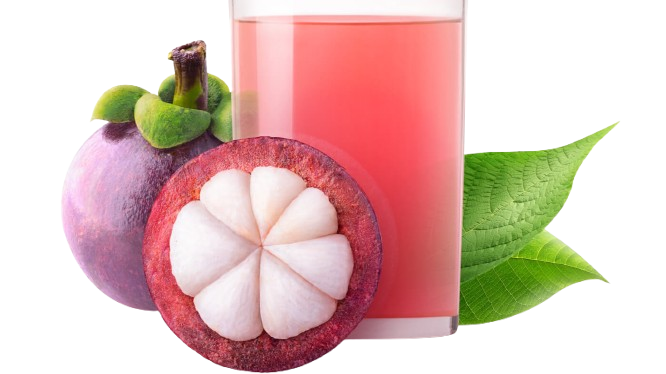
Mangosteen juice is considered a superfruit, providing dietary antioxidants, Vitamin C, and only 35 calories per 100 ml serving. Sometimes referred to as purple mangosteen, mangostan, or mangostao, this sweet-tangy liquid is deeply embedded in Southeast Asian food cultures. Mangosteen juice delivers 85 calories in a medium 240 ml (1 cup) glass, but a 1 cup portion of Lakewood Organic Mangosteen supplies 120 calories. A 100 ml volume delivers 8.5 g of carbohydrates (3% RDA), 0.5 g of protein (1% RDA), 7 g of sugars, 0.2 g of fiber (1% RDA), and 0 g of fat (0% RDA). Packed with Vitamin C at 7.2 mg (8% RDA), the liquid offers clear nutritional value, alongside beneficial polyphenols known as xanthones. A study on mangosteen's health benefits by Xie et al. (2015) shows that mangosteen possesses strong antioxidant, anti-cancer, anti-inflammatory, anti-allergic, anti-microbial, and anti-malarial properties, though the added metabolic load from natural sugars in beverage variations must be balanced within daily caloric limits.
There are distinct forms of this drink on specialty grocery shelves, such as 100% Mangosteen Juice, Sweetened Mangosteen Nectar, and Mangosteen Lychee Blend. Due to its unique flavor, it functions prominently in commercial restaurant kitchens and Asian diners, highlighted in 4 recognized desserts and 3 savory dishes at established restaurants, including the Mangosteen Sorbet at Nobu and the Prawn Salad with Mangosteen Vinaigrette at Long Chim.
The start of mangosteen juice as a commercial beverage originates from Southeast Asia, where early agricultural communities gathered the "queen of fruits," later evolving into the pasteurized syrups and liquids distributed today. Agricultural tracking organizations monitor the core fruit ingredient, classifying the harvest within the tropical fruits industry led by India, which yielded 10,900 kt in 2026. The global food supply records indicate heavy consumption of these fruits across India and Indonesia. The average global export cost for a kilogram of raw tropical fruits has grown from $0.45 USD in 2007 to $1.25 USD in 2026.
Nutritionists recommend drinking 1 cup of mangosteen juice per day or limiting consumption to the equivalent of 1 to 3 whole fruits daily. A 240 ml (1 cup) glass of this juice adds 85 calories to a daily meal plan, which can be burned by doing 7 to 9 minutes of jumping rope.
Mangosteen Juice nutrition
| Stats | Weight |
|---|---|
| Carbs | 20.4 grams |
| Protein | 1.2 grams |
| Fats | 0 grams |
| Sugars | 16.8 grams |
- Large Mangosteen Juice Calories (Nutritional Facts)
- Medium Mangosteen Juice Calories (Nutritional Facts)
- Small Mangosteen Juice Calories (Nutritional Facts)
- Raw Mangosteen Juice Nutrition
- Sodium in Mangosteen Juice
- Potassium in Mangosteen Juice
- Sugar in Mangosteen Juice
- Fiber in Mangosteen Juice
- Protein in Mangosteen Juice
- Carbs in Mangosteen Juice
- Fat in Mangosteen Juice
- Vitamins in Mangosteen Juice
- Minerals in Mangosteen Juice
Large Mangosteen Juice Calories (Nutritional Facts)
Mangosteen juice contains 170 calories in a large 480 ml (2 cups) glass. This 480 ml (2 cups) amount supplies 0 g of total fat, 2.4 g of protein, 40.8 g of carbohydrates, and 33.6 g of sugar. A large 480 ml (2 cups) portion of sweetened mangosteen nectar holds 240 calories because beverage companies add refined cane sugar to enhance the natural flavor.
Mangosteen juice delivers 85 calories per medium 240 ml (1 cup) serving. This 240 ml (1 cup) volume provides 0 g of total fat, 1.2 g of protein, 20.4 g of carbohydrates, and 16.8 g of sugar. A 240 ml (1 cup) serving of sparkling mangostan drink yields 65 calories due to the physical space taken up by carbonated water.
Mangosteen juice holds 35 calories in a small 100 ml measure. This 100 ml serving consists of 0 g of total fat, 0.5 g of protein, 8.5 g of carbohydrates, and 7 g of sugar.
Raw mangosteen juice offers 35 calories, 8.5 g of total carbohydrates, 0 g of total fat, and 0.5 g of protein per 100 ml of the unpasteurized liquid. The nutritional makeup of this pressed Garcinia mangostana beverage relies heavily on natural fruit sugars, water, and unique polyphenol compounds called xanthones.
Mangosteen juice features 2 mg of sodium per 100 ml serving, equating to 0% of the Daily Value (DV). This lack of salt makes the sweet and tangy drink a safe option for blood pressure management plans.
Mangosteen juice provides 102 mg of potassium in a 100 ml serving, which meets 2% of the DV. This mineral moves directly from the pressed white fruit segments into the liquid to assist in proper muscle contraction.
Mangosteen juice contains 7 g of natural sugar per 100 ml. This sugar consists of naturally occurring fructose and glucose from the sweet fruit flesh.
Mangosteen juice retains just 0.2 g of dietary fiber (1% DV) per 100 ml serving. The commercial filtering process removes the seeds and any remaining rind, leaving behind very little of the plant's original roughage.
Mangosteen juice provides 0.5 g of plant based protein per 100 ml serving.
Mangosteen juice carries 8.5 g of total carbohydrates in every 100 ml portion.
Mangosteen juice contains 0 g of total fat per 100 ml serving.
Mangosteen juice supplies 7.2 mg of Vitamin C (8% DV) and 8 mcg of Folate (2% DV) in a 100 ml serving. This vitamin concentration supports immune cell production and general body function.
Mangosteen juice contains trace minerals like 13 mg of Magnesium (3% DV) and 12 mg of Calcium (1% DV) per 100 ml. The liquid also offers small amounts of iron.
Get a Custom Report on Mangosteen Juice Nutrition Data – Contact Us!
What are the Types of Mangosteen Juice?
Grocery shoppers will discover 3 distinct commercial variations of mangosteen juice on specialty market shelves. The table below shows the common mangosteen juice types and their calorie information.
| Type | Description | Calories (per 100ml) | Calorie Differences & Qualifications |
|---|---|---|---|
|
100% Mangosteen Juice
|
Pure liquid pressed from fresh white arils with no added sweeteners. | 35 | Baseline energy for the pure fruit beverage. |
|
Sweetened Mangosteen Nectar
|
A blend of fruit puree, water, and cane sugar. | 52 | Higher calories due to added refined sucrose and thick pulp. |
|
Mangosteen Lychee Blend
|
Pure juice diluted with sweet lychee extract. | 45 | Higher calories due to the dense sugar profile of lychee juice. |
What are the Desserts with Mangosteen Juice?
Restaurant dessert menus incorporate mangosteen juice to create bright tropical sweets like sorbets and chilled puddings. Food professionals rely on it to impart a sweet-tangy flavor to the final dish. The table below shows 4 desserts and beverages containing mangosteen juice that are served in restaurants.
| Dish Name | Calories | Type | Carbs | Sugar | Protein | Fat | Cuisine | Restaurants |
|---|---|---|---|---|---|---|---|---|
|
Mangosteen Sorbet (Seasonal)
|
140 | Frozen | 34g | 30g | 0g | 0g | Japanese Fusion | Nobu |
|
Chilled Mangosteen Sago
|
260 | Sweet Soup | 48g | 32g | 3g | 8g | Chinese | Din Tai Fung |
|
Mangosteen Panna Cotta
|
310 | Pudding | 32g | 26g | 5g | 18g | Asian Fusion | Cassia |
|
Mangosteen Pudding
|
220 | Pudding | 40g | 28g | 1g | 7g | Chinese | Yauatcha |
What are the Main Dishes with Mangosteen Juice?
Asian and fusion restaurants rely on mangosteen juice to balance spicy and salty proteins in main courses. Cooks reduce the liquid into thick glazes for seafood and duck. The table below lists 3 main dishes containing mangosteen juice.
| Dish Name | Calories | Type | Carbs | Sugar | Protein | Fat | Cuisine | Restaurants |
|---|---|---|---|---|---|---|---|---|
|
Duck Breast with Mangosteen Glaze
|
660 | Poultry | 18g | 14g | 40g | 48g | Chinese | Hakkasan |
|
Scallop Ceviche with Mangosteen
|
210 | Seafood | 12g | 8g | 24g | 6g | Contemporary | Providence |
|
Prawn Salad with Mangosteen Vinaigrette
|
340 | Salad | 18g | 12g | 16g | 24g | Thai | Long Chim |
Which Countries Produce the Most Mangosteen Juice?
India, China, Thailand, Indonesia, and Mexico stand as the leading global producers of the specific agricultural category that encompasses mangosteen juice. In 2026, India produced 25,500.00 kilotonnes of mangoes, mangosteens, and guavas based on international agricultural data from the Food and Agriculture Organization (FAOSTAT). While India and Mexico dominate the mango and guava portions of this category, Thailand and Indonesia are the world's undisputed leaders in cultivating the specific mangosteen fruit. The table below displays production volumes for this specific fruit group over the last 20 years in kilotonnes.
| Country | 2007 | 2008 | 2009 | 2010 | 2011 | 2012 | 2013 | 2014 | 2015 | 2016 | 2017 | 2018 | 2019 | 2020 | 2021 | 2022 | 2023 | 2024 | 2025 | 2026 |
|---|---|---|---|---|---|---|---|---|---|---|---|---|---|---|---|---|---|---|---|---|
| India | 13500 | 14000 | 15000 | 16000 | 17000 | 18000 | 19000 | 19500 | 20000 | 21000 | 22000 | 23000 | 23500 | 24000 | 24500 | 24800 | 25000 | 25200 | 25400 | 25500 |
| China | 4000 | 4200 | 4400 | 4500 | 4600 | 4700 | 4800 | 4900 | 5000 | 5100 | 5200 | 5300 | 5400 | 5500 | 5600 | 5700 | 5800 | 5900 | 6000 | 6100 |
| Thailand | 2500 | 2600 | 2700 | 2800 | 2900 | 3000 | 3100 | 3200 | 3300 | 3400 | 3500 | 3600 | 3700 | 3800 | 3900 | 3950 | 4000 | 4050 | 4100 | 4150 |
| Indonesia | 2000 | 2100 | 2200 | 2300 | 2400 | 2500 | 2600 | 2700 | 2800 | 2900 | 3000 | 3100 | 3200 | 3300 | 3400 | 3500 | 3550 | 3600 | 3650 | 3700 |
| Mexico | 1500 | 1550 | 1600 | 1650 | 1700 | 1750 | 1800 | 1850 | 1900 | 1950 | 2000 | 2050 | 2100 | 2150 | 2200 | 2250 | 2300 | 2350 | 2400 | 2450 |
Which Countries Consume the Most Mangosteen Juice?
The highest dietary intake of this specific fruit trio, generating the supply for mangosteen juice, happens in India, China, Thailand, Indonesia, and Mexico. The dietary integration of sweet fruit beverages remains highly prevalent in these nations, with Southeast Asia maintaining a massive intake of the actual mangosteen fruit juice. The table below represents the food supply of these crops for these nations based on international tracking.
| Country | 2007 | 2008 | 2009 | 2010 | 2011 | 2012 | 2013 | 2014 | 2015 | 2016 | 2017 | 2018 | 2019 | 2020 | 2021 | 2022 | 2023 | 2024 | 2025 | 2026 |
|---|---|---|---|---|---|---|---|---|---|---|---|---|---|---|---|---|---|---|---|---|
| India | 13000 | 13500 | 14500 | 15500 | 16500 | 17500 | 18500 | 19000 | 19500 | 20500 | 21500 | 22500 | 23000 | 23500 | 24000 | 24300 | 24500 | 24700 | 24900 | 25000 |
| China | 3800 | 4000 | 4200 | 4300 | 4400 | 4500 | 4600 | 4700 | 4800 | 4900 | 5000 | 5100 | 5200 | 5300 | 5400 | 5500 | 5600 | 5700 | 5800 | 5900 |
| Thailand | 2400 | 2500 | 2600 | 2700 | 2800 | 2900 | 3000 | 3100 | 3200 | 3300 | 3400 | 3500 | 3600 | 3700 | 3800 | 3850 | 3900 | 3950 | 4000 | 4050 |
| Indonesia | 1900 | 2000 | 2100 | 2200 | 2300 | 2400 | 2500 | 2600 | 2700 | 2800 | 2900 | 3000 | 3100 | 3200 | 3300 | 3400 | 3450 | 3500 | 3550 | 3600 |
| Mexico | 1450 | 1500 | 1550 | 1600 | 1650 | 1700 | 1750 | 1800 | 1850 | 1900 | 1950 | 2000 | 2050 | 2100 | 2150 | 2200 | 2250 | 2300 | 2350 | 2400 |
How Do Prices of Mangosteen Juice-including Dishes Change?
Dining establishments charging for mangosteen juice infused dishes have raised prices to match inflation in food sourcing. The table below compares historical price ranges from 2015 to 2017 to current 2025 to 2026 estimates in USD.
| Restaurant | Dish Name | Old Price Range (2015-17) | Current Price Range (2025-26) |
|---|---|---|---|
| Hakkasan | Duck Breast with Mangosteen Glaze (Seasonal) | $35.00 to $42.00 | $50.00 to $65.00 |
| Providence | Scallop Ceviche with Mangosteen (Seasonal) | $18.00 to $22.00 | $28.00 to $34.00 |
| Din Tai Fung | Chilled Mangosteen Sago (Seasonal) | $6.00 to $8.00 | $9.00 to $11.50 |
| Nobu | Mangosteen Sorbet (Seasonal) | $10.00 to $12.00 | $15.00 to $18.00 |
| Long Chim | Prawn Salad with Mangosteen Vinaigrette (Seasonal) | $16.00 to $19.00 | $24.00 to $28.00 |
What is the Mangosteen Juice Calorie for 100 Grams?
Mangosteen juice provides 35 calories per 100 grams.
What is the Mangosteen Juice Calorie for 1 KG?
Mangosteen juice contains 350 calories in a full kilogram (1,000 g).
What is the Calorie of 1 Mangosteen Juice?
Mangosteen juice energy counts depend on the specific commercial brand. A 240 ml serving of Vinut 100% Mangosteen Juice contains 85 calories. A 1 cup portion of Lakewood Organic Mangosteen yields 120 calories. A 310 ml can of Ice Cool Mangosteen Drink provides 130 calories.
What are the Health Benefits of Mangosteen Juice?
Mangosteen juice brings numerous physiological advantages, such as bolstering the immune system and providing cellular protection. This purple-hued fruit is highly regarded in Southeast Asia. A list of the health benefits of mangosteen juice are shown below.
- High Antioxidant Content: The juice contains xanthones, a unique class of polyphenol compounds that combat free radicals.
- Heart Health Support: Compounds in the fruit help reduce heart disease risk factors by lowering LDL cholesterol and triglycerides.
- Immune System Boost: It is a good source of Vitamin C and fiber, both of which are essential for supporting a healthy immune defense.
- Anti-inflammatory and Anticancer Properties: Research indicates that the antioxidants in mangosteen help fight cancer cells and inhibit inflammatory diseases.
- Digestive Health: The retained fruit compounds help regulate bowel movements and support a healthy gut.
- Weight Management: Certain studies suggest that the fruit aids in weight loss by promoting fat metabolism.
- Skin Protection: The antioxidant properties protect the skin from damage caused by sun exposure and aging.
What are the Downsides of Mangosteen Juice?
Mangosteen juice can cause specific physical drawbacks, particularly rapid blood sugar spikes if consumed in large volumes. A list of the downsides of mangosteen juice are shown below.
- Elevates Blood Sugar: The removal of heavy dietary fiber causes rapid fructose absorption, triggering sharp insulin releases.
- Slows Blood Clotting: High intakes of xanthones may interfere with blood clotting, requiring caution for individuals taking blood thinning medications.
- Contributes to Weight Gain: Drinking liquid calories bypasses the fullness signals normally activated by eating whole fruit.
- Causes Gastrointestinal Distress: Consuming massive amounts of the juice can lead to bloating or loose stools in sensitive individuals.
Are Mangosteen Juices Good for You?
Yes, mangosteen juices are a beneficial dietary choice when managed with proper portion control, providing hydration and plant antioxidants in a 100 ml serving. Healthy adults should limit intake to 240 ml (1 cup) daily, which equals the juice of roughly 1 to 3 whole fruits, to secure the properties of the plant without taking in excess simple sugars. A study on mangosteen's health benefits by Xie et al. (2015) shows that mangosteen possesses strong antioxidant, anti-cancer, anti-inflammatory, anti-allergic, anti-microbial, and anti-malarial properties. The liquid is a sweet, functional drink requiring careful portioning.
How Do Calories Change According to Mangosteen Juice Types?
Mangosteen juice energy values fluctuate based on sugar additions and fruit blends. Standard 100% Mangosteen Juice contains 35 calories per 100 ml. If the product is a Sweetened Mangosteen Nectar, the energy rises to 52 calories per 100 ml because producers blend in cane sugar to enhance the flavor. A Mangosteen Lychee Blend yields 45 calories per 100 ml since the addition of lychee liquid increases the total carbohydrate density.
What is the Origin of Mangosteen Juice?
Mangosteen juice traces its botanical origins back to Southeast Asia, where the Garcinia mangostana tree grows natively in hot, humid climates. Early societies gathered the handsome purple fruits, breaking open the thick rinds to consume the snow-white, juicy segments. The plant earned the nickname "queen of fruits" due to a legend involving Queen Victoria of England. As mechanical pressing improved during the 20th century, the beverage evolved into a shelf-stable commercial nectar valued for its high antioxidant content and sweet-tangy flavor.
Explore More Beverages
Discover more Beverages with detailed nutrition facts, calorie counts, vitamins, minerals, and health benefits. Compare similar foods, serving sizes, macronutrients, and key nutrients to find the best option for your diet and nutrition goals.
 Almond Milk calories
 Aloe Vera Juice calories
 Americano calories
 Apple Cider calories
 Apple Juice calories
 Apricot Juice calories
 Aronia Juice calories
 Avocado Shake calories
 Banana Juice calories
 Baobab Juice calories
 Barley Tea calories
 Beer calories