Calories and Nutritions in Matcha
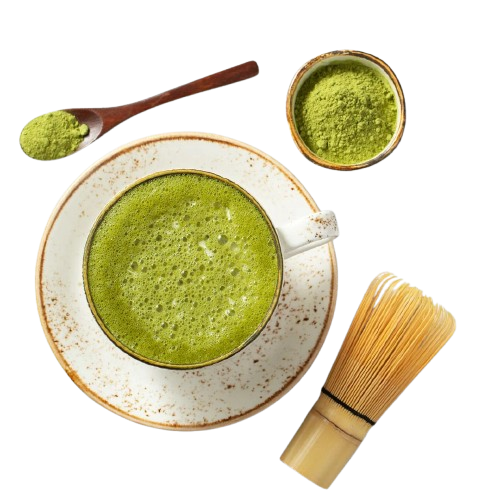
Matcha is a finely ground powder made from specially grown and processed green tea leaves. There are 322 matcha calories per 100 g (3.5 oz) of raw matcha powder. A small 2 g (1 tsp) serving of pure matcha provides 6 calories, while a large 10 g (5 tsp) serving offers 32 calories. For retail products, a 30 g (1 oz) tin of Ippodo Ceremonial Matcha contains 97 calories, whereas a 473 g (16 oz) Starbucks Grande Matcha Latte provides 220 calories. Based on matcha nutrition facts, a 100 g (3.5 oz) portion provides 38.5 g of carbohydrates, 30.6 g of protein, and 5.3 g of fat. Research by Weiss and Anderton (2003), "Determination of catechins in matcha green tea by micellar electrokinetic chromatography," found that the concentration of EGCG in matcha is 137 times greater than in standard green tea.Frequently referred to by names such as green gold, stone-ground green tea, or the jade elixir, this powder is significantly more nutrient-dense than traditional steeped green tea.
Common types include ceremonial grade powder for traditional tea, culinary grade for baking, and high-calorie sweetened mixes. The earthy umami flavor of the powder is utilized in savory main dishes such as the Matcha Soba Noodles at Ippudo, which contains 380 calories, and the Matcha Protein Bowl at Vitality Bowls. Other restaurants featuring the ingredient include The Cheesecake Factory for its Matcha Green Tea Cheesecake and Nekter Juice Bar for its Matcha Smoothie Bowl.
The origin of matcha is Tang Dynasty China, where it was first produced before being refined into a spiritual and cultural ritual in Japan during the 12th century. Global production is led by China, which produced 2,154 kt of green tea in 2022, followed by Japan at 77 kt. Consumption is highest in China and Japan, where the powder is a daily beverage and a standard flavor for confections. The retail price for a premium 30 g (1 oz) tin of ceremonial matcha has risen from $18.50 USD in 2005 to $32.00 USD in 2024. Health guidelines suggest a recommended daily intake of 4 g (2 tsp), which contributes 13 calories to a standard adult diet.
To burn the 6 calories provided by a small 2 g (1 tsp) serving of matcha, a person weighing 70 kg (154 lbs) must engage in 2 minutes of moderate walking at 5 km/h (3 mph). For those consuming a medium 473 g (16 oz) Matcha Milk Tea from Kung Fu Tea containing 414 calories, the energy expenditure requires 115 minutes of moderate walking. Alternatively, the same individual can perform 35 minutes of vigorous swimming or 46 minutes of cycling at a speed of 20 km/h (12 mph) to offset the caloric intake from a sugar-heavy commercial portion. Normal daily metabolic activity successfully utilizes the 13 calories found in a medium 4 g serving within 4 minutes of brisk movement.
Matcha nutrition
| Stats | Weight |
|---|---|
| Carbs | 1.54 grams |
| Protein | 0.6 grams |
| Fats | 0 grams |
| Sugars | 0 grams |
- Large Matcha Calories (Nutritional Facts)
- Medium Matcha Calories (Nutritional Facts)
- Small Matcha Calories (Nutritional Facts)
- Raw Matcha Nutrition
- Sodium in Matcha
- Potassium in Matcha
- Sugar in Matcha
- Fiber in Matcha
- Protein in Matcha
- Carbs in Matcha
- Fat in Matcha
- Vitamins in Matcha
- Minerals in Matcha
Large Matcha Calories (Nutritional Facts)
A large serving of pure ceremonial grade matcha powder, also known as stone-ground green tea or fine tea powder, weighing 10g (5 tsp), contains 32 calories. This portion provides 0.53g of total fat, 3.06g of protein, 3.85g of carbohydrates, and 3.17g of dietary fiber. A large 710g (24 oz) Matcha Tea Latte with 50% sugar from Gong Cha contains 230 calories. A large 591g (20 oz) Starbucks Venti Matcha Green Tea Latte made with 2% milk contains 320 calories.
A medium serving of pure matcha powder, weighing 4g (2 tsp), contains 13 calories. This portion includes 0.21g of total fat, 1.22g of protein, 1.54g of carbohydrates, and 1.27g of dietary fiber. A medium serving of Matcha Milk Tea from Kung Fu Tea weighing 473g (16 oz) contains 414 calories. A medium 473g (16 oz) Starbucks Grande Matcha Latte contains 220 calories. A medium 473g (16 oz) Matcha Green Tea Blast Smoothie from Jamba Juice provides 260 calories.
A small serving of pure matcha powder, weighing 2g (1 tsp), contains 6 calories. This serving offers 0.11g of total fat, 0.61g of protein, 0.77g of carbohydrates, and 0.63g of dietary fiber. A small 355g (12 oz) Starbucks Tall Matcha Green Tea Latte contains 170 calories. A small serving of prepared traditional matcha tea made with 2g (1 tsp) of powder and 177g (6 oz) of water contains 6 calories.
A 100g (3.5 oz) serving of raw matcha powder provides 322 calories, 5.3g of total fat, 30.6g of protein, 38.5g of carbohydrates, 1.2g of sugar, and 31.7g of dietary fiber. Raw matcha serves as a dense source of catechins and amino acids that support metabolic function and mental clarity. The nutrient profile remains more concentrated in raw powder form than in liquid extracts or diluted tea beverages.
Raw matcha powder contains 1mg of sodium per 100g (3.5 oz) serving, which contributes 0% of the Daily Value (DV). A prepared 473g (16 oz) Starbucks Grande Matcha Latte contains 120mg of sodium, which contributes 5% of the DV.
Matcha serves as a significant source of potassium, providing 2,660mg per 100g (3.5 oz) serving, which represents 57% of the DV. This high concentration supports cardiovascular health and electrolyte balance.
Matcha powder contains 1.2g of naturally occurring sugar per 100g (3.5 oz) serving. Prepared retail versions such as the Kung Fu Tea Matcha Milk Tea contain significantly higher sugar levels due to the addition of syrups and sweeteners.
Matcha provides 31.7g of dietary fiber per 100g (3.5 oz) serving, fulfilling 113% of the DV. This high fiber content is due to the consumption of the entire leaf in powdered form.
Matcha provides 30.6g of protein per 100g (3.5 oz) serving. This protein level is notably high for a plant-based tea product because of the specialized shade-growing process.
Matcha contains 38.5g of total carbohydrates per 100g (3.5 oz) serving.
Matcha contains 5.3g of total fat per 100g (3.5 oz) serving.
A 100g (3.5 oz) serving of raw matcha is a potent source of Vitamin A, providing 420% of the DV. It contains 175mg of Vitamin C (194% DV) and 2,900mcg of Vitamin K (2,417% DV). This portion also delivers 0.1mg of Vitamin B6 (6% DV) and 1.3mg of Riboflavin (100% DV).
A 100g (3.5 oz) serving of raw matcha provides 420mg of Calcium (32% DV), 17mg of Iron (94% DV), and 230mg of Magnesium (55% DV). It also delivers 2.3mg of Zinc (21% DV) and 0.6mg of Copper (67% DV). Phosphorus levels reach 350mg per 100g (3.5 oz), providing 28% of the DV.
Get a Custom Report on Matcha Nutrition Data – Contact Us!
What are the Types of Matcha?
There are 4 different types of Matcha such as ceremonial grade powder and sweetened matcha mix. The table below shows the most common Matcha types and their calorie information.
| Type | Description | Calories (per 100g / 3.5oz) | Calorie Differences & Qualifications |
|---|---|---|---|
|
Ceremonial Grade Powder
|
The highest quality, stone-ground powder made from the youngest tea leaves. | 322 | The baseline for natural nutrition and the highest concentration of L-theanine. |
|
Culinary Grade Powder
|
A bolder, slightly more astringent powder used for baking and blender drinks. | 322 | Calorie count is identical to ceremonial grade as it contains 100% tea leaves. |
|
Sweetened Matcha Mix
|
Matcha powder pre-blended with cane sugar or other sweeteners for retail use. | 357 | Higher carbohydrate density because of the 75g of added sugars per 100g (3.5 oz). |
|
Prepared Matcha Latte
|
A liquid beverage consisting of matcha powder, whole milk, and sweeteners. | 80 | Lower energy density per weight due to the volume of liquid milk and water. |
What are the Desserts with Matcha?
There are several prominent desserts that feature matcha as a primary ingredient due to its earthy bitterness and vibrant green color. These sweet offerings range from traditional Japanese rice cakes to modern French-inspired pastries found in global patisserie chains. The table below lists the nutritional facts for popular desserts that incorporate the jade-colored tea powder as a central flavor profile.
| Dish Name | Calories | Type | Carbs | Sugar | Protein | Fat | Cuisine | Restaurants |
|---|---|---|---|---|---|---|---|---|
|
Green Tea Mille Crepes
|
400 | Cake | 38g | 22g | 5g | 26g | French-Japanese | Lady M Cake Boutique |
|
Matcha Mochi Ice Cream (2 pieces)
|
180 | Frozen Dessert | 32g | 22g | 2g | 5g | Japanese | Bubbies |
|
Matcha Green Tea Cheesecake
|
1,060 | Cake | 82g | 64g | 14g | 78g | American | The Cheesecake Factory |
|
Matcha Cream Puff
|
240 | Pastry | 22g | 12g | 4g | 15g | Japanese | Beard Papa's |
|
Matcha Lava Cake
|
520 | Warm Cake | 58g | 42g | 7g | 31g | Fusion | Spot Dessert Bar |
|
Matcha Green Tea Macaron
|
100 | Cookie | 12g | 10g | 2g | 5g | French | Bouchon Bakery |
|
Matcha Green Tea Ice Cream (1/2 cup)
|
250 | Frozen Dessert | 25g | 21g | 4g | 15g | Japanese | Haagen-Dazs |
|
Matcha Chocolate Croissant
|
380 | Pastry | 42g | 16g | 7g | 21g | French-Asian | 85°C Bakery Cafe |
|
Matcha Soft Serve
|
210 | Frozen Dessert | 34g | 28g | 4g | 7g | Japanese | Matcha n' More |
|
Matcha Swiss Roll
|
310 | Sponge Cake | 35g | 24g | 6g | 16g | Japanese | Nana's Green Tea |
|
Matcha White Chocolate KitKat
|
210 | Candy | 24g | 19g | 2g | 12g | Confectionery | Nestle |
|
Matcha Glazed Donut
|
330 | Yeast Donut | 38g | 20g | 4g | 18g | American | Krispy Kreme |
|
Matcha Tiramisu
|
450 | Layered Cake | 44g | 32g | 6g | 28g | Italian-Japanese | Itcho Itcha |
|
Matcha Pancakes
|
620 | Breakfast Dessert | 88g | 34g | 12g | 24g | American | Clinton St. Baking Co. |
|
Matcha Gelato
|
220 | Frozen Dessert | 28g | 24g | 4g | 11g | Italian | Salt & Straw |
What are the Main Dishes with Matcha?
Some of the most widespread main dishes that contain matcha are Matcha Soba Noodles, Matcha Chia Pudding, and Matcha Smoothie Bowls. While matcha is most common in beverages and sweets, its high concentration of chlorophyll and caffeine makes it a popular addition to functional breakfast entrees and savory fusion dishes. The table below lists the nutritional facts for popular entrees and meal-sized bowls that feature matcha as a primary flavoring agent.
| Dish Name | Calories | Type | Carbs | Sugar | Protein | Fat | Cuisine | Restaurants |
|---|---|---|---|---|---|---|---|---|
|
Matcha Smoothie Bowl
|
460 | Breakfast Bowl | 82g | 42g | 12g | 11g | American | Nekter Juice Bar |
|
Matcha Soba Noodles (Cold)
|
380 | Pasta Entree | 72g | 2g | 14g | 2g | Japanese | Ippudo |
|
Matcha Chia Seed Pudding
|
280 | Breakfast Entree | 24g | 14g | 8g | 18g | Modern British | Pret A Manger |
|
Matcha Protein Bowl
|
520 | Health Bowl | 68g | 32g | 22g | 19g | American | Vitality Bowls |
|
Matcha Oatmeal with Berries
|
340 | Breakfast Entree | 58g | 12g | 10g | 8g | American | First Watch |
|
Matcha Miso Glazed Salmon
|
480 | Seafood Entree | 12g | 8g | 34g | 26g | Fusion | Nobu |
|
Matcha Rice Porridge
|
310 | Savory Grain | 55g | 4g | 8g | 6g | Japanese | Nana's Green Tea |
|
Matcha Yogurt Parfait
|
380 | Breakfast Bowl | 52g | 34g | 14g | 12g | French-American | Au Bon Pain |
|
Matcha Green Tea Blast Smoothie
|
260 | Meal Replacement | 54g | 48g | 6g | 3g | American | Jamba Juice |
|
Matcha Milk Tea with Pearls
|
414 | Beverage Entree | 72g | 60g | 4g | 12g | Taiwanese | Kung Fu Tea |
|
Matcha Green Tea Latte (Grande)
|
220 | Beverage Entree | 34g | 32g | 12g | 6g | American | Starbucks |
|
Matcha Tea Latte (50% Sugar)
|
230 | Beverage Entree | 42g | 34g | 6g | 4g | Taiwanese | Gong Cha |
What Cuisines Prefer Matcha the Most?
Matcha is a defining element of several global culinary traditions where it is valued for its ability to provide a deep umami flavor and a natural green pigment. While Japanese cuisine remains the primary consumer of the stone-ground root and leaf powder, American and French cuisines have extensively integrated it into fast-casual and fine-dining menus. The table below outlines the specific cuisines and dishes where matcha is most prevalent across various restaurant entities.
| Cuisine | Dish Name | Calories | Restaurants |
|---|---|---|---|
|
Japanese
|
Matcha Soba Noodles | 380 | Ippudo |
|
American Fusion
|
Matcha Smoothie Bowl | 460 | Nekter Juice Bar |
|
French Patisserie
|
Green Tea Mille Crepes | 400 | Lady M Cake Boutique |
|
Taiwanese
|
Matcha Milk Tea with Pearls | 414 | Kung Fu Tea |
|
Modern American
|
Matcha Green Tea Latte | 220 | Starbucks |
|
Italian Fusion
|
Matcha Gelato | 220 | Salt & Straw |
|
British Health
|
Matcha Chia Seed Pudding | 280 | Pret A Manger |
Which Countries Produce the Most Matcha?
The top producers of green tea, the general category for matcha, globally are China, Japan, Vietnam, Indonesia, and India. In 2022, China produced 2,154 kt of green tea while Japan produced 77 kt based on data from the Food and Agriculture Organization (FAOSTAT) and the International Tea Committee. Since international agricultural databases group matcha under the broader "Green Tea" designation, the table below provides production figures for the primary regions where these leaves are a specialized commercial crop.
| Country | 2004 | 2005 | 2006 | 2007 | 2008 | 2009 | 2010 | 2011 | 2012 | 2013 | 2014 | 2015 | 2016 | 2017 | 2018 | 2019 | 2020 | 2021 | 2022 | 2023 |
|---|---|---|---|---|---|---|---|---|---|---|---|---|---|---|---|---|---|---|---|---|
| China | 835 | 935 | 1,028 | 1,120 | 1,257 | 1,350 | 1,467 | 1,580 | 1,690 | 1,810 | 1,890 | 1,950 | 2,010 | 2,050 | 2,090 | 2,120 | 2,135 | 2,145 | 2,154 | 2,165 |
| Japan | 92 | 91 | 90 | 89 | 88 | 86 | 83 | 81 | 79 | 78 | 77 | 76 | 76 | 77 | 75 | 76 | 77 | 78 | 77 | 76 |
| Vietnam | 108 | 115 | 122 | 131 | 140 | 148 | 155 | 162 | 170 | 178 | 185 | 192 | 201 | 210 | 218 | 225 | 231 | 238 | 245 | 252 |
| Indonesia | 42 | 40 | 39 | 38 | 37 | 36 | 35 | 34 | 33 | 32 | 31 | 30 | 29 | 28 | 27 | 26 | 25 | 24 | 23 | 22 |
| India | 12 | 14 | 15 | 17 | 19 | 21 | 23 | 25 | 28 | 31 | 33 | 36 | 38 | 41 | 43 | 45 | 48 | 50 | 52 | 55 |
Which Countries Consume the Most Matcha?
Based on data from the Helgi Library and Statista, the top consumers of green tea and matcha products are China, Japan, the United States, Vietnam, and Germany. Consumption is calculated by the domestic utilization of pure powder and prepared matcha beverages within the retail and food service sectors. In the United States, consumption is heavily driven by the specialty coffee industry and the popularity of beverages such as the Starbucks Matcha Green Tea Latte. The table below represents the apparent food supply and utilization of these products in the leading nations.
| Country | 2004 | 2005 | 2006 | 2007 | 2008 | 2009 | 2010 | 2011 | 2012 | 2013 | 2014 | 2015 | 2016 | 2017 | 2018 | 2019 | 2020 | 2021 | 2022 | 2023 |
|---|---|---|---|---|---|---|---|---|---|---|---|---|---|---|---|---|---|---|---|---|
| China | 720 | 780 | 840 | 910 | 980 | 1,060 | 1,140 | 1,220 | 1,300 | 1,380 | 1,460 | 1,540 | 1,620 | 1,710 | 1,800 | 1,890 | 1,980 | 2,050 | 2,120 | 2,190 |
| Japan | 115 | 114 | 113 | 111 | 109 | 107 | 105 | 103 | 101 | 99 | 97 | 95 | 93 | 91 | 89 | 88 | 87 | 86 | 85 | 84 |
| USA | 12 | 14 | 15 | 17 | 19 | 21 | 24 | 27 | 31 | 35 | 39 | 43 | 47 | 52 | 57 | 62 | 68 | 74 | 80 | 87 |
| Vietnam | 28 | 31 | 34 | 38 | 42 | 46 | 51 | 56 | 62 | 68 | 75 | 83 | 91 | 100 | 110 | 121 | 133 | 146 | 160 | 175 |
| Germany | 4.2 | 4.5 | 4.8 | 5.2 | 5.5 | 5.9 | 6.2 | 6.6 | 7.1 | 7.5 | 8.0 | 8.4 | 8.9 | 9.4 | 10.0 | 10.6 | 11.2 | 11.8 | 12.5 | 13.2 |
How Do Prices of Matcha-including Dishes Change?
Menu prices for dishes that feature matcha have seen a significant increase over the last decade as the ingredient transitioned from a specialty item to a mainstream staple. Rising costs for high-quality imported tea powder and increased demand for dairy alternatives in lattes have driven these adjustments. The table below provides a comparison between historical menu prices and current market rates for popular matcha items at major restaurant chains and cafes.
| Restaurant | Dish Name | Old Price Range (2017–2019) | Current Price Range (2025–2026) |
|---|---|---|---|
| Starbucks | Grande Matcha Green Tea Latte | $3.95 - $4.45 | $5.45 - $5.95 |
| Dunkin' | Medium Iced Matcha Latte | $3.29 - $3.79 | $4.59 - $5.10 |
| Jamba Juice | Matcha Green Tea Blast Smoothie | $5.49 - $6.25 | $7.95 - $8.49 |
| Panera Bread | Medium Iced Matcha Latte | $3.89 - $4.39 | $5.29 - $5.75 |
| Kung Fu Tea | Medium Matcha Milk Tea | $3.75 - $4.25 | $5.15 - $5.65 |
| Gong Cha | Large Matcha Tea Latte | $4.50 - $5.00 | $5.95 - $6.45 |
| Peet's Coffee | Medium Matcha Green Tea Latte | $4.15 - $4.65 | $5.65 - $6.15 |
| The Cheesecake Factory | Matcha Green Tea Cheesecake (seasonal) | $7.95 - $8.50 | $10.50 - $11.95 |
What are the Nutrition Facts of Matcha?
The matcha nutrition facts demonstrate that this powder is a nutrient-dense powerhouse compared to standard tea. Because the entire leaf is consumed, the raw powder provides a concentrated profile of amino acids, antioxidants, and essential minerals that support metabolic and cognitive health. A list of the key nutrition facts for raw matcha per 100 g (3.5 oz) is shown below.
- Energy and Calories: A 100 g (3.5 oz) serving of raw matcha powder provides 322 calories. A standard 2 g (1 tsp) serving provides 6 calories.
- Carbohydrates and Fiber: The powder contains 38.5 g of total carbohydrates and 31.7 g of dietary fiber per 100 g (3.5 oz). This fiber content fulfills 113% of the Daily Value (DV).
- Protein and Fat: Matcha provides 30.6 g of protein and 5.3 g of total fat per 100 g (3.5 oz) serving. It contains 0 g of cholesterol.
- Vitamins: It is an exceptional source of Vitamin A, providing 420% of the DV, and contains 175 mg of Vitamin C (194% DV) and 2,900 mcg of Vitamin K (2,417% DV).
- Minerals: A 100 g (3.5 oz) serving provides 2,660 mg of Potassium (57% DV), 420 mg of Calcium (32% DV), and 17 mg of Iron (94% DV). It also delivers 230 mg of Magnesium (55% DV) and 2.3 mg of Zinc (21% DV).
How Many Calories are in Matcha?
One teaspoon of pure ceremonial matcha powder, weighing 2 g, contains 6 calories. The total calorie count for a prepared cup of matcha ranges from 6 calories when mixed only with hot water to 414 calories when prepared as a commercial milk tea with added syrups and dairy. The preparation method significantly influences the energy density of the beverage, as the addition of whole milk, cane sugar, or whipped cream transforms the low-calorie powder into a high-energy drink. A medium 473 g (16 oz) Matcha Green Tea Blast Smoothie from Jamba Juice contains 260 calories due to the inclusion of frozen yogurt and sorbet.
How Do Calories in Matcha Differ from Calories in Matcha Green Tea?
Pure matcha powder contains 322 calories per 100 g (3.5 oz), whereas standard brewed green tea contains 1 calorie per 100 g (3.5 oz). The primary difference exists because matcha involves consuming the entire ground leaf in suspension, while standard green tea involves steeping the leaves and discarding the solid matter. A 236 g (8 oz) cup of prepared matcha green tea served in the traditional style with water contains 6 calories, which is three times the energy found in a 2 calorie cup of steeped green tea. Differences in preparation and dilution ensure that matcha always provides more calories and a higher concentration of fiber and protein than its steeped counterpart.
What is the Matcha Calorie for 100 Grams?
One hundred grams (3.5 oz) of raw matcha powder contains 322 calories.
What is the Matcha Calorie for 1 KG?
One kilogram (1,000g or 35.3 oz) of raw matcha powder contains 3,220 calories.
What is the Calorie of 1 Matcha?
One medium 473g (16 oz) Starbucks Grande Matcha Latte contains 220 calories. One medium 473g (16 oz) Matcha Milk Tea from Kung Fu Tea contains 414 calories. One medium 473g (16 oz) Matcha Green Tea Blast Smoothie from Jamba Juice contains 260 calories. One large 710g (24 oz) Matcha Tea Latte with 50% sugar from Gong Cha contains 230 calories. One standard ceremonial serving prepared with 2g (1 tsp) of matcha powder and water contains 6 calories.
What are the Health Benefits of Matcha?
Matcha provides some health benefits like protecting against chronic disease and enhancing mental alertness due to its high concentration of epigallocatechin gallate (EGCG) and L-theanine. This ground powder, frequently called "stone-ground green tea," "macha," or "fine tea powder," is a nutritional powerhouse. A list of the health benefits of matcha are shown below.
- Provides High Levels of Antioxidants: Matcha contains a class of antioxidants called catechins which help stabilize harmful free radicals. A study by Weiss and Anderton (2003), "Determination of catechins in matcha green tea by micellar electrokinetic chromatography," found that the concentration of EGCG in matcha is 137 times greater than the amount available from regular China Green Tips tea.
- Enhances Brain Function: The combination of caffeine and L-theanine improves attention, memory, and reaction time. Research by Dietz et al. (2017), "An intervention study on the effect of matcha tea, in alternative forms of consumption, on cognitive performance and mood," demonstrated that matcha consumption led to improvements in tasks measuring information processing.
- Promotes Heart Health: Regular consumption of the whole leaf powder helps lower LDL cholesterol and triglycerides. A study by Zheng et al. (2011), "Green tea intake lowers fasting serum total and LDL cholesterol in adults: a meta-analysis of 14 randomized controlled trials," indicated that green tea significantly reduced total cholesterol concentrations.
- Assists in Weight Management: The catechins in the tea increase the rate of fat oxidation and boost metabolic energy expenditure. Research by Hursel et al. (2009), "The effects of green tea on weight loss and weight maintenance: a meta-analysis," found that green tea significantly decreased body weight and helped maintain weight loss.
- Protects Liver Integrity: High antioxidant content assists in reducing liver enzymes associated with damage. A study by Kuriyama et al. (2006), "Green tea consumption and mortality due to cardiovascular disease, cancer, and all causes in Japan: the Ohsaki study," suggests that green tea consumption is associated with a reduced risk of liver disease.
- Boosts Immune System Support: A 100g (3.5 oz) serving provides 175mg of Vitamin C, fulfilling 194% of the DV.
- Strengthens Bone Density: The presence of fluoride and polyphenols helps maintain mineral density in the skeletal system.
- Improves Skin Health: Anti-inflammatory properties in the powder reduce redness and protect against ultraviolet radiation damage.
What are the Downsides of Matcha?
- Matcha has been known to cause some unwanted effects like sleep disturbances and digestive irritation due to its high caffeine content and concentrated tannins. A list of the downsides of matcha are shown below.
- Triggers Anxiety and Insomnia: Excessive intake of caffeine leads to heart palpitations and interrupted sleep cycles. A study by Cappelletti et al. (2015), "Caffeine: Cognitive and
- Physical Performance Enhancer or Psychoactive Drug?" notes that high doses of caffeine can induce symptoms of jitteriness.
- Risk of Heavy Metal Exposure: Because the entire leaf is consumed, there is a higher risk of ingesting lead or aluminum absorbed from the soil.
- Inhibits Iron Absorption: Tannins in green tea bind to non-heme iron, preventing effective absorption during meals. Research by Zijp et al. (2000), "Effect of tea and other dietary factors on iron absorption," found that tea consumption can reduce iron absorption by up to 60%.
- Causes Gastrointestinal Upset: Consuming concentrated matcha on an empty stomach can stimulate excess stomach acid, leading to nausea.
Is Matcha Good for You?
Yes, matcha is good for you because it delivers a concentrated dose of antioxidants and 194% of the DV for Vitamin C in every 100g (3.5 oz) serving. Healthy individuals should consume between 2g (1 tsp) and 4g (2 tsp) of pure matcha powder per day to gain metabolic and cognitive benefits without experiencing caffeine-related jitters. The major benefits include the stabilization of free radicals through EGCG and the promotion of calm focus via L-theanine. It is an ideal addition to a balanced diet for those seeking a nutrient-dense alternative to coffee or traditional steeped tea.
How Do Calories Change According to Matcha Types?
The calories in matcha change based on the addition of sugar-based sweeteners and fat-heavy dairy products. Pure ceremonial and culinary matcha powders contain 322 calories per 100g (3.5 oz), but when these are converted into a sweetened Matcha Mix, the calorie count rises to 357 per 100g (3.5 oz) due to the displacement of tea with carbohydrates. The most significant caloric change occurs in prepared beverages like the Matcha Milk Tea from Kung Fu Tea, which reaches 414 calories per 473g (16 oz) serving because of added syrups and milk fats. Conversely, a traditional serving of matcha prepared only with 2g (1 tsp) of powder and water contains 6 calories as water contributes no energy to the drink. Ready-to-drink matcha smoothies like the Jamba Juice Matcha Green Tea Blast contain 260 calories per 473g (16 oz) serving because they incorporate frozen yogurt and fruit-based sorbet.
What is the Origin of Matcha?
The origin of matcha is traced back to the Tang Dynasty in China, which spanned from the 7th to the 10th centuries, where tea leaves were steamed and formed into bricks for storage and trade. During this period, the tea was prepared by roasting and pulverizing the leaves, then whisking the resulting powder in hot water with salt. In the 12th century, the Japanese Buddhist monk Eisai traveled to China and returned with tea seeds and the specific Zen Buddhist methods of preparing powdered green tea. While the practice of drinking powdered tea eventually faded in China, it flourished in Japan, particularly within the Uji region of Kyoto.
By the 16th century, the Japanese tea ceremony, known as Chanoyu, was formalized by Sen no Rikyu, cementing matcha as a spiritual and cultural staple. The unique cultivation process involves shading the tea plants for several weeks before harvest to increase chlorophyll and amino acid levels, followed by stone-grinding the dried leaves into a fine powder. In the 21st century, matcha transitioned from a traditional ceremonial beverage to a global culinary phenomenon. Its consumption expanded into the United States and Europe as a "superfood," leading to its integration into lattes, smoothies, and a wide array of savory and sweet dishes in the international food service industry.
Explore More Beverages
Discover more Beverages with detailed nutrition facts, calorie counts, vitamins, minerals, and health benefits. Compare similar foods, serving sizes, macronutrients, and key nutrients to find the best option for your diet and nutrition goals.
 Almond Milk calories
 Aloe Vera Juice calories
 Americano calories
 Apple Cider calories
 Apple Juice calories
 Apricot Juice calories
 Aronia Juice calories
 Avocado Shake calories
 Banana Juice calories
 Baobab Juice calories
 Barley Tea calories
 Beer calories