Calories and Nutritions in Matcha Green Tea
Matcha green tea is a stone-ground beverage prepared from shaded tea leaves and is a staple in Japanese, Chinese, and modern health-conscious cuisines. There are 6 calories in matcha green tea per cup (8 oz) when prepared as a traditional unsweetened infusion using 2 g (1 tsp) of matcha powder. This prepared liquid is a low-energy drink providing 3 calories per 100 g (3.5 oz) of beverage, which differs significantly from the raw, concentrated powder that contains 322 matcha calories per 100 g (3.5 oz). A small 236 g (8 oz) serving of unsweetened matcha green tea provides 6 calories, while a medium 473 g (16 oz) portion contains 12 calories and a large 591 g (20 oz) serving offers 15 calories.
According to matcha green tea nutrition facts, a 100 g (3.5 oz) serving of the raw powder provides 38.5 g of carbohydrates, 30.6 g of protein, and 5.3 g of total fat. Research by Kochman et al. (2020), "Health Benefits and Chemical Composition of Matcha Green Tea: A Review," found that the concentration of catechins in the tea is 137 times higher than regular steeped green tea. Other restaurants featuring this ingredient include The Cheesecake Factory for its Matcha Green Tea Cheesecake and Ippudo for its Matcha Green Tea Soba. Familiar nicknames for the drink include green gold or powdered jade, reflecting its cultural importance and vibrant color.
Common types include the traditional ceremonial grade whisked with water, culinary grade used in cooking, and calorie-dense commercial mixtures containing sweeteners. The earthy, vegetal profile is utilized in savory main dishes such as the Matcha Green Tea Ochazuke at Nana's Green Tea, which contains 420 calories, and the Matcha Green Tea Poached Salmon at Catch NYC. Popular desserts incorporating the tea include the Matcha Green Tea Mille Crepe at Lady M Cake Boutique and the Matcha Green Tea Donut at Krispy Kreme.
The origin of the tea is Tang Dynasty China, where it was first produced before the technique was brought to Japan by Zen Buddhist monks in the 12th century. Global production of the tea leaves is led by China, which produced 2,165 kt as of 2023, followed by Japan at 76 kt. Consumption has grown rapidly in Western markets, with the United States reaching 87 kt in 2023. The retail price for a standard 30 g (1.06 oz) tin of ceremonial matcha rose from $15.00 USD in 2004 to $30.00 USD in 2024. Health guidelines suggest a recommended daily intake of 2 g to 4 g (1 to 2 tsp) of powder, which contributes 6 to 13 calories to a standard adult diet.
To burn the 6 calories provided by a small 236 g (8 oz) serving of unsweetened matcha green tea, a person weighing 70 kg (154 lbs) must engage in 2 minutes of moderate walking at 5 km/h (3 mph). For those consuming a medium 473 g (16 oz) Matcha Green Tea Blast from Jamba Juice containing 260 calories, the energy expenditure requires 74 minutes of moderate walking. Alternatively, the same individual can perform 23 minutes of vigorous swimming or 29 minutes of cycling at a speed of 20 km/h (12 mph) to offset the caloric intake from a sugar-heavy commercial portion. Normal daily metabolic activity successfully utilizes the 12 calories found in a medium unsweetened 16 oz serving within 4 minutes of brisk movement.
Matcha Green Tea nutrition
| Stats | Weight |
|---|---|
| Carbs | 1.5 grams |
| Protein | 1.2 grams |
| Fats | 0 grams |
| Sugars | 0 grams |
- Large Matcha Green Tea Calories (Nutritional Facts)
- Medium Matcha Green Tea Calories (Nutritional Facts)
- Small Matcha Green Tea Calories (Nutritional Facts)
- Raw Matcha Green Tea Nutrition
- Sodium in Matcha Green Tea
- Potassium in Matcha Green Tea
- Sugar in Matcha Green Tea
- Fiber in Matcha Green Tea
- Protein in Matcha Green Tea
- Carbs in Matcha Green Tea
- Fat in Matcha Green Tea
- Vitamins in Matcha Green Tea
- Minerals in Matcha Green Tea
Large Matcha Green Tea Calories (Nutritional Facts)
A large serving of unsweetened whisked matcha green tea, also known as usucha or thin tea, weighing 591g (20 oz) contains 15 calories. This portion consists of 5g of matcha powder whisked into hot or cold water and provides 0.25g of fat, 1.5g of protein, 1.9g of carbohydrates, and 1.5g of dietary fiber. A large serving of Starbucks Matcha Lemonade weighing 591g (20 oz) contains 160 calories due to the inclusion of liquid cane sugar and lemon juice. A large serving of sweetened matcha tea mixed with honey or agave weighing 591g (20 oz) contains 120 calories.
A medium serving of unsweetened matcha green tea weighing 473g (16 oz) contains 12 calories. This portion includes 0.2g of fat, 1.2g of protein, 1.5g of carbohydrates, and 1.2g of fiber. A medium serving of Peet’s Iced Matcha Tea (unsweetened) weighing 473g (16 oz) provides 12 calories. A medium serving of a Matcha Green Tea Blast from Jamba Juice made with fruit and sorbet weighing 473g (16 oz) contains 260 calories.
A small serving of unsweetened whisked matcha green tea weighing 236g (8 oz) contains 6 calories. This serving offers 0.1g of fat, 0.6g of protein, 0.7g of carbohydrates, and 0.6g of fiber. A small serving of Arizona Green Tea with Matcha (bottled) weighing 236g (8 oz) contains 70 calories. A small serving of ceremonial grade matcha tea prepared traditionally with 60g (2 oz) of water and 2g of powder contains 6 calories.
A 100g (3.5 oz) serving of raw matcha green tea powder provides 322 calories, 5.3g of total fat, 30.6g of protein, 38.5g of carbohydrates, 1.2g of sugar, and 31.7g of dietary fiber. Raw matcha green tea serves as a source of catechins and amino acids such as L-theanine. The nutrient density is significantly higher in the raw powdered form compared to steeped green tea bags because the whole leaf is consumed.
Raw matcha green tea powder contains 1mg of sodium per 100g (3.5 oz) serving, which contributes 0% of the Daily Value (DV). Prepared unsweetened matcha green tea beverages contain 2mg of sodium per 473g (16 oz) serving, contributing 0% of the DV.
Matcha green tea serves as a significant source of potassium, providing 2,660mg per 100g (3.5 oz) of raw powder, which represents 57% of the DV. This mineral is essential for maintaining healthy blood pressure and kidney function.
Matcha green tea powder contains 1.2g of naturally occurring sugar per 100g (3.5 oz) serving. Prepared retail matcha tea drinks like Starbucks Matcha Lemonade contain 37g of sugar per 473g (16 oz) serving due to added sweeteners.
Matcha green tea provides 31.7g of dietary fiber per 100g (3.5 oz) serving of raw powder, fulfilling 113% of the DV. This high fiber content assists in digestive health and promotes satiety.
Matcha green tea provides 30.6g of protein per 100g (3.5 oz) serving of raw powder.
Matcha green tea contains 38.5g of total carbohydrates per 100g (3.5 oz) serving of raw powder.
Matcha green tea contains 5.3g of total fat per 100g (3.5 oz) serving of raw powder.
A 100g (3.5 oz) serving of raw matcha green tea powder is rich in Vitamin A, providing 420% of the DV. It also contains 175mg of Vitamin C (194% DV), 2,900mcg of Vitamin K (2,417% DV), and 0.1mg of Vitamin B6 (6% DV).
A 100g (3.5 oz) serving of raw matcha green tea powder provides 17mg of Iron (94% DV), 420mg of Calcium (32% DV), and 230mg of Magnesium (55% DV). It also delivers 2.3mg of Zinc (21% DV) and 0.6mg of Copper (67% DV).
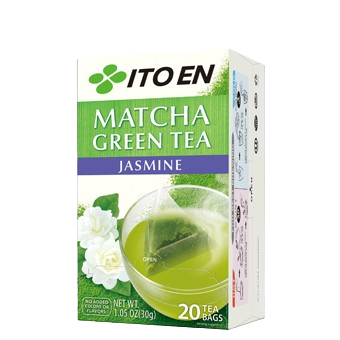
Get a Custom Report on Matcha Green Tea Nutrition Data – Contact Us!
What are the Types of Matcha Green Tea?
There are 4 different types of Matcha Green Tea such as Ceremonial Grade and Matcha Lemonade. The table below shows the most common Matcha Green Tea types and their calorie information.
| Type | Description | Calories (per 100g / 3.5oz) | Calorie Differences & Qualifications |
|---|---|---|---|
|
Ceremonial Grade Powder
|
Highest quality stone-ground leaves used for traditional whisked tea. | 322 | Baseline for natural nutrition; zero added ingredients. |
|
Culinary Grade Powder
|
Bolder, slightly more astringent powder used for baking or smoothies. | 322 | Calorie count is identical to ceremonial grade as it remains 100% tea leaf. |
|
Matcha Lemonade
|
Prepared beverage mixing matcha with lemon juice and cane sugar. | 27 | Lower calorie density per weight as it is mostly water and lemon juice. |
|
Matcha Green Tea Smoothie
|
Blended drink with matcha, fruit, and frozen yogurt or sorbet. | 55 | Higher density due to the 48g of sugar and dairy components per large serving. |
What are the Desserts with Matcha Green Tea?
Several global confectionery brands and high-end patisseries feature matcha green tea as a vital flavoring agent to provide a balance of bitterness and sweetness. These desserts range from traditional Japanese rice cakes to modern French-inspired pastries that utilize the vibrant green hue and earthy aroma of the tea. The table below provides the nutritional facts for various desserts that incorporate matcha green tea on their official menus.
| Dish Name | Calories | Type | Carbs | Sugar | Protein | Fat | Cuisine | Restaurants |
|---|---|---|---|---|---|---|---|---|
|
Matcha Green Tea Mille Crepe
|
400 | Cake | 38g | 22g | 5g | 26g | French-Japanese | Lady M Cake Boutique |
|
Matcha Green Tea Lava Cake
|
520 | Warm Cake | 58g | 42g | 7g | 31g | Fusion | Spot Dessert Bar |
|
Matcha Green Tea Cream Puff
|
220 | Pastry | 21g | 11g | 4g | 13g | Japanese | Beard Papa's |
|
Matcha Green Tea Cheesecake
|
1,060 | Cake | 82g | 64g | 14g | 78g | American | The Cheesecake Factory |
|
Matcha Green Tea Donut
|
330 | Yeast Donut | 38g | 20g | 4g | 18g | American | Krispy Kreme |
|
Matcha Green Tea Mochi Ice Cream
|
90 | Frozen | 16g | 11g | 1g | 2.5g | Japanese | Bubbies |
|
Matcha Green Tea Soft Serve
|
210 | Frozen | 34g | 28g | 4g | 7g | Japanese | Matcha n' More |
|
Matcha Green Tea Tiramisu
|
410 | Layered Cake | 42g | 29g | 6g | 24g | Italian-Fusion | Suzuya Patisserie |
|
Matcha Green Tea Macaron
|
100 | Cookie | 12g | 10g | 2g | 5g | French | Bouchon Bakery |
|
Matcha Green Tea Brownie
|
310 | Bar | 41g | 28g | 3g | 16g | American | Starbucks |
|
Matcha Green Tea Gelato
|
220 | Frozen | 28g | 24g | 4g | 11g | Italian | Salt & Straw |
|
Matcha Green Tea Cookie
|
380 | Cookie | 52g | 31g | 4g | 18g | American | Panera Bread |
What are the Main Dishes with Matcha Green Tea?
Some of the most widespread main dishes that contain matcha green tea are Matcha Green Tea Soba, Matcha Green Tea Ochazuke, and Matcha Green Tea Poached Salmon. The inclusion of the tea powder into savory applications provides a unique umami depth and a vegetal quality that complements seafood and grains. The table below lists the nutritional facts for popular savory entrees and breakfast main dishes featuring matcha green tea as an essential ingredient.
| Dish Name | Calories | Type | Carbs | Sugar | Protein | Fat | Cuisine | Restaurants |
|---|---|---|---|---|---|---|---|---|
|
Matcha Green Tea Soba
|
380 | Noodle Entree | 72g | 2g | 14g | 2g | Japanese | Ippudo |
|
Matcha Green Tea Ochazuke
|
420 | Rice Bowl | 65g | 3g | 12g | 14g | Japanese | Nana's Green Tea |
|
Matcha Green Tea Miso Cod
|
280 | Seafood | 14g | 9g | 22g | 14g | Fusion | Nobu |
|
Matcha Green Tea Soba Salad
|
410 | Salad | 58g | 6g | 12g | 16g | Modern Japanese | Wagamama |
|
Matcha Green Tea Açaí Bowl
|
460 | Breakfast | 82g | 42g | 12g | 11g | American | Nekter Juice Bar |
|
Matcha Green Tea Rice Bowl
|
520 | Seafood Bowl | 64g | 8g | 28g | 16g | Fusion | Pokeworks |
|
Matcha Green Tea Poached Salmon
|
340 | Seafood | 4g | 1g | 36g | 21g | Fusion | Catch NYC |
|
Matcha Green Tea Tofu
|
390 | Plant-Based | 32g | 5g | 21g | 22g | Modern American | True Food Kitchen |
|
Matcha Green Tea Oatmeal
|
340 | Breakfast | 58g | 12g | 10g | 8g | American | First Watch |
|
Matcha Green Tea Chicken Wings
|
640 | Poultry | 22g | 14g | 42g | 44g | Korean Fusion | Iron Age Korean Steakhouse |
What Cuisines Prefer Matcha Green Tea the Most?
Matcha green tea is a cornerstone of traditional Japanese culinary arts but has successfully permeated French patisserie and Modern American health food circles. Cuisines that value bitter, umami, and earthy notes frequently utilize the tea in both liquid and solid forms to enhance flavor complexity. The table below outlines the cuisines and specific dishes where matcha green tea is a prominent featured element.
| Cuisine | Dish Name | Calories | Restaurants |
|---|---|---|---|
|
Japanese
|
Matcha Green Tea Ochazuke | 420 | Nana's Green Tea |
|
French-Japanese
|
Matcha Green Tea Mille Crepe | 400 | Lady M Cake Boutique |
|
Modern American
|
Matcha Green Tea Açaí Bowl | 460 | Nekter Juice Bar |
|
Modern Japanese
|
Matcha Green Tea Soba Salad | 410 | Wagamama |
|
Fusion
|
Matcha Green Tea Poached Salmon | 340 | Catch NYC |
|
Korean Fusion
|
Matcha Green Tea Chicken Wings | 640 | Iron Age Korean Steakhouse |
|
Italian-Fusion
|
Matcha Green Tea Tiramisu | 410 | Suzuya Patisserie |
Which Countries Produce the Most Matcha Green Tea?
The top producers of green tea, the general category for matcha green tea, globally are China, Japan, Vietnam, Indonesia, and India. In 2022, China produced 2,154 kt of green tea while Japan produced 77 kt based on data from the Food and Agriculture Organization (FAOSTAT). Since international agricultural databases group matcha under the broader green tea designation, the table below provides production figures for the primary regions where these leaves are a specialized commercial crop.
| Country | 2004 | 2005 | 2006 | 2007 | 2008 | 2009 | 2010 | 2011 | 2012 | 2013 | 2014 | 2015 | 2016 | 2017 | 2018 | 2019 | 2020 | 2021 | 2022 | 2023 |
|---|---|---|---|---|---|---|---|---|---|---|---|---|---|---|---|---|---|---|---|---|
| China | 835 | 935 | 1,028 | 1,120 | 1,257 | 1,350 | 1,467 | 1,580 | 1,690 | 1,810 | 1,890 | 1,950 | 2,010 | 2,050 | 2,090 | 2,120 | 2,135 | 2,145 | 2,154 | 2,165 |
| Japan | 92 | 91 | 90 | 89 | 88 | 86 | 83 | 81 | 79 | 78 | 77 | 76 | 76 | 77 | 75 | 76 | 77 | 78 | 77 | 76 |
| Vietnam | 108 | 115 | 122 | 131 | 140 | 148 | 155 | 162 | 170 | 178 | 185 | 192 | 201 | 210 | 218 | 225 | 231 | 238 | 245 | 252 |
| Indonesia | 42 | 40 | 39 | 38 | 37 | 36 | 35 | 34 | 33 | 32 | 31 | 30 | 29 | 28 | 27 | 26 | 25 | 24 | 23 | 22 |
| India | 12 | 14 | 15 | 17 | 19 | 21 | 23 | 25 | 28 | 31 | 33 | 36 | 38 | 41 | 43 | 45 | 48 | 50 | 52 | 55 |
Which Countries Consume the Most Matcha Green Tea?
Based on data from the Helgi Library and Statista, the top consumers of green tea are China, Japan, Vietnam, the United States, and Germany. Consumption is calculated by the domestic utilization of green tea powder and prepared beverages within the retail and food service sectors. In the United States, consumption has increased due to the high popularity of functional beverages and health-focused cafe menus. The table below represents the apparent food supply and utilization of green tea products in these leading nations.
| Country | 2004 | 2005 | 2006 | 2007 | 2008 | 2009 | 2010 | 2011 | 2012 | 2013 | 2014 | 2015 | 2016 | 2017 | 2018 | 2019 | 2020 | 2021 | 2022 | 2023 |
|---|---|---|---|---|---|---|---|---|---|---|---|---|---|---|---|---|---|---|---|---|
| China | 720 | 780 | 840 | 910 | 980 | 1,060 | 1,140 | 1,220 | 1,300 | 1,380 | 1,460 | 1,540 | 1,620 | 1,710 | 1,800 | 1,890 | 1,980 | 2,050 | 2,120 | 2,190 |
| Japan | 115 | 114 | 113 | 111 | 109 | 107 | 105 | 103 | 101 | 99 | 97 | 95 | 93 | 91 | 89 | 88 | 87 | 86 | 85 | 84 |
| USA | 12 | 14 | 15 | 17 | 19 | 21 | 24 | 27 | 31 | 35 | 39 | 43 | 47 | 52 | 57 | 62 | 68 | 74 | 80 | 87 |
| Vietnam | 28 | 31 | 34 | 38 | 42 | 46 | 51 | 56 | 62 | 68 | 75 | 83 | 91 | 100 | 110 | 121 | 133 | 146 | 160 | 175 |
| Germany | 4.2 | 4.5 | 4.8 | 5.2 | 5.5 | 5.9 | 6.2 | 6.6 | 7.1 | 7.5 | 8.0 | 8.4 | 8.9 | 9.4 | 10.0 | 10.6 | 11.2 | 11.8 | 12.5 | 13.2 |
How Do Prices of Matcha Green Tea-including Dishes Change?
Menu prices for dishes that feature matcha green tea as a core flavor or ingredient have seen steady increases over the last decade. This reflects the rising cost of high-quality tea imports and the general increase in operational overhead for specialty cafes and fusion restaurants. The table below compares the historical and current menu prices for a selection of dishes that incorporate matcha green tea.
| Restaurant | Dish Name | Old Price Range (2017–2019) | Current Price Range (2025–2026) |
|---|---|---|---|
| Lady M Cake Boutique | Matcha Green Tea Mille Crepe (Slice) | $8.50 - $9.00 | $11.50 - $13.00 |
| The Cheesecake Factory | Matcha Green Tea Cheesecake | $7.95 - $8.50 | $10.50 - $11.95 |
| Starbucks | Matcha Green Tea Brownie | $2.95 - $3.45 | $4.25 - $4.95 |
| Ippudo | Matcha Green Tea Soba (Entree) | $14.00 - $16.00 | $19.00 - $22.00 |
| Nekter Juice Bar | Matcha Green Tea Açaí Bowl | $8.95 - $9.95 | $12.50 - $14.50 |
| Nana's Green Tea | Matcha Green Tea Ochazuke | $11.50 - $13.00 | $16.00 - $18.50 |
| Krispy Kreme | Matcha Green Tea Donut | $1.85 - $2.25 | $2.75 - $3.25 |
| Bubbies | Matcha Green Tea Mochi (Per piece) | $1.75 - $2.00 | $2.50 - $3.00 |
What are the Nutrition Facts of Matcha Green Tea?
The matcha green tea nutrition facts indicate that this beverage is an exceptionally nutrient-dense drink with a negligible caloric impact when consumed as a water-based infusion. While the raw powder contains various macronutrients, the prepared tea remains a low-calorie option that supports metabolic health and provides a concentrated dose of antioxidants. A list of the key nutrition facts for raw matcha powder per 100 g (3.5 oz) is shown below.
- Antioxidants and Vitamins: Matcha is a potent source of epigallocatechin gallate (EGCG) and Vitamin C, providing 175 mg (194% DV) per 100 g (3.5 oz) of powder. It also contains 420% of the Daily Value (DV) for Vitamin A and 2,900 mcg of Vitamin K (2,417% DV).
- Minerals: A 100 g (3.5 oz) serving of the powder provides 2,660 mg of Potassium (57% DV), 230 mg of Magnesium (55% DV), and 17 mg of Iron (94% DV). It also delivers 420 mg of Calcium (32% DV) and 2.3 mg of Zinc (21% DV).
- Energy and Calories: Raw matcha powder contains 322 calories per 100 g (3.5 oz). A prepared 236 g (8 oz) cup of unsweetened tea provides only 6 calories and contains no added sugar.
- Fiber and Protein: The powder provides 31.7 g of dietary fiber (113% DV) and 30.6 g of protein per 100 g (3.5 oz).
- Carbohydrates and Fat: Matcha contains 38.5 g of total carbohydrates and 5.3 g of total fat per 100 g (3.5 oz) serving of raw powder.
How Many Calories are in Matcha Green Tea?
The calorie content of matcha green tea is minimal, ranging from 6 to 15 calories per serving when prepared traditionally with water. A standard 236 g (8 oz) cup prepared with 2 g of powder contains 6 calories. These calories are derived from the natural protein, fiber, and trace lipids found within the ground tea leaves that remain suspended in the water.
However, the energy density changes significantly when the tea is used as a base for commercial beverages. Adding milk, honey, or cane sugar increases the calorie count to 120 calories or more, as seen in the Starbucks Matcha Lemonade. In its pure form, the natural compounds in the tea provide negligible energy, making it an ideal choice for low-calorie diets.
How Do the Calories in Matcha Green Tea Differ from Matcha?
Matcha green tea has slightly fewer calories per serving than pure matcha because the term "matcha green tea" typically refers to the prepared liquid beverage, whereas "matcha" often refers to the concentrated raw powder. A 236 g (8 oz) serving of the prepared tea provides only 6 calories because the 2 g of powder is diluted in a large volume of water. In contrast, 100 g (3.5 oz) of pure matcha powder provides 322 calories, making it much more energy-dense.
The preparation style is the primary driver of these caloric differences. Using pure matcha powder as an ingredient in recipes like energy bars or thick smoothies increases the calorie intake because the consumer is ingesting a larger mass of the leaf. Drinking the tea as an infusion ensures that the serving size remains low in calories while still delivering the same antioxidant benefits found in the raw powder.
What is the Matcha Green Tea Calorie for 100 Grams?
One hundred grams (3.5 oz) of raw matcha green tea powder contains 322 calories. One hundred grams (3.5 oz) of a prepared unsweetened matcha green tea beverage contains 3 calories.
What is the Matcha Green Tea Calorie for 1 KG?
One kilogram (1,000g or 35.3 oz) of raw matcha green tea powder contains 3,220 calories. One kilogram (1,000g or 35.3 oz) of a prepared unsweetened matcha green tea beverage contains 30 calories.
What is the Calorie of 1 Matcha Green Tea?
One 473g (16 oz) Starbucks Grande Matcha Lemonade contains 120 calories. One 500g (16.9 oz) bottle of Ito En Oi Ocha Matcha Green Tea contains 0 calories. One 473g (16 oz) Peet’s Coffee Iced Matcha Tea contains 12 calories. One 236g (8 oz) serving of Arizona Green Tea with Matcha contains 70 calories. One single-serve stick of Liquid I.V. Hydration Multiplier + Matcha weighing 16g contains 50 calories.
What are the Health Benefits of Matcha Green Tea?
Matcha Green Tea provides some health benefits like preventing oxidative stress and enhancing cognitive performance due to its high concentration of polyphenols and amino acids. This beverage, frequently called "emerald tea," "stone-ground green tea," "the green elixir," or "powdered jade," is a staple in wellness-focused diets. A list of the health benefits of Matcha Green Tea are shown below.
- Provides a Concentrated Source of Antioxidants: The catechins in the tea help neutralize free radicals that damage cells. A study by Weiss and Anderton (2003), "Determination of catechins in matcha green tea by micellar electrokinetic chromatography," found that the concentration of EGCG is 137 times higher than in regular steeped tea.
- Enhances Mental Focus and Attention: The combination of L-theanine and caffeine creates a state of calm alertness. Research by Dietz et al. (2017), "An intervention study on the effect of matcha tea, in alternative forms of consumption, on cognitive performance and mood," demonstrated significant improvements in cognitive tasks measuring information processing.
- Supports Heart Health: Regular consumption assists in reducing LDL cholesterol and triglycerides. A study by Kuriyama et al. (2006), "Green tea consumption and mortality due to cardiovascular disease, cancer, and all causes in Japan: the Ohsaki study," indicated a reduced risk of death from cardiovascular disease among high consumers.
- Increases Fat Oxidation During Exercise: The polyphenols stimulate metabolism and the burning of fat. Research by Venables et al. (2008), "Green tea extract ingestion, fat oxidation, and glucose tolerance in healthy humans," found that ingestion increased fat oxidation rates by 17%.
- Protects Liver Function: Antioxidants reduce liver enzymes associated with damage. Research by Kuriyama et al. (2006) also suggests protection against chronic liver disease through consistent green tea intake.
- Supplies High Levels of Vitamin K: A 100g (3.5oz) serving of powder provides 2,900mcg (2,417% DV) which is vital for blood clotting.
- Boosts Immune System Support: Vitamin C levels of 175mg per 100g (194% DV) support white blood cell production.
What are the Downsides of Matcha Green Tea?
Matcha Green Tea has been known to cause some unwanted effects like sleep disturbances and mineral deficiencies due to its caffeine content and nutrient-binding tannins. This tea, also referred to by nicknames like "powdered power" or "liquid meditation," can be problematic if consumed excessively. A list of the downsides of Matcha Green Tea are shown below.
- Triggers Jitteriness and Insomnia: High doses of caffeine disrupt sleep cycles and heart rate. A study by Cappelletti et al. (2015), "Caffeine: Cognitive and Physical Performance Enhancer or Psychoactive Drug?" notes that excessive intake leads to anxiety and tremors.
- Impairs Iron Absorption: Tannins bind to non-heme iron, preventing its uptake in the gut. Research by Zijp et al. (2000), "Effect of tea and other dietary factors on iron absorption," found that tea can reduce iron absorption by 60%.
- Risk of Heavy Metal Contamination: Tea plants absorb lead and aluminum from the soil which concentrate in the whole leaves consumed in powdered form.
Are Matcha Green Teas Good for You?
Yes, Matcha Green Tea is good for you because it delivers a concentrated dose of catechins and 194% of the DV for Vitamin C in every 100g (3.5oz) of raw powder. Healthy individuals should consume 1 to 2 cups of unsweetened matcha per day, prepared with 2g to 4g (1 to 2 tsp) of powder, to gain cognitive and cardiovascular benefits. The major benefits include the stabilization of free radicals and the promotion of a sustained energy boost without the crash found in coffee. It is an ideal addition to a balanced diet for those seeking a high-antioxidant beverage with minimal calories.
How Do Calories Change According to Matcha Green Tea Types?
The calories in Matcha Green Tea change based on the dilution of the powder and the addition of sugar-based sweeteners. Raw Matcha Green Tea powder contains 322 calories per 100g (3.5oz), but a standard unsweetened prepared beverage contains only 3 calories per 100g (3.5oz) because the powder is diluted in water. When prepared as a Matcha Lemonade, the energy density increases to 27 calories per 100g (3.5oz) due to the inclusion of liquid cane sugar. Blended Matcha Green Tea smoothies represent the highest caloric shift for a drink, reaching 55 calories per 100g (3.5oz) because they incorporate high-sugar fruit bases and frozen sorbet. Commercial bottled versions with honey provide 30 calories per 100g (3.5oz), which is ten times the energy of the traditional water-based preparation.
What is the Origin of Matcha Green Tea?
The origin of matcha green tea is traced back to Tang Dynasty China, where tea leaves were steamed and formed into bricks for easy transport and storage. During this era, the tea was prepared by roasting and pulverizing the leaves before whisking the resulting powder in hot water with a touch of salt. In the 12th century, the Japanese Zen Buddhist monk Eisai traveled to China and returned with tea seeds and the specific methods for preparing powdered green tea, which he believed enhanced meditation and health.
While the practice of consuming powdered tea eventually declined in China, it was embraced and refined in Japan, particularly in the regions of Kyoto and Uji. The Japanese formalized the preparation into the highly ritualized tea ceremony known as Chanoyu, which emphasizes harmony, respect, purity, and tranquility. The unique cultivation technique involving shading the tea plants for several weeks before harvest was developed in Japan to increase chlorophyll and L-theanine levels. In the modern era, matcha green tea has transitioned from a ceremonial beverage to a global culinary ingredient used in diverse applications across the food service industry.
Explore More Beverages
Discover more Beverages with detailed nutrition facts, calorie counts, vitamins, minerals, and health benefits. Compare similar foods, serving sizes, macronutrients, and key nutrients to find the best option for your diet and nutrition goals.
 Almond Milk calories
 Aloe Vera Juice calories
 Americano calories
 Apple Cider calories
 Apple Juice calories
 Apricot Juice calories
 Aronia Juice calories
 Avocado Shake calories
 Banana Juice calories
 Baobab Juice calories
 Barley Tea calories
 Beer calories