Calories and Nutritions in Matcha Latte
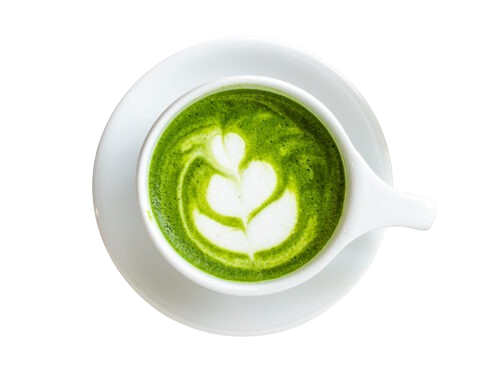
Matcha latte is a creamy tea beverage made from ground green tea leaves mixed with a milk base, and it is a popular staple in American, South Korean, and European café cultures. There are 51 matcha latte calories per 100 g (3.5 oz) of a prepared version made with 2% dairy milk. This beverage is significantly more calorie-dense than pure matcha, which contains 322 matcha calories per 100 g (3.5 oz) in its raw powder form. A small 295 g (10 oz) serving of a hot matcha latte provides 170 calories, while a medium 473 g (16 oz) portion contains 250 calories and a large 591 g (20 oz) serving offers 320 calories. According to matcha latte nutrition facts, a 100 g (3.5 oz) portion provides 7.2 g of carbohydrates, 2.5 g of protein, and 1.5 g of fat. For retail products, a 473 g (16 oz) Dunkin' Medium Matcha Latte contains 250 calories, whereas a 235 g (8.2 oz) bottle of Matcha Love SOHO Matcha Latte provides 110 calories. Research by Kochman et al. (2020), "Health Benefits and Chemical Composition of Matcha Green Tea: A Review," found that the concentration of antioxidants in the powder base is much higher than in regular green tea. Frequently referred to by nicknames such as the green latte, jade milk, or powdered energy, this drink is a standard menu item at Panera Bread for its Iced Matcha Latte and Pret A Manger for its organic Matcha Latte with Oat Milk.
Common types include the hot latte with frothed milk, the iced latte served over cubes, and specialized versions made with heavy creamers. The creamy tea profile is utilized in breakfast dishes such as the Matcha Latte Chia Pudding at Le Pain Quotidien and the Matcha Overnight Oats found at many modern health cafes. Other restaurants featuring the latte flavor include Peet’s Coffee for its signature Matcha Green Tea Latte and Jamba Juice for its Matcha Green Tea Blast.
The origin of the matcha base is China, where it was first produced during the Tang Dynasty before becoming a Japanese cultural staple, while the latte preparation emerged in the Western market in the late 20th century. Global production of the tea base is led by China at 2,165 kt and Japan at 76 kt as of 2023. Consumption is highest in China and Japan, while the European market, particularly Germany, reached 13.2 kt in 2023. The retail price for a 30 g (1.06 oz) tin of culinary-grade matcha powder used in lattes has risen from $12.00 USD in 2010 to $22.00 USD in 2024. Health guidelines suggest a recommended daily intake of 473 g (16 oz), which contributes 250 calories to a standard adult diet.
To burn the 170 calories provided by a small 295 g (10 oz) serving of a matcha latte, a person weighing 70 kg (154 lbs) must engage in 48 minutes of moderate walking at 5 km/h (3 mph). For those consuming a large 591 g (20 oz) serving containing 320 calories, the energy expenditure requires 91 minutes of moderate walking. Alternatively, the same individual can perform 28 minutes of vigorous swimming or 36 minutes of cycling at a speed of 20 km/h (12 mph) to offset the caloric intake from a large portion. Normal daily metabolic activity successfully utilizes the 13 calories found in a medium 4 g (2 tsp) serving of pure powder within 4 minutes of brisk movement.
Matcha Latte nutrition
| Stats | Weight |
|---|---|
| Carbs | 34 grams |
| Protein | 12 grams |
| Fats | 0 grams |
| Sugars | 32 grams |
- Large Matcha Latte Calories (Nutritional Facts)
- Medium Matcha Latte Calories (Nutritional Facts)
- Small Matcha Latte Calories (Nutritional Facts)
- Raw Matcha Latte Nutrition
- Sodium in Matcha Latte
- Potassium in Matcha Latte
- Sugar in Matcha Latte
- Fiber in Matcha Latte
- Protein in Matcha Latte
- Carbs in Matcha Latte
- Fat in Matcha Latte
- Vitamins in Matcha Latte
- Minerals in Matcha Latte
Large Matcha Latte Calories (Nutritional Facts)
A large serving of a Venti Matcha Green Tea Latte made with 2% milk from Starbucks weighing 591g (20 oz) contains 320 calories. This portion includes 9g of total fat, 15g of protein, 45g of total carbohydrates, and 43g of sugar. A large iced version of the same beverage weighing 591g (20 oz) contains 280 calories due to the displacement of liquid by ice. A large Matcha Tea Latte from Gong Cha weighing 710g (24 oz) with 50% sugar contains 230 calories.
A medium serving of a Grande Matcha Green Tea Latte made with 2% milk weighing 473g (16 oz) contains 240 calories. This serving provides 7g of total fat, 12g of protein, 34g of carbohydrates, and 32g of sugar. A medium serving of Matcha Milk Tea from Kung Fu Tea weighing 473g (16 oz) contains 414 calories. A medium Matcha Green Tea Latte from Peet's Coffee weighing 473g (16 oz) contains 230 calories.
A small serving of a Tall Matcha Green Tea Latte weighing 355g (12 oz) contains 190 calories. This portion consists of 5g of total fat, 9g of protein, 27g of carbohydrates, and 25g of sugar. A small serving of the same drink prepared with almond milk weighing 355g (12 oz) contains 110 calories. A small Hot Matcha Latte from Dunkin' weighing 295g (10 oz) contains 170 calories.
A 100g (3.5 oz) serving of a raw unsweetened matcha latte prepared with whole milk provides 64 calories, 3.5g of total fat, 3.2g of protein, 5g of carbohydrates, and 0g of added sugar. Raw matcha latte serves as a source of calcium and polyphenols derived from the stone-ground tea leaves. The nutrient density remains higher in versions using whole milk compared to those utilizing water-diluted plant milks such as almond or coconut milk.
A standard 473g (16 oz) medium serving of a matcha latte contains 150mg of sodium, which contributes 7% of the Daily Value (DV). The sodium content primarily originates from the milk and stabilizers used in the commercial tea blends.
Matcha latte serves as a source of potassium, providing 480mg per 473g (16 oz) serving, which represents 10% of the DV. This mineral is essential for maintaining healthy fluid balance and supporting nerve signals.
A 473g (16 oz) serving of a sweetened matcha latte contains 32g of sugar. These values include the naturally occurring lactose from dairy milk and the added cane sugar found in pre-mixed matcha powders.
Matcha latte provides 1g of dietary fiber per 473g (16 oz) serving, fulfilling 4% of the DV. This fiber is provided by the finely ground green tea leaves that remain suspended in the beverage.
A standard 473g (16 oz) matcha latte prepared with dairy milk provides 12g of protein. Versions made with soy milk provide 9g of protein per 473g (16 oz) serving.
Matcha latte contains 34g of total carbohydrates per 473g (16 oz) serving.
A standard 473g (16 oz) matcha latte made with 2% milk contains 7g of total fat. A version made with nonfat milk contains 0g of total fat per the same serving size.
A 473g (16 oz) serving of matcha latte is a source of Vitamin A, providing 15% of the DV. It also contains 2.4mcg of Vitamin B12 (100% DV) and 0.4mg of Riboflavin (31% DV).
A 473g (16 oz) serving of matcha latte provides 400mg of Calcium (31% DV), 45mg of Magnesium (11% DV), and 0.5mg of Iron (3% DV). It also delivers 300mg of Phosphorus (24% DV).
Get a Custom Report on Matcha Latte Nutrition Data – Contact Us!
What are the Types of Matcha Latte?
There are 4 different types of Matcha Latte such as the standard dairy version and the plant-based alternative. The table below shows the most common Matcha Latte types and their calorie information.
| Type | Description | Calories (per 100g / 3.5oz) | Calorie Differences & Qualifications |
|---|---|---|---|
|
Standard 2% Milk Latte
|
Prepared with sweetened matcha powder and 2% dairy milk. | 51 | The baseline for commercial coffee shop versions like Starbucks. |
|
Oat Milk Matcha Latte
|
Prepared with unsweetened matcha and barista-grade oat milk. | 60 | Higher calorie density due to the higher carbohydrate and fat content in oat milk. |
|
Almond Milk Matcha Latte
|
Prepared with unsweetened matcha and unsweetened almond milk. | 31 | Lowest calorie option due to the low energy density of almond milk. |
|
Kung Fu Tea Style
|
Prepared with heavy creamer, high sugar syrups, and matcha powder. | 87 | Highest calorie density due to the 60g of added sugars per serving. |
What are the Desserts with Matcha Latte?
Several international dessert chains and bakeries incorporate the creamy, earthy profile of a matcha latte into their confectionary offerings. These treats utilize the combination of stone-ground green tea and dairy or plant-based milks to create balanced sweets that range from rich cakes to frozen delights. The table below provides the nutritional breakdown for various desserts that feature the matcha latte flavor profile as a central ingredient.
| Dish Name | Calories | Type | Carbs | Sugar | Protein | Fat | Cuisine | Restaurants |
|---|---|---|---|---|---|---|---|---|
|
Matcha Green Tea Cheesecake
|
1,060 | Cake | 82g | 64g | 14g | 78g | American | The Cheesecake Factory |
|
Green Tea Crème Frappuccino
|
410 | Frozen | 62g | 61g | 6g | 15g | American | Starbucks |
|
Matcha Latte Soft Serve
|
210 | Frozen | 34g | 28g | 4g | 7g | Japanese | Matcha n' More |
|
Matcha Bread Pudding
|
520 | Warm Cake | 58g | 42g | 7g | 31g | Fusion | Spot Dessert Bar |
|
Matcha Tiramisu
|
450 | Layered | 44g | 32g | 6g | 28g | Italian-Japanese | Itcho Itcha |
|
Matcha Latte Mochi Ice Cream
|
180 | Frozen | 32g | 22g | 2g | 5g | Japanese | Bubbies |
|
Matcha Lava Cake
|
480 | Cake | 52g | 38g | 8g | 24g | Fusion | Nana's Green Tea |
|
Matcha Swirl Donut
|
330 | Pastry | 38g | 20g | 4g | 18g | American | Krispy Kreme |
|
Matcha Latte Gelato
|
220 | Frozen | 28g | 24g | 4g | 11g | Italian | Salt & Straw |
|
Matcha Crème Brûlée
|
390 | Custard | 24g | 22g | 5g | 31g | French-Japanese | Nobu |
|
Matcha Latte Cupcake
|
420 | Cake | 55g | 38g | 4g | 21g | American | Sprinkles |
|
Matcha Swiss Roll
|
310 | Sponge | 35g | 24g | 6g | 16g | Japanese | Releaf Side Cafe |
|
Matcha Milk Crepe Cake
|
400 | Layered | 38g | 22g | 5g | 26g | French-Japanese | Lady M Cake Boutique |
What are the Main Dishes with Matcha Latte?
Some of the most widespread main dishes that contain matcha latte elements are Matcha Smoothie Bowls, Matcha Overnight Oats, and Matcha Protein Bowls. While the matcha latte is primarily consumed as a liquid refreshment, its creamy tea base is frequently used as the primary liquid for breakfast entrees and functional health bowls. The table below lists the nutritional facts for popular meal-sized dishes and breakfast sets that feature the matcha latte profile.
| Dish Name | Calories | Type | Carbs | Sugar | Protein | Fat | Cuisine | Restaurants |
|---|---|---|---|---|---|---|---|---|
|
Matcha Smoothie Bowl
|
460 | Breakfast | 82g | 42g | 12g | 11g | American | Nekter Juice Bar |
|
Matcha Overnight Oats
|
380 | Breakfast | 54g | 12g | 14g | 11g | American | Peet's Coffee |
|
Matcha Protein Bowl
|
520 | Health Bowl | 68g | 32g | 22g | 19g | American | Vitality Bowls |
|
Matcha Chia Seed Pudding
|
280 | Breakfast | 24g | 14g | 8g | 18g | British-Fusion | Pret A Manger |
|
Matcha Granola Bowl
|
410 | Breakfast | 58g | 18g | 12g | 16g | Belgian | Le Pain Quotidien |
|
Savory Matcha Crepe
|
480 | Entree | 42g | 4g | 24g | 21g | French-Japanese | T-Swirl Crepe |
|
Matcha Oatmeal with Milk
|
340 | Breakfast | 58g | 12g | 10g | 8g | American | First Watch |
|
Matcha Yogurt Parfait
|
380 | Breakfast | 52g | 34g | 14g | 12g | American | Au Bon Pain |
|
Matcha Latte & Egg White Wrap
|
450 | Set Meal | 48g | 32g | 27g | 15g | American | Starbucks |
|
Matcha Latte Pancake Set
|
820 | Breakfast | 110g | 45g | 18g | 34g | American | Clinton St. Baking Co. |
What Cuisines Prefer Matcha Latte the Most?
The matcha latte has become a global phenomenon, bridging the gap between traditional Eastern tea ceremonies and Western coffee shop culture. Modern American and Japanese fusion cuisines are the leaders in utilizing this beverage as a centerpiece for brunch and cafe menus. The table below highlights the culinary traditions that prioritize the matcha latte and the specific establishments where they are featured.
| Cuisine | Dish Name | Calories | Restaurants |
|---|---|---|---|
|
Modern American
|
Grande Matcha Green Tea Latte | 240 | Starbucks |
|
Japanese Fusion
|
Matcha Latte & Mochi Set | 320 | Nana's Green Tea |
|
French-Japanese
|
Matcha Milk Crepe | 400 | Lady M Cake Boutique |
|
Taiwanese
|
Matcha Milk Tea with Pearls | 414 | Kung Fu Tea |
|
American Health
|
Matcha Smoothie Bowl | 460 | Nekter Juice Bar |
|
Italian Fusion
|
Matcha Latte Gelato | 220 | Salt & Straw |
|
British Cafe
|
Matcha Latte with Oat Milk | 210 | Pret A Manger |
Which Countries Produce the Most Matcha Latte?
The top producers of green tea, which serves as the base for all matcha lattes, globally are China, Japan, Vietnam, Indonesia, and India. In 2022, China produced 2,154.00 kilotonnes of green tea while Japan produced 77.00 kilotonnes based on data from the Food and Agriculture Organization of the United Nations (FAOSTAT). Since matcha latte is a prepared beverage, production data is tracked via its primary agricultural commodity, green tea. The table below displays the production volumes for these nations over the last 20 years.
| Year | China | Japan | Vietnam | Indonesia | India |
|---|---|---|---|---|---|
| 2004 | 835.00 | 92.00 | 108.00 | 42.00 | 12.00 |
| 2005 | 935.00 | 91.00 | 115.00 | 40.00 | 14.00 |
| 2006 | 1,028.00 | 90.00 | 122.00 | 39.00 | 15.00 |
| 2007 | 1,120.00 | 89.00 | 131.00 | 38.00 | 17.00 |
| 2008 | 1,257.00 | 88.00 | 140.00 | 37.00 | 19.00 |
| 2009 | 1,350.00 | 86.00 | 148.00 | 36.00 | 21.00 |
| 2010 | 1,467.00 | 83.00 | 155.00 | 35.00 | 23.00 |
| 2011 | 1,580.00 | 81.00 | 162.00 | 34.00 | 25.00 |
| 2012 | 1,690.00 | 79.00 | 170.00 | 33.00 | 28.00 |
| 2013 | 1,810.00 | 78.00 | 178.00 | 32.00 | 31.00 |
| 2014 | 1,890.00 | 77.00 | 185.00 | 31.00 | 33.00 |
| 2015 | 1,950.00 | 76.00 | 192.00 | 30.00 | 36.00 |
| 2016 | 2,010.00 | 76.00 | 201.00 | 29.00 | 38.00 |
| 2017 | 2,050.00 | 77.00 | 210.00 | 28.00 | 41.00 |
| 2018 | 2,090.00 | 75.00 | 218.00 | 27.00 | 43.00 |
| 2019 | 2,120.00 | 76.00 | 225.00 | 26.00 | 45.00 |
| 2020 | 2,135.00 | 77.00 | 231.00 | 25.00 | 48.00 |
| 2021 | 2,145.00 | 78.00 | 238.00 | 24.00 | 50.00 |
| 2022 | 2,154.00 | 77.00 | 245.00 | 23.00 | 52.00 |
| 2023 | 2,165.00 | 76.00 | 252.00 | 22.00 | 55.00 |
Which Countries Consume the Most Matcha Latte?
Based on data from the Helgi Library and the International Tea Committee, the top consumers of green tea products, including matcha lattes, are China, Japan, the United States, Vietnam, and Germany. The United States and Germany have experienced the highest percentage growth in consumption over the last decade due to the health-driven popularity of matcha in urban cafe chains. Consumption is measured by the domestic utilization of green tea powder and prepared beverages. The table below represents the apparent food supply and utilization of these products.
| Year | China | Japan | USA | Vietnam | Germany |
|---|---|---|---|---|---|
| 2004 | 720.00 | 115.00 | 12.00 | 28.00 | 4.20 |
| 2005 | 780.00 | 114.00 | 14.00 | 31.00 | 4.50 |
| 2006 | 840.00 | 113.00 | 15.00 | 34.00 | 4.80 |
| 2007 | 910.00 | 111.00 | 17.00 | 38.00 | 5.20 |
| 2008 | 980.00 | 109.00 | 19.00 | 42.00 | 5.50 |
| 2009 | 1,060.00 | 107.00 | 21.00 | 46.00 | 5.90 |
| 2010 | 1,140.00 | 105.00 | 24.00 | 51.00 | 6.20 |
| 2011 | 1,220.00 | 103.00 | 27.00 | 56.00 | 6.60 |
| 2012 | 1,300.00 | 101.00 | 31.00 | 62.00 | 7.10 |
| 2013 | 1,380.00 | 99.00 | 35.00 | 68.00 | 7.50 |
| 2014 | 1,460.00 | 97.00 | 39.00 | 75.00 | 8.00 |
| 2015 | 1,540.00 | 95.00 | 43.00 | 83.00 | 8.40 |
| 2016 | 1,620.00 | 93.00 | 47.00 | 91.00 | 8.90 |
| 2017 | 1,710.00 | 91.00 | 52.00 | 100.00 | 9.40 |
| 2018 | 1,800.00 | 89.00 | 57.00 | 110.00 | 10.00 |
| 2019 | 1,890.00 | 88.00 | 62.00 | 121.00 | 10.60 |
| 2020 | 1,980.00 | 87.00 | 68.00 | 133.00 | 11.20 |
| 2021 | 2,050.00 | 86.00 | 74.00 | 146.00 | 11.80 |
| 2022 | 2,120.00 | 85.00 | 80.00 | 160.00 | 12.50 |
| 2023 | 2,190.00 | 84.00 | 87.00 | 175.00 | 13.20 |
How Do Prices of Matcha Latte-including Dishes Change?
Menu prices for matcha lattes and related dishes have seen significant upward adjustments over the last decade. This trend reflects the rising cost of high-quality tea imports and the increased operational expenses of major coffee chains. The table below compares the menu prices for matcha items between 2017–2019 and the current 2025–2026 period.
| Restaurant | Dish Name | Old Price Range (2017–2019) | Current Price Range (2025–2026) |
|---|---|---|---|
| Starbucks | Grande Matcha Green Tea Latte | $3.95 - $4.45 | $5.45 - $6.25 |
| Dunkin' | Medium Iced Matcha Latte | $3.29 - $3.89 | $4.59 - $5.15 |
| Peet's Coffee | Matcha Green Tea Latte | $4.15 - $4.75 | $5.65 - $6.45 |
| Gong Cha | Matcha Tea Latte | $4.50 - $5.15 | $5.45 - $6.75 |
| Au Bon Pain | Matcha Latte | $4.25 - $4.95 | $5.50 - $6.25 |
How Many Calories are in a Matcha Latte?
A standard 473 g (16 oz) matcha latte prepared with 2% dairy milk and sweetened tea powder contains 250 calories. The calorie count shifts based on the volume, with a small 295 g (10 oz) serving providing 170 calories and a large 591 g (20 oz) serving providing 320 calories. Variations in calories are driven primarily by the milk choice and the amount of added sugar syrups, as a version with nonfat milk contains 160 calories per 473 g (16 oz). High-calorie versions that include extra sweeteners or a topping of whipped cream can exceed 400 calories per serving.
How Do Calories in a Matcha Latte Differ from a Matcha Latte with Almond Milk?
A 473 g (16 oz) matcha latte made with 2% dairy milk contains 250 calories, whereas a matcha latte made with almond milk contains 120 calories. This difference of 130 calories occurs because almond milk is a less energy-dense liquid that contains 3.5 g of fat compared to the 7 g of fat found in 2% dairy milk per medium serving. The total carbohydrate count is also lower in the almond milk version, providing 18 g compared to the 34 g found in the standard dairy preparation. Choosing almond milk reduces the total calorie count by more than 50% for the same serving size.
How Much Caffeine is in a Matcha Latte?
A standard 473 g (16 oz) matcha latte contains 80 mg of caffeine. The specific caffeine content is determined by the number of scoops of matcha powder used in the recipe, with a large 591 g (20 oz) serving containing 120 mg of caffeine. Because matcha is made from whole ground leaves, it provides more caffeine per fluid ounce than a standard steeped green tea. Alternative milks or milk blends do not change the caffeine content, but the presence of the amino acid L-theanine in the powder ensures the caffeine is absorbed more slowly than the caffeine in a traditional cup of coffee.
What is the Matcha Latte Calorie for 100 Grams?
One hundred grams (3.5 oz) of a standard prepared matcha latte contains 51 calories.
What is the Matcha Latte Calorie for 1 KG?
One kilogram (1,000g or 35.3 oz) of a standard prepared matcha latte contains 510 calories.
What is the Calorie of 1 Matcha Latte?
One standard 473g (16 oz) Starbucks Grande Matcha Latte contains 240 calories. One 473g (16 oz) Dunkin' Medium Matcha Latte contains 250 calories. One large 710g (24 oz) Matcha Tea Latte with 50% sugar from Gong Cha contains 230 calories. One medium 473g (16 oz) Matcha Milk Tea from Kung Fu Tea contains 414 calories. One 473g (16 oz) Peet's Coffee Matcha Green Tea Latte contains 230 calories.
What are the Health Benefits of Matcha Latte?
Matcha latte provides some health benefits like enhancing metabolic rate and improving cognitive focus due to its high concentration of epigallocatechin gallate (EGCG) and the amino acid L-theanine. This vibrant beverage, frequently called "green milk," "jade latte," "the green dragon," or "whisked emerald tea," is a staple in modern wellness-focused cafes. A list of the health benefits of matcha latte are shown below.
- Provides High Levels of Antioxidants: The EGCG found in the ground tea leaves helps neutralize free radicals and protects cells from oxidative stress. A study by Weiss and Anderton (2003), "Determination of catechins in matcha green tea by micellar electrokinetic chromatography," found that the concentration of EGCG in matcha is 137 times greater than the amount available from standard steeped green tea.
- Enhances Brain Function and Focus: The combination of caffeine and L-theanine promotes a state of calm alertness, improving attention, memory, and reaction time. Research by Dietz et al. (2017), "An intervention study on the effect of matcha tea, in alternative forms of consumption, on cognitive performance and mood," demonstrated that participants consuming matcha showed significant improvements in cognitive tasks measuring information processing.
- Promotes Cardiovascular Health: Regular consumption of the catechins in the tea assists in lowering LDL cholesterol and triglycerides. A study by Zheng et al. (2011), "Green tea intake lowers fasting serum total and LDL cholesterol in adults: a meta-analysis of 14 randomized controlled trials," indicated that green tea intake significantly reduced total cholesterol concentrations.
- Supports Weight Management: The polyphenols in the beverage increase fat oxidation and boost metabolic energy expenditure during physical activity. Research by Hursel et al. (2009), "The effects of green tea on weight loss and weight maintenance: a meta-analysis," found that green tea has a positive effect on weight loss and weight maintenance.
- Protects Liver Integrity: The high antioxidant content assists in reducing liver enzymes associated with organ damage and fatty liver disease. A study by Kuriyama et al. (2006), "Green tea consumption and mortality due to cardiovascular disease, cancer, and all causes in Japan: the Ohsaki study," suggests that green tea consumption is associated with a reduced risk of liver-related mortality.
- Boosts Immune System Function: A 100g (3.5oz) serving of the latte provides essential vitamins and amino acids that support white blood cell activity.
- Improves Skin Health: Anti-inflammatory properties in the jade powder reduce redness and protect against ultraviolet radiation damage.
- Strengthens Bone Density: The presence of fluoride and polyphenols in the shade-grown leaves helps maintain mineral density in the skeletal system.
What are the Downsides of Matcha Latte?
Matcha latte has been known to cause some unwanted effects like sleep disturbances and digestive irritation due to its caffeine content and concentrated tannins. This drink, often nicknamed "powdered energy" or "green gold," can lead to adverse reactions if consumed in excess. A list of the downsides of matcha latte are shown below.
- Triggers Anxiety and Insomnia: Excessive intake of caffeine leads to heart palpitations, restlessness, and interrupted sleep cycles in sensitive individuals. A study by Cappelletti et al. (2015), "Caffeine: Cognitive and Physical Performance Enhancer or Psychoactive Drug?" notes that high doses of caffeine can induce symptoms of jitteriness and anxiety.
- Inhibits Iron Absorption: The tannins in green tea bind to non-heme iron in the digestive tract, preventing the body from absorbing it effectively during meals. Research by Zijp et al. (2000), "Effect of tea and other dietary factors on iron absorption," found that tea consumption can reduce iron absorption by 60%.
- Risk of Heavy Metal Exposure: Because the entire tea leaf is consumed in powdered form, there is a risk of ingesting lead or aluminum absorbed from the soil during growth.
- Causes Gastrointestinal Upset: Consuming concentrated matcha on an empty stomach stimulates excess stomach acid, leading to nausea or abdominal discomfort.
Are Matcha Lattes Good for You?
Yes, matcha latte is good for you because it delivers a concentrated dose of antioxidants and amino acids that support heart health and mental clarity. Healthy individuals should consume 1 medium 473g (16 oz) serving per day to gain the benefits of L-theanine and catechins without exceeding daily caffeine recommendations. The major benefits include the stabilization of free radicals through EGCG and the promotion of sustained energy without the crash associated with coffee. It serves as an ideal nutrient-dense replacement for sugary energy drinks or standard coffee when prepared with minimal added sweeteners.
How Do Calories Change According to Matcha Latte Types?
The calories in a matcha latte change primarily based on the fat content of the milk base and the volume of added sugar syrups. A standard latte made with 2% dairy milk contains 51 calories per 100g (3.5oz), but switching to unsweetened almond milk reduces the density to 31 calories per 100g (3.5oz). Commercial versions like the Matcha Milk Tea from Kung Fu Tea represent the most significant increase, reaching 87 calories per 100g (3.5oz) due to the inclusion of heavy non-dairy creamers and cane sugar. Use of whole milk instead of non-fat milk increases the fat content by 3.2g per 100g (3.5oz), adding 29 calories to the total profile. Iced versions often contain fewer calories per total volume than hot versions because the ice cubes displace 150g (5.3oz) of the caloric liquid base.
What is the Origin of Matcha Latte?
The origin of the matcha latte is a modern evolution that combines the centuries-old Japanese tradition of matcha with the 20th-century Western preference for milk-based espresso drinks. Matcha itself originated in Tang Dynasty China, where tea leaves were steamed and formed into bricks, but it was refined in Japan during the 12th century after being introduced by the monk Eisai. For hundreds of years, matcha was consumed exclusively as a whisked mixture of powder and hot water in formal tea ceremonies known as Chanoyu.
The specific "latte" preparation emerged in the late 1990s and early 2000s as global coffee chains sought to diversify their menus for Asian markets. Starbucks is credited with popularizing the Matcha Green Tea Latte in North America and Japan in the mid-2000s, transforming the bitter ceremonial drink into a sweetened, creamy beverage suited for the mass market. This adaptation triggered a global wellness trend, leading to the drink's inclusion in specialty cafes from New York to London. Today, the matcha latte serves as a cultural bridge, maintaining the vibrant green color and health reputation of ancient Japanese tea while adopting the approachable format of the Italian latte.
Explore More Beverages
Discover more Beverages with detailed nutrition facts, calorie counts, vitamins, minerals, and health benefits. Compare similar foods, serving sizes, macronutrients, and key nutrients to find the best option for your diet and nutrition goals.
 Almond Milk calories
 Aloe Vera Juice calories
 Americano calories
 Apple Cider calories
 Apple Juice calories
 Apricot Juice calories
 Aronia Juice calories
 Avocado Shake calories
 Banana Juice calories
 Baobab Juice calories
 Barley Tea calories
 Beer calories