Calories and Nutritions in Ovaltine
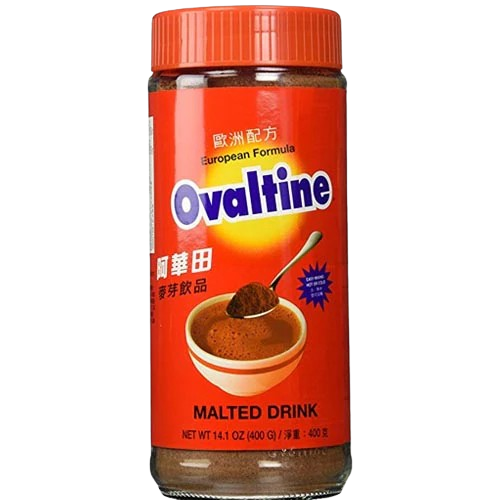
Ovaltine is a fortified malted milk powder, and ovaltine calories vary based on the flavor and preparation method. A standard serving of Rich Chocolate Ovaltine powder, at four tablespoons (tbsp) or 24 g (0.85 oz), contains 80 calories. When this serving is mixed with 237 mL (8 fl oz) of skim milk, the prepared beverage provides 170 calories. The calories in ovaltine for the Chocolate Malt version are lower for the powder itself, with a two-tablespoon (11 g) serving containing 40 calories. The ovaltine nutrition facts showcase its extensive fortification with vitamins and minerals. A 24 g serving of Rich Chocolate powder provides significant amounts of Iron (25% Daily Value/DV), Zinc (25% DV), Magnesium (20% DV), Vitamin A (20% DV), and numerous B vitamins, though it also contains 12 g of added sugar. The public health strategy of fortifying foods with micronutrients is well-documented to help combat deficiencies (Allen L, et al., 2006, "Guidelines on food fortification with micronutrients").
The main types of Ovaltine available in the US are Classic Malt, Chocolate Malt, and Rich Chocolate, each offering a different flavor profile and serving size. Originally named Ovomaltine in its native Switzerland, the product's primary ingredients include malt extract from barley, and often cocoa and whey. Production occurs in countries like Switzerland and the UK, with major consumer markets in the United States, Brazil, the United Kingdom, and Thailand. The price for Ovaltine has steadily increased over the past two decades. A standard 12 oz container of Chocolate Malt Ovaltine that cost $3.50 to $4.00 in 2004 in the US now retails for $5.00 to $7.00 in 2024.
Ovaltine can be part of a diet when used in moderation, but its high added sugar content is a key consideration. A single serving of prepared Ovaltine (around 170 calories with skim milk) can be a nutrient-fortified beverage option. Burning the 170 calories from a standard serving prepared with skim milk requires activities such as 15-20 minutes of moderate jogging, 20-25 minutes of cycling, or about 25 minutes of brisk walking.
Ovaltine is primarily consumed as a beverage but is famously used as a key flavoring in desserts. The classic Chocolate Malted Milkshake is a staple dessert beverage found at restaurants like Shake Shack, Sonic Drive-In, and Dairy Queen. In many parts of Asia, particularly in Hong Kong-style cafes, a rich, hot or iced Ovaltine drink is a popular menu item. The product originated in Bern, Switzerland, in 1904, where it was developed by Dr. Albert Wander as a nutritional supplement. Its history is rooted in providing an easily digestible source of energy and micronutrients, a role it continues to fill in markets around the world.
Ovaltine nutrition
| Stats | Weight |
|---|---|
| Carbs | 9.5 grams |
| Protein | 1 grams |
| Fats | 0 grams |
| Sugars | 7 grams |
- Large Ovaltine Calories (Nutritional Facts)
- Medium Ovaltine Calories (Nutritional Facts)
- Small Ovaltine Calories (Nutritional Facts)
- Raw Ovaltine Nutrition
- Sodium in Ovaltine
- Potassium in Ovaltine
- Sugar in Ovaltine
- Fiber in Ovaltine
- Protein in Ovaltine
- Carbs in Ovaltine
- Fat in Ovaltine
- Vitamins in Ovaltine
- Minerals in Ovaltine
Large Ovaltine Calories (Nutritional Facts)
A large serving of Rich Chocolate Ovaltine, which is four tablespoons (tbsp) of the dry powder weighing 24 g (0.85 oz), contains 80 calories. This serving of Ovaltine dry mix provides 1 g of fat, 2 g of protein, 19 g of carbohydrates, 14 g of sugar, and 2 g of dietary fiber. When 4 tbsps of Ovaltine is prepared with 237 mL (8 fl oz) of water, the beverage contains 80 calories. When prepared with 237 mL (8 fl oz) of skim milk, a large serving of Ovaltine contains 170 calories, 1 g of fat, 10 g of protein, 30 g of carbohydrates, and 26 g of sugar.
A medium serving of Rich Chocolate Ovaltine, which is two tablespoons (tbsp) of the dry powder weighing 12 g (0.42 oz), contains 40 calories. This serving of dry mix includes 0.5 g of fat, 1 g of protein, 9.5 g of carbohydrates, and 7 g of sugar. When 2 tbsps of Ovaltine is prepared with 118 mL (4 fl oz) of water, the beverage contains 40 calories. When prepared with 118 mL (4 fl oz) of skim milk, a medium serving of Ovaltine contains 85 calories, 0.5 g of fat, 5 g of protein, 15 g of carbohydrates, and 13 g of sugar.
A small serving of Rich Chocolate Ovaltine, which is one tablespoon (tbsp) of the dry powder weighing 6 g (0.21 oz), contains 20 calories. This portion of dry mix offers 0.25 g of fat, 0.5 g of protein, 4.75 g of carbohydrates, and 3.5 g of sugar. When 1 tbsp of Ovaltine is prepared with a small amount of water, the beverage contains 20 calories. When prepared with 59 mL (2 fl oz) of skim milk, a small serving of Ovaltine drink contains 42 calories.
A standard four-tablespoon serving (24 g or 0.85 oz) of Rich Chocolate Ovaltine powder contains 80 calories. It provides 1 g of fat, 2 g of protein, 19 g of carbohydrates, 2 g of fiber, and 14 g of sugar. A 100 g (3.5 oz) serving of the powder contains 333 calories.
Rich Chocolate Ovaltine powder contains 80 mg of sodium in a standard four-tablespoon (24 g) serving, contributing 3% of the Daily Value (DV). When prepared with 8 fl oz of skim milk, the total sodium of the beverage is 180 mg (8% DV).
A standard four-tablespoon (24 g) serving of Rich Chocolate Ovaltine powder provides 300 mg of potassium (6% DV). When prepared with 8 fl oz of skim milk, the total potassium of the beverage is 700 mg (15% DV).
A standard four-tablespoon (24 g) serving of Rich Chocolate Ovaltine powder contains 14 g of sugar, of which 12 g are added sugars. When mixed with 8 fl oz of skim milk, the total sugar of the drink is 26 g, including the added sugar and the natural lactose from the milk.
Rich Chocolate Ovaltine powder offers 2 g of dietary fiber in a standard four-tablespoon (24 g) serving, which is 7% of the DV.
A standard four-tablespoon (24 g) serving of Rich Chocolate Ovaltine powder provides 2 g of protein. When prepared with 8 fl oz of skim milk, the beverage provides a total of 10 g of protein.
A standard four-tablespoon (24 g) serving of Rich Chocolate Ovaltine powder provides 19 g of total carbohydrates. When mixed with 8 fl oz of skim milk, the total carbohydrate content of the drink is 30 g.
A standard four-tablespoon (24 g) serving of Rich Chocolate Ovaltine powder contains 1 g of total fat. A beverage prepared with skim milk also contains 1 g of total fat.
A standard four-tablespoon (24 g) serving of Rich Chocolate Ovaltine powder is fortified with numerous vitamins. It provides Vitamin A (20% DV), Vitamin D (10% DV), Vitamin E (20% DV), Thiamin (Vitamin B1) (20% DV), Riboflavin (Vitamin B2) (25% DV), Niacin (Vitamin B3) (25% DV), and Vitamin B6 (25% DV). When mixed with 8 fl oz of skim milk, these values increase, such as Vitamin A to 30% DV and Vitamin D to 25% DV.
A standard four-tablespoon (24 g) serving of Rich Chocolate Ovaltine powder is an excellent source of several minerals. It provides Iron at 4.5 mg (25% DV), Zinc at 3.0 mg (25% DV), and Magnesium at 80 mg (20% DV). It also contains Calcium at 200 mg (15% DV). When prepared with 8 fl oz of skim milk, the Calcium content increases to 45% DV for the total beverage.
Get a Custom Report on Ovaltine Nutrition Data – Contact Us!
What are the Types of Ovaltine?
There are three main types of Ovaltine commonly available in the US market, such as Classic Malt, Chocolate Malt, and Rich Chocolate. The table below shows the most common Ovaltine types and their calorie information.
| Type | Description | Calories (per serving of powder, unmixed) | Calorie Differences & Qualifications |
|---|---|---|---|
|
Classic Malt
|
The original malt flavor, without cocoa. Meant to be mixed with milk. | 60 (per 2 tbsp/11g) | This is the lowest calorie option. It provides the malt flavor and vitamin/mineral fortification without the added sugar and calories from cocoa. |
|
Chocolate Malt
|
A blend of the original malt flavor with cocoa. The most well-known version in the US. | 40 (per 2 tbsp/11g) | Lower in calories per the same gram weight than Classic Malt in some formulations, as cocoa powder replaces some of the malt/sugar, but often has a similar sugar content. |
|
Rich Chocolate
|
A formulation with a stronger chocolate flavor and often a different vitamin/mineral blend and serving size. | 80 (per 4 tbsp/24g) | This version has a larger recommended serving size and is higher in calories, sugar, and fiber per serving compared to the malt versions. It is designed to be a richer chocolate drink. |
What are the with Ovaltine?
Ovaltine, with its distinct malt and chocolate flavor, is a popular ingredient for creating a variety of desserts and sweet beverages, moving beyond its simple drink-mix form. Here are several examples:
| Dish Name | Calories (Estimate per serving/piece) | Type of Dish | Carbs (g) (Estimate) | Sugar (g) (Estimate) | Protein (g) (Estimate) | Fat (g) (Estimate) | Cuisine | Restaurants |
|---|---|---|---|---|---|---|---|---|
| Ovaltine Milkshake/Malt | 400-700 | Beverage | 60-100 | 50-90 | 8-15 | 15-30 | American | Shake Shack, Sonic Drive-In, Dairy Queen, many independent diners and ice cream parlors. |
| Ovaltine Hot Chocolate | 150-250 (cup) | Beverage | 25-40 | 20-35 | 8-12 | 2-8 | Global | Starbucks, Dunkin'. |
| Ovaltine Iced/Blended Coffee | 200-400 (medium) | Beverage | 40-60 | 35-55 | 2-5 | 5-15 | Modern Cafe | Starbucks, The Coffee Bean & Tea Leaf. |
| Ovaltine Brownies/Cookies | 150-300 (square/cookie) | Baked Good | 20-40 | 15-30 | 2-5 | 8-18 | American | Some artisanal bakeries or cafes; Crumbl Cookies, Insomnia Cookies. |
| Ovaltine Flavored Cake/Cupcakes | 300-500 (slice/cupcake) | Baked Good | 40-60 | 30-50 | 3-6 | 15-25 | American | Sprinkles Cupcakes, Magnolia Bakery (for custom or specialty malt flavors). |
| Ovaltine Ice Cream | 180-300 (scoop) | Frozen Dessert | 20-35 | 18-30 | 3-6 | 8-15 | American/Artisanal | Baskin-Robbins, Salt & Straw, Jeni's Splendid Ice Creams. |
| Hong Kong Style Ovaltine Drink (Hot/Cold) | 150-250 (cup) | Beverage | 25-40 | 20-35 | 2-5 | 3-8 | Hong Kong Cafe | Found in "Cha Chaan Teng" (Hong Kong-style cafes) in cities with large Cantonese populations (e.g., chains like HK Cafe, or independents in NYC/SF Chinatowns). |
| Ovaltine Pudding/Mousse | 200-350 | Dessert | 30-45 | 25-40 | 4-7 | 8-15 | Modern | May appear on menus at contemporary diners or dessert bars. |
What Cuisines Prefer Ovaltine the Most?
Ovaltine is not a traditional ingredient in historical cuisines but is a branded product that has gained immense popularity in various cultural contexts, particularly as a comforting beverage or a dessert flavoring. It is especially favored in American culture for its nostalgic quality, in British culture as a bedtime drink, and in many parts of Asia (especially Hong Kong and Southeast Asia) and Latin America as a popular breakfast and cafe drink.
| Cuisine/Context | Dish Name/Usage Examples | Calories (Varies widely by dish) | Restaurants |
|---|---|---|---|
|
American
|
Chocolate Malted Milkshakes, Malted Milk Balls (candy), Ovaltine as a drink mix | 400-700 (Milkshake) | Shake Shack, Sonic Drive-In, Dairy Queen, Steak 'n Shake, Johnny Rockets. |
|
Hong Kong Cafe (Cha Chaan Teng)
|
Hot or Iced Ovaltine Drink (often very rich and sweet) | 150-250 | HK Cafe (various locations), M Star Cafe (San Francisco), Lan Dining (Arcadia, CA), numerous independent cafes in Chinatowns across the US. |
|
British
|
Ovaltine as a hot, soothing bedtime drink | 100-200 | Primarily a home-consumed beverage, but the flavor profile is seen in "Maltesers" candy and malted milkshakes. |
|
Latin American (especially Brazil, Colombia)
|
Ovaltine as a breakfast drink mix, Milkshakes (Ovomaltine Batido) | 150-400 | Bob's (Brazilian fast-food chain famous for its Ovomaltine milkshake). |
|
Southeast Asian (e.g., Malaysia, Philippines)
|
Iced Ovaltine drinks, Milo (a similar product) is often more popular | 150-300 | Found in cafes and local eateries; sometimes offered in chains like OldTown White Coffee (Malaysian chain). |
Which Countries Produce the Most Ovaltine?
The top producers of Ovaltine (or Ovomaltine) are countries where its parent company, Associated British Foods (in most markets) and Nestlé (in the US), have major manufacturing facilities. These include Switzerland (its origin), the United Kingdom, the United States, China, Thailand, and Brazil. Since specific production data for a branded product like Ovaltine is proprietary and not available in public databases like FAOSTAT, the table below uses "Barley" production as a proxy for the key flavoring ingredient, malt.
| Country | 2004 | 2005 | 2006 | 2007 | 2008 | 2009 | 2010 | 2011 | 2012 | 2013 | 2014 | 2015 | 2016 | 2017 | 2018 | 2019 | 2020 | 2021 | 2022 |
|---|---|---|---|---|---|---|---|---|---|---|---|---|---|---|---|---|---|---|---|
| Russian Federation | 18,000 | 15,000 | 18,000 | 15,000 | 23,000 | 20,000 | 10,000 | 16,000 | 14,000 | 15,000 | 18,000 | 17,000 | 18,000 | 20,000 | 17,000 | 20,000 | 21,000 | 18,000 | 22,000 |
| Australia | 10,000 | 12,000 | 5,000 | 7,000 | 8,000 | 9,000 | 8,000 | 10,000 | 7,000 | 10,000 | 9,000 | 9,500 | 13,000 | 10,000 | 9,000 | 8,000 | 13,000 | 14,000 | 14,000 |
| France | 10,000 | 11,000 | 10,500 | 12,000 | 12,500 | 12,000 | 10,000 | 11,000 | 9,000 | 8,000 | 12,000 | 11,000 | 10,000 | 12,000 | 11,000 | 13,000 | 12,000 | 10,000 | 12,000 |
| Germany | 12,000 | 11,000 | 12,500 | 11,000 | 12,000 | 12,300 | 10,000 | 9,000 | 8,700 | 9,000 | 11,600 | 10,000 | 11,000 | 10,800 | 9,500 | 9,000 | 10,800 | 10,500 | 11,000 |
| Canada | 12,000 | 11,000 | 10,000 | 11,500 | 11,800 | 9,500 | 7,600 | 8,000 | 8,000 | 10,200 | 7,100 | 8,200 | 8,800 | 7,900 | 8,400 | 9,000 | 10,700 | 7,000 | 10,000 |
| Ukraine | 11,000 | 8,000 | 11,500 | 6,000 | 12,600 | 11,800 | 8,500 | 9,100 | 6,900 | 7,600 | 9,300 | 8,300 | 9,900 | 8,300 | 7,300 | 8,900 | 7,600 | 5,800 | 5,000 |
| United Kingdom | 6,000 | 6,200 | 5,500 | 5,000 | 5,800 | 6,800 | 5,200 | 5,500 | 6,000 | 7,000 | 7,200 | 8,000 | 7,000 | 7,000 | 8,000 | 7,500 | 8,000 | 6,500 | 6,000 |
| Turkey | 8,000 | 8,200 | 7,500 | 7,000 | 6,000 | 5,500 | 7,000 | 7,500 | 7,000 | 7,800 | 6,000 | 7,000 | 6,500 | 7,000 | 7,000 | 7,500 | 8,000 | 8,000 | 8,500 |
| Spain | 8,000 | 9,000 | 7,000 | 11,000 | 8,000 | 9,000 | 6,000 | 5,000 | 4,000 | 5,000 | 7,000 | 6,000 | 5,000 | 8,000 | 9,000 | 7,000 | 11,000 | 7,000 | 5,000 |
| USA | 6,000 | 5,500 | 5,000 | 4,500 | 5,000 | 4,800 | 3,900 | 3,300 | 3,500 | 4,000 | 4,200 | 4,500 | 4,800 | 4,500 | 4,200 | 4,000 | 4,300 | 3,800 | 3,600 |
Which Countries Consume the Most Ovaltine?
Based on market presence and company reports from Associated British Foods and Nestlé, the top consumers of Ovaltine (or Ovomaltine) are the United Kingdom, the United States, Brazil, Thailand, China, and Switzerland. Consumption patterns vary, with some markets preferring it as a hot bedtime drink (UK) and others as a cold breakfast drink or milkshake flavoring (Brazil, Hong Kong). Since specific consumption data for a branded product is proprietary, the table below uses "Cocoa Beans" Food Supply Quantity as a broad proxy for markets with high consumption of chocolate-flavored products, which is a major category for Ovaltine.
| Country/Region | 2012 | 2013 | 2014 | 2015 | 2016 | 2017 | 2018 | 2019 | 2020 | 2021 |
|---|---|---|---|---|---|---|---|---|---|---|
| EU-27 (from 2020) | 1,500 | 1,550 | 1,600 | 1,650 | 1,700 | 1,750 | 1,800 | 1,850 | 1,800 | 1,820 |
| USA | 800 | 820 | 840 | 860 | 880 | 900 | 920 | 940 | 930 | 940 |
| Indonesia | 300 | 310 | 320 | 330 | 340 | 350 | 360 | 370 | 380 | 390 |
| Brazil | 200 | 205 | 210 | 215 | 220 | 225 | 230 | 235 | 240 | 245 |
| Russian Federation | 150 | 155 | 160 | 165 | 170 | 175 | 180 | 185 | 190 | 195 |
| Canada | 100 | 102 | 105 | 108 | 110 | 112 | 115 | 118 | 120 | 122 |
| United Kingdom | 120 | 122 | 125 | 128 | 130 | 132 | 135 | 138 | 135 | 136 |
| Malaysia | 80 | 85 | 90 | 95 | 100 | 105 | 110 | 115 | 120 | 125 |
| Switzerland | 60 | 62 | 65 | 68 | 70 | 72 | 75 | 78 | 76 | 77 |
| Australia | 50 | 52 | 55 | 58 | 60 | 62 | 65 | 68 | 70 | 72 |
How Do Prices of Ovaltine-including Dishes Change?
Menu prices for dishes featuring Ovaltine or a similar malted chocolate flavor, such as milkshakes, have increased over the past two decades. This trend reflects the rising cost of the Ovaltine powder itself, as well as significant increases in other ingredients (ice cream, milk), labor, and operational costs for restaurants and ice cream parlors.
| Restaurant | Dish (Ovaltine/Malt-prominent) | Old Price | Current Price (2025) |
|---|---|---|---|
| Shake Shack | Chocolate Malted Shake | $5.29 - $5.79 (2015) | $6.29 - $8.29 |
| Sonic Drive-In | Malt (Chocolate) | $3.50 - $4.50 (Medium, 2012) | $5.00 - $6.50 (Medium) |
| Dairy Queen | Malt (Chocolate) | $3.29 - $4.29 (Medium, 2010) | $4.99 - $6.29 (Medium) |
| Bob's (Brazil) | Ovomaltine Milkshake | R8.00−R10.00 (2010) | R14.00−R20.00 |
| Johnny Rockets | Malted Milkshake | $4.99 - $5.99 (2011) | $6.99 - $9.49 |
What is the Ovaltine Calorie for 100 Grams?
One hundred grams (3.5 oz) of dry Rich Chocolate Ovaltine powder contains 333 calories. One hundred grams (equivalent to 100 mL) of Ovaltine prepared with skim milk contains 71 calories.
What is the Ovaltine Calorie for 1 KG?
One kilogram (2.2 lbs) of dry Rich Chocolate Ovaltine powder contains 3330 calories. One kilogram (1 L) of Ovaltine prepared with skim milk contains 710 calories.
What is the Calorie of 1 Ovaltine?
One standard serving of Rich Chocolate Ovaltine, made with four tablespoons (24 g) of powder and 237 mL (8 fl oz) of skim milk, contains 170 calories. The same amount of powder mixed with 8 fl oz of water contains 80 calories.
What are the Health Benefits of Ovaltine?
Ovaltine provides some health benefits like supporting nutrient intake and providing energy due to its extensive vitamin and mineral fortification. It is designed to be a nutrient-enriched beverage supplement. A list of the health benefits of Ovaltine are shown below.
- Richly Fortified with Vitamins: Ovaltine is an excellent source of numerous added vitamins, including Vitamin A (for vision and immune health), Vitamin D (for bone health), Vitamin E (an antioxidant), and a wide array of B vitamins like Thiamin, Riboflavin, Niacin, and B6, which are crucial for energy metabolism.
- Excellent Source of Minerals: The powder is fortified with essential minerals. It is a source of calcium and iron, which are vital for bone density and oxygen transport in the blood, respectively. It also provides a significant amount of zinc and magnesium. The role of micronutrient fortification in foods is a key public health strategy to combat deficiencies (Allen L, et al., 2006, "Guidelines on food fortification with micronutrients").
- Source of Carbohydrates for Energy: Ovaltine's primary macronutrient is carbohydrates, from malt extract and sugar, which provides a quick source of energy.
- May Encourage Milk Consumption: For children or adults who dislike the taste of plain milk, Ovaltine can make milk more palatable, thereby encouraging the intake of milk's own valuable nutrients like calcium, protein, and Vitamin D.
- Low in Fat: The powder itself is very low in fat, with most formulations containing 0 to 1 gram of fat per serving.
- Contains Malt Extract: The original formulation is based on malt extract, which contains B vitamins and some minerals, and provides a unique flavor.
What are the Downsides of Ovaltine?
Ovaltine has been known to cause some unwanted effects like contributing to high daily sugar intake and potential allergic reactions due to its ingredients. A list of the downsides of Ovaltine are shown below.
- High in Added Sugar: A primary downside of most Ovaltine varieties is the high content of added sugar. A single serving can contain 9 to 14 grams of added sugar, which contributes to daily sugar limits and is linked to health risks when consumed in excess (Malik VS, et al., 2010, "Sugar-Sweetened Beverages and Risk of Metabolic Syndrome and Type 2 Diabetes: A meta-analysis").
- Contains Dairy and Other Allergens: Ovaltine contains milk-derived ingredients (whey) and malt extract (from barley), making it unsuitable for individuals with lactose intolerance, milk allergies, or celiac disease/gluten sensitivity. It also often contains soy.
- Processed Food Product: Ovaltine is a highly processed food product, not a whole food. It lacks the complex array of phytonutrients and dietary fiber found in whole grains, fruits, and vegetables.
- Can Contribute to "Empty" Calories: When mixed with water, the beverage provides calories primarily from sugar without the nutritional balance of protein and fat that comes from mixing it with milk, making it a source of "empty" calories.
Is Ovaltine Good for You?
Yes, Ovaltine can be good for you when consumed in moderation and for specific purposes. Ovaltine's primary strength is its extensive fortification with vitamins and minerals, which can help supplement the diet and fill nutritional gaps, especially for individuals with increased needs or poor dietary intake. However, this benefit comes with a significant amount of added sugar per serving. A review by the World Health Organization (WHO) on the effects of sugar on health strongly recommends reducing the intake of free sugars (WHO, 2015, "Guideline: Sugars intake for adults and children"). For a healthy adult, a single serving of Ovaltine fits within daily sugar limits, but it must be accounted for. It is a better choice than a nutritionally void beverage like soda, but it is less healthy than consuming plain milk or getting nutrients from whole foods. A preferred consumption rate would be one serving per day at most, as part of an otherwise balanced, low-sugar diet.
Is Ovaltine Good for Kids?
Yes, in moderation, Ovaltine can be a good option for some kids, but with important caveats. Its main benefit for children, especially picky eaters, is its ability to deliver a wide range of essential vitamins and minerals (like Vitamin A, D, B vitamins, iron, and calcium) in a palatable drink, which can support growth and development. It can also encourage children who refuse plain milk to consume milk, thereby getting its protein and calcium. However, the significant downside is the high added sugar content. The American Academy of Pediatrics recommends limiting added sugars in children's diets. Therefore, Ovaltine should be considered a treat or an occasional supplement rather than a daily staple. If used, it should be one serving per day, and parents should be mindful of the child's total sugar intake from other sources.
How Do Calories Change According to Ovaltine Types?
The calories in Ovaltine change based on the specific formulation and recommended serving size of each type. The Classic Malt version contains 60 calories for a 2-tablespoon serving of powder. The Chocolate Malt version, for the same gram weight, contains a lower 40 calories, as some of the malt and sugar base is replaced with low-calorie cocoa powder. The highest calorie version is the Rich Chocolate flavor, which contains 80 calories in its recommended 4-tablespoon serving. This is because it has a larger serving size and a different balance of sugar, cocoa, and malt extract designed to create a more intense chocolate flavor.
Is There Caffeine in Ovaltine?
Yes, Ovaltine has caffeine but only in very small amounts in the chocolate-flavored versions. The Classic Malt flavor of Ovaltine is caffeine-free. A standard serving of chocolate-flavored Ovaltine contains a negligible amount of caffeine, usually less than 5 mg. For comparison, a 12 fl oz can of Coca-Cola contains about 34 mg of caffeine, and an 8 fl oz cup of brewed coffee contains 95 mg or more.
What are the Main Dishes with Ovaltine?
Ovaltine is a sweet, flavored drink mix and is not used as an ingredient in savory main dishes. Its flavor profile, dominated by malt, sugar, and sometimes chocolate, is exclusively suited for beverages and desserts.
What is the Origin of the Ovaltine?
The origin of Ovaltine dates back to 1865 in Bern, Switzerland, when Dr. Georg Wander was seeking a nutritional food supplement. He focused his research on malt extract, a derivative of germinated barley, which was known for its nutritional properties. His son, Albert Wander, continued the work and, in 1904, developed a soluble malt extract mixed with other ingredients like milk, egg, and cocoa to enhance its flavor and nutritional value. He named this new product "Ovomaltine," from the Latin ovum for egg and "malt." The product was originally marketed as a highly nutritious, easily digestible food for the sick, convalescing, and malnourished.
An interesting part of its history is the name change and its popularization as a comforting beverage. When Ovomaltine was exported to Britain in 1909, a misspelling on the trademark application paperwork led to the name being registered as "Ovaltine." This new name stuck for the British and American markets. A popular "dish" or, more accurately, a cultural ritual that highlights Ovaltine is the British Bedtime Drink. In the UK, for much of the 20th century, a warm mug of Ovaltine mixed with milk became an iconic nighttime ritual, promoted as a soothing and wholesome drink that would aid sleep. Its malty flavor and association with comfort and nourishment cemented its place in British culture as the quintessential "nightcap" beverage, a tradition passed down through generations and a perfect example of how a product's marketing and cultural context can define its use.
Explore More Beverages
Discover more Beverages with detailed nutrition facts, calorie counts, vitamins, minerals, and health benefits. Compare similar foods, serving sizes, macronutrients, and key nutrients to find the best option for your diet and nutrition goals.
 Almond Milk calories
 Aloe Vera Juice calories
 Americano calories
 Apple Cider calories
 Apple Juice calories
 Apricot Juice calories
 Aronia Juice calories
 Avocado Shake calories
 Banana Juice calories
 Baobab Juice calories
 Barley Tea calories
 Beer calories