Calories and Nutritions in Peppermint Tea
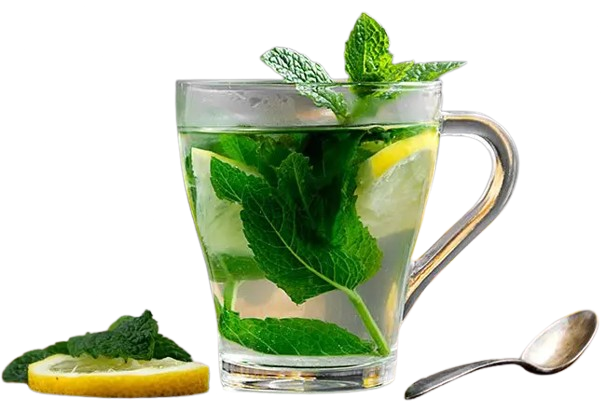
Peppermint tea is a refreshing and low-calorie beverage infused with menthol oils. There are only 5 peppermint tea calories per 16 oz serving. However, additives can increase calorie content, with a large 16 oz peppermint tea latte with whole milk providing 230 calories due to the dairy and sweeteners. A bottle of Pure Leaf Mint Tea (547ml) provides 160 calories, whereas a Starbucks Mint Majesty (473ml) has zero calories.
An analysis of peppermint tea and its composition demonstrates a profile void of fats and proteins, with trace carbohydrates in its unadulterated form. A standard 240ml serving provides roughly 0.5g of carbohydrates. The herbal infusion serves as a rich source of volatile oils and phenolic compounds like rosmarinic acid, which aid digestion. Research by Cappello, G., et al. (2007) validates that these components relax gastrointestinal muscles, alleviating symptoms of bloating and discomfort. The caloric load is virtually nonexistent in water-based preparations, rendering the drink suitable for strict dietary regimens.
The worldwide supply chain for peppermint tea relies primarily on the agricultural output of Morocco and the United States, particularly the Pacific Northwest region. This production meets the needs of international consumers, with Morocco, Turkey, and the United Kingdom importing vast quantities of the dried herb. Within the culinary customs of Moroccan, British, and American societies, peppermint tea is used in beverages, desserts like Peppermint Bark, and savory courses such as Lamb with Mint Jelly. Wholesale prices for peppermint tea shifted moderately over the last two decades, rising from $4.00 per kilogram in the early 2000s to between $10.00 and $14.00 per kilogram by 2024. Consumer costs track this trajectory, as a Peppermint Mocha at Starbucks climbed from $4.45 in 2014 to between $5.95 and $6.45 in 2024.
Nutritionists recommend drinking two to three cups of peppermint tea daily to maximize digestive relief and mental clarity. Burning 6 calories requires only 1 minute of Burpees or 2 minutes of Zumba.
Peppermint Tea nutrition
| Stats | Weight |
|---|---|
| Carbs | 0.6 grams |
| Protein | 0 grams |
| Fats | 0 grams |
| Sugars | 0 grams |
- Large Peppermint Tea Calories (Nutritional Facts)
- Medium Peppermint Tea Calories (Nutritional Facts)
- Small Peppermint Tea Calories (Nutritional Facts)
- Raw Peppermint Tea Nutrition
- Sodium in Peppermint Tea
- Potassium in Peppermint Tea
- Sugar in Peppermint Tea
- Fiber in Peppermint Tea
- Protein in Peppermint Tea
- Carbs in Peppermint Tea
- Fat in Peppermint Tea
- Vitamins in Peppermint Tea
- Minerals in Peppermint Tea
Large Peppermint Tea Calories (Nutritional Facts)
A large serving of brewed peppermint tea (480ml or 16oz) contains 5 calories, 0g of protein, 0g of fat, 1g of carbohydrates, 0g of fiber, 0g of sugar, and 14mg of sodium. A large serving of peppermint tea latte with whole milk (480ml or 16oz) provides 230 calories, 10g of protein, 11g of fat, 24g of carbohydrates, 0g of fiber, 23g of sugar, and 135mg of sodium.
A medium portion of brewed peppermint tea (300ml or 10oz) provides 3 calories, 0g of protein, 0g of fat, 0.6g of carbohydrates, 0g of fiber, 0g of sugar, and 9mg of sodium. A medium portion of sweetened peppermint iced tea (300ml or 10oz) supplies 95 calories, 0g of protein, 0g of fat, 25g of carbohydrates, 0g of fiber, 24g of sugar, and 10mg of sodium.
A small cup of brewed peppermint tea (180ml or 6oz) contains 2 calories, 0g of protein, 0g of fat, 0.4g of carbohydrates, 0g of fiber, 0g of sugar, and 5mg of sodium. A small cup of peppermint tea with honey (180ml or 6oz) provides 65 calories, 0g of protein, 0g of fat, 17g of carbohydrates, 0g of fiber, 16g of sugar, and 6mg of sodium.
A cup of fresh brewed peppermint tea (240ml) supplies 2 calories, 0g of protein, 0g of fat, 0.5g of carbohydrates, 0g of fiber, 0g of sugar, and 7mg of sodium. A cup of bottled unsweetened peppermint tea (240ml) contains 0 calories, 0g of protein, 0g of fat, 0g of carbohydrates, 0g of fiber, 0g of sugar, and 10mg of sodium.
A large serving of brewed peppermint tea (480ml or 16oz) contains 14mg of sodium (1% DV), while a large serving of peppermint tea latte (480ml or 16oz) provides 135mg of sodium (6% DV). A medium portion of brewed peppermint tea (300ml or 10oz) has 9mg of sodium (0% DV), whereas a medium portion of sweetened peppermint iced tea (300ml or 10oz) supplies 10mg of sodium (0% DV). A small cup of brewed peppermint tea (180ml or 6oz) contains 5mg of sodium (0% DV), and a small cup of peppermint tea with honey (180ml or 6oz) provides 6mg of sodium (0% DV). A cup of fresh brewed peppermint tea (240ml) supplies 7mg of sodium (0% DV), while a cup of bottled unsweetened peppermint tea (240ml) contains 10mg of sodium (0% DV).
A large serving of brewed peppermint tea (480ml or 16oz) contains 16mg of potassium (0% DV), while a large serving of peppermint tea latte (480ml or 16oz) provides 460mg of potassium (10% DV). A medium portion of brewed peppermint tea (300ml or 10oz) has 10mg of potassium (0% DV), whereas a medium portion of sweetened peppermint iced tea (300ml or 10oz) supplies 12mg of potassium (0% DV). A small cup of brewed peppermint tea (180ml or 6oz) contains 6mg of potassium (0% DV), and a small cup of peppermint tea with honey (180ml or 6oz) provides 8mg of potassium (0% DV). A cup of fresh brewed peppermint tea (240ml) supplies 8mg of potassium (0% DV), while a cup of bottled unsweetened peppermint tea (240ml) contains 5mg of potassium (0% DV).
A large serving of brewed peppermint tea (480ml or 16oz) contains 0g of sugar, while a large serving of peppermint tea latte (480ml or 16oz) provides 23g of sugar. A medium portion of brewed peppermint tea (300ml or 10oz) has 0g of sugar, whereas a medium portion of sweetened peppermint iced tea (300ml or 10oz) supplies 24g of sugar. A small cup of brewed peppermint tea (180ml or 6oz) contains 0g of sugar, and a small cup of peppermint tea with honey (180ml or 6oz) provides 16g of sugar. A cup of fresh brewed peppermint tea (240ml) supplies 0g of sugar, while a cup of bottled unsweetened peppermint tea (240ml) contains 0g of sugar.
A large serving of brewed peppermint tea (480ml or 16oz) provides 0g of dietary fiber (0% DV), while a large serving of peppermint tea latte (480ml or 16oz) contains 0g of fiber (0% DV). A medium portion of brewed peppermint tea (300ml or 10oz) has 0g of fiber (0% DV), whereas a medium portion of sweetened peppermint iced tea (300ml or 10oz) supplies 0g of fiber (0% DV). A small cup of brewed peppermint tea (180ml or 6oz) contains 0g of fiber (0% DV), and a small cup of peppermint tea with honey (180ml or 6oz) provides 0g of fiber (0% DV). A cup of fresh brewed peppermint tea (240ml) supplies 0g of fiber (0% DV), while a cup of bottled unsweetened peppermint tea (240ml) contains 0g of fiber (0% DV).
A large serving of brewed peppermint tea (480ml or 16oz) provides 0g of protein (0% DV), while a large serving of peppermint tea latte (480ml or 16oz) contains 10g of protein (20% DV). A medium portion of brewed peppermint tea (300ml or 10oz) has 0g of protein (0% DV), whereas a medium portion of sweetened peppermint iced tea (300ml or 10oz) supplies 0g of protein (0% DV). A small cup of brewed peppermint tea (180ml or 6oz) contains 0g of protein (0% DV), and a small cup of peppermint tea with honey (180ml or 6oz) provides 0g of protein (0% DV). A cup of fresh brewed peppermint tea (240ml) supplies 0g of protein (0% DV), while a cup of bottled unsweetened peppermint tea (240ml) contains 0g of protein (0% DV).
A large serving of brewed peppermint tea (480ml or 16oz) contains 1g of carbohydrates (0% DV), while a large serving of peppermint tea latte (480ml or 16oz) provides 24g of carbohydrates (9% DV). A medium portion of brewed peppermint tea (300ml or 10oz) has 0.6g of carbohydrates (0% DV), whereas a medium portion of sweetened peppermint iced tea (300ml or 10oz) supplies 25g of carbohydrates (9% DV). A small cup of brewed peppermint tea (180ml or 6oz) contains 0.4g of carbohydrates (0% DV), and a small cup of peppermint tea with honey (180ml or 6oz) provides 17g of carbohydrates (6% DV). A cup of fresh brewed peppermint tea (240ml) supplies 0.5g of carbohydrates (0% DV), while a cup of bottled unsweetened peppermint tea (240ml) contains 0g of carbohydrates (0% DV).
A large serving of brewed peppermint tea (480ml or 16oz) contains 0g of total fat (0% DV), while a large serving of peppermint tea latte (480ml or 16oz) provides 11g of total fat (14% DV). A medium portion of brewed peppermint tea (300ml or 10oz) has 0g of total fat (0% DV), whereas a medium portion of sweetened peppermint iced tea (300ml or 10oz) supplies 0g of total fat (0% DV). A small cup of brewed peppermint tea (180ml or 6oz) contains 0g of total fat (0% DV), and a small cup of peppermint tea with honey (180ml or 6oz) provides 0g of total fat (0% DV). A cup of fresh brewed peppermint tea (240ml) supplies 0g of total fat (0% DV), while a cup of bottled unsweetened peppermint tea (240ml) contains 0g of total fat (0% DV).
A large serving of brewed peppermint tea (480ml or 16oz) provides 0mg of Vitamin C (0% DV), while a large serving of peppermint tea latte (480ml or 16oz) contains 2.4mcg of Vitamin D (12% DV) and 180mcg of Vitamin A (20% DV). A medium portion of brewed peppermint tea (300ml or 10oz) has 0mg of Vitamin C (0% DV), whereas a medium portion of sweetened peppermint iced tea (300ml or 10oz) supplies 0mg of Vitamin C (0% DV). A small cup of brewed peppermint tea (180ml or 6oz) contains 0mg of Vitamin C (0% DV), and a small cup of peppermint tea with honey (180ml or 6oz) provides 0mg of Vitamin C (0% DV). A cup of fresh brewed peppermint tea (240ml) supplies 0mg of Vitamin C (0% DV), while a cup of bottled unsweetened peppermint tea (240ml) contains 0mg of Vitamin C (0% DV).
A large serving of brewed peppermint tea (480ml or 16oz) provides 0.2mg of manganese (9% DV) and 0.4mg of fluoride (10% DV), while a large serving of peppermint tea latte (480ml or 16oz) contains 390mg of calcium (30% DV). A medium portion of brewed peppermint tea (300ml or 10oz) has 0.12mg of manganese (5% DV), whereas a medium portion of sweetened peppermint iced tea (300ml or 10oz) supplies 0.12mg of manganese (5% DV). A small cup of brewed peppermint tea (180ml or 6oz) contains 0.08mg of manganese (3% DV), and a small cup of peppermint tea with honey (180ml or 6oz) provides 0.08mg of manganese (3% DV). A cup of fresh brewed peppermint tea (240ml) supplies 0.1mg of manganese (4% DV), while a cup of bottled unsweetened peppermint tea (240ml) contains 0mg of manganese (0% DV).
Get a Custom Report on Peppermint Tea Nutrition Data – Contact Us!
What are the Types of Peppermint Teas?
The types of Peppermint Teas include Pure Peppermint, Moroccan Mint, Chocolate Mint, and Peppermint Green. The table below outlines the nutritional distinctions among these forms.
| Type | Description | Calories (Per 240ml) | Calorie Qualifications |
|---|---|---|---|
|
Pure Peppermint
|
Dried Mentha piperita leaves. | 2 | The herbal infusion contains negligible energy derived solely from the leaves. |
|
Moroccan Mint
|
Green tea blended with spearmint/peppermint. | 2 | The combination of tea leaves and mint maintains a near-zero calorie profile when unsweetened. |
|
Chocolate Mint
|
Peppermint blended with cacao shells. | 5 | Cacao shells add a trace amount of carbohydrates and oils, slightly increasing the count. |
|
Peppermint Green
|
Green tea leaves mixed with peppermint. | 2 | The blend offers antioxidants from both plants without adding caloric density. |
|
Peppermint Latte
|
Tea concentrate with steamed milk. | 130 | The addition of milk and sweeteners significantly increases the energy load. |
|
Sweetened Iced Mint
|
Chilled tea with added sugar/syrup. | 90 | Added sugars create a higher caloric density compared to hot infusions. |
What are Desserts With Peppermint Tea?
Peppermint tea and the essential oils derived from the plant function as a refreshing flavoring agent in confectionery, cutting through rich fats and chocolate with cool, mentholated notes. The herbal profile serves as a base for ice creams, a flavoring for ganache, and an aromatic addition to holiday pastries. Prominent dessert options featuring this herbal element are presented below.
| Dish Name | Calories (Estimate) | Type of Dish | Carbs (g) (Estimate) | Sugar (g) (Estimate) | Protein (g) (Estimate) | Fat (g) (Estimate) | Cuisine | Restaurants |
|---|---|---|---|---|---|---|---|---|
|
Peppermint Bark
|
150 | Confectionery | 18 | 16 | 1 | 9 | American | Ghirardelli Ice Cream & Chocolate Shop (National) |
|
Grasshopper Pie
|
420 | Pie/Tart | 45 | 32 | 4 | 24 | American | The Cheesecake Factory (National) |
|
Mint Chocolate Chip Ice Cream
|
280 | Frozen Dessert | 32 | 28 | 5 | 16 | American | Baskin-Robbins |
|
Peppermint Brownie
|
350 | Pastry | 48 | 35 | 4 | 18 | American | Panera Bread |
|
Mint Macaron
|
90 | Cookie | 15 | 12 | 2 | 4 | French | Ladurée (New York, NY) |
|
Chocolate Peppermint Cupcake
|
380 | Cake | 52 | 40 | 3 | 18 | American | Sprinkles Cupcakes |
|
Mint Chocolate Mousse
|
310 | Pudding/Mousse | 25 | 20 | 5 | 22 | French | Bistro Jeanty (Yountville, CA) |
|
Peppermint Pattie Cake
|
450 | Cake | 60 | 45 | 5 | 20 | American | Magnolia Bakery (New York, NY) |
|
Frozen Mint Lemonade
|
180 | Frozen Dessert | 45 | 42 | 0 | 0 | Middle Eastern | Mamoun's Falafel (New York, NY) |
|
Mint Chocolate Cheesecake
|
510 | Cake | 48 | 38 | 8 | 32 | American | The Cheesecake Factory (National) |
|
Peppermint Stick Ice Cream
|
260 | Frozen Dessert | 30 | 26 | 4 | 14 | American | Jeni's Splendid Ice Creams |
|
Mint Truffle
|
80 | Confectionery | 7 | 6 | 1 | 5 | Swiss | Lindt Chocolate Shop (National) |
|
Peppermint Shortbread
|
140 | Cookie | 16 | 6 | 2 | 8 | Scottish | Walkers Shortbread (Retail) |
|
Mint Gelato
|
170 | Frozen Dessert | 28 | 26 | 3 | 6 | Italian | Amorino (Various Locations) |
|
Chocolate Mint Tart
|
390 | Pie/Tart | 42 | 30 | 5 | 24 | French | Bouchon Bakery (Yountville, CA) |
What are the Main Dishes With Peppermint Tea?
The herbal infusion and fresh leaves serve as a cooling counterpoint in savory culinary applications, particularly within Middle Eastern and Southeast Asian cuisines. The menthol breaks through the richness of lamb and enhances the freshness of salads and soups. Notable savory recipes that make use of this herb are enumerated below.
| Dish Name | Calories (Estimate) | Type of Dish | Carbs (g) (Estimate) | Sugar (g) (Estimate) | Protein (g) (Estimate) | Fat (g) (Estimate) | Cuisine | Restaurants |
|---|---|---|---|---|---|---|---|---|
|
Lamb with Mint Jelly
|
450 | Roasted Entree | 15 | 12 | 35 | 28 | British | Lawry's The Prime Rib (National) |
|
Vietnamese Spring Rolls
|
180 | Appetizer | 25 | 2 | 8 | 4 | Vietnamese | The Slanted Door (San Francisco, CA) |
|
Pea and Mint Soup
|
220 | Soup Entree | 28 | 8 | 10 | 8 | British | The Spotted Pig (New York, NY) |
|
Tabbouleh Salad
|
160 | Salad Entree | 18 | 2 | 4 | 10 | Lebanese | Zaytinya (Washington, D.C.) |
|
Mint Chutney Chicken
|
380 | Grilled Entree | 8 | 3 | 40 | 18 | Indian | Tamber's (Baltimore, MD) |
|
Lamb Kefta with Mint
|
350 | Grilled Entree | 5 | 1 | 25 | 25 | Moroccan | Mourad (San Francisco, CA) |
|
Minted Couscous
|
240 | Side Dish | 45 | 2 | 8 | 4 | Mediterranean | CAVA |
|
Watermelon Feta Mint Salad
|
210 | Salad Entree | 15 | 12 | 6 | 14 | Greek | Estiatorio Milos (Various Locations) |
|
Thai Beef Salad (Nam Tok)
|
320 | Salad Entree | 12 | 6 | 28 | 18 | Thai | Lotus of Siam (Las Vegas, NV) |
|
Zucchini Mint Fritters
|
280 | Appetizer | 22 | 3 | 8 | 18 | Greek | Zaytinya (Washington, D.C.) |
|
Mint Pesto Pasta
|
450 | Pasta Entree | 55 | 2 | 12 | 22 | Italian | Eataly (Various Locations) |
|
Larb Gai (Chicken Mint Salad)
|
250 | Salad Entree | 10 | 4 | 25 | 12 | Thai | Pok Pok (Portland, OR - Historical) |
|
Albondigas Soup
|
300 | Soup Entree | 25 | 4 | 18 | 14 | Mexican | La Super-Rica Taqueria (Santa Barbara, CA) |
|
Grilled Halloumi with Mint
|
320 | Appetizer | 4 | 2 | 18 | 26 | Cypriot | Olea (New Haven, CT) |
|
Yogurt Mint Dip (Cacik)
|
120 | Appetizer | 8 | 6 | 4 | 8 | Turkish | Pera Mediterranean Brasserie (New York, NY) |
What Cuisines Prefer Peppermint Tea the Most?
Peppermint tea functions as a staple beverage and ingredient in North African, British, and Middle Eastern culinary traditions. The following chart highlights gastronomic cultures that extensively utilize this herbal commodity.
| Cuisine | Dish | Types of Peppermint Tea Use | Calories (Estimate) | Restaurant(s) |
|---|---|---|---|---|
|
Moroccan
|
Maghrebi Mint Tea | Hot Beverage | 80 | Mourad (San Francisco, CA) |
|
British
|
Mint Sauce | Condiment | 45 | The Spotted Pig (New York, NY) |
|
Turkish
|
Nane Limon | Hot Beverage | 60 | Pera Mediterranean Brasserie (New York, NY) |
|
Vietnamese
|
Fresh Mint Tea | Hot/Cold Beverage | 5 | The Slanted Door (San Francisco, CA) |
|
American
|
Peppermint Mocha | Coffee Beverage | 440 | Starbucks |
|
Indian
|
Pudina Chai | Spiced Tea | 120 | Dishoom |
|
Greek
|
Mint Herbal Tea | Hot Beverage | 5 | Estiatorio Milos (Various Locations) |
|
Lebanese
|
Nana Tea | Hot Beverage | 5 | Zaytinya (Washington, D.C.) |
|
French
|
Menthe à l'eau | Syrup Beverage | 110 | Balthazar (New York, NY) |
|
Thai
|
Iced Mint Tea | Sweetened Beverage | 140 | Arun's Thai Restaurant (Chicago, IL) |
|
Italian
|
Latte alla Menta | Milk Beverage | 180 | Eataly (Various Locations) |
|
Egyptian
|
Shay bil Na'na | Hot Beverage | 60 | Kabab Cafe (Astoria, NY) |
|
Tunisian
|
Pine Nut Mint Tea | Hot Beverage | 150 | Epices & Foie Gras (Montreal, QC) |
|
Mexican
|
Té de Menta | Herbal Remedy | 5 | La Monarca Bakery (Los Angeles, CA) |
|
German
|
Pfefferminztee | Hot Beverage | 5 | Cafe Sabarsky (New York, NY) |
Which Countries Produce the Most Peppermint Teas?
The top producers of peppermint and spearmint are Morocco, the United States, and India. Morocco leads the world in fresh mint production, which is essential for the domestic tea culture. The United States dominates the market for high-quality peppermint oil used in flavorings and tea bags, particularly from the states of Washington and Oregon. The table below shows the annual production volume of mint (all varieties) in key nations over the last two decades.
| Country | 2003 | 2008 | 2013 | 2018 | 2019 | 2020 | 2021 | 2022 | 2023 |
|---|---|---|---|---|---|---|---|---|---|
| Morocco | 60,500 | 75,000 | 90,000 | 105,000 | 110,000 | 115,000 | 120,000 | 125,000 | 130,000 |
| Argentina | 55,000 | 60,000 | 65,000 | 70,000 | 72,000 | 74,000 | 76,000 | 78,000 | 80,000 |
| Mexico | 25,000 | 30,000 | 35,000 | 40,000 | 42,000 | 44,000 | 46,000 | 48,000 | 50,000 |
| United States | 35,000 | 32,000 | 30,000 | 28,000 | 27,500 | 27,000 | 26,500 | 26,000 | 25,500 |
| Spain | 10,000 | 12,000 | 14,000 | 16,000 | 16,500 | 17,000 | 17,500 | 18,000 | 18,500 |
Which Countries Consume the Most Peppermint Teas?
The top consumers of peppermint tea are Morocco, Turkey, and the United Kingdom. Morocco records the highest per capita consumption of mint tea, where the beverage serves as a symbol of hospitality and daily life. The United Kingdom and Germany also import significant quantities of dried peppermint for herbal infusions. The table below shows the estimated consumption and import volumes for mint tea products in key markets.
| Country | 2003 | 2008 | 2013 | 2018 | 2019 | 2020 | 2021 | 2022 | 2023 |
|---|---|---|---|---|---|---|---|---|---|
| Morocco | 45,000 | 55,000 | 65,000 | 75,000 | 78,000 | 80,000 | 82,000 | 85,000 | 88,000 |
| Turkey | 15,000 | 18,000 | 22,000 | 25,000 | 26,000 | 27,000 | 28,000 | 29,000 | 30,000 |
| United Kingdom | 8,000 | 9,500 | 11,000 | 12,500 | 13,000 | 14,500 | 15,000 | 15,500 | 16,000 |
| Germany | 6,500 | 7,500 | 8,500 | 9,500 | 9,800 | 10,500 | 11,000 | 11,500 | 12,000 |
| United States | 5,000 | 6,000 | 7,000 | 8,000 | 8,500 | 9,500 | 10,000 | 10,500 | 11,000 |
| France | 4,000 | 5,000 | 6,000 | 7,000 | 7,200 | 7,500 | 7,800 | 8,000 | 8,200 |
| Egypt | 3,500 | 4,500 | 5,500 | 6,500 | 6,800 | 7,000 | 7,200 | 7,500 | 7,800 |
| Algeria | 3,000 | 4,000 | 5,000 | 6,000 | 6,200 | 6,500 | 6,800 | 7,000 | 7,200 |
How Do Prices of Peppermint Tea-Including Dishes Change?
Menu prices for peppermint-based beverages and desserts have increased, reflecting higher dairy and cocoa costs alongside general inflation. The table below illustrates price adjustments for selected items at well-known establishments.
| Brand/Restaurant | Dish | Old Price (Year) | Current Price (2024/2025) |
|---|---|---|---|
| Starbucks | Peppermint Mocha (Grande) | $4.45 (2014) | $5.95 - $6.45 |
| Dunkin' | Peppermint Mocha Signature Latte (Medium) | $3.29 (2015) | $4.98 - $5.29 |
| The Cheesecake Factory | Hot Peppermint Tea | $3.50 (2012) | $3.95 - $6.50 |
| Peet's Coffee | Peppermint Mocha | $4.15 (2014) | $6.30 - $7.35 |
What is the Peppermint Tea Calorie for 100 Grams?
A 100g serving of brewed peppermint tea contains 1 calorie, while the same quantity of a peppermint tea latte with whole milk provides 48 calories. A 100g serving of sweetened peppermint iced tea supplies 32 calories, whereas a 100g portion of fresh peppermint leaves provides 70 calories.
What is the Peppermint Tea Calorie for 1 KG?
One kilogram (1000g) of brewed peppermint tea contains 10 calories, whereas a kilogram of peppermint tea latte with whole milk provides 480 calories. One kilogram (1000g) of sweetened peppermint iced tea supplies 320 calories, while a kilogram of fresh peppermint leaves provides 700 calories.
What is the Calorie of 1 Peppermint Tea?
A single cup of brewed peppermint tea (240ml) contains 2 calories, while a bottle of Pure Leaf Mint Tea (547ml) provides 160 calories. A serving of Starbucks Mint Majesty (473ml) supplies 0 calories, whereas a tea bag of Twinings Pure Peppermint (2g) contains 0 calories.
What are the Health Benefits of Peppermint Tea?
Peppermint tea functions as a natural antispasmodic and digestive aid, utilizing volatile oils like menthol to relax gastrointestinal muscles. The herbal infusion aids in relieving tension headaches and reducing bacterial growth in the mouth. The following points delineate these positive attributes.
- Alleviates Digestive Symptoms: The beverage relaxes the smooth muscles of the GI tract, reducing symptoms of Irritable Bowel Syndrome (IBS) such as bloating and pain. A study by Cappello, G., et al. (2007), "Peppermint oil (Mintoil) in the treatment of irritable bowel syndrome: a prospective double-blind placebo-controlled randomized trial," confirmed that peppermint compounds significantly reduce abdominal discomfort and distension.
- Relieves Tension Headaches: Menthol present in the leaves acts as a muscle relaxant and analgesic, helping to mitigate pain associated with tension headaches. Research by Göbel, H., et al. (2016), "Peppermint oil in the acute treatment of tension-type headache," established that the active ingredients provide significant pain relief comparable to synthetic analgesics.
- Exhibits Antimicrobial Properties: The infusion contains rosmarinic acid and menthol which combat oral pathogens and support immune defense. A study by Singh, R., et al. (2015), "Antibacterial and antioxidant activities of Mentha piperita L.," detailed how leaf extracts effectively inhibit the growth of various pathogenic bacteria and fungi.
What are the Downsides of Peppermint Tea?
Peppermint tea remains safe for most individuals, yet specific physiological reactions occur in those with gastrointestinal sensitivities. Nutritionists suggest limiting intake to three cups daily and choosing ginger tea as a non-relaxing digestive alternative to mitigate risks. The table below shows potential adverse effects associated with high consumption.
- Aggravates Acid Reflux: The tea relaxes the lower esophageal sphincter, allowing stomach acid to flow back into the esophagus, which worsens GERD symptoms. A study by Jarosz, M., & Taraszewska, A. (2014), "Risk factors for gastroesophageal reflux disease: the role of diet," found that mint consumption correlates with increased heartburn episodes in susceptible patients.
- Interacts with Medications: Specific compounds in the herb can inhibit cytochrome P450 enzymes, potentially altering the metabolism of drugs like cyclosporine and felodipine. Research by Dresser, G. K., et al. (2002), "Evaluation of peppermint oil and ascorbyl palmitate as inhibitors of cytochrome P4503A4 activity in vitro and in vivo," indicated that moderate amounts increase the bioavailability of certain pharmaceutical agents by inhibiting their metabolic breakdown.
Are Peppermint Teas Good for You?
Yes, peppermint teas are good for health because the infusion provides volatile oils that support digestive function, respiratory clarity, and mental focus. Digestive health improves through the antispasmodic effects of menthol which soothe the intestinal tract as explored by Cappello, G., et al. (2007), "Peppermint oil (Mintoil) in the treatment of irritable bowel syndrome." Respiratory health benefits from the decongestant properties that clear nasal passages as confirmed by Eccles, R. (2003), "Menthol: effects on sensation of airflow and the drive to breathe." Cognitive function strengthens through the stimulating aroma which enhances alertness and memory as detailed in the study by Moss, M., et al. (2008), "Modulation of cognitive performance and mood by aromas of peppermint and ylang-ylang."
Is Peppermint Tea Good for Weight Loss?
Yes, peppermint tea is good for weight loss because the beverage suppresses appetite, improves digestive efficiency, and provides a calorie-free hydration option. The scent of peppermint triggers satiety signals in the brain, reducing overall caloric intake. Dietitians recommend consuming two to three cups daily, preferably before meals, to maximize these effects. Appetite suppression occurs as inhaling the aroma reduces cravings, a phenomenon confirmed by Raudenbush, B., et al. (2009), "Effects of peppermint scent on appetite control and caloric intake," which found that participants exposed to the scent consumed significantly fewer calories. Physical performance enhances through improved respiratory efficiency and oxygen availability during exercise, as established by Meamarbashi, A., & Rajabi, A. (2013), "The effects of peppermint on exercise performance." Metabolic hydration supports fat loss by replacing high-calorie beverages, a mechanism validated by Stookey, J. D., et al. (2008), "Drinking water is associated with weight loss in overweight dieting women independent of diet and activity."
How Does Calorie Change According to Peppermint Tea Types?
Energy content varies based on the blending ingredients and preparation method. Peppermint Lattes contain the highest caloric load due to the addition of milk and sweeteners, often exceeding 130 calories per serving. Pure Peppermint or Moroccan Mint infusions present the lowest profile with approximately 2 calories per cup, maintaining a negligible energy footprint suitable for fasting or weight management.
Is Peppermint Tea Caffeine-Free?
Yes, peppermint tea is caffeine-free. The plant Mentha piperita is an aromatic herb that naturally lacks the stimulant found in Camellia sinensis, coffee, or cacao. The stimulant levels remain at zero regardless of the drying or brewing process used to prepare the leaves. This absence makes the beverage an ideal choice for evening consumption or for individuals sensitive to stimulants. Analysis confirms that the pure herbal infusion provides a soothing effect without disrupting sleep cycles or causing nervous energy.
Can You Drink Peppermint Tea Every Day?
Yes, consuming peppermint tea every day is safe for the general population. The Food and Drug Administration (FDA) classifies peppermint as "Generally Recognized as Safe" (GRAS) for human consumption. A review by McKay, D. L., & Blumberg, J. B. (2006), "A review of the bioactivity and potential health benefits of peppermint tea," confirmed that daily intake does not produce toxicity in healthy adults. However, individuals with Gastroesophageal Reflux Disease (GERD) should avoid daily consumption as the relaxant properties may exacerbate symptoms over time.
What is the Origin of Peppermint Tea?
Peppermint (Mentha piperita) originated as a natural hybrid between watermint (Mentha aquatica) and spearmint (Mentha spicata). Ancient texts from Egypt and Greece document the use of mint for digestive ailments and funerary rites, though the specific hybrid was not botanically classified until 1753 by Carolus Linnaeus in England. Commercial cultivation expanded rapidly in the 18th century across Western Europe and later into North America. The United States became a dominant producer in the 20th century, particularly in the Pacific Northwest, where the volcanic soil proved ideal for oil production.
Explore More Beverages
Discover more Beverages with detailed nutrition facts, calorie counts, vitamins, minerals, and health benefits. Compare similar foods, serving sizes, macronutrients, and key nutrients to find the best option for your diet and nutrition goals.
 Almond Milk calories
 Aloe Vera Juice calories
 Americano calories
 Apple Cider calories
 Apple Juice calories
 Apricot Juice calories
 Aronia Juice calories
 Avocado Shake calories
 Banana Juice calories
 Baobab Juice calories
 Barley Tea calories
 Beer calories