Calories and Nutritions in Pineapple Juice
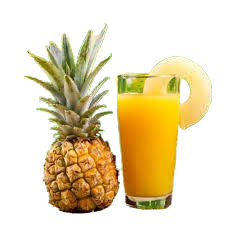
Pineapple juice is a widely consumed beverage used as a flavor enhancer in desserts and main dishes in Hawaiian, Asian, and Caribbean cuisines. A large serving of canned pineapple juice (480ml) contains 264 calories, while a cup of fresh pressed pineapple juice (240ml) offers 125 calories. A single can of Dole Pineapple Juice (177ml) offers 100 calories, while a bottle of Lakewood Organic Pure Pineapple Juice (370ml) provides 200 calories.
An examination of pineapple juice nutrition facts reveals a carbohydrate-rich profile providing 64g of carbohydrates in a 16 oz serving. Pineapple juice contains bromelain and essential vitamins needed for metabolic function. A study conducted by Pavan, R., et al. (2012), "Properties and Therapeutic Application of Bromelain," confirms that the proteolytic enzymes present in the liquid reduce indigestion and support gastrointestinal health. The energy content stems mainly from natural fructose and glucose, establishing the drink as a rapid fuel source. Pineapple juice also offers 650mg of potassium (14% DV) and 110mg of Vitamin C per 16 oz serving.
International supply of pineapple juice relies significantly on the agricultural yields of Thailand, the Philippines, and Costa Rica. Major markets include the United States and the Netherlands. Within Hawaiian, Chinese, and American culinary traditions, pineapple juice acts as a central element in glazes, marinades, and desserts like Sweet and Sour Chicken, Huli Huli Chicken, and Dole Whip. Escalating global demand and climatic events like El Niño have driven retail costs upward, with the trading price of frozen concentrate rising from $1,200 per ton in the early 2000s to between $2,800 and $3,600 by 2024. Dining establishments mirror this inflation, as the SweetFire Chicken Breast bowl at Panda Express increased from $6.20 in 2012 to between $9.40 and $10.50 in 2024.
Nutritionists recommend drinking 150ml of pineapple juice per day to maximize nutrient absorption while limiting sugar intake, as this portion contains 75 calories, an energy load that requires 17 minutes of Walking or 8 minutes of Burpees to metabolize.
Pineapple Juice nutrition
| Stats | Weight |
|---|---|
| Carbs | 40 grams |
| Protein | 1.1 grams |
| Fats | 0 grams |
| Sugars | 33 grams |
- Large Pineapple Juice Calories (Nutritional Facts)
- Medium Pineapple Juice Calories (Nutritional Facts)
- Small Pineapple Juice Calories (Nutritional Facts)
- Fresh Pineapple Juice Calories (Nutritional Facts)
- Sodium in Pineapple Juice
- Potassium in Pineapple Juice
- Sugar in Pineapple Juice
- Fiber in Pineapple Juice
- Protein in Pineapple Juice
- Carbs in Pineapple Juice
- Fat in Pineapple Juice
- Vitamins in Pineapple Juice
- Minerals in Pineapple Juice
Large Pineapple Juice Calories (Nutritional Facts)
A large serving of canned pineapple juice (480ml or 16oz) contains 264 calories, 1.8g of protein, 0.5g of fat, 64g of carbohydrates, 1g of fiber, 53g of sugar, and 10mg of sodium. A large serving of fresh raw pineapple juice (480ml or 16oz) provides 250 calories, 2.6g of protein, 0.6g of fat, 66g of carbohydrates, 2.4g of fiber, 50g of sugar, and 4mg of sodium.
A medium portion of canned pineapple juice (300ml or 10oz) provides 165 calories, 1.1g of protein, 0.3g of fat, 40g of carbohydrates, 0.6g of fiber, 33g of sugar, and 6mg of sodium. A medium portion of fresh raw pineapple juice (300ml or 10oz) supplies 156 calories, 1.6g of protein, 0.4g of fat, 41g of carbohydrates, 1.5g of fiber, 31g of sugar, and 2mg of sodium.
A small cup of canned pineapple juice (180ml or 6oz) contains 99 calories, 0.7g of protein, 0.2g of fat, 24g of carbohydrates, 0.4g of fiber, 20g of sugar, and 4mg of sodium. A small cup of fresh raw pineapple juice (180ml or 6oz) provides 94 calories, 1g of protein, 0.2g of fat, 25g of carbohydrates, 0.9g of fiber, 19g of sugar, and 1mg of sodium.
A cup of fresh pressed pineapple juice (240ml or 8oz) supplies 125 calories, 1.3g of protein, 0.3g of fat, 33g of carbohydrates, 1.2g of fiber, 25g of sugar, and 2mg of sodium. A cup of reconstituted frozen pineapple juice concentrate (240ml or 8oz) contains 130 calories, 1g of protein, 0.1g of fat, 32g of carbohydrates, 0.5g of fiber, 28g of sugar, and 5mg of sodium.
A large serving of canned pineapple juice (480ml or 16oz) contains 10mg of sodium (0% DV), while a large serving of fresh raw pineapple juice (480ml or 16oz) provides 4mg of sodium (0% DV). A medium portion of canned pineapple juice (300ml or 10oz) has 6mg of sodium (0% DV), whereas a medium portion of fresh raw pineapple juice (300ml or 10oz) supplies 2mg of sodium (0% DV). A small cup of canned pineapple juice (180ml or 6oz) contains 4mg of sodium (0% DV), and a small cup of fresh raw pineapple juice (180ml or 6oz) provides 1mg of sodium (0% DV). A cup of fresh pressed pineapple juice (240ml or 8oz) supplies 2mg of sodium (0% DV), while a cup of reconstituted frozen pineapple juice concentrate (240ml or 8oz) contains 5mg of sodium (0% DV).
A large serving of canned pineapple juice (480ml or 16oz) provides 650mg of potassium (14% DV), while a large serving of fresh raw pineapple juice (480ml or 16oz) contains 620mg of potassium (13% DV). A medium portion of canned pineapple juice (300ml or 10oz) has 406mg of potassium (9% DV), whereas a medium portion of fresh raw pineapple juice (300ml or 10oz) supplies 388mg of potassium (8% DV). A small cup of canned pineapple juice (180ml or 6oz) contains 244mg of potassium (5% DV), and a small cup of fresh raw pineapple juice (180ml or 6oz) provides 232mg of potassium (5% DV). A cup of fresh pressed pineapple juice (240ml or 8oz) supplies 310mg of potassium (7% DV), while a cup of reconstituted frozen pineapple juice concentrate (240ml or 8oz) contains 325mg of potassium (7% DV).
A large serving of canned pineapple juice (480ml or 16oz) contains 53g of sugar, while a large serving of fresh raw pineapple juice (480ml or 16oz) provides 50g of sugar. A medium portion of canned pineapple juice (300ml or 10oz) has 33g of sugar, whereas a medium portion of fresh raw pineapple juice (300ml or 10oz) supplies 31g of sugar. A small cup of canned pineapple juice (180ml or 6oz) contains 20g of sugar, and a small cup of fresh raw pineapple juice (180ml or 6oz) provides 19g of sugar. A cup of fresh pressed pineapple juice (240ml or 8oz) supplies 25g of sugar, while a cup of reconstituted frozen pineapple juice concentrate (240ml or 8oz) contains 28g of sugar.
A large serving of canned pineapple juice (480ml or 16oz) provides 1g of dietary fiber (4% DV), while a large serving of fresh raw pineapple juice (480ml or 16oz) contains 2.4g of fiber (9% DV). A medium portion of canned pineapple juice (300ml or 10oz) has 0.6g of fiber (2% DV), whereas a medium portion of fresh raw pineapple juice (300ml or 10oz) supplies 1.5g of fiber (5% DV). A small cup of canned pineapple juice (180ml or 6oz) contains 0.4g of fiber (1% DV), and a small cup of fresh raw pineapple juice (180ml or 6oz) provides 0.9g of fiber (3% DV). A cup of fresh pressed pineapple juice (240ml or 8oz) supplies 1.2g of fiber (4% DV), while a cup of reconstituted frozen pineapple juice concentrate (240ml or 8oz) contains 0.5g of fiber (2% DV).
A large serving of canned pineapple juice (480ml or 16oz) provides 1.8g of protein (4% DV), while a large serving of fresh raw pineapple juice (480ml or 16oz) contains 2.6g of protein (5% DV). A medium portion of canned pineapple juice (300ml or 10oz) has 1.1g of protein (2% DV), whereas a medium portion of fresh raw pineapple juice (300ml or 10oz) supplies 1.6g of protein (3% DV). A small cup of canned pineapple juice (180ml or 6oz) contains 0.7g of protein (1% DV), and a small cup of fresh raw pineapple juice (180ml or 6oz) provides 1g of protein (2% DV). A cup of fresh pressed pineapple juice (240ml or 8oz) supplies 1.3g of protein (3% DV), while a cup of reconstituted frozen pineapple juice concentrate (240ml or 8oz) contains 1g of protein (2% DV).
A large serving of canned pineapple juice (480ml or 16oz) contains 64g of carbohydrates (23% DV), while a large serving of fresh raw pineapple juice (480ml or 16oz) provides 66g of carbohydrates (24% DV). A medium portion of canned pineapple juice (300ml or 10oz) has 40g of carbohydrates (15% DV), whereas a medium portion of fresh raw pineapple juice (300ml or 10oz) supplies 41g of carbohydrates (15% DV). A small cup of canned pineapple juice (180ml or 6oz) contains 24g of carbohydrates (9% DV), and a small cup of fresh raw pineapple juice (180ml or 6oz) provides 25g of carbohydrates (9% DV). A cup of fresh pressed pineapple juice (240ml or 8oz) supplies 33g of carbohydrates (12% DV), while a cup of reconstituted frozen pineapple juice concentrate (240ml or 8oz) contains 32g of carbohydrates (12% DV).
A large serving of canned pineapple juice (480ml or 16oz) contains 0.5g of total fat (1% DV), while a large serving of fresh raw pineapple juice (480ml or 16oz) provides 0.6g of total fat (1% DV). A medium portion of canned pineapple juice (300ml or 10oz) has 0.3g of total fat (0% DV), whereas a medium portion of fresh raw pineapple juice (300ml or 10oz) supplies 0.4g of total fat (1% DV). A small cup of canned pineapple juice (180ml or 6oz) contains 0.2g of total fat (0% DV), and a small cup of fresh raw pineapple juice (180ml or 6oz) provides 0.2g of total fat (0% DV). A cup of fresh pressed pineapple juice (240ml or 8oz) supplies 0.3g of total fat (0% DV), while a cup of reconstituted frozen pineapple juice concentrate (240ml or 8oz) contains 0.1g of total fat (0% DV).
A large serving of canned pineapple juice (480ml or 16oz) provides 50mg of Vitamin C (56% DV) and 0.4mg of Vitamin B6 (24% DV). A large serving of fresh raw pineapple juice (480ml or 16oz) contains 110mg of Vitamin C (122% DV) and 0.5mg of Vitamin B6 (29% DV). A medium portion of canned pineapple juice (300ml or 10oz) has 31mg of Vitamin C (34% DV), whereas a medium portion of fresh raw pineapple juice (300ml or 10oz) supplies 69mg of Vitamin C (77% DV). A small cup of canned pineapple juice (180ml or 6oz) contains 19mg of Vitamin C (21% DV), and a small cup of fresh raw pineapple juice (180ml or 6oz) provides 41mg of Vitamin C (46% DV). A cup of fresh pressed pineapple juice (240ml or 8oz) supplies 55mg of Vitamin C (61% DV), while a cup of reconstituted frozen pineapple juice concentrate (240ml or 8oz) contains 60mg of Vitamin C (67% DV).
A large serving of canned pineapple juice (480ml or 16oz) provides 2.6mg of manganese (113% DV) and 28mg of magnesium (7% DV). A large serving of fresh raw pineapple juice (480ml or 16oz) contains 6.2mg of manganese (270% DV) and 0.2mg of copper (22% DV). A medium portion of canned pineapple juice (300ml or 10oz) has 1.6mg of manganese (70% DV), whereas a medium portion of fresh raw pineapple juice (300ml or 10oz) supplies 3.9mg of manganese (170% DV). A small cup of canned pineapple juice (180ml or 6oz) contains 1mg of manganese (43% DV), and a small cup of fresh raw pineapple juice (180ml or 6oz) provides 2.3mg of manganese (100% DV). A cup of fresh pressed pineapple juice (240ml or 8oz) supplies 3.1mg of manganese (135% DV), while a cup of reconstituted frozen pineapple juice concentrate (240ml or 8oz) contains 1.3mg of manganese (57% DV).
Get a Custom Report on Pineapple Juice Nutrition Data – Contact Us!
What are the Types of Pineapple Juices?
The types of Pineapple Juices include Fresh Pressed, Canned Unsweetened, Canned in Heavy Syrup, Frozen Concentrate, and Pineapple Nectar. The table below outlines the nutritional differences across these specific categories.
| Type | Description | Calories (Per 100ml) | Calorie Qualifications |
|---|---|---|---|
|
Fresh Pressed Pineapple Juice
|
Extracted directly from raw fruit. | 52 | The natural sugars provide a moderate caloric load without additives. |
|
Canned Pineapple Juice (Unsweetened)
|
Pasteurized and sealed in metal cans. | 53 | The thermal processing maintains a caloric density similar to fresh juice. |
|
Canned Pineapple Juice (Heavy Syrup)
|
Juice mixed with water and corn syrup. | 85 | The added sweeteners increase the energy density and carbohydrate load. |
|
Frozen Pineapple Concentrate
|
Dehydrated juice meant for reconstitution. | 179 | The removal of water creates a highly dense caloric profile before dilution. |
|
Pineapple Nectar
|
Juice diluted with water and sweeteners. | 58 | The addition of sugar offsets the dilution resulting in a higher calorie count than pure juice. |
|
Fermented Pineapple Juice (Tepache)
|
Lightly fermented with piloncillo sugar. | 45 | The fermentation process consumes some sugars reducing the overall caloric content. |
What are Desserts With Pineapple Juice?
Pineapple juice functions as a vital ingredient in confectionery by adding acidity and tropical sweetness to balance rich fats and sugars. The liquid serves as a base for sorbets, moisture for cakes, and flavoring for creams. The following list enumerates confectionery items that utilize this juice as a key component.
| Dish Name | Calories (Estimate) | Type of Dish | Carbs (g) (Estimate) | Sugar (g) (Estimate) | Protein (g) (Estimate) | Fat (g) (Estimate) | Cuisine | Restaurants |
|---|---|---|---|---|---|---|---|---|
|
Dole Whip
|
110 | Soft Serve | 25 | 22 | 0 | 0.5 | American | Disney Parks (FL/CA) |
|
Pineapple Upside Down Cake
|
460 | Cake | 65 | 45 | 4 | 20 | American | Roy's (Various Locations) |
|
Hummingbird Cake
|
550 | Cake | 70 | 50 | 5 | 28 | Southern American | Magnolia Bakery (New York, NY) |
|
Piña Colada Cake
|
480 | Cake | 55 | 35 | 4 | 22 | Caribbean | Bahama Breeze |
|
Pineapple Coconut Tart
|
320 | Pastry | 40 | 25 | 3 | 15 | French-Tropical | La Madeleine |
|
Ambrosia Salad
|
220 | Fruit Salad | 30 | 25 | 2 | 10 | American | Luby's |
|
Carrot Cake (with Pineapple)
|
680 | Cake | 80 | 55 | 7 | 35 | American | Morton's The Steakhouse |
|
Haupia
|
180 | Pudding | 15 | 12 | 1 | 12 | Hawaiian | L&L Hawaiian Barbecue |
|
Tropical Sorbet
|
130 | Frozen Dessert | 32 | 28 | 0 | 0 | American | Baskin-Robbins |
|
Pineapple Cheesecake
|
520 | Cake | 45 | 35 | 8 | 32 | American | The Cheesecake Factory (National) |
|
Pineapple Empanada
|
280 | Pastry | 35 | 18 | 3 | 14 | Mexican | Porto's Bakery (Los Angeles, CA) |
|
Pineapple Foster
|
350 | Dessert Sauce | 50 | 45 | 1 | 12 | Creole | Brennan's (New Orleans, LA) |
|
Tropical Fruit Tart
|
290 | Pastry | 38 | 20 | 4 | 12 | French | Paris Baguette |
|
Pineapple Shave Ice
|
200 | Frozen Dessert | 50 | 48 | 0 | 0 | Hawaiian | Matsumoto Shave Ice (Haleiwa, HI) |
What are the Main Dishes With Pineapple Juice?
Pineapple juice serves as a potent tenderizer and flavor enhancer in savory applications, particularly within marinades and glazes. The natural enzyme bromelain breaks down muscle fibers in meat, while the sugars create caramelized crusts during cooking. The list below details distinct savory recipes that incorporate this ingredient.
| Dish Name | Calories (Estimate) | Type of Dish | Carbs (g) (Estimate) | Sugar (g) (Estimate) | Protein (g) (Estimate) | Fat (g) (Estimate) | Cuisine | Restaurants |
|---|---|---|---|---|---|---|---|---|
|
Sweet and Sour Chicken
|
490 | Fried Entree | 55 | 24 | 22 | 20 | Chinese-American | Panda Express |
|
Tacos Al Pastor
|
350 | Taco Entree | 25 | 6 | 20 | 18 | Mexican | King Taco (Los Angeles, CA) |
|
Huli Huli Chicken
|
420 | Grilled Entree | 15 | 12 | 45 | 18 | Hawaiian | Hawaiian Bros Island Grill (Midwest/South) |
|
Glazed Ham
|
380 | Roasted Entree | 12 | 10 | 35 | 18 | American | The Honey Baked Ham Company |
|
Hawaiian Pizza
|
280 | Pizza (Slice) | 35 | 6 | 12 | 10 | American | California Pizza Kitchen |
|
Teriyaki Chicken
|
450 | Grilled Entree | 20 | 15 | 40 | 22 | Japanese-American | Sarku Japan |
|
Pineapple Fried Rice
|
520 | Rice Entree | 75 | 12 | 15 | 18 | Thai | Thai Express |
|
Coconut Shrimp (Pineapple Dip)
|
610 | Fried Appetizer | 50 | 25 | 18 | 35 | American | Red Lobster |
|
Sweet Chili Shrimp
|
380 | Sautéed Entree | 30 | 18 | 25 | 15 | Asian Fusion | P.F. Chang's |
|
Kalua Pork (Glazed)
|
400 | Braised Entree | 8 | 6 | 35 | 24 | Hawaiian | L&L Hawaiian Barbecue |
|
Pineapple Curry
|
550 | Curry Entree | 45 | 15 | 20 | 35 | Thai | Lotus of Siam (Las Vegas, NV) |
|
Jerk Chicken
|
480 | Grilled Entree | 10 | 5 | 45 | 28 | Caribbean | Bahama Breeze |
|
Gammon Steak
|
450 | Grilled Entree | 5 | 4 | 40 | 28 | British-American | The English Inn (Eaton Rapids, MI) |
|
Ceviche (Tropical)
|
210 | Seafood Appetizer | 15 | 8 | 25 | 6 | Peruvian/Latin | La Mar (San Francisco, CA) |
|
BBQ Ribs (Pineapple Glaze)
|
850 | Grilled Entree | 45 | 35 | 50 | 55 | American | Famous Dave's |
What Cuisines Prefer Pineapple Juice the Most?
Pineapple juice functions as a foundational element in Hawaiian, Southeast Asian, and Latin American culinary traditions. The subsequent table pinpoints specific food cultures that fundamentally depend on this tropical extract.
| Cuisine | Dish | Types of Pineapple Juice Use | Calories (Estimate) | Restaurant(s) |
|---|---|---|---|---|
|
Hawaiian
|
Huli Huli Chicken | Marinade/Glaze | 420 | Hawaiian Bros Island Grill (Midwest/South) |
|
Chinese
|
Sweet and Sour Pork | Sauce Base | 550 | Panda Express |
|
Mexican
|
Tacos Al Pastor | Marinade (Adobo) | 350 | Los Tacos No. 1 (New York, NY) |
|
Thai
|
Pineapple Fried Rice | Seasoning/Ingredient | 520 | Lemongrass Thai (Various Locations) |
|
Caribbean
|
Jerk Chicken | Marinade Tenderizer | 480 | Golden Krust |
|
American
|
Glazed Ham | Glaze Base | 380 | The Honey Baked Ham Company |
|
Japanese (American)
|
Teriyaki Sauce | Sweetener | 45 | Sarku Japan |
|
Vietnamese
|
Canh Chua | Sour Soup Base | 180 | The Slanted Door (San Francisco, CA) |
|
Brazilian
|
Churrasco Glaze | Meat Basting | 300 | Fogo de Chão |
|
Polynesian
|
Mai Tai | Cocktail Mixer | 280 | Trader Vic's (Atlanta/San Francisco) |
|
Peruvian
|
Ceviche | Curing Agent | 210 | Nobu |
|
Indian (Fusion)
|
Pineapple Curry | Curry Sauce Base | 400 | Tamarind (New York, NY) |
|
Malaysian
|
Rojak | Salad Dressing | 250 | Mamak (New York, NY) |
|
Cuban
|
Glazed Roast Pork | Marinade Sweetener | 420 | Versailles (Miami, FL) |
Which Countries Produce the Most Pineapple Juices?
The top producers of pineapple juice are Thailand, the Philippines, and Costa Rica. These nations dominate the export market for concentrated and single-strength liquid due to favorable tropical climates and established processing infrastructure. Thailand consistently leads global exports, though volume fluctuates based on weather patterns affecting the harvest. The Philippines maintains a steady output, supplying major brands like Dole and Del Monte. Costa Rica focuses heavily on fresh fruit exports but processes significant quantities of juice from surplus yields. Indonesia and Kenya also contribute substantial volumes to the global stock. The table below shows the estimated production of processed pineapple juice (in Metric Tons) for the top producing nations over the last two decades.
| Country | 2003 | 2008 | 2013 | 2018 | 2019 | 2020 | 2021 | 2022 |
|---|---|---|---|---|---|---|---|---|
| Thailand | 280 | 310 | 250 | 220 | 190 | 160 | 140 | 125 |
| Philippines | 110 | 125 | 135 | 140 | 142 | 138 | 145 | 150 |
| Costa Rica | 45 | 60 | 85 | 105 | 110 | 115 | 120 | 125 |
| Indonesia | 25 | 30 | 45 | 65 | 70 | 72 | 75 | 78 |
| Kenya | 35 | 38 | 40 | 42 | 40 | 38 | 40 | 42 |
| Vietnam | 15 | 20 | 25 | 35 | 38 | 40 | 42 | 45 |
| Brazil | 55 | 60 | 50 | 45 | 42 | 40 | 38 | 35 |
| Mexico | 20 | 25 | 30 | 35 | 36 | 34 | 35 | 38 |
Which Countries Consume the Most Pineapple Juices?
The top consumers of pineapple juice are the United States, the Netherlands, and Spain. The United States represents the largest single market for imported tropical fruit beverages, driven by demand for mixed drinks and natural sweeteners. European nations collectively absorb a significant portion of global exports, with the Netherlands functioning as the primary entry point for distribution across the continent. Spain and France utilize the liquid extensively in culinary applications and beverage manufacturing. The table below shows the import volumes of pineapple juice for key markets over the last two decades.
| Country | 2003 | 2008 | 2013 | 2018 | 2019 | 2020 | 2021 | 2022 |
|---|---|---|---|---|---|---|---|---|
| United States | 160 | 155 | 145 | 135 | 130 | 138 | 142 | 145 |
| Netherlands | 85 | 90 | 95 | 88 | 85 | 82 | 80 | 78 |
| Spain | 25 | 30 | 35 | 40 | 42 | 38 | 40 | 42 |
| France | 30 | 32 | 34 | 35 | 34 | 32 | 33 | 34 |
| Germany | 40 | 38 | 35 | 32 | 30 | 28 | 27 | 26 |
| Belgium | 15 | 18 | 20 | 22 | 24 | 25 | 26 | 27 |
| United Kingdom | 25 | 24 | 22 | 20 | 19 | 20 | 21 | 20 |
| Canada | 12 | 14 | 15 | 16 | 16 | 17 | 18 | 18 |
How Do Prices of Pineapple Juice-Including Dishes Change?
Restaurant costs for pineapple-based beverages and dishes have surged, mirroring the increased expense of sourcing processed fruit and sweeteners. The table below illustrates price adjustments for selected items at well-known establishments.
| Brand/Restaurant | Dish | Old Price (Year) | Current Price (2024/2025) |
|---|---|---|---|
| Panda Express | SweetFire Chicken Breast (Bowl) | $6.20 (2012) | $9.40 - $10.50 |
| The Cheesecake Factory | Pineapple Moscow Mule | $21.95 (2011) | $24.50 - $29.00 |
| California Pizza Kitchen | The Original BBQ Chicken Pizza (Pineapple added) | $12.95 (2010) | $19.49 - $21.50 |
| Red Lobster | Parrot Isle Jumbo Coconut Shrimp (Appetizer) | $9.99 (2013) | $15.59 - $17.49 |
| Bahama Breeze | Pineapple Coconut Martini | $7.50 (2014) | $8.49 - $10.00 |
| Smoothie King | Pineapple Surf (20 oz) | $4.75 (2015) | $6.85 - $9.49 |
| Outback Steakhouse | Grilled Shrimp on the Barbie (Remoulade/Sauce) | $9.99 (2012) | $13.99 - $17.99 |
What is the Pineapple Juice Calorie for 100 Grams?
A 100g serving of canned pineapple juice contains 53 calories, while a 100g serving of fresh raw pineapple juice provides 50 calories. A 100g serving of frozen pineapple juice concentrate (undiluted) supplies 179 calories.
What is the Pineapple Juice Calorie for 1 KG?
One liter (1000ml) of canned pineapple juice contains 530 calories, while one liter (1000ml) of fresh raw pineapple juice provides 500 calories. One liter (1000ml) of frozen pineapple juice concentrate (undiluted) supplies 1790 calories.
What is the Calorie of 1 Pineapple Juice?
A single can of Dole Pineapple Juice (177ml or 6oz) contains 100 calories. A bottle of Lakewood Organic Pure Pineapple Juice (370ml or 12.5oz) provides 200 calories. A standard single-serve carton of pineapple juice (240ml or 8oz) supplies 130 calories.
What are the Health Benefits of Pineapple Juice?
Pineapple juice functions as a liquid source of bromelain and Vitamin C, supporting various physiological systems. The beverage ensures rapid absorption of enzymes and antioxidants. The points below emphasize these specific health rewards.
- Supports Digestive Health: The beverage supplies bromelain, a proteolytic enzyme that aids in the breakdown of proteins and improves nutrient absorption. A study by Pavan, R., et al. (2012), "Properties and Therapeutic Application of Bromelain," confirmed that this enzyme actively reduces symptoms of indigestion and supports gastrointestinal function.
- Strengthens Immune Defense: High concentrations of Vitamin C stimulate the production of white blood cells necessary for fighting infections. Research by Carr, A. C., & Maggini, S. (2017), "Vitamin C and Immune Function," detailed how the nutrient accumulates in phagocytic cells to enhance microbial killing.
- Enhances Cardiovascular Health: The liquid provides antioxidants that prevent oxidative stress and support vascular health. A study by Mohd Ali, M., et al. (2020), "Pineapple (Ananas comosus): A comprehensive review of nutritional values, volatile compounds, and industrial applications," established that the phenolic compounds present in the fruit reduce oxidative damage to tissues and support metabolic regulation.
What are the Downsides of Pineapple Juice?
Pineapple juice remains safe for most populations when consumed in moderation, yet specific metabolic and dental concerns exist. Dietitians advise limiting intake to 150ml daily and choosing whole fruit as a fiber-rich alternative to mitigate potential risks. The following list details specific negative health implications.
- Increases Diabetes Risk: The beverage lacks fiber and contains high levels of free sugars which cause rapid spikes in blood glucose. A study by Imamura, F., et al. (2015), "Consumption of sugar sweetened beverages, artificially sweetened beverages, and fruit juice and incidence of type 2 diabetes," found that daily consumption correlates with a higher incidence of type 2 diabetes.
- Promotes Dental Erosion: The high acidity and sugar content soften tooth enamel and lead to cavities. Research by Lussi, A., & Carvalho, T. S. (2014), "Erosive tooth wear: a multifactorial condition of growing concern," indicated that frequent exposure to acidic drinks accelerates tooth wear and decay.
- Interferes with Medication: Bromelain increases the absorption of certain antibiotics and blood thinners, potentially causing adverse reactions. A study by Brien, S., et al. (2004), "Bromelain as a Treatment for Osteoarthritis: a Review of Clinical Studies," noted that the enzyme modulates drug uptake and requires monitoring during pharmaceutical treatments.
Are Pineapple Juices Good for You?
Yes, pineapple juices are good for health because the beverages provide concentrated nutrients that support digestive efficiency, heart health, and immune defense. Digestive health improves through the presence of bromelain which facilitates protein breakdown as explored by Pavan, R., et al. (2012), "Properties and Therapeutic Application of Bromelain." Cardiovascular efficiency benefits from the antioxidant profile which reduces oxidative stress on vascular systems as confirmed by Mohd Ali, M., et al. (2020), "Pineapple (Ananas comosus): A comprehensive review of nutritional values, volatile compounds, and industrial applications." Immune health strengthens through the high Vitamin C content which is essential for antibody production as detailed in the study by Carr, A. C., & Maggini, S. (2017), "Vitamin C and Immune Function."
Can Drinking Pineapple Juice Help Reduce Inflammation?
Yes, Pineapple juice helps reduce inflammation due to the high concentration of bromelain, a complex mixture of protease enzymes. This compound modulates the immune response and reduces the production of pro-inflammatory cytokines. Dietitians suggest a consumption rate of 240ml daily to achieve therapeutic benefits. Research by Brien, S., et al. (2004), "Bromelain as a Treatment for Osteoarthritis: a Review of Clinical Studies," confirmed that bromelain effectively reduces soft tissue swelling and joint stiffness. A study by Hale, L. P., et al. (2010), "Dietary supplementation with fresh pineapple juice decreases inflammation and colonic neoplasia in IL-10-deficient mice," demonstrated that daily consumption lowered markers of colonic inflammation. Further evidence by Fitzhugh, D. J., et al. (2008), "Bromelain treatment decreases neutrophil migration to sites of acute inflammation," established that the enzyme inhibits the migration of inflammatory cells to injured tissues.
How Does Calorie Change According to Pineapple Juice Types?
Energy values vary depending on the processing method and the addition of external sweeteners. Frozen pineapple concentrate contains the highest energy load per 100ml due to the removal of water content. Canned pineapple juice in heavy syrup presents a high caloric profile caused by added high-fructose corn syrup. Fresh pressed and unsweetened canned juices offer moderate profiles with 52 calories per 100ml. Fermented varieties like Tepache provide the lowest caloric density as the yeast consumes the natural sugars during fermentation.
What is the Origin of Pineapple Juice?
Indigenous peoples of South America, specifically the region between Brazil and Paraguay, cultivated the pineapple plant for centuries before European contact. These communities extracted the liquid for medicinal purposes and fermented beverages known as chicha. Christopher Columbus encountered the fruit on the island of Guadeloupe in 1493, introducing the species to Europe where the juice became a symbol of luxury. The name "pineapple" emerged in the 17th century due to the fruit's resemblance to a pine cone. Commercial production exploded in the early 20th century when James Dole established massive plantations in Hawaii. The invention of the Ginaca machine in 1911 automated the peeling and coring process, allowing for mass extraction of the juice for canning. This industrial advancement made the beverage a global commodity. Dishes like Tacos Al Pastor evolved in the mid-20th century when Lebanese immigrants in Mexico combined spit-roasted meat techniques with local pineapple marinades. The invention of the Piña Colada in Puerto Rico in 1954 further cemented the liquid's status in global culinary culture.
Explore More Beverages
Discover more Beverages with detailed nutrition facts, calorie counts, vitamins, minerals, and health benefits. Compare similar foods, serving sizes, macronutrients, and key nutrients to find the best option for your diet and nutrition goals.
 Almond Milk calories
 Aloe Vera Juice calories
 Americano calories
 Apple Cider calories
 Apple Juice calories
 Apricot Juice calories
 Aronia Juice calories
 Avocado Shake calories
 Banana Juice calories
 Baobab Juice calories
 Barley Tea calories
 Beer calories