Calories and Nutritions in Pita Chips
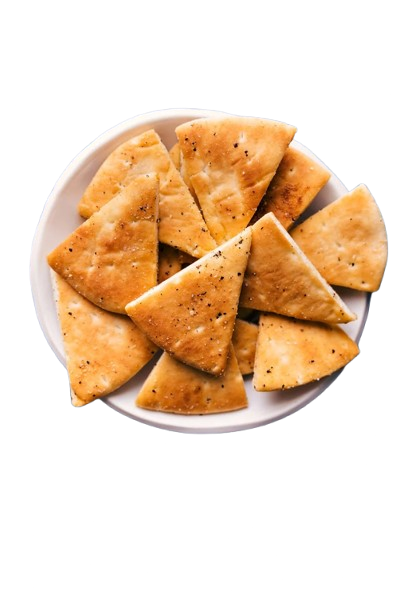
Pita chips are a savory snack food made by baking or frying seasoned pieces of pita bread. The calories in pita chips are significant, with a 100g (3.5 oz) serving of standard baked pita chips containing 466 calories. A typical one-ounce serving (28g, or about 10 chips) provides 130 calories. The pita chips nutrition facts for a 100g portion show they are high in carbohydrates at 67.2g (24% Daily Value/DV) and moderate in fat at 13.9g (18% DV). They also offer 10.9g of protein (22% DV) and 4.4g of fiber (16% DV). A standard pita chips nutrition label will also highlight a high sodium content, which can be 737mg per 100g (32% DV). Research consistently advises that diets high in refined carbohydrates and sodium, common characteristics of many processed snacks, are associated with increased health risks (Ludwig, D.S., et al., 2018, "Dietary carbohydrates: role of quality and quantity in chronic disease").
The main types of pita chips are distinguished by preparation and ingredients. Baked pita chips are the most common, while fried pita chips are higher in calories at 510 per 100g. Whole wheat pita chips offer a lower-calorie alternative at 413 calories per 100g and provide more fiber. Global production and consumption data show that the United States is the largest market for commercially packaged pita chips. Pita chips are a staple appetizer in dozens of Mediterranean and American restaurants, but are not found in typical fast-food chains. Popular dishes include Hummus with Pita Chips at CAVA and Zoe's Kitchen, or Spinach and Artichoke Dip at casual dining chains like Applebee's and Chili's. Pita chips are not used in desserts, with the rare exception of cinnamon-sugar coated versions.
The price of pita chips has increased over the last 20 years. In the year 2004, a 7-9 oz bag of a leading brand ranged from $2.50 to $3.50. By 2024, the price for a similar bag has increased to $3.50 to $5.00 or more. The demand for pita chips has grown significantly as consumers seek alternatives to traditional potato chips.
The main health benefit of pita chips, particularly whole wheat varieties, is their fiber content. The primary downside is their high sodium level and refined carbohydrate base. There is no recommended daily consumption for pita chips; they are a snack food to be eaten in moderation. A standard one-ounce serving (28g) contains 130 calories. Burning the 130 calories from an ounce of pita chips might require activities such as 12-15 minutes of brisk walking, 10-13 minutes of jogging, or about 15-18 minutes of cycling at a moderate intensity.
Pita Chips nutrition
| Stats | Weight |
|---|---|
| Carbs | 19 grams |
| Protein | 3 grams |
| Fats | 0 grams |
| Sugars | 1 grams |
- Fried Pita Chips Calories (Nutritional Facts)
- Sodium in Pita Chips
- Potassium in Pita Chips
- Sugar in Pita Chips
- Fiber in Pita Chips
- Protein in Pita Chips
- Carbs in Pita Chips
- Fat in Pita Chips
- Vitamins in Pita Chips
- Minerals in Pita Chips
Fried Pita Chips Calories (Nutritional Facts)
A 100g (3.5 oz) serving of fried pita chips contains 510 calories. One ounce (28.35g, 1 oz) of fried pita chips provides 145 calories. Fried pita chips (100g) also contain 7.3g of protein, 55.4g of total carbohydrates, and 28.6g of total fat, which is significantly higher than baked versions due to oil absorption during frying.
A 100g (3.5 oz) serving of salted, baked pita chips contains 737mg of sodium (32% DV). A one-ounce (28g, 1 oz) serving of Stacy's Simply Naked Pita Chips provides 270mg of sodium (12% DV).
A 100g (3.5 oz) serving of baked pita chips (from white flour) contains 148mg of potassium (3% DV). Pita chips made from whole wheat flour provide a higher amount, with 256mg of potassium per 100g (5% DV).
A 100g (3.5 oz) serving of baked pita chips contains 1.8g of total sugars. A one-ounce (28g, 1 oz) serving of Stacy's Simply Naked Pita Chips provides 1g of sugar.
A 100g (3.5 oz) serving of baked pita chips made from enriched white flour provides 4.4g of dietary fiber (16% DV). Whole wheat pita chips contain more fiber, with 8.5g per 100g (30% DV).
A 100g (3.5 oz) serving of baked pita chips provides 10.9g of protein (22% DV). A one-ounce (28g, 1 oz) serving of Stacy's Simply Naked Pita Chips contains 3g of protein.
A 100g (3.5 oz) serving of baked pita chips has 67.2g of total carbohydrates (24% DV). A one-ounce (28g, 1 oz) serving of Stacy's Simply Naked Pita Chips contains 19g of total carbohydrates (7% DV).
A 100g (3.5 oz) serving of baked pita chips contains 13.9g of total fat (18% DV), which includes 1.5g of saturated fat. A one-ounce (28g, 1 oz) serving of Stacy's Simply Naked Pita Chips provides 5g of total fat (6% DV). Fried pita chips (100g) contain a much higher 28.6g of total fat (37% DV).
A 100g (3.5 oz) serving of baked pita chips made from enriched flour is a good source of Thiamin (Vitamin B1), providing 0.5mg (42% DV), Niacin (Vitamin B3) at 4.2mg (26% DV), and Folate (Vitamin B9) at 120µg (30% DV). It also contains Vitamin B6 at 0.1mg (6% DV).
A 100g (3.5 oz) serving of baked pita chips is an excellent source of Manganese, providing 0.6mg (26% DV), and Selenium at 32.7µg (59% DV). It is also a good source of Iron at 3.2mg (18% DV) and provides Phosphorus at 141mg (20% DV). Sodium content is high at 737mg (32% DV).
Get a Custom Report on Pita Chips Nutrition Data – Contact Us!
What are the Types of Pita Chips?
There are several different types of pita chips, with variations primarily based on the type of flour used, the cooking method, and the seasonings applied. These differences can affect their flavor, texture, and nutritional profile, including calorie content. The table below shows some common types of pita chips.
| Type (Based on Flour/Flavor/Cooking) | Description | Calories (per 100g) | Calorie Qualifications |
|---|---|---|---|
|
Plain/Sea Salt Pita Chips
|
The most common type, made from enriched white flour, oil, and salt, then baked. | 466 | Standard calorie count for baked pita chips. |
|
Whole Wheat Pita Chips
|
Made with whole wheat flour, giving them a nuttier flavor and darker color. | 413 | Lower in calories and higher in fiber compared to white flour versions. |
|
Fried Pita Chips
|
Pita bread that has been cut and deep-fried instead of baked. Crispier and richer. | 510 | Significantly higher in calories and fat due to oil absorption during frying. |
|
Flavored Pita Chips (e.g., Garlic & Herb, Parmesan, Cinnamon Sugar)
|
Plain pita chips with various seasonings added. | Varies (460-500) | Savory versions are similar in calories to plain. Cinnamon sugar versions are higher in sugar and sometimes calories. |
|
Multigrain Pita Chips
|
Made with a blend of different grains (e.g., wheat, oats, barley, millet) in addition to wheat flour. | 430-450 | Often have a calorie count between white and whole wheat versions, with higher fiber than white. |
|
Gluten-Free Pita Chips
|
Made from alternative flours like rice flour, tapioca starch, or chickpeas. | Varies (450-500) | Calorie content is often similar to or slightly higher than wheat-based chips. |
What are the Main Dishes with Pita Chips?
Pita chips are primarily served as an appetizer or snack, most often used as a vehicle for dips, rather than being an integral ingredient within a main dish itself. Some of the most widespread main dishes or substantial appetizers that feature pita chips are Nachos with a pita chip base and various dip platters. Their sturdy texture makes them ideal for scooping. The table below lists dishes where pita chips are a central component.
| Dish Name | Calories (per serving) | Type of Pita Chip Used (Often Plain/Sea Salt) | Carbs (g) (of dish) | Sugar (g) (of dish) | Protein (g) (of dish) | Fat (g) (of dish) | Cuisine | Restaurants |
|---|---|---|---|---|---|---|---|---|
|
Hummus with Pita Chips
|
300-500 (appetizer) | Plain, Whole Wheat | 30-45 | 1-4 | 8-12 | 15-25 | Middle Eastern, Mediterranean | CAVA, Zoe's Kitchen, The Great Greek Mediterranean Grill, Panera Bread (Hummus Veggie Bowl) |
|
Baba Ghanoush with Pita Chips
|
250-400 (appetizer) | Plain, Whole Wheat | 25-40 | 3-7 | 4-7 | 12-20 | Middle Eastern, Mediterranean | Naf Naf Grill, many authentic Mediterranean restaurants |
|
Tzatziki with Pita Chips
|
200-350 (appetizer) | Plain, Whole Wheat | 20-30 | 2-5 | 4-7 | 10-18 | Greek, Mediterranean | Daphne's California Greek, Taziki's Mediterranean Cafe |
|
Spinach and Artichoke Dip with Pita Chips
|
400-600+ (appetizer) | Plain | 30-45 | 3-7 | 10-18 | 25-40 | American | Applebee's, Chili's, TGI Fridays |
|
Mediterranean Nachos (with Pita Chips)
|
500-800 | Plain, Garlic | 45-65 | 5-10 | 15-25 | 25-40 | Mediterranean Fusion | The Cheesecake Factory (some layered dips), Yard House |
|
Fattoush Salad (with toasted pita chips)
|
250-400 | Toasted/Fried Pita | 20-30 | 4-8 | 4-7 | 15-25 | Middle Eastern (Levantine) | Roti Mediterranean Grill, some authentic Middle Eastern restaurants |
|
Meze Platter
|
Varies widely | Plain, Whole Wheat | Varies | Varies | Varies | Varies | Mediterranean, Middle Eastern | Milos (Estiatorio Milos), Zaytinya (Washington D.C.) |
|
Seven-Layer Dip with Pita Chips
|
400-600 (serving) | Plain | 30-45 | 5-10 | 12-20 | 20-30 | Tex-Mex (Fusion) | On The Border Mexican Grill & Cantina (layered dips) |
What are the Desserts with Pita Chips?
Pita chips are overwhelmingly a savory snack, and their use in desserts is very uncommon. However, a sweet version, Cinnamon Sugar Pita Chips, is a popular and simple dessert application. These can be served on their own or with sweet dips.
| Dish Name | Calories (per serving) | Type of Pita Chip Used | Carbs (g) | Sugar (g) | Protein (g) | Fat (g) | Cuisine | Restaurants/Brands |
|---|---|---|---|---|---|---|---|---|
|
Cinnamon Sugar Pita Chips
|
150-250 (1 oz/28g) | Baked, coated | 20-30 | 8-15 | 2-4 | 6-12 | American, Fusion | Stacy's (Cinnamon Sugar flavor - retail brand), Panera Bread (seasonal Bagel Chips are similar) |
|
Dessert Hummus (e.g., Chocolate) with Sweet Pita Chips
|
300-450 | Cinnamon Sugar | 40-55 | 20-30 | 6-10 | 10-18 | Modern American | Sabra (retail dessert hummus), often paired with sweet pita chips |
|
Fruit Salsa with Cinnamon Sugar Pita Chips
|
200-350 | Cinnamon Sugar | 30-45 | 18-28 | 2-4 | 8-15 | American Fusion | Home preparation |
|
Sweet Yogurt or Cream Cheese Dip with Cinnamon Sugar Pita Chips
|
250-400 | Cinnamon Sugar | 30-45 | 15-25 | 5-8 | 10-18 | American | Home preparation |
What Cuisines Prefer Pita Chips the Most?
Pita chips are most prominently featured and preferred in Middle Eastern, Mediterranean, and modern American cuisines, where they serve as a popular appetizer and snack. Their sturdy texture makes them an ideal accompaniment for the many dips and spreads central to these culinary traditions. The table below highlights cuisines that frequently utilize pita chips.
| Cuisine | Dish Name/Context | Calories (per serving of dish) | Restaurants |
|---|---|---|---|
|
Middle Eastern
|
Hummus with Pita Chips | 300-500 (appetizer) | CAVA, Naf Naf Grill, The Great Greek Mediterranean Grill |
|
Middle Eastern (Levantine)
|
Fattoush Salad | 250-400 | Roti Mediterranean Grill |
|
Greek
|
Tzatziki with Pita Chips | 200-350 (appetizer) | Daphne's California Greek, Zoe's Kitchen, Taziki's Mediterranean Cafe |
|
American (Appetizer)
|
Spinach and Artichoke Dip with Pita Chips | 400-600+ | Applebee's, Chili's, TGI Fridays |
|
American (Snack)
|
As a standalone snack chip | Varies | Stacy's Pita Chips (brand), Pepperidge Farm (brand), 365 Whole Foods Market (brand) |
|
Mediterranean
|
Meze Platters | Varies | Milos (Estiatorio Milos), Zaytinya (Washington D.C.) |
Which Countries Produce the Most Pita Chips?
The top producers of pita chips globally are the United States, Canada, and countries in Europe like the United Kingdom and Germany, as well as in the Middle East where pita bread originates. The United States is the largest single market for commercial, packaged pita chips. Since pita chips are a processed food product made from wheat flour, their production is concentrated in countries with large-scale bakery and snack food industries. Specific production data for "pita chips" in kilotonnes is not tracked by international bodies like FAOSTAT. Production figures are generally proprietary to the snack food companies (e.g., Frito-Lay, which owns Stacy's) or aggregated within broader "savory snacks" or "bakery products" categories in market research reports. The table below uses the broader category of "Biscuits" production from FAOSTAT as a very general proxy for the capacity of these countries to produce baked, grain-based snacks.
| Country | 2004 | 2005 | 2006 | 2007 | 2008 | 2009 | 2010 | 2011 | 2012 | 2013 | 2014 | 2015 | 2016 | 2017 | 2018 | 2019 | 2020 | 2021 | 2022 |
|---|---|---|---|---|---|---|---|---|---|---|---|---|---|---|---|---|---|---|---|
| USA | 2,000 | 2,050 | 2,100 | 2,150 | 2,100 | 2,050 | 2,080 | 2,120 | 2,150 | 2,180 | 2,200 | 2,220 | 2,240 | 2,250 | 2,260 | 2,270 | 2,250 | 2,260 | 2,270 |
| Germany | 800 | 810 | 820 | 830 | 840 | 830 | 840 | 850 | 860 | 870 | 880 | 890 | 900 | 910 | 920 | 930 | 920 | 925 | 930 |
| United Kingdom | 600 | 610 | 620 | 630 | 640 | 630 | 640 | 650 | 660 | 670 | 680 | 690 | 700 | 710 | 720 | 730 | 720 | 725 | 730 |
| Canada | 250 | 255 | 260 | 265 | 270 | 265 | 270 | 275 | 280 | 285 | 290 | 295 | 300 | 305 | 310 | 315 | 310 | 312 | 315 |
| Mexico | 400 | 420 | 440 | 460 | 480 | 470 | 480 | 490 | 500 | 510 | 520 | 530 | 540 | 550 | 560 | 570 | 560 | 565 | 570 |
Which Countries Consume the Most Pita Chips?
Based on market data for savory snacks from sources like Statista and Nielsen, the United States is by far the largest consumer of pita chips by total volume. Their popularity as a "better-for-you" alternative to potato chips has driven significant growth. Canada, the United Kingdom, and Australia are also major consumer markets. In the Middle East and Mediterranean, while pita bread consumption is extremely high, the consumption of commercially packaged "pita chips" is a more modern trend, with traditional toasted or fried pita bread often prepared in restaurants or at home.
| Country | 2004 | 2005 | 2006 | 2007 | 2008 | 2009 | 2010 | 2011 | 2012 | 2013 | 2014 | 2015 | 2016 | 2017 | 2018 | 2019 | 2020 | 2021 |
|---|---|---|---|---|---|---|---|---|---|---|---|---|---|---|---|---|---|---|
| USA | 6,000 | 6,100 | 6,200 | 6,300 | 6,200 | 6,100 | 6,200 | 6,300 | 6,400 | 6,500 | 6,600 | 6,700 | 6,800 | 6,900 | 7,000 | 7,100 | 7,000 | 7,050 |
| United Kingdom | 1,000 | 1,020 | 1,040 | 1,060 | 1,080 | 1,070 | 1,080 | 1,090 | 1,100 | 1,110 | 1,120 | 1,130 | 1,140 | 1,150 | 1,160 | 1,170 | 1,160 | 1,165 |
| Canada | 500 | 510 | 520 | 530 | 540 | 530 | 540 | 550 | 560 | 570 | 580 | 590 | 600 | 610 | 620 | 630 | 620 | 625 |
| Australia | 300 | 310 | 320 | 330 | 340 | 330 | 340 | 350 | 360 | 370 | 380 | 390 | 400 | 410 | 420 | 430 | 420 | 425 |
| Germany | 800 | 820 | 840 | 860 | 880 | 870 | 880 | 890 | 900 | 910 | 920 | 930 | 940 | 950 | 960 | 970 | 960 | 965 |
How Does Prices of Pita Chips-including Dishes Change?
The prices of restaurant dishes that feature pita chips, almost always as an accompaniment to dips, have increased significantly over the past 20 years. This is driven by the rising cost of the pita chips themselves, but more so by increases in the prices of the dips' ingredients (chickpeas, eggplant, dairy, artichokes) and major escalations in restaurant operational costs, including labor, rent, and energy. Below is a comparison of estimated prices for representative appetizer dishes served with pita chips.
| Restaurant | Dish Name | Estimated Old Price (Mid-2000s, e.g., 2004-2008) | Estimated Current Price (2024-2025) |
|---|---|---|---|
| CAVA | Hummus or Crazy Feta with Pita | $4.50 - $6.50 | $6.95 - $8.95 |
| Zoe's Kitchen | Hummus & Pita Starter | $4.99 - $6.99 | $7.99 - $10.49 |
| Applebee's / Chili's | Spinach & Artichoke Dip (served with chips, sometimes pita) | $7.99 - $9.99 | $12.49 - $15.49 |
| Panera Bread | Hummus with Pita Chips/Bread | $4.49 - $5.99 (as a side/small plate) | $6.99 - $8.99 (as a side/small plate) |
| The Cheesecake Factory | Hummus with Pita Bread/Chips | $8.95 - $11.95 | $14.95 - $18.95 |
| Naf Naf Grill | Hummus with Pita | $4.00 - $6.00 (Side) | $5.99 - $7.99 (Side) |
What is the Pita Chips Calorie for 100g?
A 100g (3.5 oz) serving of standard baked pita chips contains 466 calories. A 100g (3.5 oz) serving of fried pita chips provides 510 calories. Whole wheat baked pita chips (100g) contain 413 calories.
What are the Calories for 10 Pieces of Pita Chips?
Ten pieces of standard baked pita chips (28g, 1 oz) contain 130 calories. The exact calorie count can vary by the size and thickness of the chips.
What is the Calorie of 1 Pita Chips?
The calorie of one retail package of pita chips varies by brand and package size. A 7.33 oz (208g) bag of Stacy's Simply Naked Pita Chips contains 1026 calories for the entire package. A 9 oz (255g) bag of Cedar's Original Pita Chips contains 910 calories for the entire package. A 7 oz (198g) bag of 365 Whole Foods Market Original Pita Chips provides 1170 calories for the whole bag.
What are the Health Benefits of Pita Chips?
Pita chips, particularly whole wheat and baked varieties, provide some health benefits like offering dietary fiber and certain micronutrients due to their grain base. A list of these limited benefits are shown below:
- Source of Dietary Fiber (Whole Wheat Varieties): Whole wheat pita chips can be a good source of dietary fiber, providing up to 8.5g of fiber per 100g serving (30% DV). Fiber is essential for digestive health, promoting regular bowel movements and supporting a healthy gut microbiome. (Slavin, J.L., 2013, "Fiber and Prebiotics: Mechanisms and Health Benefits").
- Provides B Vitamins (Enriched Flour): Pita chips made from enriched wheat flour are a source of B vitamins. A 100g serving can provide 0.5mg of Thiamin (Vitamin B1) (42% DV) and 120µg of Folate (Vitamin B9) (30% DV), which are important for converting food into energy and for cellular health. (U.S. Food and Drug Administration, 2023, "Questions and Answers on Folic Acid Fortification").
- Source of Minerals: A 100g serving of enriched pita chips can provide significant amounts of key minerals, including 32.7µg of Selenium (59% DV) and 0.6mg of Manganese (26% DV).
- Provides Energy from Carbohydrates: As a grain-based snack, pita chips are a source of carbohydrates, providing 67g per 100g serving. The body uses these carbohydrates for energy.
- Baked Varieties are Lower in Fat Than Fried Snacks: Baked pita chips, with about 14g of fat per 100g, are a lower-fat alternative to many other snack chips like potato chips, which are deep-fried and can contain 30-35g of fat per 100g.
- Can Be a Vehicle for Healthy Dips: Pita chips are often paired with nutritious dips like hummus, which contains fiber, protein, and healthy fats, thereby improving the overall nutritional quality of the snack.
What are the Downsides of Pita Chips?
Pita chips have been known to cause some unwanted effects like contributing to high sodium intake and a significant amount of refined carbohydrates due to their composition and seasoning. A list of the downsides of pita chips are shown below:
- High in Sodium: Most commercial pita chips are heavily salted. A 100g serving can contain 737mg of sodium (32% DV), and a single one-ounce serving (28g) can have 270mg (12% DV). Diets high in sodium are a major risk factor for high blood pressure. (He, F.J. & MacGregor, G.A., 2013, "Salt reduction lowers cardiovascular risk: meta-analysis of outcome trials").
- Made with Refined Flour: The majority of pita chips are made from refined white flour, which has had the fiber-rich bran and germ removed. This results in a product with a high carbohydrate content (67g per 100g) and a higher glycemic index, which can lead to rapid blood sugar spikes. (Ludwig, D.S., et al., 2018, "Dietary carbohydrates: role of quality and quantity in chronic disease").
- Calorie-Dense and Easy to Overeat: Pita chips are a dry, crunchy, and palatable snack with 466 calories per 100g. This makes it easy to consume large portions, which can lead to excessive calorie intake and weight gain.
- Contain Gluten: As a wheat-based product, pita chips contain gluten, making them unsuitable for individuals with celiac disease or non-celiac gluten sensitivity.
- Fried Varieties are High in Fat: While baked is a common preparation, fried pita chips contain significantly more fat, with 28.6g of fat per 100g compared to 13.9g in baked versions.
Are Pita Chips Good for You?
No, pita chips are generally not considered "good for you" in the context of being a health food, primarily because most commercial varieties are made from refined flour and are very high in sodium. While they can be a better choice than deep-fried potato chips because they are often baked, they are still a processed, calorie-dense snack. Consuming foods made from refined grains can lead to rapid increases in blood sugar, and a high sodium intake (often over 700mg per 100g) is a major risk factor for hypertension. (Appel, L.J., et al., 2011, "Dietary approaches to prevent and treat hypertension: a scientific statement from the American Heart Association"). A healthier alternative would be whole wheat pita chips, which provide more fiber. Even then, they should be consumed in moderation and as an occasional snack rather than a dietary staple. (U.S. Department of Health and Human Services and U.S. Department of Agriculture, "Dietary Guidelines for Americans, 2020-2025").
Are Pita Chips Good for Weight Loss?
No, pita chips are generally not a good food for weight loss. They are a calorie-dense snack, providing 466 calories per 100g, meaning they pack a large number of calories into a small serving. This can make it difficult to maintain the calorie deficit required for weight loss. Most pita chips are made from refined white flour, which is low in fiber (4.4g per 100g). Foods low in fiber are less satiating, which can lead to overeating. (Rebello, C.J., et al., 2014, "Dietary fiber and satiety: the effects of oats on satiety").
The most necessary ingredient for weight loss that standard pita chips lack is a high amount of fiber. Whole wheat pita chips, with 8.5g of fiber per 100g, would be a better choice as they can help increase feelings of fullness. (Slavin, J., 2005, "Dietary fiber and body weight"). However, even whole wheat pita chips are still calorie-dense (413 calories per 100g). The high sodium content of most pita chips can also lead to water retention and bloating, which can be discouraging during a weight loss journey. For weight loss, it is better to choose whole food snacks like fresh vegetables with hummus, which provide more nutrients and volume for fewer calories. (Rolls, B.J., et al., 2004, "The influence of energy density and portion size on energy intake in adult women").
How Do Calories Change According to Pita Chips Types?
The calorie content of pita chips changes significantly based on the cooking method and the type of flour used. Fried pita chips are the highest in calories, providing 510 calories per 100g, due to the large amount of fat absorbed during the deep-frying process. Among baked varieties, standard plain pita chips made from enriched white flour contain 466 calories per 100g. Multigrain pita chips are often slightly lower in calories, in the range of 430 to 450 per 100g. The lowest calorie option among common grain-based pita chips is the whole wheat version, which contains 413 calories per 100g, as the higher fiber content slightly reduces the overall calorie density. Flavored pita chips, such as garlic and herb, have a calorie count similar to plain versions, while sweet varieties like cinnamon sugar will have a higher sugar content and may be slightly higher in overall calories.
What is the Origin of Pita Chips?
The origin of pita chips is a modern culinary innovation rooted in the ancient tradition of pita bread from the Middle East and Mediterranean. Pita bread itself is a staple flatbread that has been consumed for thousands of years in these regions. The creation of pita "chips" by baking or frying seasoned wedges of pita bread is a much more recent development, gaining widespread popularity in the United States in the late 20th century.
This innovation is often attributed to the ingenuity of small restaurant owners or food producers looking for a way to use up stale or leftover pita bread. By cutting the pita into wedges, adding oil and seasonings, and baking them until crisp, they created a sturdy, flavorful chip that was perfect for dipping. This practice coincided with the growing popularity of Middle Eastern dips like hummus in the American market. A classic dish that highlights the perfect synergy that led to the rise of pita chips is "Hummus with Pita Chips." The creamy, savory chickpea dip needed a robust vehicle for scooping, and traditional soft pita bread, while delicious, could sometimes be too flimsy. The crisp, baked pita chip provided the ideal solution, offering a satisfying crunch and the structural integrity to handle thick dips. Brands like Stacy's Pita Chips, which famously started from a sandwich cart in Boston giving away leftover baked pita chips to waiting customers, played a huge role in popularizing and commercializing this snack, transforming it from a restaurant novelty into a grocery store staple.
Explore More Snacks
Discover more Snacks with detailed nutrition facts, calorie counts, vitamins, minerals, and health benefits. Compare similar foods, serving sizes, macronutrients, and key nutrients to find the best option for your diet and nutrition goals.
 Apple Chips calories
 Banana Chips calories
 Chips calories
 Corn Nuts calories
 Crackers calories
 Granola Bar calories
 Kale Chips calories
 Nachos calories
 Plantain Chips calories
 Pop Chips calories
 Popcorn calories
 Pretzels calories