Calories and Nutritions in Prune Juice
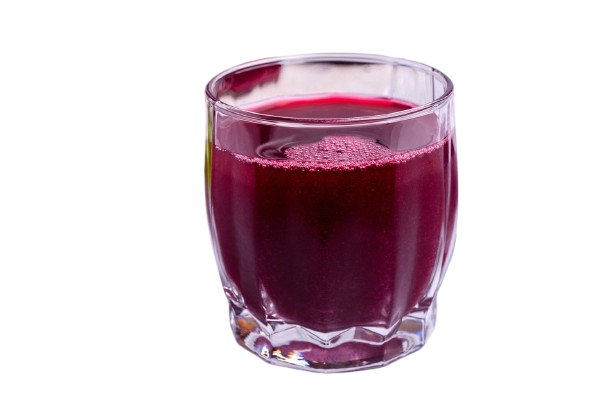
Prune juice is a dark beverage extracted from dried plums that is a staple in Jewish, British, and modern American wellness cuisines. The calories in prune juice vary depending on the concentration and serving size, but a standard one-cup (248 g or 8 fl oz) serving of unsweetened commercial juice contains 176 calories. Medium servings (372 g or 12 fl oz) contain 264 calories, while large servings (496 g or 16 fl oz) provide 352 calories. The prune juice nutrition facts for a standard one-cup serving include 0.1 g of fat, 1.5 g of protein, and 43.4 g of carbohydrates. This juice is a significant source of potassium, providing 276 mg per 100 g (3.5 oz), and iron, providing 1.2 mg per 100 g (3.5 oz). The high sorbitol and phenolic content in dried plums are linked to improved digestive regularity and bone health (Lever E, et al. 2014 "The effect of prunes on stool output, salivary cortisol and the gut microbiota").
The main types of prune juice include 100% pure juice, juice from concentrate, fortified versions with added vitamins, and fruit blends. Often called "nature’s remedy," "black gold," or "dried plum nectar," this beverage is used daily as a natural digestive aid. A recommended daily serving of 248 g (8 fl oz) provides 176 calories. Burning the prune juice calories from a standard 248 g (8 fl oz) glass requires 50 minutes of moderate walking at 5 km/h (3 mph). The same caloric intake can be offset by 20 minutes of vigorous swimming or 25 minutes of cycling at 20 km/h (12 mph).
Prune juice or its concentrated reductions are key ingredients in savory main dishes such as Lamb Tagine at Mina’s Mediterranean and Chicken Marbella at Silver Palate. It is also a fundamental component of festive Jewish dishes like Beef Tzimmes found at Katz's Delicatessen and Russ & Daughters. In desserts, its rich sweetness is utilized in the Sticky Toffee Pudding at The Cheesecake Factory and Prune Hamentashen at Katz's Delicatessen. Bakeries like Panera Bread use it to add moisture to Prune and Bran Muffins, while artisanal dessert shops such as Salt & Straw and Grom incorporate it into specialty sorbets and gelatos.
The origin of prune juice is tied to Western Asia and the Mediterranean, though the modern commercial extraction process was pioneered in 1932 in California. The raw ingredient, dried plums, is produced primarily in Chile, which produced 82.50 kt in 2021, and the United States, which produced 67.13 kt in 2021. The United States remains the largest consumer market for the finished juice, with a dried plum food supply of 68.4 kt in 2021. The price of this beverage has increased significantly due to reduced agricultural acreage and rising distribution costs. A 946 mL (32 fl oz) bottle of 100% prune juice that cost $3.05 in 2005 now retails for a range of $7.10 to $7.25 in 2024, or even higher for premium brands.
Prune Juice nutrition
| Stats | Weight |
|---|---|
| Carbs | 65.1 grams |
| Protein | 2.3 grams |
| Fats | 0 grams |
| Sugars | 61 grams |
- Large Prune Juice Calories (Nutritional Facts)
- Medium Prune Juice Calories (Nutritional Facts)
- Small Prune Juice Calories (Nutritional Facts)
- Raw Prune Juice Nutrition
- Sodium in Prune Juice
- Potassium in Prune Juice
- Sugar in Prune Juice
- Fiber in Prune Juice
- Protein in Prune Juice
- Carbs in Prune Juice
- Fat in Prune Juice
- Vitamins in Prune Juice
- Minerals in Prune Juice
Large Prune Juice Calories (Nutritional Facts)
A large serving of unsweetened prune juice, weighing 496 g (16 fl oz), contains 352 calories. This serving size provides 0.1 g of fat, 3.0 g of protein, 86.8 g of carbohydrates, and 81.3 g of sugar. Unsweetened versions contain the same caloric value as those fortified with Vitamin C.
A medium serving of unsweetened prune juice, weighing 372 g (12 fl oz), contains 264 calories. This portion includes 0.1 g of fat, 2.3 g of protein, 65.1 g of carbohydrates, and 61.0 g of sugar.
A small serving of unsweetened prune juice, defined as 248 g (8 fl oz), contains 176 calories. This serving offers 0.1 g of fat, 1.5 g of protein, 43.4 g of carbohydrates, and 40.7 g of sugar.
A 100 g (3.5 oz) serving of raw prune juice provides 71 calories, 0.03 g of fat, 0.61 g of protein, 17.5 g of carbohydrates, 16.4 g of sugar, and 1.0 g of dietary fiber. While prune juice is a water extract of dried plums (Prunus domestica), fresh plum juice provides 46 calories per 100 g (3.5 oz) and contains 11.4 g of carbohydrates.
Prune juice contains 4 mg of sodium per 100 g (3.5 oz) serving, which contributes 0% of the Daily Value (DV).
Prune juice is a significant source of potassium, providing 276 mg per 100 g (3.5 oz) serving, which represents 6% of the DV. This mineral helps support healthy heart and nerve function.
Prune juice contains 16.4 g of sugar per 100 g (3.5 oz) serving. These are naturally occurring sugars from the concentrated dried fruit, consisting primarily of fructose and glucose.
Prune juice contains 1.0 g of dietary fiber per 100 g (3.5 oz) serving. It also contains sorbitol, a sugar alcohol that works with the fiber to support digestive health.
Prune juice provides 0.6 g of protein per 100 g (3.5 oz) serving.
Prune juice contains 17.5 g of total carbohydrates per 100 g (3.5 oz) serving.
Prune juice contains 0.03 g of total fat per 100 g (3.5 oz) serving.
A 100 g (3.5 oz) serving of prune juice provides 4.2 mg of Vitamin C (4% DV), 0.2 mg of Vitamin B6 (12% DV), and 1.5 mcg of Vitamin K (1% DV). Fortified varieties provide higher amounts of Vitamin C to support a healthy immune system.
A 100 g (3.5 oz) serving of prune juice provides 1.2 mg of Iron (6% DV), 11 mg of Magnesium (2% DV), and 0.2 mg of Copper (22% DV). These minerals aid in energy metabolism and red blood cell formation.
Get a Custom Report on Prune Juice Nutrition Data – Contact Us!
What are the Types of Prune Juice?
There are 4 different types of prune juice such as 100% pure prune juice and prune juice from concentrate. The table below shows the most common prune juice types and their calorie information.
| Type | Description | Calories (per 8 oz / 248 g) | Calorie Differences & Qualifications |
|---|---|---|---|
|
100% Pure Prune Juice
|
Directly extracted water extract of dried plums with no additives. | 176 | This is the standard nutritional baseline for unsweetened prune juice. |
|
From Concentrate
|
Prune juice made by adding water back to concentrated prune extract. | 182 | Often slightly higher in calories due to the concentration of fruit sugars. |
|
Fortified Prune Juice
|
Prune juice with added vitamins such as Vitamin C, E, or Calcium. | 176 | Caloric value remains the same as pure juice despite added micros. |
|
Prune Juice Blend
|
Prune juice mixed with other juices like apple or cranberry. | 140-160 | Lower in calories because the added juices are less energy-dense than prune extract. |
What are the Desserts with Prune Juice?
Prune juice and its concentrated purée are frequently utilized as natural sweeteners and fat substitutes in various baked goods and chilled sweets. Its deep color and rich molasses-like flavor profile make it a preferred ingredient for creating moist cakes, traditional fruit-filled pastries, and high-fiber frozen desserts. Professional bakeries and specialized cafes often incorporate prune juice into their recipes to enhance texture without relying on excessive refined oils.
| Dish Name | Calories (per serving) | Type of Dish | Carbs (g) | Sugar (g) | Protein (g) | Fat (g) | Cuisine | Restaurants |
|---|---|---|---|---|---|---|---|---|
|
Prune Hamentashen
|
220 (70g/2.5oz) | Pastry | 38g | 18g | 3g | 7g | Jewish | Katz's Delicatessen |
|
Sticky Toffee Pudding
|
980 (250g/8.8oz) | Cake | 135g | 95g | 8g | 48g | British | The Cheesecake Factory |
|
Chocolate Prune Cake
|
450 (120g/4.2oz) | Cake | 62g | 35g | 5g | 22g | Modern American | Magpie's Bakery |
|
Prune Whip
|
150 (180g/6.3oz) | Custard | 34g | 28g | 4g | 0g | American | S&W Cafeteria |
|
Prune and Bran Muffin
|
410 (150g/5.3oz) | Baked Good | 68g | 32g | 6g | 14g | American | Panera Bread |
|
Prune Sorbet
|
180 (150g/5.3oz) | Frozen | 44g | 38g | 1g | 0g | Modern | Salt & Straw |
|
Prune Juice Gelato
|
210 (120g/4.2oz) | Frozen | 32g | 28g | 4g | 8g | Italian | Grom |
|
Prune Bread Pudding
|
580 (200g/7.1oz) | Pudding | 84g | 52g | 9g | 24g | American | Grand Lux Cafe |
|
Prune and Walnut Tart
|
390 (120g/4.2oz) | Tart | 48g | 26g | 5g | 22g | European | Whole Foods Market |
|
Dried Plum Cake
|
350 (100g/3.5oz) | Cake | 55g | 30g | 4g | 14g | American | Starbucks |
What are the Main Dishes with Prune Juice?
Some of the most widespread main dishes that contain prune juice are Moroccan tagines, fruit-glazed pork, and savory stews that utilize the juice for depth and acidity. Prune juice serves as an excellent base for marinades and reductions because its natural sugars caramelize beautifully when roasted with proteins like chicken or beef. The table below lists the nutritional facts and restaurant locations for these savory applications.
| Dish Name | Calories (per serving) | Type | Carbs (g) | Sugar (g) | Protein (g) | Fat (g) | Cuisine | Restaurants |
|---|---|---|---|---|---|---|---|---|
|
Lamb Tagine with Prunes
|
650 (400g/14.1oz) | Stew | 45g | 28g | 42g | 35g | Moroccan | Mina’s Mediterranean |
|
Chicken Marbella
|
480 (350g/12.3oz) | Poultry | 22g | 18g | 44g | 24g | Mediterranean | Silver Palate |
|
Prune Glazed Pork Tenderloin
|
520 (300g/10.6oz) | Pork | 28g | 22g | 42g | 25g | Modern American | Seasons 52 |
|
Beef Tzimmes
|
410 (350g/12.3oz) | Stew | 58g | 34g | 32g | 10g | Jewish | Russ & Daughters |
|
Korean Short Ribs
|
780 (400g/14.1oz) | Beef | 32g | 24g | 55g | 48g | Korean | Gogi |
|
Roasted Duck with Prune Jus
|
950 (450g/15.9oz) | Poultry | 38g | 26g | 52g | 68g | French | Balthazar |
|
Glazed Ham with Prune Reduction
|
310 (150g/5.3oz) | Pork | 18g | 15g | 28g | 14g | American | Honey Baked Ham |
|
Beef Stew with Fruit Glaze
|
620 (450g/15.9oz) | Stew | 48g | 12g | 38g | 32g | American | Marie Callender’s |
What Cuisines Prefer Prune Juice the Most?
Prune juice and the whole dried plums from which it is derived are staples in cuisines that prioritize the balance of sweet and savory notes, such as Jewish, Moroccan, and Eastern European traditions. It is frequently used in Jewish Ashkenazi cooking for festive stews and holiday pastries, while Mediterranean cuisines use it to thicken and sweeten meat-based tagines. The table below displays the cuisines and specific dishes where prune juice is commonly utilized.
| Cuisine | Dish Name | Calories (per serving) | Restaurants |
|---|---|---|---|
|
Jewish
|
Beef Tzimmes / Hamentashen | 220 - 410 | Katz's Delicatessen, Russ & Daughters |
|
Moroccan
|
Lamb Tagine with Prunes | 650 | Mina’s Mediterranean |
|
Modern American
|
Prune Glazed Pork Tenderloin | 520 | Seasons 52 |
|
French
|
Roasted Duck with Prune Jus | 950 | Balthazar |
|
American BBQ
|
Fruit Glazed Ham | 310 | Honey Baked Ham |
|
European Bakery
|
Prune and Walnut Tart | 390 | Whole Foods Market |
Which Countries Produce the Most Prune Juice?
The top producers of dried plums, which serve as the primary raw material for prune juice, globally are the United States, Chile, France, and Argentina. In 2021, the United States produced 67.13 kt of dried plums, while Chile produced 82.50 kt based on data from FAOSTAT and the California Prune Board. Because international databases track the raw ingredient rather than the processed liquid extract, the table below provides production figures for dried plums in kilotonnes.
| Country | 2004 | 2005 | 2006 | 2007 | 2008 | 2009 | 2010 | 2011 | 2012 | 2013 | 2014 | 2015 | 2016 | 2017 | 2018 | 2019 | 2020 | 2021 | 2022 | 2023 |
|---|---|---|---|---|---|---|---|---|---|---|---|---|---|---|---|---|---|---|---|---|
| USA | 194.1 | 85.2 | 171.4 | 73.4 | 117.0 | 143.3 | 112.4 | 104.3 | 126.1 | 74.3 | 95.2 | 95.2 | 47.1 | 95.2 | 72.5 | 67.1 | 50.8 | 67.1 | 68.0 | 70.3 |
| Chile | 34.5 | 38.2 | 41.0 | 45.1 | 48.5 | 52.0 | 56.4 | 60.1 | 65.2 | 68.4 | 72.1 | 75.8 | 76.5 | 78.2 | 80.1 | 81.4 | 79.5 | 82.5 | 84.1 | 90.2 |
| France | 52.4 | 48.1 | 50.5 | 42.4 | 45.1 | 47.2 | 43.1 | 40.2 | 44.5 | 38.2 | 42.1 | 41.5 | 35.2 | 38.4 | 40.1 | 37.5 | 34.2 | 36.1 | 18.5 | 42.4 |
| Argentina | 12.5 | 14.2 | 15.1 | 18.2 | 20.4 | 22.1 | 24.5 | 26.8 | 28.2 | 25.4 | 27.1 | 28.5 | 30.2 | 32.1 | 29.5 | 31.2 | 28.4 | 30.5 | 31.8 | 32.5 |
Which Countries Consume the Most Prune Juice?
Based on data from the Helgi Library and Statista, the top consumers of prune juice are the United States, the United Kingdom, Germany, and Japan. Consumption is measured by the total utilization of dried plum products within the food supply of each nation. In the United States, consumption remains high due to the established health market for digestive aids and senior nutrition. The table below displays the apparent food supply of dried plums in these regions.
| Country | 2004 | 2005 | 2006 | 2007 | 2008 | 2009 | 2010 | 2011 | 2012 | 2013 | 2014 | 2015 | 2016 | 2017 | 2018 | 2019 | 2020 | 2021 | 2022 | 2023 |
|---|---|---|---|---|---|---|---|---|---|---|---|---|---|---|---|---|---|---|---|---|
| USA | 110.5 | 108.2 | 105.1 | 102.4 | 100.1 | 98.4 | 95.2 | 92.1 | 88.5 | 85.2 | 82.1 | 80.4 | 78.5 | 76.2 | 74.1 | 72.5 | 70.2 | 68.4 | 67.5 | 66.2 |
| UK | 12.4 | 12.6 | 13.1 | 13.5 | 13.8 | 14.1 | 14.3 | 14.5 | 14.8 | 15.2 | 15.4 | 15.7 | 15.9 | 16.2 | 16.4 | 16.7 | 16.9 | 17.2 | 17.5 | 17.8 |
| Germany | 10.2 | 10.4 | 10.7 | 10.9 | 11.2 | 11.5 | 11.8 | 12.1 | 12.4 | 12.7 | 12.9 | 13.2 | 13.5 | 13.8 | 14.1 | 14.4 | 14.7 | 15.0 | 15.3 | 15.6 |
| Japan | 8.5 | 8.7 | 9.0 | 9.2 | 9.5 | 9.8 | 10.1 | 10.4 | 10.7 | 11.0 | 11.3 | 11.6 | 11.9 | 12.2 | 12.5 | 12.8 | 13.1 | 13.4 | 13.7 | 14.0 |
How Do Prices of Prune Juice-including Dishes Change?
Menu prices for dishes featuring prune juice glazes and reductions have seen substantial increases over the past decade. This change reflects the rising cost of dried fruit concentrates and the premium positioning of "traditional" or "wellness-focused" cuisine in modern restaurants. Establishments have adjusted pricing to account for the higher operational overhead in the full-service dining sector. The table below lists verified price ranges for specific menu items that utilize prune juice or prune reductions.
| Restaurant | Dish Name (Prune Component) | Old Price Range (2015–2017) | Current Price Range (2025–2026) |
|---|---|---|---|
| Balthazar | Roasted Duck (Prune Jus) | $28.00 - $32.00 | $42.00 - $48.00 |
| Seasons 52 | Pork Tenderloin (Prune Glaze) | $17.95 - $19.95 | $24.95 - $28.95 |
| Katz's Delicatessen | Prune Hamentashen (Per piece) | $2.75 - $3.25 | $4.25 - $5.50 |
| The Cheesecake Factory | Sticky Toffee Pudding (Prune base) | $7.50 - $8.95 | $10.95 - $12.95 |
| IHOP | Prune Juice (Glass) | $2.49 - $2.99 | $3.99 - $4.75 |
| Russ & Daughters | Beef Tzimmes (Side) | $7.00 - $8.50 | $11.00 - $14.00 |
| Panera Bread | Prune and Bran Muffin | $2.25 - $2.65 | $3.49 - $4.25 |
| Honey Baked Ham | Glazed Ham (Prune Reduction) | $14.50 - $16.00 | $21.00 - $24.50 |
What is the Prune Juice Calorie for 100 Grams?
One hundred grams (3.5 oz) of unsweetened prune juice contains 71 calories.
What is the Prune Juice Calorie for 1 KG?
One kilogram (1,000 g or 35.3 oz) of unsweetened prune juice contains 710 calories.
What is the Calorie of 1 Prune Juice?
A 946 mL (32 fl oz) bottle of Sunsweet 100% Prune Juice contains 720 calories. A 163 mL (5.5 fl oz) can of Sunsweet Prune Juice contains 120 calories. A 946 mL (32 fl oz) bottle of Lakewood Organic PURE Prune Juice contains 760 calories. A 946 mL (32 fl oz) bottle of Langers Prune Juice contains 720 calories.
What are the Health Benefits of Prune Juice?
Prune juice provides some health benefits like supporting digestive regularity and improving bone density due to its high concentration of sorbitol and Vitamin K. This beverage, often referred to as "black gold," "nature’s remedy," or "dried plum nectar," is a water extract of dried plums. A list of the health benefits of prune juice are shown below.
- Relieves Constipation: Prune juice contains 6.1 g of sorbitol per 100 g (3.5 oz), which acts as a natural osmotic laxative. A study by Lever E, et al. (2014), "The effect of prunes on stool output, salivary cortisol and the gut microbiota," confirmed that prune products significantly increase stool weight and frequency compared to other fruit fibers.
- Improves Bone Health: The juice is a source of boron and Vitamin K, which are essential for bone mineralization. Research by Hooshmand S, et al. (2011), "Comparative effects of dried plum and dried apple on bone in postmenopausal women," demonstrated that dried plum products can improve bone mineral density.
- Supports Cardiovascular Health: The high potassium content, providing 707 mg per 248 g (8 oz) serving, helps regulate blood pressure. A study by Ahmed T, et al. (2010), "Use of prunes as a control of hypertension," showed that prune juice can significantly lower blood pressure levels.
- Aids in Iron Absorption: Prune juice provides 3.0 mg of iron per 248 g (8 oz) serving, representing 17% of the DV. This helps prevent iron-deficiency anemia and supports healthy oxygen transport in the blood.
- Reduces Oxidative Stress: The juice contains phenolic compounds like neochlorogenic and chlorogenic acids. Research by Stacewicz-Sapuntzakis M. (2013), "Dried plums and their products: composition and health effects," notes that these antioxidants protect cell membranes from free radical damage.
- Lowers Cholesterol Levels: Soluble fiber in the juice helps reduce LDL cholesterol by binding to bile acids.
- Supports Liver Health: Specific compounds in prune juice may reduce harmful enzymes in the liver, according to early animal studies and clinical trials focusing on hepatic function.
- Regulates Appetite: Despite its sugar content, prune juice has a low glycemic index, which can help promote satiety and prevent rapid insulin spikes.
What are the Downsides of Prune Juice?
Prune juice has been known to cause some unwanted effects like abdominal bloating and weight gain due to its high sorbitol content and caloric density. A list of the downsides of prune juice are shown below.
- Gastrointestinal Distress: Excessive intake leads to gas, cramping, and diarrhea because sorbitol and fiber pull water into the intestines.
- High Caloric Intake: A single 248 g (8 oz) serving contains 176 calories, which can lead to weight gain if consumed frequently without adjusting total daily energy intake.
- Risk of Acrylamide Exposure: The process of drying plums can create trace amounts of acrylamide, a chemical formed in certain foods during high-heat processing (Stacewicz-Sapuntzakis M, 2013, "Dried plums and their products: composition and health effects").
- Blood Sugar Management: While the glycemic index is low, the juice contains 40.7 g of sugar per 248 g (8 oz) serving, which requires careful monitoring by individuals with diabetes.
Is Prune Juice Good for You?
Yes, prune juice is good for you because it provides essential minerals like iron and potassium while effectively managing digestive health. Most adults should consume between 120 mL (4 oz) and 240 mL (8 oz) per day to achieve its laxative benefits without experiencing digestive discomfort. The major benefits include the prevention of constipation, the strengthening of bone tissue, and the regulation of blood pressure. It is particularly effective for individuals with slow intestinal transit or those at risk for osteoporosis.
Is Prune Juice a Good Source of Fiber?
Yes, prune juice is a good source of fiber, containing 2.6 g of dietary fiber per 248 g (8 oz) serving. While this is lower than the 12 g found in a serving of whole prunes, it is significantly higher than apple juice or white grape juice, which provide 0.5 g and 0.2 g of fiber respectively for the same volume. A comparable source of fiber to prune juice is orange juice with pulp, which provides 1.0 g of fiber per 248 g (8 oz).
How Do Calories Change According to Prune Juice Types?
The calories in prune juice change based on the level of concentration and the inclusion of secondary fruit juices. Pure unsweetened prune juice contains 71 calories per 100 g (3.5 oz), whereas versions labeled "from concentrate" often contain 73 calories per 100 g (3.5 oz) because the reconstitution process can result in a higher density of dissolved solids. Prune juice blends, which mix prune extract with apple or white grape juice, reduce the energy content to 56 calories per 100 g (3.5 oz). Light prune juice varieties, which are diluted with water and sweetened with non-nutritive sweeteners, contain 40 calories per 100 g (3.5 oz).
Is Prune Juice Sugar Content Higher Than Other Fruit Juices?
Yes, prune juice sugar content is higher than most other common fruit juices. Prune juice contains 16.4 g of sugar per 100 g (3.5 oz). In comparison, 100% apple juice contains 10.4 g of sugar, orange juice contains 8.4 g of sugar, and pomegranate juice contains 12.6 g of sugar per 100 g (3.5 oz). Only 100% grape juice approaches this level with 14.8 g of sugar per 100 g (3.5 oz) serving.
What is the Origin of Prune Juice?
The origin of prune juice is tied to the ancient cultivation of the Prunus domestica (European plum), which was first dried by sun exposure in Western Asia and the Mediterranean regions to preserve the fruit for long-distance travel. While the consumption of dried plums (prunes) dates back thousands of years, the commercial production of the liquid extract known as prune juice began in the early 20th century in the United States. In 1932, the California Prune and Apricot Growers Association (now known as Sunsweet) developed a process to boil dried plums in water to create a stable, nutritious juice that retained the fruit's natural laxative properties.
This innovation transformed the fruit from a seasonal dried snack into a convenient health beverage that gained massive popularity during the 1930s and 1940s as a digestive aid. The juice became a staple in hospital diets and senior care due to its effectiveness in managing constipation and its high mineral content. Today, the majority of the world's prune juice is produced in California's Central Valley, where the French Petit d'Agen plum variety is grown specifically for its high sugar content and durability during the drying and juicing process.
Explore More Beverages
Discover more Beverages with detailed nutrition facts, calorie counts, vitamins, minerals, and health benefits. Compare similar foods, serving sizes, macronutrients, and key nutrients to find the best option for your diet and nutrition goals.
 Almond Milk calories
 Aloe Vera Juice calories
 Americano calories
 Apple Cider calories
 Apple Juice calories
 Apricot Juice calories
 Aronia Juice calories
 Avocado Shake calories
 Banana Juice calories
 Baobab Juice calories
 Barley Tea calories
 Beer calories