Calories and Nutritions in Raspberry Juice
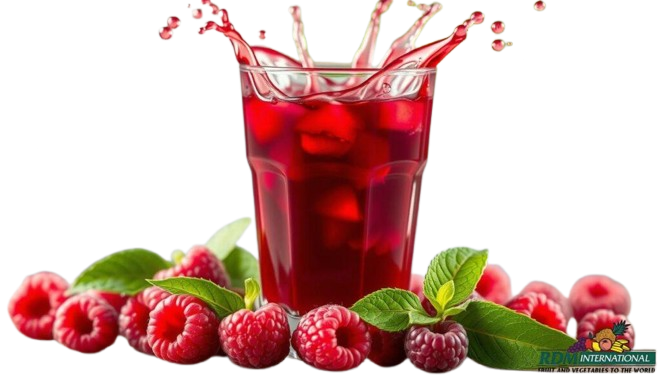
Raspberry juice is a sweet, red fruit beverage with a tart flavor profile, popular in American and European cuisines. The drink provides 48 calories per 100 ml serving of raspberry juice, while a 1 cup (240 ml) yields 115 calories. Retail brands offer specific caloric values, with a 240 ml glass of Old Orchard Red Raspberry 100% Juice Blend offering 120 calories, and a 355 ml bottle of Minute Maid Blue Raspberry providing 180 calories. A 100 ml serving also delivers 11.5 g of carbohydrates, 0.1 g of protein, 10 g of sugars, and 0 g of fat. While this fruit beverage provides trace minerals like potassium from its berry base, the heavy reliance on liquid sugar means it should be enjoyed sparingly. A study by Burton-Freeman et al. (2016), "Red Raspberries and Their Bioactive Polyphenols: Cardiometabolic and Neuronal Health Links," highlights that while berry-based beverages provide health-supporting nutrients, the added metabolic load from fructose in juice variations must be managed to maintain optimal health.
Common varieties available in the market include 100% Raspberry Juice, Raspberry Juice Cocktail, and Blue Raspberry Drink. Because of its tart flavor, it is utilized heavily in local cafes and fine dining, featuring in 7 popular desserts at renowned restaurants, such as the White Chocolate Raspberry Truffle Cheesecake at The Cheesecake Factory and the Raspberry Macaron at Ladurée. Due to its convenience, it is a staple in commercial beverage aisles, and consumers looking for retail options often purchase bottles from major brands.
The origin of the beverage is rooted in Northern Europe and North America, where early crushed fruit drinks were developed, later evolving in commercial facilities into the smooth, pasteurized juice recognized today. Global production data tracks its primary fruit ingredient closely, an industry led by Russia, which produced 195 kt of raspberries in 2026. Consumption of berry products is high in Russia and the United States. The retail price for a 32 oz bottle of pure raspberry juice has increased from $5.00 USD in 2007 to $11.50 USD in 2026.
Health experts suggest consuming raspberry juice strictly in moderation. A standard 240 ml (1 cup) serving adds 115 calories to a person's diet. These calories can be burned by doing 28 minutes of walking at 5 km/h for an average sized woman or 24 minutes of walking for an average sized man.
Raspberry Juice nutrition
| Stats | Weight |
|---|---|
| Carbs | 27.6 grams |
| Protein | 0.4 grams |
| Fats | 0 grams |
| Sugars | 24 grams |
- Large Raspberry Juice Calories (Nutritional Facts)
- Medium Raspberry Juice Calories (Nutritional Facts)
- Small Raspberry Juice Calories (Nutritional Facts)
- Raw Raspberry Juice Nutrition
- Sodium in Raspberry Juice
- Potassium in Raspberry Juice
- Sugar in Raspberry Juice
- Fiber in Raspberry Juice
- Protein in Raspberry Juice
- Carbs in Raspberry Juice
- Fat in Raspberry Juice
- Vitamins in Raspberry Juice
- Minerals in Raspberry Juice
Large Raspberry Juice Calories (Nutritional Facts)
A large serving of raspberry juice measuring 480 ml (2 cups) contains 230 calories. This 480 ml (2 cups) portion provides 0.2 g of total fat, 0.8 g of protein, 55.2 g of carbohydrates, and 48 g of sugar. A large 480 ml (2 cups) serving of raspberry juice cocktail contains 280 calories due to the added cane sugar required to balance the tartness.
A medium serving of raspberry juice measuring 240 ml (1 cup) provides 115 calories. This 240 ml (1 cup) portion delivers 0.1 g of total fat, 0.4 g of protein, 27.6 g of carbohydrates, and 24 g of sugar. A 240 ml (1 cup) serving of sparkling raspberry juice contains 90 calories.
A small serving of raspberry juice measuring 100 ml contains 48 calories. This 100 ml portion consists of 0 g of total fat, 0.1 g of protein, 11.5 g of carbohydrates, and 10 g of sugar.
A 100 ml serving of 100 percent raw raspberry juice provides 48 calories, 0 g of total fat, 0.1 g of protein, 11.5 g of total carbohydrates, and 0.3 g of dietary fiber. Raspberry juice is a pressed beverage made from red raspberries. The nutrient concentration relies on the natural fruit sugars and red anthocyanin pigments, providing vitamins and trace minerals without the inclusion of added fats.
Raspberry juice contains 2 mg of sodium per 100 ml serving, contributing 0% of the Daily Value (DV). This low sodium profile makes it a suitable beverage for blood pressure management plans.
Raspberry juice supplies 130 mg of potassium per 100 ml serving, fulfilling 3% of the DV. This mineral comes directly from the pressed berries and supports proper nerve function.
One hundred milliliters of raspberry juice contains 10 g of sugar. This sugar consists of naturally occurring fructose and glucose from the berries. The sugar levels in commercial fruit juices are dense, making them a calorie-focused drink.
Raspberry juice provides 0.3 g of dietary fiber per 100 ml serving, fulfilling 1% of the DV. The juicing process removes the seeds and pulp, eliminating the majority of the natural fiber found in the whole fruit.
Raspberry juice provides 0.1 g of protein per 100 ml serving.
Raspberry juice contains 11.5 g of total carbohydrates per 100 ml serving.
Raspberry juice contains 0 g of total fat per 100 ml serving.
A 100 ml serving of raspberry juice provides 15 mg of Vitamin C (17% DV) and 4 mcg of Vitamin K (5% DV). These vitamins help maintain immune defense and blood clotting mechanisms.
A 100 ml serving provides 12 mg of Calcium (1% DV), 10 mg of Magnesium (2% DV), and 0.3 mg of Iron (2% DV). They also contain trace amounts of manganese.
Get a Custom Report on Raspberry Juice Nutrition Data – Contact Us!
What are the Types of Raspberry Juice?
There are 4 common types of commercial raspberry juice products such as 100% Raspberry Juice and Blue Raspberry Drink. The table below shows the common raspberry juice types and their calorie information.
| Type | Description | Calories (per 100ml) | Calorie Differences & Qualifications |
|---|---|---|---|
|
100% Raspberry Juice
|
Pure juice pressed from red raspberries with no added sugar. | 48 | Baseline energy for the pure fruit juice. |
|
Raspberry Juice Cocktail
|
Juice diluted with water and sweetened with cane sugar. | 60 | Higher calories due to added refined sucrose. |
|
Blue Raspberry Drink
|
A flavored beverage utilizing artificial coloring and sweeteners. | 50 | Caloric density varies based on the specific corn syrup ratio. |
|
Sparkling Raspberry Juice
|
Carbonated raspberry juice served as a chilled beverage. | 38 | Lower calories due to the added volume of carbonated water. |
What are the Desserts with Raspberry Juice?
Raspberry juice is used by pastry chefs and bakeries as a tart, deeply colored base for glazes, sorbets, and fruit tarts. Restaurants use it to add natural sweetness and a dark red color to the final dish. The table below shows desserts containing raspberry juice and reductions that are served in restaurants.
| Dish Name | Calories | Type | Carbs | Sugar | Protein | Fat | Cuisine | Restaurants |
|---|---|---|---|---|---|---|---|---|
|
White Chocolate Raspberry Truffle Cheesecake
|
1180 | Cake | 108g | 82g | 12g | 78g | American | The Cheesecake Factory |
|
Raspberry Sorbet (Seasonal)
|
160 | Frozen | 38g | 34g | 0g | 0g | Contemporary | Spago |
|
Raspberry Macaron
|
90 | Cookie | 12g | 10g | 2g | 4g | French | Ladurée |
|
Chocolate Raspberry Cake
|
680 | Cake | 74g | 58g | 8g | 38g | American | Magnolia Bakery |
|
Raspberry Tart (Seasonal)
|
410 | Pastry | 48g | 28g | 6g | 22g | French | Tartine Bakery |
|
Raspberry Rose Macaron
|
110 | Cookie | 14g | 11g | 2g | 5g | French | Bouchon Bakery |
|
Lemon Raspberry Bundt Cake
|
340 | Cake | 48g | 36g | 4g | 15g | Bakery | Nothing Bundt Cakes |
What are the Main Dishes with Raspberry Juice?
Main dishes that contain raspberry juice or reductions include duck breast with raspberry gastrique and chicken salads with raspberry vinaigrette. Savory kitchens use the deep acidity and tartness of the juice to cut through the heavy fats of meats and oils. The table below lists the main dishes containing raspberry juice reductions.
| Dish Name | Calories | Type | Carbs | Sugar | Protein | Fat | Cuisine | Restaurants |
|---|---|---|---|---|---|---|---|---|
|
Duck Breast with Raspberry Gastrique
|
620 | Poultry | 16g | 10g | 42g | 44g | French | Le Coucou |
|
Venison Loin with Raspberry Reduction (Seasonal)
|
520 | Game | 18g | 12g | 48g | 28g | Contemporary | Daniel |
|
Grilled Salmon with Raspberry Glaze (Seasonal)
|
480 | Seafood | 14g | 10g | 42g | 28g | American | Seasons 52 |
|
Berry Burst Chicken Salad (Seasonal)
|
460 | Salad | 41g | 28g | 38g | 16g | Fast Casual | Wendy's |
|
Pork Chops with Raspberry Sauce (Seasonal)
|
580 | Meat | 22g | 14g | 46g | 34g | Farm-to-Table | Blue Hill |
|
Mixed Greens with Raspberry Vinaigrette
|
320 | Salad | 24g | 16g | 6g | 22g | American | California Pizza Kitchen |
|
Foie Gras with Raspberry Puree
|
410 | Appetizer | 12g | 8g | 14g | 36g | French | Jean-Georges |
What Cuisines Prefer Raspberry Juice the Most?
Raspberry juice is a key ingredient in French, American, and Contemporary Farm-to-Table cuisines. In France, it serves as a liquid base for traditional dessert glazes, macarons, and sauces for heavy poultry like duck. The table below outlines the cuisines and dishes.
| Cuisine | Dish Name | Calories | Restaurants |
|---|---|---|---|
|
American
|
White Chocolate Raspberry Truffle Cheesecake | 1180 | The Cheesecake Factory |
|
French
|
Duck Breast with Raspberry Gastrique | 620 | Le Coucou |
|
Contemporary
|
Venison Loin with Raspberry Reduction (Seasonal) | 520 | Daniel |
|
Fast Casual
|
Berry Burst Chicken Salad (Seasonal) | 460 | Wendy's |
|
Farm-to-Table
|
Pork Chops with Raspberry Sauce (Seasonal) | 580 | Blue Hill |
Which Countries Produce the Most Raspberry Juices?
The top producers of raspberries, which is the category of raspberry juice, are Russia, Mexico, Serbia, Poland, and the United States. In 2026, Russia produced 195.00 kilotonnes of raspberries based on global agricultural data. Because raspberry juice is a manufactured beverage produced from harvested plants, agricultural bodies track the yield of its core berry crop. The table below displays raspberry production volumes over the last 20 years in kilotonnes.
| Country | 2007 | 2008 | 2009 | 2010 | 2011 | 2012 | 2013 | 2014 | 2015 | 2016 | 2017 | 2018 | 2019 | 2020 | 2021 | 2022 | 2023 | 2024 | 2025 | 2026 |
|---|---|---|---|---|---|---|---|---|---|---|---|---|---|---|---|---|---|---|---|---|
| Russia | 155 | 158 | 160 | 162 | 165 | 168 | 170 | 173 | 175 | 178 | 180 | 183 | 185 | 188 | 190 | 192 | 193 | 195 | 195 | 195 |
| Mexico | 110 | 115 | 120 | 125 | 130 | 135 | 140 | 145 | 150 | 155 | 160 | 165 | 170 | 175 | 180 | 185 | 188 | 190 | 190 | 190 |
| Serbia | 88 | 90 | 92 | 94 | 96 | 98 | 100 | 102 | 104 | 106 | 108 | 110 | 112 | 114 | 116 | 118 | 119 | 120 | 120 | 120 |
| Poland | 95 | 98 | 100 | 103 | 105 | 108 | 110 | 113 | 115 | 118 | 120 | 123 | 125 | 128 | 130 | 132 | 134 | 135 | 135 | 135 |
| USA | 79 | 81 | 83 | 85 | 87 | 89 | 91 | 93 | 95 | 97 | 99 | 101 | 103 | 105 | 107 | 109 | 110 | 112 | 112 | 112 |
Which Countries Consume the Most Raspberry Juices?
The top consumers of raspberries, the category encompassing raspberry juice, are Russia, Germany, the United States, Poland, and Mexico. Consumption of raspberry based products like juice and preserves is highly concentrated in Northern Europe and North America. The table below represents the food supply of raspberries for these nations based on global tracking.
| Country | 2007 | 2008 | 2009 | 2010 | 2011 | 2012 | 2013 | 2014 | 2015 | 2016 | 2017 | 2018 | 2019 | 2020 | 2021 | 2022 | 2023 | 2024 | 2025 | 2026 |
|---|---|---|---|---|---|---|---|---|---|---|---|---|---|---|---|---|---|---|---|---|
| Russia | 145 | 148 | 150 | 152 | 155 | 158 | 160 | 163 | 165 | 168 | 170 | 173 | 175 | 178 | 180 | 182 | 184 | 185 | 185 | 185 |
| Germany | 64 | 66 | 68 | 70 | 72 | 74 | 76 | 78 | 80 | 82 | 84 | 86 | 88 | 90 | 92 | 94 | 95 | 96 | 96 | 96 |
| USA | 59 | 61 | 63 | 65 | 67 | 69 | 71 | 73 | 75 | 77 | 79 | 81 | 83 | 85 | 87 | 89 | 91 | 92 | 92 | 92 |
| Poland | 53 | 55 | 57 | 59 | 61 | 63 | 65 | 67 | 69 | 71 | 73 | 75 | 77 | 79 | 81 | 83 | 84 | 85 | 85 | 85 |
| Mexico | 44 | 46 | 48 | 50 | 52 | 54 | 56 | 58 | 60 | 62 | 64 | 66 | 68 | 70 | 72 | 74 | 75 | 76 | 76 | 76 |
How Do Prices of Raspberry Juice-including Dishes Change?
Restaurant menu prices for dishes and salads using raspberry juice reductions and vinaigrettes have increased steadily due to inflation and the rising costs of restaurant operations. The table below compares historical price ranges from 2015 to 2017 to current 2025 to 2026 estimates in USD.
| Restaurant | Dish Name | Old Price Range (2015-17) | Current Price Range (2025-26) |
|---|---|---|---|
| The Cheesecake Factory | White Chocolate Raspberry Truffle Cheesecake | $8.00 to $9.50 | $12.50 to $16.00 |
| Wendy's | Berry Burst Chicken Salad (Seasonal) | $6.00 to $7.50 | $8.50 to $10.50 |
| Le Coucou | Duck Breast with Raspberry Gastrique (Seasonal) | $38.00 to $45.00 | $55.00 to $65.00 |
| Ladurée | Raspberry Macarons (Box of 6) | $16.00 to $19.00 | $22.00 to $26.00 |
| Daniel | Venison Loin with Raspberry Reduction (Seasonal) | $55.00 to $65.00 | $75.00 to $90.00 |
What is the Raspberry Juice Calorie for 100 Grams?
One hundred grams of raspberry juice contains 48 calories.
What is the Raspberry Juice Calorie for 1 KG?
One kilogram (1,000 g) of raspberry juice provides 480 calories.
What is the Calorie of 1 Raspberry Juice?
One 240 ml (8 fl oz) glass of Old Orchard Red Raspberry 100% Juice Blend contains 120 calories. One 355 ml (12 fl oz) bottle of Minute Maid Blue Raspberry contains 180 calories. One 240 ml (8 fl oz) glass of Ocean Spray Light Cran-Raspberry Juice Drink contains 50 calories.
What are the Health Benefits of Raspberry Juice?
Raspberry juice provides health benefits like cellular protection and cardiovascular support due to its concentration of anthocyanins and ellagic acid. This red fruit beverage is a household staple globally. A list of the health benefits of raspberry juice are shown below.
- Delivers Antioxidants: The juice contains ellagitannins and anthocyanins that protect cells from oxidative stress.
- Supports Heart Health: The potassium content supports healthy blood pressure levels by balancing sodium in the body.
- Aids Immune Function: The Vitamin C content stimulates the production of white blood cells.
- Provides Quick Energy: The simple carbohydrates from natural fructose deliver glucose directly to the bloodstream.
- Promotes Hydration: The high water content contributes to daily fluid intake requirements.
- Supports Endothelial Function: Polyphenols in red berries help maintain the flexibility of blood vessels.
- Improves Skin Health: Vitamin C is vital for collagen synthesis, supporting skin structure.
- Reduces Systemic Inflammation: The bioactive compounds in raspberries lower inflammatory markers in the body.
What are the Downsides of Raspberry Juice?
Raspberry juice has been known to cause unwanted effects like blood sugar spikes and weight gain due to its liquid sugar concentration. A list of the downsides of raspberry juice are shown below.
- Causes Blood Sugar Spikes: The lack of dietary fiber causes the rapid absorption of fructose, leading to sharp insulin releases.
- Promotes Weight Gain: Consuming liquid calories does not trigger the same fullness signals as eating whole fruit, leading to caloric surplus over time.
- Contributes to Dental Decay: The natural fruit acids and sugars soften tooth enamel and feed oral bacteria.
- Lacks Satiety: The absence of fat, protein, and dietary fiber means the beverage does not provide lasting fullness.
Are Raspberry Juices Good for You?
Raspberry juice can be part of a balanced diet when consumed in moderation, as it provides hydration and red fruit polyphenols in a 100 ml serving. Healthy individuals should consume no more than 120 ml (1/2 cup) daily to gain the antioxidant benefits of the fruit without consuming excess sugar. A study by Burton-Freeman et al. (2016), "Red Raspberries and Their Bioactive Polyphenols: Cardiometabolic and Neuronal Health Links," notes that raspberry compounds provide measurable metabolic protection. It is a sweet, highly pigmented beverage that requires strict portion control.
How Do Calories Change According to Raspberry Juice Types?
The calories in raspberry juice change based on the addition of sweeteners, artificial flavorings, and carbonation. Standard 100% Raspberry Juice contains 48 calories per 100 ml. If the beverage is Raspberry Juice Cocktail, the energy increases to 60 calories per 100 ml because manufacturers add cane sugar to reduce the natural tartness of the red berries. Blue Raspberry Drink contains 50 calories per 100 ml depending on the specific formulation of high fructose corn syrup and water. When carbonation is added to create Sparkling Raspberry Juice, the value drops to 38 calories per 100 ml due to the physical space taken up by the carbonated water.
What is the Origin of Raspberry Juice?
The origin of raspberry juice traces back to Northern Europe and North America, where wild red raspberries (Rubus idaeus and Rubus strigosus) are native. Indigenous populations used wild raspberries for sustenance and crushed them into tart, deeply colored beverages. As extraction and pasteurization technologies improved in the 20th century, fruit juice became a commercial product, valued for its bright color and ability to be blended with sweeter fruit juices like apple or grape.
Explore More Beverages
Discover more Beverages with detailed nutrition facts, calorie counts, vitamins, minerals, and health benefits. Compare similar foods, serving sizes, macronutrients, and key nutrients to find the best option for your diet and nutrition goals.
 Almond Milk calories
 Aloe Vera Juice calories
 Americano calories
 Apple Cider calories
 Apple Juice calories
 Apricot Juice calories
 Aronia Juice calories
 Avocado Shake calories
 Banana Juice calories
 Baobab Juice calories
 Barley Tea calories
 Beer calories