Calories and Nutritions in Smoothie
The calories in smoothies vary based on size and ingredients. A small 355 grams (12 ounce) smoothie contains 150 to 450 calories. A medium 473 grams (16 ounce) smoothie contains 200 to 600 calories. A large 710 grams (24 ounce) smoothie contains 300 to 800 calories. A medium fruit smoothie provides 390 calories, 87 grams carbohydrates (32% Daily Value DV), 3.3 grams protein, 2 grams fat (3% DV), and 6.7 grams fiber (24% DV). A medium (16 oz or 473 ml) vegetable smoothie provides 250 calories, 43g of carbohydrates (16% DV), 6.7g of protein, 5.3g of fat (7% DV), 133mg of sodium (6% DV), 10g of fiber (36% DV), and 23g of sugar. Consuming fruits and vegetables in the form of smoothies leads to positive nutritional health outcomes such as lowered all-cause mortality risk, particularly cardiovascular disease according to research (Wang 2014).
Smoothie types include fruit, green, vegetable, protein, mixed fruit vegetable, and dessert blends. Market data shows high consumption of smoothies in the United States, Canada, and Western Europe. Smoothie prices increased over the last two decades, with a basic fruit smoothie rising from $3.00 to $4.00 to $5.00 to $7.00, driven by ingredient costs, labor, inflation, and premium ingredient trends. Common smoothie dishes include smoothie bowls available at restaurants like Smoothie King, Jamba, and Playa Bowls.
Smoothies offer benefits like increased nutrient intake hydration and contribute to reduced chronic disease risk through high fruit and vegetable content. The daily smoothie recommendation is 1.5 to 2 cup-equivalents of fruit and 2-3 cup-equivalents of vegetables. A balanced medium smoothie contains 300 calories, and burning these smoothie calories requires 50 minutes of moderate jogging, 50 minutes of cycling, or 30 minutes of HIIT.
Smoothie nutrition
| Stats | Weight |
|---|---|
| Carbs | 60 grams |
| Protein | 10 grams |
| Fats | 0 grams |
| Sugars | 50 grams |
- Large Smoothie Calories (Nutritional Facts)
- Medium Smoothie Calories (Nutritional Facts)
- Small Smoothie Calories (Nutritional Facts)
- Fruit Smoothie Calories (Nutritional Facts)
- Vegetable Smoothie Calories (Nutritional Facts)
- Sugar in Smoothie
- Fiber in Smoothie
- Protein in Smoothie
- Carbs in Smoothie
- Fat in Smoothie
- Vitamins in Smoothie
- Minerals in Smoothie
Large Smoothie Calories (Nutritional Facts)
A large smoothie (24 oz or 710 ml) contains 300 to 800 calories. A large Strawberry Banana smoothie contains 600 calories, 152g of carbohydrates (55% of DV), 1g of protein, 0g of fat (0% of DV), 45mg of sodium (2% of DV), 4g of fiber (14% of DV), and 105g of sugar. A large Green Smoothie contains 500 calories, 87g of carbohydrates (32% of DV), 11g of protein, 15g of fat (19% of DV), 140mg of sodium (6% of DV), 4g of fiber (14% DV), and 31g of sugar. A large Chocolate Banana smoothie contains 760 calories, 138g of carbohydrates (50% of DV), 23g of protein, 15g of fat (19% of DV), 330mg of sodium (14% of DV), 6g of fiber (21% of DV), and 114g of sugar. A large Protein Smoothie (whey-based with fruit) provides 550 calories, 60g of carbohydrates (22% DV), 40g of protein, 15g of fat (19% DV), 250mg of sodium (11% DV), 8g of fiber (29% DV), and 40g of sugar. A large Fruit Smoothie contains 580 calories, 130g of carbohydrates (47% DV), 5g of protein, 3g of fat (4% DV), 50mg of sodium (2% DV), 10g of fiber (36% DV), and 100g of sugar. A large Vegetable Smoothie provides 380 calories, 65g of carbohydrates (24% DV), 10g of protein, 8g of fat (10% DV), 200mg of sodium (9% DV), 15g of fiber (54% DV), and 35g of sugar. A large Mixed Fruit and Vegetable Smoothie contains 470 calories, 90g of carbohydrates (33% DV), 8g of protein, 6g of fat (8% DV), 120mg of sodium (5% DV), 12g of fiber (43% DV), and 60g of sugar.
A medium smoothie (16 oz or 473 ml) contains 200 to 600 calories. A medium Strawberry Banana smoothie provides 400 calories, 101g of carbohydrates (37% DV), 0.7g of protein, 0g of fat (0% DV), 30mg of sodium (1% DV), 2.7g of fiber (10% DV), and 70g of sugar. A medium Green Smoothie contains 330 calories, 58g of carbohydrates (21% DV), 7.3g of protein, 10g of fat (13% DV), 93mg of sodium (4% DV), 2.7g of fiber (10% DV), and 21g of sugar. A medium Chocolate Banana smoothie has 500 calories, 92g of carbohydrates (33% DV), 15.3g of protein, 10g of fat (13% DV), 220mg of sodium (10% DV), 4g of fiber (14% DV), and 76g of sugar. A medium Protein Smoothie delivers 370 calories, 40g of carbohydrates (15% DV), 27g of protein, 10g of fat (13% DV), 167mg of sodium (7% DV), 5.3g of fiber (19% DV), and 27g of sugar. A medium Fruit Smoothie contains 390 calories, 87g of carbohydrates (32% DV), 3.3g of protein, 2g of fat (3% DV), 33mg of sodium (1% DV), 6.7g of fiber (24% DV), and 67g of sugar. A medium Vegetable Smoothie provides 250 calories, 43g of carbohydrates (16% DV), 6.7g of protein, 5.3g of fat (7% DV), 133mg of sodium (6% DV), 10g of fiber (36% DV), and 23g of sugar. A medium Mixed Fruit and Vegetable Smoothie contains 310 calories, 60g of carbohydrates (22% DV), 5.3g of protein, 4g of fat (5% DV), 80mg of sodium (3% DV), 8g of fiber (29% DV), and 40g of sugar.
A small smoothie (12 oz or 355 ml) contains 150 to 450 calories. A small Strawberry Banana smoothie contains 300 calories, 76g of carbohydrates (28% DV), 0.5g of protein, 0g of fat (0% DV), 22mg of sodium (1% DV), 2g of fiber (7% DV), and 52g of sugar. A small Green Smoothie has 250 calories, 43g of carbohydrates (16% DV), 5.5g of protein, 7.5g of fat (10% DV), 70mg of sodium (3% DV), 2g of fiber (7% DV), and 16g of sugar. A small Chocolate Banana smoothie provides 380 calories, 69g of carbohydrates (25% DV), 11.5g of protein, 7.5g of fat (10% DV), 165mg of sodium (7% DV), 3g of fiber (11% DV), and 57g of sugar. A small Protein Smoothie contains 275 calories, 30g of carbohydrates (11% DV), 20g of protein, 7.5g of fat (10% DV), 125mg of sodium (5% DV), 4g of fiber (14% DV), and 20g of sugar. A small Fruit Smoothie has 290 calories, 65g of carbohydrates (24% DV), 2.5g of protein, 1.5g of fat (2% DV), 25mg of sodium (1% DV), 5g of fiber (18% DV), and 50g of sugar. A small Vegetable Smoothie provides 190 calories, 32g of carbohydrates (12% DV), 5g of protein, 4g of fat (5% DV), 100mg of sodium (4% DV), 7.5g of fiber (27% DV), and 17g of sugar. A small Mixed Fruit and Vegetable Smoothie contains 235 calories, 45g of carbohydrates (16% DV), 4g of protein, 3g of fat (4% DV), 60mg of sodium (3% DV), 6g of fiber (21% DV), and 30g of sugar.
Fruit smoothies contain 200 to over 600 calories depending on size. A small (12 oz / 355 ml) fruit smoothie contains 290 calories, 65g of carbohydrates (24% DV), 2.5g of protein, 1.5g of fat (2% DV), 25mg of sodium (1% DV), 5g of fiber (18% DV), and 50g of sugar. A medium (16 oz / 473 ml) fruit smoothie contains 390 calories, 87g of carbohydrates (32% DV), 3.3g of protein, 2g of fat (3% DV), 33mg of sodium (1% DV), 6.7g of fiber (24% DV), and 67g of sugar. A large (24 oz / 710 ml) fruit smoothie contains 580 calories, 130g of carbohydrates (47% DV), 5g of protein, 3g of fat (4% DV), 50mg of sodium (2% DV), 10g of fiber (36% DV), and 100g of sugar. A medium Mixed Berry fruit smoothie (473 ml) provides 350 calories, 75g of carbohydrates (27% DV), 4g of protein, 2g of fat (3% DV), 40mg of sodium (2% DV), 8g of fiber (29% DV), and 60g of sugar. A medium Mango Pineapple fruit smoothie (473 ml) contains 420 calories, 95g of carbohydrates (35% DV), 3g of protein, 6g of fat (8% DV), 30mg of sodium (1% DV), 7g of fiber (25% DV), and 80g of sugar. The calories in fruit smoothie with milk for a serving (370 g) of Banana Smoothie contains 225 calories, and low calorie fruit smoothie contains 150 calories for a bottle of Sugar Berrylicious Fruit Smoothie.
Vegetable smoothies contain 150 to 450 calories based on size. A small (12 oz / 355 ml) vegetable smoothie provides 190 calories, 32g of carbohydrates (12% DV), 5g of protein, 4g of fat (5% DV), 100mg of sodium (4% DV), 7.5g of fiber (27% DV), and 17g of sugar. A medium (16 oz / 473 ml) vegetable smoothie provides 250 calories, 43g of carbohydrates (16% DV), 6.7g of protein, 5.3g of fat (7% DV), 133mg of sodium (6% DV), 10g of fiber (36% DV), and 23g of sugar. A large (24 oz / 710 ml) vegetable smoothie provides 380 calories, 65g of carbohydrates (24% DV), 10g of protein, 8g of fat (10% DV), 200mg of sodium (9% DV), 15g of fiber (54% DV), and 35g of sugar. A medium Spinach Kale Cucumber smoothie (473 ml) contains 220 calories, 35g of carbohydrates (13% DV), 8g of protein, 5g of fat (6% DV), 150mg of sodium (7% DV), 10g of fiber (36% DV), and 18g of sugar. A medium Carrot Beet Ginger smoothie (473 ml) contains 280 calories, 50g of carbohydrates (18% DV), 5g of protein, 6g of fat (8% DV), 180mg of sodium (8% DV), 9g of fiber (32% DV), and 30g of sugar.
A small (12 oz / 355 ml) fruit smoothie contains 50 grams of sugar, while a medium (16 oz / 473 ml) fruit smoothie contains 67 grams of sugar, and a large (24 oz / 710 ml) fruit smoothie contains 100 grams of sugar. A small (12 oz / 355 ml) vegetable smoothie contains 17 grams of sugar, a medium (16 oz / 473 ml) vegetable smoothie contains 23 grams of sugar, and a large (24 oz / 710 ml) vegetable smoothie contains 35 grams of sugar. A small (12 oz / 355 ml) combination fruit and vegetable smoothie contains 30 grams of sugar, a medium (16 oz / 473 ml) combination fruit and vegetable smoothie contains 40 grams of sugar, and a large (24 oz / 710 ml) combination fruit and vegetable smoothie contains 60 grams of sugar.
A small (12 oz / 355 ml) fruit smoothie provides 5 grams of fiber (18% DV), a medium (16 oz / 473 ml) fruit smoothie provides 6.7 grams of fiber (24% DV), and a large (24 oz / 710 ml) fruit smoothie provides 10 grams of fiber (36% DV). A small (12 oz / 355 ml) vegetable smoothie provides 7.5 grams of fiber (27% DV), a medium (16 oz / 473 ml) vegetable smoothie provides 10 grams of fiber (36% DV), and a large (24 oz / 710 ml) vegetable smoothie provides 15 grams of fiber (54% DV). A small (12 oz / 355 ml) combination fruit and vegetable smoothie provides 6 grams of fiber (21% DV), a medium (16 oz / 473 ml) combination fruit and vegetable smoothie provides 8 grams of fiber (29% DV), and a large (24 oz / 710 ml) combination fruit and vegetable smoothie provides 12 grams of fiber (43% DV).
A small (12 oz / 355 ml) fruit smoothie contains 2.5 grams of protein, a medium (16 oz / 473 ml) fruit smoothie contains 3.3 grams of protein, and a large (24 oz / 710 ml) fruit smoothie contains 5 grams of protein. A small (12 oz / 355 ml) vegetable smoothie contains 5 grams of protein, a medium (16 oz / 473 ml) vegetable smoothie contains 6.7 grams of protein, and a large (24 oz / 710 ml) vegetable smoothie contains 10 grams of protein. A small (12 oz / 355 ml) combination fruit and vegetable smoothie contains 4 grams of protein, a medium (16 oz / 473 ml) combination fruit and vegetable smoothie contains 5.3 grams of protein, and a large (24 oz / 710 ml) combination fruit and vegetable smoothie contains 8 grams of protein.
A small (12 oz / 355 ml) fruit smoothie contains 65 grams of carbohydrates (24% DV), a medium (16 oz / 473 ml) fruit smoothie contains 87 grams of carbohydrates (32% DV), and a large (24 oz / 710 ml) fruit smoothie contains 130 grams of carbohydrates (47% DV). A small (12 oz / 355 ml) vegetable smoothie contains 32 grams of carbohydrates (12% DV), a medium (16 oz / 473 ml) vegetable smoothie contains 43 grams of carbohydrates (16% DV), and a large (24 oz / 710 ml) vegetable smoothie contains 65 grams of carbohydrates (24% DV). A small (12 oz / 355 ml) combination fruit and vegetable smoothie contains 45 grams of carbohydrates (16% DV), a medium (16 oz / 473 ml) combination fruit and vegetable smoothie contains 60 grams of carbohydrates (22% DV), and a large (24 oz / 710 ml) combination fruit and vegetable smoothie contains 90 grams of carbohydrates (33% DV).
A small (12 oz / 355 ml) fruit smoothie contains 1.5 grams of fat (2% DV), a medium (16 oz / 473 ml) fruit smoothie contains 2 grams of fat (3% DV), and a large (24 oz / 710 ml) fruit smoothie contains 3 grams of fat (4% DV). A small (12 oz / 355 ml) vegetable smoothie contains 4 grams of fat (5% DV), a medium (16 oz / 473 ml) vegetable smoothie contains 5.3 grams of fat (7% DV), and a large (24 oz / 710 ml) vegetable smoothie contains 8 grams of fat (10% DV). A small (12 oz / 355 ml) combination fruit and vegetable smoothie contains 3 grams of fat (4% DV), a medium (16 oz / 473 ml) combination fruit and vegetable smoothie contains 4 grams of fat (5% DV), and a large (24 oz / 710 ml) combination fruit and vegetable smoothie contains 6 grams of fat (8% DV).
A small (12 oz / 355 ml) fruit smoothie provides 112.5mg of Vitamin C (125% DV), a medium (16 oz / 473 ml) fruit smoothie is high in Vitamin C providing 150mg (167% DV), and a large (24 oz / 710 ml) fruit smoothie provides 225mg of Vitamin C (250% DV). A small (12 oz / 355 ml) vegetable smoothie provides 225mcg of Vitamin K (188% DV) and 450mcg RAE of Vitamin A (50% DV); a medium (16 oz / 473 ml) vegetable smoothie is an excellent source of Vitamin K, providing 300mcg (250% DV), and Vitamin A, providing 600mcg RAE (67% DV); a large (24 oz / 710 ml) vegetable smoothie provides 450mcg of Vitamin K (375% DV) and 900mcg RAE of Vitamin A (100% DV). A small (12 oz / 355 ml) combination fruit and vegetable smoothie provides 75mg of Vitamin C (83% DV), 225mcg RAE of Vitamin A (25% DV), and 112.5mcg of Vitamin K (94% DV); a medium (16 oz / 473 ml) combination fruit and vegetable smoothie provides 100mg of Vitamin C (111% DV), 300mcg RAE of Vitamin A (33% DV), and 150mcg of Vitamin K (125% DV); a large (24 oz / 710 ml) combination fruit and vegetable smoothie provides 150mg of Vitamin C (167% DV), 450mcg RAE of Vitamin A (50% DV), and 225mcg of Vitamin K (188% DV).
A small (12 oz / 355 ml) fruit smoothie provides 375mg of Potassium (8% DV) and 0.38mg of Manganese (16% DV); a medium (16 oz / 473 ml) fruit smoothie provides 500mg of Potassium (11% DV) and 0.5mg of Manganese (22% DV); a large (24 oz / 710 ml) fruit smoothie provides 750mg of Potassium (16% DV) and 0.75mg of Manganese (33% DV). A small (12 oz / 355 ml) vegetable smoothie provides 450mg of Potassium (10% DV) and 0.45mg of Manganese (20% DV); a medium (16 oz / 473 ml) vegetable smoothie provides 600mg of Potassium (13% DV) and 0.6mg of Manganese (26% DV); a large (24 oz / 710 ml) vegetable smoothie provides 900mg of Potassium (19% DV) and 0.9mg of Manganese (39% DV). A small (12 oz / 355 ml) combination fruit and vegetable smoothie provides 413mg of Potassium (9% DV) and 0.41mg of Manganese (18% DV); a medium (16 oz / 473 ml) combination fruit and vegetable smoothie provides 550mg of Potassium (12% DV) and 0.55mg of Manganese (24% DV); a large (24 oz / 710 ml) combination fruit and vegetable smoothie provides 825mg of Potassium (18% DV) and 0.83mg of Manganese (36% DV).
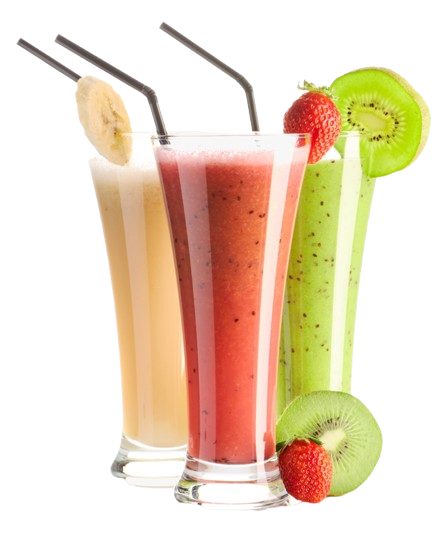
Get a Custom Report on Smoothie Nutrition Data – Contact Us!
What are the Types of Smoothies?
Smoothies vary widely in ingredients and nutritional profiles. Common types of smoothies include fruit smoothies, green smoothies, protein smoothies, and mixed variations, which are listed below:
| Type | Description | Calories (Approximate per 473ml / 16 oz serving) | Calorie Qualifications |
|---|---|---|---|
|
Fruit Smoothie
|
Made with fruits, blended with juice, water, milk, or yogurt. | 300-500+ | Moderate to high calorie content, mainly from natural fruit sugars. Added juices or sweetened bases increase calories and sugar significantly. |
|
Green Smoothie
|
Features leafy green vegetables (spinach, kale) often blended with some fruit for sweetness, and a liquid base. | 200-400 | Lower in calories and sugar than fruit smoothies. High in fiber and micronutrients. Calories increase with more fruit or fatty additions (avocado, seeds). |
|
Vegetable Smoothie
|
Based on non-leafy vegetables like carrots, beets, cucumber, celery, often with minimal fruit. | 200-350 | Low to moderate calorie content. Lower in sugar, higher in fiber. Can be savory or slightly sweet depending on ingredients. |
|
Protein Smoothie
|
Designed to be high in protein, using protein powder, Greek yogurt, cottage cheese, or tofu, plus fruits/veg. | 250-500+ | Calorie content varies widely based on protein source, base liquid, and additions (fruits, fats). Can be low or high calorie. |
|
Mixed Fruit & Veggie
|
A balance of fruits and vegetables, aiming for nutrient density and moderate sweetness. | 250-450 | Moderate calorie content, balancing sugars from fruit with fiber and nutrients from vegetables. A good middle-ground option. |
|
Dessert/Indulgent Smoothie
|
Often includes ingredients like ice cream, chocolate syrup, peanut butter, full-fat milk/cream. | 450-800+ | High calorie content due to added sugars, fats, and rich ingredients. More akin to a milkshake or dessert than a healthy food. |
What are the Desserts with Smoothies?
The desserts that contain smoothie elements or are smoothie-based are listed below:
| Dish Name | Calories (Estimate) | Type of Smoothie/Key Ingredients | Carbs (g) | Sugar (g) | Protein (g) | Fat (g) | Cuisine | Restaurants |
|---|---|---|---|---|---|---|---|---|
|
Dessert Smoothie Bowl
|
450-700+ | Fruit-heavy base (Banana, Mango), Acai; Toppings: Chocolate, Granola, Nut Butter, Honey | 70-120+ | 40-80+ | 5-15 | 15-35+ | American / Health Food | Playa Bowls, Vitality Bowls, Everbowl (customizable) |
|
Smoothie Parfait
|
300-500 | Layered thick smoothie (Berry/Fruit), Yogurt, Granola, Fruit Preserves | 50-80 | 30-50 | 8-15 | 5-20 | American Cafe / Casual | Panera Bread (seasonal), local cafes, diners |
|
Frozen Smoothie Pop
|
100-250 | Blended Fruit (Berry, Tropical), sometimes Yogurt or Juice base | 20-45 | 15-35 | 1-5 | 0-8 | American / Health Food | Specialty popsicle shops, some juice bars, often homemade |
|
Indulgent Smoothie Blend
|
450-800+ | Fruit base + Ice Cream, Chocolate/Caramel Sauce, Cookies, Candy | 70-130+ | 50-100+ | 5-15 | 15-40+ | American / Fast Food | Jamba (some blends), Cold Stone Creamery, Sonic Drive-In, Dairy Queen (similar) |
What are the Main Dishes with Smoothies?
The main dishes that feature smoothies prominently or use them as a base are listed below:
| Dish Name | Calories (Estimate) | Type of Smoothie/Key Ingredients | Carbs (g) | Sugar (g) | Protein (g) | Fat (g) | Cuisine | Restaurants |
|---|---|---|---|---|---|---|---|---|
|
Smoothie Bowl (Meal Replacement)
|
350-600+ | Acai, Pitaya, Green (Spinach/Kale), Fruit base; Toppings: Granola, Fruit, Seeds, Nuts | 50-100+ | 25-60 | 5-20+ | 10-30+ | Health Food / Cafe / Bowl-Focused | Smoothie King, Tropical Smoothie Cafe, Playa Bowls, Vitality Bowls, Everbowl |
|
Large Meal Replacement Smoothie
|
300-600 | Balanced Fruit/Veggie blend + Protein Powder, Greek Yogurt, Seeds, Nut Butter | 40-80 | 20-50 | 20-40+ | 8-25 | Health Food / Juice Bar | Smoothie King (Meal Blends), Jamba (Protein Smoothies), custom orders at juice bars |
|
Smoothie (Beverage with Meal)
|
200-500 | Fruit-based (Berry, Tropical), sometimes Green options | 40-90 | 30-70 | 1-10 | 0-10 | American Cafe / Fast Casual | Panera Bread, Au Bon Pain, Atlanta Bread Company, numerous local cafes & delis |
What Cuisines Prefer Smoothies the Most?
Smoothies are most prevalent in modern Health Food culture and American Cafe settings, that use fresh ingredients, as shown below:
| Cuisine | Dish | Types of Smoothie | Calories (Estimate) | Restaurant(s) |
|---|---|---|---|---|
|
Health Food / Juice Bar
|
Smoothie (Beverage) | Fruit-based (Strawberry Banana, Tropical), Green (Spinach/Kale based), Protein-enhanced, Vegetable blends | 250-600+ (per serving) | Smoothie King, Jamba, Tropical Smoothie Cafe, Nekter Juice Bar, local juice bars |
|
Health Food / Juice Bar
|
Smoothie Bowl | Acai base, Pitaya base, Green base, Coconut base, Fruit base; extensive toppings | 350-700+ (per bowl) | Playa Bowls, Vitality Bowls, Everbowl, Smoothie King, Tropical Smoothie Cafe |
|
American Cafe / Fast Casual
|
Fruit Smoothie (Beverage accompaniment) | Mixed Berry, Strawberry Banana, Mango, Peach, sometimes Green options | 250-500 (per serving) | Panera Bread, Au Bon Pain, Atlanta Bread Company, numerous local cafes & delis |
|
American Cafe / Fast Casual
|
Blended Coffee/Cream Drinks (Similar Concept) | Coffee, Mocha, Caramel, Vanilla bases blended with ice, milk, sweeteners, whipped cream | 300-600+ (per serving) | Starbucks (Frappuccinos), Dunkin' (Frozen Coffee), Caribou Coffee, local coffee shops |
Which Countries Produce the Most Smoothies?
The countries that produce the most commonly used fruits in making smoothies are China, India, Brazil, Turkey, and Mexico. The table below lists the top 10 fruit producing countries/regions based on data for the year 2020 from the Food and Agriculture Organization Corporate Statistical Database (FAOSTAT).
| Rank | Country/Region | Fruit production (tonnes) |
|---|---|---|
| 1 | People's Republic of China | 242,793,824 |
| 2 | India | 105,971,127 |
| 3 | Brazil | 39,758,842 |
| 4 | Turkey | 24,153,128 |
| 5 | Mexico | 23,837,562 |
| 6 | United States | 23,747,765 |
| 7 | Indonesia | 22,743,965 |
| 8 | Spain | 19,471,070 |
| 9 | Iran | 18,963,596 |
| 10 | Italy | 17,827,510 |
Which Countries Consume the Most Smoothies?
Countries with large populations and high overall fruit consumption such as China, India, the United States, Brazil, and the EU have the highest smoothie consumption potential. This table reflects the overall scale of fruit consumption from 2004 to 2021 in 1000 tonnes:
| Country/Region | 2004 | 2005 | 2006 | 2007 | 2008 | 2009 | 2010 | 2011 | 2012 | 2013 | 2014 | 2015 | 2016 | 2017 | 2018 | 2019 | 2020 | 2021 |
|---|---|---|---|---|---|---|---|---|---|---|---|---|---|---|---|---|---|---|
| China | 135,000 | 140,000 | 145,000 | 150,000 | 155,000 | 160,000 | 165,000 | 170,000 | 175,000 | 180,000 | 185,000 | 190,000 | 195,000 | 200,000 | 205,000 | 210,000 | 215,000 | 220,000 |
| India | 55,000 | 58,000 | 61,000 | 64,000 | 67,000 | 70,000 | 73,000 | 76,000 | 79,000 | 82,000 | 85,000 | 88,000 | 91,000 | 94,000 | 97,000 | 100,000 | 103,000 | 106,000 |
| USA | 32,000 | 32,500 | 33,000 | 33,500 | 33,800 | 34,000 | 34,200 | 34,500 | 34,800 | 35,000 | 35,200 | 35,500 | 35,800 | 36,000 | 36,200 | 36,500 | 36,800 | 37,000 |
| Brazil | 25,000 | 26,000 | 27,000 | 28,000 | 29,000 | 30,000 | 31,000 | 32,000 | 33,000 | 34,000 | 35,000 | 35,500 | 36,000 | 36,500 | 37,000 | 37,500 | 38,000 | 38,500 |
| EU-27 (from 2020) | 40,000 | 40,500 | 41,000 | 41,500 | 42,000 | 42,500 | 43,000 | 43,500 | 44,000 | 44,500 | 45,000 | 45,500 | 46,000 | 46,500 | 47,000 | 47,500 | 48,000 | 48,500 |
| Indonesia | 12,000 | 12,500 | 13,000 | 13,500 | 14,000 | 14,500 | 15,000 | 15,500 | 16,000 | 16,500 | 17,000 | 17,500 | 18,000 | 18,500 | 19,000 | 19,500 | 20,000 | 20,500 |
| Mexico | 10,000 | 10,500 | 11,000 | 11,500 | 12,000 | 12,500 | 13,000 | 13,500 | 14,000 | 14,500 | 15,000 | 15,500 | 16,000 | 16,500 | 17,000 | 17,500 | 18,000 | 18,500 |
| Russian Federation | 8,000 | 8,200 | 8,400 | 8,600 | 8,800 | 9,000 | 9,200 | 9,400 | 9,600 | 9,800 | 10,000 | 10,200 | 10,400 | 10,600 | 10,800 | 11,000 | 11,200 | 11,400 |
| Turkey | 7,000 | 7,300 | 7,600 | 7,900 | 8,200 | 8,500 | 8,800 | 9,100 | 9,400 | 9,700 | 10,000 | 10,300 | 10,600 | 10,900 | 11,200 | 11,500 | 11,800 | 12,100 |
| Egypt | 6,000 | 6,300 | 6,600 | 6,900 | 7,200 | 7,500 | 7,800 | 8,100 | 8,400 | 8,700 | 9,000 | 9,300 | 9,600 | 9,900 | 10,200 | 10,500 | 10,800 | 11,100 |
How Do Prices of Smoothie-including Dishes Change?
The rising cost of ingredients and operations has led to price increases for smoothies and smoothie bowls at major restaurant chains over the years. Below is a comparison showing estimated price changes for popular items:
| Restaurant | Dish | Old Price | Current Price (2025) |
|---|---|---|---|
| Smoothie King | Angel Food® Smoothie (20oz) | ~$4.29 (2010) | $6.79 - $7.59 |
| Smoothie King | Acai Adventure® Bowl | ~$7.49 (2018) | $10.49 - $11.99 |
| Tropical Smoothie Cafe | Jetty Punch™ Smoothie (24oz) | ~$4.49 (2012) | $6.77 - $7.79 |
| Panera Bread | Strawberry Smoothie (16oz) | ~$3.79 (2010) | $5.89 - $6.49 |
How Does the Price of Smoothie Change for the Last 20 Years?
The price of smoothies has increased over the last two decades, influenced by the cost of ingredients like fruits, vegetables, dairy, and protein powders, rent for retail locations, and energy prices. The growing popularity of smoothies, particularly those marketed as health or functional foods with premium ingredients (like organic produce, superfoods, high-quality protein), has allowed for premium pricing strategies. A basic fruit smoothie that have cost $3.00 to $4.00 in the mid 2000s are now priced between $5 to $7 today. Prices tend to be highest in major metropolitan areas with higher operating costs and in markets where premium/organic ingredients are emphasized. Lower prices might be found in less urban areas or for simpler, pre-packaged retail options.
| Year | Price |
|---|---|
| 2005 | $3.5 |
| 2006 | $3.6 |
| 2007 | $3.75 |
| 2008 | $3.9 |
| 2009 | $4 |
| 2010 | $4.2 |
| 2011 | $4.35 |
| 2012 | $4.5 |
| 2013 | $4.65 |
| 2014 | $4.8 |
| 2015 | $4.9 |
| 2016 | $5 |
| 2017 | $5.1 |
| 2018 | $5.2 |
| 2019 | $5.35 |
| 2020 | $5.5 |
| 2021 | $5.7 |
| 2022 | $6 |
| 2023 | $6.2 |
| 2024 | $6.4 |
What is the Smoothie Calorie for 100 ml?
A fruit smoothie contains 82 calories per 100 ml. A vegetable smoothie contains 53 calories per 100 ml. A combination fruit and vegetable smoothie contains 66 calories per 100 ml.
What are the Health Benefits of Smoothies?
Smoothies offer health advantages, stemming from the fruit and vegetable content, as shown below:
- Increased Nutrient Intake: Smoothies provide a convenient method to consume more vitamins, minerals, antioxidants, and phytonutrients found abundantly in fruits and vegetables, supporting overall health and immune function.
- Contribution to Fruit/Vegetable Goals: Smoothies, demonstrating the benefits of fruit smoothies and vegetable blends, help individuals meet recommended daily servings of fruits and vegetables, which is linked to better health outcomes. Research supports this connection; a study by Wang et al. (2014), titled "Fruit and vegetable consumption and mortality from all causes, cardiovascular disease, and cancer: systematic review and dose-response meta-analysis of prospective cohort studies," published in the BMJ, found higher fruit and vegetable intake significantly lowers the risk of all-cause mortality and chronic diseases like cardiovascular disease.
- Hydration: The liquid base and high water content of fruits and vegetables in smoothies contribute to daily fluid intake, aiding hydration.
- Potential Chronic Disease Risk Reduction: Regular consumption of the nutrients found in fruit and vegetable smoothies may contribute to a reduced risk of developing certain chronic diseases, as suggested by the link between high fruit/vegetable intake and lower mortality rates (Wang et al., 2014).
What are the Downsides of Smoothie?
Smoothies also have potential drawbacks to consider, listed below:
- High Sugar Content: Many smoothies, especially fruit-heavy ones or those with added juices, sweeteners (honey, syrups), or sweetened yogurts, can contain large amounts of sugar, which can contribute to exceeding daily sugar limits and may lead to rapid blood sugar spikes.
- High Calorie Density: Depending on ingredients like full-fat dairy, nut butters, seeds, avocado, or large portion sizes, smoothies can become very calorie-dense, potentially contributing excess calories if not accounted for within a daily energy budget. Research links high intake of sugary, high-calorie beverages to weight gain (Malik et al., 2010. "Intake of sugar-sweetened beverages and weight gain: a systematic review." The American Journal of Clinical Nutrition).
- Reduced Fiber Integrity: The blending process breaks down some of the natural fiber structure found in whole fruits and vegetables, which might slightly reduce satiety signals compared to eating the ingredients whole.
- Potential for Nutrient Imbalance: Relying too heavily on smoothies, particularly specific types, might lead to an imbalance in macronutrients (e.g., too much sugar, not enough protein or healthy fat) or displace other important whole foods in the diet. As an alternative, prioritize whole fruits and vegetables. When consuming smoothies, focus on balanced recipes with greens, protein, and healthy fats, limiting added sugars according to guidelines (e.g., AHA suggests no more than 24g added sugar/day for women, 36g for men).
Are Smoothies Good for You?
Yes, smoothies are good for one’s health when prepared thoughtfully, as they offer a convenient way to consume nutrient-dense fruits and vegetables. Smoothies contribute positively to overall health by boosting intake of essential vitamins, minerals, and antioxidants, which supports immune function and cellular health. Smoothies can enhance digestive health when they retain fiber from whole fruits and vegetables or include additions like chia seeds or flax seeds. Certain ingredients, like berries rich in flavonoids or leafy greens high in nitrates, can contribute to heart health and potentially support brain health and cognitive function. For instance, a study by Poole et al. (2019), "Consumption of flavonoid-rich berries and risk of mortality in women: the Nurses' Health Study," published in The American Journal of Clinical Nutrition, suggests long-term intake of flavonoid-rich foods like berries is associated with lower mortality risk. Smoothies also aid hydration and can be customized to include protein and healthy fats for better blood sugar control and satiety, making them a versatile part of a balanced diet when portion sizes and ingredients, especially added sugars, are managed carefully.
Are Smoothies Good for Weight Loss?
Yes, smoothies are good for weight loss when integrated into an overall calorie-controlled eating plan, leveraging the nutrient density found in their core fruit and vegetable ingredients which contribute to overall health (Wang et al., 2014). Healthy smoothies for weight loss are effective when used as high-protein and high-fiber meal replacements, as research indicates protein enrichment in meal replacements can enhance weight reduction (Treyzon et al., 2008). This approach promotes fullness and helps manage calorie intake. However, it's crucial to distinguish these from many common smoothies; those high in added sugars or excessive fruit sugars can hinder weight loss efforts, mirroring the negative impact of other sugar-sweetened beverages on weight gain (Malik et al., 2010). Smoothies good for weight loss are those that prioritize vegetables, protein, and fiber over excess sugar and fat.
How Many Smoothies Should I Consume a Day?
One medium sized serving of smoothie is generally safe for most people. The Dietary Guidelines for Americans recommends adults consume 1.5-2 cup-equivalents of fruits and 2-3 cup-equivalents of vegetables daily, and while a smoothie can contribute to these servings, health organizations emphasize the importance of whole foods. Relying solely on smoothies may lead to excessive sugar intake or insufficient fiber compared to eating whole produce. Consuming one well-balanced smoothie alongside a diet rich in whole foods is generally considered a healthy approach.
How Many Smoothies Can I Consume a Day at Most?
Limiting smoothie consumption to one or sometimes two well-balanced servings per day is a sensible guideline to maximize benefits while minimizing potential downsides and ensuring a varied diet. Consuming multiple smoothies, especially if they are large or contain added sugars can easily lead to exceeding daily recommendations for sugar and overall calories, contributing to weight gain, blood sugar fluctuations, and displacing other nutrient-dense whole foods in the diet.
How Do the Calories Change According to Smoothie Types?
Smoothie calorie content depends on the type and specific ingredients used, ranging from under 200 to over 800 calories per serving. The primary factors influencing calories are the base liquid (water vs. juice vs. milk/yogurt), the ratio of fruits to vegetables, and the inclusion of calorie-dense additions like fats (avocado, nuts, seeds, nut butters), proteins (powders, dairy), and sweeteners (honey, syrup, sugar). Vegetable and green smoothies tend to have the lowest calorie counts, often between 200-350 calories for a medium serving, due to their high water and fiber content and lower sugar levels. Fruit smoothies are typically higher, ranging from 300-500+ calories from natural sugars. The highest calorie smoothies are usually dessert-style or indulgent smoothies, which can exceed 600-800 calories due to added fats and sugars, and protein smoothies that include significant amounts of fruit, fats, or sweetened protein powders.
What is the Origin of Smoothies?
The origin of the smoothie traces back to blended fruit drinks enjoyed in different Mediterranean and Latin American cultures for centuries. But the modern concept surged with technological and cultural shifts in the 20th century. The invention and popularization of the electric blender in the 1920s and 1930s made pureeing fruits and vegetables accessible in homes and businesses. Health food stores on the West Coast of the United States began selling blended fruit drinks in the 1930s and 40s. The term "smoothie" itself gained traction in the mid-1960s, associated with the burgeoning health food movement and hippie culture that favored natural, unprocessed foods. Steve Kuhnau, founder of Smoothie King, reportedly began experimenting with blended fruit drinks in the late 1960s to address health issues and allergies, popularizing the term and concept when he founded his company in 1973. Through the 1980s and 1990s, smoothie shops like Smoothie King and Jamba Juice (founded in 1990 as Juice Club) expanded rapidly. The concept evolved further with the rise of green smoothies (adding vegetables like spinach and kale) in the 2000s and the subsequent trend of smoothie bowls.
Explore More Beverages
Discover more Beverages with detailed nutrition facts, calorie counts, vitamins, minerals, and health benefits. Compare similar foods, serving sizes, macronutrients, and key nutrients to find the best option for your diet and nutrition goals.
 Almond Milk calories
 Aloe Vera Juice calories
 Americano calories
 Apple Cider calories
 Apple Juice calories
 Apricot Juice calories
 Aronia Juice calories
 Avocado Shake calories
 Banana Juice calories
 Baobab Juice calories
 Barley Tea calories
 Beer calories