Calories and Nutritions in Tangerine Juice
Tangerine juice is a citrus-based beverage featuring a sweet and tangy flavor profile, heavily utilized in global breakfast cuisines and marinades. The drink provides 45 calories per 100 ml serving of tangerine juice, while a 1 cup (240 ml) glass yields 106 calories. Grocery store labels list specific caloric figures; an 8 fl oz serving of Trader Joe's Tangerine Juice provides 110 calories, and an 8 fl oz glass of Juicy Juice Orange Tangerine supplies 120 calories. A 100 ml volume delivers 10 g of carbohydrates (4% RDA), 0.5 g of protein (1% RDA), 9.8 g of sugars, and 0.2 g of fat (0% RDA). Brimming with Vitamin C at 32 mg (35% RDA) and potassium at 180 mg (4% RDA), the liquid offers clear nutritional value, though the simple sugars require mindful dietary planning. A study on the health benefits of citrus juices by O'Neil et al. (2012), "100% citrus juice: nutritional contribution, dietary benefits, and association with anthropometric measures," demonstrates that while citrus liquids provide cellular-supporting antioxidants, the added metabolic load from concentrated natural sugars in beverage variations must be balanced within daily caloric limits.
The different types of tangerine juice available in the market include 100% Tangerine Juice, Tangerine Juice Cocktail, and Sparkling Tangerine Juice. Due to its vibrant color and acidic bite, it functions prominently in commercial restaurant kitchens and upscale dining, including the Duck Breast with Tangerine Gastrique at Le Coucou and the Tangerine Tart at Tartine Bakery. Acknowledging its culinary versatility, beverage companies ensure steady availability in supermarket juice sections, enabling customers to buy pure or blended formulations from major labels.
The use of tangerine juice as a commercial beverage originates from Southeast Asia and China, where early agrarian societies cultivated the mandarin family of fruits, which later traveled through North Africa before evolving into the pasteurized liquids distributed globally today. Agricultural tracking organizations monitor the core fruit ingredient, classifying it within the tangerines and mandarins industry led by China, which yielded 23,000 kt in 2026. The global food supply records indicate heavy consumption of these citrus fruits across China and the United States. The average retail cost for a 32 oz bottle of tangerine juice has grown from $3.50 USD in 2007 to $9.00 USD in 2026.
Nutritionists recommend drinking tangerine juice with strict portion control. Having a medium 240 ml (1 cup) glass adds 106 calories to a daily meal plan. An individual can burn this energy by engaging in 10 minutes of swimming at a steady pace for an average sized woman or 8 minutes of moderate bicycling for an average sized man.
Tangerine Juice nutrition
| Stats | Weight |
|---|---|
| Carbs | 24.5 grams |
| Protein | 1.3 grams |
| Fats | 0 grams |
| Sugars | 24 grams |
- Large Tangerine Juice Calories (Nutritional Facts)
- Medium Tangerine Juice Calories (Nutritional Facts)
- Small Tangerine Juice Calories (Nutritional Facts)
- Raw Tangerine Juice Nutrition
- Sodium in Tangerine Juice
- Potassium in Tangerine Juice
- Sugar in Tangerine Juice
- Fiber in Tangerine Juice
- Protein in Tangerine Juice
- Carbs in Tangerine Juice
- Fat in Tangerine Juice
- Vitamins in Tangerine Juice
- Minerals in Tangerine Juice
Large Tangerine Juice Calories (Nutritional Facts)
Tangerine juice contains 212 calories when poured into a large 480 ml (2 cups) glass. This 480 ml (2 cups) volume provides 1 g of total fat, 2.6 g of protein, 49 g of carbohydrates, and 48 g of sugar. A large 480 ml (2 cups) portion of sweetened tangerine juice cocktail holds 270 calories because producers blend in refined cane sugar to enhance the sweet profile of the fruit.
Tangerine juice yields 106 calories in a medium 240 ml (1 cup) serving. This 240 ml (1 cup) amount delivers 0.5 g of total fat, 1.3 g of protein, 24.5 g of carbohydrates, and 24 g of sugar. A 240 ml (1 cup) serving of sparkling tangerine juice contains 85 calories due to the physical volume occupied by carbonated water.
Tangerine juice offers 45 calories inside a small 100 ml serving. This 100 ml volume consists of 0.2 g of total fat, 0.5 g of protein, 10 g of carbohydrates, and 9.8 g of sugar.
Tangerine juice provides 45 calories, 0.2 g of total fat, 0.5 g of protein, 10 g of total carbohydrates, and 0.2 g of dietary fiber per 100 ml of the raw liquid. The nutritional composition of this pressed citrus beverage relies heavily on natural fruit sugars, Vitamin C, and beta-carotene, supplying essential daily vitamins with very minimal fat.
Tangerine juice holds 1 mg of sodium per 100 ml serving, which accounts for 0% of the Daily Value (DV). This low sodium presence makes the drink highly suitable for blood pressure management diets.
Tangerine juice provides 180 mg of potassium per 100 ml serving, meeting 4% of the DV. This mineral transfers directly from the pressed citrus fruit and assists in proper muscle contraction and fluid balance.
Tangerine juice contains 9.8 g of sugar per one hundred milliliters. This sugar is made up of naturally occurring fructose, sucrose, and glucose from the fruit flesh, rendering commercial fruit juices as calorie focused beverages.
Tangerine juice supplies 0.2 g of dietary fiber per 100 ml serving, satisfying 0% of the DV. The industrial juicing process filters out the heavy pulp and white pith, extracting the vast majority of the natural fiber found in the whole plant.
Tangerine juice provides 0.5 g of protein per 100 ml serving.
Tangerine juice carries 10 g of total carbohydrates per 100 ml serving.
Tangerine juice contains 0.2 g of total fat per 100 ml serving.
Tangerine juice yields 32 mg of Vitamin C (35% DV) and 20 mcg of Vitamin A (2% DV) in a 100 ml serving. These vitamins support regular immune cell production and healthy cellular vision.
Tangerine juice offers 10 mg of Calcium (1% DV), 10 mg of Magnesium (2% DV), and 0.1 mg of Iron (0% DV) per 100 ml. The juice also contains trace amounts of zinc and phosphorus.
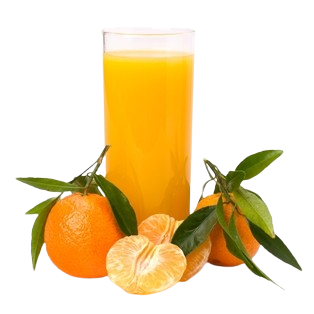
Get a Custom Report on Tangerine Juice Nutrition Data – Contact Us!
What are the Types of Tangerine Juice?
Tangerine juice buyers will encounter 4 main commercial variations on supermarket shelves, ranging from pure extractions to sparkling blends. The table below shows the common tangerine juice types and their calorie information.
| Type | Description | Calories (per 100ml) | Calorie Differences & Qualifications |
|---|---|---|---|
|
100% Tangerine Juice
|
Pure liquid pressed from fresh tangerines with no added sweeteners. | 45 | Baseline energy for the pure fruit beverage. |
|
Tangerine Juice Cocktail
|
Pure juice diluted with water and sweetened with corn syrup. | 55 | Higher calories than pure juice due to added liquid sweeteners. |
|
Tangerine Orange Blend
|
A mixture of tangerine and sweet orange juices. | 46 | Slightly altered calories depending on the specific orange cultivar used. |
|
Sparkling Tangerine Juice
|
Carbonated juice served as a chilled alternative to soda. | 35 | Lower calories due to the added volume of carbonated water. |
What are the Desserts with Tangerine Juice?
Tangerine juice acts predominantly as a sweet, citrus liquid base for blended beverages, sorbets, and dessert glazes in commercial establishments. Bakery chefs use it to impart natural sweetness and a bright orange hue to the final dish. The table below shows desserts and beverages containing tangerine juice that are served in restaurants.
| Dish Name | Calories | Type | Carbs | Sugar | Protein | Fat | Cuisine | Restaurants |
|---|---|---|---|---|---|---|---|---|
|
Tangerine Sorbet (Seasonal)
|
150 | Frozen | 35g | 31g | 0g | 0g | Contemporary | Spago |
|
Tangerine Panna Cotta
|
320 | Pudding | 34g | 28g | 5g | 18g | Italian | Osteria Mozza |
|
Tangerine Olive Oil Cake
|
380 | Cake | 44g | 25g | 5g | 21g | Mediterranean | Sofra Bakery |
|
Tangerine Tart (Seasonal)
|
410 | Pastry | 48g | 28g | 5g | 22g | French | Tartine Bakery |
|
Iced Tangerine Green Tea
|
80 | Beverage | 20g | 18g | 0g | 0g | Cafe | Peet's Coffee |
|
Tangerine Macaron
|
90 | Cookie | 12g | 10g | 2g | 4g | French | Ladurée |
What are the Main Dishes with Tangerine Juice?
Tangerine juice frequently features in savory restaurant main dishes, particularly in Asian and Mediterranean cuisines where the sweet liquid balances savory spices. Chefs reduce the juice into thick glazes for pork, duck, and chicken or mix it into vinaigrettes. The table below lists the main dishes containing tangerine juice reductions.
| Dish Name | Calories | Type | Carbs | Sugar | Protein | Fat | Cuisine | Restaurants |
|---|---|---|---|---|---|---|---|---|
|
Duck Breast with Tangerine Gastrique
|
640 | Poultry | 18g | 12g | 42g | 45g | French | Le Coucou |
|
Scallop Ceviche with Tangerine (Seasonal)
|
210 | Seafood | 10g | 6g | 24g | 8g | Contemporary | Providence |
|
Pork Tenderloin with Tangerine Glaze
|
590 | Meat | 22g | 14g | 48g | 34g | Farm-to-Table | Blue Hill |
|
Tangerine Glazed Salmon
|
480 | Seafood | 15g | 11g | 42g | 28g | American | The Capital Grille |
|
Chicken Salad with Tangerine Vinaigrette
|
340 | Salad | 22g | 14g | 8g | 24g | Modern | Sweetgreen |
What Cuisines Prefer Tangerine Juice the Most?
Tangerine juice is a preferred ingredient in French, Chinese, and Modern American food cultures for crafting meat marinades, cocktails, and dessert glazes. In Chinese cuisine, tangerine peels and juice are historically used to flavor roasted poultry dishes. French pastry chefs utilize the juice to create sweet glazes for fresh fruit tarts. The table below outlines the cuisines and dishes.
| Cuisine | Dish Name | Calories | Restaurants |
|---|---|---|---|
|
French
|
Duck Breast with Tangerine Gastrique | 640 | Le Coucou |
|
Italian
|
Tangerine Panna Cotta | 320 | Osteria Mozza |
|
Contemporary
|
Scallop Ceviche with Tangerine (Seasonal) | 210 | Providence |
|
Farm-to-Table
|
Pork Tenderloin with Tangerine Glaze | 590 | Blue Hill |
|
Modern
|
Chicken Salad with Tangerine Vinaigrette | 340 | Sweetgreen |
Which Countries Produce the Most Tangerine Juices?
Tangerine juice comes from the tangerine and mandarin crop, which is produced mostly by China, Spain, Turkey, Morocco, and Egypt. In 2026, China yielded 23,000.00 kilotonnes of tangerines and mandarins based on international agricultural data. Since tangerine juice is a manufactured beverage, international food organizations record the harvest volume of the core fruit crop. The table below displays tangerine and mandarin production volumes over the last 20 years in kilotonnes.
| Country | 2007 | 2008 | 2009 | 2010 | 2011 | 2012 | 2013 | 2014 | 2015 | 2016 | 2017 | 2018 | 2019 | 2020 | 2021 | 2022 | 2023 | 2024 | 2025 | 2026 |
|---|---|---|---|---|---|---|---|---|---|---|---|---|---|---|---|---|---|---|---|---|
| China | 12000 | 12500 | 13500 | 14500 | 15500 | 16500 | 17000 | 18000 | 18500 | 19000 | 19500 | 20000 | 20500 | 21000 | 21500 | 22000 | 22200 | 22500 | 22800 | 23000 |
| Spain | 1800 | 1850 | 1900 | 1950 | 1900 | 1850 | 2000 | 1950 | 2050 | 2100 | 1950 | 2150 | 2000 | 2050 | 2100 | 1950 | 2000 | 2050 | 2080 | 2100 |
| Turkey | 700 | 750 | 800 | 850 | 900 | 950 | 1000 | 1050 | 1100 | 1200 | 1300 | 1400 | 1450 | 1500 | 1550 | 1600 | 1650 | 1700 | 1750 | 1800 |
| Morocco | 500 | 550 | 600 | 650 | 700 | 750 | 800 | 850 | 900 | 950 | 1000 | 1050 | 1100 | 1150 | 1200 | 1220 | 1240 | 1260 | 1280 | 1300 |
| Egypt | 400 | 450 | 500 | 550 | 600 | 650 | 700 | 750 | 800 | 850 | 900 | 950 | 980 | 1000 | 1020 | 1040 | 1060 | 1080 | 1090 | 1100 |
Which Countries Consume the Most Tangerine Juices?
Tangerine juices and the raw fruit required to make them are consumed heavily in China, the United States, Turkey, Spain, and Germany. The dietary integration of citrus beverages and fresh peeled fruits remains prevalent in these nations, with North America maintaining a high intake due to the commercial juice industry. The table below represents the food supply of tangerines and mandarins for these nations based on international tracking.
| Country | 2007 | 2008 | 2009 | 2010 | 2011 | 2012 | 2013 | 2014 | 2015 | 2016 | 2017 | 2018 | 2019 | 2020 | 2021 | 2022 | 2023 | 2024 | 2025 | 2026 |
|---|---|---|---|---|---|---|---|---|---|---|---|---|---|---|---|---|---|---|---|---|
| China | 11500 | 12000 | 13000 | 14000 | 15000 | 16000 | 16500 | 17500 | 18000 | 18500 | 19000 | 19500 | 20000 | 20500 | 21000 | 21500 | 21800 | 22000 | 22400 | 22800 |
| USA | 600 | 650 | 700 | 750 | 800 | 850 | 900 | 950 | 1000 | 1050 | 1100 | 1150 | 1200 | 1250 | 1300 | 1350 | 1380 | 1400 | 1420 | 1450 |
| Turkey | 550 | 600 | 650 | 700 | 750 | 800 | 850 | 900 | 950 | 1000 | 1100 | 1150 | 1200 | 1250 | 1300 | 1350 | 1400 | 1450 | 1500 | 1550 |
| Spain | 500 | 520 | 540 | 560 | 580 | 600 | 620 | 640 | 660 | 680 | 700 | 720 | 740 | 760 | 780 | 800 | 820 | 840 | 860 | 880 |
| Germany | 300 | 320 | 340 | 360 | 380 | 400 | 420 | 440 | 460 | 480 | 500 | 520 | 540 | 560 | 580 | 600 | 620 | 640 | 660 | 680 |
How Do Prices of Tangerine Juice-including Dishes Change?
Tangerine juice beverages and dishes have grown in price to reflect increasing labor, real estate, and citrus processing expenses in the hospitality sector. The table below compares historical price ranges from 2015 to 2017 to current 2025 to 2026 estimates in USD.
| Restaurant | Dish Name | Old Price Range (2015-17) | Current Price Range (2025-26) |
|---|---|---|---|
| Le Coucou | Duck Breast with Tangerine Gastrique | $38.00 to $45.00 | $58.00 to $68.00 |
| Catch | Scallop Crudo with Tangerine (Seasonal) | $18.00 to $22.00 | $26.00 to $34.00 |
| Spago | Tangerine Sorbet (Seasonal) | $10.00 to $12.00 | $15.00 to $18.00 |
| Sweetgreen | Chicken Salad with Tangerine Vinaigrette (Seasonal) | $10.00 to $12.00 | $14.00 to $17.50 |
| Tartine Bakery | Tangerine Tart (Seasonal) | $6.50 to $8.00 | $9.50 to $13.00 |
What is the Tangerine Juice Calorie for 100 Grams?
Tangerine juice contains 45 calories per one hundred grams.
What is the Tangerine Juice Calorie for 1 KG?
Tangerine juice provides 450 calories in one kilogram (1,000 g).
What is the Calorie of 1 Tangerine Juice?
Tangerine juice specific retail products vary, with an 8 fl oz bottle of Trader Joe's or Natalie's Orchid Island Tangerine Juice providing 110 calories. An 8 fl oz serving of Juicy Juice Orange Tangerine contains 120 calories. A 6 fl oz serving of Califia Farms California Tangerine offers 83 calories.
What are the Health Benefits of Tangerine Juice?
Tangerine juice delivers physiological benefits, such as aiding hydration and providing beneficial antioxidants. This bright orange beverage is a recognized pantry staple in North American and Asian households. A list of the health benefits of tangerine juice are shown below.
- Provides Cellular Protection: The juice contains flavonoids that defend tissues from oxidative stress.
- Supports Cardiovascular Health: The natural potassium aids in balancing bodily sodium, which manages steady blood pressure.
- Stimulates Immune Activity: The high Vitamin C content supports the generation of white blood cells.
- Delivers Rapid Energy: Simple carbohydrates from the natural fruit sugars transfer glucose quickly into the bloodstream.
- Contributes to Hydration: The water volume assists individuals in meeting their daily fluid requirements.
- Maintains Skin Structure: Vitamin C facilitates collagen synthesis, supporting dermal tissue integrity.
What are the Downsides of Tangerine Juice?
Tangerine juice can trigger certain physiological drawbacks, specifically rapid blood sugar elevation and dental erosion due to its acidic profile. A list of the downsides of tangerine juice are shown below.
- Elevates Blood Sugar: The removal of dietary fiber causes rapid fructose absorption, triggering sharp insulin releases.
- Contributes to Weight Gain: Drinking liquid calories bypasses the fullness signals normally activated by eating whole fruit, leading to caloric surpluses over time.
- Promotes Dental Decay: Natural fruit acids and sugars weaken tooth enamel and provide food for oral bacteria.
- Induces Heartburn: The citric acid concentration causes acid reflux or gastrointestinal irritation in sensitive individuals.
Are Tangerine Juices Good for You?
Yes, tangerine juices are a beneficial beverage when managed with strict portion control, providing hydration and plant vitamins in a 100 ml serving. Healthy individuals should limit intake to 120 ml (1/2 cup) daily to secure the antioxidant properties of the fruit without taking in excess simple sugars. A study by O'Neil et al. (2012), "100% citrus juice: nutritional contribution, dietary benefits, and association with anthropometric measures," notes that the bioactive compounds in citrus liquids provide measurable metabolic and cellular support. It is a sweet, functional drink that demands portion control.
How Do Calories Change According to Tangerine Juice Types?
Tangerine juice energy values fluctuate based on the specific water dilution, fruit blending, and added sweeteners. Standard 100% Tangerine Juice contains 45 calories per 100 ml. If the product is a Tangerine Juice Cocktail, the energy rises to 55 calories per 100 ml because producers blend in cane sugar or corn syrup to adjust the flavor profile. A Tangerine Orange Blend yields 46 calories per 100 ml since orange juice carries a very similar carbohydrate density. When carbonated water is injected to produce Sparkling Tangerine Juice, the value decreases to 35 calories per 100 ml because the gas takes up physical space in the liquid.
What is the Origin of Tangerine Juice?
Tangerine juice finds its earliest agricultural origins in Southeast Asia and China, where early agrarian societies cultivated the mandarin family of fruits. The fruit traveled along trade routes to North Africa, specifically the port city of Tangier in Morocco, from which the "tangerine" derives its Western name. The fruit eventually reached Europe and the Americas. As mechanical pressing and pasteurization improved during the 20th century, the beverage evolved into a shelf-stable commercial nectar valued for its rich orange color and distinctive sweet flavor.
Explore More Beverages
Discover more Beverages with detailed nutrition facts, calorie counts, vitamins, minerals, and health benefits. Compare similar foods, serving sizes, macronutrients, and key nutrients to find the best option for your diet and nutrition goals.
 Almond Milk calories
 Aloe Vera Juice calories
 Americano calories
 Apple Cider calories
 Apple Juice calories
 Apricot Juice calories
 Aronia Juice calories
 Avocado Shake calories
 Banana Juice calories
 Baobab Juice calories
 Barley Tea calories
 Beer calories