Calories and Nutritions in Thai Tea
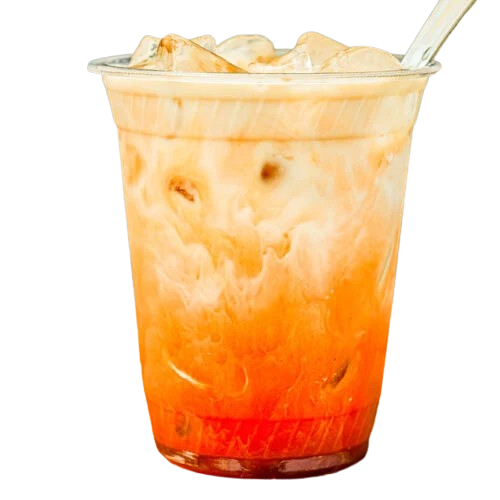
Thai tea, known as Cha Yen, is a sweet and creamy beverage made from strongly brewed black tea, spices, sugar, and milk. There are 154 Thai tea calories in a standard 8 fl oz (240 mL) serving while a medium 16 fl oz (473 mL) serving has 308 calories. The calories in Thai iced tea come almost entirely from sugar and fat, with a 240 mL serving providing 2.8 g of fat, 1 g of protein, 31 g of carbohydrates, and a high 24 g of sugar. Although the black tea base contains antioxidants, the overall nutritional profile is dominated by its high sugar content (Gardner EJ, et al. 2007 "Black tea--helpful or harmful? A review of the evidence").
The primary types of Thai tea include the classic Thai Iced Tea (Cha Yen), modern Thai Milk Tea (often made with fresh milk), and dairy-free options like Thai Black Tea (Cha Dam Yen). Thai milk tea calories can vary; a 16 fl oz serving from 85C Bakery Cafe contains 350 calories, while a regular size from Chatime has 356 calories. Adding boba (tapioca pearls) can increase the calorie count by 100-150 calories.
Due to its high sugar content, Thai tea should be considered an indulgent treat. Health authorities recommend limiting added sugar intake to less than 50 g per day; a single medium Thai iced tea can exceed this. Burning the 308 calories from a medium 16 fl oz Thai tea requires substantial activity, such as 30 minutes of moderate jogging or 40 minutes of swimming.
Thai tea is not used in savory main dishes but has inspired numerous popular desserts. It is a common flavor for bubble tea at chains like Kung Fu Tea and Chatime. It is also used to make Thai Tea Ice Cream at artisanal shops like Salt & Straw and in modern pastries like crepe cakes at Lady M. Thai tea's origins are in Thailand, where it evolved as a sweet, creamy beverage to complement the country's spicy cuisine. The primary ingredient, black tea, is produced in countries like China and India. The price of a Thai iced tea in the US has increased over the past 20 years, rising from $1.50 to $2.50 in 2004 to as high as $6.00 by 2024.
Thai Tea nutrition
| Stats | Weight |
|---|---|
| Carbs | 62 grams |
| Protein | 2 grams |
| Fats | 0 grams |
| Sugars | 48 grams |
- Large Thai Tea Calories (Nutritional Facts)
- Medium Thai Tea Calories (Nutritional Facts)
- Small Thai Tea Calories (Nutritional Facts)
- Thai Milk Tea Calories (Nutritional Facts)
- Thai Tea Boba Calories (Nutritional Facts)
- Raw Thai Tea Nutrition
- Sodium in Thai Tea
- Potassium in Thai Tea
- Caffeine in Thai Tea
- Sugar in Thai Tea
- Fiber in Thai Tea
- Protein in Thai Tea
- Carbs in Thai Tea
- Fat in Thai Tea
- Vitamins in Thai Tea
- Minerals in Thai Tea
Large Thai Tea Calories (Nutritional Facts)
A large standard Thai tea, weighing 710 mL (24 fl oz), contains 462 calories. This serving provides 8.4 g of fat, 3 g of protein, 93 g of carbohydrates, and 72 g of sugar.
A medium standard Thai tea, weighing 473 mL (16 fl oz), contains 308 calories. This serving size includes 5.6 g of fat, 2 g of protein, 62 g of carbohydrates, and 48 g of sugar.
A small standard Thai tea, weighing 240 mL (8 fl oz), contains 154 calories. This portion offers 2.8 g of fat, 1 g of protein, 31 g of carbohydrates, and 24 g of sugar.
Thai milk tea from a brand like Chatime (regular size) contains 356 calories (1490 kJ). A 310 mL (10.5 fl oz) serving of Thai milk tea contains 189 calories, 4 g of fat, 1 g of protein, and 37 g of carbohydrates.
A 355 mL (12 fl oz) serving of Thai tea boba, also known as Thai bubble tea, contains 250-300 calories with standard sweetness and tapioca pearls. A larger 473 mL (16 fl oz) serving with boba contains 350-450 calories, with the tapioca pearls adding significant carbohydrates and calories.
"Raw Thai tea" refers to the dry tea mix before brewing. One serving of Cha Tra Mue Thai Tea Mix, used to make a 240 mL (8 fl oz) drink, contains 249 calories (1045 kJ), 0 g of fat, 0 g of protein, 50 g of carbohydrates, and 20 g of sugar, before the addition of milk or extra sweetener. The final prepared drink's nutrition is different.
A 240 mL (8 fl oz) serving of prepared Thai tea contains 65 mg of sodium, contributing 3% of the Daily Value (DV).
Thai tea is not a significant source of potassium, with a 240 mL (8 fl oz) serving providing less than 1% of the DV.
Thai tea contains caffeine from its black tea base. A 240 mL (8 fl oz) serving of Thai tea contains 30-60 mg of caffeine, though this amount varies depending on the strength of the brew.
Thai tea is very high in sugar. A standard 240 mL (8 fl oz) serving contains 24 g of sugar, primarily from sweetened condensed milk and added sugar. A larger 473 mL (16 fl oz) serving can contain 48 g of sugar or more.
A 240 mL (8 fl oz) serving of prepared Thai tea contains 1 g of dietary fiber.
A 240 mL (8 fl oz) serving of prepared Thai tea provides 1 g of protein, derived from the condensed and evaporated milk.
Thai tea is high in carbohydrates. A 240 mL (8 fl oz) serving contains 31 g of total carbohydrates, most of which is sugar. A 473 mL (16 fl oz) serving from 85C Bakery Cafe contains 70 g of carbohydrates.
A 240 mL (8 fl oz) serving of prepared Thai tea contains 2.8 g of total fat, primarily from the milk products used.
Thai tea is not a significant source of most vitamins, providing less than 2% DV for vitamins A, D, and B vitamins in a standard serving.
A 240 mL (8 fl oz) serving of prepared Thai tea provides Calcium at 6% of the DV and Iron at 2% of the DV.
Get a Custom Report on Thai Tea Nutrition Data – Contact Us!
What are the Types of Thai Tea?
There are a few different types of Thai Tea, primarily distinguished by the type of milk used and whether it's served hot or cold. The base tea is a strongly brewed, spiced black tea. The table below shows the most common Thai Tea types and their calorie information.
| Type | Description | Calories (per 16 fl oz / 473 mL) | Calorie Differences & Qualifications |
|---|---|---|---|
|
Thai Iced Tea (Cha Yen)
|
The classic version. Strong black tea mixed with sweetened condensed milk and sugar, topped with evaporated milk, served over ice. | 300-400 | This is the standard, high-calorie, high-sugar version. The calories come almost entirely from sugar and fat in the milk products. |
|
Thai Milk Tea (with fresh milk)
|
A modern variation using fresh milk (whole, low-fat) instead of condensed/evaporated milk, sweetened with sugar syrup. | 180-250 (sweetened) | Lower in calories and saturated fat than the traditional version if made with low-fat milk, but still high in added sugar. Chatime's regular size is 356 calories. |
|
Thai Black Tea (Cha Dam Yen)
|
The brewed, spiced black tea served over ice with sugar or simple syrup, but without any milk. | 80-120 | Significantly lower in calories and fat-free. Calories come only from added sugar. Unsweetened, it is nearly calorie-free. Cha Tra Mue's version is around 249 calories. |
|
Thai Lime Tea (Cha Manao)
|
The brewed black tea mixed with lime juice and sugar, served over ice. | 80-120 | Similar calories to Thai Black Tea, coming entirely from sugar. It is dairy-free and fat-free. |
|
Thai Tea Boba (Bubble Tea)
|
Any of the milk tea versions with added tapioca pearls (boba). | 350-500+ | The tapioca pearls add a significant amount of extra calories and carbohydrates (an extra 100-150 calories). This is the highest calorie option. |
What are the Desserts with Thai Tea?
Thai tea, with its unique spiced, creamy, and sweet flavor profile, has become a popular inspiration for a variety of modern desserts, moving beyond its traditional beverage form. These desserts capture the essence of Thai tea's distinctive taste. Here are several examples:
| Dish Name | Calories (Estimate per serving/piece) | Type of Dish | Carbs (g) (Estimate) | Sugar (g) (Estimate) | Protein (g) (Estimate) | Fat (g) (Estimate) | Cuisine | Restaurants |
|---|---|---|---|---|---|---|---|---|
|
Thai Tea Ice Cream/Gelato
|
200-350 (scoop) | Frozen Dessert | 25-40 | 20-35 | 3-6 | 10-20 | Modern/Artisanal | Salt & Straw, Jeni's Splendid Ice Creams, Wanderlust Creamery (LA). |
|
Thai Tea Crème Brûlée
|
300-450 | Custard | 30-45 | 25-40 | 5-8 | 15-25 | Modern Fusion | Found in some upscale Thai or Asian-fusion restaurants like Ayara Thai (LA). |
|
Thai Tea Cheesecake
|
400-600 (slice) | Baked Dessert | 40-60 | 30-50 | 6-9 | 20-35 | Modern Fusion | The Cheesecake Factory (seasonal or specialty cheesecakes). |
|
Thai Tea Macarons
|
90-120 (each) | Pastry | 12-18 | 10-16 | 1-2 | 4-7 | French/Fusion | Ladurée, Bouchon Bakery (specialty flavors). |
|
Thai Tea Crepe Cake/Mille Crêpes
|
400-600 (slice) | Dessert | 35-55 | 30-50 | 6-9 | 25-40 | Modern/French | Lady M. |
|
Thai Tea Pudding
|
200-350 (cup) | Pudding | 30-45 | 25-40 | 3-6 | 8-15 | Modern | May be found in contemporary Asian dessert cafes. |
|
Thai Tea Panna Cotta
|
250-400 | Custard | 20-35 | 18-30 | 3-5 | 15-25 | Italian/Fusion | May be featured in upscale Italian or contemporary restaurants. |
|
Thai Tea Tiramisu
|
400-600 (slice) | Dessert | 40-60 | 25-40 | 6-10 | 20-35 | Italian/Fusion | Found in some innovative Italian or Asian fusion restaurants. |
|
Thai Tea Affogato (Thai tea over ice cream)
|
180-300 | Dessert | 25-40 | 20-35 | 3-5 | 8-15 | Modern | Some artisanal coffee or tea shops. |
|
Thai Tea Flavored Bubble Tea/Boba
|
300-500+ | Beverage | 50-80+ | 40-70+ | 1-3 | 8-15 | Taiwanese/Fusion | Chatime, Kung Fu Tea, CoCo Fresh Tea & Juice, Boba Guys. |
What Cuisines Prefer Thai Tea the Most?
Thai Tea is, as its name suggests, a signature beverage of Thai cuisine. Its popularity has made it a staple in Thai restaurants worldwide and a favorite offering in the global bubble tea (boba) culture, which has Taiwanese roots but incorporates flavors from across Asia.
| Cuisine | Dish Name/Usage Examples | Calories (Varies widely by serving size and type) | Restaurants |
|---|---|---|---|
|
Thai
|
Thai Iced Tea (Cha Yen), Thai Black Tea (Cha Dam Yen), Thai Lime Tea (Cha Manao) | 80-400 | Thai Villa (NYC), Lotus of Siam (Las Vegas), Jitlada (LA), Pok Pok (historically), virtually all Thai restaurants in the US and worldwide. |
|
Taiwanese/Global Boba Culture
|
Thai Milk Tea (with boba), Thai Tea Slush | 300-500+ | Chatime, Kung Fu Tea, CoCo Fresh Tea & Juice, Boba Guys, Sharetea, Ten Ren's Tea Time. |
|
American (Fusion/Dessert)
|
Thai Tea Ice Cream, Thai Tea flavored pastries and desserts | 200-600 | Salt & Straw, Jeni's Splendid Ice Creams, The Cheesecake Factory (specialty items), Lady M. |
Which Countries Produce the Most Thai Tea?
The top producers of Thai tea's primary ingredient, black tea, globally are China, India, Kenya, Sri Lanka, and Turkey. While Thailand produces its own specific tea blends for Thai tea, the broader black tea production leaders provide the foundation for the global tea market. In 2022, China was the largest producer of black tea, while India also produced a substantial amount, based on data from FAOSTAT and the International Tea Committee. Since FAOSTAT does not track "Thai Tea" specifically, the table below shows production figures for "Tea" (covering black and green tea, with major producers listed being dominant in black tea) as the primary raw material, for key producing countries over the last two decades.
| Country | 2004 | 2005 | 2006 | 2007 | 2008 | 2009 | 2010 | 2011 | 2012 | 2013 | 2014 | 2015 | 2016 | 2017 | 2018 | 2019 | 2020 | 2021 | 2022 |
|---|---|---|---|---|---|---|---|---|---|---|---|---|---|---|---|---|---|---|---|
| China | 800 | 900 | 1,000 | 1,100 | 1,200 | 1,300 | 1,400 | 1,600 | 1,800 | 1,900 | 2,000 | 2,200 | 2,300 | 2,400 | 2,600 | 2,800 | 2,900 | 3,100 | 3,200 |
| India | 850 | 860 | 870 | 900 | 920 | 950 | 980 | 1,000 | 1,100 | 1,200 | 1,210 | 1,220 | 1,250 | 1,300 | 1,350 | 1,390 | 1,250 | 1,320 | 1,350 |
| Kenya | 300 | 310 | 320 | 350 | 340 | 310 | 390 | 450 | 430 | 440 | 450 | 430 | 470 | 440 | 490 | 460 | 500 | 520 | 530 |
| Sri Lanka | 300 | 305 | 310 | 300 | 290 | 280 | 285 | 290 | 330 | 340 | 338 | 330 | 320 | 310 | 300 | 295 | 280 | 270 | 260 |
| Turkey | 180 | 190 | 200 | 205 | 210 | 215 | 220 | 225 | 230 | 235 | 230 | 225 | 240 | 250 | 260 | 270 | 275 | 280 | 285 |
| Viet Nam | 100 | 110 | 120 | 130 | 140 | 150 | 160 | 170 | 180 | 190 | 200 | 210 | 220 | 230 | 240 | 250 | 260 | 270 | 280 |
| Indonesia | 160 | 165 | 170 | 160 | 150 | 140 | 130 | 120 | 110 | 100 | 90 | 80 | 70 | 60 | 140 | 138 | 135 | 130 | 125 |
| Argentina | 60 | 65 | 70 | 75 | 80 | 82 | 85 | 88 | 90 | 92 | 95 | 98 | 100 | 102 | 105 | 108 | 110 | 112 | 115 |
| Japan | 90 | 88 | 85 | 82 | 80 | 78 | 75 | 72 | 70 | 68 | 65 | 62 | 60 | 58 | 55 | 52 | 50 | 48 | 45 |
| Iran | 50 | 52 | 55 | 58 | 60 | 62 | 65 | 68 | 70 | 72 | 75 | 78 | 80 | 82 | 85 | 88 | 90 | 92 | 95 |
Which Countries Consume the Most Thai Tea?
Based on market data from sources like Statista and industry reports for tea consumption, the top consumers of tea (in all forms) are China, India, Turkey (highest per capita), the United Kingdom, and Russia. The consumption of Thai tea specifically is highest in Thailand and has become very popular in the United States, Canada, and many other countries with a large Thai diaspora and a thriving Asian food scene, particularly within the bubble tea market. Since FAOSTAT does not provide a specific consumption table for "Thai Tea," the table below uses "Tea" Food Supply Quantity as a broad proxy for overall tea consumption.
| Country/Region | 2012 | 2013 | 2014 | 2015 | 2016 | 2017 | 2018 | 2019 | 2020 | 2021 |
|---|---|---|---|---|---|---|---|---|---|---|
| China | 1,200 | 1,300 | 1,400 | 1,500 | 1,600 | 1,700 | 1,800 | 1,900 | 2,000 | 2,100 |
| India | 900 | 920 | 940 | 960 | 980 | 1,000 | 1,020 | 1,040 | 1,060 | 1,080 |
| Turkey | 200 | 205 | 210 | 215 | 220 | 225 | 230 | 235 | 240 | 245 |
| United Kingdom | 150 | 148 | 145 | 142 | 140 | 138 | 135 | 132 | 130 | 128 |
| Russian Federation | 180 | 175 | 170 | 165 | 160 | 155 | 150 | 145 | 140 | 135 |
| Pakistan | 130 | 135 | 140 | 145 | 150 | 155 | 160 | 165 | 170 | 175 |
| USA | 120 | 122 | 125 | 128 | 130 | 132 | 135 | 138 | 140 | 142 |
| Japan | 100 | 98 | 95 | 92 | 90 | 88 | 85 | 82 | 80 | 78 |
| Egypt | 80 | 82 | 85 | 88 | 90 | 92 | 95 | 98 | 100 | 102 |
| Iran | 70 | 72 | 75 | 78 | 80 | 82 | 85 | 88 | 90 | 92 |
How Do Prices of Thai Tea-including Dishes Change?
Menu prices for Thai tea as a beverage and for desserts flavored with it have consistently increased over the past decade. This is driven by the rising costs of ingredients (tea, condensed milk, sugar), labor, rent, and its popularity as a specialty drink.
| Restaurant | Dish (Thai Tea) | Old Price (Approx. Year) | Current Price (Estimate 2025) |
|---|---|---|---|
| Thai Villa (New York, NY) | Thai Iced Tea | $4.00 - $5.00 (2015) | $6.00 - $8.00 |
| Lotus of Siam (Las Vegas, NV) | Thai Iced Tea | $3.50 - $4.50 (2014) | $5.50 - $7.50 |
| Chatime | Thai Milk Tea (Regular) | $3.75 - $4.25 (2016) | $5.25 - $6.95 |
| Kung Fu Tea | Thai Milk Tea (Medium) | $3.50 - $4.00 (2015) | $5.00 - $6.00 |
What is the Thai Tea Calorie for 100 Grams?
One hundred grams (equivalent to 100 mL) of a standard prepared Thai tea contains 64 calories. The Cha Tra Mue tea mix itself contains 249 calories per serving used to make 240 mL of tea.
What is the Thai Tea Calorie for 1 KG?
One kilogram (1 L or 33.8 fl oz) of a standard prepared Thai tea contains 640 calories.
What is the Calorie of 1 Thai Tea?
At 85C Bakery Cafe, one Thai tea (16 fl oz) contains 350 calories. A regular size Thai Milk Tea from Chatime contains 356 calories (1490 kJ), while a standard 8 fl oz serving of one Thai tea, based on USDA data, contains 154 calories.
What are the Health Benefits of Thai Tea?
Thai tea may provide some health benefits like antioxidant effects and a temporary energy boost due to its black tea base and spices. While traditional Thai tea is very high in sugar, its foundational ingredients offer some potential advantages. A list of the health benefits of Thai Tea are shown below.
- Contains Antioxidants from Black Tea: The base of Thai tea is strongly brewed black tea, which is rich in antioxidants like flavonoids (theaflavins and thearubigins). These compounds help combat oxidative stress and may reduce the risk of chronic diseases (Gardner EJ, et al., 2007, "Black tea--helpful or harmful? A review of the evidence").
- May Improve Heart Health: Flavonoids in black tea have been linked to a reduced risk of heart disease by improving cholesterol levels and blood vessel function.
- Provides a Mental Alertness Boost: Black tea contains caffeine, a stimulant that can improve focus, alertness, and cognitive function.
- Benefits from Spices: Thai tea is often brewed with spices like star anise, cardamom, and cinnamon. These spices contain their own unique sets of antioxidants and bioactive compounds. For example, cinnamon has been studied for its potential to help regulate blood sugar.
- May Support Gut Health: The polyphenols in black tea may promote the growth of good gut bacteria and inhibit the growth of bad bacteria, contributing to a healthy gut microbiome.
- Source of Calcium (from milk): The condensed and evaporated milk added to Thai tea provides calcium, which is essential for strong bones and teeth.
What are the Downsides of Thai Tea?
Thai tea has been known to cause some unwanted effects like contributing to weight gain and increasing the risk of chronic diseases due to its extremely high sugar content and added dairy fats. A list of the downsides of Thai Tea are shown below.
- Extremely High in Added Sugar: The most significant downside is the large amount of added sugar, primarily from sweetened condensed milk and additional table sugar. A single serving can contain 40-70 grams of sugar, which far exceeds the daily recommended limit for added sugars and is linked to an increased risk of obesity, type 2 diabetes, and heart disease (Malik VS, et al., 2010, "Sugar-Sweetened Beverages and Risk of Metabolic Syndrome and Type 2 Diabetes: A meta-analysis").
- High in Calories: Due to the high sugar and fat content from condensed and evaporated milk, Thai tea is a very calorie-dense beverage. Regular consumption can easily contribute to a calorie surplus and weight gain.
- Contains Saturated Fat: The use of evaporated and sweetened condensed milk adds a significant amount of saturated fat, which, when consumed in excess, can raise LDL ("bad") cholesterol levels.
- Caffeine Content: The caffeine in Thai tea can cause restlessness, anxiety, or sleep disturbances in sensitive individuals, especially when consumed in large quantities or late in the day.
- Artificial Coloring: Many commercial Thai tea mixes use artificial food coloring (like Yellow No. 6) to achieve the characteristic bright orange color. Some consumers prefer to avoid artificial colorants.
Is Thai Tea Good for You?
No, in its traditional, sweetened form, Thai tea is not considered good for you. While its black tea base contains beneficial antioxidants, these potential benefits are heavily outweighed by the very large amounts of added sugar and saturated fat from the sweetened condensed milk and evaporated milk used to make it. A single serving can provide more added sugar than the daily limit recommended by health authorities like the American Heart Association. Diets high in sugar-sweetened beverages are strongly linked to numerous negative health outcomes, including an increased risk of weight gain, type 2 diabetes, and cardiovascular disease (Hu FB, 2013, "Resolved: there is sufficient scientific evidence that decreasing sugar-sweetened beverage consumption will reduce the prevalence of obesity and obesity-related diseases"). Therefore, traditional Thai tea should be viewed as an indulgent dessert beverage, not a healthy daily drink. A healthier alternative would be to drink plain, unsweetened Thai black tea or to prepare the drink at home using a minimal amount of sweetener and low-fat milk.
How Do Calories Change According to Thai Tea Types?
The calories in Thai tea change dramatically based on the addition of milk and sweeteners. The lowest calorie version is plain, unsweetened Thai black tea or lime tea, which is nearly calorie-free. Once sugar is added to make sweetened Thai Black Tea or Thai Lime Tea, the calorie count rises to 80-120 calories per 16 fl oz serving, all from sugar. The calorie content increases further with the addition of milk; modern Thai Milk Tea made with fresh milk and sugar syrup contains 180-250 calories. The classic, traditional Thai Iced Tea (Cha Yen) is much higher in calories (300-400 per 16 fl oz) because it uses both sweetened condensed milk and evaporated milk, which are very high in sugar and fat. The highest calorie version is Thai Tea Boba, where the addition of chewy tapioca pearls to any of the milk tea varieties can add another 100-150 calories, pushing the total to 350-500 calories or more per serving.
How Does Thai Iced Tea Caffeine Compare to Coffee?
A standard 8 fl oz (240 mL) serving of Thai iced tea contains 30-60 mg of caffeine, while a standard 8 fl oz serving of regular brewed coffee contains 95-120 mg of caffeine. Thai tea's caffeine content comes from its strongly brewed black tea base, but even with a strong brew, it contains significantly less caffeine than a comparable serving of coffee. This means coffee is a much more potent source of caffeine than Thai iced tea.
What are the Main Dishes with Thai Tea?
Thai tea is a sweet beverage and is not used as an ingredient in savory main dishes. Its flavor profile, dominated by sweet condensed milk, sugar, and aromatic spices like star anise, is exclusively suited for beverages and desserts. It is consumed alongside main dishes, but it is not a component within them.
What is the Origin of Thai Tea?
The origin of Thai Tea, known as Cha Yen in Thailand, is a product of Thailand's culinary and cultural history, though its exact genesis is not precisely documented. The base ingredient, black tea, is not native to Thailand and was likely introduced from China. The practice of drinking tea became more widespread in Thailand over time. The modern, iconic version of Thai Iced Tea is believed to have developed in the mid-20th century, influenced by both Eastern and Western traditions. The addition of sweetened condensed milk, sugar, and evaporated milk became popular as a way to create a rich, sweet, and creamy beverage that was well-suited to Thailand's hot climate and complemented the spicy flavors of Thai cuisine. The distinctive orange color was originally from the natural hue of the strongly brewed tea (and sometimes spices like star anise or tamarind seed), but over time, many commercial Thai tea mixes began to include food coloring to enhance and standardize the vibrant look.
Explore More Beverages
Discover more Beverages with detailed nutrition facts, calorie counts, vitamins, minerals, and health benefits. Compare similar foods, serving sizes, macronutrients, and key nutrients to find the best option for your diet and nutrition goals.
 Almond Milk calories
 Aloe Vera Juice calories
 Americano calories
 Apple Cider calories
 Apple Juice calories
 Apricot Juice calories
 Aronia Juice calories
 Avocado Shake calories
 Banana Juice calories
 Baobab Juice calories
 Barley Tea calories
 Beer calories