Calories and Nutritions in Wine
The calories in wine depend on type and serving size. A large glass of red wine (177ml or 6 oz) contains 150 calories. A medium glass of red wine (148ml or 5 oz) contains 125 calories. A small glass of red wine (118ml or 4 oz) contains 100 calories while a 750ml (25.4 oz) bottle of red wine contains 635 calories. A glass of Cabernet Sauvignon contains 98 to 146 calories. A glass of Riesling contains 94 to 142 calories. A glass of white wine contains 97 to 145 calories. A glass of Red Zinfandel contains 103 to 155 calories. A glass of Chardonnay contains 98 to 148 calories. A glass of Merlot contains 98 to 146 calories. A glass of dry sparkling wine (Brut) contains 92 to 138 calories. A glass of Prosecco (Brut) contains 76 to 114 calories. A glass of Cava (Brut) contains 92 to 138 calories. A glass of Pinot Noir contains 97 to 145 calories. A glass of Sauvignon Blanc contains 95 to 143 calories. A glass of Pinot Grigio contains 98 calories to 146 calories. A glass of Malbec contains 100 to 150 calories. A glass of Champagne (Brut) contains 96 to 144 calories.
Wine macros include 0.1-0.2 grams protein per glass, 0 grams fat, 0 grams fiber. Sugar content in dry wines ranges from 0.7 grams (small red) to 1.7 grams (large white); Brut sparkling wine has less than 1 gram per medium serving while dessert wines contain much higher amounts. Wine nutrition facts show that red wine contains antioxidants like resveratrol, which are linked to potential cardiovascular benefits (Castaldo, L., et al., 2019).
Many wine types exist, including red wines like Cabernet Sauvignon, Merlot, Pinot Noir, Zinfandel, and Malbec; white wines such as Chardonnay, Sauvignon Blanc, Riesling, and Pinot Grigio; Rosé wine; sparkling wines like Champagne, Prosecco, and Cava; and Dessert and Fortified wines. Italy, France, and Spain lead global wine production, while the United States, France, and Italy are top consumers based on volume. Wine prices increased over the last 20 years, with mass-market wines tracking inflation, fine wines seeing significant appreciation due to demand, vintage quality, and production costs.
Wine features in main dishes like Coq au Vin at Balthazar, Beef Bourguignon at Bouchon Bistro, Chicken Marsala at Olive Garden and Maggiano's, Osso Buco, and various pan sauces. Desserts sometimes incorporate wine, such as Pears Poached in Wine or Zabaglione. The recommended wine consumption is defined as one drink (148ml or 5fl oz) per day for women and two drinks per day for men. Burning the 125 calories from a glass of wine requires physical activity, such as 20 to 22 minutes of moderate jogging or 25 to 30 minutes of brisk walking.
Wine nutrition
| Stats | Weight |
|---|---|
| Carbs | 4 grams |
| Protein | 0.1 grams |
| Fats | 0 grams |
| Sugars | 1.5 grams |
- Large Wine Glass Calories (Nutritional Facts)
- Medium Wine Glass Calories (Nutritional Facts)
- Small Wine Glass Calories (Nutritional Facts)
- Cabernet Sauvignon Calories (Nutritional Facts)
- Riesling Calories (Nutritional Facts)
- White Wine Calories (Nutritional Facts)
- Red Wine Calories (Nutritional Facts)
- Zinfandel Calories (Nutritional Facts)
- Chardonnay Calories (Nutritional Facts)
- Merlot Calories (Nutritional Facts)
- Sparkling Wine Calories (Nutritional Facts)
- Prosecco Calories (Nutritional Facts)
- Cava Calories (Nutritional Facts)
- Pinot Noir Calories (Nutritional Facts)
- Sauvignon Blanc Calories (Nutritional Facts)
- Pinot Grigio Calories (Nutritional Facts)
- Malbec Calories (Nutritional Facts)
- Champagne Calories (Nutritional Facts)
- Sugar in Wine
- Fiber in Wine
- Protein in Wine
- Carbs in Wine
- Fat in Wine
- Vitamins in Wine
- Minerals in Wine
Large Wine Glass Calories (Nutritional Facts)
A large glass of red wine (177ml or 6fl oz) contains 150 calories, 0.1g of protein, 0g of fat, and 4.6g of carbohydrates. A large glass of white wine (177ml or 6fl oz) contains 145 calories, 0.1g of protein, 0g of fat, and 4.6g of carbohydrates.
A medium glass of red wine (148ml or 5fl oz) contains 125 calories, 0.1g of protein, 0g of fat, and 3.8g of carbohydrates. A medium glass of white wine (148ml or 5fl oz) contains 121 calories, 0.1g of protein, 0g of fat, and 3.8g of carbohydrates.
A small glass of red wine (118ml or 4fl oz) contains 100 calories, 0.1g of protein, 0g of fat, and 3.1g of carbohydrates. A small glass of white wine (118ml or 4fl oz) contains 97 calories, 0.1g of protein, 0g of fat, and 3.1g of carbohydrates.
A large glass (177ml or 6fl oz) of Cabernet Sauvignon contains 146 calories, 0.1g of protein, and 0g of fat. There are 4.6g of carbs in cabernet sauvignon. A medium glass (148ml or 5fl oz) of Cabernet Sauvignon contains 122 calories, 0.1g of protein, 0g of fat, and 3.8g of carbohydrates. A small glass (118ml or 4fl oz) of Cabernet Sauvignon contains 98 calories, 0.1g of protein, 0g of fat, and 3.1g of carbohydrates.
A large glass (177ml or 6fl oz) of dry Riesling contains 142 calories, 0.1g of protein, 0g of fat, and 6.6g of carbohydrates. A medium glass (148ml or 5fl oz) of dry Riesling contains 118 calories, 0.1g of protein, 0g of fat, and 5.5g of carbohydrates. A small glass (118ml or 4fl oz) of dry Riesling contains 94 calories, 0.1g of protein, 0g of fat, and 4.4g of carbohydrates. Sweeter styles of Riesling contain higher calories and carbohydrates across all serving sizes.
The calories in white wine for a large glass (177ml or 6fl oz) of white table wine contains 140 to 145 calories, 0.1g of protein, 0g of fat, and 4.6g of carbohydrates. A medium glass (148ml or 5fl oz) contains 121 white wine calories, 0.1g of protein, 0g of fat, and 3.8g of carbohydrates. A small glass (118ml or 4fl oz) of white table wine contains 97 calories, 0.1g of protein, 0g of fat, and 3.1g of carbohydrates.
A large glass (177ml or 6fl oz) of red table wine contains 150 calories, 0.1g of protein, 0g of fat, and 4.6g of carbohydrates. A medium glass (148ml or 5fl oz) of red table wine contains 125 calories, 0.1g of protein, 0g of fat, and 3.8g of carbohydrates. A small (118ml or 4fl oz) contains 100 calories in a glass of red wine, 0.1g of protein, 0g of fat, and 3.1g of carbohydrates. A 6 oz glass has 175 dry red wine calories.
Calories in Zinfandel for a large glass (177ml or 6fl oz) of Red Zinfandel contains 155 calories, 0.1g of protein, 0g of fat, and 5.0g of carbohydrates. A medium glass (148ml or 5fl oz) of Red Zinfandel contains 129 calories, 0.1g of protein, 0g of fat, and 4.2g of carbohydrates. A small glass (118ml or 4fl oz) of Red Zinfandel contains 103 calories, 0.1g of protein, 0g of fat, and 3.4g of carbohydrates.
A large glass of chardonnay calories (177ml or 6fl oz) contains 148, 0.1g of protein, 0g of fat, and 4.4g of carbohydrates. A medium glass (148ml or 5fl oz) of Chardonnay contains 123 calories, 0.1g of protein, 0g of fat, and 3.7g of carbohydrates. A small glass (118ml or 4fl oz) of Chardonnay contains 98 calories, 0.1g of protein, 0g of fat, and 3.0g of carbohydrates.
A large Merlot per glass (177ml or 6 oz) contains 146 calories, 0.1g of protein, 0g of fat, and 4.4g of carbohydrates. A medium glass (148ml or 5fl oz) of Merlot contains 122 calories, 0.1g of protein, 0g of fat, and 3.7g of carbohydrates. A small glass (118ml or 4fl oz) of Merlot contains 98 calories, 0.1g of protein, 0g of fat, and 3.0g of carbohydrates.
A large glass (177ml or 6 oz) of dry sparkling wine contains 138 calories, 0.2g of protein, 0g of fat, and 3.0g of carbohydrates. A medium glass (148ml or 5fl oz) of dry sparkling wine contains 115 calories, 0.2g of protein, 0g of fat, and 2.5g of carbohydrates. A small glass (118ml or 4fl oz) of dry sparkling wine (Brut) contains 92 calories, 0.2g of protein, 0g of fat, and 2.0g of carbohydrates.
A large glass (177ml or 6 oz) of Prosecco (Brut) contains 114 calories, 0.1g of protein, 0g of fat, and 3.0g of carbohydrates. A medium glass (148ml or 5fl oz) of Prosecco (Brut) contains 95 calories, 0.1g of protein, 0g of fat, and 2.5g of carbohydrates. A small glass (118ml or 4fl oz) of Prosecco (Brut) contains 76 calories, 0.1g of protein, 0g of fat, and 2.0g of carbohydrates. Prosecco Spumante Extra Dry 75cl contains 74 prosecco calories per 100ml.
A large glass (177ml or 6fl oz) of Cava (Brut) contains 138 calories, 0.1g of protein, 0g of fat, and 3.0g of carbohydrates. A medium glass (148ml or 5fl oz) of Cava (Brut) contains 115 calories, 0.1g of protein, 0g of fat, and 2.5g of carbohydrates. A small glass (118ml or 4fl oz) of Cava (Brut) contains 92 calories, 0.1g of protein, 0g of fat, and 2.0g of carbohydrates.
Calories in a glass of pinot noir for a large serving (177ml or 6fl oz) contains 145 calories, 0.1g of protein, 0g of fat, and 4.1g of carbohydrates. A medium glass (148ml or 5fl oz) of Pinot Noir contains 121 calories, 0.1g of protein, 0g of fat, and 3.4g of carbohydrates. A small glass (118ml or 4fl oz) of Pinot Noir contains 97 calories, 0.1g of protein, 0g of fat, and 2.7g of carbohydrates.
Calories in a glass of sauvignon blanc for a large serving (177ml or 6fl oz) of Sauvignon Blanc contains 143 calories, 0.1g of protein, 0g of fat, and 3.6g of carbohydrates. A medium glass (148ml or 5fl oz) of Sauvignon Blanc contains 119 calories, 0.1g of protein, 0g of fat, and 3.0g of carbohydrates. A small glass (118ml or 4fl oz) of Sauvignon Blanc contains 95 calories, 0.1g of protein, 0g of fat, and 2.4g of carbohydrates.
Pinot grigio calories per glass contains 98 to 146 calories. A large glass (177ml or 6fl oz) of Pinot Grigio contains 146 calories, 0.1g of protein, 0g of fat, and 3.6g of carbohydrates. A medium glass (148ml or 5fl oz) of Pinot Grigio contains 122 calories, 0.1g of protein, 0g of fat, and 3.0g of carbohydrates. A small glass (118ml or 4fl oz) of Pinot Grigio contains 98 calories, 0.1g of protein, 0g of fat, and 2.4g of carbohydrates. Pinot grigio calories 250ml contains 208.
Calories in a glass of Malbec range from 100 to 150 calories. A large glass (177ml or 6fl oz) of Malbec contains 150 calories, 0.1g of protein, 0g of fat, and 4.8g of carbohydrates. Glass of malbec calories for a medium (148ml or 5fl oz) serving contains 125 calories, 0.1g of protein, 0g of fat, and 4.0g of carbohydrates. A small glass (118ml or 4fl oz) of Malbec contains 100 calories, 0.1g of protein, 0g of fat, and 3.2g of carbohydrates.
A large glass (177ml or 6fl oz) of Champagne (Brut) contains 144 calories, 0.2g of protein, 0g of fat, and 3.6g of carbohydrates. A medium glass (148ml or 5fl oz) of Champagne (Brut) contains 120 calories, 0.2g of protein, 0g of fat, and 3.0g of carbohydrates. A small glass (118ml or 4fl oz) of Champagne (Brut) contains 96 calories, 0.2g of protein, 0g of fat, and 2.4g of carbohydrates.
A large glass (177ml or 6fl oz) of red wine contains 1.1g of sugar. A medium glass (148ml or 5fl oz) of red wine contains 0.9g of sugar. A small glass (118ml or 4fl oz) of red wine contains 0.7g of sugar. A large glass (177ml or 6 fl oz) of white wine contains 1.7g of sugar. A medium glass (148ml or 5fl oz) of white wine contains 1.4g of sugar. A small glass (118ml or 4fl oz) of white wine contains 1.1g of sugar. Dry wines, including Brut sparkling wines, contain <1g per medium serving, while sweeter wines like dessert Rieslings or Moscato contain more.
Wine contains 0g of fiber per serving, regardless of size.
A large glass (177ml or 6fl oz) of red or white wine contains 0.1g of protein. A medium glass (148ml or 5fl oz) of red or white wine contains 0.1g of protein. A small glass (118ml or 4fl oz) of red or white wine contains 0.1g of protein. Sparkling wines contain 0.2g of protein per large, medium, or small serving.
A large glass (177ml or 6fl oz) of red wine contains 4.6g of carbohydrates. A medium glass (148ml or 5fl oz) of red wine contains 3.8g of carbohydrates. A small glass (118ml or 4fl oz) of red wine contains 3.1g of carbohydrates. A large glass (177ml or 6fl oz) of white wine contains 4.6g of carbohydrates. A medium glass (148ml or 5fl oz) of white wine contains 3.8g of carbohydrates. A small glass (118ml or 4fl oz) of white wine contains 3.1g of carbohydrates. Dry sparkling wines contain 3.0g per large, 2.5g per medium, and 2.0g per small serving of carbohydrates.
Wine contains 0g of fat per serving, regardless of size.
A small glass (118 ml or 4 fl oz) of red wine provides 0.060 mg of Vitamin B6 (4% DV), 2.2 mcg of Vitamin K (2% DV), 0.018 mg of Riboflavin (1% DV), 0.089 mg of Niacin (1% DV), 1.2 mcg DFE of Folate (<1% DV), and 7.3 mg of Choline (1% DV). A medium glass (148 ml or 5 fl oz) of red wine provides 0.075 mg of Vitamin B6 (5% DV), 2.8 mcg of Vitamin K (2% DV), 0.022 mg of Riboflavin (2% DV), 0.111 mg of Niacin (1% DV), 1.5 mcg DFE of Folate (<1% DV), and 9.2 mg of Choline (2% DV). A large glass (177 ml or 6 fl oz) of red wine provides 0.090 mg of Vitamin B6 (6% DV), 3.4 mcg of Vitamin K (3% DV), 0.027 mg of Riboflavin (2% DV), 0.133 mg of Niacin (1% DV), 1.8 mcg DFE of Folate (<1% DV), and 11.0 mg of Choline (2% DV). A small glass (118 ml or 4 fl oz) of white wine provides 0.032 mg of Vitamin B6 (2% DV), 0.021 mg of Riboflavin (2% DV), 0.086 mg of Niacin (1% DV), 0.7 mcg of Vitamin K (1% DV), 1.2 mcg DFE of Folate (<1% DV), and 5.8 mg of Choline (1% DV). A medium glass (148 ml or 5 fl oz) of white wine provides 0.040 mg of Vitamin B6 (3% DV), 0.027 mg of Riboflavin (2% DV), 0.108 mg of Niacin (1% DV), 0.9 mcg of Vitamin K (1% DV), 1.5 mcg DFE of Folate (<1% DV), and 7.3 mg of Choline (1% DV). A large glass (177 ml or 6 fl oz) of white wine provides 0.048 mg of Vitamin B6 (4% DV), 0.032 mg of Riboflavin (2% DV), 0.129 mg of Niacin (1% DV), 1.1 mcg of Vitamin K (1% DV), 1.8 mcg DFE of Folate (<1% DV), and 8.7 mg of Choline (2% DV). Wine is not a significant source of most vitamins.
A small glass (118 ml or 4 fl oz) of red wine contains 150 mg of Potassium (3% DV), 0.090 mg of Manganese (4% DV), 0.55 mg of Iron (3% DV), 14 mg of Magnesium (3% DV), 27 mg of Phosphorus (2% DV), and 51.8 mcg of Fluoride. A medium glass (148 ml or 5 fl oz) of red wine contains 187 mg of Potassium (4% DV), 0.113 mg of Manganese (5% DV), 0.69 mg of Iron (4% DV), 18 mg of Magnesium (4% DV), 34 mg of Phosphorus (3% DV), and 64.7 mcg of Fluoride. A large glass (177 ml or 6 fl oz) of red wine contains 224 mg of Potassium (5% DV), 0.136 mg of Manganese (6% DV), 0.83 mg of Iron (5% DV), 22 mg of Magnesium (5% DV), 41 mg of Phosphorus (3% DV), and 77.6 mcg of Fluoride. A small glass (118 ml or 4 fl oz) of white wine contains 83 mg of Potassium (2% DV), 12 mg of Magnesium (3% DV), 0.045 mg of Manganese (2% DV), 0.32 mg of Iron (2% DV), 19 mg of Phosphorus (2% DV), and 51.8 mcg of Fluoride. A medium glass (148 ml or 5 fl oz) of white wine contains 104 mg of Potassium (2% DV), 15 mg of Magnesium (4% DV), 0.056 mg of Manganese (2% DV), 0.4 mg of Iron (2% DV), 24 mg of Phosphorus (2% DV), and 64.7 mcg of Fluoride. A large glass (177 ml or 6 fl oz) of white wine contains 125 mg of Potassium (3% DV), 18 mg of Magnesium (4% DV), 0.067 mg of Manganese (3% DV), 0.48 mg of Iron (3% DV), 29 mg of Phosphorus (2% DV), and 77.6 mcg of Fluoride.
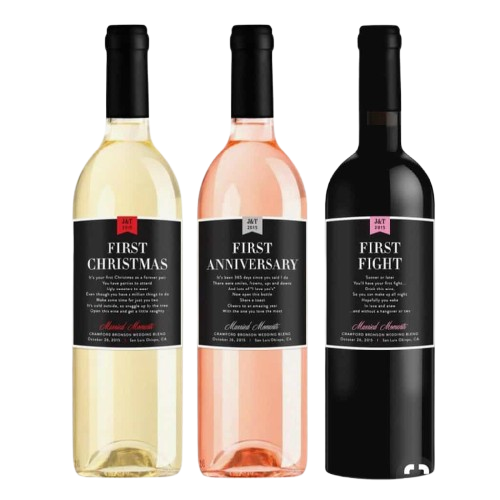
Get a Custom Report on Wine Nutrition Data – Contact Us!
What are the Types of Wine?
The types of wine include:
| Type | Description | Calories (Approx. per 5 fl oz / 148 ml) | Calorie Qualifications |
|---|---|---|---|
|
Red Wine
|
Made from black grapes; fermented with skins. (e.g., Cabernet, Merlot, Pinot Noir) | 120-130 | Higher ABV reds (Zinfandel, Shiraz) have more calories. Residual sugar is low in dry reds. |
|
White Wine
|
Made from white or black grapes, fermented without skins. (e.g., Chardonnay, Sauvignon Blanc, Riesling) | 115-125 | Calories vary significantly with sweetness. Dry whites (Sauvignon Blanc) are lower, sweeter whites (late-harvest Riesling, Moscato) are much higher. |
|
Rosé Wine
|
Made from black grapes; minimal skin contact during fermentation. | 120-130 | Similar calorie range to lighter reds/drier whites. Dry styles are common. |
|
Sparkling Wine
|
Wine with significant carbonation. (e.g., Champagne, Prosecco, Cava) | 95-125 (for Brut/Dry) | Brut (dry) styles are lowest in calories due to low sugar. Sweeter styles (Doux, Demi-Sec) have considerably more calories. Prosecco is often lowest. |
|
Dessert Wine
|
Sweet wines often served with dessert. (e.g., Port, Sauternes, Ice Wine) | 150-250+ | High in calories due to high residual sugar content. Some are also fortified, increasing alcohol and calories. |
|
Fortified Wine
|
Wine with added spirits (usually brandy). (e.g., Port, Sherry, Madeira) | 150-220+ (per smaller serving, often 2-3 oz) | High ABV (15-22%) significantly increases calorie count per volume. Often sweet, adding more calories from sugar. Serving size is typically smaller. |
What are the Desserts with Wine?
Wine is sometimes used as an ingredient in desserts for poaching fruit or creating sauces and custards, as shown in the following table:
| Dish Name | Calories (Estimate) | Type of Wine Used | Carbs (g) (Estimate) | Sugar (g) (Estimate) | Protein (g) (Estimate) | Fat (g) (Estimate) | Cuisine | Restaurants |
|---|---|---|---|---|---|---|---|---|
|
Pears Poached in Wine
|
250-400 | Red (e.g., Port, Beaujolais) or White (e.g., Moscato) | 40-70 | 30-60 | 1-3 | 1-5 | French/Italian | Fine dining restaurants (seasonal item), e.g., The French Laundry (Yountville, CA - menu varies) |
|
Zabaglione/Sabayon
|
300-500 | Sweet Marsala, Moscato d'Asti | 25-40 | 20-35 | 5-10 | 15-25 | Italian/French | Traditional Italian restaurants, e.g., Babbo (NYC - menu varies) |
|
Wine Cake
|
350-550 (per slice) | Sherry, White Wine | 40-60 | 25-45 | 4-8 | 15-30 | American/European | Homemade, specialty bakeries. |
|
Red Wine Berry Sauce
|
80-150 (per serving) | Fruity Red Wine | 15-30 | 12-25 | <1 | <1 | Various | Served with desserts like cheesecake or panna cotta at various restaurants. |
|
Wine Gelée (Jelly)
|
100-200 | Various (Red, White, Rosé) | 20-40 | 18-35 | <1 | 0 | European | Less common in restaurants; sometimes featured on cheese plates. |
What are the Main Dishes with Wine?
Wine is a common ingredient in main dishes, used for deglazing, braising, marinades, and sauces. The main dishes with wine are listed here:
| Dish Name | Calories (Estimate) | Type of Wine Used | Carbs (g) (Estimate) | Sugar (g) (Estimate) | Protein (g) (Estimate) | Fat (g) (Estimate) | Cuisine | Restaurants |
|---|---|---|---|---|---|---|---|---|
|
Coq au Vin
|
500-800 | Red Burgundy (Pinot Noir) | 15-30 | 5-10 | 40-60 | 25-45 | French | Balthazar (NYC), Mon Ami Gabi (various locations) |
|
Beef Bourguignon
|
600-900 | Red Burgundy (Pinot Noir) | 20-40 | 5-15 | 50-70 | 30-50 | French | Bouchon Bistro (Yountville, CA), many French bistros |
|
Chicken Marsala
|
500-750 | Sweet Marsala Wine | 20-40 | 5-15 | 40-60 | 25-45 | Italian-American | Maggiano's Little Italy, Olive Garden, Carrabba's Italian Grill |
|
Veal Marsala
|
550-800 | Sweet Marsala Wine | 20-40 | 5-15 | 45-65 | 30-50 | Italian-American | Many independent Italian restaurants |
|
Risotto (with wine)
|
400-600 | Dry White Wine | 50-80 | 2-5 | 10-20 | 15-25 | Italian | Osteria Mozza (Los Angeles), many Italian restaurants |
|
Mussels in White Wine
|
400-700 | Dry White Wine | 20-40 | 3-8 | 30-50 | 15-30 | French/Belgian | Mon Ami Gabi (various locations), Balthazar (NYC) |
|
Osso Buco
|
600-900 | Dry White or Red Wine | 15-30 | 5-10 | 50-70 | 30-50 | Italian | Don Angie (NYC), many upscale Italian restaurants |
|
Wine Braised Shanks
|
600-1000+ | Robust Red Wine | 15-30 | 5-10 | 50-80 | 35-60+ | Various | Found in steakhouses and restaurants featuring braised meats. |
|
Pan Sauces (various)
|
50-150 (sauce only) | Red or White Wine | 3-10 | 1-5 | <2 | 3-10 | Various | Used for steak, chicken, pork dishes in countless restaurants. |
What Cuisines Prefer Wine the Most?
Several European cuisines, particularly French and Italian, heavily incorporate wine into the cooking methods, as shown below:
| Cuisine | Dish(es) | Types of Wine Used | Calories (Estimate) | Restaurant(s) |
|---|---|---|---|---|
|
French
|
Coq au Vin, Beef Bourguignon, Mussels | Red Burgundy, White Burgundy, Dry Whites | 500-900 | Balthazar (NYC), Bouchon Bistro (Yountville, CA), Mon Ami Gabi |
|
Italian
|
Risotto, Osso Buco, Bolognese Sauce, Marsala | Dry White, Dry Red, Marsala | 400-900 | Osteria Mozza (Los Angeles), Babbo (NYC), Maggiano's Little Italy |
|
Spanish
|
Chorizo al Vino Tinto, various stews | Dry Red (Rioja), Sherry | 400-700 | José Andrés Restaurants (various locations), Boqueria (various locations) |
|
Portuguese
|
Vinha d'Alhos (Wine & Garlic Marinade), Stews | Red Wine, White Wine, Madeira | 500-800 | Aldea (NYC - closed but representative), various Portuguese restaurants |
|
American (Regional/Fine Dining)
|
Pan Sauces, Braised Meats, Marsala dishes | Various (Cabernet, Chardonnay, Marsala) | 500-1000+ | The French Laundry (Yountville, CA), steakhouses, Italian-American venues |
Which Countries Produce the Most Wine?
Based on data from the Food and Agriculture Organization of the United Nations (FAOSTAT), the largest wine producers globally are Italy, France, Spain, the United States, and Australia. The table below shows production figures for wine.
| Country | 2004 | 2005 | 2006 | 2007 | 2008 | 2009 | 2010 | 2011 | 2012 | 2013 | 2014 | 2015 | 2016 | 2017 | 2018 | 2019 | 2020 | 2021 | 2022 |
|---|---|---|---|---|---|---|---|---|---|---|---|---|---|---|---|---|---|---|---|
| Italy | 5057900 | 5383200 | 5203800 | 4575200 | 4699400 | 4501800 | 4583400 | 4247300 | 4560000 | 5401800 | 4422900 | 5000000 | 5091900 | 4250000 | 5480000 | 4750000 | 4910000 | 5020000 | 4980000 |
| France | 5752400 | 5210800 | 5210000 | 4542800 | 4219500 | 4547800 | 4437900 | 5018000 | 4107000 | 4200000 | 4650000 | 4700000 | 4540000 | 3620000 | 4860000 | 4210000 | 4560000 | 3760000 | 4560000 |
| Spain | 4600000 | 3800000 | 3900000 | 3500000 | 3300000 | 3200000 | 3500000 | 3300000 | 3000000 | 4500000 | 3900000 | 3700000 | 3900000 | 3200000 | 4400000 | 3400000 | 4070000 | 3530000 | 3570000 |
| USA | 2250000 | 2300000 | 2200000 | 2150000 | 2100000 | 2200000 | 2100000 | 2050000 | 2200000 | 2350000 | 2400000 | 2300000 | 2400000 | 2300000 | 2400000 | 2450000 | 2280000 | 2410000 | 2240000 |
| Australia | 1431000 | 1427000 | 1389000 | 1411000 | 1260000 | 1178000 | 1142000 | 1118000 | 1226000 | 1202000 | 1186000 | 1188000 | 1305000 | 1370000 | 1290000 | 1200000 | 1060000 | 1480000 | 1310000 |
| China | 1100000 | 1150000 | 1200000 | 1250000 | 1300000 | 1350000 | 1400000 | 1450000 | 1500000 | 1480000 | 1450000 | 1400000 | 1350000 | 1300000 | 1200000 | 1150000 | 1100000 | 1050000 | 1000000* |
| Chile | 670000 | 790000 | 930000 | 830000 | 870000 | 1010000 | 880000 | 1050000 | 1260000 | 1280000 | 1050000 | 1290000 | 1010000 | 950000 | 1290000 | 1200000 | 1030000 | 1240000 | 1240000 |
| Argentina | 1560000 | 1520000 | 1540000 | 1500000 | 1470000 | 1210000 | 1630000 | 1550000 | 1180000 | 1500000 | 1420000 | 1340000 | 940000 | 1180000 | 1450000 | 1300000 | 1080000 | 1250000 | 1150000 |
| South Africa | 1000000 | 1050000 | 1080000 | 1100000 | 1120000 | 1080000 | 1050000 | 1020000 | 1000000 | 1080000 | 1100000 | 1120000 | 1080000 | 1050000 | 950000 | 970000 | 1040000 | 1060000 | 1020000 |
| Germany | 920000 | 900000 | 880000 | 1030000 | 1000000 | 850000 | 690000 | 910000 | 900000 | 840000 | 920000 | 880000 | 850000 | 750000 | 1000000 | 830000 | 840000 | 850000 | 890000 |
Which Countries Consume the Most Wine?
Wine consumption is highest in the United States, France, Italy, Germany, and China. Traditional European countries have high per capita consumption, large populations in countries like the USA and China result in high overall volume consumption. The table below shows wine supply quantity, used as a proxy for consumption.
| Country/Region | 2004 | 2005 | 2006 | 2007 | 2008 | 2009 | 2010 | 2011 | 2012 | 2013 | 2014 | 2015 | 2016 | 2017 | 2018 | 2019 | 2020 | 2021 |
|---|---|---|---|---|---|---|---|---|---|---|---|---|---|---|---|---|---|---|
| USA | 2450000 | 2550000 | 2650000 | 2750000 | 2800000 | 2850000 | 2900000 | 2950000 | 3000000 | 3050000 | 3100000 | 3150000 | 3200000 | 3250000 | 3300000 | 3300000 | 3310000 | 3310000 |
| France | 3300000 | 3250000 | 3200000 | 3150000 | 3100000 | 3050000 | 3000000 | 2950000 | 2900000 | 2850000 | 2800000 | 2750000 | 2700000 | 2650000 | 2600000 | 2550000 | 2470000 | 2520000 |
| Italy | 2800000 | 2750000 | 2700000 | 2650000 | 2600000 | 2550000 | 2500000 | 2450000 | 2400000 | 2350000 | 2300000 | 2250000 | 2200000 | 2250000 | 2300000 | 2300000 | 2450000 | 2420000 |
| Germany | 2000000 | 2020000 | 2040000 | 2060000 | 2080000 | 2100000 | 2100000 | 2080000 | 2060000 | 2040000 | 2020000 | 2000000 | 1980000 | 1960000 | 1950000 | 1950000 | 1980000 | 1980000 |
| China | 800000 | 900000 | 1000000 | 1100000 | 1200000 | 1300000 | 1400000 | 1500000 | 1600000 | 1700000 | 1650000 | 1600000 | 1550000 | 1500000 | 1450000 | 1400000 | 1300000 | 1250000* |
| UK | 1250000 | 1300000 | 1320000 | 1340000 | 1350000 | 1360000 | 1350000 | 1340000 | 1330000 | 1320000 | 1310000 | 1300000 | 1290000 | 1280000 | 1270000 | 1260000 | 1340000 | 1330000 |
| Spain | 1300000 | 1250000 | 1200000 | 1150000 | 1100000 | 1050000 | 1030000 | 1010000 | 990000 | 970000 | 950000 | 980000 | 1000000 | 1020000 | 1030000 | 1040000 | 1050000 | 1060000 |
| Russia | 800000 | 850000 | 900000 | 950000 | 1000000 | 1050000 | 1100000 | 1150000 | 1100000 | 1050000 | 1000000 | 950000 | 930000 | 910000 | 900000 | 890000 | 910000 | 930000 |
| Argentina | 1100000 | 1080000 | 1060000 | 1040000 | 1020000 | 1000000 | 980000 | 960000 | 940000 | 920000 | 900000 | 880000 | 860000 | 840000 | 820000 | 800000 | 790000 | 830000 |
| Australia | 500000 | 520000 | 540000 | 560000 | 570000 | 580000 | 570000 | 560000 | 550000 | 540000 | 530000 | 540000 | 550000 | 560000 | 570000 | 580000 | 590000 | 600000 |
How Do Prices of Wine-including Dishes Change?
The prices of restaurant dishes featuring wine as a key ingredient have generally increased over the past two decades, reflecting rises in ingredient costs, including the wine itself, labor, rent, and other operational expenses. Below is a comparison table showing estimated price changes for such dishes at selected U.S. restaurants or types of establishments:
| Restaurant/Type | Dish | Old Price (2010) | Current Price (2025 Estimate) |
|---|---|---|---|
| Olive Garden | Chicken Marsala | $14.99 | $20.49 - $27.29 |
| Maggiano's Little Italy | Chicken Marsala | $17.95 | $25.50 - $29.50 |
| Carrabba's Italian Grill | Chicken Marsala | $16.50 | $22.99 - $30.49 |
| Balthazar (NYC) | Coq au Vin | $26.00 | $22.99 - $42.00 |
| Mon Ami Gabi | Steak Frites (w/ pan sauce option) | $19.95 | $35.95 - $39.95 |
How Does the Price of Wine Change for the Last 20 Years?
Wine prices have seen varied changes over the last 20 years. Prices for mass-market wines often tracked general inflation, showing gradual increases. Data from the U.S. Bureau of Labor Statistics indicates the Consumer Price Index (CPI) for alcoholic beverages, including wine consumed at home, rose steadily from 2005 to 2025. Prices for fine or investment-grade wines from renowned regions like Bordeaux, Burgundy, or Napa Valley increased much more dramatically, driven by global demand, perceived quality, vintage reputation, and speculation. Factors influencing price include grape quality (vintage variation), production costs (land, labor, materials), appellation prestige, critic scores, and overall economic conditions affecting consumer spending. Global wine production fluctuated due to weather (e.g., frosts, droughts in Europe), impacting supply. Consumption shifted, with declines in traditional high-per-capita consuming countries like France and Italy, but growth in the US and emerging markets like China (though Chinese consumption dipped recently). The highest prices are commanded by rare vintages from top estates, while the lowest prices are found for bulk or table wines. Overall, while basic wine prices rose moderately, the high-end market saw significant price appreciation over the past two decades.
| Year | Price |
|---|---|
| 2005 | $7 |
| 2006 | $7.2 |
| 2007 | $7.4 |
| 2008 | $7.6 |
| 2009 | $7.75 |
| 2010 | $7.9 |
| 2011 | $8.1 |
| 2012 | $8.3 |
| 2013 | $8.5 |
| 2014 | $8.7 |
| 2015 | $8.9 |
| 2016 | $9.1 |
| 2017 | $9.3 |
| 2018 | $9.5 |
| 2019 | $9.7 |
| 2020 | $9.9 |
| 2021 | $10.1 |
| 2022 | $10.5 |
| 2023 | $10.8 |
| 2024 | $11 |
What is the Calorie of 100mL Wine?
A 100ml serving (3.4 fl oz) of red wine contains 85 calories. A 100ml serving (3.4 fl oz) of white wine contains 82 calories. Dry sparkling wine contains 78 calories per 100ml.
What is the Calorie of 1 Liter of Wine?
One liter (1000 ml or 33.8 fl oz) of red wine contains 850 calories. One litre (1000 ml or 33.8 fl oz) of white wine contains 820 calories. One liter of dry sparkling wine contains 780 calories.
What is the Calorie of 1 Bottle of Wine?
A 750ml (25.4 fl oz) bottle of red wine contains 635 calories. A 750ml (25.4 fl oz) bottle of white wine contains 615 calories. A 750ml bottle of dry sparkling wine contains 585 calories.
What are the Health Benefits of Wine?
Moderate consumption of wine, particularly red wine, has been associated with certain potential health benefits, primarily linked to its antioxidant content. The health benefits of wine are shown below:
- Source of Antioxidants: Glass of wine benefits, specifically red wine contains polyphenols, such as resveratrol, quercetin, and catechins, which act as antioxidants. These compounds help combat oxidative stress in the body. (Artero, A., et al., 2015. The impact of moderate wine consumption on health.)
- Potential Cardiovascular Benefits: Some studies suggest that benefits of drinking a glass of wine a day might be linked to a reduced risk of certain heart conditions, possibly by improving cholesterol levels and reducing inflammation, although these effects are debated and may not outweigh risks. (Castaldo, L., et al., 2019. Red Wine Consumption and Cardiovascular Health.)
- Gut Microbiome Interaction: Polyphenols in red wine may positively interact with gut bacteria, although research is ongoing. (Nash, V., et al., 2018. The effects of grape and red wine polyphenols on gut microbiota - A systematic review.)
What are the Downsides of Wine?
Wine consumption, like all alcoholic beverages, carries significant health risks, especially when consumed beyond moderation. The downsides of wine are shown below:
- Alcohol Content Risks: Alcohol is a toxin and a carcinogen linked to increased risk of various cancers (including breast, liver, colon, esophagus), liver disease (cirrhosis), pancreatitis, high blood pressure, stroke, and heart problems like cardiomyopathy and arrhythmias. (World Health Organization, 2023. Alcohol.)
- Addiction and Dependence: Alcohol is addictive, and regular consumption can lead to alcohol use disorder.
- Calorie Contribution and Weight Gain: Wine contains calories primarily from alcohol (7 calories per gram) and carbohydrates/sugar, contributing to overall energy intake and potential weight gain if not accounted for.
- Impaired Judgment and Accidents: Alcohol impairs cognitive function and coordination, increasing the risk of accidents, injuries, and poor decision-making.
- Negative Medication Interactions: Alcohol can interact negatively with numerous prescription and over-the-counter medications.
- Recommended Limits: Health authorities like the Dietary Guidelines for Americans advise limiting intake to 1 drink or less per day for women and 2 drinks or less per day for men, on days when alcohol is consumed. A drink of wine is defined as 5 fl oz (148 ml). Alternatives include sparkling water with fruit, non-alcoholic wine, or herbal tea.
Are Wines Good for You?
No, wine is not good for health if consumed frequently and in excess. The potential risks associated with alcohol consumption outweigh any suggested benefits, and while some studies, like Castaldo, L., et al. (2019) on Red Wine Consumption and Cardiovascular Health, have explored potential heart health benefits from antioxidants like resveratrol found in red wine consumed in moderation, this link is not definitively proven and does not apply to all individuals. Alcohol itself is a toxin and carcinogen that negatively impacts multiple organ systems. It poses significant risks to liver health (fatty liver, cirrhosis), increases the risk of various cancers, can damage brain health leading to cognitive decline over time, negatively affects heart health through increased blood pressure and risk of arrhythmias, and can irritate the digestive system. The calories in wine also contribute to weight gain. Given these substantial risks, wine cannot be recommended as a health beverage, and abstaining from alcohol is the safest option for overall health.
How Much Wine Should I Drink in a Day?
The Dietary Guidelines for Americans (2020-2025) define moderate drinking as limiting intake to 1 drink or less in a day for women and 2 drinks or less in a day for men. A drink of wine is defined as 5 fluid ounces (148ml) of wine with 12% alcohol by volume (ABV). Health organizations like the American Heart Association and the CDC emphasize that individuals who do not currently drink alcohol should not start drinking for any potential health benefits. Less alcohol is always better for health than more.
How Much Wine Can I Drink in a Day at Most?
The maximum recommended amount of wine per day for those who choose to drink is 1 drink (5fl oz or 148ml) for women and 2 drinks (10fl oz or 296 ml) for men, according to guidelines from the Dietary Guidelines for Americans. Consuming more than this amount constitutes heavy drinking, which significantly increases health risks. There is no universally safe level of alcohol consumption, and for many individuals, including those with certain health conditions, pregnant women, or those taking specific medications, the safest amount is zero.
How Does Calorie Change According to Wine Types?
The calorie content in wine changes based on two factors such as alcohol by volume (ABV) and residual sugar (RS). Alcohol contains 7 calories per gram, so wines with higher ABV percentages inherently have more calories. Residual sugar, the natural grape sugar left after fermentation stops, adds carbohydrates and calories (4 calories per gram). Wines that are both high in alcohol and high in residual sugar have the most calories. Sweet dessert wines like Sauternes, Ice Wine and fortified wines like Port, sweet Sherry contain the highest calories, often ranging from 150 to over 250 calories per serving. Dry wines with lower ABV have the fewest calories, examples include dry sparkling wines like Brut Prosecco which is 95 calories per 5fl oz or light-bodied, dry white wines like Pinot Grigio or Sauvignon Blanc from cooler climates 115-120 calories per 5fl oz. Dry red wines fall in between, with lighter styles like Pinot Noir being lower than high-ABV reds like Zinfandel or Cabernet Sauvignon from warmer regions.
What is the Origin of Wine?
The origin of wine dates back thousands of years, with the earliest archaeological evidence of winemaking found in the Caucasus region (modern-day Georgia, Armenia, Iran) around 6000 BCE. From these origins, viticulture (grape cultivation) and winemaking spread to Mesopotamia, Egypt, and Phoenicia. The ancient Greeks elevated winemaking and associated wine deeply with culture, mythology (Dionysus), and symposiums. The Romans further expanded grape growing across their vast empire, improving techniques and establishing vineyards in regions that remain famous today, like France, Italy, and Spain. Wine became integral to Roman life, trade, and religious ceremonies, a role continued in Christian traditions with its use in the Eucharist. Throughout the Middle Ages, monasteries played a crucial role in preserving and advancing winemaking knowledge in Europe. Over centuries, distinct regional styles developed based on grape varieties, climate, and techniques. The use of wine in cooking also evolved, initially perhaps as a preservative or way to tenderize meat, later becoming fundamental for creating sauces (like reductions and deglazing), braises (Coq au Vin, Beef Bourguignon), and marinades, adding complexity and flavor depth recognized in classical European cuisines. European exploration and colonization spread viticulture globally to the Americas, South Africa, Australia, and New Zealand, establishing the "New World" wine regions.
Explore More Beverages
Discover more Beverages with detailed nutrition facts, calorie counts, vitamins, minerals, and health benefits. Compare similar foods, serving sizes, macronutrients, and key nutrients to find the best option for your diet and nutrition goals.
 Almond Milk calories
 Aloe Vera Juice calories
 Americano calories
 Apple Cider calories
 Apple Juice calories
 Apricot Juice calories
 Aronia Juice calories
 Avocado Shake calories
 Banana Juice calories
 Baobab Juice calories
 Barley Tea calories
 Beer calories