Calories and Nutritions in Agave
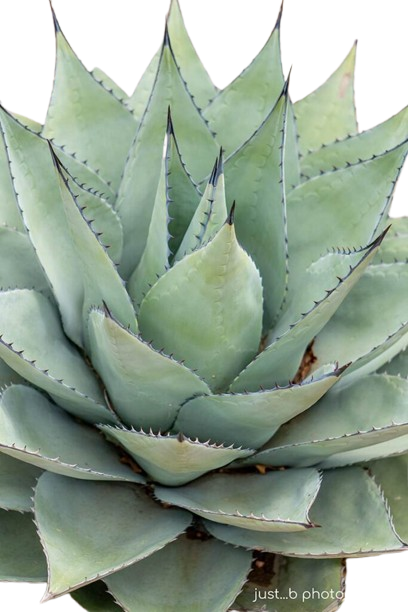
Agave is a high-calorie succulent plant native to Mexico that yields a sweet nectar or syrup. There are 310 agave calories per 100 g (3.5 oz) of the processed nectar. Frequently referred to as maguey syrup, agave nectar, century plant syrup, or cactus honey, this sweetener provides 60 calories per tablespoon. A small 21 g (1 tbsp) serving provides 60 calories, while a medium 169 g (0.5 cup) portion contains 525 calories and a large 339 g (1 cup) serving offers 1,050 calories.
According to agave nutrition facts, a 100 g (3.5 oz) portion provides 76 g of carbohydrates, 0 g of protein, and 0 g of fat. For retail products, a 666 g (23.5 oz) bottle of Wholesome Organic Blue Agave Nectar contains 2,070 calories, whereas a 333 g (11.75 oz) bottle of Madhava Organic Agave Light provides 1,035 calories and a 5 g packet of agave offers 15 calories. Research by Ho et al. (2016), "Glycemic Index of Agave Nectar in Healthy Adults," found that agave has a significantly lower glycemic index than refined sugar, making it a popular choice for blood sugar management.
Common types include light agave nectar, amber agave with caramel notes, dark unfiltered agave, and raw agave processed at low temperatures. The soluble nature of the syrup is utilized in savory main dishes such as the Carnitas Burrito Bowl at Chipotle, which contains 710 calories, and the Agave Lime Chicken Sandwich at BJ's Restaurant & Brewhouse. Other restaurants featuring the ingredient include Sweetgreen for its Harvest Bowl with Agave Balsamic and Yard House for its Korean BBQ Salmon. Popular desserts incorporating the sweetener include the Acai Primo Bowl at Jamba, which contains 510 calories, and the Vegan Coconut Macaroon at Whole Foods Market Bakery.
The origin of agave is the Jalisco and Oaxaca regions of Mexico, where indigenous peoples have harvested the "honey water" from the plant for millennia. Global production of agave syrup is led by Mexico, which produced 63.2 kt in 2024, followed by minor production in South Africa and Australia. Consumption is highest in the United States and Mexico, where the syrup is a standard pantry staple and industrial sweetener. The retail price for a 23.5 oz (695 mL) bottle of organic blue agave has risen from $4.99 USD in 2005 to $8.49 USD in 2024.
Health guidelines suggest a recommended daily intake of 10 g to 15 g (2 to 3 tsp), which contributes 30 to 45 calories in agave syrup to a standard adult diet. To burn the 45 calories, a person weighing 70 kg (154 lbs) must engage in 14 minutes of moderate walking at 5 km/h (3 mph).
Agave nutrition
| Stats | Weight |
|---|---|
| Carbs | 64 grams |
| Protein | 0 grams |
| Fats | 0 grams |
| Sugars | 58 grams |
- Large Agave Calories (Nutritional Facts)
- Medium Agave Calories (Nutritional Facts)
- Small Agave Calories (Nutritional Facts)
- Agave Syrup Calories (Nutritional Facts)
- Agave Nectar Calories (Nutritional Facts)
- Raw Agave Nutrition
- Sodium in Agave
- Potassium in Agave
- Sugar in Agave
- Fiber in Agave
- Protein in Agave
- Carbs in Agave
- Fat in Agave
- Vitamins in Agave
- Minerals in Agave
Large Agave Calories (Nutritional Facts)
A large serving of agave nectar weighing 339 g (1 cup) contains 1,050 calories. This portion provides 0 g of total fat, 0 g of protein, 258 g of total carbohydrates, and 233 g of sugar. A large 339 g (1 cup) serving of raw blue agave provides the same 1,050 calories due to the consistent sugar density of the syrup.
A medium serving of agave nectar weighing 85 g (3 oz or 0.25 cup) contains 263 calories. This serving includes 0 g of total fat, 0 g of protein, 64 g of total carbohydrates, and 58 g of sugar. A medium 85 g (3 oz) portion of amber agave nectar provides 263 calories.
A small serving of agave nectar weighing 21 g (1 tbsp) contains 60 calories. This serving offers 0 g of total fat, 0 g of protein, 16 g of total carbohydrates, and 14 g of sugar. A small 7 g (1 tsp) serving of agave nectar provides 20 calories.
A 100 g (3.5 oz) serving of agave syrup provides 310 calories. This serving contains 76 g of total carbohydrates and 68 g of sugar. Agave syrup is energetically dense due to its high fructose content, which comprises the majority of its carbohydrate profile.
Agave nectar provides 60 calories per 21 g (1 tbsp) serving. This sweetener is nutritionally identical to agave syrup, as the terms are used interchangeably in the retail market. A 100 g (3.5 oz) serving contains 310 calories.
A 100 g (3.5 oz) serving of raw blue agave nectar provides 310 calories, 0 g of total fat, 0 g of protein, 76 g of carbohydrates, and 68 g of sugar. Raw agave is processed at low temperatures to preserve natural enzymes, though the macronutrient profile remains similar to processed varieties. It contains 0.2 g of dietary fiber per 100 g (3.5 oz).
Agave nectar contains 4 mg of sodium per 100 g (3.5 oz) serving, which fulfills 0% of the Daily Value (DV). A 21 g (1 tbsp) serving contains 0 mg of sodium.
Agave provides 4 mg of potassium per 100 g (3.5 oz) serving, representing 0% of the DV. This sweetener is not a significant source of electrolytes or minerals.
Agave nectar contains 68 g of sugar per 100 g (3.5 oz) serving. The sugar profile is predominantly fructose, ranging from 55% to 90% depending on the processing method, with the remainder being glucose.
Agave nectar provides 0.2 g of dietary fiber per 100 g (3.5 oz) serving, fulfilling 0% of the DV. While the raw agave plant is rich in inulin, the processing into syrup removes the vast majority of this fiber.
Agave nectar provides 0 g of protein per 100 g (3.5 oz) serving.
Agave nectar contains 76 g of total carbohydrates per 100 g (3.5 oz) serving. A standard 21 g (1 tbsp) serving provides 16 g of carbohydrates.
Agave nectar contains 0 g of total fat per 100 g (3.5 oz) serving.
A 100 g (3.5 oz) serving of agave nectar provides 1.2 mg of Vitamin C (2% DV) and 0.6 mcg of Vitamin K (1% DV). It also contains trace amounts of Thiamin and Riboflavin.
A 100 g (3.5 oz) serving of agave nectar provides 1 mg of Calcium (0% DV) and 1 mg of Magnesium (0% DV). It delivers trace amounts of Selenium and Copper.
Get a Custom Report on Agave Nutrition Data – Contact Us!
What are the Types of Agave?
There are 4 different types of Agave syrup such as light, amber, and dark varieties. The table below shows the most common Agave types and their calorie information.
| Type | Description | Calories (per 100 g / 3.5 oz) | Calorie Differences & Qualifications |
|---|---|---|---|
|
Light Agave Nectar
|
Mild, neutral flavor; highly filtered. | 310 | Standard energy density; commonly used in beverages. |
|
Amber Agave Nectar
|
Medium intensity with slight caramel notes. | 310 | Identical calories to light; less filtered. |
|
Dark Agave Nectar
|
Strong caramel/molasses flavor; unfiltered. | 310 | Same calories; highest mineral and antioxidant content. |
|
Raw Agave Nectar
|
Processed at low temperatures (under 118°F). | 310 | Same calories; preserves natural enzymes. |
What are the Desserts with Agave?
Agave nectar is a functional ingredient in health-conscious and vegan desserts found at specialized restaurant chains. It is utilized to provide moisture and sweetness without the use of refined sugar or honey. The table below lists the nutritional facts for factual dessert items that feature agave as a primary sweetener or glaze.
| Dish Name | Calories | Type | Carbs | Sugar | Protein | Fat | Cuisine | Restaurants |
|---|---|---|---|---|---|---|---|---|
|
Dragon Fruit Delight Bowl
|
540 | Frozen Bowl | 98g | 58g | 4g | 12g | Modern American | Jamba |
|
Mango Sorbet with Agave
|
180 | Frozen | 44g | 38g | 0g | 0g | Italian | Amorino Gelato |
|
Vegan Coconut Macaroon
|
110 | Cookie | 12g | 9g | 1g | 7g | American | Whole Foods Market Bakery |
|
Acai Primo Bowl
|
510 | Frozen Bowl | 102g | 64g | 8g | 10g | Modern American | Jamba |
|
Raw Key Lime Pie Slice
|
420 | Raw Cake | 38g | 24g | 6g | 28g | Vegan | Cafe Gratitude |
|
Chia Seed Pudding
|
280 | Pudding | 32g | 14g | 6g | 16g | Modern American | True Food Kitchen |
|
Avocado Lime Tart
|
450 | Tart | 48g | 22g | 4g | 30g | Fusion | True Food Kitchen |
|
Agave Glazed Donut
|
280 | Pastry | 34g | 18g | 3g | 14g | American | Fonuts |
|
Peach & Agave Yogurt Parfait
|
310 | Parfait | 45g | 28g | 12g | 4g | American | Au Bon Pain |
|
Lemon Agave Sorbet
|
140 | Frozen | 36g | 34g | 0g | 0g | American | Salt & Straw |
What are the Main Dishes with Agave?
Some of the most widespread main dishes that contain agave are Agave Lime Chicken, Carnitas, and salads with Agave Vinaigrette. In savory applications, chefs utilize agave to caramelize proteins and balance the acidity of citrus marinades, particularly in Mexican and fusion cuisines. The table below lists the nutritional facts for popular savory entrees and salads that incorporate agave syrup as a defining ingredient.
| Dish Name | Calories | Type | Carbs | Sugar | Protein | Fat | Cuisine | Restaurants |
|---|---|---|---|---|---|---|---|---|
|
Carnitas Burrito Bowl (Agave Marinade)
|
710 | Entree | 62g | 4g | 40g | 28g | Mexican-American | Chipotle |
|
Chicken & Avocado Salad (Agave Dressing)
|
680 | Salad | 24g | 12g | 42g | 48g | American | The Cheesecake Factory |
|
Agave Lime Chicken Sandwich
|
820 | Sandwich | 68g | 18g | 36g | 42g | American | BJ's Restaurant & Brewhouse |
|
Harvest Bowl (Agave Balsamic)
|
685 | Salad | 58g | 14g | 24g | 34g | Modern American | Sweetgreen |
|
Korean BBQ Salmon (Agave Glaze)
|
590 | Seafood | 48g | 22g | 44g | 24g | Fusion | Yard House |
|
Roasted Veggie Bowl (Agave Lime)
|
520 | Vegan Entree | 64g | 12g | 14g | 22g | Mexican | Tocaya Organica |
|
BBQ Chicken Pizza (Agave BBQ Sauce)
|
1080 | Pizza | 124g | 34g | 48g | 36g | American | California Pizza Kitchen |
|
Shrimp Tacos (Agave Slaw)
|
540 | Seafood | 48g | 8g | 22g | 26g | Fusion | Earls Kitchen + Bar |
|
Miso Glazed Sea Bass (Agave Miso)
|
380 | Seafood | 18g | 12g | 32g | 18g | Fusion | The Capital Grille |
|
Ancient Grains Bowl (Agave Dressing)
|
620 | Vegan Entree | 72g | 14g | 18g | 26g | Modern American | True Food Kitchen |
What Cuisines Prefer Agave the Most?
Agave is a cornerstone of Mexican and Modern Wellness cuisines where it is valued for its cultural heritage and low glycemic properties. Mexican cuisine utilizes the syrup in marinades for al pastor and glazes for poultry, while modern health-focused establishments use it as the primary sweetener for dressings and bowls. The table below outlines the cuisines and specific dishes where agave is a prominent featured element.
| Cuisine | Dish Name | Calories | Restaurants |
|---|---|---|---|
|
Mexican-American
|
Carnitas Burrito Bowl | 710 | Chipotle |
|
Modern Wellness
|
Ancient Grains Bowl | 620 | True Food Kitchen |
|
American Fusion
|
BBQ Chicken Pizza | 1080 | California Pizza Kitchen |
|
American Bar
|
Agave Lime Chicken Sandwich | 820 | BJ's Restaurant & Brewhouse |
|
Seafood Fusion
|
Miso Glazed Sea Bass | 380 | The Capital Grille |
|
Modern Salad
|
Harvest Bowl | 685 | Sweetgreen |
|
Vegan
|
Raw Key Lime Pie | 420 | Cafe Gratitude |
Which Countries Produce the Most Agave Syrup?
The top producer of agave syrup globally is Mexico, which holds a near-monopoly on the commercial cultivation of Agave tequilana and Agave salmiana. Other countries with limited or experimental production include South Africa, Australia, and the United States, though their output is statistically negligible compared to Mexico's export volume. In 2022, Mexico produced approximately 58.00 kilotonnes of agave syrup for export based on data from the Tequila Regulatory Council (CRT) and market analysis reports. The table below displays the estimated production volumes for agave syrup, reflecting the growth of the industry alongside the tequila boom.
| Country | 2005 | 2006 | 2007 | 2008 | 2009 | 2010 | 2011 | 2012 | 2013 | 2014 | 2015 | 2016 | 2017 | 2018 | 2019 | 2020 | 2021 | 2022 | 2023 | 2024 |
|---|---|---|---|---|---|---|---|---|---|---|---|---|---|---|---|---|---|---|---|---|
| Mexico | 18.5 | 20.2 | 22.1 | 24.5 | 26.8 | 29.4 | 32.5 | 35.1 | 38.0 | 40.5 | 43.2 | 46.0 | 48.5 | 50.8 | 52.4 | 54.1 | 56.5 | 58.0 | 60.5 | 63.2 |
| S. Africa | 0.05 | 0.05 | 0.06 | 0.08 | 0.10 | 0.12 | 0.15 | 0.18 | 0.20 | 0.22 | 0.25 | 0.28 | 0.30 | 0.32 | 0.35 | 0.38 | 0.40 | 0.42 | 0.45 | 0.48 |
| Australia | 0.01 | 0.01 | 0.02 | 0.02 | 0.03 | 0.04 | 0.05 | 0.06 | 0.08 | 0.10 | 0.12 | 0.15 | 0.18 | 0.20 | 0.22 | 0.25 | 0.28 | 0.30 | 0.32 | 0.35 |
| USA | 0.00 | 0.00 | 0.01 | 0.01 | 0.01 | 0.02 | 0.02 | 0.03 | 0.04 | 0.05 | 0.06 | 0.08 | 0.09 | 0.10 | 0.12 | 0.14 | 0.15 | 0.16 | 0.18 | 0.20 |
Which Countries Consume the Most Agave Syrup?
Based on data from the Helgi Library and global sweetener market reports, the top consumers of agave syrup are the United States, Mexico, Germany, the United Kingdom, and Japan. Consumption is calculated by the domestic utilization of agave nectar in retail sales, food manufacturing (energy bars, beverages), and food service. The United States is the largest importer and consumer, driven by the clean-label movement and the popularity of margarita mixes. Germany represents the largest European market, where organic and vegan sweeteners are highly prioritized. The table below represents the apparent food supply and utilization of agave syrup in these leading nations.
| Country | 2005 | 2006 | 2007 | 2008 | 2009 | 2010 | 2011 | 2012 | 2013 | 2014 | 2015 | 2016 | 2017 | 2018 | 2019 | 2020 | 2021 | 2022 | 2023 | 2024 |
|---|---|---|---|---|---|---|---|---|---|---|---|---|---|---|---|---|---|---|---|---|
| USA | 12.5 | 13.8 | 15.2 | 17.1 | 18.9 | 21.2 | 23.8 | 25.5 | 27.8 | 29.5 | 31.2 | 33.5 | 35.1 | 36.8 | 38.2 | 39.5 | 41.2 | 42.5 | 44.1 | 45.8 |
| Mexico | 4.2 | 4.5 | 4.8 | 5.2 | 5.5 | 5.8 | 6.1 | 6.5 | 6.9 | 7.2 | 7.5 | 7.8 | 8.1 | 8.3 | 8.5 | 8.8 | 9.1 | 9.4 | 9.7 | 10.1 |
| Germany | 0.8 | 0.9 | 1.1 | 1.3 | 1.5 | 1.8 | 2.1 | 2.4 | 2.7 | 3.1 | 3.4 | 3.8 | 4.1 | 4.4 | 4.6 | 4.8 | 5.1 | 5.3 | 5.5 | 5.8 |
| UK | 0.5 | 0.6 | 0.7 | 0.8 | 0.9 | 1.1 | 1.3 | 1.5 | 1.7 | 1.9 | 2.1 | 2.3 | 2.5 | 2.7 | 2.9 | 3.0 | 3.2 | 3.4 | 3.6 | 3.8 |
| Japan | 0.3 | 0.3 | 0.4 | 0.5 | 0.6 | 0.7 | 0.8 | 0.9 | 1.1 | 1.2 | 1.4 | 1.5 | 1.7 | 1.9 | 2.0 | 2.2 | 2.3 | 2.5 | 2.6 | 2.8 |
How Do Prices of Agave-including Dishes Change?
Menu prices for dishes and beverages that feature agave as a premium sweetener have seen upward adjustments reflecting the volatility of the agave market and general food inflation. The table below provides a comparison of price ranges from 2017–2019 to current 2025–2026 market estimates for specific menu items that incorporate agave.
| Restaurant | Dish Name | Old Price Range (2017–2019) | Current Price Range (2025–2026) |
|---|---|---|---|
| Chipotle | Carnitas Burrito Bowl | $7.50 - $8.50 | $9.95 - $11.50 |
| The Cheesecake Factory | Skinnylicious Margarita (Agave) | $9.95 - $11.50 | $14.50 - $16.95 |
| Sweetgreen | Harvest Bowl (Agave Balsamic) | $10.50 - $12.25 | $14.75 - $16.95 |
| True Food Kitchen | Ancient Grains Bowl | $14.00 - $16.00 | $18.50 - $21.00 |
| BJ's Restaurant & Brewhouse | Agave Lime Chicken Sandwich | $11.50 - $13.00 | $15.95 - $17.95 |
| Jamba | Acai Primo Bowl | $7.25 - $8.50 | $9.50 - $11.25 |
| Yard House | Korean BBQ Salmon (Agave Glaze) | $22.00 - $24.50 | $28.95 - $32.50 |
| California Pizza Kitchen | BBQ Chicken Pizza (Agave Sauce) | $14.50 - $16.00 | $18.95 - $21.50 |
What is the Agave Calorie for 100 Grams?
One hundred grams (100 g or 3.5 oz) of agave nectar contains 310 calories.
What is the Agave Calorie for 1 KG?
One kilogram (1,000 g or 35.3 oz) of agave nectar contains 3,100 calories.
What is the Calorie of 1 Agave?
One 666 g (23.5 oz) bottle of Wholesome Sweeteners Organic Blue Agave contains 2,070 calories. A 333 g (11.75 oz) bottle of Madhava Organic Agave Light provides 1,035 calories. One 21 g (1 tbsp) serving of Domino Organic Blue Agave Nectar contains 60 calories. A 297 g (10.5 oz) bottle of Trader Joe's Organic Blue Agave Sweetener provides 920 calories. One 1.25 kg (44 oz) bottle of Costco Kirkland Signature Organic Blue Agave contains 3,880 calories.
What are the Health Benefits of Agave?
Agave provides some health benefits like minimizing blood sugar spikes and supporting gut health due to its low glycemic index and naturally occurring inulin content. This sweetener, frequently called "maguey syrup," "honey water," or "century plant nectar," serves as a vegan alternative to honey. A list of the health benefits of agave is shown below.
- Regulates Blood Sugar Impact: Agave has a low glycemic index (GI) value of roughly 17, compared to sucrose which has a GI of 65. A study by Ho et al. (2016), "Glycemic Index of Agave Nectar in Healthy Adults," confirmed that agave nectar produces a lower postprandial glucose response than refined sugar.
- Supports Digestive Health: The raw plant contains inulin, a prebiotic fiber that promotes the growth of beneficial gut bacteria like Bifidobacteria.
- Provides Antioxidant Activity: Darker varieties of agave nectar contain flavonoids and tannins. Research by Phillips et al. (2009), "Total antioxidant content of alternatives to refined sugar," found that dark agave nectar possesses higher antioxidant capacity than light agave or refined sugar.
- Suitable for Vegan Diets: It serves as a plant-based binding agent and sweetener, replacing honey which is an animal byproduct.
- Dissolves Easily in Cold Liquids: Unlike honey or granulated sugar, agave maintains a low viscosity at room temperature, making it effective for sweetening cold beverages without heating.
- Enhances Flavor Intensity: Agave is 1.5 times sweeter than table sugar, allowing consumers to use less volume to achieve the same level of sweetness.
What are the Downsides of Agave?
Agave has been known to cause some unwanted effects like liver strain and insulin resistance due to its extremely high fructose concentration. This sweetener, often nicknamed "high-fructose syrup," can negatively impact metabolic health if consumed in excess. A list of the downsides of agave is shown below.
- Increases Risk of Fatty Liver Disease: Agave nectar can contain up to 90% fructose, which the liver must process. A study by Stanhope et al. (2009), "Consuming fructose-sweetened, not glucose-sweetened, beverages increases visceral adiposity and lipids," linked high fructose intake to increased visceral fat and liver stress.
- Contributes to Insulin Resistance: Excessive fructose consumption can reduce insulin sensitivity over time, leading to metabolic syndrome.
- Promotes Weight Gain: The high caloric density of 60 calories per tablespoon can lead to a calorie surplus if not measured carefully.
- Elevates Triglyceride Levels: Metabolism of large amounts of fructose can lead to increased triglycerides in the bloodstream, raising the risk of heart disease.
- Lacks Significant Nutrients: The processing of agave juice into syrup destroys most of the naturally occurring vitamins and fibers found in the plant, leaving mostly empty calories.
Is Agave Good for You?
No, agave nectar is not "good" for you in large quantities because it is a concentrated source of fructose that provides 60 calories per tablespoon with minimal essential nutrients. Healthy individuals should consume no more than 10 g to 15 g (2 to 3 tsp) per day as an occasional sweetener. While the major benefit is a lower glycemic index which prevents immediate blood sugar spikes, the long-term metabolic strain on the liver from high fructose intake outweighs this advantage for general health. It is a suitable alternative for vegans or those requiring a low-GI sweetener, provided it is used sparingly.
How Do Calories Change According to Agave Types?
The calories in agave syrup do not change significantly according to the color or processing level, as all standard liquid varieties contain approximately 310 calories per 100 g (3.5 oz). Light, Amber, Dark, and Raw agave nectars all provide 60 calories per 21 g (1 tbsp) serving because they share the same sugar density and moisture content. The primary difference lies in the flavor profile and trace mineral content, not the caloric energy. However, products marketed as "Agave blends" (mixed with stevia or monk fruit) or "Agave water" will have significantly fewer calories due to dilution or the inclusion of non-nutritive sweeteners.
What is the Origin of Agave?
The origin of agave is the arid regions of Mexico and the southwestern United States, where the Agave tequilana (Blue Agave) and Agave salmiana plants have been cultivated for thousands of years. Indigenous peoples of Mexico, including the Aztecs, utilized the sap (aguamiel) of the maguey plant as a sweetener and fermented it to produce pulque, a sacred alcoholic beverage, long before the Spanish conquest.
The commercial production of agave syrup as a global sweetener is a relatively modern development, gaining significant traction in the 1990s as a vegan alternative to honey and a low-glycemic option for diabetics. The process involves extracting the sap from the core (piña) of the plant, filtering it, and heating it to break down complex carbohydrates into simple fructose. Today, the Mexican states of Jalisco and Oaxaca are the primary hubs for global agave production, supplying both the tequila industry and the international food market.
Explore More Condiments & Sauces
Discover more Condiments & Sauces with detailed nutrition facts, calorie counts, vitamins, minerals, and health benefits. Compare similar foods, serving sizes, macronutrients, and key nutrients to find the best option for your diet and nutrition goals.
 Aioli calories
 Apple Butter calories
 Avocado Oil calories
 Baking Powder calories
 Balsamic Vinaigrette calories
 Barbeque Sauce calories
 Bearnaise Sauce calories
 Blue Cheese Dressing calories
 Brown Rice Syrup calories
 Caesar Dressing calories
 Canola Oil calories
 Chili Oil calories