Calories and Nutritions in Coconut Chutney
Coconut chutney is a traditional South Indian condiment prepared by grinding fresh coconut meat with green chilies, ginger, and tempered spices. The calories in a coconut chutney are relatively high due to the lipid-rich nature of the coconut base. A 240 g serving contains 838 calories, whereas a single tablespoon (15 g) provides 52 calories. Energy values fluctuate slightly based on the specific recipe, with Red Coconut Chutney providing 355 calories per 100 g, slightly more than the 349 calories found in the standard plain variety.
An examination of coconut chutney nutrition facts reveals a profile dense in healthy fats and dietary fiber, differing significantly from sugar-laden dips. A single tablespoon (15 g) offers 4.98 g of total fat (6% DV) and 1.1 g of dietary fiber (4% DV) while containing 0.79 g of sugar. The side dish acts as a source of essential micronutrients, delivering 0.4 mg of Vitamin C and 0.2 mg of iron. Research underscores its metabolic potential, such as the study by St-Onge, M. P., et al. (2003), "Medium-chain triglycerides increase energy expenditure and decrease adiposity in overweight men," which analyzes the impact of the specific fats found in coconut. Common varieties include Plain Coconut Chutney, Red Coconut Chutney, and Mint Coconut Chutney.
Due to the substantial caloric density and saturated fat content, nutritionists advise consuming this side dish in moderation. A recommended daily limit is one tablespoon of coconut chutney (15 g), serving as a flavor enhancer rather than a main course. Burning the 52 calories from this single serving requires activities like 6 minutes of moderate jogging, 8 minutes of cycling, or 14 minutes of brisk walking.
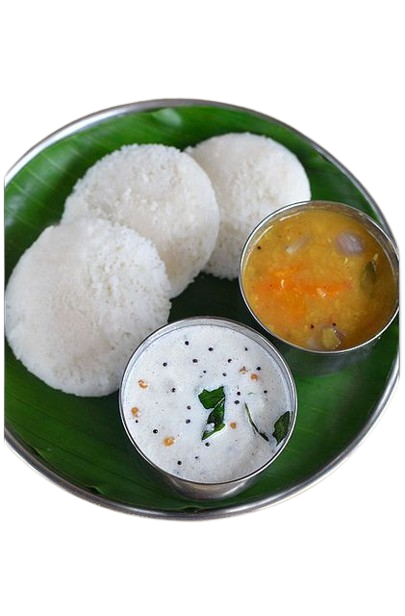
Coconut chutney pairs extensively with savory breakfast items and fermented rice cakes. The dip is an essential accompaniment for Idli at Saravanaa Bhavan and serves as the primary condiment for Masala Dosa at Udupi Palace. This blend also complements snacks like Medu Vada at Woodlands. The preparation originated in the coastal regions of Southern India around 500 BC to 200 AD and is primarily produced and consumed in Indonesia, the Philippines, and India. The cost of ingredients has shifted noticeably, with the Producer Price Index for fresh fruit ingredients rising from 124.2 in 2015 to 170.778 in 2024, influencing menu prices globally.
Coconut Chutney nutrition
| Stats | Weight |
|---|---|
| Carbs | 4.1 grams |
| Protein | 1.1 grams |
| Fats | 0 grams |
| Sugars | 1.6 grams |
- Large Coconut Chutney Calories (Nutritional Facts)
- Medium Coconut Chutney Calories (Nutritional Facts)
- Small Coconut Chutney Calories (Nutritional Facts)
- Dosa with Coconut Chutney Calories (Nutritional Facts)
- Raw Coconut Chutney Nutrition
- Sodium in Coconut Chutney
- Potassium in Coconut Chutney
- Sugar in Coconut Chutney
- Fiber in Coconut Chutney
- Protein in Coconut Chutney
- Carbs in Coconut Chutney
- Fat in Coconut Chutney
- Vitamins in Coconut Chutney
- Minerals in Coconut Chutney
Large Coconut Chutney Calories (Nutritional Facts)
A large serving of Coconut Chutney (240g or 1 cup) contains 838 calories, 8.6g of protein (17% DV), 79.7g of fat (102% DV), 32.6g of carbohydrates (12% DV), 17.5g of fiber (63% DV), 12.6g of sugar, and 972mg of sodium (42% DV). A large serving of Red Coconut Chutney (240g or 1 cup) provides 850 calories, 9g of protein (18% DV), 81g of fat (104% DV), 34g of carbohydrates (12% DV), 18g of fiber (64% DV), 13g of sugar, and 1050mg of sodium (46% DV).
A medium portion of Coconut Chutney (30g) provides 105 calories, 1.1g of protein (2% DV), 10g of fat (13% DV), 4.1g of carbohydrates (1% DV), 2.2g of fiber (8% DV), 1.6g of sugar, and 122mg of sodium (5% DV). A medium portion of Red Coconut Chutney (30g) supplies 107 calories, 1.2g of protein (2% DV), 10.2g of fat (13% DV), 4.3g of carbohydrates (2% DV), 2.3g of fiber (8% DV), 1.7g of sugar, and 131mg of sodium (6% DV).
A small serving of Coconut Chutney (15g or 1 tbsp) contains 52 calories, 0.5g of protein (1% DV), 5g of fat (6% DV), 2g of carbohydrates (1% DV), 1.1g of fiber (4% DV), 0.8g of sugar, and 61mg of sodium (3% DV). A small serving of Red Coconut Chutney (15g or 1 tbsp) provides 54 calories, 0.6g of protein (1% DV), 5.1g of fat (7% DV), 2.2g of carbohydrates (1% DV), 1.2g of fiber (4% DV), 0.9g of sugar, and 66mg of sodium (3% DV).
A serving of Plain Dosa with Coconut Chutney (130g) provides 275 calories, 5g of protein (10% DV), 14g of fat (18% DV), 32g of carbohydrates (12% DV), 4g of fiber (14% DV), 2g of sugar, and 350mg of sodium (15% DV). A serving of Masala Dosa with Coconut Chutney (180g) contains 365 calories, 7g of protein (14% DV), 19g of fat (24% DV), 41g of carbohydrates (15% DV), 6g of fiber (21% DV), 3g of sugar, and 460mg of sodium (20% DV).
A single tablespoon of Coconut Chutney (15g) contains 52 calories, 0.54g of protein (1% DV), 4.98g of total fat (6% DV), 2.04g of total carbohydrate (1% DV), 1.1g of dietary fiber (4% DV), 0.79g of total sugars, and 61mg of sodium (3% DV). The fat provides 0.4mg of Vitamin C (0% DV), 0.05mg of Vitamin E (0% DV), 0.2mg of iron (1% DV), 2mg of calcium (0% DV), and 47mg of potassium (1% DV).
A large serving of Coconut Chutney (240g or 1 cup) contains 972mg of sodium (42% DV), while a large serving of Red Coconut Chutney (240g or 1 cup) provides 1050mg of sodium (46% DV). A medium portion of Coconut Chutney (30g) has 122mg of sodium (5% DV), whereas a medium portion of Red Coconut Chutney (30g) supplies 131mg of sodium (6% DV). A small serving of Coconut Chutney (15g or 1 tbsp) contains 61mg of sodium (3% DV), and a small serving of Red Coconut Chutney (15g or 1 tbsp) provides 66mg of sodium (3% DV). A serving of Plain Dosa with Coconut Chutney (130g) contains 350mg of sodium (15% DV), while a serving of Masala Dosa with Coconut Chutney (180g) supplies 460mg of sodium (20% DV).
A large serving of Coconut Chutney (240g or 1 cup) provides 756mg of potassium (16% DV), while a large serving of Red Coconut Chutney (240g or 1 cup) contains 780mg of potassium (17% DV). A medium portion of Coconut Chutney (30g) has 95mg of potassium (2% DV), whereas a medium portion of Red Coconut Chutney (30g) supplies 98mg of potassium (2% DV). A small serving of Coconut Chutney (15g or 1 tbsp) contains 47mg of potassium (1% DV), and a small serving of Red Coconut Chutney (15g or 1 tbsp) provides 49mg of potassium (1% DV). A serving of Plain Dosa with Coconut Chutney (130g) delivers 215mg of potassium (5% DV), while a serving of Masala Dosa with Coconut Chutney (180g) contains 445mg of potassium (9% DV).
A large serving of Coconut Chutney (240g or 1 cup) contains 12.6g of sugar, while a large serving of Red Coconut Chutney (240g or 1 cup) provides 13g of sugar. A medium portion of Coconut Chutney (30g) has 1.6g of sugar, whereas a medium portion of Red Coconut Chutney (30g) supplies 1.7g of sugar. A small serving of Coconut Chutney (15g or 1 tbsp) contains 0.8g of sugar, and a small serving of Red Coconut Chutney (15g or 1 tbsp) provides 0.9g of sugar. A serving of Plain Dosa with Coconut Chutney (130g) contains 2g of sugar, while a serving of Masala Dosa with Coconut Chutney (180g) supplies 3g of sugar.
A large serving of Coconut Chutney (240g or 1 cup) provides 17.5g of dietary fiber (63% DV), while a large serving of Red Coconut Chutney (240g or 1 cup) contains 18g of fiber (64% DV). A medium portion of Coconut Chutney (30g) has 2.2g of fiber (8% DV), whereas a medium portion of Red Coconut Chutney (30g) supplies 2.3g of fiber (8% DV). A small serving of Coconut Chutney (15g or 1 tbsp) contains 1.1g of fiber (4% DV), and a small serving of Red Coconut Chutney (15g or 1 tbsp) provides 1.2g of fiber (4% DV). A serving of Plain Dosa with Coconut Chutney (130g) offers 4g of fiber (14% DV), while a serving of Masala Dosa with Coconut Chutney (180g) provides 6g of fiber (21% DV).
A large serving of Coconut Chutney (240g or 1 cup) provides 8.6g of protein (17% DV), while a large serving of Red Coconut Chutney (240g or 1 cup) contains 9g of protein (18% DV). A medium portion of Coconut Chutney (30g) has 1.1g of protein (2% DV), whereas a medium portion of Red Coconut Chutney (30g) supplies 1.2g of protein (2% DV). A small serving of Coconut Chutney (15g or 1 tbsp) contains 0.5g of protein (1% DV), and a small serving of Red Coconut Chutney (15g or 1 tbsp) provides 0.6g of protein (1% DV). A serving of Plain Dosa with Coconut Chutney (130g) contains 5g of protein (10% DV), while a serving of Masala Dosa with Coconut Chutney (180g) supplies 7g of protein (14% DV).
A large serving of Coconut Chutney (240g or 1 cup) contains 32.6g of carbohydrates (12% DV), while a large serving of Red Coconut Chutney (240g or 1 cup) provides 34g of carbohydrates (12% DV). A medium portion of Coconut Chutney (30g) has 4.1g of carbohydrates (1% DV), whereas a medium portion of Red Coconut Chutney (30g) supplies 4.3g of carbohydrates (2% DV). A small serving of Coconut Chutney (15g or 1 tbsp) contains 2g of carbohydrates (1% DV), and a small serving of Red Coconut Chutney (15g or 1 tbsp) provides 2.2g of carbohydrates (1% DV). A serving of Plain Dosa with Coconut Chutney (130g) contains 32g of carbohydrates (12% DV), while a serving of Masala Dosa with Coconut Chutney (180g) provides 41g of carbohydrates (15% DV).
A large serving of Coconut Chutney (240g or 1 cup) contains 79.7g of total fat (102% DV), while a large serving of Red Coconut Chutney (240g or 1 cup) provides 81g of total fat (104% DV). A medium portion of Coconut Chutney (30g) has 10g of total fat (13% DV), whereas a medium portion of Red Coconut Chutney (30g) supplies 10.2g of total fat (13% DV). A small serving of Coconut Chutney (15g or 1 tbsp) contains 5g of total fat (6% DV), and a small serving of Red Coconut Chutney (15g or 1 tbsp) provides 5.1g of total fat (7% DV). A serving of Plain Dosa with Coconut Chutney (130g) contains 14g of total fat (18% DV), while a serving of Masala Dosa with Coconut Chutney (180g) supplies 19g of total fat (24% DV).
A large serving of Coconut Chutney (240g or 1 cup) provides 6mg of Vitamin C (7% DV) and 0.8mg of Vitamin E (5% DV). A large serving of Red Coconut Chutney (240g or 1 cup) contains 8mg of Vitamin C (9% DV) and 1mg of Vitamin E (7% DV). A medium portion of Coconut Chutney (30g) has 0.75mg of Vitamin C (1% DV), whereas a medium portion of Red Coconut Chutney (30g) supplies 1mg of Vitamin C (1% DV). A small serving of Coconut Chutney (15g or 1 tbsp) contains 0.4mg of Vitamin C (0% DV), and a small serving of Red Coconut Chutney (15g or 1 tbsp) provides 0.5mg of Vitamin C (1% DV). A serving of Plain Dosa with Coconut Chutney (130g) provides 1mg of Vitamin C (1% DV), while a serving of Masala Dosa with Coconut Chutney (180g) contains 4mg of Vitamin C (4% DV).
A large serving of Coconut Chutney (240g or 1 cup) provides 4.3mg of iron (24% DV) and 33mg of calcium (3% DV). A large serving of Red Coconut Chutney (240g or 1 cup) contains 4.5mg of iron (25% DV) and 35mg of calcium (3% DV). A medium portion of Coconut Chutney (30g) has 0.5mg of iron (3% DV), whereas a medium portion of Red Coconut Chutney (30g) supplies 0.6mg of iron (3% DV). A small serving of Coconut Chutney (15g or 1 tbsp) contains 0.25mg of iron (1% DV), and a small serving of Red Coconut Chutney (15g or 1 tbsp) provides 0.3mg of iron (2% DV). A serving of Plain Dosa with Coconut Chutney (130g) contains 1.5mg of iron (8% DV) and 40mg of calcium (3% DV), while a serving of Masala Dosa with Coconut Chutney (180g) supplies 2mg of iron (11% DV) and 50mg of calcium (4% DV).
Get a Custom Report on Coconut Chutney Nutrition Data – Contact Us!
What are the Types of Coconut Chutneys?
The types of Coconut Chutneys include Plain Coconut Chutney, Red Coconut Chutney, and Mint Coconut Chutney. The table below outlines the nutritional differences.
| Type | Description | Calories (Per 100g) | Calorie Qualifications |
|---|---|---|---|
|
Plain Coconut Chutney
|
White paste made from fresh coconut, green chilies, and tempered spices. | 349 | The high fat content of the coconut base results in a significant energy density. |
|
Red Coconut Chutney
|
Spicy variant including dried red chilies, garlic, and tamarind. | 355 | The addition of extra oil for frying the red chilies creates a slightly higher caloric load. |
|
Mint Coconut Chutney
|
Green blend incorporating fresh mint and coriander leaves. | 200 | The inclusion of low-calorie herbs displaces some of the calorie-dense coconut. |
What are Desserts With Coconut Chutney?
Coconut chutney is primarily used as a savory condiment, yet specific sweet snacks and breakfast pastries utilize the dip to provide a salty contrast to the sugary dough. Mangalore Buns, a sweet fried bread made with bananas, require the savory spice of coconut chutney to balance the flavor profile. Sweet Paniyaram and other jaggery-based rice cakes also appear alongside the condiment in traditional South Indian spreads. The list below enumerates sweet dishes and pastries that utilize this dip as a key accompaniment.
| Dish Name | Calories | Type of Coconut Chutney | Carbs (g) | Sugar (g) | Protein (g) | Fat (g) | Cuisine | Restaurants |
|---|---|---|---|---|---|---|---|---|
|
Mangalore Buns
|
280 | Plain Coconut Chutney | 45 | 12 | 4 | 10 | Mangalorean | Udupi Palace (San Francisco, CA) |
|
Sweet Paniyaram
|
220 | Red Coconut Chutney | 40 | 18 | 3 | 6 | Chettinad | Anjappar Chettinad (New Jersey) |
|
Vellayappam
|
180 | Red Coconut Chutney | 35 | 6 | 3 | 4 | Kerala | Taste of Kerala (New York, NY) |
|
Sweet Idli
|
160 | Plain Coconut Chutney | 32 | 10 | 4 | 2 | Tamil | Saravanaa Bhavan |
|
Unniyappam
|
250 | Plain Coconut Chutney | 38 | 15 | 3 | 9 | Kerala | Kuttanadan (New York, NY) |
|
Jackfruit Appam
|
210 | Mint Coconut Chutney | 42 | 14 | 2 | 5 | Kerala | Mayura (Los Angeles, CA) |
|
Jaggery Dosa
|
310 | Plain Coconut Chutney | 50 | 22 | 4 | 8 | Karnataka | MTR (National Imports) |
|
Sweet Pongal
|
340 | Plain Coconut Chutney | 58 | 30 | 5 | 10 | South Indian | Woodlands (Los Angeles, CA) |
|
Ela Ada
|
290 | Plain Coconut Chutney | 48 | 22 | 4 | 8 | Kerala | Thattukada (East Ham, UK) |
|
Banana Fritters
|
260 | Red Coconut Chutney | 44 | 20 | 2 | 9 | Kerala | Malabar Coast (San Diego, CA) |
|
Kalathappam
|
230 | Plain Coconut Chutney | 36 | 12 | 4 | 7 | Malabar | Paragon (International) |
|
Cucumber Dosa
|
190 | Red Coconut Chutney | 35 | 5 | 3 | 4 | Mangalorean | Swagath (Bay Area, CA) |
|
Jackfruit Dosa
|
240 | Plain Coconut Chutney | 45 | 15 | 3 | 5 | Mangalorean | Kudla (International) |
|
Sweet Appam
|
170 | Plain Coconut Chutney | 38 | 12 | 2 | 1 | Kerala | Spice of Kerala (New Jersey) |
|
Modak
|
200 | Plain Coconut Chutney | 35 | 18 | 2 | 6 | Maharashtrian | Sukhadia's (New Jersey) |
What are the Main Dishes With Coconut Chutney?
Coconut chutney serves as an essential side dish for savory breakfast and dinner items across South India, providing moisture and spice to fermented rice and lentil cakes. The condiment accompanies crisp crepes and steamed cakes to enhance the texture and nutritional value of the meal. The list below details distinct savory recipes that incorporate this ingredient.
| Dish Name | Calories | Type of Coconut Chutney | Carbs (g) | Sugar (g) | Protein (g) | Fat (g) | Cuisine | Restaurants |
|---|---|---|---|---|---|---|---|---|
|
Idli
|
160 | Plain Coconut Chutney | 35 | 0 | 8 | 1 | South Indian | Saravanaa Bhavan |
|
Masala Dosa
|
380 | Red Coconut Chutney | 55 | 3 | 8 | 14 | Udupi | Udupi Palace (New York, NY) |
|
Medu Vada
|
280 | Plain Coconut Chutney | 22 | 0 | 10 | 18 | South Indian | Adyar Ananda Bhavan (National) |
|
Ven Pongal
|
320 | Mint Coconut Chutney | 45 | 0 | 10 | 12 | Tamil | Kumar's (Plano, TX) |
|
Uttapam
|
250 | Red Coconut Chutney | 40 | 2 | 6 | 8 | South Indian | Woodlands (Chatsworth, CA) |
|
Rava Dosa
|
310 | Plain Coconut Chutney | 48 | 1 | 6 | 10 | Karnataka | MTR 1924 (National) |
|
Mysore Bonda
|
290 | Plain Coconut Chutney | 32 | 2 | 8 | 15 | Andhra | Godavari |
|
Pesarattu
|
300 | Ginger Coconut Chutney | 42 | 2 | 14 | 8 | Andhra | Bawarchi Biryanis |
|
Upma
|
240 | Plain Coconut Chutney | 38 | 2 | 6 | 8 | South Indian | Chennai Garden (New York, NY) |
|
Set Dosa
|
260 | Mint Coconut Chutney | 45 | 1 | 5 | 6 | Karnataka | Kamat (International) |
|
Adai
|
310 | Red Coconut Chutney | 42 | 1 | 14 | 9 | Tamil | Anjappar (National) |
|
Appam
|
180 | Plain Coconut Chutney | 35 | 4 | 3 | 2 | Kerala | Spice of Kerala (New Jersey) |
|
Idiyappam
|
190 | Plain Coconut Chutney | 40 | 0 | 3 | 1 | Kerala | Thiruvananthapuram (National) |
|
Ghee Roast
|
420 | Red Coconut Chutney | 55 | 2 | 8 | 20 | Udupi | Mavalli Tiffin Rooms (International) |
|
Bajji
|
220 | Plain Coconut Chutney | 28 | 2 | 4 | 12 | South Indian | Hot Breads |
What Cuisines Prefer Coconut Chutney the Most?
Coconut chutney functions as a foundational element in South Indian and Sri Lankan gastronomies, where the abundance of coconut palms dictates the local diet. The condiment appears in almost every meal within these regions, ranging from breakfast tiffins to evening snacks. The table below outlines the specific culinary traditions that utilize this dip.
| Cuisine | Dish | Types of Coconut Chutney | Calories (Estimate) | Restaurant(s) |
|---|---|---|---|---|
|
Tamil Cuisine
|
Idli | Plain Coconut Chutney | 160 | Saravanaa Bhavan |
|
Kerala Cuisine
|
Appam | Plain Coconut Chutney | 180 | Taste of Kerala (New York, NY) |
|
Udupi Cuisine
|
Masala Dosa | Red Coconut Chutney | 380 | Udupi Palace (Various Locations) |
|
Andhra Cuisine
|
Pesarattu | Ginger Coconut Chutney | 300 | Godavari |
|
Chettinad Cuisine
|
Kuzhi Paniyaram | Red Coconut Chutney | 220 | Anjappar Chettinad (National) |
|
Sri Lankan Cuisine
|
String Hoppers | Pol Sambol (Dry Chutney) | 190 | Sigiri (New York, NY) |
|
Mangalorean Cuisine
|
Mangalore Buns | Plain Coconut Chutney | 280 | Mahesh Lunch Home (International) |
|
Kodava Cuisine
|
Akki Roti | Plain Coconut Chutney | 250 | Coorg Cuisine (International) |
|
Konkani Cuisine
|
Pathrode | Plain Coconut Chutney | 310 | Goa Taco (Fusion/Various) |
|
Malaysian Indian
|
Roti Canai | Plain Coconut Chutney | 320 | Mamak (International) |
|
Singaporean Indian
|
Thosai | Mint Coconut Chutney | 260 | Springleaf Prata Place (International) |
|
Rayalaseema Cuisine
|
Uggani | Plain Coconut Chutney | 340 | Rayalaseema Ruchulu (International) |
|
Telangana Cuisine
|
Sarva Pindi | Red Coconut Chutney | 290 | Pista House |
|
Saurashtra Cuisine
|
Kanchipuram Idli | Mint Coconut Chutney | 210 | Murugan Idli Shop (International) |
|
South African Indian
|
Dosa (Thosai) | Plain Coconut Chutney | 275 | Jeera (International) |
Which Countries Produce the Most Coconut Chutneys?
The top producers of coconuts, which are the main components of Coconut Chutney, include Indonesia, the Philippines, and India. Indonesia maintains the highest output globally due to favorable tropical climates and extensive plantation acreage. The Philippines and India follow closely by supplying the raw material essential for fresh and processed chutney production. Sri Lanka and Brazil also supply measurable volumes to the global supply chain. The table below shows the production volume of coconuts in million metric tonnes for the leading nations over the last two decades.
| Country | 2003 | 2008 | 2013 | 2018 | 2019 | 2020 | 2021 | 2022 |
|---|---|---|---|---|---|---|---|---|
| Indonesia | 16.1 | 17.5 | 18.3 | 17.1 | 17.0 | 16.8 | 17.1 | 17.2 |
| Philippines | 14.3 | 15.1 | 15.4 | 14.7 | 14.8 | 14.5 | 14.7 | 14.9 |
| India | 10.2 | 10.9 | 11.9 | 13.5 | 13.8 | 14.0 | 14.2 | 14.5 |
| Sri Lanka | 2.6 | 2.9 | 2.5 | 2.6 | 2.8 | 2.7 | 2.9 | 3.1 |
| Brazil | 2.8 | 2.9 | 2.8 | 2.3 | 2.4 | 2.4 | 2.5 | 2.7 |
| Vietnam | 0.9 | 1.1 | 1.3 | 1.6 | 1.7 | 1.7 | 1.8 | 1.9 |
| Mexico | 1.0 | 1.1 | 1.1 | 1.2 | 1.3 | 1.3 | 1.3 | 1.3 |
| Thailand | 1.4 | 1.3 | 1.0 | 0.8 | 0.8 | 0.8 | 0.8 | 0.9 |
Which Countries Consume the Most Coconut Chutneys?
The top consumers of coconuts, which constitute the base of Coconut Chutney, are Indonesia, India, and the Philippines. India absorbs a vast quantity of the harvest for domestic culinary use within fresh chutneys and curries in the southern states. The Philippines and Indonesia utilize the crop for both domestic food systems and export processing. The United States and the European Union represent growing markets for coconut products used in sauces and condiments. The table below shows the domestic food consumption of coconuts in thousand metric tonnes for key markets over the last two decades.
| Country | 2003 | 2008 | 2013 | 2018 | 2019 | 2020 | 2021 | 2022 |
|---|---|---|---|---|---|---|---|---|
| Indonesia | 5,200 | 5,800 | 6,100 | 6,400 | 6,500 | 6,600 | 6,700 | 6,800 |
| India | 4,800 | 5,200 | 5,900 | 6,800 | 7,000 | 7,200 | 7,400 | 7,600 |
| Philippines | 4,100 | 4,300 | 4,500 | 4,700 | 4,750 | 4,800 | 4,850 | 4,900 |
| Sri Lanka | 1,400 | 1,500 | 1,450 | 1,550 | 1,600 | 1,650 | 1,700 | 1,750 |
| Vietnam | 600 | 750 | 900 | 1,100 | 1,150 | 1,200 | 1,250 | 1,300 |
| Thailand | 900 | 850 | 750 | 600 | 610 | 620 | 630 | 640 |
| United States | 350 | 420 | 480 | 550 | 570 | 600 | 620 | 640 |
| Brazil | 1,800 | 1,900 | 1,850 | 1,600 | 1,650 | 1,700 | 1,750 | 1,800 |
How Do Prices of Coconut Chutney-Including Dishes Change?
Restaurant costs for dishes accompanied by coconut chutney increased due to rising labor and ingredient expenses. The table below illustrates price adjustments for selected items at well-known establishments.
| Brand/Restaurant | Dish | Old Price (Year) | Current Price (2024/2025) |
|---|---|---|---|
| Saravanaa Bhavan | Idli (2 pcs) | $10.50 (2012) | $12.50 - $13.99 |
| Udupi Palace | Masala Dosa | $8.95 (2014) | $12.95 - $15.95 |
| Anjappar Chettinad | Kal Dosa | $9.00 (2015) | $12.85 - $16.00 |
| Woodlands | Medu Vada | $5.50 (2013) | $6.99 - $9.00 |
What is the Coconut Chutney Calorie for 100 Grams?
A 100g serving of Coconut Chutney provides 349 calories, while a 100g serving of Red Coconut Chutney supplies 355 calories.
What is the Coconut Chutney Calorie for 1 KG?
One kilogram (1000g) of Coconut Chutney supplies 3490 calories, whereas one kilogram (1000g) of Red Coconut Chutney provides 3550 calories.
How many calories in 1 Cup of Coconut Chutney?
One cup of Coconut Chutney (240g) contains 838 calories.
What is the Calorie of 1 Coconut Chutney?
A single tablespoon of Coconut Chutney (15g) contains 52 calories, while a restaurant serving (30g) provides 105 calories. Retail brands offer distinct energy profiles, as a serving of MTR Instant Coconut Chutney (20g dry mix) contains 90 calories when prepared. A serving of Deep Indian Kitchen Coconut Chutney (30g) provides 100 calories, whereas a serving of Swad Coconut Chutney (30g) supplies 45 calories. A serving of Grand Sweets & Snacks Coconut Chutney (30g) contains 110 calories.
What are the Health Benefits of Coconut Chutney?
Coconut chutney functions as a concentrated source of medium-chain triglycerides and dietary fiber, supporting various physiological systems when consumed in moderation. The lipid profile aids in energy expenditure and provides essential fatty acids. The points below emphasize these specific health rewards.
- Enhances Metabolic Rate: The grated coconut contains medium-chain triglycerides (MCTs), a type of fat that the liver metabolizes rapidly for energy rather than storing as adipose tissue. A study by St-Onge, M. P., et al. (2003), "Medium-chain triglycerides increase energy expenditure and decrease adiposity in overweight men," confirmed that consuming MCTs increases energy expenditure and fat oxidation compared to long-chain triglycerides.
- Supports Digestive Health: High concentrations of dietary fiber from the coconut meat promote regular bowel movements and gut health. Research by Slavin, J. L. (2013), "Fiber and prebiotics: mechanisms and health benefits," established that dietary fiber increases stool bulk and reduces the transit time of waste through the intestinal tract.
- Improves Lipid Profiles: The lauric acid present in the coconut raises high-density lipoprotein (HDL) cholesterol, which aids in cardiovascular protection. A study by Khaw, K. T., et al. (2018), "Randomised trial of coconut oil, olive oil or butter on blood lipids and other cardiovascular risk factors in healthy men and women," demonstrated that coconut fat consumption significantly increased HDL cholesterol concentrations compared to butter or olive oil.
What are the Downsides of Coconut Chutney?
Coconut chutney poses risks regarding saturated fat content and caloric density when consumed in excess. Nutritionists advise limiting intake to one tablespoon (15g) per day and choosing Mint Chutney as a lower-calorie alternative to mitigate potential risks. The table below shows specific negative health implications.
- Increases LDL Cholesterol: Excessive intake raises low-density lipoprotein levels due to the high saturated fat content found in the coconut meat. Research by Sacks, F. M., et al. (2017), "Dietary Fats and Cardiovascular Disease: A Presidential Advisory from the American Heart Association," noted that reducing saturated fat intake lowers the risk of cardiovascular disease.
- Promotes Weight Gain: The high caloric density leads to a surplus of energy that the body stores as fat if not metabolized through physical activity. A study by Swinburn, B. A., et al. (2009), "Increased food energy supply is more than sufficient to explain the US epidemic of obesity," identified high-energy-density foods as a major factor in weight management challenges.
- Elevates Sodium Intake: The preparation process often involves significant amounts of salt, which contributes to hypertension. Research by Aburto, N. J., et al. (2013), "Effect of lower sodium intake on health: systematic review and meta-analyses," found that reducing sodium intake significantly lowers blood pressure and the risk of stroke.
Are Coconut Chutneys Good for You?
Yes, coconut chutneys are good for health because the ingredients provide essential fatty acids and antioxidants that support cardiovascular stability, digestive efficiency, and cognitive function. Cardiovascular health benefits from the presence of lauric acid which improves High-Density Lipoprotein (HDL) levels as explored by Khaw, K. T., et al. (2018), "Randomised trial of coconut oil, olive oil or butter on blood lipids and other cardiovascular risk factors in healthy men and women." Digestive health strengthens through the action of dietary fiber which aids in bowel regularity as confirmed by Slavin, J. L. (2013), "Fiber and prebiotics: mechanisms and health benefits." Cognitive function improves due to the efficient delivery of medium-chain triglycerides needed for brain energy metabolism as detailed in the study by Nafar, F., et al. (2017), "Coconut oil protects cortical neurons from amyloid beta toxicity by enhancing signaling of cell survival pathways."
Is Coconut Chutney Healthy for Weight Loss?
Yes, coconut chutney is a viable component of a weight loss diet when consumed in strict moderation, specifically limited to one tablespoon (15g) daily. The medium-chain triglycerides in the coconut enhance satiety and increase energy expenditure. Research by Mumme, K., et al. (2015), "Effects of medium-chain triglycerides on weight loss and body composition: a meta-analysis of randomized controlled trials," indicated that replacement of long-chain triglycerides with medium-chain triglycerides leads to modest reductions in body weight and composition. The inclusion of green chilies provides capsaicin, which boosts metabolism. A study by Ludy, M. J., et al. (2012), "The effects of capsaicin and capsiate on energy balance: critical review and meta-analyses of studies in humans," showed that capsaicin consumption increases energy expenditure and lipid oxidation. The fiber content also promotes a feeling of fullness. Research by Wanders, A. J., et al. (2011), "Effects of dietary fibre on subjective appetite, energy intake and body weight: a systematic review of randomized controlled trials," confirmed that increased fiber intake correlates with reduced hunger and lower energy consumption.
How Do Calories Change According to Coconut Chutney Types?
Energy values of coconut chutney fluctuate based on the ratio of coconut to other ingredients and the amount of oil used in tempering. Red Coconut Chutney contains the highest energy load per 100g due to the additional oil required to roast the dried chilies and garlic. Plain Coconut Chutney offers a slightly reduced profile as the preparation uses fresh chilies without heavy roasting. Mint Coconut Chutney provides the lowest caloric density per serving because the fresh mint and coriander leaves add volume and water content while reducing the total amount of high-fat coconut meat required.
What is the Origin of Coconut Chutney?
The practice of grinding fresh coconut with spices originated in the coastal regions of Southern India around 500 BC to 200 AD, coinciding with the cultivation of coconut palms in the Dravidian territories. Ancient Tamil Sangam literature references the use of "thogayal," a precursor to modern chutney, where ingredients underwent crushing with a stone mortar and pestle to preserve fresh produce in the tropical heat. The term "chutney" derives from the Sanskrit word "caṭnī," meaning "to lick," which describes the intended consumption method of using fingers to scoop the condiment with rice cakes. British colonization in the 17th century facilitated the global spread of the concept, though the Westernized versions evolved into preserved fruit relishes while the original South Indian recipe remained a fresh, perishable blend of coconut, chilies, and tempered spices.
Explore More Condiments & Sauces
Discover more Condiments & Sauces with detailed nutrition facts, calorie counts, vitamins, minerals, and health benefits. Compare similar foods, serving sizes, macronutrients, and key nutrients to find the best option for your diet and nutrition goals.
 Agave calories
 Aioli calories
 Apple Butter calories
 Avocado Oil calories
 Baking Powder calories
 Balsamic Vinaigrette calories
 Barbeque Sauce calories
 Bearnaise Sauce calories
 Blue Cheese Dressing calories
 Brown Rice Syrup calories
 Caesar Dressing calories
 Canola Oil calories