Calories and Nutritions in Gochujang
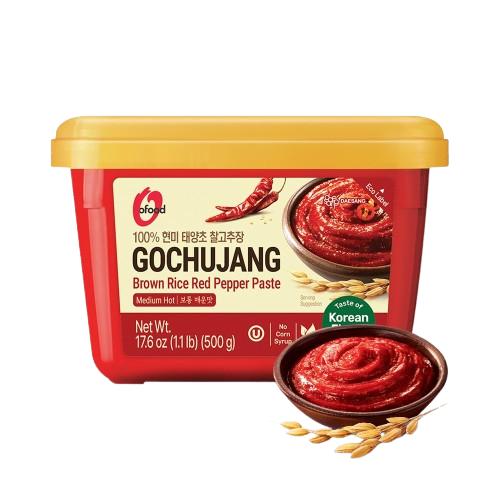
Gochujang is a widely used fermented chili paste and a cornerstone of Korean cuisine, prized for its spicy, savory, and subtly sweet flavors. A 100g portion of gochujang contains 211 calories, while a single tablespoon (17g) provides 36 calories. Energy values differ depending on the recipe, with Sogogi Gochujang (beef-added) supplying 260 calories per 100g compared to the 215 calories found in the glutinous rice-based Chal Gochujang.
A nutritional analysis of gochujang reveals a profile dense in carbohydrates with some protein and a high concentration of sodium. A single tablespoon of gochujang (17g) offers 8.1g of total carbohydrates and 0.9g of protein, while containing 421mg of sodium. The paste serves as a source of micronutrients, delivering 0.2mg of iron and 55mg of potassium. Scientific studies examine its potential health benefits, such as the work by Whiting, S., et al. (2012), which investigates the metabolic impact of capsaicin from chili peppers.
Given the high sodium and added sugar in many commercial versions, dietitians advise keeping intake within reasonable limits. A recommended daily allowance consists of one to two tablespoons of gochujang (36 to 72 calories). Burning the 36 calories from a single tablespoon (17g) of gochujang requires activities like 4 minutes of moderate jogging, 6 minutes of cycling, or 9 minutes of brisk walking.
Gochujang appears extensively in Korean cuisine, and the most popular types include Chal Gochujang, Sunchang Gochujang, and Sogogi Gochujang. The paste is essential for the Jeyuk Bokkeum at Kang Ho Dong Baekjeong and serves as a key ingredient in the Kimchi Jjigae at Soowon Galbi. The ingredient originated on the Korean peninsula following the introduction of chili peppers in the late 16th century and is primarily produced and consumed in South Korea. The price of the paste has risen noticeably over the last two decades, with the Producer Price Index for sauce manufacturing increasing from 137.4 in 2015 to 188.796 in 2024, while retail prices for a standard 500g tub rose from a $3.00 to $4.00 range in the early 2000s to $5.99 to $8.99 in 2024.
Gochujang nutrition
| Stats | Weight |
|---|---|
| Carbs | 32.2 grams |
| Protein | 3.6 grams |
| Fats | 0 grams |
| Sugars | 2.7 grams |
- Large Gochujang Calories (Nutritional Facts)
- Medium Gochujang Calories (Nutritional Facts)
- Small Gochujang Calories (Nutritional Facts)
- Raw Gochujang Nutrition
- Sodium in Gochujang
- Potassium in Gochujang
- Sugar in Gochujang
- Fiber in Gochujang
- Protein in Gochujang
- Carbs in Gochujang
- Fat in Gochujang
- Vitamins in Gochujang
- Minerals in Gochujang
Large Gochujang Calories (Nutritional Facts)
A large serving of gochujang (136g or 0.5 cup) contains 287 calories, 7.2g of protein (15% DV), 0g of fat (0% DV), 64.5g of carbohydrates (23% DV), 71.5mg of cholesterol (24% DV), and 3364mg of sodium (140% DV).
A medium portion of gochujang (68g or 0.25 cup) provides 144 calories, 3.6g of protein (8% DV), 0g of fat (0% DV), 32.2g of carbohydrates (12% DV), 35.8mg of cholesterol (12% DV), and 1682mg of sodium (70% DV).
A small serving of gochujang (17g or 1 tablespoon) contains 36 calories, 0.9g of protein (2% DV), 0g of fat (0% DV), 8.1g of carbohydrates (3% DV), 8.9mg of cholesterol (3% DV), and 421mg of sodium (18% DV).
A single tablespoon serving of raw gochujang (17g) provides 36 calories, 0.9g of protein (2% DV), 0g of total fat (0% DV), 8.1g of total carbohydrates (3% DV), 8.9mg of cholesterol (3% DV), and 421mg of sodium (18% DV).
A large serving of gochujang (136g) contains 3364mg of sodium (140% DV). A medium portion (68g) has 1682mg of sodium (70% DV). A small serving (17g) contains 421mg of sodium (18% DV).
The amount of potassium in gochujang is not specified in the provided nutritional data.
The amount of total sugars in gochujang is not specified in the provided nutritional data.
The amount of dietary fiber in gochujang is not specified in the provided nutritional data.
A large serving of gochujang (136g) provides 7.2g of protein (15% DV). A medium portion (68g) has 3.6g of protein (8% DV). A small serving (17g) contains 0.9g of protein (2% DV).
A large serving of gochujang (136g) contains 64.5g of carbohydrates (23% DV). A medium portion (68g) has 32.2g of carbohydrates (12% DV). A small serving (17g) provides 8.1g of carbohydrates (3% DV).
A large serving of gochujang (136g) contains 0g of total fat (0% DV). A medium portion (68g) has 0g of total fat (0% DV). A small serving of gochujang (17g) provides 0g of total fat (0% DV).
A large serving of gochujang (136g) provides 1020mcg of Vitamin A (113% DV), 0.41mg of Vitamin B6 (24% DV), and 9.5mg of Vitamin C (11% DV). A medium portion (68g) has 510mcg of Vitamin A (57% DV), 0.2mg of Vitamin B6 (12% DV), and 4.8mg of Vitamin C (5% DV). A one-tablespoon serving of gochujang (17g) provides 128mcg of Vitamin A (14% DV), 0.05mg of Vitamin B6 (3% DV), and 1.2mg of Vitamin C (1% DV).
A large serving of gochujang (136g) provides 3.4mg of iron (19% DV) and 476mg of potassium (10% DV). A medium portion (68g) has 1.7mg of iron (9% DV) and 238mg of potassium (5% DV). A single tablespoon of gochujang (17g) contains 0.43mg of iron (2% DV) and 60mg of potassium (1% DV).
Get a Custom Report on Gochujang Nutrition Data – Contact Us!
What are the Types of Gochujang?
The types of Gochujang include Chal Gochujang, Sunchang Gochujang, and Sogogi Gochujang. The table below outlines the nutritional differences.
| Type | Description | Calories (Per 100g) | Calorie Qualifications |
|---|---|---|---|
|
Chal Gochujang
|
A traditional, sticky paste made with glutinous rice. | 215 | The glutinous rice base provides a higher carbohydrate content, resulting in a standard energy density. |
|
Sunchang Gochujang
|
A regional variety known for a deeper, more complex flavor from a longer fermentation period. | 220 | The extended fermentation process can slightly concentrate sugars, increasing the caloric load. |
|
Sogogi Gochujang
|
A savory paste with minced beef added for extra flavor and protein. | 260 | The addition of beef increases the fat and protein content, making this the most calorie-dense variety. |
What are the Main Dishes With Gochujang?
Gochujang is a foundational ingredient in savory Korean cooking, acting as a base for stews, marinades, and dipping sauces. The fermented paste provides a combination of spicy, savory, and slightly sweet notes that define many iconic recipes. The list below details distinct savory recipes that incorporate this ingredient.
| Dish Name | Calories (Estimate) | Type of Dish | Carbs (g) (Estimate) | Sugar (g) (Estimate) | Protein (g) (Estimate) | Fat (g) (Estimate) | Cuisine | Restaurants |
|---|---|---|---|---|---|---|---|---|
|
Tteokbokki
|
480 | Rice Cake Stew | 95 | 15 | 8 | 7 | Korean | BCD Tofu House |
|
Bibimbap
|
650 | Mixed Rice Bowl | 80 | 10 | 25 | 25 | Korean | Koba Tofu Grill (Various Locations) |
|
Dakgalbi
|
550 | Spicy Stir-fried Chicken | 25 | 12 | 40 | 30 | Korean | Iron Age (Various Locations) |
|
Jeyuk Bokkeum
|
520 | Spicy Stir-fried Pork | 15 | 10 | 35 | 35 | Korean | Kang Ho Dong Baekjeong (National) |
|
Budae Jjigae
|
750 | Army Stew | 60 | 8 | 35 | 45 | Korean | Paik's Noodle |
|
Gochujang Fried Chicken
|
680 | Fried Chicken | 40 | 18 | 45 | 38 | Korean-American | Bonchon |
|
Osam Bulgogi
|
580 | Squid and Pork Bulgogi | 20 | 15 | 42 | 36 | Korean | Local Korean eateries |
|
Kimchi Jjigae
|
450 | Kimchi Stew | 15 | 6 | 28 | 30 | Korean | Soowon Galbi (Los Angeles, CA) |
|
Hwedupbap
|
550 | Raw Fish Rice Bowl | 70 | 5 | 30 | 20 | Korean | Madang (New York, NY) |
|
Spicy Pork Ribs
|
850 | Grilled Ribs | 30 | 25 | 55 | 58 | Korean BBQ | Honey Pig (Various Locations) |
|
Gochujang Pasta
|
620 | Pasta Entree | 80 | 12 | 20 | 25 | Korean-Italian Fusion | Her Name is Han (New York, NY) |
|
Kimchi Quesadilla
|
480 | Quesadilla | 35 | 5 | 20 | 28 | Korean-Mexican Fusion | Kogi BBQ Truck (Los Angeles, CA) |
|
Spicy Cold Noodles
|
510 | Noodle Dish | 90 | 20 | 15 | 8 | Korean | Yup Dduk (Various Locations) |
|
Dakdoritang
|
610 | Spicy Chicken Stew | 25 | 10 | 45 | 38 | Korean | Kunjip (New York, NY) |
|
Gochujang Glazed Salmon
|
530 | Seafood Entree | 15 | 12 | 38 | 32 | Modern American | Hillstone Restaurant (National) |
What are the Desserts With Gochujang?
Gochujang provides a savory, spicy counterpoint in modern confectionery, creating complex flavor profiles in sweets. The paste is integrated into batters, caramels, and glazes to add a surprising warmth and depth. The following list enumerates confectionery items that utilize this paste as a novel component.
| Dish Name | Calories (Estimate) | Type of Dish | Carbs (g) (Estimate) | Sugar (g) (Estimate) | Protein (g) (Estimate) | Fat (g) (Estimate) | Cuisine | Restaurants |
|---|---|---|---|---|---|---|---|---|
|
Gochujang Brownies
|
350 | Baked Good | 45 | 30 | 4 | 18 | Korean-Fusion | Jungsik (New York, NY) |
|
Spicy Caramel Corn
|
280 | Snack | 55 | 40 | 2 | 8 | American-Fusion | Food truck concepts |
|
Gochujang Chocolate Truffles
|
90 | Confection | 8 | 7 | 1 | 6 | Fusion | Vosges Haut-Chocolat (Chicago, IL) |
|
Spicy Peanut Butter Cookies
|
180 | Cookie | 20 | 12 | 5 | 10 | American-Fusion | Innovative bakeries |
|
Gochujang Glazed Donuts
|
380 | Fried Pastry | 48 | 28 | 5 | 20 | Korean-Fusion | The Salty Donut (Various Locations) |
|
Chili Chocolate Lava Cake
|
450 | Cake | 55 | 40 | 6 | 24 | Fusion | Oiji Mi (New York, NY) |
|
Gochujang Caramel Sauce
|
120 | Topping | 25 | 25 | 0 | 3 | Fusion | Momofuku (Various Locations) |
|
Spicy Mango Sticky Rice
|
420 | Pudding | 85 | 50 | 5 | 8 | Thai-Korean Fusion | Fusion restaurants |
|
Gochujang Infused Ice Cream
|
250 | Frozen Dessert | 28 | 25 | 4 | 14 | Korean-Fusion | Salt & Straw |
|
Spicy Chocolate Bark
|
220 | Confection | 20 | 18 | 2 | 15 | Fusion | Boutique chocolatiers |
|
Gochujang Apple Crumble
|
390 | Baked Fruit | 60 | 45 | 4 | 16 | American-Fusion | Modern bistros |
|
Spicy Candied Bacon
|
150 | Candied Meat | 8 | 8 | 8 | 10 | American | State fairs, novelty menus |
What Cuisines Prefer Gochujang the Most?
Gochujang is indispensable in many Korean and Korean-fusion culinary traditions. The paste's unique spicy and savory depth makes a versatile base for both traditional recipes and modern culinary innovations. The table below shows the application of gochujang across different cooking styles.
| Cuisine | Dish | Types of Gochujang | Calories (Estimate) | Restaurant(s) |
|---|---|---|---|---|
|
Traditional Korean
|
Bibimbap | Chal Gochujang | 650 | BCD Tofu House |
|
Korean BBQ
|
Jeyuk Bokkeum | Sunchang Gochujang | 520 | Kang Ho Dong Baekjeong |
|
Korean Street Food
|
Tteokbokki | Chal Gochujang | 480 | Yup Dduk |
|
Korean-American
|
Gochujang Fried Chicken | Sweetened Gochujang Sauce | 680 | Bonchon |
|
Korean-Mexican Fusion
|
Kimchi Quesadilla | Traditional Gochujang | 480 | Kogi BBQ Truck |
|
Modern Korean
|
Gochujang Glazed Salmon | Refined Gochujang Glaze | 530 | Jungsik, Oiji Mi |
|
Korean-Italian Fusion
|
Gochujang Pasta | Gochujang Cream Sauce | 620 | Her Name is Han |
|
Home-Style Korean
|
Budae Jjigae | Traditional Gochujang | 750 | Paik's Noodle |
|
Fast-Casual Korean
|
Spicy Pork Bowl | Chal Gochujang | 580 | Chi'Lantro BBQ |
|
Korean Stews
|
Kimchi Jjigae | Sunchang Gochujang | 450 | Soowon Galbi |
|
Korean Royal Court
|
Maekjeok | Fermented Gochujang Marinade | 450 | Joomak Banjum |
Which Countries Produce the Most Gochujang?
The top producers of the key ingredients for gochujang, specifically dried chili peppers, are India, Thailand, and China. South Korea remains the primary producer of gochujang itself, though comprehensive global production data for the finished paste is not centrally tracked. The table below shows the production volumes in tonnes for dried chili peppers and related spices for key nations over the last two decades.
| Country | 2003 | 2008 | 2013 | 2018 | 2019 | 2020 | 2021 | 2022 |
|---|---|---|---|---|---|---|---|---|
| India | 1,184,000 | 1,376,000 | 1,492,000 | 1,733,000 | 1,825,000 | 1,987,000 | 2,015,000 | 2,056,000 |
| Thailand | 310,000 | 345,000 | 360,000 | 348,651 | 349,122 | 351,234 | 353,100 | 355,500 |
| China | 300,000 | 325,000 | 415,000 | 410,234 | 411,567 | 413,231 | 415,100 | 417,300 |
| Ethiopia | 240,500 | 280,600 | 299,876 | 305,432 | 308,112 | 310,432 | 312,800 | 315,100 |
| Indonesia | 110,000 | 155,000 | 195,000 | 210,456 | 212,897 | 215,342 | 217,900 | 220,100 |
| Pakistan | 55,900 | 85,000 | 142,500 | 150,987 | 152,654 | 155,321 | 157,900 | 160,200 |
| Mexico | 90,000 | 115,000 | 125,000 | 130,543 | 132,876 | 135,100 | 137,400 | 139,800 |
| South Korea | 195,000 | 140,000 | 110,000 | 85,432 | 82,112 | 79,456 | 77,200 | 75,100 |
Which Countries Consume the Most Gochujang?
The top consumers of gochujang and related Korean sauces are South Korea, the United States, China, and Japan. Consumption is driven by the domestic Korean market and growing international demand for Korean cuisine. The table below shows the import values of South Korean fermented sauces, including gochujang, for key markets, reflecting consumption trends.
| Country | 2003 | 2008 | 2013 | 2018 | 2019 | 2020 | 2021 | 2022 |
|---|---|---|---|---|---|---|---|---|
| United States | 8,500 | 15,200 | 25,600 | 35,800 | 38,900 | 45,100 | 52,300 | 58,700 |
| China | 2,100 | 5,400 | 10,200 | 18,500 | 21,300 | 24,800 | 28,100 | 30,500 |
| Japan | 10,200 | 18,500 | 22,100 | 24,300 | 25,100 | 26,500 | 27,800 | 29,200 |
| Vietnam | 450 | 1,200 | 3,500 | 8,900 | 10,200 | 12,500 | 15,100 | 17,400 |
| Canada | 1,100 | 2,500 | 4,800 | 7,100 | 8,200 | 9,800 | 11,500 | 13,200 |
| Australia | 950 | 2,100 | 4,100 | 6,500 | 7,500 | 8,900 | 10,800 | 12,500 |
| Philippines | 300 | 800 | 2,100 | 5,400 | 6,800 | 8,100 | 9,900 | 11,800 |
| United Kingdom | 550 | 1,300 | 2,800 | 4,900 | 5,800 | 6,900 | 8,200 | 9,500 |
How Do Prices of Gochujang-Including Dishes Change?
Restaurant and retail prices for gochujang-based items have surged, mirroring the increased expense of sourcing the paste, labor, and other ingredients. The table below illustrates price adjustments for selected menu items and retail products.
| Brand/Restaurant/Retailer | Item | Old Price | Current Price (2024/2025) |
|---|---|---|---|
| BCD Tofu House | Bibimbap | $10.99 (2014) | $18.99 - $22.99 |
| Bonchon | Strips | $12.95 (2015) | $17.99 - $19.49 |
| Kang Ho Dong Baekjeong | Spicy Pork Belly (Jeyuk Bokkeum) | $29.99 (2016) | $32.99 - $41.40 |
| Kogi BBQ Truck | Spicy Pork Burrito | $8.00 (2014) | $10.95 - $13.00 |
| Iron Age | Dakgalbi (Spicy Chicken) | $9.99 (2015) | $10.20 - $11.00 |
| Chungjungone / Kroger | Sunchang Gochujang (500g) | $6.29 (2016) | $8.49 - $12.99 |
| Roland Foods / Amazon | Gochujang Korean Chili Sauce (7oz) | $5.99 (2017) | $8.69 - $10.99 |
What is the Gochujang Calorie for 100 Grams?
A 100g serving of gochujang contains 211 calories.
What is the Gochujang Calorie for 1 KG?
One kilogram (1000g) of gochujang supplies 2110 calories.
What is the Calorie of 1 Gochujang?
A single tablespoon of gochujang (17g) contains 36 calories, while a single teaspoon (6g) provides 13 calories. Retail brands offer distinct energy profiles, as a serving of Ajumma Republic Gochujang Korean Fermented Chili Sauce (20g or 1 Tbsp) contains 45 calories. A serving of Culinary Tours Gochujang Sauce (30g or 2 Tbsp) provides 80 calories, whereas a serving of Supervalu Spicy Gochujang Cooking Sauce (37g or 2 Tbsp) supplies 80 calories.
What are the Health Benefits of Gochujang?
Gochujang offers several health advantages stemming from the active compounds in the ingredients and the fermentation process. The following points detail the main benefits of consuming gochujang.
- Boosts Metabolism: The capsaicin in chili peppers accelerates metabolic rate and promotes fat oxidation. A study by Whiting, S., et al. (2012), "Capsaicinoids and capsinoids. A potential role for weight management? A systematic review of the evidence," confirmed that consumption of capsaicinoids increases energy expenditure and enhances fat loss.
- Improves Gut Health: Fermentation produces beneficial microorganisms that support a healthy intestinal microbiome. Research by Marco, M. L., et al. (2017), "Health benefits of fermented foods: microbiota and beyond," established that fermented foods introduce microbes that can aid digestion and modulate immune function.
- Contains Antioxidants: Red chili peppers are a rich source of antioxidant compounds, such as phenolics and flavonoids, which combat cellular damage from free radicals. A study by Materska, M., & Perucka, I. (2005), "Antioxidant activity of the main phenolic compounds isolated from hot pepper fruit (Capsicum annuum L.)," demonstrated the potent free-radical-scavenging activity of compounds found in chilies.
What are the Downsides of Gochujang?
Gochujang poses risks related to high sodium and sugar content when consumed in large quantities. Nutritionists advise limiting intake to one tablespoon per day and choosing red pepper flakes as a lower-sodium alternative to mitigate potential risks. The information below shows specific negative health implications of frequent consumption of gochujang.
- Elevates Blood Pressure: The high sodium content can lead to hypertension and increased risk of cardiovascular disease. Research by He, F. J., & MacGregor, G. A. (2009), "A comprehensive review on salt and health and current experience of worldwide salt reduction programmes," noted a direct, positive relationship between dietary salt intake and blood pressure levels.
- Promotes Weight Gain: Many commercial varieties contain added sugars like corn syrup, which adds empty calories and can lead to weight gain. A study by Malik, V. S., et al. (2010), "Sugar-sweetened beverages and risk of metabolic syndrome and type 2 diabetes: a meta-analysis," identified high intake of added sugars as a major factor in the development of obesity and metabolic syndrome.
- May Contain MSG: Some commercial gochujang products include monosodium glutamate (MSG) as a flavor enhancer, which can cause adverse reactions in sensitive individuals. Research by Zanfirescu, A., et al. (2019), "A review of the alleged health hazards of monosodium glutamate," discusses the reports of MSG-induced symptoms such as headaches and nausea in a subset of the population.
Is Gochujang Good for You?
Yes, gochujang is good for health because the paste provides capsaicin, beneficial microbes, and antioxidants that support metabolic function, digestive efficiency, and cellular health. Metabolic health benefits from the presence of capsaicin, which increases energy expenditure as explored by Whiting, S., et al. (2012) in "Capsaicinoids and capsinoids. A potential role for weight management? A systematic review of the evidence." Digestive health strengthens through the action of microorganisms generated during fermentation, which improve the gut microbiome as confirmed by Marco, M. L., et al. (2017) in "Health benefits of fermented foods: microbiota and beyond." Cellular health improves due to the high concentration of antioxidants that protect against oxidative stress as detailed in the study by Materska, M., & Perucka, I. (2005), "Antioxidant activity of the main phenolic compounds isolated from hot pepper fruit (Capsicum annuum L.)."
How Does Calorie Change According to Gochujang Types?
Energy values fluctuate across gochujang varieties based on the specific ingredients added to the base of chili powder, fermented soybeans, and salt. Sogogi Gochujang contains the highest energy load per 100g due to the inclusion of minced beef, which adds fat and protein. Sunchang Gochujang offers a slightly higher calorie profile than the standard version because the longer fermentation process concentrates the sugars. Chal Gochujang, made with glutinous rice, provides the lowest caloric density of these types, serving as a baseline for comparison.
What is the Origin of Gochujang?
The development of gochujang is linked to the introduction of chili peppers to Korea during the late 16th century. Portuguese traders brought chilies from the Americas to East Asia, where the peppers were quickly adopted into the local agriculture and diet. Before the arrival of chilies, Korean cuisine used other spices for heat, but the new ingredient offered a potent and consistent pungency. Korean cooks began incorporating dried chili powder into existing fermentation techniques that used meju (fermented soybean blocks), salt, and glutinous rice or other starches. The earliest documented recipes for this chili paste appear in texts from the 18th century. The Sunchang region became particularly famous for producing high-quality gochujang due to favorable climate conditions for fermentation. This condiment became a cornerstone of the national cuisine, forming the flavor base for essential dishes like bibimbap, where the paste is mixed with rice and vegetables, and tteokbokki, a street food dish of rice cakes simmered in a spicy gochujang sauce.
Explore More Condiments & Sauces
Discover more Condiments & Sauces with detailed nutrition facts, calorie counts, vitamins, minerals, and health benefits. Compare similar foods, serving sizes, macronutrients, and key nutrients to find the best option for your diet and nutrition goals.
 Agave calories
 Aioli calories
 Apple Butter calories
 Avocado Oil calories
 Baking Powder calories
 Balsamic Vinaigrette calories
 Barbeque Sauce calories
 Bearnaise Sauce calories
 Blue Cheese Dressing calories
 Brown Rice Syrup calories
 Caesar Dressing calories
 Canola Oil calories