Calories and Nutritions in Harissa
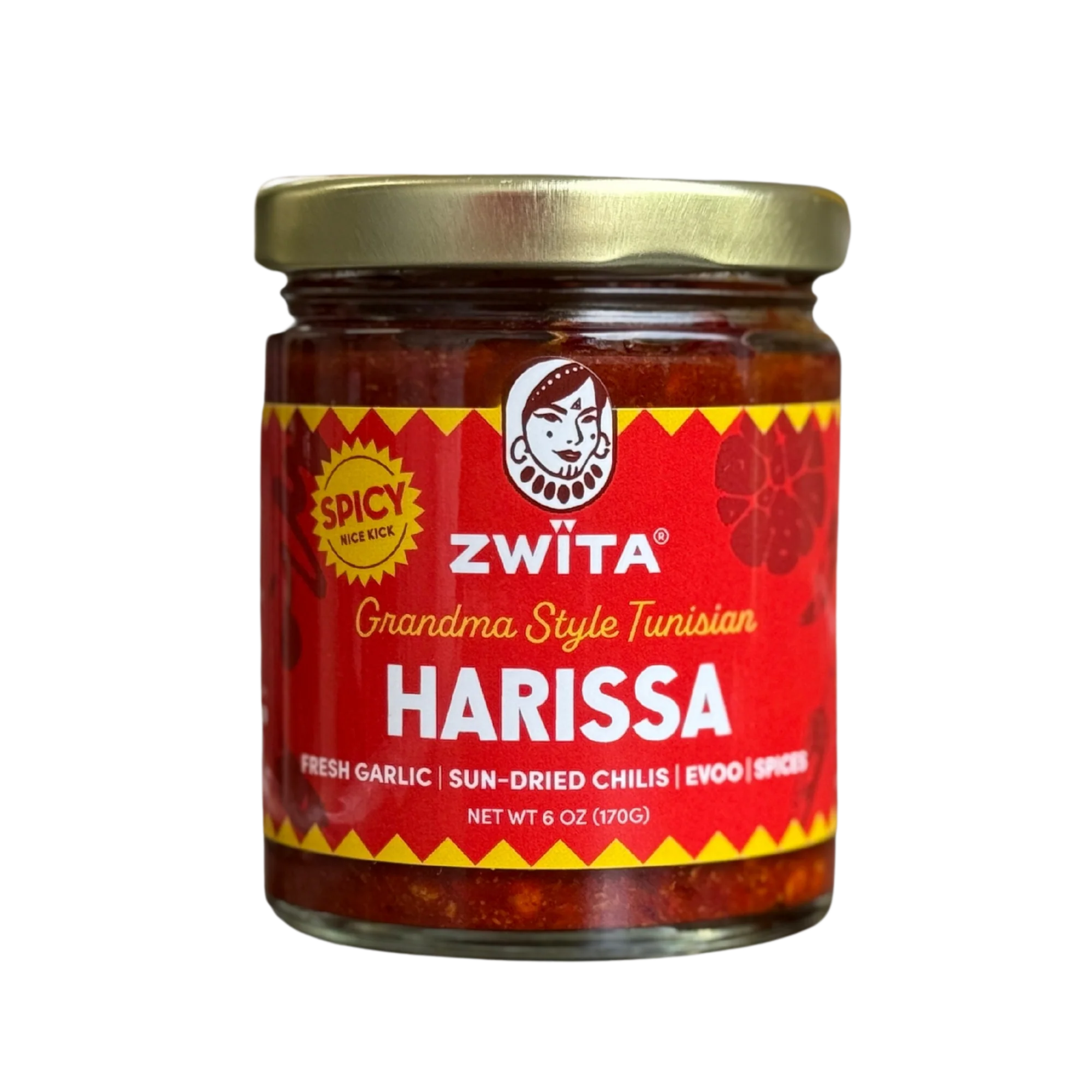
Harissa is a spicy and aromatic chili paste from North Africa, made from roasted peppers, garlic, olive oil, and spices. The harissa calories are significantly lower than oil-heavy condiments, with a 100g serving of standard Harissa containing 50 calories. A single tablespoon of Harissa (15g) provides 8 calories. Different formulations offer distinct profiles regarding calories in Harissa, with the denser Harissa Paste providing 83 calories per 100g, slightly more than the 50 calories found in the standard sauce variety.
An analysis of Harissa nutrition reveals a profile consisting mainly of carbohydrates from the peppers, with minimal fat and protein in standard servings. A single tablespoon (15g) offers 1.5g of total carbohydrates (1% DV) and contains 0g of fat and 0.45g of protein. It serves as a source of metabolic boosters, as the chili peppers contain capsaicin. Research emphasizes its metabolic impact, such as the study by Whiting, S., et al. (2012), "Capsaicinoids and capsinoids. A potential role for weight management? A systematic review of the evidence," which confirms that regular consumption aids in weight management. Common types include Traditional Red Harissa, Rose Harissa, Smoky Harissa, and Green Harissa.
Due to the sodium content reaching 1441mg per cup, nutritionists recommend consuming harissa in moderation. A recommended daily limit is one tablespoon (15g), acting as a condiment. Burning the 17 calories from a small serving (20g) of Harissa Paste requires activities like 2 minutes of rowing, 2 minutes of stair climbing, or 4 minutes of dancing.
Harissa appears in both spicy desserts and savory main courses. It is essential for dishes like Shakshuka at Tatte Bakery & Cafe and serves as a marinade for Harissa Roasted Chicken at Cava. It also enriches sweets like Rose Harissa Brownies at Oleana and functions as a flavoring for Harissa Ice Cream at The Bent Spoon. The ingredient originated in the Maghreb region, specifically Tunisia, following the Columbian Exchange in the 16th century and is produced in China, Turkey, and Tunisia. The price has risen noticeably over the last two decades, with a standard 4oz tube that cost $2.50 to $3.00 in the mid-2000s now retails between $4.50 and $6.00 in 2024.
Harissa nutrition
| Stats | Weight |
|---|---|
| Carbs | 12.8 grams |
| Protein | 3.8 grams |
| Fats | 0 grams |
| Sugars | 3.8 grams |
- Large Harissa Calories (Nutritional Facts)
- Medium Harissa Calories (Nutritional Facts)
- Small Harissa Calories (Nutritional Facts)
- Raw Harissa Nutrition
- Sodium in Harissa
- Potassium in Harissa
- Sugar in Harissa
- Fiber in Harissa
- Protein in Harissa
- Carbs in Harissa
- Fat in Harissa
- Vitamins in Harissa
- Minerals in Harissa
Large Harissa Calories (Nutritional Facts)
A large serving of Harissa (255g or 1 cup) contains 127.5 calories, 7.7g of protein, 0g of fat, 25.5g of carbohydrates, 0g of fiber, 7.7g of sugar, and 1441mg of sodium. A large serving of Harissa Paste (255g or 1 cup) provides 212 calories, 0g of protein, 0g of fat, 42.6g of carbohydrates, 0g of fiber, 0g of sugar, and 1487mg of sodium.
A medium portion of Harissa (127.5g or 0.5 cup) provides 64 calories, 3.8g of protein, 0g of fat, 12.8g of carbohydrates, 0g of fiber, 3.8g of sugar, and 720mg of sodium. A medium portion of Harissa Paste (127.5g or 0.5 cup) supplies 106 calories, 0g of protein, 0g of fat, 21.3g of carbohydrates, 0g of fiber, 0g of sugar, and 743mg of sodium.
A small serving of Harissa (20g) contains 10 calories, 0.6g of protein, 0g of fat, 2g of carbohydrates, 0g of fiber, 0.6g of sugar, and 113mg of sodium. A small serving of Harissa Paste (20g) provides 17 calories, 0g of protein, 0g of fat, 3.3g of carbohydrates, 0g of fiber, 0g of sugar, and 117mg of sodium.
A single tablespoon of Harissa (15g) contains 8 calories, 0.45g of protein (1% DV), 0g of total fat (0% DV), 1.5g of total carbohydrate (1% DV), 0g of dietary fiber (0% DV), 0.45g of total sugars (1% DV), and 84.8mg of sodium (4% DV). A single teaspoon of Harissa Paste (6g) provides 5 calories, 0g of protein (0% DV), 0g of total fat (0% DV), 1g of total carbohydrate (0% DV), 0g of dietary fiber (0% DV), 0g of total sugars (0% DV), and 35mg of sodium (1% DV).
A large serving of Harissa (255g or 1 cup) contains 1441mg of sodium (61% DV), while a large serving of Harissa Paste (255g or 1 cup) provides 1487mg of sodium (61% DV). A medium portion of Harissa (127.5g or 0.5 cup) has 720mg of sodium (31% DV), whereas a medium portion of Harissa Paste (127.5g or 0.5 cup) supplies 743mg of sodium (31% DV). A small serving of Harissa (20g) contains 113mg of sodium (5% DV), and a small serving of Harissa Paste (20g) provides 117mg of sodium (5% DV). A single tablespoon of Harissa (15g) contains 85mg of sodium (4% DV), and a single tablespoon of Harissa Paste (15g) provides 87.5mg of sodium (4% DV).
A large serving of Harissa (255g or 1 cup) provides 0mg of potassium (0% DV), while a large serving of Harissa Paste (255g or 1 cup) contains 0mg of potassium (0% DV). A medium portion of Harissa (127.5g or 0.5 cup) has 0mg of potassium (0% DV), whereas a medium portion of Harissa Paste (127.5g or 0.5 cup) supplies 0mg of potassium (0% DV). A small serving of Harissa (20g) contains 0mg of potassium (0% DV), and a small serving of Harissa Paste (20g) provides 0mg of potassium (0% DV). A single tablespoon of Harissa (15g) contains 0mg of potassium (0% DV), and a single tablespoon of Harissa Paste (15g) provides 0mg of potassium (0% DV).
A large serving of Harissa (255g or 1 cup) contains 7.7g of sugar, while a large serving of Harissa Paste (255g or 1 cup) provides 0g of sugar. A medium portion of Harissa (127.5g or 0.5 cup) has 3.8g of sugar, whereas a medium portion of Harissa Paste (127.5g or 0.5 cup) supplies 0g of sugar. A small serving of Harissa (20g) contains 0.6g of sugar, and a small serving of Harissa Paste (20g) provides 0g of sugar. A single tablespoon of Harissa (15g) contains 0.45g of sugar, and a single tablespoon of Harissa Paste (15g) provides 0g of sugar.
A large serving of Harissa (255g or 1 cup) provides 0g of dietary fiber (0% DV), while a large serving of Harissa Paste (255g or 1 cup) contains 0g of fiber (0% DV). A medium portion of Harissa (127.5g or 0.5 cup) has 0g of fiber (0% DV), whereas a medium portion of Harissa Paste (127.5g or 0.5 cup) supplies 0g of fiber (0% DV). A small serving of Harissa (20g) contains 0g of fiber (0% DV), and a small serving of Harissa Paste (20g) provides 0g of fiber (0% DV). A single tablespoon of Harissa (15g) contains 0g of fiber (0% DV), and a single tablespoon of Harissa Paste (15g) provides 0g of fiber (0% DV).
A large serving of Harissa (255g or 1 cup) provides 7.7g of protein (15% DV), while a large serving of Harissa Paste (255g or 1 cup) contains 0g of protein (0% DV). A medium portion of Harissa (127.5g or 0.5 cup) has 3.8g of protein (8% DV), whereas a medium portion of Harissa Paste (127.5g or 0.5 cup) supplies 0g of protein (0% DV). A small serving of Harissa (20g) contains 0.6g of protein (1% DV), and a small serving of Harissa Paste (20g) provides 0g of protein (0% DV). A single tablespoon of Harissa (15g) contains 0.45g of protein (1% DV), and a single tablespoon of Harissa Paste (15g) provides 0g of protein (0% DV).
A large serving of Harissa (255g or 1 cup) contains 25.5g of carbohydrates (10% DV), while a large serving of Harissa Paste (255g or 1 cup) provides 42.6g of carbohydrates (15% DV). A medium portion of Harissa (127.5g or 0.5 cup) has 12.8g of carbohydrates (5% DV), whereas a medium portion of Harissa Paste (127.5g or 0.5 cup) supplies 21.3g of carbohydrates (8% DV). A small serving of Harissa (20g) contains 2g of carbohydrates (1% DV), and a small serving of Harissa Paste (20g) provides 3.3g of carbohydrates (1% DV). A single tablespoon of Harissa (15g) contains 1.5g of carbohydrates (1% DV), and a single tablespoon of Harissa Paste (15g) provides 2.5g of carbohydrates (1% DV).
A large serving of Harissa (255g or 1 cup) contains 0g of total fat (0% DV), while a large serving of Harissa Paste (255g or 1 cup) provides 0g of total fat (0% DV). A medium portion of Harissa (127.5g or 0.5 cup) has 0g of total fat (0% DV), whereas a medium portion of Harissa Paste (127.5g or 0.5 cup) supplies 0g of total fat (0% DV). A small serving of Harissa (20g) contains 0g of total fat (0% DV), and a small serving of Harissa Paste (20g) provides 0g of total fat (0% DV). A single tablespoon of Harissa (15g) contains 0g of total fat (0% DV), and a single tablespoon of Harissa Paste (15g) provides 0g of total fat (0% DV).
A large serving of Harissa (255g or 1 cup) provides 0mg of Vitamin C (0% DV) and 0mcg of Vitamin D (0% DV). A large serving of Harissa Paste (255g or 1 cup) contains 0mg of Vitamin C (0% DV) and 0mcg of Vitamin D (0% DV). A medium portion of Harissa (127.5g or 0.5 cup) has 0mg of Vitamin C (0% DV), whereas a medium portion of Harissa Paste (127.5g or 0.5 cup) supplies 0mg of Vitamin C (0% DV). A small serving of Harissa (20g) contains 0mg of Vitamin C (0% DV), and a small serving of Harissa Paste (20g) provides 0mg of Vitamin C (0% DV). A single tablespoon of Harissa (15g) contains 0mg of Vitamin C (0% DV), and a single tablespoon of Harissa Paste (15g) provides 0mg of Vitamin C (0% DV).
A large serving of Harissa (255g or 1 cup) provides 0mg of calcium (0% DV) and 0mg of iron (0% DV). A large serving of Harissa Paste (255g or 1 cup) contains 0mg of calcium (0% DV) and 0mg of iron (0% DV). A medium portion of Harissa (127.5g or 0.5 cup) has 0mg of calcium (0% DV), whereas a medium portion of Harissa Paste (127.5g or 0.5 cup) supplies 0mg of calcium (0% DV). A small serving of Harissa (20g) contains 0mg of calcium (0% DV), and a small serving of Harissa Paste (20g) provides 0mg of calcium (0% DV). A single tablespoon of Harissa (15g) contains 0mg of calcium (0% DV), and a single tablespoon of Harissa Paste (15g) provides 0mg of calcium (0% DV).
Get a Custom Report on Harissa Nutrition Data – Contact Us!
What are the Types of Harissa?
The types of Harissa are Traditional Red Harissa, Rose Harissa, Smoky Harissa, and Green Harissa. The table below outlines the nutritional differences.
| Type | Description | Calories (Per 100g) | Calorie Qualifications |
|---|---|---|---|
|
Traditional Red Harissa
|
A paste made from roasted red peppers, garlic, and spices. | 83 | The standard recipe relies on peppers and minimal oil. |
|
Rose Harissa
|
A floral variation infused with rose petals and rose water. | 95 | The addition of oils to preserve the floral notes increases energy density. |
|
Smoky Harissa
|
A version made with sun-dried or smoked chili peppers. | 90 | The dehydration process concentrates the sugars and caloric content. |
|
Green Harissa
|
An herb-heavy paste using jalapeños, cilantro, and parsley. | 110 | The higher volume of olive oil needed to blend the fresh herbs raises the calorie count. |
What are Desserts With Harissa?
Harissa works as a contrasting flavor agent in confectionery by adding a spicy, floral depth to rich ingredients like chocolate and citrus. The paste, particularly the rose-infused variety, pairs with fats to cut through sweetness and provide a lingering warmth. The following list enumerates confectionery items that utilize this spice paste or share the name within traditional cuisines.
| Dish Name | Calories (Estimate) | Type of Harissa | Carbs (g) (Estimate) | Sugar (g) (Estimate) | Protein (g) (Estimate) | Fat (g) (Estimate) | Cuisine | Restaurants |
|---|---|---|---|---|---|---|---|---|
|
Rose Harissa Brownies
|
350 | Rose Harissa | 42 | 28 | 4 | 18 | Fusion | Oleana (Cambridge, MA) |
|
Harissa Sfouf
|
320 | Traditional Red | 45 | 25 | 5 | 14 | Lebanese | Shatila Bakery (Dearborn, MI) |
|
Spicy Chocolate Mousse
|
280 | Smoky Harissa | 24 | 18 | 4 | 16 | Fusion | Zaytinya (Washington, DC) |
|
Harissa Hloua
|
310 | Traditional Red | 38 | 22 | 6 | 15 | Tunisian | Tunisia Restaurant (New York, NY) |
|
Harissa Ice Cream
|
240 | Rose Harissa | 22 | 20 | 3 | 14 | Modern American | The Bent Spoon (Princeton, NJ) |
|
Date and Harissa Truffles
|
180 | Traditional Red | 28 | 24 | 2 | 8 | Middle Eastern | Sahadi's (Brooklyn, NY) |
|
Harissa Poached Pears
|
160 | Rose Harissa | 40 | 32 | 1 | 0.5 | French-Tunisian | Le Coucou (New York, NY) |
|
Spicy Molten Cake
|
410 | Smoky Harissa | 48 | 30 | 6 | 22 | Fusion | Momofuku Ko (New York, NY) |
|
Rose Harissa Yogurt Cake
|
290 | Rose Harissa | 35 | 18 | 5 | 12 | Mediterranean | Tatte Bakery & Cafe (Boston, MA) |
|
Harissa Caramel Tart
|
380 | Traditional Red | 44 | 28 | 3 | 20 | Modern French | Balthazar (New York, NY) |
|
Basbousa (aka Harissa)
|
340 | N/A (Semolina Base) | 52 | 35 | 4 | 12 | Egyptian/Levantine | Al Bohsali (National Delivery) |
|
Spicy Halva
|
450 | Green Harissa | 42 | 38 | 12 | 28 | Middle Eastern | Seed + Mill (New York, NY) |
|
Harissa Spiced Cookies
|
150 | Rose Harissa | 18 | 10 | 2 | 7 | Fusion | Levain Bakery (New York, NY) |
|
Chocolate Chili Tart
|
360 | Smoky Harissa | 38 | 22 | 5 | 21 | Modern American | Tartine Bakery (San Francisco, CA) |
|
Orange Harissa Sorbet
|
140 | Rose Harissa | 36 | 34 | 0 | 0 | Fusion | Jeni's Splendid Ice Creams |
What are the Main Dishes With Harissa?
Harissa serves as a primary flavoring agent in savory applications, particularly within North African stews and grilled protein preparations. The heat and acidity cut through rich meats like lamb and stabilize the flavor profile of vegetable-heavy dishes. The list below details distinct savory recipes that incorporate this ingredient.
| Dish Name | Calories (Estimate) | Type of Harissa | Carbs (g) (Estimate) | Sugar (g) (Estimate) | Protein (g) (Estimate) | Fat (g) (Estimate) | Cuisine | Restaurants |
|---|---|---|---|---|---|---|---|---|
|
Shakshuka
|
350 | Traditional Red | 18 | 8 | 16 | 22 | Tunisian/Israeli | Tatte Bakery & Cafe |
|
Merguez Frites
|
650 | Traditional Red | 45 | 2 | 28 | 40 | French-Algerian | Buvette (New York, NY) |
|
Tunisian Fricasse
|
520 | Traditional Red | 48 | 4 | 18 | 28 | Tunisian | Barzakh (Brooklyn, NY) |
|
Lablabi
|
420 | Traditional Red | 55 | 6 | 22 | 14 | Tunisian | Cafe Mogador (New York, NY) |
|
Harissa Roasted Chicken
|
580 | Rose Harissa | 8 | 2 | 45 | 38 | Modern American | Cava |
|
Lamb Tagine
|
620 | Smoky Harissa | 24 | 12 | 35 | 42 | Moroccan | Tagine Dining Gallery (New York, NY) |
|
Couscous Royale
|
750 | Traditional Red | 85 | 6 | 32 | 28 | North African | Tara Kitchen (Albany, NY) |
|
Harissa Honey Salmon
|
480 | Rose Harissa | 12 | 8 | 38 | 26 | Fusion | True Food Kitchen |
|
Spicy Falafel Sandwich
|
550 | Green Harissa | 65 | 5 | 18 | 24 | Middle Eastern | Mamoun's Falafel (New York, NY) |
|
Ojja with Merguez
|
480 | Traditional Red | 15 | 6 | 24 | 35 | Tunisian | La Goulette (Brooklyn, NY) |
|
Harissa Burger
|
720 | Smoky Harissa | 45 | 6 | 38 | 44 | American Fusion | Umami Burger (Los Angeles, CA) |
|
Grilled Octopus
|
320 | Traditional Red | 8 | 2 | 42 | 12 | Mediterranean | Zaytinya (Washington, DC) |
|
Roasted Cauliflower
|
210 | Rose Harissa | 14 | 4 | 6 | 15 | Israeli | Shaya (New Orleans, LA) |
|
Harissa Shrimp Skewers
|
280 | Green Harissa | 4 | 1 | 32 | 14 | Mediterranean | The Great Greek Mediterranean Grill |
|
Kabab Halabi
|
540 | Traditional Red | 12 | 3 | 35 | 38 | Syrian/Aleppian | Aleppo's Kitchen (Anaheim, CA) |
What Cuisines Prefer Harissa the Most?
Harissa acts as a staple ingredient in North African and Middle Eastern culinary traditions, serving as the primary source of heat and flavor complexity. The table below details the specific cuisines that prioritize this ingredient.
| Cuisine | Dish | Types of Harissa | Calories (Estimate) | Restaurant(s) |
|---|---|---|---|---|
|
Tunisian
|
Lablabi | Traditional Red | 420 | La Goulette (Brooklyn, NY) |
|
Moroccan
|
Tagine | Rose Harissa | 620 | Le Souk (New York, NY) |
|
Algerian
|
Chorba Frik | Traditional Red | 380 | Nomads (New York, NY) |
|
Israeli
|
Shakshuka | Traditional Red | 350 | Zahav (Philadelphia, PA) |
|
Libyan
|
Sharba | Traditional Red | 290 | Bab Al-Yemen (Boston, MA) |
|
French
|
Steak Frites | Harissa Mayo | 850 | Balthazar (New York, NY) |
|
Modern American
|
Grain Bowl | Rose Harissa | 580 | Cava |
|
Lebanese
|
Spicy Hummus | Traditional Red | 210 | Ilili (New York, NY) |
|
Syrian
|
Muhammara | Smoky Harissa | 240 | Aleppo's Kitchen (Anaheim, CA) |
|
Mediterranean Fusion
|
Fish Taco Bowl | Green Harissa | 650 | Sweetgreen |
|
Egyptian
|
Okra Stew | Traditional Red | 310 | Casa La Femme (New York, NY) |
|
Turkish
|
Adana Kebab | Traditional Red | 540 | Pera Mediterranean (New York, NY) |
|
Maltese
|
Kapunata | Traditional Red | 220 | The Maltese Cross (San Francisco, CA) |
|
Palestinian
|
Musakhan | Rose Harissa | 680 | Tanoreen (Brooklyn, NY) |
|
Spanish
|
Patatas Bravas | Harissa Aioli | 450 | Boqueria (New York, NY) |
Which Countries Produce the Most Harissa?
The top producers of chili peppers, which serve as the primary raw material for Harissa production, include China, Turkey, and Indonesia. Tunisia remains the cultural and industrial center for authentic Harissa manufacturing, producing 37,000 tons of the finished paste annually. China dominates the global supply of the raw capsicum needed for large-scale spice paste manufacturing. Turkey functions as a major producer of pepper pastes similar to Harissa, contributing substantially to the regional supply. The table below shows the production volume of fresh chili peppers and peppers for the top producing nations over the last two decades.
| Country | 2003 | 2008 | 2013 | 2018 | 2019 | 2020 | 2021 | 2022 |
|---|---|---|---|---|---|---|---|---|
| China | 11,500,000 | 14,300,000 | 15,800,000 | 18,200,000 | 18,500,000 | 16,700,000 | 16,800,000 | 17,000,000 |
| Turkey | 1,700,000 | 1,900,000 | 2,100,000 | 2,550,000 | 2,600,000 | 2,650,000 | 2,700,000 | 3,000,000 |
| Indonesia | 1,000,000 | 1,200,000 | 1,700,000 | 2,500,000 | 2,550,000 | 2,770,000 | 2,750,000 | 2,800,000 |
| Mexico | 1,500,000 | 2,000,000 | 2,300,000 | 2,800,000 | 3,000,000 | 2,800,000 | 2,900,000 | 3,100,000 |
| Spain | 950,000 | 1,050,000 | 1,000,000 | 1,270,000 | 1,350,000 | 1,400,000 | 1,450,000 | 1,500,000 |
| Egypt | 450,000 | 550,000 | 600,000 | 750,000 | 800,000 | 850,000 | 900,000 | 950,000 |
| Tunisia | 250,000 | 290,000 | 350,000 | 450,000 | 460,000 | 470,000 | 480,000 | 500,000 |
| Algeria | 220,000 | 280,000 | 320,000 | 400,000 | 420,000 | 440,000 | 450,000 | 470,000 |
Which Countries Consume the Most Harissa?
The top consumers of chili peppers and spicy condiments, which constitute the main components of Harissa, include Tunisia, Turkey, and Mexico. Tunisia holds the highest per capita consumption rate of the specific Harissa paste, where the average individual consumes 10 to 15 kilograms of the condiment annually. France represents the largest export market for Harissa due to the substantial North African diaspora. The United States and Germany have seen rising import volumes of spicy pepper pastes over the last decade. The table below shows the domestic supply quantity of chili peppers and peppers for key consuming nations over the last two decades.
| Country | 2003 | 2008 | 2013 | 2018 | 2019 | 2020 | 2021 | 2022 |
|---|---|---|---|---|---|---|---|---|
| China | 11,200,000 | 13,800,000 | 15,200,000 | 17,500,000 | 17,800,000 | 16,000,000 | 16,100,000 | 16,300,000 |
| Turkey | 1,650,000 | 1,850,000 | 2,000,000 | 2,400,000 | 2,450,000 | 2,500,000 | 2,550,000 | 2,800,000 |
| Mexico | 1,300,000 | 1,700,000 | 1,900,000 | 2,300,000 | 2,500,000 | 2,400,000 | 2,500,000 | 2,700,000 |
| Indonesia | 980,000 | 1,150,000 | 1,650,000 | 2,400,000 | 2,450,000 | 2,650,000 | 2,600,000 | 2,650,000 |
| United States | 850,000 | 950,000 | 1,100,000 | 1,300,000 | 1,350,000 | 1,400,000 | 1,450,000 | 1,500,000 |
| Tunisia | 240,000 | 280,000 | 340,000 | 430,000 | 440,000 | 450,000 | 460,000 | 480,000 |
| France | 180,000 | 210,000 | 240,000 | 280,000 | 290,000 | 300,000 | 310,000 | 320,000 |
| Germany | 150,000 | 180,000 | 210,000 | 250,000 | 260,000 | 270,000 | 280,000 | 290,000 |
How Do Prices of Harissa-Including Dishes Change?
Restaurant costs for Harissa-based entrees and sides have surged, mirroring the increased expense of sourcing premium spices, oils, and proteins. The table below illustrates price adjustments for selected items at well-known establishments.
| Brand/Restaurant | Dish | Old Price (Year) | Current Price (2024/2025) |
|---|---|---|---|
| Cava | Harissa Avocado Bowl | $9.87 (2016) | $13.55 - $16.25 |
| Tatte Bakery & Cafe | Traditional Shakshuka (w/ Harissa) | $12.00 (2015) | $16.50 - $17.05 |
| Sweetgreen | Fish Taco Bowl (Harissa Dressing) | $11.95 (2017) | $16.95 - $21.50 |
| True Food Kitchen | Ancient Grains Bowl (w/ Harissa) | $14.00 (2014) | $18.50 - $19.50 |
| Le Pain Quotidien | Chicken Soup (w/ Harissa) | $3.95 (2015) | $8.25 - $9.50 |
| Le Pain Quotidien | Harissa-Tomato Jam & Avocado Omelette | $13.95 (2015) | $14.05 - $16.50 |
| Le Pain Quotidien | Hummus Cucumber on Sesame Baguette | $12.90 (2015) | $12.35 - $13.95 |
| Zaytinya | Grilled Lamb Chops | $28.00 (2012) | $33.00 - $37.00 |
What is the Harissa Calorie for 100 Grams?
A 100g serving of Harissa provides 50 calories, while a 100g serving of Harissa Paste supplies 83 calories.
What is the Harissa Calorie for 1 KG?
One kilogram (1000g) of Harissa supplies 500 calories, whereas one kilogram (1000g) of Harissa Paste provides 830 calories.
What is the Calorie of 1 Harissa?
A single tablespoon of Harissa (15g) contains 8 calories, while a single teaspoon of Harissa Paste (6g) provides 5 calories. Retail brands offer distinct energy profiles, as a serving of Mina Spicy Harissa (15g) contains 20 calories. A serving of Cava Harissa (15g) provides 15 calories, whereas a serving of DEA Harissa (15g) supplies 17 calories. A standard jar of Trader Joe's Traditional Tunisian Harissa (190g) contains 130 calories.
What are the Health Benefits of Harissa?
Harissa functions as a concentrated source of antioxidants and metabolic boosters supporting various physiological systems when consumed in moderation. The capsaicin content aids in vascular function and pain management. The points below emphasize these specific health rewards.
- Enhances Metabolic Rate: The chili peppers contain capsaicin, a compound that increases energy expenditure and fat oxidation. A study by Whiting, S., et al. (2012), "Capsaicinoids and capsinoids. A potential role for weight management? A systematic review of the evidence," confirmed that regular consumption aids in weight management by boosting metabolism.
- Supports Cardiovascular Health: The garlic and olive oil components reduce blood pressure and improve cholesterol levels. Research by Ried, K., et al. (2008), "Effect of garlic on blood pressure: a systematic review and meta-analysis," established that garlic intake lowers systolic blood pressure in individuals with hypertension.
- Reduces Inflammation: The blend of spices including caraway and coriander provides anti-inflammatory compounds that protect cells from oxidative stress. A study by Hajlaoui, H., et al. (2010), "Chemical composition and antioxidant/antimicrobial activities of Tunisian Cuminum cyminum L. essential oil," confirmed the strong antioxidant activity of the cumin essential oils used in the region.
What are the Downsides of Harissa?
Harissa poses risks regarding sodium content and gastric irritation when consumed in excess. Nutritionists advise limiting intake to one teaspoon per day and choosing fresh chili flakes as a lower-sodium alternative to mitigate potential risks. The table below shows specific negative health implications.
- Elevates Blood Pressure: Excessive intake raises sodium levels due to the salt used in preservation. Research by Grillo, A., et al. (2019), "Sodium Intake and Hypertension," noted that high salt consumption directly correlates with increased cardiovascular risk.
- Triggers Acid Reflux: The high spiciness level relaxes the esophageal sphincter and causes heartburn. A study by Rodriguez-Stanley, S., et al. (2000), "The effect of capsaicin on reflux, gastric emptying and dyspepsia," established that consuming red pepper significantly increases symptoms of epigastric pain and burning in individuals with gastrointestinal sensitivity.
- Irritates Gastric Lining: The concentrated oils and spices cause stomach discomfort in sensitive individuals. Research by Gonlachanvit, S. (2010), "Are rice and spicy diet good for functional gastrointestinal disorders?" identified spicy foods as a trigger for worsening irritable bowel syndrome symptoms.
Is Harissa Good for You?
Yes, harissa is good for health because the paste provides essential antioxidants and anti-inflammatory compounds that support heart health, digestive stability, and metabolic function. Heart health benefits from the presence of olive oil and garlic which regulate cholesterol as explored by Varshney, R., et al. (2016), "Garlic and heart disease." Digestive health strengthens through the antimicrobial action of the spices which balance gut flora as confirmed by O'Mahony, R., et al. (2005), "Bactericidal and anti-adhesive properties of culinary and medicinal plants against Helicobacter pylori." Metabolic function improves due to the thermogenic properties of capsaicin as detailed in the study by Ludy, M. J., et al. (2012), "The effects of capsaicin and capsiate on energy balance: critical review and meta-analyses of studies in humans."
Is Harissa Keto-Friendly?
Yes, harissa is keto-friendly because the paste features a low carbohydrate profile and high fat content derived from the olive oil base. Nutritionists suggest a consumption rate of one tablespoon per day to maintain ketosis without exceeding carb limits. The low glycemic impact prevents insulin spikes as shown in the study by O'Keefe, J. H., et al. (2008), "Dietary strategies for improving post-prandial glucose, lipids, inflammation, and cardiovascular health." The high fat content supports ketone production as validated by Paoli, A., et al. (2013), "Beyond weight loss: a review of the therapeutic uses of very-low-carbohydrate (ketogenic) diets." The fiber content in the peppers aids digestion without adding net carbs as confirmed by Slavin, J. L. (2005), "Dietary fiber and body weight."
How Do Calories Change According to Harissa Types?
Energy values fluctuate based on the ratio of olive oil and the inclusion of additional ingredients like rose petals or herbs. Green Harissa contains the highest energy load per 100g due to the dense concentration of fresh herbs and the extra oil required to maintain the paste texture. Traditional Red Harissa offers the lowest caloric density as the base consists mainly of rehydrated chilies and spices with less added fat. Rose Harissa and Smoky Harissa fall in the middle range as the specific additives and preservation methods slightly increase the caloric content compared to the standard red variety.
How is Harissa Used in Cooking?
Harissa functions as a versatile foundational ingredient, a marinade for proteins, and a finishing condiment. Chefs incorporate the paste into the base of stews and soups to deepen the flavor profile with smoky heat and acidity. The mixture serves as a rub for meats like lamb and chicken before grilling to create a caramelized, spicy crust. Culinary professionals also blend the spice into mayonnaise, yogurt, or hummus to create dips and spreads that accompany roasted vegetables or bread.
Can Harissa Be Used in Vegan Recipes?
Yes, harissa functions as a compliant ingredient for vegan diets because the traditional composition consists solely of plant-based elements like peppers, garlic, olive oil, and spices. The production process excludes animal byproducts, making the paste suitable for flavoring roasted vegetables, grain bowls, and legumes. Manufacturers typically use vegetable oil or olive oil as the preservative fat, ensuring the product remains free from dairy or animal fats.
What is the Origin of Harissa?
The Maghreb region, specifically Tunisia, developed Harissa following the Columbian Exchange in the 16th century which introduced chili peppers to North Africa. Spanish settlers and traders facilitated the arrival of the Capsicum plant, which local populations combined with native spices like caraway, coriander, and garlic. The abundance of peppers in the Cap Bon region solidified the status of the paste as a national condiment. The name derives from the Arabic root "harasa," meaning "to pound" or "to crush," describing the traditional mortar and pestle method used to create the texture.
Explore More Condiments & Sauces
Discover more Condiments & Sauces with detailed nutrition facts, calorie counts, vitamins, minerals, and health benefits. Compare similar foods, serving sizes, macronutrients, and key nutrients to find the best option for your diet and nutrition goals.
 Agave calories
 Aioli calories
 Apple Butter calories
 Avocado Oil calories
 Baking Powder calories
 Balsamic Vinaigrette calories
 Barbeque Sauce calories
 Bearnaise Sauce calories
 Blue Cheese Dressing calories
 Brown Rice Syrup calories
 Caesar Dressing calories
 Canola Oil calories