Calories and Nutritions in Molasses
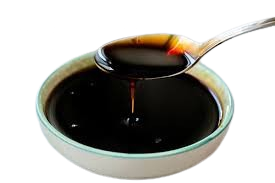
Molasses is a viscous byproduct resulting from the refining of sugarcane or sugar beets into sugar. One cup of molasses provides 977 calories, while a single tablespoon (20g) supplies 58 calories. Energy values vary depending on the boiling stage, as Regular Molasses provides 290 calories per 100g, significantly higher than the 235 calories found in the nutrient-dense Blackstrap variety.
A nutritional analysis of molasses reveals a profile rich in carbohydrates, specifically sucrose and glucose. A single tablespoon (20g) offers 15g of total carbohydrate and 11g of sugar. Molasses syrup serves as a significant source of micronutrients, delivering 0.94mg of iron and 41mg of calcium. Research highlights its potential health benefits, such as the study by Phillips, K. M., et al. (2009), "Total antioxidant content of alternatives to refined sugar," which identifies blackstrap molasses as having superior antioxidant activity compared to other sweeteners. Market varieties typically encompass Light Molasses, Dark Molasses, and Blackstrap Molasses.
Given the high sugar content in molasses, nutritionists recommend consuming this sweetener in moderation. A prudent daily allowance consists of one tablespoon (58 calories), functioning as a nutrient supplement rather than a primary food source. Burning the 58 calories from a single tablespoon (20g) of molasses requires activities like 10 minutes of mowing the lawn, 15 minutes of walking the dog, or 12 minutes of carrying groceries.
Molasses appear frequently in traditional baking and savory sauces, adding depth and color. It is essential for the Shoofly Pie at Dutch Haven and serves as a key ingredient in the Boston Baked Beans at Union Oyster House. It also sweetens the BBQ Ribs at Famous Dave's. The ingredient originated in India and Southeast Asia around 500 BC and is primarily produced and consumed in Brazil, India, and the United States. Economic factors have influenced the cost of this pantry staple, with the Producer Price Index for confectionery materials rising from 162.7 in 2015 to 314.407 in 2024, while retail prices for a standard bottle increased from $3.00 to $6.99 over the last two decades.
Molasses nutrition
| Stats | Weight |
|---|---|
| Carbs | 126 grams |
| Protein | 0 grams |
| Fats | 0 grams |
| Sugars | 92 grams |
- Large Molasses Calories (Nutritional Facts)
- Medium Molasses Calories (Nutritional Facts)
- Small Molasses Calories (Nutritional Facts)
- Raw Molasses Nutrition
- Sodium in Molasses
- Potassium in Molasses
- Sugar in Molasses
- Fiber in Molasses
- Protein in Molasses
- Carbs in Molasses
- Fat in Molasses
- Vitamins in Molasses
- Minerals in Molasses
Large Molasses Calories (Nutritional Facts)
A large serving of regular molasses (337g or 1 cup) contains 977 calories, 0g of protein (0% DV), 0.3g of fat (0% DV), 252g of carbohydrates (92% DV), 0g of fiber (0% DV), 185g of sugar, and 125mg of sodium (5% DV). A large serving of Blackstrap Molasses (337g or 1 cup) provides 792 calories, 0g of protein (0% DV), 0.3g of fat (0% DV), 202g of carbohydrates (73% DV), 0g of fiber (0% DV), 151g of sugar, and 185mg of sodium (8% DV).
A medium portion of regular molasses (168.5g or 0.5 cup) provides 488.5 calories, 0g of protein (0% DV), 0.15g of fat (0% DV), 126g of carbohydrates (46% DV), 0g of fiber (0% DV), 92.5g of sugar, and 62.5mg of sodium (3% DV). A medium portion of Blackstrap Molasses (168.5g or 0.5 cup) supplies 396 calories, 0g of protein (0% DV), 0.15g of fat (0% DV), 101g of carbohydrates (37% DV), 0g of fiber (0% DV), 75.5g of sugar, and 92.5mg of sodium (4% DV).
A small serving of regular molasses (84.25g or 0.25 cup) contains 244.25 calories, 0g of protein (0% DV), 0.07g of fat (0% DV), 63g of carbohydrates (23% DV), 0g of fiber (0% DV), 46.25g of sugar, and 31.25mg of sodium (1% DV). A small serving of Blackstrap Molasses (84.25g or 0.25 cup) provides 198 calories, 0g of protein (0% DV), 0.07g of fat (0% DV), 50.5g of carbohydrates (18% DV), 0g of fiber (0% DV), 37.75g of sugar, and 46.25mg of sodium (2% DV).
A single tablespoon of regular molasses (20g) contains 58 calories, 0g of protein (0% DV), 0.02g of total fat (0% DV), 15g of total carbohydrate (5% DV), 0g of dietary fiber (0% DV), 11g of total sugars (22% DV), and 7.4mg of sodium (0% DV). The syrup provides 0mcg of Vitamin A (0% DV), 0mg of Vitamin C (0% DV), 0.94mg of iron (5% DV), 41mg of calcium (3% DV), and 293mg of potassium (6% DV).
A large serving of Regular Molasses (337g or 1 cup) contains 125mg of sodium (5% DV), while a large serving of Blackstrap Molasses (337g or 1 cup) provides 185mg of sodium (8% DV). A medium portion of Regular Molasses (168.5g or 0.5 cup) has 62.5mg of sodium (3% DV), whereas a medium portion of Blackstrap Molasses (168.5g or 0.5 cup) supplies 92.5mg of sodium (4% DV). A small serving of Regular Molasses (84.25g or 0.25 cup) contains 31.25mg of sodium (1% DV), and a small serving of Blackstrap Molasses (84.25g or 0.25 cup) provides 46.25mg of sodium (2% DV). A single tablespoon of Regular Molasses (20g) contains 7.4mg of sodium (0% DV), a single tablespoon of Blackstrap Molasses (20g) provides 11mg of sodium (0% DV).
A large serving of Regular Molasses (337g or 1 cup) provides 4933mg of potassium (105% DV), while a large serving of Blackstrap Molasses (337g or 1 cup) contains 8165mg of potassium (174% DV). A medium portion of Regular Molasses (168.5g or 0.5 cup) has 2466.5mg of potassium (52% DV), whereas a medium portion of Blackstrap Molasses (168.5g or 0.5 cup) supplies 4082.5mg of potassium (87% DV). A small serving of Regular Molasses (84.25g or 0.25 cup) contains 1233.25mg of potassium (26% DV), and a small serving of Blackstrap Molasses (84.25g or 0.25 cup) provides 2041.25mg of potassium (43% DV). A single tablespoon of Regular Molasses (20g) contains 293mg of potassium (6% DV), a single tablespoon of Blackstrap Molasses (20g) provides 484mg of potassium (10% DV).
A large serving of Regular Molasses (337g or 1 cup) contains 185g of sugar, while a large serving of Blackstrap Molasses (337g or 1 cup) provides 151g of sugar. A medium portion of Regular Molasses (168.5g or 0.5 cup) has 92.5g of sugar, whereas a medium portion of Blackstrap Molasses (168.5g or 0.5 cup) supplies 75.5g of sugar. A small serving of Regular Molasses (84.25g or 0.25 cup) contains 46.25g of sugar, and a small serving of Blackstrap Molasses (84.25g or 0.25 cup) provides 37.75g of sugar. A single tablespoon of Regular Molasses (20g) contains 11g of sugar, a single tablespoon of Blackstrap Molasses (20g) provides 9g of sugar.
A large serving of Regular Molasses (337g or 1 cup) provides 0g of dietary fiber (0% DV), while a large serving of Blackstrap Molasses (337g or 1 cup) contains 0g of fiber (0% DV). A medium portion of Regular Molasses (168.5g or 0.5 cup) has 0g of fiber (0% DV), whereas a medium portion of Blackstrap Molasses (168.5g or 0.5 cup) supplies 0g of fiber (0% DV). A small serving of Regular Molasses (84.25g or 0.25 cup) contains 0g of fiber (0% DV), and a small serving of Blackstrap Molasses (84.25g or 0.25 cup) provides 0g of fiber (0% DV). A single tablespoon of Regular Molasses (20g) contains 0g of fiber (0% DV), a single tablespoon of Blackstrap Molasses (20g) provides 0g of fiber (0% DV).
A large serving of Regular Molasses (337g or 1 cup) provides 0g of protein (0% DV), while a large serving of Blackstrap Molasses (337g or 1 cup) contains 0g of protein (0% DV). A medium portion of Regular Molasses (168.5g or 0.5 cup) has 0g of protein (0% DV), whereas a medium portion of Blackstrap Molasses (168.5g or 0.5 cup) supplies 0g of protein (0% DV). A small serving of Regular Molasses (84.25g or 0.25 cup) contains 0g of protein (0% DV), and a small serving of Blackstrap Molasses (84.25g or 0.25 cup) provides 0g of protein (0% DV). A single tablespoon of Regular Molasses (20g) contains 0g of protein (0% DV), a single tablespoon of Blackstrap Molasses (20g) provides 0g of protein (0% DV).
A large serving of Regular Molasses (337g or 1 cup) contains 252g of carbohydrates (92% DV), while a large serving of Blackstrap Molasses (337g or 1 cup) provides 202g of carbohydrates (73% DV). A medium portion of Regular Molasses (168.5g or 0.5 cup) has 126g of carbohydrates (46% DV), whereas a medium portion of Blackstrap Molasses (168.5g or 0.5 cup) supplies 101g of carbohydrates (37% DV). A small serving of Regular Molasses (84.25g or 0.25 cup) contains 63g of carbohydrates (23% DV), and a small serving of Blackstrap Molasses (84.25g or 0.25 cup) provides 50.5g of carbohydrates (18% DV). A single tablespoon of Regular Molasses (20g) contains 15g of carbohydrates (5% DV), a single tablespoon of Blackstrap Molasses (20g) provides 12g of carbohydrates (4% DV).
A large serving of Regular Molasses (337g or 1 cup) contains 0.3g of total fat (0% DV), while a large serving of Blackstrap Molasses (337g or 1 cup) provides 0.3g of total fat (0% DV). A medium portion of Regular Molasses (168.5g or 0.5 cup) has 0.15g of total fat (0% DV), whereas a medium portion of Blackstrap Molasses (168.5g or 0.5 cup) supplies 0.15g of total fat (0% DV). A small serving of Regular Molasses (84.25g or 0.25 cup) contains 0.07g of total fat (0% DV), and a small serving of Blackstrap Molasses (84.25g or 0.25 cup) provides 0.07g of total fat (0% DV). A single tablespoon of Regular Molasses (20g) contains 0.02g of total fat (0% DV), a single tablespoon of Blackstrap Molasses (20g) provides 0.02g of total fat (0% DV).
A large serving of Regular Molasses (337g or 1 cup) provides 0.9mg of Vitamin B6 (53% DV) and 0mg of Vitamin C (0% DV). A large serving of Blackstrap Molasses (337g or 1 cup) contains 2.26mg of Vitamin B6 (133% DV) and 0mg of Vitamin C (0% DV). A medium portion of Regular Molasses (168.5g or 0.5 cup) has 0.45mg of Vitamin B6 (26% DV), whereas a medium portion of Blackstrap Molasses (168.5g or 0.5 cup) supplies 1.13mg of Vitamin B6 (66% DV). A small serving of Regular Molasses (84.25g or 0.25 cup) contains 0.225mg of Vitamin B6 (13% DV), and a small serving of Blackstrap Molasses (84.25g or 0.25 cup) provides 0.565mg of Vitamin B6 (33% DV). A single tablespoon of Regular Molasses (20g) contains 0.05mg of Vitamin B6 (3% DV), a single tablespoon of Blackstrap Molasses (20g) provides 0.13mg of Vitamin B6 (8% DV).
A large serving of Regular Molasses (337g or 1 cup) provides 691mg of calcium (53% DV) and 15.8mg of iron (88% DV). A large serving of Blackstrap Molasses (337g or 1 cup) contains 2810mg of calcium (216% DV) and 15.8mg of iron (88% DV). A medium portion of Regular Molasses (168.5g or 0.5 cup) has 345.5mg of calcium (27% DV), whereas a medium portion of Blackstrap Molasses (168.5g or 0.5 cup) supplies 1405mg of calcium (108% DV). A small serving of Regular Molasses (84.25g or 0.25 cup) contains 172.75mg of calcium (13% DV), and a small serving of Blackstrap Molasses (84.25g or 0.25 cup) provides 702.5mg of calcium (54% DV). A single tablespoon of Regular Molasses (20g) contains 41mg of calcium (3% DV) and 0.94mg of iron (5% DV), a single tablespoon of Blackstrap Molasses (20g) provides 167mg of calcium (13% DV) and 0.94mg of iron (5% DV).
Get a Custom Report on Molasses Nutrition Data – Contact Us!
What are the Types of Molasses?
The types of molasses include Light Molasses, Dark Molasses, and Blackstrap Molasses. The table below details the nutritional distinctions.
| Type | Description | Calories (Per 100g) | Calorie Qualifications |
|---|---|---|---|
|
Light Molasses
|
Syrup from the first boiling of sugar cane juice. | 290 | The high sugar content results in the greatest energy density among the varieties. |
|
Dark Molasses
|
Syrup from the second boiling, darker and less sweet. | 280 | The reduction in sugar content slightly lowers the caloric load. |
|
Blackstrap Molasses
|
Thick syrup from the third boiling, rich in minerals. | 235 | The removal of most crystallizable sugars results in the lowest calorie count. |
What are Desserts With Molasses?
Molasses is used as a defining flavor in traditional American and British confectionery, imparting a robust, bittersweet profile and dense texture. Bakers utilize the syrup to moisten cakes, sweeten cookies, and flavor pies. The sweetener appears extensively in holiday gingerbread and regional specialties like Shoofly Pie. The following list identifies sweet treats and snacks that feature this syrup as a primary ingredient.
| Dish Name | Calories | Type of Molasses | Carbs (g) | Sugar (g) | Protein (g) | Fat (g) | Cuisine | Restaurants |
|---|---|---|---|---|---|---|---|---|
|
Shoofly Pie
|
450 | Dark Molasses | 68 | 42 | 5 | 15 | Pennsylvania Dutch | Dutch Haven (Ronks, PA) |
|
Gingerbread Man
|
180 | Light Molasses | 28 | 15 | 2 | 6 | American | The Gingerbread Construction Co. (Winchester, MA) |
|
Indian Pudding
|
320 | Dark Molasses | 45 | 28 | 4 | 12 | New England | Union Oyster House (Boston, MA) |
|
Molasses Cookie
|
160 | Dark Molasses | 24 | 14 | 2 | 6 | American | Levain Bakery (New York, NY) |
|
Sticky Toffee Pudding
|
580 | Blackstrap Molasses | 75 | 55 | 6 | 24 | British | Gordon Ramsay Pub & Grill (Las Vegas, NV) |
|
Hermit Bars
|
220 | Dark Molasses | 35 | 20 | 3 | 8 | New England | Montilio's Baking Company (Boston, MA) |
|
Pecan Pie
|
520 | Light Molasses | 65 | 32 | 6 | 28 | Southern | Cracker Barrel |
|
Anadama Bread
|
190 | Dark Molasses | 38 | 8 | 5 | 3 | New England | When Pigs Fly |
|
Ginger Snaps
|
120 | Light Molasses | 18 | 10 | 1 | 4 | American | Susannah's Kitchen (National Retail) |
|
Molasses Crinkle Cookie
|
150 | Dark Molasses | 22 | 12 | 2 | 5 | American | Great Harvest Bread Co. |
|
Joe Froggers
|
200 | Dark Molasses | 30 | 16 | 2 | 7 | American | The Marblehead Mercantile (Marblehead, MA) |
|
Spice Cake
|
350 | Light Molasses | 48 | 28 | 4 | 16 | American | Nothing Bundt Cakes |
|
Treacle Tart
|
420 | Light Molasses (Golden Syrup) | 62 | 35 | 4 | 18 | British | The English Tea Room (Covington, LA) |
|
Bran Muffin
|
280 | Blackstrap Molasses | 42 | 18 | 5 | 10 | American | Mimi's Cafe |
|
Persimmon Pudding
|
310 | Dark Molasses | 45 | 25 | 4 | 12 | Southern | The Persimmon Tree (Indiana) |
What are the Main Dishes With Molasses?
Molasses serves as a glazing and thickening agent in savory sauces, particularly in barbecue and baked bean recipes. The liquid adds color and a deep, smoky sweetness to meats and legumes. Chefs incorporate the sweetener into glazes for ham and marinades for jerk chicken. The list below specifies unique savory recipes that integrate this ingredient.
| Dish Name | Calories | Type of Molasses | Carbs (g) | Sugar (g) | Protein (g) | Fat (g) | Cuisine | Restaurants |
|---|---|---|---|---|---|---|---|---|
|
Boston Baked Beans
|
320 | Dark Molasses | 55 | 22 | 14 | 4 | New England | Union Oyster House (Boston, MA) |
|
BBQ Ribs
|
950 | Dark Molasses | 45 | 35 | 65 | 58 | BBQ | Famous Dave's |
|
Pulled Pork Sandwich
|
680 | Light Molasses | 65 | 24 | 32 | 28 | BBQ | Dickey's Barbecue Pit |
|
Glazed Ham
|
420 | Light Molasses | 18 | 14 | 35 | 18 | American | The Honey Baked Ham Company |
|
Jerk Chicken
|
550 | Blackstrap Molasses | 12 | 8 | 45 | 32 | Jamaican | The Door (Queens, NY) |
|
Molasses Glazed Salmon
|
620 | Light Molasses | 18 | 12 | 42 | 38 | American | Bonefish Grill |
|
Beef Brisket
|
850 | Dark Molasses | 15 | 10 | 65 | 55 | BBQ | 4 Rivers Smokehouse |
|
Mongolian Beef
|
750 | Dark Molasses | 45 | 15 | 42 | 48 | Chinese-American | P.F. Chang's |
|
Bourbon Chicken
|
550 | Dark Molasses | 28 | 16 | 35 | 24 | Cajun-American | Kelly's Cajun Grill |
|
Rum Glazed Shrimp
|
480 | Light Molasses | 22 | 14 | 32 | 24 | Caribbean | Bahama Breeze |
|
Slow Cooker Chili
|
450 | Dark Molasses | 35 | 12 | 28 | 18 | American | Texas Roadhouse |
|
Sweet Potato Casserole
|
380 | Light Molasses | 52 | 28 | 4 | 16 | Southern | Ruth's Chris Steak House (National) |
|
Meatloaf w/ Glaze
|
680 | Dark Molasses | 35 | 18 | 38 | 42 | American | Cracker Barrel |
|
Teriyaki Chicken
|
580 | Light Molasses | 42 | 28 | 45 | 18 | Japanese-American | Sarku Japan |
|
Burnt Ends
|
920 | Dark Molasses | 25 | 18 | 55 | 65 | BBQ | Joe's Kansas City Bar-B-Que (Kansas City, KS) |
What Cuisines Do Prefer Molasses Most?
American regional cuisines, specifically those of New England and the South, utilize molasses as a foundational pantry item. The syrup functions as a key component in baked beans, barbecue sauces, and traditional pies. Caribbean cuisine also favors the ingredient for marinades and rum cakes due to the abundance of sugar cane. The table below highlights the particular culinary heritages that make use of this syrup.
| Cuisine | Dish | Types of Molasses | Calories (Estimate) | Restaurant(s) |
|---|---|---|---|---|
|
New England Cuisine
|
Boston Baked Beans | Dark Molasses | 320 | Union Oyster House (Boston, MA) |
|
Pennsylvania Dutch
|
Shoofly Pie | Dark Molasses | 450 | Dutch Haven (Ronks, PA) |
|
Southern Cuisine
|
Pecan Pie | Light Molasses | 520 | Cracker Barrel |
|
American BBQ
|
BBQ Sauce | Dark Molasses | 60 | Famous Dave's |
|
Caribbean Cuisine
|
Jerk Chicken | Blackstrap Molasses | 550 | The Door (Queens, NY) |
|
British Cuisine
|
Sticky Toffee Pudding | Blackstrap Molasses | 580 | Gordon Ramsay Pub & Grill (Las Vegas, NV) |
|
Canadian Cuisine
|
Molasses Cookies | Dark Molasses | 160 | Tim Hortons |
|
Chinese-American
|
Mongolian Beef | Dark Molasses | 750 | P.F. Chang's |
|
Cajun/Creole
|
Bourbon Chicken | Dark Molasses | 550 | Kelly's Cajun Grill |
|
Appalachian Cuisine
|
Stack Cake | Light Molasses | 450 | Dollywood's Spotlight Bakery (Pigeon Forge, TN) |
|
Soul Food
|
Candied Yams | Light Molasses | 380 | Sylvia's Restaurant (New York, NY) |
|
Newfoundland Cuisine
|
Molasses Raisin Bread | Dark Molasses | 220 | Manna Bakery (St. John's, NL) |
|
Fusion Cuisine
|
Glazed Salmon | Light Molasses | 620 | Bonefish Grill |
|
Bakery/Pastry
|
Gingerbread | Dark Molasses | 350 | Bouchon Bakery (Las Vegas, NV) |
|
Breakfast
|
Bran Muffins | Blackstrap Molasses | 280 | Mimi's Cafe |
Which Countries Produce the Most Molasses?
Brazil functions as the leading manufacturer of molasses, leveraging the massive sugar cane industry to supply global industrial and culinary demand. India ranks as a significant producer, processing sugar cane for both domestic jaggery production and export-grade molasses. Thailand also contributes substantial volumes to the supply chain, supporting the bio-ethanol and feed industries. The table below shows the estimated production of molasses in thousand metric tonnes for the top producing nations over the last two decades.
| Country | 2004 | 2009 | 2014 | 2019 | 2020 | 2021 | 2022 | 2023 |
|---|---|---|---|---|---|---|---|---|
| Brazil | 9,500 | 11,200 | 13,500 | 14,800 | 15,100 | 14,500 | 14,800 | 15,200 |
| India | 8,200 | 9,500 | 10,800 | 11,500 | 11,800 | 12,200 | 12,500 | 12,800 |
| Thailand | 3,800 | 4,200 | 5,100 | 5,800 | 5,500 | 5,600 | 5,900 | 6,100 |
| China | 3,500 | 3,800 | 4,200 | 4,500 | 4,400 | 4,300 | 4,200 | 4,100 |
| United States | 2,400 | 2,300 | 2,500 | 2,600 | 2,550 | 2,600 | 2,650 | 2,700 |
| Pakistan | 1,800 | 2,100 | 2,400 | 2,500 | 2,550 | 2,600 | 2,650 | 2,700 |
| Mexico | 1,500 | 1,700 | 1,900 | 2,100 | 2,050 | 2,100 | 2,150 | 2,200 |
| Australia | 1,100 | 1,200 | 1,300 | 1,250 | 1,200 | 1,150 | 1,200 | 1,250 |
Which Countries Consume the Most Molasses?
The United States consumes a substantial volume of molasses, utilizing the syrup in animal feed, rum production, and the food industry. The European Union maintains high consumption rates driven by the compound feed sector and fermentation industries. India utilizes the ingredient extensively in the production of industrial alcohol and ethanol. The table below shows the domestic consumption of molasses in thousand metric tonnes for key markets over the last two decades.
| Country/Region | 2004 | 2009 | 2014 | 2019 | 2020 | 2021 | 2022 | 2023 |
|---|---|---|---|---|---|---|---|---|
| United States | 3,200 | 3,400 | 3,600 | 3,800 | 3,750 | 3,800 | 3,850 | 3,900 |
| European Union | 4,500 | 4,800 | 5,100 | 5,300 | 5,200 | 5,250 | 5,300 | 5,350 |
| India | 7,800 | 8,500 | 9,800 | 10,500 | 10,800 | 11,200 | 11,500 | 11,800 |
| Brazil | 5,500 | 6,200 | 7,500 | 8,200 | 8,400 | 8,100 | 8,300 | 8,500 |
| Thailand | 2,800 | 3,100 | 3,800 | 4,200 | 4,000 | 4,100 | 4,300 | 4,400 |
| China | 3,200 | 3,500 | 3,900 | 4,200 | 4,100 | 4,000 | 3,900 | 3,800 |
| United Kingdom | 600 | 650 | 700 | 750 | 740 | 750 | 760 | 770 |
| Japan | 500 | 550 | 600 | 620 | 610 | 615 | 620 | 625 |
How Do Prices of Molasses-Including Dishes Change?
Menu prices for items containing molasses have risen as a result of escalating commodity, workforce, and facility costs. The table below illustrates price adjustments for selected items at well-known establishments.
| Brand/Restaurant | Dish | Old Price (Year) | Current Price (2024/2025) |
|---|---|---|---|
| Union Oyster House | Boston Baked Beans (Side) | $4.95 (2012) | $8.95 - $9.50 |
| Bonefish Grill | Grilled Salmon | $16.90 (2014) | $19.00 - $23.00 |
| Mimi's Cafe | Bran Muffin | $2.29 (2013) | $3.99 - $5.49 |
| Boston Market | Sweet Potato Casserole (Side) | $2.49 (2012) | $4.79 - $5.49 |
What is the Molasses Calorie for 100 Grams?
A 100g serving of Regular Molasses provides 290 calories, while a 100g serving of Blackstrap Molasses supplies 235 calories.
What is the Molasses Calorie for 1 KG?
One kilogram (1000g) of Regular Molasses supplies 2900 calories, whereas one kilogram (1000g) of Blackstrap Molasses provides 2350 calories.
What is the Calorie of 1 Molasses?
A single tablespoon of Regular Molasses (20g) contains 58 calories, while a single teaspoon of Regular Molasses (7g) provides 19 calories. Retail brands offer distinct energy profiles, as a serving of Grandma's Original Molasses (20g) contains 60 calories. A serving of Brer Rabbit Full Flavor Molasses (20g) provides 60 calories, whereas a serving of Plantation Blackstrap Molasses (20g) supplies 42 calories.
What are the Health Benefits of Molasses?
Molasses functions as a nutrient-dense sweetener derived from sugar cane or sugar beet processing, retaining essential minerals removed during refined sugar production. The syrup aids in hemoglobin synthesis and supports bone density due to the high concentration of iron and calcium, as discussed below.
- Boosts Iron Levels: Blackstrap molasses contains significant amounts of non-heme iron, essential for transporting oxygen in the blood. Research by Hurrell, R., & Egli, I. (2010), "Iron bioavailability and dietary reference values," confirmed that plant-based iron sources support hemoglobin production when consumed with Vitamin C.
- Supports Bone Health: High concentrations of calcium and magnesium contribute to skeletal strength and density. A study by Tucker, K. L., et al. (1999), "Potassium, magnesium, and fruit and vegetable intakes are associated with greater bone mineral density in elderly men and women," established a positive link between magnesium intake and bone mineral density.
- Provides Antioxidants: The boiling process concentrates polyphenols, giving the syrup a higher antioxidant capacity than refined sweeteners. Research by Phillips, K. M., et al. (2009), "Total antioxidant content of alternatives to refined sugar," identified blackstrap molasses as having the highest antioxidant activity among commercial sweeteners.
What are the Downsides of Molasses?
Molasses poses risks regarding high sugar content and potential digestive issues when consumed in excess. Nutritionists advise limiting intake to one tablespoon (20g) per day and choosing Date Syrup as a whole-fruit alternative to mitigate potential risks. The table below illustrates specific adverse health consequences of excessive molasses intake.
- Spikes Blood Glucose: The moderate glycemic index can still cause rapid rises in blood sugar levels in diabetic individuals. A study by Atkinson, F. S., et al. (2008), "International tables of glycemic index and glycemic load values: 2008," classified various molasses types as having moderate to high glycemic loads.
- Promotes Weight Gain: The caloric density contributes to a surplus of energy that the body stores as fat if not metabolized. Research by Malik, V. S., et al. (2013), "Sugar-sweetened beverages and weight gain in children and adults: a systematic review and meta-analysis," noted a strong correlation between liquid sugar consumption and increased body weight.
- Causes Digestive Distress: High concentrations of fructose and fermentable carbohydrates can induce osmotic effects that lead to loose stools and abdominal cramping. Research by Gibson, P. R., & Shepherd, S. J. (2010), "Evidence-based dietary management of functional gastrointestinal symptoms: The FODMAP approach," classified molasses as containing excess fructose and fructans, which are known triggers for gastrointestinal disturbance.
Are Molasses Good for You?
Yes, molasses is good for health because the syrup provides essential minerals like iron, calcium, and potassium that are absent in refined sugars, though consumption requires strict moderation. Cardiovascular health benefits from the high potassium content which helps regulate blood pressure as explored by Whelton, P. K., et al. (1997), "Effects of oral potassium on blood pressure." Bone health strengthens through the action of calcium and magnesium which support skeletal integrity as confirmed by Tucker, K. L., et al. (1999), "Potassium, magnesium, and fruit and vegetable intakes are associated with greater bone mineral density in elderly men and women." Oxidative stress reduces due to the presence of polyphenols which combat free radicals as detailed in the study by Phillips, K. M., et al. (2009), "Total antioxidant content of alternatives to refined sugar."
How Does Calorie Change According to Molasses Types?
Caloric content in molasses varies based on the number of boiling the sugar cane juice undergoes. Light Molasses contains the highest energy load per 100g due to the retention of the most sucrose. Dark Molasses offers a moderate profile as the second boiling removes more sugar crystals. Blackstrap Molasses provides the lowest caloric density per serving because the extensive boiling process extracts the majority of the sugar, leaving behind a concentrated mineral sludge with fewer carbohydrates.
What is the Origin of Molasses?
Sugar cane cultivation in India and Southeast Asia generated molasses (the byproduct of boiling cane juice) as early as 500 BC. The crystallization process spread to the Middle East and Mediterranean, eventually reaching the Caribbean with Columbus in the late 15th century. The European colonization of the Americas established massive sugar plantations, where the syrup became a crucial commodity in the Triangle Trade, shipped to New England for rum distillation. The British Molasses Act of 1733 attempted to tax non-British imports, contributing to the colonial unrest that led to the American Revolution. The ingredient remained the primary sweetener in the United States until the price of refined sugar dropped significantly in the late 19th century.
Explore More Condiments & Sauces
Discover more Condiments & Sauces with detailed nutrition facts, calorie counts, vitamins, minerals, and health benefits. Compare similar foods, serving sizes, macronutrients, and key nutrients to find the best option for your diet and nutrition goals.
 Agave calories
 Aioli calories
 Apple Butter calories
 Avocado Oil calories
 Baking Powder calories
 Balsamic Vinaigrette calories
 Barbeque Sauce calories
 Bearnaise Sauce calories
 Blue Cheese Dressing calories
 Brown Rice Syrup calories
 Caesar Dressing calories
 Canola Oil calories