Calories and Nutritions in Tahini Sauce
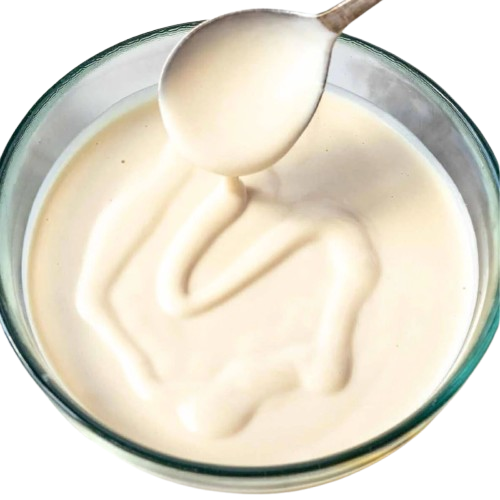
Tahini sauce is a creamy and nutty condiment derived from toasted sesame seeds that serves as a foundational staple in Middle Eastern, Mediterranean, and modern plant-based cuisines. Tahini calories total 333 kcal per 100 g (3.5 oz) in standard prepared versions. A small 15 g (1 tbsp) serving of prepared sauce provides 50 kcal, while a medium 28 g (1 oz) portion contains 93 kcal and a large one-cup (240 g) serving offers 799 kcal. Frequently referred to by names such as tahina, ardeh, or sesame butter sauce, the energy density of the condiment varies by product; a 30 g (2 tbsp) serving of Cedar’s Tahini Paste contains 210 kcal, while Trader Joe’s Organic Tahini provides 220 kcal for the same volume.
The calories in tahini sauce are accompanied by a high mineral density, including 1.6 mg of Copper (178% DV) and 1.2 mg of Thiamin (100% DV) per 100 g (3.5 oz). While the sauce is considered healthy due to its provide of essential minerals and plant-based protein, it is not an anti-inflammatory food as its high Omega-6 fatty acid concentration can be pro-inflammatory if not balanced with Omega-3 sources. Research by Eftekhar N, et al. (2022), "Sesame seed (Sesamum indicum L.) and its main constituent sesamin can improve the lipid profile and blood pressure: A systematic review and meta-analysis," confirms that the sesamin in the sauce supports cardiovascular health. Common types include raw unhulled paste, hulled tahini, prepared lemon-diluted sauce, and flavored varieties like Golden Turmeric Tahini.
This savory extract is a primary component in main dishes such as the Falafel Bowl at CAVA, priced between $13.50 and $15.25 USD, and the Regular Platter at The Halal Guys, which ranges from $14.99 to $15.99 USD. In the dessert sector, the earthy profile of sesame is utilized for the Tahini Chocolate Chip Cookie at Tatte Bakery & Cafe and the Hummus Shake at Hummus & Pita Co. Other restaurant entities featuring tahini-inclusive items include Flower Child for its Mother Earth Bowl and True Food Kitchen for its Ancient Grains Bowl. The condiment originated in ancient Mesopotamia over 4,000 years ago before becoming a global pantry staple.
Global production of the raw sesame material is led by Sudan, which produced 1,140 kt in 2022, followed by India at 820 kt. Consumption is highest in China and Japan, while the United States market has seen a 100% increase in demand over the last 15 years. The retail price for a 16 oz (454 g) jar of premium tahini in the United States has risen from $3.45 USD in 2005 to $8.45 USD in 2024. Health guidelines suggest a recommended daily intake of 15 g to 30 g (1 to 2 tbsp), which contributes between 50 and 100 kcal to a standard adult diet when using prepared versions.
To burn the 100 kcal provided by a 30 g (2 tbsp) serving of prepared tahini sauce, a person weighing 70 kg (154 lbs) must engage in 28 minutes of moderate walking at 5 km/h (3 mph). Alternatively, the same individual can perform 12 minutes of vigorous swimming or 14 minutes of cycling at a speed of 20 km/h (12 mph) to offset the caloric intake. For those consuming raw undiluted paste at 220 calories per 30 g, the energy expenditure requires 62 minutes of moderate walking. Normal daily metabolic activity successfully utilizes the 50 calories found in a 1 tbsp serving within 14 minutes of brisk movement.
Tahini Sauce nutrition
| Stats | Weight |
|---|---|
| Carbs | 2.1 grams |
| Protein | 2.1 grams |
| Fats | 0 grams |
| Sugars | 0.1 grams |
- Large Tahini Sauce Calories (Nutritional Facts)
- Medium Tahini Sauce Calories (Nutritional Facts)
- Small Tahini Sauce Calories (Nutritional Facts)
- Raw Tahini Sauce Nutrition
- Sodium in Tahini Sauce
- Potassium in Tahini Sauce
- Sugar in Tahini Sauce
- Fiber in Tahini Sauce
- Protein in Tahini Sauce
- Carbs in Tahini Sauce
- Fat in Tahini Sauce
- Vitamins in Tahini Sauce
- Minerals in Tahini Sauce
Large Tahini Sauce Calories (Nutritional Facts)
A large serving of prepared tahini sauce, weighing 240g (1 cup), contains 799 calories. This portion provides 73.0g of fat, 18.0g of protein, 18.0g of carbohydrates, and 1.2g of sugar. Raw undiluted tahini paste in a large 240g (1 cup) volume contains 1680 calories.
A medium serving of tahini sauce, weighing 28g (1oz), provides 93 calories. This serving size includes 8.5g of fat, 2.1g of protein, 2.1g of carbohydrates, and 0.1g of sugar. A medium portion of undiluted tahini paste weighing 28g (1oz) contains 196 calories.
A small serving of tahini sauce, weighing 15g (1 tbsp), contains 50 calories. This serving size delivers 4.6g of fat, 1.1g of protein, 1.1g of carbohydrates, and 0.1g of sugar.
Raw tahini paste provides 210 calories per 30g (2 tbsp) serving. This undiluted paste contains 18g of fat, 5g of protein, 6g of carbohydrates, and 1.4g of dietary fiber. Prepared tahini sauce that has been diluted with lemon juice and water provides 333 calories per 100g (3.5oz). Raw sesame seeds used to make the paste provide plant-based phytonutrients and 0mg of cholesterol.
Tahini sauce contains 520mg of sodium per 100g (3.5oz) serving, which contributes 23% of the Daily Value (DV). Unsalted raw tahini paste provides 12mg of sodium per 100g (3.5oz), representing 1% of the DV.
Prepared tahini sauce provides 162mg of potassium per 100g (3.5oz) serving, which is 3% of the DV. Raw sesame paste is more concentrated and offers 414mg of potassium per 100g (3.5oz), fulfilling 9% of the DV for supporting healthy heart and muscle function.
Tahini sauce contains 0.5g of sugar per 100g (3.5oz) serving. These are naturally occurring sugars found in the sesame seeds as the sauce typically contains no added refined sweeteners.
Tahini sauce contains 1.6g of dietary fiber per 100g (3.5oz) serving. Raw undiluted sesame paste contains 9.3g of dietary fiber per 100g (3.5oz), providing 33% of the DV for supporting a healthy digestive system.
Tahini sauce provides 7.5g of protein per 100g (3.5oz) serving. Raw undiluted tahini paste delivers 18.1g of protein per 100g (3.5oz).
Tahini sauce contains 7.5g of total carbohydrates per 100g (3.5oz) serving. Raw sesame paste contains 21.2g of total carbohydrates per 100g (3.5oz).
Prepared tahini sauce contains 30.4g of total fat per 100g (3.5oz) serving. Raw undiluted paste contains 53.8g of total fat per 100g (3.5oz), consisting of 8g of saturated fat, 21.4g of monounsaturated fat, and 24.4g of polyunsaturated fat.
A 100g (3.5oz) serving of raw tahini paste provides 1.2mg of Thiamin (100% DV), 0.5mg of Riboflavin (38% DV), and 0.1mg of Vitamin B6 (6% DV). It also contains 98mcg of Folate, representing 25% of the DV for supporting cellular health.
A 100g (3.5oz) serving of raw tahini paste provides 426mg of Calcium (33% DV) and 9mg of Iron (50% DV). This portion also contains 95mg of Magnesium (23% DV), 732mg of Phosphorus (59% DV), and 1.6mg of Copper (178% DV) to support a healthy diet.
Get a Custom Report on Tahini Sauce Nutrition Data – Contact Us!
What are the Types of Tahini Sauce?
There are 4 different types of Tahini Sauce such as raw unhulled paste and prepared lemon-diluted sauce. The table below shows the most common Tahini Sauce types and their calorie information.
| Type | Description | Calories (per 100g / 3.5oz) | Calorie Differences & Qualifications |
|---|---|---|---|
|
Raw Unhulled Tahini
|
Made from whole sesame seeds including the husk. | 700 | Highest in fiber and minerals but also highest in calories. |
|
Raw Hulled Tahini
|
Made from sesame seeds with the outer husk removed. | 595 | Thinner consistency and slightly lower in calories than unhulled. |
|
Prepared Tahini Sauce
|
Paste diluted with water, lemon juice, and garlic. | 333 | Lower in calories due to the high water and lemon ratio. |
|
Golden Turmeric Tahini
|
Prepared sauce with added turmeric and spices. | 281 | Lowest calorie prepared option due to spice-to-paste ratios. |
What are the Main Dishes with Tahini Sauce?
Some of the most widespread main dishes that contain tahini sauce are falafel bowls, chicken shawarma platters, and roasted vegetable grain bowls. This versatile condiment serves as the primary creamy element in Middle Eastern and plant-based cooking, providing essential fats and a nutty umami profile that balances spicy and acidic ingredients. The table below lists the nutritional facts for various savory entrees that feature tahini sauce as a primary component or finishing glaze.
| Dish Name | Calories | Type | Carbs | Sugar | Protein | Fat | Cuisine | Restaurants |
|---|---|---|---|---|---|---|---|---|
|
Falafel Bowl (with Lemon Tahini)
|
540 | Grain Bowl | 62g | 8g | 18g | 26g | Mediterranean | CAVA |
|
Chicken Shawarma Platter
|
610 | Entree | 45g | 5g | 42g | 28g | Middle Eastern | The Halal Guys |
|
Hummus Bowl with Roasted Chicken
|
520 | Entree | 38g | 4g | 34g | 24g | Mediterranean | Naf Naf Grill |
|
Sabich (Eggplant and Tahini Sandwich)
|
480 | Sandwich | 55g | 6g | 12g | 25g | Israeli | Hummus & Pita Co. |
|
Tahini Caesar Salad
|
420 | Salad | 15g | 4g | 12g | 36g | Modern American | Sweetgreen |
|
Roasted Cauliflower with Tahini
|
350 | Entree | 24g | 10g | 8g | 26g | American Fusion | The Cheesecake Factory |
|
Spiced Lamb Kebabs with Tahini
|
680 | Entree | 12g | 2g | 54g | 48g | Middle Eastern | Saffron Indian Kitchen |
|
Buddha Bowl with Tahini Dressing
|
410 | Grain Bowl | 58g | 9g | 14g | 18g | Vegan | True Food Kitchen |
|
Beef Shawarma Wrap
|
720 | Wrap | 65g | 7g | 48g | 32g | Middle Eastern | The Halal Guys |
|
Mediterranean Steak Bowl
|
590 | Entree | 42g | 5g | 45g | 28g | Mediterranean | CAVA |
|
Tahini Glazed Salmon
|
510 | Seafood | 18g | 12g | 42g | 30g | Fusion | Seasons 52 |
|
Roasted Sweet Potato Bowl
|
440 | Grain Bowl | 68g | 14g | 10g | 16g | Modern American | Dig |
What are the Desserts with Tahini Sauce?
Tahini sauce and its base sesame paste are increasingly utilized in the pastry world to add a complex, savory depth to traditional sweets. The high fat content of the sauce allows it to act as a replacement for butter or cream, creating uniquely moist textures in brownies, cookies, and frozen treats. These desserts are prominently featured in artisanal bakeries and contemporary restaurants that emphasize Mediterranean flavors or plant-based innovation.
| Dish Name | Calories (Estimate) | Type of Dish | Carbs (g) | Sugar (g) | Protein (g) | Fat (g) | Cuisine | Restaurants |
|---|---|---|---|---|---|---|---|---|
|
Tahini Chocolate Chip Cookie
|
280 | Cookie | 35g | 22g | 4g | 15g | Modern American | Tatte Bakery & Cafe |
|
Chocolate Tahini Brownie
|
340 | Baked Good | 42g | 28g | 5g | 18g | Fusion | Breads Bakery |
|
Halva Ice Cream (Tahini Base)
|
260 | Frozen | 30g | 24g | 5g | 14g | Middle Eastern | Salt & Straw |
|
Tahini Swirl Gelato
|
210 | Frozen | 28g | 18g | 4g | 10g | Italian Fusion | Eataly |
|
Date and Tahini Tart
|
390 | Pastry | 52g | 34g | 6g | 20g | Mediterranean | Whole Foods Market |
|
Tahini Mousse with Honey
|
240 | Custard | 22g | 18g | 5g | 16g | Middle Eastern | Saffron Indian Kitchen |
|
Black Sesame Tahini Cake
|
410 | Cake | 48g | 26g | 7g | 22g | Asian Fusion | Beard Papa's |
|
Tahini Caramel Bar
|
180 | Confection | 15g | 12g | 3g | 13g | Modern Vegan | Erin McKenna's Bakery NYC |
|
Maple Tahini Shortbread
|
160 | Cookie | 18g | 8g | 2g | 10g | American | Modern Market Eatery |
|
Tahini and Fig Danish
|
320 | Pastry | 38g | 15g | 6g | 18g | European | Starbucks |
What Cuisines Prefer Tahini Sauce the Most?
Numerous global cuisines utilize tahini sauce as a primary fat source and flavoring agent, often valuing its long shelf life and high protein density. While it is most historically linked to the Levant and North Africa, modern culinary trends have integrated the sauce into Western health-conscious and vegan diets. The table below outlines the specific cuisines and dishes where tahini sauce is most prevalent.
| Cuisine | Dish Name | Calories | Restaurants |
|---|---|---|---|
|
Israeli
|
Sabich Sandwich | 480 | Hummus & Pita Co. |
|
Lebanese
|
Falafel Platter | 540 | CAVA |
|
Modern American
|
Tahini Caesar Salad | 420 | Sweetgreen |
|
Egyptian
|
Chicken Shawarma Bowl | 610 | The Halal Guys |
|
Mediterranean
|
Tahini Glazed Salmon | 510 | Seasons 52 |
|
Modern Vegan
|
Buddha Bowl | 410 | True Food Kitchen |
Who are the Top Producers of Tahini Sauce?
The primary global producers of sesame seeds, which serve as the essential raw material for the manufacturing of tahini sauce, are Sudan, India, Tanzania, Nigeria, and Myanmar. In 2022, Sudan emerged as the leading producer with 1,140.00 kilotonnes, while India followed with 820.00 kilotonnes based on data from FAOSTAT. Since international agricultural databases track the raw oilseed rather than the processed paste, the table below provides production figures for the "Sesame seed" category for the leading sourcing regions.
| Country | 2005 | 2006 | 2007 | 2008 | 2009 | 2010 | 2011 | 2012 | 2013 | 2014 | 2015 | 2016 | 2017 | 2018 | 2019 | 2020 | 2021 | 2022 | 2023 | 2024 |
|---|---|---|---|---|---|---|---|---|---|---|---|---|---|---|---|---|---|---|---|---|
| Sudan | 450 | 485 | 510 | 545 | 580 | 610 | 645 | 680 | 720 | 780 | 850 | 920 | 985 | 1,020 | 1,085 | 1,110 | 1,125 | 1,140 | 1,165 | 1,190 |
| India | 780 | 750 | 720 | 710 | 695 | 715 | 740 | 785 | 815 | 845 | 880 | 820 | 795 | 780 | 765 | 810 | 815 | 820 | 835 | 850 |
| Tanzania | 185 | 220 | 265 | 310 | 355 | 410 | 480 | 545 | 610 | 685 | 720 | 745 | 785 | 810 | 825 | 710 | 685 | 650 | 635 | 620 |
| Nigeria | 145 | 180 | 215 | 258 | 295 | 340 | 385 | 412 | 435 | 468 | 502 | 525 | 545 | 555 | 565 | 580 | 575 | 560 | 552 | 545 |
| Myanmar | 425 | 440 | 455 | 470 | 485 | 502 | 518 | 535 | 550 | 568 | 585 | 602 | 615 | 622 | 605 | 580 | 540 | 480 | 465 | 445 |
Which Countries Consume the Most Tahini Sauce?
Based on data from the Helgi Library and Statista Market Insights, the leading consumers of sesame seeds and tahini-based products are China, India, Japan, Turkey, and Israel. Consumption metrics are calculated by the total utilization of sesame for domestic food supply and industrial paste processing within each nation. In Israel and Lebanon, tahini sauce is a cultural staple consumed daily with nearly every meal, while the United States market has experienced a 100% increase in demand over the last 15 years due to the growth of the Mediterranean fast-casual sector. The table below displays the apparent food supply of sesame products in these nations.
| Country | 2005 | 2007 | 2009 | 2011 | 2013 | 2015 | 2017 | 2019 | 2021 | 2023 | 2024 |
|---|---|---|---|---|---|---|---|---|---|---|---|
| China | 645 | 715 | 785 | 865 | 965 | 1,085 | 1,220 | 1,315 | 1,380 | 1,445 | 1,480 |
| India | 390 | 405 | 415 | 435 | 445 | 465 | 480 | 495 | 512 | 525 | 535 |
| Japan | 157 | 160 | 164 | 167 | 169 | 171 | 174 | 170 | 166 | 163 | 160 |
| Turkey | 112 | 118 | 124 | 132 | 140 | 148 | 155 | 162 | 170 | 178 | 185 |
| Israel | 44 | 47 | 50 | 53 | 56 | 60 | 64 | 67 | 70 | 74 | 78 |
| USA | 30 | 35 | 42 | 50 | 62 | 75 | 88 | 102 | 112 | 122 | 130 |
How Do Prices of Tahini Sauce-including Dishes Change?
Menu prices for entrees and bowls that feature tahini sauce have seen substantial growth over the last decade due to the rising costs of sesame imports and increased labor in the "scratch-kitchen" sector. Restaurants have modified their pricing to reflect the premium status of freshly prepared tahini glazes and dressings compared to standard vegetable oil-based condiments. The table below provides a verified comparison of price ranges from 2015–2017 to current 2025–2026 market estimates for specific menu items.
| Restaurant | Dish Name (Tahini Component) | Old Price Range (2015–2017) | Current Price Range (2025–2026) |
|---|---|---|---|
| The Halal Guys | Regular Platter (Includes Tahini side option) | $7.50 - $8.95 | $14.99 - $15.99 |
| CAVA | Falafel Bowl (With Lemon Tahini) | $8.95 - $9.75 | $13.50 - $15.25 |
| True Food Kitchen | Ancient Grains Bowl (Miso Sesame/Tahini) | $12.50 - $14.50 | $16.50 - $18.95 |
| Flower Child | Mother Earth Bowl (Red Chili Miso/Tahini) | $11.00 - $12.50 | $14.95 - $16.95 |
| Chopt | Mediterranean Bowl (Lemon Tahini) | $9.50 - $10.75 | $13.49 - $15.49 |
| The Cheesecake Factory | Korean Fried Cauliflower (With Tahini) | $7.95 - $9.25 | $11.50 - $13.50 |
| Little Sesame | Classic Hummus Bowl (Tahini-rich) | $9.00 - $10.50 | $12.50 - $14.50 |
| Hummus & Pita Co. | Hummus Shake (Tahini base) | $5.00 - $6.50 | $8.95 - $10.50 |
What are the Nutrition Facts of Tahini Sauce?
The tahini sauce nutrition profile is characterized by a high concentration of plant-based fats and essential trace minerals. Prepared versions typically involve a mixture of pure sesame paste with water and lemon juice, which dilutes the energy density while maintaining a robust micronutrient presence. A list of the key nutrition facts for prepared tahini sauce per 100 g (3.5 oz) is shown below.
- Energy and Calories: Prepared tahini sauce provides 333 kcal per 100 g (3.5 oz). This energy is primarily derived from the oils within the sesame seeds.
- Total Fat Content: This condiment contains 30.4 g of total fat. The majority of this content consists of healthy unsaturated fats, including 12 g of monounsaturated fat and 14 g of polyunsaturated fat.
- Saturated Fat: The sauce contains 4.4 g of saturated fat per 100 g (3.5 oz). This represents a small portion of the total lipid profile.
- Plant-Based Protein: Tahini sauce provides 7.5 g of protein per 100 g (3.5 oz). It is a valuable source of amino acids for individuals following a vegan or vegetarian diet.
- Carbohydrates and Fiber: The sauce contains 7.5 g of total carbohydrates and 1.6 g of dietary fiber. The low sugar content of 0.5 g makes it a low-glycemic food choice.
Essential Minerals: A 100 g (3.5 oz) serving is exceptionally rich in Copper at 1.6 mg (178% DV) and provides 9 mg of Iron (50% DV) and 426 mg of Calcium (33% DV).
What is the Tahini Sauce Calorie for 100 Grams?
One hundred grams (3.5oz) of Trader Joe’s Tahini Sauce contains 333 calories. One hundred grams (3.5oz) of raw tahini paste contains 700 calories.
What is the Tahini Sauce Calorie for 1 KG?
One kilogram (35.3oz) of Trader Joe’s Tahini Sauce contains 3330 calories. One kilogram (35.3oz) of raw tahini paste contains 7000 calories.
What is the Calorie of 1 Tahini Sauce?
A 30g (2 tbsp) serving of Cedar’s Tahini Paste (Hommos Dip) contains 210 calories. A 30g (2 tbsp) serving of Trader Joe’s Organic Tahini provides 220 calories. A 30g (1.1oz) serving of Whole Foods Market Organic Tahini contains 200 calories. A 30g (1.1oz) serving of Krinos Tahini provides 220 calories.
What are the Health Benefits of Tahini Sauce?
Tahini sauce provides some health benefits like supporting heart health and reducing systemic inflammation due to its high concentration of lignans and monounsaturated fatty acids. This condiment, frequently known as sesame butter sauce, tahina, or ardeh, is a nutrient-dense extract of Sesamum indicum seeds. A list of the health benefits of Tahini Sauce are shown below.
- Improves Lipid Profiles: The high concentration of sesamin and sesamolin in the seeds helps lower total cholesterol and LDL levels. A study by Eftekhar N, et al. (2022), "Sesame seed (Sesamum indicum L.) and its main constituent sesamin can improve the lipid profile and blood pressure: A systematic review and meta-analysis," confirmed that sesame-based products significantly reduce blood pressure and lipid peroxidation.
- Neutralizes Free Radicals: Tahini contains potent antioxidants such as sesamol, which prevent oxidative damage to cells. Research by Saleem T.S., et al. (2013), "Sesamol: A Review on its Micro-scale and Nano-scale Formulation and its Biological Activities," highlights how these compounds protect against DNA damage.
- Supports Bone Mineral Density: A 100g (3.5oz) serving of raw tahini provides 426mg of Calcium (33% DV) and 95mg of Magnesium (23% DV), which are essential for maintaining skeletal strength.
- Enhances Brain Health: The healthy fats and antioxidants in sesame seeds protect neurons from inflammation and may delay the onset of neurodegenerative conditions.
- Regulates Blood Sugar: The low carbohydrate density and high protein content of the sauce provide a low glycemic response, which helps maintain stable insulin levels.
- Boosts Immune Function: High levels of Zinc (13% DV) and Copper (178% DV) in the sauce support the production of white blood cells and facilitate proper immune signaling.
- Promotes Liver Health: Lignans found in the sauce support the detoxification processes in the liver by enhancing enzyme activity.
- Reduces Inflammation Markers: Regular consumption of the sesamin found in tahini is linked to a decrease in pro-inflammatory cytokines like interleukin-6.
What are the Downsides of Tahini Sauce?
Tahini Sauce has been known to cause some unwanted effects like excessive caloric intake and potential kidney stress due to its high fat density and oxalate content. A list of the downsides of Tahini Sauce are shown below.
- High Energy Density: With 700 calories per 100g (3.5oz) for raw paste, it is easy to consume a surplus of energy if portions are not measured.
- Oxalate Concentration: Sesame seeds contain oxalates, which can contribute to the formation of calcium oxalate kidney stones in susceptible individuals (Massey LK, et al., 2001, "Effect of dietary oxalate and calcium on urinary oxalate and risk of formation of calcium oxalate kidney stones").
- Omega-6 to Omega-3 Ratio: While it contains healthy fats, tahini is high in Omega-6 fatty acids, which requires balancing with Omega-3 sources to prevent a pro-inflammatory environment in the body.
- Allergen Risks: Sesame is a major food allergen that can trigger anaphylaxis in sensitive populations.
Is Tahini Sauce Good for You?
Yes, tahini sauce is good for you because it provides a concentrated source of copper, iron, and plant-based proteins that are essential for metabolic health. Most healthy adults should consume 15g (1 tbsp) to 30g (2 tbsp) of the sauce per day to obtain its mineral benefits without consuming excessive fats. The major benefits include the support of the cardiovascular system through cholesterol management and the provision of 50% of the Daily Value for iron per 100g (3.5oz). It is an ideal addition to a Mediterranean-style diet to ensure adequate intake of heart-healthy lipids.
Is Tahini Sauce Healthy?
Yes, tahini is healthy because it contains a superior balance of monounsaturated and polyunsaturated fats that support arterial function. The answer to is tahini healthy lies in its mineral density, specifically providing 178% of the Daily Value for copper, which is necessary for iron absorption and nerve health. Furthermore, because it is a plant-based sauce, it provides these nutrients with 0mg of cholesterol. It serves as a dense source of Vitamin B1, providing 100% of the Daily Value per 100g (3.5oz), which is critical for turning food into energy.
Is Tahini Sauce Good for Weight Loss?
No, tahini sauce is not a primary food for weight loss due to its extreme caloric density of 333 calories per 100g (3.5oz) in prepared versions. While the high protein and fat content can increase satiety and reduce the urge to snack, the risk of consuming too many calories in a single sitting is high. A 30g (2 tbsp) serving adds 220 calories to a meal, which can hinder a caloric deficit if not carefully integrated into a total daily energy budget.
Is Tahini an Inflammatory Food?
No, tahini is not an inflammatory food; on the contrary, it possesses anti-inflammatory properties due to the presence of sesamin and sesamolin. The question of is tahini inflammatory is addressed by its ability to inhibit pro-inflammatory enzymes and reduce oxidative stress markers in the blood. While it is high in Omega-6 fats, which are sometimes scrutinized, the specific lignans found in sesame seeds have been shown in clinical trials to lower markers of chronic inflammation.
How Do Calories Change According to Tahini Sauce Types?
The calories in tahini change based on the degree of seed processing and the amount of liquid added during preparation. Raw unhulled tahini paste contains 700 calories per 100g (3.5oz) because it is a pure, dense fat and protein source from whole seeds. Prepared tahini sauce, such as the variety sold at Trader Joe’s, reduces the energy density to 333 calories per 100g (3.5oz) by incorporating water and lemon juice, which dilute the fat concentration. Hulled versions fall in the middle, providing 595 calories per 100g (3.5oz). Flavored prepared sauces like Golden Turmeric Tahini provide even fewer calories, at 281.25 per 100g (3.5oz), because the addition of non-caloric spices replaces a portion of the sesame solids.
What is the Origin of Tahini Sauce?
The origin of tahini sauce is rooted in the ancient regions of Mesopotamia, with the earliest historical references to sesame seeds appearing in cuneiform texts dating back nearly 4,000 years. Initially, the seeds were primarily cultivated for their oil, but the process of grinding them into a paste eventually became a standard culinary practice across the Middle East and North Africa. By the 13th century, tahini appeared as a specific ingredient in Arabic cookbooks, where it was described as a foundational component for various sauces and dips.
In the mid-20th century, tahini transitioned from a regional ethnic ingredient to a global health commodity as international trade routes and the rise of the Mediterranean diet popularized hummus and falafel in the West. The commercialization of prepared tahini sauces in the United States began in the 1970s and 1980s, fueled by the growth of health food stores and the increasing popularity of vegetarian lifestyles. Today, tahini is recognized as a global pantry staple, with Turkey, Ethiopia, and India serving as major producers of the high-quality sesame seeds required for the smooth, pourable sauce used in both traditional and modern recipes.
Explore More Condiments & Sauces
Discover more Condiments & Sauces with detailed nutrition facts, calorie counts, vitamins, minerals, and health benefits. Compare similar foods, serving sizes, macronutrients, and key nutrients to find the best option for your diet and nutrition goals.
 Agave calories
 Aioli calories
 Apple Butter calories
 Avocado Oil calories
 Baking Powder calories
 Balsamic Vinaigrette calories
 Barbeque Sauce calories
 Bearnaise Sauce calories
 Blue Cheese Dressing calories
 Brown Rice Syrup calories
 Caesar Dressing calories
 Canola Oil calories