Calories and Nutritions in Teriyaki Sauce
Teriyaki sauce calories range from 15 to 30 calories per tablespoon (18g), with a 100g (3.5 oz) serving of generic teriyaki sauce containing 89 calories. A single teaspoon (6g) offers 5 calories, while a full cup (288g, 10 oz) contains 256 calories. The teriyaki sauce nutrition facts for a 100g portion show it provides 15.5g of carbohydrates (6% Daily Value/DV), primarily from sugars (13.3g), and is very high in sodium at 3368mg (146% DV), a little protein (1.2g, 2% DV) and fat (0.1g, 0% DV). Some ingredients like ginger or garlic used in teriyaki sauce have beneficial compounds, but the sauce's overall health impact is largely influenced by its high sugar and sodium content. Diets high in sodium are linked to increased risk of hypertension (He, F.J. & MacGregor, G.A., 2009).
The calories in teriyaki sauce vary by type, with classic versions and thicker glaze-types offering 15-40 calories per tablespoon, while sugar-free options have 5-15 calories per tablespoon. Japan, the USA, and China are major producers and consumers of teriyaki sauces. The price of a common 10-12 fl oz bottle of teriyaki sauce in the U.S. has increased from $1.80 to $2.80 in 2003 to $3.00 to $4.50 in 2023.
Teriyaki sauce is a popular glaze or marinade for dishes like Chicken Teriyaki at Sarku Japan or Panda Express, Salmon Teriyaki at Bonefish Grill, and Teriyaki Burgers at Red Robin. Due to its high sodium and sugar content, teriyaki sauce should be used in moderation. A serving size of one to two tablespoons (15-30 calories for classic versions) can add significant flavor without excessive caloric load. Burning 30 calories from two tablespoons of teriyaki sauce requires minimal physical activity, such as 3-5 minutes of walking or very light household tasks.
Teriyaki Sauce nutrition
| Stats | Weight |
|---|---|
| Carbs | 4 grams |
| Protein | 0.3 grams |
| Fats | 0 grams |
| Sugars | 3 grams |
- Teriyaki Sauce Calories (Nutritional Facts)
- Sodium in Teriyaki Sauce
- Potassium in Teriyaki Sauce
- Sugar in Teriyaki Sauce
- Fiber in Teriyaki Sauce
- Protein in Teriyaki Sauce
- Carbs in Teriyaki Sauce
- Fat in Teriyaki Sauce
- Vitamins in Teriyaki Sauce
- Minerals in Teriyaki Sauce
Teriyaki Sauce Calories (Nutritional Facts)
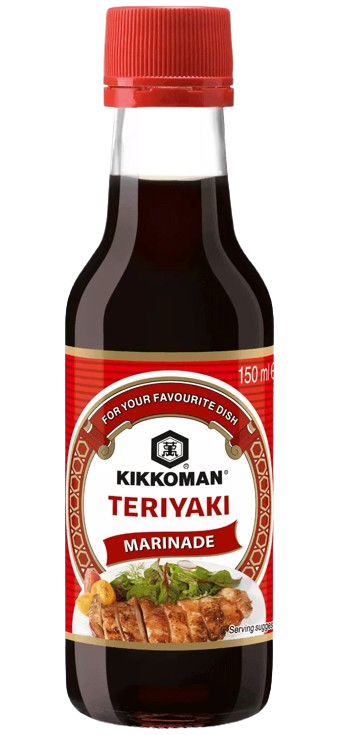
One teaspoon (6g, 0.21 oz) of generic teriyaki sauce contains 5 calories. One tablespoon (18g, 0.63 oz) of generic teriyaki sauce provides 16 calories. One cup (288g, 10.16 oz) of generic teriyaki sauce has 256 calories. A 100g (3.5 oz) portion of generic teriyaki sauce contains 89 calories. Generic teriyaki sauce (100g) also contains 1.2g of protein, 15.5g of carbohydrates, and 0.1g of total fat. Kikkoman Teriyaki Marinade & Sauce (1 tablespoon or 17g) contains 15 calories.
One tablespoon (18g, 0.63 oz) of generic teriyaki sauce contains 606mg of sodium (26% DV). A 100g (3.5 oz) serving of generic teriyaki sauce provides 3368mg of sodium (146% DV). Kikkoman Teriyaki Marinade & Sauce (1 tablespoon or 17g) contains 610mg of sodium (27% DV).
One tablespoon (18g, 0.63 oz) of generic teriyaki sauce provides 38mg of potassium (1% DV). A 100g (3.5 oz) serving of generic teriyaki sauce contains 210mg of potassium (4% DV). Kikkoman Teriyaki Marinade & Sauce (1 tablespoon or 17g) contains 30mg of potassium (1% DV).
One tablespoon (18g, 0.63 oz) of generic teriyaki sauce contains 2.4g of total sugars. A 100g (3.5 oz) serving of generic teriyaki sauce provides 13.3g of total sugars. Kikkoman Teriyaki Marinade & Sauce (1 tablespoon or 17g) contains 2g of total sugars.
One tablespoon (18g, 0.63 oz) of generic teriyaki sauce contains 0.1g of dietary fiber (0% DV). A 100g (3.5 oz) serving of generic teriyaki sauce provides 0.4g of dietary fiber (1% DV). Kikkoman Teriyaki Marinade & Sauce (1 tablespoon or 17g) contains 0g of dietary fiber.
One tablespoon (18g, 0.63 oz) of generic teriyaki sauce contains 0.2g of protein (0% DV). A 100g (3.5 oz) serving of generic teriyaki sauce provides 1.2g of protein (2% DV). Kikkoman Teriyaki Marinade & Sauce (1 tablespoon or 17g) contains 1g of protein (2% DV).
One tablespoon (18g, 0.63 oz) of generic teriyaki sauce contains 2.8g of total carbohydrates (1% DV). A 100g (3.5 oz) serving of generic teriyaki sauce provides 15.5g of total carbohydrates (6% DV). Kikkoman Teriyaki Marinade & Sauce (1 tablespoon or 17g) contains 2g of total carbohydrates (1% DV).
One tablespoon (18g, 0.63 oz) of generic teriyaki sauce contains less than 0.1g of total fat (0% DV). A 100g (3.5 oz) serving of generic teriyaki sauce provides 0.1g of total fat (0% DV). Kikkoman Teriyaki Marinade & Sauce (1 tablespoon or 17g) contains 0g of total fat.
Teriyaki sauce is generally not a significant source of most vitamins in typical serving sizes. A 100g (3.5 oz) serving of generic teriyaki sauce may contain small amounts of B vitamins like niacin (0.4mg, 3% DV) and Vitamin B6 (0.03mg, 2% DV), primarily from ingredients like soy sauce or mirin.
The most prominent mineral in teriyaki sauce is sodium. A 100g (3.5 oz) serving of generic teriyaki sauce contains a very high amount of sodium at 3368mg (146% DV). It also provides potassium at 210mg (4% DV) and smaller amounts of magnesium (15mg, 4% DV), phosphorus (30mg, 4% DV), and iron (0.5mg, 3% DV).
Get a Custom Report on Teriyaki Sauce Nutrition Data – Contact Us!
What are the Types of Teriyaki Sauce?
There are several variations of teriyaki sauce, though the core concept involves a blend of soy sauce, sweeteners, and often mirin or sake, ginger, and garlic. The differences usually lie in the proportions of these ingredients, the type of sweetener used, and additional flavorings. The table below shows some common types and their general calorie information.
| Type | Description | Calories (per 1 tbsp / ~18g) | Calorie Qualifications |
|---|---|---|---|
|
Classic/Traditional Teriyaki Sauce
|
Typically a blend of soy sauce, mirin (sweet rice wine), sake (rice wine), and sugar. May include ginger and garlic. | 15-30 | Moderate calories, primarily from sugar and carbohydrates in mirin/sake. Example: Kikkoman Teriyaki Marinade & Sauce. |
|
Thick/Glaze-Type Teriyaki Sauce
|
Often has added thickeners (like cornstarch) and more sugar or molasses to create a thicker, glazing consistency. | 20-40 | Can be higher in calories due to increased sugar and sometimes thickeners. |
|
Low-Sodium Teriyaki Sauce
|
Formulated with less sodium, often using reduced-sodium soy sauce or alternative flavoring to compensate. | 15-30 | Calorie content is usually similar to classic versions; sodium reduction doesn't significantly alter calories. |
|
Sugar-Free/Low-Sugar Teriyaki Sauce
|
Uses artificial sweeteners (e.g., sucralose, stevia) or sugar alcohols in place of sugar, mirin, or honey. | 5-15 | Significantly lower in calories due to reduced or eliminated sugar content. Flavor profile may differ. |
|
Spicy Teriyaki Sauce
|
Classic teriyaki sauce with added chili flakes, hot sauce, or other spicy elements. | 15-30 | Added spices for heat do not significantly change the calorie count unless a sugary chili sauce is used. |
|
Garlic Teriyaki Sauce
|
Emphasizes garlic flavor, often with more fresh or powdered garlic. | 15-30 | Calories similar to classic, as garlic adds negligible calories. |
|
Honey Teriyaki Sauce
|
Uses honey as a primary sweetener, imparting a distinct flavor. | 25-40 | Can be higher in calories and sugar due to the honey content. |
|
Pineapple/Fruit-Infused Teriyaki Sauce
|
Includes pineapple juice or other fruit purees for a sweeter, more tropical flavor. | 20-35 | Calorie content can be slightly higher due to natural fruit sugars and added sugars. |
What are the Main Dishes with Teriyaki Sauce?
Teriyaki sauce, with its appealing blend of sweet, savory, and tangy flavors, is a popular marinade, glaze, and sauce for a wide variety of main dishes, particularly in Japanese and Westernized Asian cuisines. Some of the most widespread main dishes that feature teriyaki sauce are Chicken Teriyaki, Salmon Teriyaki, and Beef Teriyaki stir-fries or skewers. The table below lists various main dishes where teriyaki sauce is a key component:
| Dish Name | Calories (per serving) | Type of Teriyaki Sauce Used | Carbs (g) | Sugar (g) | Protein (g) | Fat (g) | Cuisine | Restaurants |
|---|---|---|---|---|---|---|---|---|
|
Chicken Teriyaki (Grilled/Stir-fried)
|
400-700 | Classic, Glaze | 30-60 | 20-40 | 30-45 | 10-25 | Japanese, Asian Fusion | Sarku Japan, Panda Express (seasonal), P.F. Chang's, The Cheesecake Factory, Yoshinoya |
|
Salmon Teriyaki
|
350-600 | Classic, Glaze | 20-40 | 15-30 | 30-40 | 15-25 | Japanese, Asian Fusion | Bonefish Grill, Benihana, Roy's Restaurant, Nobu (upscale) |
|
Beef Teriyaki (Stir-fry/Skewers)
|
450-750 | Classic, Marinade | 30-50 | 20-35 | 25-40 | 20-35 | Japanese, Asian Fusion | Sarku Japan, local Japanese steakhouses, P.F. Chang's |
|
Teriyaki Burger
|
500-800 | Glaze | 40-60 | 15-25 | 25-40 | 25-40 | American Fusion | Red Robin Gourmet Burgers (Banzai Burger), Carl's Jr./Hardee's (Teriyaki Burger - seasonal) |
|
Teriyaki Chicken Wings
|
450-700 (6 wings) | Glaze | 25-45 | 18-35 | 30-40 | 20-30 | American Fusion | Buffalo Wild Wings (seasonal), Wingstop (seasonal), local sports bars |
|
Teriyaki Shrimp Stir-fry
|
350-600 | Classic, Glaze | 25-50 | 15-30 | 20-30 | 10-20 | Japanese, Asian Fusion | Pei Wei Asian Kitchen, local Asian restaurants |
|
Tofu Teriyaki
|
300-550 | Classic, Glaze | 25-45 | 15-30 | 15-25 | 10-20 | Vegetarian, Asian Fusion | Veggie Grill, P.F. Chang's, local vegetarian/vegan restaurants |
|
Teriyaki Chicken Sandwich/Sub
|
400-700 | Glaze, Sauce | 40-60 | 15-25 | 25-35 | 10-25 | American Fusion | Subway (Sweet Onion Chicken Teriyaki), Jersey Mike's Subs (some teriyaki options) |
|
Teriyaki Chicken Bowl (with Rice & Veggies)
|
500-800 | Classic, Glaze | 60-90 | 25-45 | 30-45 | 10-25 | Japanese-American | Yoshinoya, WaBa Grill, Flame Broiler, Sarku Japan |
|
Teriyaki Meatballs
|
350-550 (appetizer) | Glaze | 30-45 | 20-30 | 15-25 | 15-25 | American Fusion | TGI Fridays (seasonal appetizer), party platters at various caterers |
|
Teriyaki Pork Chops/Tenderloin
|
400-650 | Marinade, Glaze | 15-30 | 10-20 | 35-50 | 15-25 | American Fusion | Various casual dining or contemporary American restaurants might feature this |
|
Vegetable Teriyaki Stir-fry
|
300-500 | Classic | 30-50 | 20-35 | 5-10 | 8-18 | Vegetarian, Asian Fusion | Many Asian restaurants offer this as a vegetarian option |
|
Teriyaki Noodles (e.g., with Udon or Soba)
|
450-700 | Sauce | 60-90 | 15-30 | 10-20 | 10-20 | Japanese, Asian Fusion | Noodles & Company (Japanese Pan Noodles have a similar profile), local Asian noodle shops |
What Cuisines Prefer Teriyaki Sauce the Most?
Teriyaki sauce, while originating in Japan, has gained immense popularity globally and is a prominent feature in Japanese-American cuisine and various Asian Fusion culinary styles. Its appealing sweet and savory profile makes it a favorite in many Western adaptations of Asian dishes as well. The table below highlights cuisines that frequently utilize teriyaki sauce.
| Cuisine | Dish Name | Calories (per serving) | Restaurants |
|---|---|---|---|
|
Japanese
|
Chicken/Beef/Salmon Teriyaki | 350-700 | Benihana, Roy's Restaurant, Nobu, Sarku Japan, local Japanese restaurants |
|
Japanese-American
|
Teriyaki Chicken Bowls | 500-800 | Yoshinoya, WaBa Grill, Flame Broiler, many fast-casual Asian spots |
|
American Fusion
|
Teriyaki Burgers | 500-800 | Red Robin Gourmet Burgers (Banzai Burger), Carl's Jr./Hardee's (seasonal) |
|
American Fusion
|
Teriyaki Chicken Wings | 450-700 (6 wings) | Buffalo Wild Wings (seasonal), Wingstop (seasonal) |
|
Asian Fusion
|
Teriyaki Stir-fries (various proteins) | 400-700 | P.F. Chang's, Pei Wei Asian Kitchen, The Cheesecake Factory |
|
Hawaiian
|
Teriyaki Plate Lunches | Varies | L&L Hawaiian Barbecue, Zippy's Restaurants (Hawaii) |
|
American (Fast Casual/QSR)
|
Teriyaki Chicken Sandwiches/Subs | 400-700 | Subway (Sweet Onion Chicken Teriyaki), Jersey Mike's Subs (some teriyaki options) |
Which Countries Produce the Most Teriyaki Sauces?
The top producers of teriyaki sauce globally are Japan, the United States, and China. Japan is the origin of teriyaki and produces authentic versions as well as those for the mass market. The United States has a very large production capacity due to the popularity of teriyaki in American-Asian cuisine and as a general marinade and sauce. China also produces significant quantities for both domestic use and export, often with variations in style. The table below uses export values for the broader "Sauces and preparations thereof; mixed condiments and mixed seasonings" (HS Code 2103) from these key countries, which also have strong teriyaki sauce production, as an indicator of their overall capacity in this sector. Major Exporters of Sauces and Condiments (HS Code 2103) - Value in Million USD This data reflects the overall sauces and condiments category, where teriyaki sauce and its variants are significant components for these listed countries.
| Country | 2004 | 2005 | 2006 | 2007 | 2008 | 2009 | 2010 | 2011 | 2012 | 2013 | 2014 | 2015 | 2016 | 2017 | 2018 | 2019 | 2020 | 2021 | 2022 | 2023 (Est.) |
|---|---|---|---|---|---|---|---|---|---|---|---|---|---|---|---|---|---|---|---|---|
| Japan | 280 | 295 | 310 | 330 | 350 | 340 | 360 | 380 | 400 | 420 | 440 | 430 | 450 | 470 | 490 | 510 | 530 | 560 | 590 | 610 |
| USA | 1,177 | 1,274 | 1,403 | 1,613 | 1,786 | 1,678 | 1,842 | 2,031 | 2,126 | 2,258 | 2,345 | 2,250 | 2,230 | 2,301 | 2,450 | 2,575 | 2,734 | 3,011 | 3,330 | 3,510 |
| China | 350 | 420 | 510 | 630 | 750 | 780 | 920 | 1,100 | 1,250 | 1,400 | 1,550 | 1,600 | 1,650 | 1,750 | 1,900 | 2,100 | 2,300 | 2,650 | 2,900 | 3,100 |
| Thailand (Significant Asian Sauce Exporter) | 300 | 340 | 390 | 470 | 550 | 580 | 670 | 780 | 880 | 990 | 1,100 | 1,150 | 1,200 | 1,300 | 1,420 | 1,550 | 1,680 | 1,850 | 2,050 | 2,180 |
| Netherlands (Major European Sauce Hub) | 705 | 776 | 858 | 1,030 | 1,195 | 1,140 | 1,260 | 1,455 | 1,490 | 1,603 | 1,670 | 1,525 | 1,590 | 1,688 | 1,795 | 1,880 | 1,995 | 2,250 | 2,410 | 2,530 |
Which Countries Consume the Most Teriyaki Sauces?
Based on market presence, culinary influence, and import data for sauces, Japan (as the origin) and the United States are the largest consumer markets for teriyaki sauce. Its popularity in Japanese-American cuisine and as a general grilling sauce/marinade contributes to high consumption in the US. Other significant consumer countries include Canada, Australia, and many European nations where Asian cuisine has become mainstream. Asian countries with strong soy sauce-based culinary traditions also show high consumption of similar savory-sweet sauces. Major Importers of Sauces and Condiments (HS Code 2103) - Value in Million USD This data indicates market size for overall sauces and condiments, where teriyaki sauce is a popular item.
| Country | 2004 | 2005 | 2006 | 2007 | 2008 | 2009 | 2010 | 2011 | 2012 | 2013 | 2014 | 2015 | 2016 | 2017 | 2018 | 2019 | 2020 | 2021 | 2022 | 2023 |
|---|---|---|---|---|---|---|---|---|---|---|---|---|---|---|---|---|---|---|---|---|
| USA | 650 | 710 | 780 | 890 | 980 | 920 | 1,050 | 1,180 | 1,250 | 1,340 | 1,420 | 1,400 | 1,430 | 1,500 | 1,620 | 1,700 | 1,780 | 2,050 | 2,350 | 2,500 |
| Canada | 380 | 410 | 450 | 510 | 570 | 540 | 600 | 670 | 710 | 760 | 800 | 780 | 790 | 830 | 890 | 930 | 980 | 1,120 | 1,280 | 1,350 |
| United Kingdom | 480 | 525 | 580 | 670 | 750 | 710 | 780 | 880 | 930 | 990 | 1,050 | 1,020 | 1,040 | 1,100 | 1,180 | 1,240 | 1,300 | 1,420 | 1,550 | 1,630 |
| Germany | 450 | 490 | 540 | 630 | 720 | 680 | 750 | 860 | 900 | 970 | 1,030 | 980 | 1,020 | 1,090 | 1,150 | 1,210 | 1,290 | 1,450 | 1,600 | 1,680 |
| Australia | 150 | 170 | 190 | 220 | 250 | 240 | 280 | 320 | 350 | 380 | 400 | 380 | 390 | 420 | 450 | 480 | 510 | 580 | 650 | 690 |
| France | 390 | 430 | 480 | 560 | 640 | 600 | 670 | 770 | 810 | 870 | 920 | 880 | 910 | 970 | 1,030 | 1,080 | 1,150 | 1,300 | 1,420 | 1,490 |
How Do Prices of Teriyaki Sauces-including Dishes Change?
The prices of restaurant dishes that heavily feature teriyaki sauce, such as Chicken Teriyaki, Salmon Teriyaki, or Teriyaki Burgers, have increased over the past 20 years. This is due to the rising cost of teriyaki sauce, and significant increases in the prices of the main protein components (chicken, salmon, beef), fresh produce, rice, as well as escalating operational costs for restaurants including labor, rent, and energy. Below is a comparison of estimated prices for representative menu items where teriyaki sauce is a key element.
| Restaurant Chain/Type | Dish | Estimated Old Price (2004-2008) | Current Price (2024-2025) |
|---|---|---|---|
| Sarku Japan / Yoshinoya | Chicken Teriyaki Bowl | $4.99 - $6.49 | $10.99 - $11.99 |
| P.F. Chang's | Chang's Spicy Chicken/ Teriyaki Chicken | $12.95 - $15.95 | $19.50 - $24.50 |
| Red Robin Gourmet Burgers | Banzai Burger (Teriyaki Burger) | $8.79 - $10.79 | $14.99 - $17.49 |
| Bonefish Grill | Salmon Teriyaki (if featured) | $16.90 - $19.90 | $24.90 - $30.90 |
| Subway | Sweet Onion Chicken Teriyaki (6-inch Sub) | $3.99 - $5.29 | $6.49 - $8.49 |
| Local Japanese Restaurant | Beef Teriyaki Entrée | $10.95 - $14.95 | $17.95 - $23.95 |
| Panda Express (Seasonal Item) | Teriyaki Chicken | $5.99 - $7.49 (as part of a plate) | $8.50 - $10.99 (as part of a plate) |
How Does the Price of Teriyaki Sauce Change for the Last 20 Years?
The price of teriyaki sauce, based on retail price tracking for major brands and general CPI data for "Sauces and gravies," has increased over the last 20 years. In the early 2000s (2004), a standard 10-12 fl oz (296-355ml) bottle of a common brand of teriyaki sauce (like Kikkoman or La Choy) in the U.S. retailed for $1.80 to $2.80. By the early 2020s (2022-2023), the same or similar sized bottle often cost $3.00 to $4.50 or more. The lowest prices for teriyaki sauce were generally seen in the earlier years of this period. Price range factors include the cost of its primary ingredients: soy sauce (itself subject to soybean and wheat price fluctuations), sugar or other sweeteners (like mirin, honey, or corn syrup), sake, ginger, and garlic. Production costs, including bottling, packaging, energy, and labor, also contribute. Transportation and distribution expenses add to the final retail price. Brand positioning (premium or artisanal vs. mass-market or store brands) significantly affects price. Countries that are major producers of soy sauce or have large condiment industries, like Japan or the USA, will have a wide range of product offerings and price points. Imported teriyaki sauces in other countries will reflect shipping costs, import duties, and local market markups. The U.S. CPI for Sauces and Gravies (Series ID: CUUR0000SEFG), which includes such condiments, rose from an index of around 198 in early 2004 to over 350 by early 2024, indicating a substantial average price increase for the category (Source: Federal Reserve Bank of St. Louis - FRED database).
| Year | Price |
|---|---|
| 2004 | $1.9 |
| 2005 | $1.95 |
| 2006 | $2 |
| 2007 | $2.1 |
| 2008 | $2.2 |
| 2009 | $2.3 |
| 2010 | $2.4 |
| 2011 | $2.5 |
| 2012 | $2.65 |
| 2013 | $2.75 |
| 2014 | $2.85 |
| 2015 | $3 |
| 2016 | $3.1 |
| 2017 | $3.2 |
| 2018 | $3.35 |
| 2019 | $3.5 |
| 2020 | $3.6 |
| 2021 | $3.8 |
| 2022 | $4.1 |
| 2023 | $4.3 |
| 2024 | $4.5 |
What is the Teriyaki Sauce Calorie for 100 ml?
A 100ml (3.38 fl oz, which is 118-120g for many brands) serving of generic teriyaki sauce contains 105-107 calories, based on 89 calories per 100g and a density of 1.18-1.2 g/ml. For Kikkoman Teriyaki Marinade & Sauce (88 calories per 100g, density around 1.18 g/ml), a 100ml serving would contain 104 calories.
What is the Teriyaki Sauce Calorie for 1 KG?
One kilogram (1000g, 35 oz) of generic teriyaki sauce contains 890 calories. One kilogram (1000g, 35 oz) of Kikkoman Teriyaki Marinade & Sauce provides 882 calories.
What is the Calorie of 1 Teriyaki Sauce?
A 10 fl oz (296ml or 350-355g) bottle of Kikkoman Teriyaki Marinade & Sauce contains 308-313 calories. A 12 fl oz (355ml or 420-426g) bottle of La Choy Teriyaki Sauce (which has 83 calories per 100g) contains 349-354 calories. A 17 oz (482g) bottle of Panda Express Mandarin Teriyaki Sauce (which has 139 calories per 100g) contains 670 calories.
What are the Health Benefits of Teriyaki Sauce?
Teriyaki sauce, when used in moderation and if certain ingredients are prominent, provides some health benefits like contributing antioxidants from ginger and garlic and potentially some B vitamins from soy sauce due to its composition of fermented soy and spices. A list of potential health benefits of teriyaki sauce, often linked to its individual components, are shown below:
- May Contain Antioxidants from Ingredients: Some traditional ingredients in teriyaki sauce, such as ginger and garlic, are known for their antioxidant properties. These compounds can help combat oxidative stress in the body. (Regarding ginger: Masuda, Y., et al., 2004, "Antioxidant properties of gingerol related compounds from ginger"; Regarding garlic: Borek, C., 2001, "Antioxidant Health Effects of Aged Garlic Extract").
- Soy Sauce May Provide Some Bioactive Compounds: Traditionally brewed soy sauce, a key ingredient, contains isoflavones and other compounds resulting from fermentation, which have been studied for various health effects, although amounts in a typical serving of teriyaki sauce are likely small. (Messina, M., 2016, "Soy and Health Update: Evaluation of the Clinical and Epidemiologic Literature").
- Ginger May Offer Anti-inflammatory Benefits: If fresh ginger is used in significant amounts, its anti-inflammatory compounds like gingerol could contribute minor benefits. (Grzanna, R., et al., 2005, "Ginger—An Herbal Medicinal Product with Broad Anti-Inflammatory Actions").
- Flavor Enhancement with Moderate Calories: Teriyaki sauce can add significant sweet and savory flavor to dishes with a moderate calorie count per serving (15-30 calories per tablespoon), which can make lean proteins and vegetables more appealing.
- Source of Some B Vitamins (from soy sauce): Soy sauce can contribute small amounts of B vitamins, which are involved in energy metabolism.
What are the Downsides of Teriyaki Sauce?
Teriyaki sauce has been known to cause some unwanted effects like contributing to very high sodium intake and excessive sugar consumption due to its typical formulation. A list of the downsides of teriyaki sauce are shown below:
- Very High Sodium Content: Teriyaki sauce is typically very high in sodium, primarily from the soy sauce and added salt. A single tablespoon can contain a substantial portion of the recommended daily sodium limit. High sodium intake is a major risk factor for high blood pressure and cardiovascular disease. (He, F.J. & MacGregor, G.A., 2009, "A comprehensive review on salt and health and current experience of worldwide salt reduction programmes").
- High in Added Sugars: Most commercial teriyaki sauces are high in added sugars, including sugar, corn syrup, high fructose corn syrup, or honey, which contribute to its sweet flavor. Excessive sugar intake is linked to weight gain, type 2 diabetes, dental caries, and other health problems. (Malik, V.S., et al., 2010, "Sugar-Sweetened Beverages, Obesity, Type 2 Diabetes Mellitus, and Cardiovascular Disease Risk").
- Contains Gluten (Most Varieties): Traditional soy sauce, a primary ingredient, is made with wheat, making most teriyaki sauces unsuitable for individuals with celiac disease or gluten sensitivity. Gluten-free options are available but require careful label reading.
- May Contain MSG or Other Additives: Some commercial teriyaki sauces may contain monosodium glutamate (MSG) to enhance flavor, as well as artificial preservatives, colors, or thickeners, which some individuals prefer to avoid.
- Acidity: The vinegar or mirin (sweet rice wine) in teriyaki sauce contributes to its acidity, which might aggravate conditions like acid reflux in sensitive individuals if consumed in large amounts.
Is Teriyaki Sauce Good for You?
No, teriyaki sauce is not generally considered "good" for you, particularly when consumed frequently or in large quantities, due to its very high sodium and sugar content. While some individual ingredients like ginger or garlic (if present in significant amounts) offer some health benefits, these are largely overshadowed by the negative impacts of the excessive salt and sugar found in most commercial teriyaki sauces. (Yang, Q., et al., 2011, "Sodium and Potassium Intake and Mortality Among US Adults: Prospective Data From the Third National Health and Nutrition Examination Survey"). High sodium intake contributes to hypertension, and high sugar intake is linked to numerous metabolic issues. (Hu, F.B., 2013, "Resolved: there is sufficient scientific evidence that decreasing sugar-sweetened beverage consumption will reduce the prevalence of obesity and obesity-related diseases"). While it can enhance the flavor of healthy foods like lean proteins and vegetables, it should be used sparingly, and lower-sodium, lower-sugar, or homemade versions are preferable for those looking to include it more regularly in their diet.
Is Teriyaki Sauce Good for Weight Loss?
No, teriyaki sauce is not considered good for weight loss. While it can make lean proteins and vegetables more palatable, most commercial teriyaki sauces are high in two components that can hinder weight loss efforts: sugar and sodium. The high sugar content contributes significant empty calories without much nutritional value, which can lead to an increased overall calorie intake and make it harder to achieve a caloric deficit necessary for weight loss (Te Morenga, L., et al., 2013, "Dietary sugars and body weight: systematic review and meta-analyses of randomised controlled trials and cohort studies"). High sodium intake can also lead to water retention, which may reflect as higher numbers on the scale, though this is not true fat loss. While some very low-calorie, sugar-free versions might exist, standard teriyaki sauce used liberally can easily add hundreds of extra calories and a large amount of sugar to a meal.
How Do Calories Change According to Teriyaki Sauce Types?
The calorie content of teriyaki sauce is primarily influenced by its sugar concentration and, to a lesser extent, the presence of other carbohydrate sources like mirin or fruit purees. Classic teriyaki sauces typically range from 15 to 30 calories per tablespoon (around 18g), with these calories mainly coming from sugar and the carbohydrates in soy sauce and any added mirin or sake. Thicker, glaze-type teriyaki sauces, which often contain more sugar or molasses for consistency and sweetness, can be slightly higher in calories, potentially 20 to 40 calories per tablespoon. Honey teriyaki and fruit-infused versions like pineapple teriyaki also tend to be in this higher range due to the natural and added sugars they contain. The lowest calorie options are specifically formulated sugar-free or low-sugar teriyaki sauces, which use artificial sweeteners or sugar alcohols; these can have as few as 5 to 15 calories per tablespoon. Low-sodium or spicy teriyaki sauces generally do not have significantly different calorie counts from classic versions, as the reduction of salt or addition of non-caloric spices doesn't impact the energy content.
What is Teriyaki Sauce Made Of?
Teriyaki sauce is made of soy sauce, sugar, mirin (a sweet Japanese rice wine), and sake (Japanese rice wine), often with additions like ginger and garlic. The key ingredients that define teriyaki sauce are soy sauce for its salty, umami base, and sweeteners like sugar, mirin, or honey, which provide its characteristic sweet and savory flavor profile. The term "teriyaki" itself refers to a Japanese cooking technique where foods are broiled or grilled with a glaze of this sauce.
Optional ingredients commonly added to enhance the flavor include fresh or powdered ginger and garlic for aromatic pungency. Some recipes or commercial preparations might also include onion powder, sesame oil for a nutty note, or thickeners like cornstarch to create a glaze consistency.
Does Teriyaki Sauce Contain Gluten?
Yes, most traditional and commercially available teriyaki sauces contain gluten. This is because soy sauce, which is the primary ingredient in most teriyaki sauces, is typically made with fermented wheat in addition to soybeans. The wheat used in the soy sauce brewing process introduces gluten into the final product. Therefore, individuals with celiac disease or non-celiac gluten sensitivity must avoid standard teriyaki sauce. However, gluten-free teriyaki sauces are available; these are made using gluten-free soy sauce alternatives, such as tamari that is specifically labeled gluten-free (as some tamari can also contain wheat), or other gluten-free soy sauce substitutes. Always check the ingredient label carefully for "gluten-free" certification or to ensure no gluten-containing ingredients are listed.
What are Desserts with Teriyaki Sauce?
The use of teriyaki sauce in desserts is extremely uncommon and highly unconventional. Teriyaki sauce is characterized by its strong savory (umami from soy sauce), sweet, and tangy flavors, which are designed to complement meats, fish, and vegetables. These flavor profiles are fundamentally at odds with what is typically desired in a dessert.
What Protein is Best with Teriyaki Sauce?
Teriyaki sauce is a versatile condiment that pairs well with a wide variety of proteins due to its balanced sweet, savory, and tangy flavor profile. Chicken is a classic and perhaps the most popular pairing with teriyaki sauce. Its mild flavor readily absorbs and showcases the teriyaki notes, making dishes like Chicken Teriyaki universally appealing. The sweetness and saltiness of the sauce complement the tender texture of chicken, whether it's grilled, stir-fried, or baked. Other proteins that work exceptionally well with teriyaki sauce include salmon, beef (especially for stir-fries or skewers), shrimp, pork, and tofu for a vegetarian option.
What is the Origin of Teriyaki Sauce?
The origin of teriyaki sauce lies in Japanese cuisine. The term "teriyaki" (照り焼き) refers not just to the sauce itself but to a Japanese cooking method where foods (most often fish or meat) are broiled or grilled while being basted with a glaze of what is known as "tare," a sauce typically made from soy sauce, mirin (sweet rice wine), sake (rice wine), and sugar or honey. The word "teri" (照り) means luster or shine, referring to the sheen given to the food by the sweet sauce, and "yaki" (焼き) means to grill or broil.
Traditional Japanese teriyaki was simpler than many Westernized versions popular today. Early forms focused on creating that characteristic glaze and umami flavor. A popular dish that exemplifies traditional teriyaki is Hamachi Teriyaki (Yellowtail Teriyaki), where fillets of yellowtail fish are repeatedly basted with the tare as they grill, resulting in a beautifully caramelized exterior and a rich, savory-sweet taste. As Japanese cuisine spread internationally, particularly to the United States with Japanese immigration in the early 20th century, teriyaki sauce and the cooking style were adapted. Ingredients like garlic, ginger, sesame oil, and cornstarch (for thickening) became common additions in Westernized teriyaki sauces, creating the thicker, often sweeter, and more heavily flavored sauces widely known today, especially in teriyaki chicken dishes.
Explore More Condiments & Sauces
Discover more Condiments & Sauces with detailed nutrition facts, calorie counts, vitamins, minerals, and health benefits. Compare similar foods, serving sizes, macronutrients, and key nutrients to find the best option for your diet and nutrition goals.
 Agave calories
 Aioli calories
 Apple Butter calories
 Avocado Oil calories
 Baking Powder calories
 Balsamic Vinaigrette calories
 Barbeque Sauce calories
 Bearnaise Sauce calories
 Blue Cheese Dressing calories
 Brown Rice Syrup calories
 Caesar Dressing calories
 Canola Oil calories