Calories and Nutritions in Veggie Straw
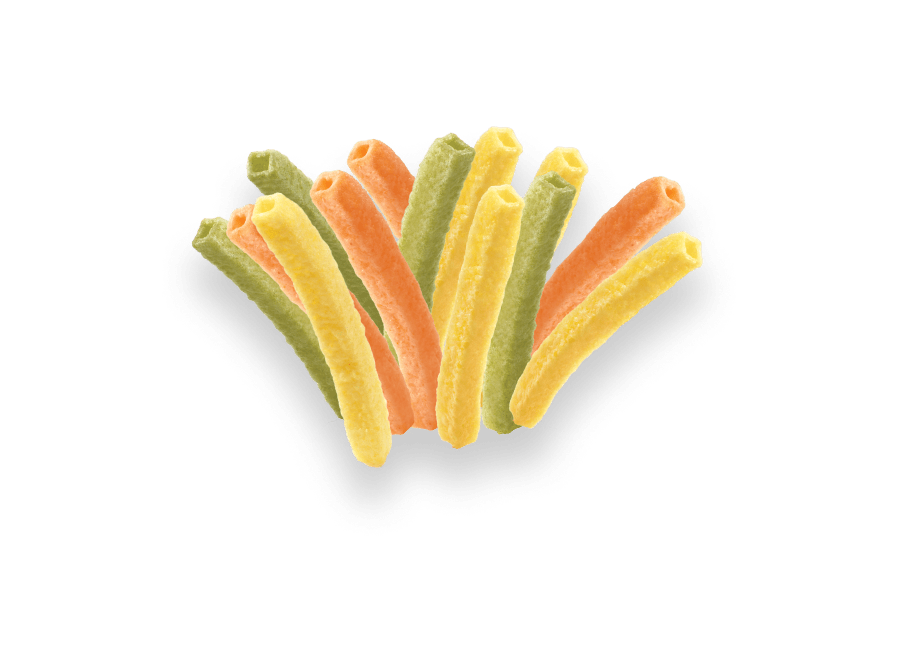
Veggie straws are a processed snack food, popular in American snacking culture, made primarily from potato and corn starch. The calories in veggie straws are high and comparable to potato chips. A one-ounce (28 g) serving contains 140 calories, although the calories in a veggie straw individually are very low, at 3-4 calories, which encourages eating multiple straws. Flavored versions like Zesty Ranch or Cheddar Cheese have the same calorie count as the standard Sea Salt variety. The veggie straw nutrition facts for a one-ounce serving show it contains 7 g of fat, 1 g of protein, 18 g of carbohydrates, and 250 mg of sodium (11% Daily Value/DV), with minimal fiber. Despite their name, the vegetable content is from small amounts of powder for coloring, and research links diets high in such ultra-processed foods to negative health outcomes (Fardet A. 2018 "Characterization of ultra-processed foods by nutrient profiling systems").
Veggie straws are a snack food and are best treated as an occasional indulgence. Veggie straws are almost exclusively consumed as a standalone snack or are sometimes offered as a side-item alternative to potato chips with sandwiches at deli-style restaurants like Jason's Deli and McAlister's Deli. Burning the 140 calories from a one-ounce serving of veggie straws requires activities such as 15 minutes of moderate jogging or 20-25 minutes of brisk walking.
The origin of veggie straws is recent, developed in the late 1990s and early 2000s as a modern snack food marketed as a healthier-seeming alternative to potato chips. The United States is the primary producer and consumer of veggie straws and their raw ingredients, potatoes and corn. The price of veggie straws has seen a steady increase, and a standard 6-7 oz bag that cost $2.50 to $3.00 in 2008 now retails for $3.50 to as high as $4.50.
Veggie Straw nutrition
| Stats | Weight |
|---|---|
| Carbs | 16 grams |
| Protein | 1 grams |
| Fats | 0 grams |
| Sugars | 1 grams |
- Large Veggie Straw Calories (Nutritional Facts)
- Medium Veggie Straw Calories (Nutritional Facts)
- Small Veggie Sticks Calories (Nutritional Facts)
- Raw Veggie Straw Nutrition
- Sodium in Veggie Straw
- Potassium in Veggie Straw
- Sugar in Veggie Straw
- Fiber in Veggie Straw
- Protein in Veggie Straw
- Carbs in Veggie Straw
- Fat in Veggie Straw
- Vitamins in Veggie Straw
- Minerals in Veggie Straw
Large Veggie Straw Calories (Nutritional Facts)
A large serving of veggie straws, considered as a 142 g (5 oz) bag, contains 700 calories. This serving provides 35.0 g of fat, 5.0 g of protein, 90.0 g of carbohydrates, less than 5 g of sugar, and 5.0 g of dietary fiber.
A medium serving of veggie straws, considered as one ounce weighing 28 g (1 oz or about 38 straws), contains 140 calories. This serving size includes 7.0 g of fat, 1.0 g of protein, 18.0 g of carbohydrates, and less than 1 g of sugar.
A small serving of veggie sticks or straws, considered as 15 straws weighing 12 g (0.42 oz), contains 60 calories. This portion offers 3.0 g of fat, less than 1 g of protein, and 7.0 g of carbohydrates.
Veggie straws are made from a mix of potato starch, potato flour, and vegetable powders (spinach, tomato, beet), which is then extruded and fried. A 100 g (3.5 oz) serving of veggie straws provides 500 calories, 25.0 g of fat, 3.6 g of protein, 64.3 g of carbohydrates, less than 3.6 g of sugar, and 3.6 g of dietary fiber.
Veggie straws contain 893 mg of sodium per 100 g (3.5 oz) serving. A 28 g (1 oz) serving provides 250 mg of sodium, which is 11% of the Daily Value (DV).
Veggie straws provide 429 mg of potassium per 100 g (3.5 oz) serving, which is 9% of the DV.
Veggie straws contain less than 3.6 g of sugar per 100 g (3.5 oz) serving. A 28 g (1 oz) serving contains less than 1 g of sugar.
Veggie straws offer 3.6 g of dietary fiber per 100 g (3.5 oz) serving. A 28 g (1 oz) serving contains 1.0 g of fiber (4% DV).
Veggie straws provide 3.6 g of protein per 100 g (3.5 oz) serving. A 28 g (1 oz) serving contains 1.0 g of protein.
Veggie straws contain 64.3 g of total carbohydrates per 100 g (3.5 oz) serving.
Veggie straws are high in fat, containing 25.0 g of total fat per 100 g (3.5 oz) serving.
A 100 g (3.5 oz) serving of veggie straws is not a significant source of most vitamins, but it may contain small amounts of Vitamin C or Vitamin A from the vegetable powders used. It provides less than 5% DV for most essential vitamins.
A 100 g (3.5 oz) serving of veggie straws provides Iron at 1.3 mg (7% DV), in addition to its potassium content. Other minerals are present in negligible amounts.
Get a Custom Report on Veggie Straw Nutrition Data – Contact Us!
What are the Types of Veggie Straws?
There are a few different types of veggie straws, primarily differing in their flavor profiles and sometimes base ingredients. The table below shows the most common veggie straw types and their calorie information.
| Type | Description | Calories (per 100g) | Calorie Differences & Qualifications |
|---|---|---|---|
|
Sea Salt Veggie Straws
|
The most common type, made from a potato/potato starch base and seasoned with sea salt. Brands include Sensible Portions. | 500 | The standard baseline for veggie straws. High in calories, fat, and sodium. |
|
Zesty Ranch Veggie Straws
|
The standard veggie straw base with added ranch seasoning. | 500 | Calorie and fat content are identical to the sea salt version. Sodium content is often slightly higher due to the seasoning blend. |
|
Cheddar Cheese Veggie Straws
|
The standard veggie straw base with added cheddar cheese seasoning. | 500 | Calorie and fat content are identical to the sea salt version. Sodium content is also high. |
|
Screamin' Hot Veggie Straws
|
The standard veggie straw base with a spicy chili and lime seasoning. | 500 | Calorie and fat content are identical to other flavors. Sodium and sugar content can be slightly higher depending on the specific seasoning blend. |
|
Veggie Chips
|
A related snack, often in a flat chip shape rather than a straw shape, but with a similar ingredient base. | 500 | Calorie and nutritional profile are virtually identical to veggie straws. |
What are the Main Dishes with Veggie Straws?
Veggie straws are a processed snack food and are not used as an ingredient in the preparation of main dishes. They are most commonly served alongside main dishes, acting as a substitute for French fries, potato chips, or other side items, particularly in children's meals or casual cafe settings. Some of the most widespread main dishes that are served with veggie straws are sandwiches and wraps. The table below lists some examples of this pairing.
| Dish Name | Calories (Estimate per serving) | Type of Dish | Carbs (g) (Estimate) | Sugar (g) (Estimate) | Protein (g) (Estimate) | Fat (g) (Estimate) | Cuisine | Restaurants |
|---|---|---|---|---|---|---|---|---|
|
Sandwich/Wrap with a Side of Veggie Straws
|
350-600 (Sandwich) + 140 (1oz Straws) | Sandwich Meal | Varies + 18 | Varies + <1 | Varies + 1 | Varies + 7 | American | Panera Bread (offers various baked chips, veggie straws are a similar side option), Jason's Deli, McAlister's Deli. |
|
Kid's Meal (e.g., Chicken Nuggets, Hot Dog) with Veggie Straws
|
300-500 (Main) + 140 (1oz Straws) | Kid's Meal | Varies + 18 | Varies + <1 | Varies + 1 | Varies + 7 | American | Some family-friendly restaurants or cafes may offer veggie straws as a "healthier" side choice for kids' meals. |
|
Salad with a Side of Veggie Straws (as a crunchy element)
|
Varies with salad | Salad Meal | Varies + 18 | Varies + <1 | Varies + 1 | Varies + 7 | American | Tender Greens, Sweetgreen, Chopt Creative Salad Co. (offer various crunchy toppings or sides). |
|
Hummus Platter with Veggie Straws for Dipping
|
200-400 (Hummus/Dips) + 140 (1oz Straws) | Appetizer | Varies + 18 | Varies + <1 | Varies + 1 | Varies + 7 | Modern American | CAVA, Naf Naf Grill (offer pita chips, veggie straws are a similar dipper). |
What Cuisines Prefer Veggie Straws the Most?
Veggie straws are not a traditional food and do not belong to any historical cuisine. They are a modern, processed snack food that is most popular within American and, to a lesser extent, British and Australian snacking cultures. Their preference is tied to the consumer demand for convenient, packaged snacks, particularly those marketed as a "healthier-feeling" alternative to traditional potato chips.
| Cuisine/Context | Dish Name/Usage Examples | Calories (Varies widely by serving size) | Restaurants |
|---|---|---|---|
|
American Snack Culture
|
Standalone snack, side for sandwiches, kids' lunchbox item | 140 (per 1 oz serving) | Sensible Portions (major brand), sold widely and offered as a side option in some cafes and delis like Jason's Deli and McAlister's Deli. |
Which Countries Produce the Most Veggie Straws?
The top producers of veggie straws globally are the United States, the United Kingdom, Canada, and Australia. Production is concentrated in countries with large, developed snack food industries. The primary producers of the raw ingredients, potatoes and corn (for starch), are China, India, the United States, and Russia. In 2022, China was the largest producer of potatoes, while the US led in corn production. The table below shows production figures for "Potatoes" as the primary ingredient.
| Country | 2004 | 2005 | 2006 | 2007 | 2008 | 2009 | 2010 | 2011 | 2012 | 2013 | 2014 | 2015 | 2016 | 2017 | 2018 | 2019 | 2020 | 2021 | 2022 |
|---|---|---|---|---|---|---|---|---|---|---|---|---|---|---|---|---|---|---|---|
| China | 71,000 | 73,000 | 70,000 | 72,000 | 73,000 | 75,000 | 78,000 | 88,000 | 85,000 | 89,000 | 96,000 | 97,000 | 99,000 | 99,000 | 90,000 | 93,000 | 94,000 | 94,000 | 95,000 |
| India | 25,000 | 29,000 | 26,000 | 34,000 | 34,000 | 36,000 | 42,000 | 41,000 | 45,000 | 41,000 | 46,000 | 43,000 | 44,000 | 49,000 | 50,000 | 51,000 | 54,000 | 56,000 | 57,000 |
| Ukraine | 19,000 | 19,500 | 19,100 | 19,100 | 20,800 | 19,600 | 18,700 | 24,200 | 23,200 | 22,300 | 23,700 | 20,800 | 21,800 | 22,200 | 22,500 | 20,300 | 20,800 | 21,300 | 18,700 |
| Russian Federation | 35,900 | 37,300 | 38,600 | 36,800 | 28,800 | 31,100 | 21,100 | 29,300 | 29,500 | 29,600 | 31,500 | 33,600 | 29,600 | 29,600 | 22,400 | 22,100 | 19,600 | 18,300 | 18,600 |
| USA | 20,400 | 19,100 | 20,000 | 19,300 | 19,500 | 19,000 | 19,100 | 18,700 | 19,200 | 19,800 | 20,000 | 19,800 | 20,000 | 19,500 | 20,600 | 19,200 | 19,600 | 18,500 | 18,000 |
| Germany | 11,600 | 11,700 | 11,000 | 11,600 | 10,600 | 10,000 | 10,200 | 11,800 | 10,800 | 10,600 | 11,600 | 10,300 | 10,800 | 11,700 | 8,900 | 10,600 | 11,700 | 11,300 | 10,600 |
| Bangladesh | 4,000 | 4,200 | 4,800 | 4,900 | 5,300 | 6,600 | 8,300 | 8,300 | 8,600 | 8,900 | 9,200 | 9,500 | 9,500 | 10,200 | 9,700 | 9,600 | 9,600 | 10,100 | 10,400 |
| France | 7,000 | 6,700 | 6,300 | 6,300 | 6,800 | 7,200 | 6,900 | 8,000 | 6,900 | 7,000 | 7,900 | 7,300 | 7,000 | 8,000 | 7,300 | 7,600 | 8,600 | 8,100 | 8,000 |
| Poland | 13,700 | 11,000 | 11,200 | 11,800 | 9,300 | 8,400 | 8,500 | 9,600 | 7,500 | 6,300 | 7,700 | 8,800 | 9,000 | 8,900 | 7,500 | 6,000 | 7,800 | 7,100 | 6,000 |
| Netherlands | 7,500 | 7,200 | 6,800 | 7,200 | 7,200 | 6,600 | 6,500 | 7,300 | 6,800 | 6,500 | 7,100 | 6,500 | 6,500 | 7,000 | 5,300 | 6,100 | 6,900 | 6,000 | 5,400 |
Which Countries Consume the Most Veggie Straws?
Based on market data from sources like Statista and IRI for the snack food category, the top consumers of veggie straws and similar "better-for-you" snacks are the United States, the United Kingdom, Canada, Australia, and Germany. Consumption in these countries is driven by strong demand for convenient snack foods and a growing consumer interest in products perceived as healthier alternatives to traditional chips. The table below uses "Potatoes and products" apparent consumption as a broad proxy for the primary ingredient.
| Country/Region | 2012 | 2013 | 2014 | 2015 | 2016 | 2017 | 2018 | 2019 | 2020 | 2021 |
|---|---|---|---|---|---|---|---|---|---|---|
| China | 65,000 | 66,000 | 67,000 | 68,000 | 69,000 | 70,000 | 71,000 | 72,000 | 73,000 | 74,000 |
| India | 30,000 | 28,000 | 31,000 | 29,000 | 30,000 | 33,000 | 34,000 | 35,000 | 37,000 | 38,000 |
| USA | 18,000 | 18,200 | 18,400 | 18,300 | 18,500 | 18,400 | 18,600 | 18,500 | 18,400 | 18,300 |
| EU-27 (from 2020) | 35,000 | 36,000 | 37,000 | 36,500 | 37,000 | 37,500 | 36,000 | 36,500 | 37,000 | 36,800 |
| Russian Federation | 18,000 | 18,200 | 18,500 | 18,800 | 18,500 | 18,600 | 18,000 | 17,800 | 17,500 | 17,000 |
| Bangladesh | 6,000 | 6,200 | 6,400 | 6,600 | 6,800 | 7,200 | 7,500 | 7,800 | 8,000 | 8,300 |
| Ukraine | 10,000 | 10,200 | 10,500 | 10,000 | 10,300 | 10,400 | 10,600 | 10,300 | 10,500 | 10,600 |
| Egypt | 3,000 | 3,100 | 3,200 | 3,300 | 3,400 | 3,500 | 3,600 | 3,700 | 3,800 | 3,900 |
| United Kingdom | 5,000 | 5,100 | 5,200 | 5,300 | 5,400 | 5,500 | 5,600 | 5,700 | 5,800 | 5,900 |
| Canada | 3,000 | 3,050 | 3,100 | 3,150 | 3,200 | 3,250 | 3,300 | 3,350 | 3,400 | 3,450 |
How Do Prices of Veggie Straws-including Dishes Change?
The price change of veggie straws when offered as a side-item substitute in casual restaurants and cafes are shown below.
| Restaurant | Dish (Veggie Straws as a Side) | Old Price | Current Price (Estimate 2025) |
|---|---|---|---|
| Jason's Deli | Side of Veggie Straws (substitute for chips) | $0.99 - $1.49 (2015) | $1.99 - $2.49 |
| McAlister's Deli | Side of Veggie Straws (substitute for chips) | $0.99 - $1.49 (2016) | $1.99 - $2.49 |
What is the Veggie Straw Calorie for 100 Grams?
One hundred grams (3.5 oz) of veggie straws contain 500 calories.
What is the Veggie Straw Calorie for 1 KG?
One kilogram (2.2 lbs) of veggie straws contains 5000 calories.
What is the Calorie of 1 Veggie Straw?
The calorie of one single veggie straw depends on its size. One individual veggie straw weighs between 0.7-0.8 g and contains 3-4 calories.
What are the Health Benefits of Veggie Straws?
Veggie straws provide some health benefits like offering a lower saturated fat content compared to some other snacks and being free from cholesterol due to its vegetable-based ingredients. Often marketed as a "healthier alternative" to potato chips, these processed snacks do have some minor nutritional points. A list of the health benefits of veggie straws are shown below.
- Lower Saturated Fat Content: Compared to potato chips fried in certain oils, veggie straws often have a lower saturated fat content per serving.
- Cholesterol-Free: As a plant-based snack, veggie straws contain 0 mg of cholesterol.
- Source of Some Minerals: They provide a small amount of potassium, which is important for fluid balance and blood pressure regulation.
- Gluten-Free Option: Most veggie straws are made from potato and/or corn starch and are gluten-free, providing a snack option for individuals with celiac disease or gluten sensitivity (though label verification is crucial).
- Contains Trace Vegetable Powders: The spinach, tomato, and beet powders used for coloring and flavor contribute trace amounts of the phytonutrients found in those vegetables, though the amounts are not nutritionally significant.
What are the Downsides of Veggie Straws?
Veggie straws have been known to cause some unwanted effects like contributing to a high calorie and sodium intake due to its nature as a highly processed, fried snack. Despite being marketed as a "healthier" choice, their nutritional profile is very similar to potato chips. A list of the downsides of veggie straws are shown below.
- Highly Processed: Veggie straws are a highly processed food. Their primary ingredients are potato starch and potato flour, not whole vegetables. Diets high in ultra-processed foods are linked to various negative health outcomes (Fardet A., 2018, "Characterization of ultra-processed foods by nutrient profiling systems").
- High in Calories and Fat: They are a calorie-dense snack. A one-ounce serving contains 140 calories and 7 grams of fat, nearly identical to many brands of potato chips. The high calorie density makes them easy to overconsume.
- High in Sodium: Veggie straws are a salty snack, with a one-ounce serving containing around 250 mg of sodium (11% of the DV). High sodium intake is a major risk factor for high blood pressure.
- Misleading Marketing: The name "veggie straws" and the packaging often imply that they are a healthy vegetable-based snack, which can lead consumers to believe they are making a more nutritious choice than they are. The actual vegetable content is minimal, mainly from powders used for color.
- Low in Key Nutrients: They offer very little protein, fiber, and almost no significant vitamins or minerals compared to eating whole vegetables.
Are Veggie Straws Good for You?
No, veggie straws are not a "good for you" food. They are a highly processed snack food with a nutritional profile very similar to potato chips. While often perceived as a healthy alternative, their primary ingredients are refined starches like potato starch and potato flour, and they are high in calories, fat, and sodium. The actual vegetable content comes from a small amount of vegetable powder used for coloring and flavor, which does not provide the fiber, vitamins, and minerals of whole vegetables. Research consistently shows that frequent consumption of calorie-dense, nutrient-poor, ultra-processed snacks is associated with weight gain and an increased risk of chronic diseases (Mozaffarian D, et al., 2011, "Changes in Diet and Lifestyle and Long-Term Weight Gain in Women and Men"). There is no recommended consumption rate for veggie straws; they should be treated as an occasional indulgence, just like potato chips, and consumed in small portions.
Are Veggie Straws Healthy for Weight Loss?
No, veggie straws are not a healthy or effective food for weight loss. Despite their "veggie" name, they are a calorie-dense snack. A small one-ounce (28 g) serving contains 140 calories, which is comparable to the 150-160 calories found in a similar serving of regular potato chips. For weight loss, the goal is to consume nutrient-dense, low-calorie foods that promote satiety. Veggie straws are the opposite; they are high in calories for a small volume and low in protein and fiber, two key nutrients that help you feel full. This makes them very easy to overeat, leading to a higher overall calorie intake, which is counterproductive for weight loss. Choosing whole, raw vegetables like carrots, celery sticks, or bell pepper strips would provide far more volume, fiber, and nutrients for a fraction of the calories.
Are Veggie Straws Gluten Free?
Yes, most common brands of veggie straws are gluten-free. Their primary ingredients are potato starch, potato flour, and corn starch, none of which contain gluten. This makes veggie straws a suitable snack option for individuals who must avoid gluten, such as those with celiac disease or non-celiac gluten sensitivity. People who benefit from gluten-free foods are those with these specific medical conditions that cause an adverse reaction to the gluten protein found in wheat, barley, and rye. For the general population without these sensitivities, a gluten-free diet does not confer additional health benefits. It is always important to check the packaging for a "certified gluten-free" label to ensure there is no risk of cross-contamination during manufacturing.
How Do Calories Change According to Veggie Straw Types?
The calories in veggie straws show no significant change according to the different flavor types, such as Sea Salt, Zesty Ranch, or Cheddar Cheese. All these varieties contain the same high calorie count of around 500 calories per 100g. This is because the base of the snack, a mixture of potato starch, potato flour, and oil, is the same across all flavors and makes up the vast majority of the product. The powdered seasonings used to create the different flavors add a negligible amount of calories in the context of the total. Therefore, the choice of flavor does not impact the calorie density; all common types of veggie straws are equally high in calories. The only way to find a lower-calorie version would be to seek out a baked, rather than fried, variety, which is not common.
What are the Desserts with Veggie Straws?
Veggie straws, with their savory and salty flavor profile, are not used as an ingredient in desserts. Their taste, derived from potato starch and salt, is fundamentally incompatible with the sweet characteristics required for desserts like cakes, cookies, ice creams, or pastries. While some unconventional sweet-and-salty combinations exist in modern cuisine (e.g., using potato chips with chocolate), veggie straws have not been adopted into any widespread or recognized dessert applications. Their culinary use is exclusively as a standalone savory snack or as a side item.
What are the Flavors of Veggie Straws?
The most common flavors of veggie straws are Sea Salt, Zesty Ranch, Cheddar Cheese, and Screamin' Hot. The Sea Salt flavor is the original and most basic, offering a simple salty taste that complements the light potato flavor of the straw. Zesty Ranch is a popular variation that uses a powdered seasoning blend of buttermilk, onion, garlic, and herbs to mimic the taste of ranch dressing. The Cheddar Cheese flavor uses a cheese powder seasoning to provide a savory, cheesy taste. For those who prefer spicy snacks, the Screamin' Hot flavor incorporates a blend of chili, paprika, and other spices to create a hot and tangy taste profile. While the base of the veggie straw itself is made from potato and vegetable powders (spinach, tomato, beet), these powders contribute more to the color than the dominant flavor, which is primarily determined by the salt and added seasonings.
What is the Origin of the Veggie Straws?
The origin of Veggie Straws is a recent development in the modern snack food industry, emerging in the late 1990s and early 2000s. They were created to capitalize on the growing consumer demand for healthier-seeming snack options, particularly for children. Unlike traditional potato chips, which are sliced directly from potatoes, veggie straws are an extruded snack. This process involves making a paste from potato starch, potato flour, water, and small amounts of vegetable powders (like spinach, tomato, and beet powder for color), which is then forced through a die to create the hollow straw shape, fried, and seasoned.
Explore More Snacks
Discover more Snacks with detailed nutrition facts, calorie counts, vitamins, minerals, and health benefits. Compare similar foods, serving sizes, macronutrients, and key nutrients to find the best option for your diet and nutrition goals.
 Apple Chips calories
 Banana Chips calories
 Chips calories
 Corn Nuts calories
 Crackers calories
 Granola Bar calories
 Kale Chips calories
 Nachos calories
 Pita Chips calories
 Plantain Chips calories
 Pop Chips calories
 Popcorn calories