Calories and Nutritions in Arugula
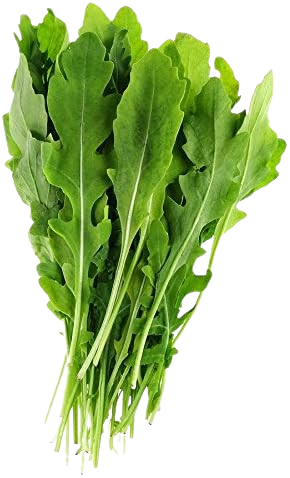
Arugula calories are very low, with a 100g (3.5 oz) serving of raw arugula containing just 25 calories. A cup of loosely packed leaves (20g) provides only 5 calories. The nutrition in arugula is notable despite its low caloric density, as 100g of raw arugula is a good source of Vitamin K (108.6µg, 91% DV), a good source of Vitamin A (119µg RAE, 13% DV from carotenoids), folate (97µg, 24% DV), Vitamin C (15mg, 17% DV), and 1.6g of fiber (6% DV). Research shows that cruciferous vegetables like arugula contain glucosinolates, compounds associated with various health-promoting properties, including antioxidant and potential anti-cancer effects (Verhoeven, D.T., et al., 1996, "Epidemiological studies on brassica vegetables and cancer risk").
Arugula nutrition facts show minimal variation between baby arugula and mature leaves, both containing 25 calories per 100g, while arugula microgreens are slightly higher at 28 calories per 100g. Mediterranean countries like Italy are significant producers and consumers of arugula, with its popularity also high in the USA, particularly in California and Arizona. The price of a 5 oz (142g) package of arugula in the U.S. has ranged from $2.50 to $5.00 over the past 20 years, influenced by seasonality and organic options.
Arugula is commonly featured in salads at restaurants like Panera Bread (seasonal), as a pizza topping at California Pizza Kitchen, or in pasta dishes at various Italian eateries. Incorporating 1-2 cups (20-40g, 5-10 calories) into daily meals contributes valuable nutrients with negligible caloric impact. Burning the 25 calories from a 100g serving of arugula requires minimal physical activity, equivalent to a few minutes of light walking.
Arugula nutrition
| Stats | Weight |
|---|---|
| Carbs | 5.37 grams |
| Protein | 1.65 grams |
| Fats | 0.325 grams |
| Sugars | 0 grams |
- Large Arugula Leaves Calories (Nutritional Facts)
- Baby Arugula Calories (Nutritional Facts)
- Arugula Microgreens Calories (Nutritional Facts)
- Raw Arugula Nutrition
- Sodium in Arugula
- Potassium in Arugula
- Sugar in Arugula
- Fiber in Arugula
- Protein in Arugula
- Carbs in Arugula
- Fat in Arugula
- Vitamins in Arugula
- Minerals in Arugula
Large Arugula Leaves Calories (Nutritional Facts)
Large arugula leaves (mature raw arugula) contain 25 calories per 100g (3.5 oz). One cup of loosely packed large arugula leaves (20g, 0.71 oz) provides 5 calories. A 100g serving of large raw arugula leaves contains 2.6g of protein, 3.7g of carbohydrates, and 0.7g of total fat.
A 100g (3.5 oz) serving of raw baby arugula contains 25 calories. Two cups of loosely packed raw baby arugula (40g, 1.41 oz) provide 10 calories. Raw baby arugula (100g) contains 2.6g of protein, 3.7g of carbohydrates, and 0.7g of fat.
A 100g (3.5 oz) serving of arugula microgreens contains 28 calories. One ounce (28.35g, 1 oz) of arugula microgreens provides 8 calories. Arugula microgreens (100g) contain 3.1g of protein, 4.3g of carbohydrates, and 0.3g of fat. The nutrient density can be higher in microgreens for certain vitamins and minerals compared to mature leaves on a per-weight basis.
A 100g (3.5 oz) serving of raw arugula (generic) contains 25 calories. This portion also provides 2.6g of protein, 3.7g of total carbohydrates (including 1.6g of fiber), and 0.7g of total fat. A half-cup of chopped raw arugula (10g, 0.35 oz) contains 2.5 calories.
Raw arugula contains 27mg of sodium per 100g (1% DV). One cup of loosely packed raw arugula (20g, 0.71 oz) provides 5.4mg of sodium (0% DV).
Raw arugula provides 369mg of potassium per 100g (8% DV). One cup of loosely packed raw arugula (20g, 0.71 oz) contains 73.8mg of potassium (2% DV).
Raw arugula contains 2.1g of total sugars per 100g. One cup of loosely packed raw arugula (20g, 0.71 oz) has 0.4g of sugar.
Raw arugula provides 1.6g of dietary fiber per 100g (6% DV). One cup of loosely packed raw arugula (20g, 0.71 oz) offers 0.3g of dietary fiber (1% DV).
Raw arugula contains 2.6g of protein per 100g (5% DV). One cup of loosely packed raw arugula (20g, 0.71 oz) has 0.5g of protein (1% DV).
Raw arugula has 3.7g of total carbohydrates per 100g (1% DV). One cup of loosely packed raw arugula (20g, 0.71 oz) contains 0.7g of total carbohydrates (0% DV).
Raw arugula contains 0.7g of total fat per 100g (1% DV), which includes 0.1g of saturated fat. One cup of loosely packed raw arugula (20g, 0.71 oz) has 0.14g of total fat (0% DV).
A 100g (3.5 oz) serving of raw arugula is an excellent source of Vitamin K, providing 108.6µg (91% DV), and Vitamin A, with 119µg RAE (13% DV from carotenoids like beta-carotene). It is also a good source of Folate (Vitamin B9) at 97µg (24% DV) and Vitamin C at 15mg (17% DV).
A 100g (3.5 oz) serving of raw arugula is a good source of Calcium, providing 160mg (16% DV), and Manganese at 0.321mg (14% DV). It also contains Potassium at 369mg (8% DV) and Magnesium at 47mg (11% DV).
Get a Custom Report on Arugula Nutrition Data – Contact Us!
What are the Types of Arugula?
The primary distinctions or types of arugula usually relate to the maturity of the plant at harvest, leading to "baby arugula" and "mature arugula," as well as "arugula microgreens." Wild arugula (Diplotaxis tenuifolia) is also a distinct species with a more intense flavor than cultivated arugula (Eruca vesicaria). The table below shows these common forms and their calorie information.
| Type | Description | Calories (per 100g raw) | Calorie Qualifications |
|---|---|---|---|
|
Baby Arugula
|
Young, tender leaves harvested early. Milder, less peppery flavor than mature arugula. | 25 | Very low in calories, similar to mature arugula. |
|
Mature Arugula (Standard Arugula/Rocket)
|
Larger, more developed leaves. More robust, peppery, and sometimes slightly bitter flavor. | 25 | Very low in calories, essentially the same as baby arugula on a per-weight basis. |
|
Arugula Microgreens
|
Seedlings of arugula harvested just after the first true leaves have developed. Concentrated flavor, tender. | 28 | Slightly higher in calories than mature or baby leaves, potentially more nutrient-dense by weight. |
|
Wild Arugula
|
(Diplotaxis tenuifolia) Often has more deeply serrated leaves and a more intense, pungent, peppery flavor. | 25-30 | Calorie content is very similar to cultivated arugula. |
What are the Main Dishes with Arugula?
Arugula, with its distinctive peppery and slightly bitter flavor, is a popular leafy green used in a variety of main dishes, most notably salads, but also as a topping for pizzas, an ingredient in pasta dishes, and in sandwiches or wraps. Some of the most widespread main dishes that contain arugula include prosciutto and arugula pizza, arugula salads with various vinaigrettes, and pasta dishes with fresh arugula stirred in. The table below lists diverse main dishes featuring arugula, along with estimated nutritional information and examples of restaurants where these or similar preparations might be found.
| Dish Name | Calories (per serving) | Type of Arugula Used | Carbs (g) | Sugar (g) | Protein (g) | Fat (g) | Cuisine | Restaurants |
|---|---|---|---|---|---|---|---|---|
|
Arugula Salad with Parmesan & Lemon Vinaigrette
|
150-300 (entrée size) | Baby or Mature | 5-15 | 2-6 | 5-10 | 10-25 | Italian, Mediterranean | Olive Garden (seasonal salads), Carrabba's Italian Grill, local Italian bistros |
|
Prosciutto e Arugula Pizza
|
300-450 (per 2 slices) | Baby or Mature (added after baking) | 30-45 | 2-5 | 12-20 | 10-20 | Italian, Italian-American | California Pizza Kitchen, Grimaldi's Pizzeria, Eataly, artisanal pizza places |
|
Pasta with Arugula, Cherry Tomatoes & Shrimp/Chicken
|
450-700 | Baby or Mature (wilted in) | 50-70 | 5-10 | 25-40 | 15-25 | Italian, Mediterranean | Local Italian restaurants, some contemporary American eateries |
|
Steak with Arugula Salad Topping
|
500-800 | Baby or Mature | 5-15 | 1-4 | 40-60 | 30-50 | American, Italian-inspired | The Capital Grille, Fleming's Prime Steakhouse & Wine Bar (often as side salad choice) |
|
Arugula Pesto Pasta
|
400-650 | Mature (for pesto) | 45-65 | 2-5 | 10-18 | 18-30 | Italian, Modern | Some Italian restaurants or cafes featuring house-made pestos |
|
Caprese Salad with Arugula
|
300-450 | Baby or Mature | 8-15 | 6-12 | 15-20 | 20-30 | Italian | Variations found at many Italian restaurants and cafes |
|
Grilled Chicken Sandwich/Wrap with Arugula
|
400-650 | Baby or Mature | 35-50 | 4-8 | 25-40 | 15-25 | American, Deli-style | Panera Bread (seasonal), Tender Greens, various upscale sandwich shops |
|
Fig, Prosciutto & Arugula Salad
|
300-500 | Baby or Mature | 20-35 | 15-25 | 10-18 | 15-25 | Italian, Mediterranean | Many bistros and wine bars, e.g., North Italia |
|
Warm Goat Cheese Salad with Arugula & Beets
|
350-550 | Baby or Mature | 20-30 | 15-25 | 12-20 | 20-30 | French, Contemporary American | Local French bistros, contemporary American restaurants |
|
Salmon with Arugula and Lentil Salad
|
450-700 | Baby or Mature | 30-45 | 3-7 | 35-50 | 18-30 | Mediterranean, Health-conscious | Seasons 52, health-focused cafes |
|
Pear, Walnut, and Arugula Salad with Blue Cheese
|
350-550 | Baby or Mature | 15-25 | 10-18 | 8-15 | 25-40 | American, European | Many American restaurants with salad selections, e.g., Brio Italian Grille (variations) |
|
Arugula as a Bed for Grilled Seafood/Scallops
|
200-400 (plus seafood) | Baby or Mature | 3-10 | 1-3 | Varies | Varies | Contemporary Seafood | McCormick & Schmick's, Bonefish Grill |
|
Breakfast Sandwich/Toast with Egg and Arugula
|
300-500 | Baby or Mature | 25-40 | 2-5 | 15-25 | 10-20 | Modern American Breakfast | First Watch, local trendy cafes |
What Cuisines Prefer Arugula the Most?
Arugula, also known as rocket or rucola, is most usually featured and preferred in Mediterranean cuisines, particularly Italian cuisine, where its peppery bite is a classic component of salads, pasta dishes, and as a topping for pizza. Its popularity has also spread widely in contemporary American and other European cuisines, often used to add a fresh, zesty counterpoint to rich or savory ingredients. The table below highlights cuisines that frequently utilize arugula.
| Cuisine | Dish Name | Calories (per serving) | Restaurants |
|---|---|---|---|
|
Italian
|
Arugula Salad with Parmesan & Lemon Dressing | 150-300 | Olive Garden (seasonal), Carrabba's Italian Grill, most Italian restaurants |
|
Italian
|
Prosciutto e Arugula Pizza | 300-450 (2 slices) | California Pizza Kitchen, Grimaldi's Pizzeria, Eataly |
|
Italian
|
Pasta with Fresh Arugula and Tomatoes | 400-600 | Local Italian trattorias |
|
Mediterranean
|
Salads with Arugula, Goat Cheese, and Nuts | 350-550 | CAVA (customizable bowls), Zoe's Kitchen (seasonal salads), many Mediterranean spots |
|
American (Contemporary)
|
Steak or Grilled Chicken with Arugula Bed | Varies | The Capital Grille, Seasons 52, various contemporary American bistros |
|
American (Californian)
|
Salads with Arugula, Avocado, and Citrus | 300-500 | Tender Greens, Sweetgreen |
|
French (Modern)
|
Warm Goat Cheese Salad with Arugula | 350-550 | French bistros incorporating modern salad trends |
|
European (General)
|
Sandwiches and Wraps with Arugula | 300-600 | Panera Bread, Au Bon Pain, Pret A Manger |
Which Countries Produce the Most Arugula?
Arugula is often grouped under broader categories such as "leafy green vegetables," "salads," or "other fresh vegetables." Based on agricultural reports, trade data for fresh herbs and salad greens, and market presence, significant commercial production of arugula occurs in Mediterranean countries like Italy and Spain, and in the United States (particularly California and Arizona), Mexico, and increasingly in other regions with greenhouse cultivation. Italy is considered a major producer and exporter, given arugula's deep roots in Italian cuisine. The table below provides indicative production values for a broader category of "Lettuce and chicory" (which includes many salad greens, though not exclusively arugula) from some of these key regions to give a sense of scale for leafy green production, as specific arugula data is scarce.
| Country/Region | 2004 | 2005 | 2006 | 2007 | 2008 | 2009 | 2010 | 2011 | 2012 | 2013 | 2014 | 2015 | 2016 | 2017 | 2018 | 2019 | 2020 | 2021 | 2022 | 2023 (Est.) |
|---|---|---|---|---|---|---|---|---|---|---|---|---|---|---|---|---|---|---|---|---|
| USA | 4,500 | 4,450 | 4,300 | 4,200 | 4,100 | 3,900 | 3,800 | 3,700 | 3,600 | 3,500 | 3,400 | 3,300 | 3,200 | 3,150 | 3,100 | 3,050 | 3,000 | 2,950 | 2,900 | 2,880 |
| Spain | 800 | 820 | 850 | 880 | 900 | 920 | 930 | 940 | 950 | 960 | 970 | 980 | 990 | 1,000 | 1,010 | 1,020 | 1,000 | 1,010 | 1,020 | 1,025 |
| Italy | 600 | 610 | 620 | 630 | 640 | 630 | 620 | 610 | 600 | 590 | 580 | 570 | 560 | 570 | 580 | 590 | 580 | 585 | 590 | 592 |
| China | 12,000 | 12,500 | 13,000 | 13,500 | 14,000 | 14,200 | 14,500 | 14,800 | 15,000 | 15,200 | 15,300 | 15,400 | 15,500 | 15,600 | 15,700 | 15,800 | 16,000 | 16,100 | 16,200 | 16,250 |
| Mexico | 300 | 320 | 340 | 360 | 380 | 400 | 420 | 430 | 440 | 450 | 460 | 470 | 480 | 490 | 500 | 510 | 500 | 505 | 510 | 512 |
Which Countries Consume the Most Arugula?
Arugula consumption is highest in regions where it has strong culinary roots, particularly Italy and other Mediterranean countries. Its popularity has grown significantly in North America (USA, Canada) and other parts of Europe (France, UK, Germany) over the last few decades, where it is widely used in salads and as a pizza topping. To provide an indication of leafy green consumption trends in these key markets, the table below shows the Food Supply Quantity ( kg/capita/year ) for "Lettuce and Chicory" for select countries over the past two decades. This broader category includes various salad greens, and higher per capita figures can suggest a greater overall consumption of such vegetables, including popular items like arugula.
| Country | 2004 | 2005 | 2006 | 2007 | 2008 | 2009 | 2010 | 2011 | 2012 | 2013 | 2014 | 2015 | 2016 | 2017 | 2018 | 2019 | 2020 | 2021 |
|---|---|---|---|---|---|---|---|---|---|---|---|---|---|---|---|---|---|---|
| Italy | 13.5 | 13.8 | 14.0 | 14.2 | 14.1 | 13.9 | 13.7 | 13.5 | 13.2 | 12.8 | 12.5 | 12.3 | 12.1 | 12.4 | 12.6 | 12.8 | 12.5 | 12.6 |
| Spain | 14.8 | 15.1 | 15.5 | 15.9 | 16.2 | 16.5 | 16.6 | 16.7 | 16.8 | 16.9 | 17.0 | 17.1 | 17.2 | 17.4 | 17.5 | 17.6 | 17.3 | 17.4 |
| USA | 10.2 | 10.1 | 9.8 | 9.5 | 9.2 | 8.8 | 8.6 | 8.3 | 8.1 | 7.9 | 7.7 | 7.5 | 7.3 | 7.2 | 7.1 | 7.0 | 6.9 | 6.8 |
| France | 8.5 | 8.6 | 8.7 | 8.8 | 8.9 | 8.7 | 8.6 | 8.5 | 8.4 | 8.3 | 8.2 | 8.1 | 8.0 | 8.1 | 8.2 | 8.3 | 8.1 | 8.2 |
| Germany | 5.5 | 5.6 | 5.7 | 5.8 | 5.9 | 5.8 | 5.7 | 5.6 | 5.5 | 5.4 | 5.3 | 5.2 | 5.1 | 5.2 | 5.3 | 5.4 | 5.3 | 5.3 |
| United Kingdom | 4.8 | 4.9 | 5.0 | 5.1 | 5.2 | 5.1 | 5.0 | 4.9 | 4.8 | 4.7 | 4.6 | 4.5 | 4.4 | 4.5 | 4.6 | 4.7 | 4.6 | 4.6 |
| Canada | 6.5 | 6.6 | 6.7 | 6.8 | 6.9 | 6.7 | 6.6 | 6.5 | 6.4 | 6.3 | 6.2 | 6.1 | 6.0 | 6.1 | 6.2 | 6.3 | 6.1 | 6.2 |
How Does Prices of Arugula-including Dishes Change?
The prices of restaurant dishes that prominently feature arugula, such as arugula salads, pizzas with arugula, or pasta dishes incorporating fresh arugula, have generally increased over the past 20 years. This is due to the rising cost of arugula itself (though it's often a smaller component of the total dish cost), along with more significant increases in the prices of other key ingredients (proteins like prosciutto or chicken, cheeses like Parmesan, other fresh produce), and substantial escalations in restaurant operational costs, including labor, rent, and energy. Below is a comparison of estimated prices for representative menu items where arugula is a notable component.
| Restaurant Chain/Type | Dish | Estimated Old Price (2004-2008) | Current Price (2024-2025) |
|---|---|---|---|
| California Pizza Kitchen | Tricolore Salad Pizza (Seasonal) | $11.99 - $14.99 | $17.99 - $22.99 |
| Contemporary American Restaurant | Steak or Salmon Entrée with Arugula Side Salad | $20.00 - $28.00 (Entrée price) | $30.00 - $45.00 (Entrée price) |
| Local Pizzeria (Gourmet Options) | Pizza with Fresh Arugula Topping | $14.00 - $18.00 (Large Pizza) | $20.00 - $28.00 (Large Pizza) |
| Cafe/Deli | Sandwich or Wrap with Arugula | $6.95 - $8.95 | $10.50 - $14.50 |
What is the Arugula Calorie for 100G?
A 100g (3.5 oz) serving of raw arugula (both baby and mature leaves) contains 25 calories. Arugula microgreens (100g) contain 28 calories.
What is the Arugula Calorie for 1 KG?
One kilogram (1000g, 35.27 oz) of raw arugula (baby or mature) contains 250 calories. One kilogram of arugula microgreens provides 280 calories.
What is the Calorie of 1 Arugula?
A single raw arugula leaf (2g, 0.07 oz) contains 0.5 calories. A common retail clamshell package of baby arugula (5 oz or 142g) contains 36 calories for the entire package. A smaller retail bag of arugula (2 oz or 57g) provides 14 calories for the entire bag.
What are the Health Benefits of Arugula?
Arugula provides some health benefits like supporting bone health and boosting antioxidant intake due to its rich concentration of vitamins, minerals, and beneficial plant compounds. A list of the health benefits of arugula are shown below:
- Rich in Bone-Protective Vitamin K: Arugula is an excellent source of Vitamin K, a nutrient crucial for bone mineralization and blood clotting. Adequate Vitamin K intake is associated with improved bone density and a lower risk of fractures (Weber, P., 2001, "Vitamin K and bone health").
- Good Source of Antioxidants: Arugula contains various antioxidants, including carotenoids like beta-carotene, lutein, and zeaxanthin, as well as glucosinolates (which convert to isothiocyanates). These compounds help protect cells from damage caused by free radicals and may reduce the risk of chronic diseases (Martinez-Sanchez, A., et al., 2008, "Cruciferous Sprouts: A Rich Source of Bioactive Compounds for Health Promotion").
- Provides Folate (Vitamin B9): It is a good source of folate, a B vitamin essential for DNA synthesis, cell division, and red blood cell formation. Adequate folate is particularly important during pregnancy to prevent neural tube defects. (Greenberg, J.A., et al., 2011, "Folic Acid Supplementation and Pregnancy: More Than Just Neural Tube Defect Prevention").
- Contains Vitamin C: Arugula offers Vitamin C, an important antioxidant that supports immune function, aids in collagen production for healthy skin, and enhances iron absorption.
- Source of Calcium and Potassium: It provides dietary calcium, important for bone health, and potassium, which helps regulate blood pressure and fluid balance.
- Low in Calories and High in Nutrients: Arugula is very low in calories while being packed with nutrients, making it a great addition to a healthy, weight-conscious diet. Its nutrient density means it provides a lot of beneficial compounds per calorie consumed.
- May Have Anti-cancer Properties: The glucosinolates found in arugula and other cruciferous vegetables are broken down into isothiocyanates, which have been studied for their potential to inhibit cancer cell growth and support detoxification pathways in laboratory and animal studies. (Higdon, J.V., et al., 2007, "Cruciferous Vegetables and Human Cancer Risk: Epidemiologic Evidence and Mechanistic Basis").
What are the Downsides of Arugula?
Arugula has been known to cause some unwanted effects like potential interactions with blood-thinning medications and a risk of nitrate accumulation in certain conditions due to its specific chemical composition. A list of the downsides of arugula are shown below:
- High Vitamin K Content Can Interact with Blood Thinners: Arugula is very rich in Vitamin K, which plays a key role in blood clotting. Individuals taking anticoagulant medications like warfarin (Coumadin) need to maintain a consistent intake of Vitamin K. Significant changes in arugula consumption could interfere with the medication's effectiveness and should be discussed with a healthcare provider. (Holmes, M.V., et al., 2012, "Vitamin K and Warfarin Therapy: A Volatile Combination").
- Nitrate Content: Like many leafy green vegetables, arugula can accumulate nitrates from the soil. While nitrates themselves are not inherently harmful and can even have some cardiovascular benefits, they can be converted to nitrites in the body. Under certain conditions, nitrites can form nitrosamines, some of which are potentially carcinogenic. However, the Vitamin C content in arugula can help inhibit this conversion, and the overall health benefits of consuming leafy greens generally outweigh this concern for most people. (Hord, N.G., et al., 2009, "Food sources of nitrates and nitrites: the physiologic context for potential health benefits").
- Potential for Allergic Reactions (Rare): Although uncommon, some individuals may experience allergic reactions to arugula or other cruciferous vegetables.
- Risk of Foodborne Illness if Not Handled Properly: As with all fresh leafy greens, arugula can potentially be contaminated with bacteria if not grown, harvested, washed, and handled properly. Thorough washing is important, especially if consumed raw.
- Peppery Flavor Can Be Too Intense for Some: While many enjoy arugula's distinctive peppery, slightly bitter taste, it can be too strong or pungent for some palates, particularly mature arugula.
Are Arugula Good for You?
Yes, arugula is good for you and is a highly nutritious leafy green vegetable. It is very low in calories and packed with beneficial vitamins, minerals, and phytochemicals. Arugula is an excellent source of Vitamin K, important for bone health and blood clotting, and a good source of Vitamin A (from carotenoids), Vitamin C, and folate. It also provides antioxidants that help protect against cellular damage. (USDA FoodData Central, "Arugula, raw"). The glucosinolates found in arugula and other cruciferous vegetables have been associated with potential anti-cancer properties. (Verhoeven, D.T., et al., 1996, "Epidemiological studies on brassica vegetables and cancer risk"). While its high Vitamin K content requires consistency for those on blood thinners, and its nitrate content is a minor consideration for most, the overall nutritional benefits of including arugula in a balanced diet are significant.
How Much Arugula Can a Person Have Per Day?
A person can generally have 1 to 2 cups (20-40g, 0.7-1.4 oz) of fresh arugula per day as part of a balanced and varied diet without adverse effects. There is no specific upper limit defined for arugula consumption for healthy individuals, and larger amounts can be consumed. However, due to its high Vitamin K content, individuals on blood-thinning medications like warfarin should maintain a consistent daily intake of Vitamin K from all food sources, including arugula, and consult their doctor. For most people, incorporating a serving or two of arugula into salads, sandwiches, or as a garnish is a healthy way to boost nutrient intake.
Can Baby Arugula Contain Lower Calories than Microgreens?
Yes, baby arugula contains slightly lower calories per 100g than arugula microgreens. Raw baby arugula has 25 calories per 100g, while arugula microgreens contain 28 calories per 100g.
Although arugula microgreens are slightly higher in calories, they are often considered to be more nutrient-dense in terms of certain vitamins and minerals per gram compared to mature leaves. This is because microgreens are harvested at a very young stage when they have a high concentration of nutrients relative to their small size. Baby arugula is harvested later than microgreens but earlier than mature arugula, offering a tender texture and a flavor that is milder than mature leaves but often more developed than microgreens. Both are excellent, low-calorie, nutrient-rich choices.
How Do Calories Change According to Arugula Types?
The calorie content of arugula shows minimal change across its common types when comparing fresh, raw forms on a per-100g basis. Both baby arugula and mature (standard) arugula contain 25 calories per 100g. Wild arugula also falls into a very similar range, around 25-30 calories per 100g. Arugula microgreens are slightly higher, containing 28 calories per 100g. This slight difference is negligible for typical serving sizes. The consistency in low calorie counts across these types is due to arugula's very high water content and its nature as a leafy green, which is inherently low in calorie-providing macronutrients (fat, protein, and carbohydrates). The most significant factor affecting the caloric intake from arugula would be the serving size consumed, or if it is prepared with added caloric ingredients like oils in a dressing.
How Can Arugula Salad Benefit Your Immune System?
An arugula salad can be beneficial for the immune system due to its rich content of several key vitamins and antioxidants. Arugula is a good source of Vitamin C, a well-known immune-boosting nutrient that supports various cellular functions of both the innate and adaptive immune systems and acts as a potent antioxidant. The rocket salad benefits also stem from its Vitamin A content (derived from beta-carotene), which plays a crucial role in maintaining the integrity of mucosal barriers (like in the gut and respiratory tract), our first line of defense against pathogens. Furthermore, arugula contains folate, which is essential for immune cell production and function. The antioxidants present in arugula, including glucosinolates and flavonoids, help protect immune cells from oxidative stress, thereby supporting their ability to fight off infections. While the calories in arugula salad are low, its concentration of these immune-supportive nutrients makes it a healthy choice.
What are the Desserts with Arugula?
The use of arugula in desserts is highly unconventional and rare, given its distinctively peppery and somewhat bitter flavor profile, which is often associated with savory dishes.
What is the Origin of Arugula?
Arugula (Eruca vesicaria or Diplotaxis tenuifolia for wild varieties) has its origins in the Mediterranean region, including parts of Southern Europe, North Africa, and Western Asia. It has been cultivated and consumed for thousands of years, with records of its use dating back to ancient Roman times. The Romans valued arugula not only as a food but also for its purported medicinal properties and as an aphrodisiac. It was a common salad green in the classical world, often mixed with other herbs and lettuces.
Throughout the Middle Ages, arugula continued to be cultivated in Europe, though its popularity waned in some areas before experiencing a significant resurgence in the 20th century, particularly with the rise of interest in Mediterranean cuisine globally. An interesting aspect of arugula's history is its relatively recent explosion in popularity in North America. While it was brought over by early European settlers, it remained a somewhat niche or "ethnic" green for a long time. It wasn't until the 1980s and 1990s that arugula, often marketed as "rocket," gained widespread appeal in the United States, becoming a fashionable ingredient in gourmet salads and on pizzas in upscale restaurants, eventually trickling down to mainstream supermarkets.
The classic Italian dish "Prosciutto e Arugula Pizza," where fresh, peppery arugula and salty prosciutto are added to a pizza after baking, perfectly highlights arugula's ability to add a fresh, bright counterpoint to rich flavors, a characteristic that has contributed to its modern culinary success.
Explore More Vegetables
Discover more Vegetables with detailed nutrition facts, calorie counts, vitamins, minerals, and health benefits. Compare similar foods, serving sizes, macronutrients, and key nutrients to find the best option for your diet and nutrition goals.
 Artichoke calories
 Asparagus calories
 Beetroot calories
 Bell Pepper calories
 Broccoli calories
 Brussels Sprouts calories
 Cabbage calories
 Caesar Salad calories
 Carrot calories
 Cassava Root calories
 Cauliflower calories
 Celery calories