Calories and Nutritions in Beef Brisket
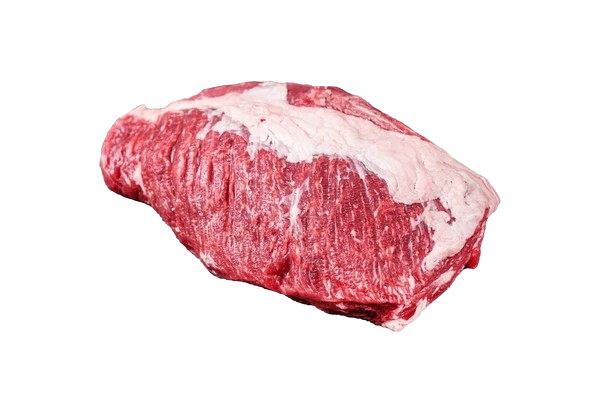
Beef brisket is a flavorful cut of beef with a high calorie count that varies by cooking method and amount of fat present. There are 291 calories in beef brisket for a 100 gram serving cooked, while a one-ounce portion has 82 calories and a 100g serving of smoked brisket has 246 calories. One cooked piece of braised brisket (314g) contains 1124 calories, and a 314g serving of smoked beef brisket contains 776 calories. Branded products show a wide range, from 50 calories in a 56g serving of Kirkland Signature Premium Roast Beef Brisket to 310 calories in a 4oz serving of Taste of Inspirations Texas Style BBQ Brisket. Beef brisket nutrition for a 3oz serving of cooked beef brisket with fat trimmed provides 247 calories, 23g of protein, 17g of fat, 0g of carbohydrates, 0g of fiber, and 0g of sugar, with a notable cholesterol content of 79mg (26% DV).
The beef brisket nutrition facts reveal a food rich in protein, B vitamins, and minerals. A review on high-quality protein sources underscored the importance of such foods for muscle synthesis and function (Wolfe, R. R., 2017). The main health advantages of beef brisket stem from this nutrient profile. A 3-ounce serving of cooked brisket provides 2mcg of Vitamin B12 (85% DV) and 5mg of zinc (45% DV), which support energy metabolism and immune health.
Beef brisket is available as two main cuts, the flat and the point, prepared through smoking or braising. The United States and Brazil lead the world in beef production, while China and the United States are the largest consumers. This global market has seen the price of beef brisket increase substantially over the last 20 years. The average retail price went from under $1.50 per pound to more than $4.25 per pound in 2022.
Restaurants like Franklin Barbecue and Katz's Delicatessen feature beef brisket in signature dishes such as Texas-Style Smoked Brisket and Jewish Braised Brisket. A sensible consumption recommendation is a small 3-ounce (85g) portion eaten on occasion. This serving size contains 247 calories, which can be balanced by 25 minutes of jogging or 31 minutes of cycling.
Beef Brisket nutrition
| Stats | Weight |
|---|---|
| Carbs | 0 grams |
| Protein | 28 grams |
| Fats | 0 grams |
| Sugars | 0 grams |
- Cooked Beef Brisket Calories (Nutritional Facts)
- Smoked Beef Brisket Calories (Nutritional Facts)
- Fiber in Beef Brisket
- Protein in Beef Brisket
- Carbs in Beef Brisket
- Fat in Beef Brisket
- Vitamins in Beef Brisket
- Minerals in Beef Brisket
- Cholesterol in Beef Brisket
Cooked Beef Brisket Calories (Nutritional Facts)
A 3oz (85g) serving of cooked beef brisket with fat trimmed contains 247 calories, 23g of protein, 17g of fat, 0g of carbohydrates, 0g of fiber, and 0g of sugar. One cooked piece of braised brisket point half (314g) contains 1124 calories, 74g of protein, and 89g of fat.
A 3oz (85g) serving of smoked beef brisket contains 210 calories, 19g of protein, 13g of fat, 1g of carbohydrates, 0g of fiber, and 0g of sugar. A 314g serving of smoked beef brisket contains 776 calories, 70g of protein, 48g of fat, and 4g of carbohydrates.
A 3oz (85g) serving of cooked beef brisket contains 0g of dietary fiber. A 314g piece of cooked beef brisket contains 0g of fiber. A 3oz (85g) serving of smoked beef brisket contains 0g of fiber. A 314g serving of smoked beef brisket contains 0g of fiber.
A 3oz (85g) serving of cooked beef brisket has 23g of protein. A 314g piece of cooked beef brisket has 74g of protein. A 3oz (85g) serving of smoked beef brisket has 19g of protein. A 314g serving of smoked beef brisket has 70g of protein.
A 3oz (85g) serving of cooked beef brisket contains 0g of carbohydrates. A 314g piece of cooked beef brisket contains 0g of carbohydrates. A 3oz (85g) serving of smoked beef brisket contains 1g of carbohydrates. A 314g serving of smoked beef brisket contains 4g of carbohydrates.
A 3oz (85g) serving of cooked beef brisket contains 17g of total fat. A 314g piece of cooked beef brisket contains 89g of total fat. A 3oz (85g) serving of smoked beef brisket contains 13g of total fat. A 314g serving of smoked beef brisket contains 48g of total fat.
A 3oz (85g) serving of cooked beef brisket provides 2mcg of Vitamin B12 (85% DV) and 3mg of niacin (17% DV).
A 3oz (85g) serving of cooked beef brisket contains 220.2mg of potassium (5% DV). A 314g piece of cooked beef brisket contains 731.6mg of potassium (16% DV). A 3oz (85g) serving of smoked beef brisket contains 1.8mg of iron (10% DV). A 314g serving of smoked beef brisket contains 6.6mg of iron (37% DV).
A 3oz (85g) serving of cooked beef brisket contains 79mg of cholesterol (26% DV). A 314g piece of cooked beef brisket contains 289mg of cholesterol (96% DV). A 3oz (85g) serving of smoked beef brisket contains 70mg of cholesterol (23% DV). A 314g serving of smoked beef brisket contains 259mg of cholesterol (86% DV).
Get a Custom Report on Beef Brisket Nutrition Data – Contact Us!
What are the Types of Beef Brisket?
The types of beef brisket are the brisket flat, the brisket point, smoked brisket, and braised brisket. These are primarily defined by the two distinct muscles that make up the whole cut, the point and the flat, as well as by the cooking method. The characteristics of these common varieties are detailed in the table below.
| Type | Description | Calories (Approximate per 100g cooked) | Calorie Qualifications |
|---|---|---|---|
|
Brisket Flat (First Cut)
|
The leaner, larger muscle of the brisket. Uniform in shape. | 291 calories (trimmed) | Lower in calories than the point cut. Best for slicing. |
|
Brisket Point (Second Cut)
|
The fattier, smaller muscle that sits on top of the flat. Richer flavor. | 358 calories (with fat) | Highest in calories due to a higher fat content and marbling. |
|
Smoked Brisket
|
Brisket that has been slow-smoked for many hours. A Texas BBQ staple. | 247 calories | Moderate in calories, as much of the fat renders out during the long cooking process. |
|
Braised Brisket
|
Brisket that is slow-cooked in liquid until very tender. | 281 calories (whole, trimmed) | Moderate in calories, with the final count depending on the braising liquid. |
What are the Main Dishes with Beef Brisket?
Beef brisket is a tough cut of meat that transforms into a tender, flavorful centerpiece through slow-cooking methods like smoking, braising, and roasting. The following table outlines main course dishes where beef brisket is a key ingredient.
| Dish Name | Calories (Estimate per serving) | Type of Beef Brisket Used | Carbs (g) (Estimate) | Sugar (g) (Estimate) | Protein (g) (Estimate) | Fat (g) (Estimate) | Cuisine | Restaurants |
|---|---|---|---|---|---|---|---|---|
|
Texas-Style Smoked Brisket
|
600-800 | Whole Brisket (Point & Flat) | 0-5 | 0-2 | 40-50 | 45-65 | American (Texas BBQ) | Franklin Barbecue (Austin, TX) |
|
Jewish Braised Brisket
|
550-700 | Brisket Flat | 15-25 | 10-18 | 50-60 | 25-35 | Jewish (Ashkenazi) | Katz's Delicatessen (New York, NY) |
|
Corned Beef Brisket
|
500-650 | Brisket Flat (cured) | 5-10 | 1-3 | 35-45 | 30-40 | Irish-American | McSorley's Old Ale House (New York, NY) |
|
Brisket Pho
|
600-750 | Braised/Boiled | 50-65 | 3-6 | 30-40 | 25-35 | Vietnamese | Slanted Door (San Francisco, CA) |
|
Brisket Tacos
|
450-600 | Smoked or Braised | 30-40 | 2-5 | 25-35 | 20-30 | Tex-Mex | Valentina's Tex Mex BBQ (Austin, TX) |
|
Korean Braised Brisket (Jangjorim)
|
400-550 | Brisket Flat | 10-15 | 8-12 | 30-40 | 20-30 | Korean | Her Name is Han (New York, NY) |
|
Brisket Sandwich
|
700-900 | Smoked or Roasted | 40-50 | 5-10 | 45-55 | 35-50 | American Deli | Langer's Delicatessen (Los Angeles, CA) |
|
Brisket Chili
|
400-550 | Smoked or Braised (cubed) | 25-35 | 8-12 | 30-40 | 18-28 | American (Texan) | Mighty Quinn's Barbeque (New York, NY) |
|
Chinese Braised Brisket with Daikon
|
450-600 | Brisket Flat | 15-25 | 10-15 | 35-45 | 22-32 | Chinese (Cantonese) | Yank Sing (San Francisco, CA) |
|
Brisket Pot Roast
|
500-650 | Brisket Flat | 20-30 | 8-12 | 50-60 | 20-30 | American | The Cheesecake Factory (restaurant chain) |
What Cuisines Prefer Beef Brisket the Most?
Beef brisket is a foundational cut in culinary traditions that specialize in slow-cooking, most notably American barbecue, Jewish, and various Asian cuisines. The table below shows cuisines where beef brisket is a featured meat.
| Cuisine | Dish | Types of Beef Brisket Used | Calories (Estimate per serving) | Restaurant(s) |
|---|---|---|---|---|
|
American (Texas BBQ)
|
Sliced Smoked Brisket | Whole Brisket (Point & Flat) | 600-800 | Franklin Barbecue (Austin, TX) |
|
Jewish (Ashkenazi)
|
Holiday Braised Brisket | Brisket Flat | 550-700 | 2nd Ave Deli (New York, NY) |
|
Irish-American
|
Corned Beef and Cabbage | Brisket Flat (cured) | 500-650 | The Dead Rabbit (New York, NY) |
|
Vietnamese
|
Pho Tai Nam Gau (Pho with Brisket) | Braised/Boiled | 600-750 | Pho 75 (restaurant chain) |
|
Tex-Mex
|
Brisket Tacos | Smoked or Braised | 450-600 | Torchy's Tacos (restaurant chain) |
|
Korean
|
Galbi Jjim (often with brisket) | Braised | 500-650 | Kang Ho Dong Baekjeong (Los Angeles, CA) |
|
Chinese
|
Clear Broth Brisket Noodle Soup | Braised/Boiled | 400-550 | Din Tai Fung (restaurant chain) |
|
Montreal-Style Smoked Meat
|
Smoked Meat Sandwich | Brisket Flat (cured & smoked) | 600-800 | Schwartz's Deli (Montreal, CA - influential example) |
|
English
|
Pot Roast Brisket | Braised | 500-650 | The Dandelion (Philadelphia, PA) |
|
Mexican
|
Suadero (often made with brisket) | Braised/Confit | 400-550 | Los Tacos No. 1 (New York, NY) |
Which Countries Produce Most Beef Brisket?
The top producers of beef, the meat from which brisket is cut, are the United States, Brazil, and China. These countries have the world's largest cattle industries, making them the primary sources of beef brisket for both domestic consumption and export. The table below shows the production quantity of beef and veal for these leading countries from 2003 to 2022.
| Country | 2003 | 2004 | 2005 | 2006 | 2007 | 2008 | 2009 | 2010 | 2011 | 2012 | 2013 | 2014 | 2015 | 2016 | 2017 | 2018 | 2019 | 2020 | 2021 | 2022 |
|---|---|---|---|---|---|---|---|---|---|---|---|---|---|---|---|---|---|---|---|---|
| United States | 12,050,000 | 12,250,000 | 12,450,000 | 12,650,000 | 12,850,000 | 12,150,000 | 11,950,000 | 11,850,000 | 11,750,000 | 11,650,000 | 11,550,000 | 11,450,000 | 11,350,000 | 11,850,000 | 12,250,000 | 12,550,000 | 12,350,000 | 12,380,000 | 12,750,000 | 12,890,000 |
| Brazil | 7,650,000 | 8,150,000 | 8,550,000 | 9,050,000 | 9,350,000 | 9,020,000 | 8,950,000 | 9,150,000 | 9,250,000 | 9,350,000 | 9,450,000 | 9,550,000 | 9,420,000 | 9,350,000 | 9,550,000 | 9,950,000 | 10,250,000 | 10,100,000 | 9,750,000 | 10,350,000 |
| China | 6,150,000 | 6,550,000 | 6,850,000 | 7,150,000 | 7,350,000 | 7,250,000 | 7,100,000 | 6,450,000 | 6,350,000 | 6,250,000 | 6,150,000 | 6,450,000 | 6,650,000 | 6,750,000 | 6,850,000 | 6,950,000 | 6,670,000 | 6,750,000 | 6,980,000 | 7,180,000 |
Which Countries Consume Most Beef Brisket?
The top consumers of beef, including brisket, based on import volumes, are China, the United States, and Japan. High import volumes in these countries reflect strong demand for beef products for a wide range of culinary uses. The table below shows the import quantity of beef and veal for these top consuming countries.
| Country | 2003 | 2004 | 2005 | 2006 | 2007 | 2008 | 2009 | 2010 | 2011 | 2012 | 2013 | 2014 | 2015 | 2016 | 2017 | 2018 | 2019 | 2020 | 2021 | 2022 |
|---|---|---|---|---|---|---|---|---|---|---|---|---|---|---|---|---|---|---|---|---|
| China | 15,112 | 18,432 | 22,876 | 25,990 | 30,112 | 35,432 | 40,876 | 45,990 | 95,345 | 198,876 | 490,990 | 585,112 | 820,432 | 1,150,876 | 1,380,990 | 1,515,345 | 2,530,876 | 3,150,990 | 3,515,345 | 3,880,876 |
| United States | 1,480,876 | 1,625,345 | 1,550,990 | 1,460,432 | 1,375,876 | 1,280,112 | 1,190,432 | 1,105,987 | 1,020,345 | 935,990 | 950,112 | 1,165,432 | 1,380,876 | 1,290,112 | 1,220,432 | 1,350,876 | 1,410,990 | 1,450,345 | 1,630,876 | 1,550,990 |
| Japan | 810,678 | 545,345 | 680,112 | 715,432 | 750,876 | 785,990 | 810,345 | 855,876 | 810,990 | 855,112 | 910,432 | 975,876 | 910,990 | 945,345 | 1,010,876 | 1,065,990 | 1,110,345 | 1,155,876 | 1,210,990 | 1,255,345 |
How Do Prices of Beef Brisket-Including Dishes Change?
Restaurant dishes featuring beef brisket have become substantially more expensive over the last ten years. This price change is a direct result of higher wholesale beef costs, increased labor expenses, and greater operational costs for restaurants. Establishments such as Franklin Barbecue and Katz's Delicatessen have raised menu prices in response to these economic pressures.
| Restaurant | Dish | Old Price (Year) | Current Price (2024/2025) |
|---|---|---|---|
| Franklin Barbecue (Austin, TX) | Brisket (per pound) | $22.00 (2016) | $34.00 - $39.00 |
| Katz's Delicatessen (New York, NY) | Brisket Sandwich | $19.95 (2017) | $27.95 - $29.95 |
| Mighty Quinn's Barbeque (New York, NY) | Brisket Sandwich | $13.50 (2018) | $17.25 - $19.50 |
| Langer's Delicatessen (Los Angeles, CA) | Brisket of Beef Dinner | $21.50 (2018) | $28.00 - $32.00 |
Calorie of Beef Brisket per 100g?
A 100g serving of cooked beef brisket contains 291 calories. A 100g serving of smoked beef brisket contains 247 calories.
Calorie of Beef Brisket per Pound?
One pound (454g) of cooked beef brisket contains 1321 calories. One pound of smoked beef brisket contains 1121 calories.
Calorie of Beef Brisket per ounce?
One ounce (28.35g) of cooked beef brisket contains 82 calories. One ounce of smoked beef brisket contains 70 calories.
What are the Calories of 1 Whole Beef Brisket?
A 3oz (85g) serving of a whole, cooked beef brisket contains 281 calories. One serving of Kirkland Signature Premium Roast Beef Brisket (56g) contains 50 calories. A 4oz (112g) serving of Taste of Inspirations Texas Style BBQ Brisket contains 310 calories.
What are the Health Benefits of Beef Brisket?
Beef brisket offers health benefits, mainly from a high concentration of complete protein, B vitamins, and essential minerals. The meat's nutritional composition supports muscle health, energy metabolism, and blood formation. Below are the key health advantages.
- Beef brisket is a complete protein source. Beef brisket provides all nine essential amino acids that the body cannot produce on its own, which are vital for building and repairing tissues and maintaining muscle mass. A review by Wolfe, R. R. (2017), "The role of dietary protein in optimizing muscle mass, function and health," confirmed that consuming high-quality protein sources like beef is crucial for muscle protein synthesis.
- Beef brisket is rich in B vitamins. Beef brisket is an excellent source of vitamin B12 and a good source of niacin (B3) and vitamin B6. These vitamins are essential for converting food into energy, supporting brain function, and forming healthy red blood cells. A study by O'Leary, F., & Samman, S. (2010), "Vitamin B12 in health and disease," detailed the critical role of vitamin B12 from animal sources in preventing anemia and maintaining neurological health.
- Beef brisket provides bioavailable heme iron and zinc. Beef is a good source of heme iron, which is more easily absorbed by the body than non-heme iron from plants, and zinc, which is crucial for immune function. A publication from the Linus Pauling Institute, "Iron," explains that heme iron is a major contributor to meeting daily iron needs, making red meat an important food for preventing iron-deficiency anemia.
What are the Downsides of Beef Brisket?
Beef brisket is a nutrient-rich food, but the cut's high saturated fat content and its classification as red meat pose potential health risks, especially with frequent consumption. The points that follow detail these potential concerns.
- Beef brisket is very high in saturated fat. A single 3-ounce serving of cooked brisket can contain over 6 grams of saturated fat. High intake of saturated fat is a primary contributor to elevated LDL ("bad") cholesterol, a major risk factor for cardiovascular disease. A scientific advisory from the American Heart Association by Sacks, F. M., et al. (2017), "Dietary Fats and Cardiovascular Disease," strongly recommended limiting saturated fat to reduce heart disease risk. An alternative with lower saturated fat is a skinless chicken breast.
- High consumption of red meat is linked to health risks. Beef brisket is red meat, and a large body of evidence has linked high consumption of red and processed meats to an increased risk of colorectal cancer, type 2 diabetes, and cardiovascular disease. A large-scale study by Pan, A., et al. (2012), "Red meat consumption and mortality," found that higher intake of red meat was associated with an increased risk of total, cardiovascular, and cancer mortality. A daily suggested amount is a small 3-ounce (85g) portion of trimmed, cooked brisket, eaten infrequently.
Is Beef Brisket Good for You?
No, beef brisket is not a good food choice for regular consumption because its very high saturated fat and calorie content can negatively impact health, outweighing its nutritional benefits. For cardiovascular health, the high concentration of saturated fat in brisket can lead to increased LDL cholesterol and a higher risk of heart disease. A scientific advisory by Sacks, F. M., et al. (2017), "Dietary Fats and Cardiovascular Disease," recommended replacing saturated fats with healthier fats to improve heart health. Regarding cancer risk, brisket is a red meat, and high consumption of red meat is associated with an increased risk of colorectal cancer. The World Cancer Research Fund's 2018 report, "Diet, Nutrition, Physical Activity and Cancer," concluded that there is strong evidence linking red meat consumption to this type of cancer. For metabolic health, the high calorie density of brisket can contribute to weight gain when eaten in large portions. A study by Mozaffarian, D., et al. (2011), "Changes in Diet and Lifestyle and Long-Term Weight Gain in Women and Men," identified red meat as one of the foods most strongly associated with long-term weight gain.
Is Brisket Good for Weight Loss?
No, brisket is not a good food for weight loss. The cut is very high in calories and fat. A single 3-ounce (85g) serving of cooked brisket can contain 247 calories and 17g of fat. Foods with high energy density make achieving the calorie deficit required for weight loss more difficult. A study by Ello-Martin, J. A., et al. (2007), "Dietary energy density in the treatment of obesity," found that consuming low-energy-density foods is a more effective strategy for weight management. The high protein content of brisket can promote satiety, but the benefit is offset by the high calorie load. A review by Paddon-Jones, D., et al. (2008), "Protein, weight management, and satiety," supports protein for satiety, but within the context of a calorie-controlled diet, which makes brisket a poor choice.
Is Brisket Classified as Red Meat?
Yes, brisket is classified as red meat. Brisket is a cut of beef, which comes from cattle. Red meat is defined as meat from mammals that is red when raw. This classification includes beef, veal, pork, lamb, mutton, horse, and goat. The red color is due to a high concentration of myoglobin, an iron-rich protein in the muscle tissue.
How Much Beef Brisket Should I Eat a Day?
A daily intake of beef brisket is not recommended. The American Institute for Cancer Research advises limiting red meat consumption to no more than three portions per week, totaling 12 to 18 ounces (cooked). A single 4-ounce serving of brisket would constitute one of these portions.
How Much Beef Brisket Can I Eat a Day at Most?
The American Institute for Cancer Research recommends limiting red meat consumption to no more than 12 to 18 ounces (cooked) per week. A single large serving of brisket can meet or exceed this weekly limit. Therefore, a maximum daily intake should not exceed one small 3-ounce (85g) serving, and brisket should be eaten only occasionally, not daily.
How Does Calorie Change According to Beef Brisket Types?
The calorie content of beef brisket changes significantly based on which part of the cut is eaten and the cooking method. The brisket point, or second cut, has the highest calorie count due to its rich marbling, containing 358 calories per 100g when cooked with its fat. The brisket flat, or first cut, is leaner and therefore lower in calories, with a trimmed, cooked 100g serving containing 291 calories. Cooking methods that render a lot of fat, like slow smoking, result in a lower final calorie count. Smoked brisket contains 247 calories per 100g. The lowest calorie count for beef brisket is 247 calories for a smoked portion, while the highest is 358 calories for the fatty point cut.
How Does Beef Brisket Differ From Beef Belly?
Beef brisket and beef belly differ in the location of the cut, fat content, and primary culinary uses. Beef brisket is a large cut from the breast or lower chest of the cow. Beef belly, also known as beef navel, is a boneless cut from the underside of the cow, directly behind the brisket. The most significant difference is the fat content. Beef belly is exceptionally fatty, even more so than the fattiest part of the brisket. A 100g serving of beef belly can contain over 450 calories and 40g of fat, whereas a fatty brisket point cut contains 358 calories and 30g of fat. This high fat content makes beef belly ideal for preparations like beef bacon or for being ground into high-fat ground beef blends. Brisket, while fatty, has large muscles that are well-suited for slow-cooking methods like smoking or braising to become tender.
What is the Origin of Beef Brisket?
The origin of beef brisket as a culinary cut is deeply rooted in the peasant and working-class food traditions of Europe. Brisket is a tough, muscular cut from the chest of the cow, which made the food inexpensive and accessible. The long, slow cooking required to tenderize the meat made the food a staple for communities with a tradition of one-pot meals and simmering stews. The Ashkenazi Jewish communities of Central and Eastern Europe perfected the art of braising brisket, and the dish became a centerpiece of holiday meals like Passover and Rosh Hashanah. This tradition was brought to the United States by Jewish immigrants. The history of brisket in American barbecue has a different origin, starting with German and Czech butchers in Central Texas in the 19th century. These immigrants, accustomed to smoking meats in Europe, applied their techniques to the cheap and plentiful brisket cuts, creating the foundation for Texas-style barbecue. The dish of corned beef, made from salt-cured brisket, has Irish-American origins, where immigrants in New York City substituted beef for the more traditional pork to create their version of a celebratory boiled dinner.
Explore More Meat
Discover more Meat with detailed nutrition facts, calorie counts, vitamins, minerals, and health benefits. Compare similar foods, serving sizes, macronutrients, and key nutrients to find the best option for your diet and nutrition goals.
 Bacon calories
 Beef calories
 Beef Chuck calories
 Beef Jerky calories
 Beef Liver calories
 Beef Short Ribs calories
 Beef Tenderloin calories
 Beef Tongue calories
 Bison calories
 Buffalo Meat calories
 Chicken calories
 Chicken Breast calories