Calories and Nutritions in Beef Liver
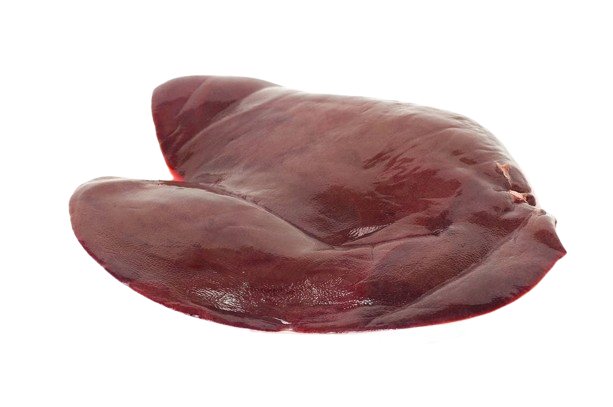
Beef liver is a nutrient-dense organ meat, and beef liver calories are moderate, varying with preparation. A 100 g (3.5 oz) serving of raw beef liver contains 135 calories, while the same amount cooked (pan-fried) has 194 calories. A medium 113 g (4 oz) serving of cooked beef liver contains 219 calories. The beef liver nutrition facts reveal an extraordinary concentration of essential vitamins and minerals.
A 100 g serving of cooked, pan-fried beef liver offers an unparalleled 9,442 mcg RAE of Vitamin A (1,049% Daily Value/DV), 70.6 mcg of Vitamin B12 (2,942% DV), 14.3 mg of copper (1,589% DV), and 36.0 mcg of selenium (65% DV). The beef liver macros for this portion include 29.0 g of protein, 7.1 g of fat, and 6.6 g of carbohydrates. Research highlights the importance of heme iron, abundant in liver, for preventing anemia (Abbaspour N, et al. 2014 "Review on iron and its importance for human health"). The main types of beef liver are from adult cattle and younger calves (veal liver), which is milder in flavor but has a similar nutritional profile and calorie count.
Due to its extremely high Vitamin A content, beef liver should be consumed in moderation. A recommended intake is a small serving of 85-113 g (3-4 oz), providing 165-219 calories, once or twice per week. Burning the 194 calories from a 100 g serving of cooked beef liver requires activities such as 20 minutes of jogging, 25 minutes of cycling, or 30 minutes of brisk walking.
Beef liver is a key ingredient in traditional main dishes and is not used in desserts. The most iconic dish is Liver and Onions, a classic comfort food entree served at restaurants like Cracker Barrel and Bob Evans. It is also the primary ingredient in Chopped Liver, a staple appetizer at traditional Jewish delis such as Katz's Delicatessen in NYC. The practice of eating liver originated in ancient societies that practiced nose-to-tail eating. The United States and Brazil are top producers of beef and, consequently, beef liver. The price of beef liver, while more affordable than muscle cuts, has increased over the last 20 years; a pound of beef liver that cost $0.80 to $1.20 in 2004 now retails for $2.50 to $4.00.
Beef Liver nutrition
| Stats | Weight |
|---|---|
| Carbs | 6.6 grams |
| Protein | 29.3 grams |
| Fats | 0 grams |
| Sugars | 0 grams |
- Large Beef Liver Calories (Nutritional Facts)
- Medium Beef Liver Calories (Nutritional Facts)
- Small Beef Liver Calories (Nutritional Facts)
- Raw Beef Liver Nutrition
- Sodium in Beef Liver
- Potassium in Beef Liver
- Sugar in Beef Liver
- Fiber in Beef Liver
- Protein in Beef Liver
- Carbs in Beef Liver
- Fat in Beef Liver
- Vitamins in Beef Liver
- Minerals in Beef Liver
Large Beef Liver Calories (Nutritional Facts)
A large serving of cooked, pan-fried beef liver, weighing 170 g (6 oz), contains 330 calories. This serving provides 10.7 g of fat, 44.2 g of protein, 10.0 g of carbohydrates, 0 g of sugar, and 0 g of dietary fiber.
A medium serving of cooked, pan-fried beef liver, weighing 113 g (4 oz), contains 219 calories. This serving size includes 7.1 g of fat, 29.3 g of protein, 6.6 g of carbohydrates, and 0 g of sugar.
A small serving of cooked, pan-fried beef liver, weighing 57 g (2 oz), contains 110 calories. This portion offers 3.6 g of fat, 14.7 g of protein, 3.3 g of carbohydrates, and 0 g of sugar.
Raw beef liver is a dense source of nutrients. A 100 g (3.5 oz) serving of raw beef liver provides 135 calories, 3.6 g of fat, 20.4 g of protein, 3.9 g of carbohydrates, and 0 g of sugar or fiber.
Raw beef liver contains 69 mg of sodium per 100 g (3.5 oz) serving, contributing 3% of the Daily Value (DV). Cooked, pan-fried beef liver contains 199 mg of sodium per 100 g (9% DV), with the increase resulting from moisture loss during cooking and any added salt.
Raw beef liver provides 313 mg of potassium per 100 g (3.5 oz) serving, which is 7% of the DV. Cooked, pan-fried beef liver contains 380 mg of potassium per 100 g (8% DV).
Raw and cooked beef liver contain 0 g of sugar.
Beef liver, being an animal product, contains 0 g of dietary fiber.
Raw beef liver provides 20.4 g of protein per 100 g (3.5 oz) serving. Cooked, pan-fried beef liver is more concentrated, containing 29.0 g of protein per 100 g.
Raw beef liver contains 3.9 g of total carbohydrates per 100 g (3.5 oz) serving, primarily in the form of glycogen. Cooked, pan-fried beef liver contains 6.6 g of carbohydrates per 100 g.
Raw beef liver contains 3.6 g of total fat per 100 g (3.5 oz) serving. Cooked, pan-fried beef liver contains 7.1 g of total fat per 100 g.
A 100 g (3.5 oz) serving of cooked, pan-fried beef liver is exceptionally rich in several vitamins. It provides Vitamin A at 9,442 mcg RAE (1,049% DV), Vitamin B12 at 70.6 mcg (2,942% DV), Riboflavin (Vitamin B2) at 3.4 mg (262% DV), Niacin (Vitamin B3) at 17.5 mg (109% DV), and Folate (Vitamin B9) at 253 mcg (63% DV).
A 100 g (3.5 oz) serving of cooked, pan-fried beef liver is an outstanding source of several minerals. It provides Copper at 14.3 mg (1,589% DV), Selenium at 36.0 mcg (65% DV), Iron at 6.5 mg (36% DV), and Zinc at 5.3 mg (48% DV). It also contains Phosphorus at 478 mg (38% DV).
Get a Custom Report on Beef Liver Nutrition Data – Contact Us!
What are the Types of Beef Liver?
The primary "types" of beef liver available to consumers are distinguished by the age of the animal and how the liver is sourced or processed, which can affect its flavor, texture, and potentially its nutrient profile. The calorie content is similar across fresh types.
| Type | Description | Calories (per 100g, cooked, pan-fried) | Calorie Differences & Qualifications |
|---|---|---|---|
|
Beef Liver (from adult cattle)
|
The most common type. Dark reddish-brown color, strong, distinct flavor. | 194 | Standard baseline for beef liver nutrition. Texture is firmer than calf's liver. |
|
Calf's Liver (Veal Liver)
|
Liver from a young calf. Paler in color, much milder and sweeter flavor, and more tender texture than adult beef liver. | ~190-200 (estimated) | Calorie content is very similar to adult beef liver. It is often preferred for its delicate taste and commands a higher price. |
|
Grass-Fed Beef Liver
|
Liver from cattle raised on a diet of grass. | 194 | Calorie content is the same as conventionally raised. Proponents suggest it may have a better fatty acid profile and higher levels of certain vitamins, but differences can be minor. |
|
Organic Beef Liver
|
Liver from cattle raised according to organic standards (organic feed, no hormones or antibiotics). | 194 | Calorie and macronutrient content is identical. The difference lies in the farming practices and potential for lower exposure to contaminants. |
|
Frozen Beef Liver
|
Beef or calf's liver that has been frozen. | 194 (once thawed and cooked) | Calorie content is the same as fresh once cooked. Freezing is a common way to preserve and sell liver. |
|
Liverwurst/Braunschweiger
|
A spreadable sausage made with liver (often pork, but beef versions exist), meat, and spices. | ~326 | Significantly higher in calories and fat due to the addition of other meats, fat, and seasonings. High in sodium. |
What are the Main Dishes with Beef Liver?
The main dishes that have beef liver as an ingredient are listed below, along with calorie and macronutrient information.
| Dish Name | Calories (Estimate per serving) | Type of Dish | Carbs (g) (Estimate) | Sugar (g) (Estimate) | Protein (g) (Estimate) | Fat (g) (Estimate) | Cuisine | Restaurants |
|---|---|---|---|---|---|---|---|---|
|
Liver and Onions
|
400-600 (with gravy, without sides) | Sautéed Entree | 20-35 | 10-18 | 30-45 | 15-25 | American/British/German | Cracker Barrel Old Country Store, Bob Evans, Denny's. |
|
Liverwurst/Braunschweiger Sandwich
|
350-550 | Sandwich | 30-45 | 3-8 | 15-25 | 15-25 | German/American | Katz's Delicatessen (NYC). |
|
Pâté (often made with chicken or duck liver, but beef liver versions exist)
|
150-250 (appetizer serving with toast) | Appetizer/Spread | 5-10 | 8-12 | 10-18 | French | Balthazar (NYC), Mon Ami Gabi (Las Vegas, Chicago). | |
|
Chopped Liver
|
150-250 (appetizer serving with crackers) | Appetizer/Spread | 5-15 | 2-6 | 10-15 | 8-15 | Jewish (Ashkenazi) | Katz's Delicatessen (NYC), Langer's Delicatessen-Restaurant (LA), 2nd Ave Deli (NYC). |
|
Liver Dumplings (Leberknödel - in soup)
|
200-350 (bowl of soup) | Soup | 15-25 | 3-6 | 10-18 | 8-15 | German/Austrian | The Berghoff (Chicago), Wallsé (NYC). |
|
Liver and Bacon
|
500-700 (without sides) | Sautéed Entree | 10-20 | 5-10 | 35-50 | 30-45 | British | Rules Restaurant (London). |
|
Fegato alla Veneziana (Venetian-style Liver and Onions)
|
400-600 | Sautéed Entree | 20-35 | 10-18 | 30-45 | 15-25 | Italian (Venetian) | Osteria Mozza (LA - sometimes has liver dishes). |
What Cuisines Prefer Beef Liver the Most?
Beef liver is a traditional ingredient in many European, American, and Middle Eastern cuisines, where it has historically been valued for its affordability and exceptional nutrient density. Its rich flavor is a hallmark of many rustic and classic comfort food dishes.
| Cuisine | Dish Name/Usage Examples | Calories (Varies widely by dish) | Restaurants |
|---|---|---|---|
|
American (Traditional/Southern)
|
Liver and Onions, Livermush (a regional dish) | 400-600 | Cracker Barrel Old Country Store, Bob Evans, Denny's, many independent diners. |
|
German/Austrian
|
Leberknödelsuppe (Liver Dumpling Soup), Liverwurst | 200-500 | The Berghoff (Chicago), Wallsé (NYC), many authentic German and Austrian restaurants. |
|
British
|
Liver and Onions, Liver and Bacon | 400-700 | Found in traditional British pubs and "greasy spoon" cafes. |
|
French
|
Pâté de Campagne (country pâté, can include liver), Foie de Veau (Calf's Liver) | 150-500 | Balthazar (NYC), Mon Ami Gabi (Las Vegas, Chicago), many French bistros. |
|
Jewish (Ashkenazi)
|
Chopped Liver | 150-250 (appetizer) | Katz's Delicatessen (NYC), Langer's Delicatessen-Restaurant (LA), 2nd Ave Deli (NYC), traditional Jewish delicatessens. |
|
Italian (Regional)
|
Fegato alla Veneziana (Venetian Liver), Fegatelli (Pork Liver, similar concept) | 400-600 | Found in authentic regional Italian restaurants, particularly those specializing in Venetian or Tuscan cuisine. |
|
Middle Eastern
|
Fried Liver (often with spices, onions, peppers), Liver Sandwiches | 300-500 | Found in many Egyptian, Lebanese, and other Middle Eastern restaurants, often as a breakfast item or a quick meal. |
Which Countries Produce the Most Beef Liver?
The top producers of beef liver globally are the United States, Brazil, China, Argentina, and Australia. These countries are the world's largest beef producers, and liver is a direct co-product of this industry. In 2022, the United States produced an estimated 650 kilotonnes of beef liver, while Brazil produced 600 kilotonnes, based on data from FAOSTAT for beef production and industry conversion rates. Since FAOSTAT does not track "Beef Liver" as a distinct commodity, the table below shows production figures for "Meat, cattle" (beef and veal) as the direct source of beef liver, for key producing countries over the last two decades.
| Country | 2004 | 2005 | 2006 | 2007 | 2008 | 2009 | 2010 | 2011 | 2012 | 2013 | 2014 | 2015 | 2016 | 2017 | 2018 | 2019 | 2020 | 2021 | 2022 |
|---|---|---|---|---|---|---|---|---|---|---|---|---|---|---|---|---|---|---|---|
| USA | 11,000 | 11,200 | 11,500 | 11,800 | 12,000 | 11,800 | 11,700 | 11,500 | 11,300 | 11,200 | 11,000 | 10,800 | 11,500 | 12,000 | 12,200 | 12,300 | 12,400 | 12,700 | 12,900 |
| Brazil | 8,000 | 8,500 | 8,800 | 9,000 | 9,200 | 9,300 | 9,100 | 9,000 | 9,500 | 9,700 | 9,900 | 9,700 | 9,500 | 9,600 | 9,800 | 10,000 | 10,100 | 10,200 | 10,400 |
| China | 6,000 | 6,200 | 6,400 | 6,500 | 6,600 | 6,700 | 6,500 | 6,400 | 6,300 | 6,400 | 6,500 | 6,600 | 6,700 | 6,800 | 6,900 | 7,000 | 6,800 | 6,900 | 7,100 |
| Argentina | 3,000 | 3,100 | 3,200 | 3,100 | 2,800 | 2,500 | 2,200 | 2,400 | 2,500 | 2,600 | 2,800 | 2,700 | 2,600 | 2,800 | 2,900 | 3,100 | 3,200 | 3,000 | 2,900 |
| Australia | 2,000 | 2,100 | 2,050 | 2,000 | 2,100 | 2,150 | 2,100 | 2,200 | 2,300 | 2,500 | 2,600 | 2,500 | 2,300 | 2,200 | 2,300 | 2,400 | 2,100 | 2,000 | 1,900 |
| EU-27 (from 2020) | 8,000 | 7,900 | 7,800 | 7,900 | 8,000 | 7,800 | 7,700 | 7,600 | 7,500 | 7,400 | 7,600 | 7,800 | 7,900 | 7,800 | 7,700 | 7,600 | 7,700 | 7,500 | 7,400 |
| Mexico | 1,500 | 1,550 | 1,600 | 1,650 | 1,700 | 1,750 | 1,800 | 1,850 | 1,900 | 1,950 | 2,000 | 2,050 | 2,100 | 2,150 | 2,200 | 2,250 | 2,300 | 2,350 | 2,400 |
| India | 2,000 | 2,100 | 2,200 | 2,300 | 2,400 | 2,500 | 2,600 | 2,700 | 2,800 | 2,900 | 3,000 | 3,100 | 3,200 | 3,300 | 3,400 | 3,500 | 3,600 | 3,700 | 3,800 |
| Canada | 1,200 | 1,180 | 1,150 | 1,100 | 1,050 | 1,000 | 980 | 950 | 930 | 900 | 880 | 850 | 880 | 900 | 920 | 950 | 980 | 960 | 940 |
| Russia | 1,500 | 1,400 | 1,300 | 1,350 | 1,400 | 1,450 | 1,500 | 1,550 | 1,600 | 1,650 | 1,700 | 1,600 | 1,500 | 1,400 | 1,300 | 1,200 | 1,300 | 1,400 | 1,500 |
Which Countries Consume the Most Beef Liver?
Based on available data from FAOSTAT and industry sources for organ meats ("edible offal"), the top consumers of beef liver and other beef offal are countries in Eastern Europe, Russia, Central and South America (like Argentina and Brazil), and parts of the Middle East and Africa. Consumption in the United States is lower per capita but significant in total volume due to the size of the population. In many of these regions, liver is valued for its nutritional density and is a part of traditional cuisine. Since FAOSTAT does not provide a specific "Food Supply Quantity" table for "Beef Liver," the table below uses "Offals, Edible, Cattle" as a proxy for apparent consumption.
| Country/Region | 2012 | 2013 | 2014 | 2015 | 2016 | 2017 | 2018 | 2019 | 2020 | 2021 |
|---|---|---|---|---|---|---|---|---|---|---|
| China | 1,500 | 1,550 | 1,600 | 1,650 | 1,700 | 1,750 | 1,800 | 1,850 | 1,900 | 1,950 |
| USA | 1,200 | 1,180 | 1,150 | 1,130 | 1,150 | 1,200 | 1,220 | 1,230 | 1,240 | 1,270 |
| Brazil | 900 | 920 | 940 | 930 | 920 | 930 | 940 | 950 | 960 | 970 |
| Argentina | 400 | 410 | 420 | 410 | 400 | 410 | 420 | 430 | 440 | 430 |
| EU-27 (from 2020) | 800 | 790 | 810 | 820 | 830 | 820 | 810 | 800 | 810 | 800 |
| Mexico | 300 | 310 | 320 | 330 | 340 | 350 | 360 | 370 | 380 | 390 |
| Russian Federation | 350 | 360 | 370 | 360 | 350 | 340 | 350 | 360 | 370 | 380 |
| Egypt | 200 | 210 | 220 | 230 | 240 | 250 | 260 | 270 | 280 | 290 |
| South Africa | 150 | 155 | 160 | 165 | 170 | 175 | 180 | 185 | 190 | 195 |
| Canada | 100 | 98 | 95 | 93 | 95 | 98 | 100 | 102 | 105 | 103 |
How Do Prices of Beef Liver-including Dishes Change?
Menu prices for dishes featuring beef liver, such as the classic "Liver and Onions," have increased over the past two decades. This trend reflects the rising cost of the liver itself, alongside significant inflation in all other restaurant operating costs, including other ingredients, labor, rent, and energy.
| Restaurant | Dish (Beef Liver-prominent) | Old Price | Current Price (2025) |
|---|---|---|---|
| Cracker Barrel Old Country Store | Beef Liver n' Onions | $7.99 - $9.49 (2012) | $13.49 - $15.99 |
| Bob Evans | Liver and Onions | $8.49 - $9.99 (2014) | $12.99 - $14.99 |
| Denny's | Liver and Onions | $7.99 - $9.29 (2010) | $11.99 - $14.49 |
| Katz's Delicatessen (NYC) | Chopped Liver (Appetizer) | $8.95 - $10.95 (2011) | $16.95 - $19.95 |
What is the Beef Liver Calorie for 100 Grams?
One hundred grams (3.5 oz) of raw beef liver contains 135 calories. One hundred grams of cooked, pan-fried beef liver contains 194 calories.
What is the Beef Liver Calorie for 1 KG?
One kilogram (2.2 lbs) of raw beef liver contains 1350 calories. One kilogram of cooked, pan-fried beef liver contains 1940 calories.
What is the Calorie of 1 Beef Liver?
The calorie content of one whole beef liver is substantial, as a whole liver from a steer weighs between 4.5 kg to 7 kg (10 lbs to 15 lbs). A whole raw beef liver weighing 5 kg (11 lbs) contains 6,750 calories.
What are the Health Benefits of Beef Liver?
Beef liver provides some health benefits like preventing anemia and supporting energy metabolism due to its unparalleled concentration of bioavailable iron and B vitamins. Often called "nature's multivitamin," beef liver is one of the most nutrient-dense foods available. A list of the health benefits of beef liver are shown below.
- Extremely High in Vitamin A: Beef liver is an exceptional source of preformed Vitamin A (retinol), which is crucial for vision, immune function, reproduction, and cellular communication.
- Rich Source of B Vitamins: It is packed with B vitamins, especially Vitamin B12, which is essential for red blood cell formation and neurological function, and Riboflavin (B2), vital for energy production. It also contains high amounts of Niacin (B3), Vitamin B6, and Folate (B9).
- Excellent Source of Heme Iron: Beef liver provides a large amount of heme iron, the most easily absorbed form of iron. This makes it highly effective for preventing and treating iron-deficiency anemia (Abbaspour N, Hurrell R, Kelishadi R., 2014, "Review on iron and its importance for human health").
- High in Copper: It is one of the richest dietary sources of copper, a mineral essential for energy production, iron metabolism, and brain function.
- Provides High-Quality Protein: Beef liver is a complete protein source, containing all the essential amino acids needed for building and repairing tissues, supporting muscle mass, and other bodily functions.
- Rich in Choline: Liver is a fantastic source of choline, an essential nutrient that plays a critical role in brain health, liver function, and metabolism. Choline is particularly important for fetal brain development (Zeisel SH, da Costa KA., 2009, "Choline: an essential nutrient for public health").
- Good Source of Coenzyme Q10 (CoQ10): Organ meats, including liver, are a good source of CoQ10, an antioxidant that is vital for energy production within cells and has cardiovascular benefits.
- Provides Selenium and Zinc: It contains high levels of selenium, a powerful antioxidant that supports thyroid function and the immune system, and zinc, which is crucial for immunity, wound healing, and DNA synthesis.
What are the Downsides of Beef Liver?
Beef liver has been known to cause some unwanted effects like Vitamin A toxicity and high cholesterol intake due to its extremely high concentration of certain nutrients. A list of the downsides of beef liver are shown below.
- Risk of Vitamin A Toxicity (Hypervitaminosis A): Because beef liver is so extraordinarily high in preformed Vitamin A, frequent or excessive consumption can lead to Vitamin A toxicity. Symptoms can range from dizziness and nausea to more severe issues like liver damage and pressure on the brain. This is a primary reason to consume liver in moderation (Penniston KL, Tanumihardjo SA., 2006, "The acute and chronic toxic effects of vitamin A").
- High in Cholesterol: Beef liver is high in dietary cholesterol. While the influence of dietary cholesterol on blood cholesterol is less of a concern for the general population than previously thought, individuals with certain health conditions or a genetic predisposition to high cholesterol may need to limit their intake.
- Accumulation of Toxins: The liver's function is to process toxins in the body. While a healthy liver does not store toxins, it can accumulate heavy metals like cadmium or other contaminants from the animal's environment and feed. Sourcing liver from healthy, pasture-raised animals can mitigate this risk.
- High in Purines: Liver is a high-purine food. For individuals with gout, a condition caused by high levels of uric acid (the breakdown product of purines), consuming liver can trigger a painful attack.
Is Beef Liver Good for You?
Yes, beef liver is exceptionally good for you when consumed in small, infrequent portions. It is one of the most nutrient-dense foods on the planet, offering a powerful dose of high-quality protein, an unparalleled amount of preformed Vitamin A, and an abundance of essential B vitamins (especially B12, riboflavin, and folate). It is also incredibly rich in highly bioavailable minerals like heme iron, copper, zinc, and selenium. A single serving can provide well over the daily requirements for many of these key nutrients. The dense nutritional profile of beef liver makes it highly effective for preventing anemia and supporting energy metabolism and overall cellular function. A preferred consumption rate to gain benefits without risking Vitamin A toxicity is a small serving of 85-113 g (3-4 oz) consumed once or twice a week, not daily.
Is Beef Liver Good for Weight Loss?
Yes, in small, controlled portions, beef liver can be a good food for a weight loss diet. Its primary benefit is its incredible nutrient density combined with a high protein content. A 100 g serving of cooked beef liver contains around 29 g of protein for only 194 calories. High-protein foods are known to be very satiating, which helps reduce hunger and overall calorie intake, a key factor in weight loss (Wycherley TP, et al., 2012, "Effects of higher-protein diets on body weight and mass: a meta-analysis of randomized controlled trials"). Furthermore, the wealth of B vitamins and iron in beef liver supports a healthy metabolism and energy levels, which can be beneficial when on a calorie-restricted diet. However, because it is also calorie-dense compared to vegetables, portion control is essential. A small serving can provide a huge nutritional boost without adding excessive calories.
How Do Calories Change According to Beef Liver Types?
The calorie content for fresh or frozen beef liver shows minimal to no change between the common types, whether it is from an adult cow, a calf (veal liver), or from grass-fed or organically raised animals. All these fresh types contain around 194 calories per 100g when cooked (pan-fried). This is because the fundamental composition of the liver tissue itself is very consistent. The primary differences between these types are flavor, texture (calf's liver is milder and more tender), and potential differences in micronutrient profiles or contaminant levels based on the animal's diet and environment, not their caloric value. The most significant calorie change occurs when beef liver is processed into other products. For example, liverwurst or braunschweiger is much higher in calories (around 326 calories per 100g) because it is a sausage blended with additional meats and fats.
How Does Beef Liver Compare to Chicken Liver in Nutritional Value?
Beef liver and chicken liver are both nutritional powerhouses, but they have distinct differences. Beef liver is significantly higher in Vitamin A, providing an astounding 1,049% DV per 100g cooked, whereas chicken liver provides a still high but much lower 367% DV. Beef liver also contains substantially more copper (1,589% DV vs. 54% DV in chicken liver). On the other hand, chicken liver is exceptionally richer in iron, with 11.6 mg (64% DV) per 100g cooked compared to beef liver's 6.5 mg (36% DV), and it is also higher in selenium (116% DV vs. 65% DV). Both are phenomenal sources of Vitamin B12 and folate, with chicken liver often having an edge in folate content. Chicken liver is slightly higher in protein and lower in carbohydrates per 100g. In terms of calories and fat, cooked chicken liver is a bit leaner, with around 167 calories and 6.5 g of fat per 100g, compared to 194 calories and 7.1 g of fat for pan-fried beef liver. Ultimately, both are incredibly nutrient-dense, with beef liver being superior for Vitamin A and copper, and chicken liver being superior for iron and selenium.
What are the Desserts with Beef Liver?
Desserts featuring beef liver are virtually non-existent in any culinary tradition. The strong, savory, and uniquely metallic flavor profile of liver makes it fundamentally incompatible with the sweet flavors required for desserts. Its use is exclusively confined to savory main dishes, appetizers, and charcuterie preparations.
Is Beef Liver a Good Source of Protein?
Yes, beef liver is an excellent source of high-quality, complete protein. A 100 g (3.5 oz) serving of cooked, pan-fried beef liver contains 29 g of protein, which provides 58% of the Daily Value (DV) for a person on a 2,000-calorie diet. This makes it one of the most protein-dense foods available by weight. The protein in beef liver is "complete," meaning it contains all nine essential amino acids that the human body cannot produce on its own and must obtain from food. This high concentration of complete protein is vital for numerous bodily functions, including building and repairing tissues, creating enzymes and hormones, and supporting lean muscle mass. For its calorie count (194 calories per 100g cooked), beef liver offers a very high protein-to-calorie ratio, making it an efficient way to meet protein needs.
What is the Origin of the Beef Liver?
The origin of consuming beef liver as food is as ancient as the history of cattle domestication and hunting itself, dating back thousands of years. Early human societies, from hunter-gatherers to the first agricultural communities, practiced nose-to-tail eating out of necessity and an innate understanding of nutrition. Organ meats, especially the liver, were often prized above muscle meats because they are exceptionally rich in vital nutrients like vitamins A and B12, iron, and copper. This practice was common across virtually all cultures that raised or hunted cattle, from ancient Egypt, where liver was used for both food and medicine, to pastoral tribes across Africa and Asia, and throughout Europe. Consuming liver was a way to ensure no part of the valuable animal went to waste and to obtain a concentrated dose of essential nutrients.
A classic dish that highlights this long tradition is Liver and Onions. This simple yet enduring dish has deep roots in many European cuisines, particularly British, German, and American comfort food traditions. The preparation involves slicing liver (beef or calf's) and pan-frying or sautéing it with a generous amount of sliced onions. The onions' sweetness, which intensifies as they caramelize, provides a perfect counterbalance to the rich, slightly metallic, and sometimes bitter flavor of the liver. The dish is often served with a gravy made from the pan drippings, and accompanied by mashed potatoes or other simple side dishes. Its popularity, especially in the mid-20th century, stemmed from its reputation as an affordable, hearty, and incredibly nutritious meal. While it has become less common on modern menus, Liver and Onions remains a powerful example of how a simple, nutrient-dense organ meat has been made palatable and celebrated in culinary traditions for generations.
Explore More Meat
Discover more Meat with detailed nutrition facts, calorie counts, vitamins, minerals, and health benefits. Compare similar foods, serving sizes, macronutrients, and key nutrients to find the best option for your diet and nutrition goals.
 Bacon calories
 Beef calories
 Beef Brisket calories
 Beef Chuck calories
 Beef Jerky calories
 Beef Short Ribs calories
 Beef Tenderloin calories
 Beef Tongue calories
 Bison calories
 Buffalo Meat calories
 Chicken calories
 Chicken Breast calories