Calories and Nutritions in Beef Chuck
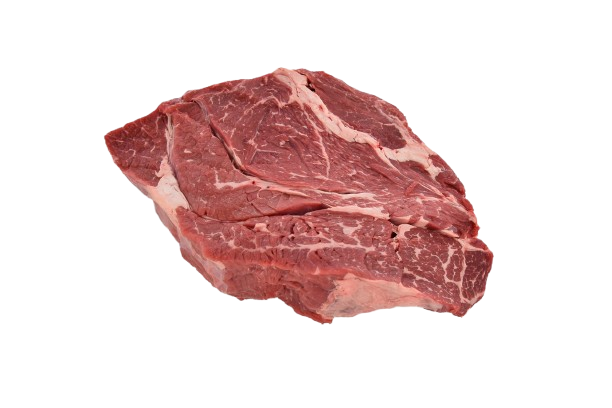
Beef chuck is a flavorful cut of beef and a 6 oz broiled beef chuck steak (170g) contains 420 calories, while a 100g (3.5oz) raw portion has 195 calories. A single chuck eye steak from Omaha Steaks (170g) has 300 calories, while a serving of Texas-style smoked beef chuck from a BBQ restaurant often contains more than 600 calories. A 100g serving of smoked beef chuck contains 225 calories. Braised portions range from a single slice (28g or 1oz) with 73 calories to a large serving (227g or 8oz) with 588 calories.
The nutritional profile of beef chuck is notable for its high protein content, with a single braised slice (28g) delivering 7.1g of beef chuck protein(14% DV). Research confirms that high-quality protein is fundamental for stimulating muscle protein synthesis (Paddon-Jones, D., & Rasmussen, B. B., 2009). Beef chuck macros for a 100g braised portion are 28.4g of protein and 15.5g of fat with 0g of carbohydrates. This nutrient density provides major health benefits, delivering a rich supply of zinc (80% DV) and Vitamin B12 (121% DV) in the same 100g serving to support immune function and red blood cell production.
Slow-cooking for pot roast, stewing, and grilling specific steaks are popular preparation methods for beef chuck. A global supply of the cut is maintained by the top beef producers and consumers, including the United States, Brazil, and China. Beef chuck's price has risen substantially in the last two decades. The average retail price for a choice chuck roast climbed from below $3.00 per pound in the early 2000s to more than $7.00 per pound after 2020.
Beef chuck is an ingredient in iconic dishes from many cuisines, like American Pot Roast and French Beef Bourguignon. Health advisories from the American Heart Association recommend limiting red meat consumption to manage potential health risks, with a small, braised serving (85g or 3oz) containing 221 calories, an amount that can be expended through 22 minutes of running or 29 minutes of swimming.
Beef Chuck nutrition
| Stats | Weight |
|---|---|
| Carbs | 0 grams |
| Protein | 18.4 grams |
| Fats | 17.8 grams |
| Sugars | 0 grams |
- Smoked Beef Chuck Calories (Nutritional Facts)
- Slice Beef Chuck Calories (Nutritional Facts)
- Large Beef Chuck Calories (Nutritional Facts)
- Medium Beef Chuck Calories (Nutritional Facts)
- Small Beef Chuck Calories (Nutritional Facts)
- Beef Chuck Steak Calories (Nutritional Facts)
- Raw Beef Chuck Nutrition
- Sodium in Beef Chuck
- Potassium in Beef Chuck
- Sugar in Beef Chuck
- Fiber in Beef Chuck
- Protein in Beef Chuck
- Carbs in Beef Chuck
- Fat in Beef Chuck
- Vitamins in Beef Chuck
- Minerals in Beef Chuck
Smoked Beef Chuck Calories (Nutritional Facts)
A 100g (3.5oz) serving of smoked beef chuck roast contains 225 calories, 29g of protein, 11g of fat, 0g of carbohydrates, 0g of fiber, 0g of sugar, and 850mg of sodium.
A single slice of braised beef chuck pot roast (28g or 1oz) has 73 calories, 7.1g of protein, 4.8g of fat, 0g of carbohydrates, 0g of fiber, 0g of sugar, and 20mg of sodium.
A large serving of braised beef chuck pot roast (227g or 8oz) contains 588 calories, 64.5g of protein, 35.2g of fat, 0g of carbohydrates, 0g of fiber, 0g of sugar, and 159mg of sodium.
A medium serving of braised beef chuck pot roast (170g or 6oz) has 441 calories, 48.4g of protein, 26.4g of fat, 0g of carbohydrates, 0g of fiber, 0g of sugar, and 119mg of sodium.
A small serving of braised beef chuck pot roast (85g or 3oz) provides 221 calories, 24.2g of protein, 13.2g of fat, 0g of carbohydrates, 0g of fiber, 0g of sugar, and 60mg of sodium.
A broiled beef chuck steak (170g or 6oz edible portion) contains 420 calories, 54.2g of protein, 21.2g of fat, 0g of carbohydrates, 0g of fiber, 0g of sugar, and 126mg of sodium.
A 100g (3.5oz) serving of raw beef chuck roast with separable lean and fat has 195 calories, 20.3g of protein, 12.1g of fat, 0g of carbohydrates, and 72mg of sodium.
A 100g serving of smoked beef chuck contains 850mg of sodium (37% DV). A large braised beef chuck serving (227g) has 159mg of sodium (7% DV). A broiled chuck steak (170g) contains 126mg of sodium (5% DV). A medium braised serving (170g) has 119mg of sodium (5% DV). A small braised serving (85g) has 60mg of sodium (3% DV). A 100g serving of raw beef chuck has 72mg of sodium (3% DV). A single braised slice (28g) has 20mg of sodium (1% DV).
A large braised beef chuck serving (227g) provides 742mg of potassium (16% DV). A broiled chuck steak (170g) has 660mg of potassium (14% DV). A medium braised serving (170g) has 556mg of potassium (12% DV). A small braised serving (85g) contains 278mg of potassium (6% DV). A 100g serving of raw beef chuck has 315mg of potassium (7% DV). A single braised slice (28g) has 92mg of potassium (2% DV).
Beef chuck, whether smoked, braised, broiled, or raw, contains 0g of sugar in any serving size.
Beef chuck, whether smoked, braised, broiled, or raw, contains 0g of fiber in any serving size.
A large braised beef chuck serving (227g) provides 64.5g of protein (129% DV). A broiled chuck steak (170g) has 54.2g of protein (108% DV). A medium braised serving (170g) has 48.4g of protein (97% DV). A 100g serving of smoked beef chuck has 29g of protein (58% DV). A small braised serving (85g) contains 24.2g of protein (48% DV). A 100g serving of raw beef chuck has 20.3g of protein (41% DV). A single braised slice (28g) has 7.1g of protein (14% DV).
Beef chuck, whether smoked, braised, broiled, or raw, contains 0g of carbohydrates (0% DV) in any serving size.
A large braised beef chuck serving (227g) contains 35.2g of total fat (45% DV). A medium braised serving (170g) has 26.4g of total fat (34% DV). A broiled chuck steak (170g) has 21.2g of total fat (27% DV). A small braised serving (85g) contains 13.2g of total fat (17% DV). A 100g serving of raw beef chuck has 12.1g of total fat (15% DV). A 100g serving of smoked beef chuck has 11g of total fat (14% DV). A single braised slice (28g) has 4.8g of total fat (6% DV).
A large braised beef chuck serving (227g) provides 275% of the DV for Vitamin B12, 93% of the DV for Niacin, 70% of the DV for Vitamin B6, 48% of the DV for Riboflavin, and 12% of the DV for Thiamin. A broiled chuck steak (170g) provides 206% of the DV for Vitamin B12. A 100g serving of smoked beef chuck provides 100% of the DV for Vitamin B12.
A large braised beef chuck serving (227g) provides 182% of the DV for zinc, 125% of the DV for selenium, 54% of the DV for phosphorus, and 48% of the DV for iron. A broiled chuck steak (170g) provides 136% of the DV for zinc and 36% of the DV for iron. A 100g serving of smoked beef chuck provides 68% of the DV for zinc.
Get a Custom Report on Beef Chuck Nutrition Data – Contact Us!
What are the Types of Beef Chucks?
The types of beef chuck are Chuck Roast, Chuck Steak, Flat Iron Steak, and Denver Steak. These cuts come from the large chuck primal behind the head and neck and vary in tenderness, fat content, and ideal cooking method. The following table provides a breakdown of these common cuts.
| Type | Description | Calories (Approximate per 100g, Cooked) | Calorie Qualifications |
|---|---|---|---|
|
Chuck Pot Roast
|
A classic cut for slow cooking, with a good amount of fat and connective tissue that breaks down into gelatin. | 259 | The high fat and collagen content makes this a calorie-dense option, ideal for braising. |
|
Chuck Eye Steak
|
Cut from the area next to the ribeye, making it more tender than other chuck steaks. Also called a "poor man's ribeye." | 247 | High marbling results in a high calorie count, suitable for grilling or pan-searing. |
|
Flat Iron Steak
|
A tender and well-marbled steak cut from the top blade roast. Known for its rich flavor and uniform thickness. | 210 | The removal of the central connective tissue results in a leaner steak with a moderate calorie count. |
|
Denver Steak
|
A newer cut from deep within the chuck under-blade, surprisingly tender and well-marbled. | 230 | Good marbling gives this steak a higher calorie count than a flat iron, best for grilling. |
What are Main Dishes With Beef Chuck?
Beef chuck is a versatile cut, forming the foundation of many comforting and flavorful main dishes, especially those involving slow cooking. A list of main dishes that feature beef chuck is provided in the following table.
| Dish Name | Calories (Estimate per serving) | Type of Beef Chuck | Carbs (g) (Estimate) | Sugar (g) (Estimate) | Protein (g) (Estimate) | Fat (g) (Estimate) | Cuisine | Restaurants |
|---|---|---|---|---|---|---|---|---|
|
Classic Pot Roast
|
600-900 | Chuck Roast | 30 | 10 | 60 | 35 | American | Cracker Barrel, Boston Market |
|
Beef Stew
|
450-700 | Chuck Roast (cubed) | 40 | 12 | 45 | 20 | American/European | Panera Bread, local diners |
|
Chuck Eye Steak
|
500-750 | Chuck Eye Steak | 2 | 0 | 55 | 30 | American | Texas Roadhouse, LongHorn Steakhouse |
|
Shredded Beef Tacos
|
500-800 | Chuck Roast | 45 | 5 | 40 | 30 | Mexican-American | Chipotle, local taquerias |
|
Beef Bourguignon
|
650-950 | Chuck Roast (cubed) | 25 | 10 | 55 | 40 | French | Local French bistros |
|
Swiss Steak
|
550-800 | Chuck Steak | 20 | 8 | 50 | 35 | American | Local diners and cafeterias |
|
Flat Iron Steak
|
450-650 | Flat Iron Steak | 2 | 0 | 50 | 25 | American | Applebee's, Miller's Ale House |
|
Italian Beef Sandwiches
|
700-1000 | Chuck Roast | 60 | 5 | 50 | 40 | Italian-American | Portillo's, local sandwich shops |
What Cuisines Prefer Beef Chuck the Most?
Beef chuck is a workhorse cut, essential in cuisines that prize slow-cooked, tender beef dishes. The following table details the culinary traditions that make prominent use of beef chuck.
| Cuisine | Dish | Types of Beef Chuck Used | Calories (Estimate) | Restaurant(s) |
|---|---|---|---|---|
|
American
|
Pot Roast, Beef Stew | Chuck Roast | 450-900 | Cracker Barrel, Boston Market |
|
French
|
Beef Bourguignon | Chuck Roast (cubed) | 650-950 | Local French bistros |
|
Mexican
|
Barbacoa | Chuck Roast | 500-800 | Chipotle Mexican Grill, local taquerias |
|
Italian-American
|
Italian Beef, Ragu | Chuck Roast | 700-1000 | Portillo's, local Italian eateries |
|
British
|
Cottage Pie, Steak and Ale Pie | Chuck (minced or cubed) | 500-800 | Local pubs and gastropubs |
|
Chinese
|
Red-Braised Beef Noodle Soup | Chuck (cubed) | 600-900 | Din Tai Fung, local noodle houses |
|
Vietnamese
|
Pho Bo (Beef Noodle Soup) | Chuck (sliced thin) | 400-600 | Local Pho restaurants |
Which Countries Produce the Most Beef Chucks?
The top producers of beef and veal, which are the source of beef chuck, are the United States, Brazil, and China. Specific global production data for beef chuck is not tracked separately from the broader "beef and veal meat" category. The table below shows the production quantity of beef and veal meat in key countries.
| Country | 2003 | 2008 | 2013 | 2018 | 2019 | 2020 | 2021 | 2022 |
|---|---|---|---|---|---|---|---|---|
| United States | 12,185,000 | 12,101,000 | 11,714,000 | 12,219,000 | 12,382,000 | 12,379,000 | 12,735,000 | 12,890,000 |
| Brazil | 7,618,000 | 9,024,000 | 9,705,000 | 9,900,000 | 10,200,000 | 10,100,000 | 9,750,000 | 10,350,000 |
| China | 5,500,000 | 5,850,000 | 6,350,000 | 6,440,000 | 6,670,000 | 6,720,000 | 6,980,000 | 7,200,000 |
| Argentina | 3,120,000 | 3,200,000 | 2,800,000 | 3,060,000 | 3,170,000 | 3,150,000 | 2,700,000 | 3,000,000 |
| Australia | 2,050,000 | 2,100,000 | 2,250,000 | 2,310,000 | 2,400,000 | 2,080,000 | 1,950,000 | 2,100,000 |
Which Countries Consume the Most Beef Chucks?
The top consumers of beef and veal, which includes beef chuck, are the United States, China, and Brazil. Consumption data is best represented by domestic disappearance, a measure that accounts for production, imports, and exports. The table below shows beef and veal consumption in key markets.
| Country | 2003 | 2008 | 2013 | 2018 | 2019 | 2020 | 2021 | 2022 |
|---|---|---|---|---|---|---|---|---|
| United States | 12,300,000 | 12,500,000 | 11,800,000 | 12,400,000 | 12,500,000 | 12,600,000 | 12,800,000 | 12,900,000 |
| China | 5,600,000 | 6,000,000 | 7,200,000 | 8,500,000 | 9,300,000 | 9,800,000 | 10,400,000 | 10,800,000 |
| Brazil | 6,500,000 | 7,200,000 | 7,900,000 | 7,800,000 | 7,900,000 | 7,700,000 | 7,300,000 | 7,500,000 |
| Argentina | 2,400,000 | 2,600,000 | 2,500,000 | 2,400,000 | 2,450,000 | 2,400,000 | 2,200,000 | 2,300,000 |
| Russian Federation | 2,000,000 | 2,200,000 | 2,300,000 | 1,900,000 | 1,950,000 | 2,000,000 | 2,050,000 | 2,100,000 |
How Do Prices of Beef Chuck-Including Dishes Change?
Menu prices for dishes featuring beef chuck, such as pot roast and beef stew, have increased over the past decade. This rise is a direct result of the fluctuating wholesale cost of beef, along with growing expenses for labor and restaurant operations. These price adjustments are reflected on the menus of major casual dining chains.
| Restaurant | Dish | Old Price (Year) | Current Price (2024/2025 Estimate) |
|---|---|---|---|
| Cracker Barrel | Roast Beef Dinner | $10.99 (2015) | $11.59 - $15.99 |
| Boston Market | Beef Pot Roast | $9.99 (2014) | $14.49 - $16.49 |
| Texas Roadhouse | Road Kill (Chuck Steak) | $9.99 (2016) | $12.49 - $13.99 |
| Applebee's | Pot Roast | $12.49 (2013) | $18.79 - $22.49 |
| Portillo's | Big Beef Sandwich | $5.75 (2015) | $10.39 - $13.65 |
What is the Beef Chuck Calorie for 100 Grams?
The calorie count for a 100-gram serving of beef chuck changes based on the cooking method. A braised portion contains 259 calories, while a broiled portion has 247 calories, a smoked portion has 225 calories, and a raw portion has 195 calories.
What is the Beef Chuck Calorie for 1 KG?
One kilogram of braised beef chuck contains 2590 calories, a kilogram of broiled chuck has 2470 calories, a kilogram of smoked chuck has 2250 calories, and a kilogram of raw chuck has 1950 calories.
What is the Calorie of 1 Beef Chuck?
The calorie count of a single serving of beef chuck depends on the portion size and preparation. A small braised pot roast serving (85g or 3oz) contains 221 calories. A single chuck eye steak from Omaha Steaks (170g) has 300 calories, while a serving of Texas-style smoked beef chuck from a BBQ restaurant can contain over 600 calories.
What are the Health Benefits of Beef Chuck?
Beef chuck offers specific nutritional advantages due to a dense concentration of high-quality protein and essential micronutrients. Key health advantages of consuming beef chuck are listed here.
- Supports Muscle Maintenance and Growth: The complete protein in beef chuck provides all essential amino acids required for building and maintaining lean muscle mass. A study by Paddon-Jones, D., & Rasmussen, B. B. (2009), "Dietary protein recommendations and the prevention of sarcopenia," established that consuming high-quality protein is fundamental for stimulating muscle protein synthesis, a crucial process for preserving muscle mass with age.
- Aids in Red Blood Cell Production: Beef chuck is a rich source of heme iron, a highly bioavailable form of iron found in animal products. Heme iron is critical for the production of hemoglobin, the protein in red blood cells that transports oxygen throughout the body. A review by Abbaspour, N., Hurrell, R., & Kelishadi, R. (2014), "Review on iron and its importance for human health," confirmed that adequate intake of heme iron is effective in preventing iron-deficiency anemia.
- Promotes a Healthy Immune System: The high concentration of zinc in beef chuck is vital for the proper development and function of immune cells, which helps the body fight off pathogens. Research by Prasad, A. S. (2008), "Zinc in Human Health: Effect of Zinc on Immune Cells," demonstrated the essential role of zinc in maintaining a robust immune response and reducing the risk of infections.
What are the Downsides of Beef Chuck?
Excessive consumption of beef chuck, particularly fattier roasts and steaks, can pose health risks related to its saturated fat content. Potential health risks from consuming beef chuck are detailed here.
- Increased Risk of Cardiovascular Disease: Beef chuck contains significant levels of saturated fat, which can raise low-density lipoprotein (LDL) cholesterol levels in the blood, a major risk factor for heart disease. A large braised serving (227g) can contain over 15g of saturated fat. A scientific advisory from the American Heart Association by Sacks, F. M., et al. (2017), "Dietary Fats and Cardiovascular Disease," reaffirmed the recommendation to limit saturated fat intake to reduce cardiovascular disease risk. An alternative with lower saturated fat is a lean pork loin or skinless chicken. A suggested amount is to choose leaner chuck cuts like flat iron steak and trim all visible fat before cooking.
- Association with Certain Cancers: High consumption of red meat, including beef chuck, is associated with an increased risk of colorectal cancer. Cooking beef at high temperatures, such as grilling or broiling, can form carcinogenic compounds. A comprehensive review by the World Health Organization's International Agency for Research on Cancer (2015), "Red Meat and Processed Meat," classified red meat as "probably carcinogenic to humans" based on substantial evidence. A lower-risk alternative is baked fish or plant-based proteins like beans. A daily suggested amount for red meat is to adhere to guidelines that recommend limiting intake to less than 70g per day.
Is Beef Chuck Good for You?
Yes, beef chuck can be a good food choice when leaner cuts are chosen and consumed in moderation, because it delivers high-quality protein and essential nutrients. The nutritional makeup provides several advantages for bodily functions. The high protein content supports Weight Management by increasing feelings of fullness and maintaining metabolic rate, a concept detailed in a study by Paddon-Jones, D., et al. (2008), "Protein, weight management, and sarcopenia." The rich supply of B vitamins supports Brain Health and energy metabolism. A study by Kennedy, D. O. (2016), "B Vitamins and the Brain: Mechanisms, Dose and Efficacy—A Review," details the critical role of B vitamins in cognitive function. The phosphorus in the meat promotes Bone Health, serving as a vital structural component of bones and teeth, a relationship explained in a review by Heaney, R. P. (2000), "Calcium, dairy products and osteoporosis."
How Does Calorie Change According to Beef Chuck Types?
The specific cut from the beef chuck primal determines the calorie count, mainly due to variations in marbling and connective tissue. The Chuck Pot Roast has the highest calorie value at 259 calories per 100 grams when braised, a result of the rich intramuscular fat and collagen that renders during slow cooking. The Flat Iron Steak contains the lowest calorie value at 210 calories per 100 grams, a reflection of being a leaner muscle with tough connective tissue removed. The Denver Steak and Chuck Eye Steak have calorie counts of 230 and 247 per 100 grams, placing them in the middle due to their significant marbling.
What are Desserts Best with Beef Chuck?
Beef chuck is a cut of red meat which is often used in entrees and main dishes. Desserts that contain beef chuck are uncommon.
What is the Origin of Beef Chuck?
Beef chuck began as a culinary staple rooted in home cooking and butchery traditions focused on economy and flavor. The chuck is a large primal cut from the shoulder area of the cow, a heavily exercised muscle group, which results in tougher meat with a great deal of connective tissue and rich beefy flavor. For centuries, this cut was considered less desirable and was one of the most inexpensive parts of the animal. Its transformation into a beloved food item is tied to slow-cooking methods like braising and stewing. The classic American pot roast, a dish with European roots, became the quintessential preparation for beef chuck in the 20th century, allowing the tough meat to become tender and succulent over hours of gentle cooking. The invention of the meat grinder also made chuck a primary source for ground beef, further cementing its place in the American diet through hamburgers and meatloaf.
Explore More Meat
Discover more Meat with detailed nutrition facts, calorie counts, vitamins, minerals, and health benefits. Compare similar foods, serving sizes, macronutrients, and key nutrients to find the best option for your diet and nutrition goals.
 Bacon calories
 Beef calories
 Beef Brisket calories
 Beef Jerky calories
 Beef Liver calories
 Beef Short Ribs calories
 Beef Tenderloin calories
 Beef Tongue calories
 Bison calories
 Buffalo Meat calories
 Chicken calories
 Chicken Breast calories