Calories and Nutritions in Beef Tenderloin
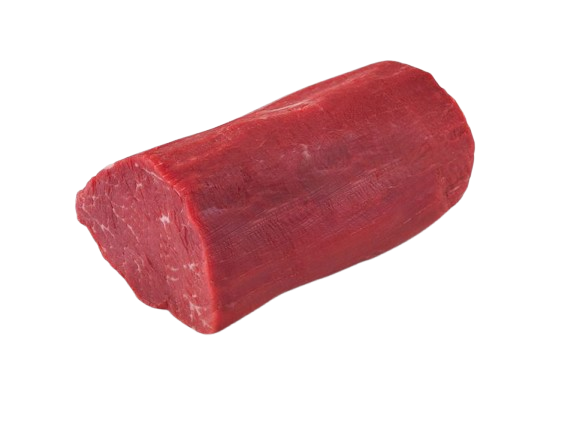
Beef tenderloin is a lean and premium cut of beef with a calorie count that depends on cooking method, fat trim, and portion size. The beef tenderloin calories for a small grilled steak (168g or 6oz) with no fat trim are 337, while a small broiled steak (168g) with 1/8" fat has 454 calories. A medium grilled steak (224g) contains 449 calories, while a medium broiled steak has 606 calories. A large grilled steak (10oz) has 561 calories, while a large broiled steak contains 757 calories. A 3oz (84g) serving of raw tenderloin has 135 calories. An 8oz filet from Omaha Steaks contains 370 calories while an 8oz beef tenderloin filet from The Capital Grille having 650 calories.
The beef tenderloin nutrition profile is distinguished by its high protein content, with a large grilled steak (280g) delivering 87g of beef tenderloin protein (174% DV). This high protein content is fundamental for muscle repair and growth, a conclusion supported by research (Schoenfeld, B. J., et al., 2013). The beef tenderloin macros for a 100g grilled portion include 30.7g of protein, 8.3g of fat, and 0g of carbohydrates. Major health benefits also come from its nutrient density, with a 100g broiled serving offering a rich supply of iron (18% DV) and Vitamin B12 (95% DV) to support oxygen transport and neurological health.
Popular preparations feature beef tenderloin in elegant dishes like Filet Mignon, Chateaubriand, and Beef Wellington. This luxury cut is in high demand in top consuming countries like the United States, which, along with Brazil and China, leads global beef production. The price of beef tenderloin has increased substantially over the last 20 years, from an average retail price of under $10.00 per pound in the early 2000s to over $25.00 per pound after 2020.
As a staple of fine dining in French and American steakhouse cuisine, health advisories recommend enjoying beef tenderloin in moderation. A small grilled filet mignon (168g) contains 337 calories, which can be expended through 34 minutes of running or 45 minutes of swimming.
Beef Tenderloin nutrition
| Stats | Weight |
|---|---|
| Carbs | 0.18 grams |
| Protein | 21.1 grams |
| Fats | 6.46 grams |
| Sugars | 0 grams |
- Smoked Beef Tenderloin Calories (Nutritional Facts)
- Cooked Beef Tenderloin Calories (Nutritional Facts)
- Large Beef Tenderloin Calories (Nutritional Facts)
- Medium Beef Tenderloin Calories (Nutritional Facts)
- Small Beef Tenderloin Calories (Nutritional Facts)
- Beef Tenderloin Steak Calories (Nutritional Facts)
- Raw Beef Tenderloin Nutrition
- Sodium in Beef Tenderloin
- Potassium in Beef Tenderloin
- Sugar in Beef Tenderloin
- Fiber in Beef Tenderloin
- Protein in Beef Tenderloin
- Carbs in Beef Tenderloin
- Fat in Beef Tenderloin
- Vitamins in Beef Tenderloin
- Minerals in Beef Tenderloin
Smoked Beef Tenderloin Calories (Nutritional Facts)
A grilled beef tenderloin steak (119g or 4.2oz) with 0" fat contains 236 calories, 36.5g of protein, 9.9g of fat, 0g of carbohydrates, 0g of fiber, 0g of sugar, and 70.2mg of sodium.
A broiled beef tenderloin steak (104g or 3.7oz) with 1/8" fat has 278 calories, 27.5g of protein, 17.8g of fat, 0g of carbohydrates, 0g of fiber, 0g of sugar, and 56.2mg of sodium.
A large broiled beef tenderloin steak (280g or 10oz) with 1/8" fat contains 757 calories, 75g of protein, 48.5g of fat, 0g of carbohydrates, 0g of fiber, 0g of sugar, and 153.1mg of sodium. A large grilled tenderloin steak (280g) with 0" fat has 561 calories, 87g of protein, 23.6g of fat, 0g of carbohydrates, 0g of fiber, 0g of sugar, and 167.3mg of sodium.
A medium broiled beef tenderloin steak (224g or 8oz) with 1/8" fat has 606 calories, 60g of protein, 38.8g of fat, 0g of carbohydrates, 0g of fiber, 0g of sugar, and 122.5mg of sodium. A medium grilled tenderloin steak (224g) with 0" fat has 449 calories, 69.6g of protein, 18.9g of fat, 0g of carbohydrates, 0g of fiber, 0g of sugar, and 133.8mg of sodium.
A small broiled beef tenderloin steak (168g or 6oz) with 1/8" fat provides 454 calories, 45g of protein, 29.1g of fat, 0g of carbohydrates, 0g of fiber, 0g of sugar, and 91.9mg of sodium. A small grilled tenderloin steak (168g) with 0" fat has 337 calories, 52.2g of protein, 14.2g of fat, 0g of carbohydrates, 0g of fiber, 0g of sugar, and 100.4mg of sodium.
A 200-calorie serving of broiled beef tenderloin steak (75g or 2.6oz) contains 19.8g of protein, 12.8g of fat, 0g of carbohydrates, 0g of fiber, 0g of sugar, and 40.4mg of sodium.
A 3oz serving of raw beef tenderloin (84g) with 1/8" fat has 135 calories, 18.9g of protein, 6g of fat, 0g of carbohydrates, 0g of fiber, 0g of sugar, and 48.6mg of sodium.
A large grilled beef tenderloin steak (280g) with 0" fat contains 167.3mg of sodium (7% DV). A large broiled steak (280g) with 1/8" fat has 153.1mg of sodium (6% DV). A medium grilled steak (224g) with 0" fat has 133.8mg of sodium (6% DV). A medium broiled steak (224g) with 1/8" fat has 122.5mg of sodium (5% DV). A small grilled steak (168g) with 0" fat has 100.4mg of sodium (4% DV). A small broiled steak (168g) with 1/8" fat has 91.9mg of sodium (4% DV). A grilled steak (119g) has 70.2mg of sodium (3% DV). A broiled steak (104g) has 56.2mg of sodium (2% DV). A 3oz raw serving (84g) has 48.6mg of sodium (2% DV). A 75g broiled serving has 40.4mg of sodium (2% DV).
A large grilled beef tenderloin steak (280g) with 0" fat provides 1105.7mg of potassium (24% DV). A large broiled steak (280g) with 1/8" fat has 932.7mg of potassium (20% DV). A medium grilled steak (224g) with 0" fat has 884.5mg of potassium (19% DV). A medium broiled steak (224g) with 1/8" fat has 746.2mg of potassium (16% DV). A small grilled steak (168g) with 0" fat has 663.4mg of potassium (14% DV). A small broiled steak (168g) with 1/8" fat has 559.6mg of potassium (12% DV). A grilled steak (119g) has 464.1mg of potassium (10% DV). A broiled steak (104g) has 342.2mg of potassium (7% DV). A 3oz raw serving (84g) has 289.7mg of potassium (6% DV). A 75g broiled serving has 246.4mg of potassium (5% DV).
Beef tenderloin, whether raw or cooked, in large, medium, small, or single servings, contains 0g of sugar.
Beef tenderloin, whether raw or cooked, in large, medium, small, or single servings, contains 0g of fiber.
A large grilled beef tenderloin steak (280g) with 0" fat provides 87g of protein (174% DV). A large broiled steak (280g) with 1/8" fat has 75g of protein (150% DV). A medium grilled steak (224g) with 0" fat has 69.6g of protein (139% DV). A medium broiled steak (224g) with 1/8" fat has 60g of protein (120% DV). A small grilled steak (168g) with 0" fat has 52.2g of protein (104% DV). A small broiled steak (168g) with 1/8" fat has 45g of protein (90% DV). A grilled steak (119g) has 36.5g of protein (73% DV). A broiled steak (104g) has 27.5g of protein (55% DV). A 75g broiled serving has 19.8g of protein (40% DV). A 3oz raw serving (84g) has 18.9g of protein (38% DV).
Beef tenderloin, whether raw or cooked, in large, medium, small, or single servings, contains 0g of carbohydrates (0% DV).
A large broiled beef tenderloin steak (280g) with 1/8" fat contains 48.5g of total fat (62% DV). A medium broiled steak (224g) with 1/8" fat has 38.8g of total fat (50% DV). A small broiled steak (168g) with 1/8" fat has 29.1g of total fat (37% DV). A large grilled steak (280g) with 0" fat has 23.6g of total fat (30% DV). A medium grilled steak (224g) with 0" fat has 18.9g of total fat (24% DV). A broiled steak (104g) has 17.8g of total fat (23% DV). A small grilled steak (168g) with 0" fat has 14.2g of total fat (18% DV). A 75g broiled serving has 12.8g of total fat (16% DV). A grilled steak (119g) has 9.9g of total fat (13% DV). A 3oz raw serving (84g) has 6g of total fat (8% DV).
A large broiled beef tenderloin steak (280g) with 1/8" fat provides 0.85mcg of Vitamin D (4% DV). A medium broiled steak (224g) with 1/8" fat has 0.68mcg of Vitamin D (3% DV). A small broiled steak (168g) with 1/8" fat has 0.51mcg of Vitamin D (3% DV). A broiled steak (104g) has 0.31mcg of Vitamin D (2% DV). A large grilled steak (280g) with 0" fat has 0.28mcg of Vitamin D (1% DV).
A large grilled beef tenderloin steak (280g) with 0" fat provides 10.2mg of iron (57% DV) and 808mg of phosphorus (65% DV). A large broiled steak (280g) with 1/8" fat has 4.8mg of iron (27% DV) and 581.2mg of phosphorus (46% DV). A medium grilled steak (224g) with 0" fat has 8.1mg of iron (45% DV) and 646.4mg of phosphorus (52% DV). A medium broiled steak (224g) with 1/8" fat has 3.8mg of iron (21% DV) and 464.9mg of phosphorus (37% DV). A small grilled steak (168g) with 0" fat has 6.1mg of iron (34% DV) and 484.8mg of phosphorus (39% DV).
Get a Custom Report on Beef Tenderloin Nutrition Data – Contact Us!
What are the Types of Beef Tenderloins?
The types of beef tenderloin are Filet Mignon, Chateaubriand, and Whole Tenderloin Roast. These cuts are defined by the specific section of the muscle they come from and their preparation style. The following table explains these common cuts.
| Type | Description | Calories (Approximate per 100g, Cooked) | Calorie Qualifications |
|---|---|---|---|
|
Filet Mignon
|
A small, thick steak cut from the narrowest end of the tenderloin. Known for extreme tenderness. | 198 | The leanest part of the tenderloin, making it the lowest in calories among the steak cuts. |
|
Chateaubriand
|
A larger roast cut from the thickest, center part of the tenderloin. Meant to serve two or more people. | 220 | A slightly higher fat content than filet mignon due to its location, resulting in a moderate calorie count. |
|
Whole Tenderloin Roast
|
The entire tenderloin muscle, roasted whole and then sliced. Includes the leaner tip and fattier center. | 210 | The calorie count is an average of the entire muscle, balancing the leaner and fattier sections. |
What are the Main Dishes With Beef Tenderloin?
Beef tenderloin is a celebrated cut known for its tenderness and is featured in many sophisticated main dishes. The table below lists main courses made with beef tenderloin.
| Dish Name | Calories (Estimate per serving) | Type of Beef Tenderloin | Carbs (g) (Estimate) | Sugar (g) (Estimate) | Protein (g) (Estimate) | Fat (g) (Estimate) | Cuisine | Restaurants |
|---|---|---|---|---|---|---|---|---|
|
Filet Mignon
|
450-700 | Steak Cut | 2 | 0 | 60 | 30 | French/American | Ruth's Chris Steak House, The Capital Grille |
|
Beef Wellington
|
800-1200 | Center Cut | 45 | 5 | 55 | 55 | British | Gordon Ramsay Steak, The Savoy (London) |
|
Chateaubriand for Two
|
1000-1400 | Center Cut Roast | 5 | 2 | 130 | 60 | French | Bern's Steak House, local French restaurants |
|
Steak Diane
|
600-850 | Medallions | 10 | 5 | 50 | 45 | French/American | The Cheesecake Factory, Grand Lux Cafe |
|
Tournedos Rossini
|
700-1000 | Tournedos (Center Cut) | 15 | 5 | 55 | 50 | French | Daniel, Per Se (specialty item) |
|
Beef Tenderloin Roast
|
500-750 | Whole Roast | 2 | 0 | 70 | 35 | American/European | Lawry's The Prime Rib (specialty item) |
|
Steak Au Poivre
|
600-800 | Steak Cut | 8 | 3 | 60 | 40 | French | Balthazar, Minetta Tavern |
|
Carpetbag Steak
|
650-900 | Steak Cut (Stuffed) | 10 | 4 | 65 | 40 | Australian/American | The Palm |
What Cuisines Do Prefer Beef Tenderloin Most?
Beef tenderloin is a luxury meat essential to French and American fine dining and is also used in special dishes from other culinary traditions. The table below shows the cuisines that prominently feature beef tenderloin.
| Cuisine | Dish | Types of Beef Tenderloin Used | Calories (Estimate) | Restaurant(s) |
|---|---|---|---|---|
|
French
|
Filet Mignon, Chateaubriand | Steak Cut, Center Cut Roast | 450-1400 | Daniel, Le Bernardin |
|
American Steakhouse
|
Filet Mignon | Steak Cut (various sizes) | 450-800 | The Capital Grille, Ruth's Chris Steak House |
|
British
|
Beef Wellington | Center Cut | 800-1200 | Gordon Ramsay Steak, local gastropubs |
|
Italian
|
Filetto di Manzo | Steak Cut | 500-750 | Carbone, Il Mulino New York |
|
New American
|
Pan-Seared Filet | Steak Cut | 500-800 | The French Laundry, Eleven Madison Park |
|
Russian
|
Beef Stroganoff | Strips/Cubes | 600-900 | Russian Tea Room, local Russian restaurants |
|
Japanese
|
Teppanyaki Filet Mignon | Cubes/Steak | 450-700 | Benihana, Nobu |
Which Countries Produce the Most Beef Tenderloins?
The top producers of beef and veal, which are the source of beef tenderloin, are the United States, Brazil, and China. Specific global production data for beef tenderloin is not tracked separately from the broader "beef and veal meat" category. The table below shows the production quantity of beef and veal meat in key countries.
| Country | 2003 | 2008 | 2013 | 2018 | 2019 | 2020 | 2021 | 2022 |
|---|---|---|---|---|---|---|---|---|
| United States | 12,185,000 | 12,101,000 | 11,714,000 | 12,219,000 | 12,382,000 | 12,379,000 | 12,735,000 | 12,890,000 |
| Brazil | 7,618,000 | 9,024,000 | 9,705,000 | 9,900,000 | 10,200,000 | 10,100,000 | 9,750,000 | 10,350,000 |
| China | 5,500,000 | 5,850,000 | 6,350,000 | 6,440,000 | 6,670,000 | 6,720,000 | 6,980,000 | 7,200,000 |
| Argentina | 3,120,000 | 3,200,000 | 2,800,000 | 3,060,000 | 3,170,000 | 3,150,000 | 2,700,000 | 3,000,000 |
| Australia | 2,050,000 | 2,100,000 | 2,250,000 | 2,310,000 | 2,400,000 | 2,080,000 | 1,950,000 | 2,100,000 |
Which Countries Consume the Most Beef Tenderloins?
The top consumers of beef and veal, which includes beef tenderloin, are the United States, China, and Brazil. Consumption data is best represented by domestic disappearance, a measure that accounts for production, imports, and exports. The table below shows beef and veal consumption in key markets.
| Country | 2003 | 2008 | 2013 | 2018 | 2019 | 2020 | 2021 | 2022 |
|---|---|---|---|---|---|---|---|---|
| United States | 12,300,000 | 12,500,000 | 11,800,000 | 12,400,000 | 12,500,000 | 12,600,000 | 12,800,000 | 12,900,000 |
| China | 5,600,000 | 6,000,000 | 7,200,000 | 8,500,000 | 9,300,000 | 9,800,000 | 10,400,000 | 10,800,000 |
| Brazil | 6,500,000 | 7,200,000 | 7,900,000 | 7,800,000 | 7,900,000 | 7,700,000 | 7,300,000 | 7,500,000 |
| Argentina | 2,400,000 | 2,600,000 | 2,500,000 | 2,400,000 | 2,450,000 | 2,400,000 | 2,200,000 | 2,300,000 |
| Russian Federation | 2,000,000 | 2,200,000 | 2,300,000 | 1,900,000 | 1,950,000 | 2,000,000 | 2,050,000 | 2,100,000 |
How Do Prices of Beef Tenderloin-Including Dishes Change?
Menu prices for dishes featuring beef tenderloin, especially filet mignon, have increased over the past decade. This rise is a direct result of the high wholesale cost of this premium cut, along with growing expenses for labor and restaurant operations. These price adjustments are reflected on the menus of major steakhouse chains.
| Restaurant | Dish | Old Price (Year) | Current Price (2024/2025 Estimate) |
|---|---|---|---|
| Ruth's Chris Steak House | Filet (11 oz) | $46.00 (2015) | $62.00 - $68.19 |
| The Capital Grille | Filet Mignon (10 oz) | $45.00 (2014) | $52.00 - $68.00 |
| Morton's The Steakhouse | Filet Mignon (8 oz) | $45.00 (2015) | $53.00 - $83.00 |
| Fleming's Prime Steakhouse | Main Filet Mignon (11 oz) | $55.00 (2021) | $67.00 - $73.50 |
| Del Frisco's Double Eagle | Filet Mignon (8 oz) | $43.00 (2014) | $68.00 - $74.80 |
What is the Beef Tenderloin Calorie for 100 Grams?
A 100g serving of broiled beef tenderloin with 1/8" fat contains 267 calories. A 100g serving of grilled beef tenderloin with 0" fat has 198 calories. A 100g serving of raw beef tenderloin has 158 calories.
What is the Beef Tenderloin Calorie for 1 KG?
One kilogram (1000g) of broiled beef tenderloin with 1/8" fat contains 2670 calories. One kilogram of grilled beef tenderloin with 0" fat has 1980 calories. One kilogram of raw beef tenderloin has 1580 calories.
What is the Calorie of 1 Beef Tenderloin?
One medium broiled beef tenderloin steak (224g) contains 606 calories. A medium grilled beef tenderloin steak (224g) has 449 calories. An 8oz filet mignon from Omaha Steaks has 370 calories. A 6oz filet from Ruth's Chris Steak House has 490 calories. The 8oz Filet Mignon at The Capital Grille contains 650 calories.
What are the Health Benefits of Beef Tenderloin?
Beef tenderloin provides distinct nutritional benefits from a high concentration of quality protein and key micronutrients, with less fat than many other beef cuts. The main health benefits of eating beef tenderloin are outlined below.
- Supports Lean Muscle Development: The complete protein in beef tenderloin provides all essential amino acids required for building and maintaining lean muscle mass. A study by Schoenfeld, B. J., Aragon, A. A., & Krieger, J. W. (2013), "The effect of protein timing on muscle strength and hypertrophy," established that adequate protein intake is fundamental for maximizing muscle repair and growth in response to resistance training.
- Promotes Neurological Health: The high concentration of Vitamin B12 in beef tenderloin is vital for maintaining healthy nerve cells and supporting cognitive function. Vitamin B12 is a key component in the synthesis of myelin, the protective sheath that surrounds nerves. Research by O'Leary, F., & Samman, S. (2010), "Vitamin B12 in health and disease," demonstrated the essential role of Vitamin B12 in preventing neurological disorders and preserving brain health.
- Aids in Oxygen Transport: Beef tenderloin is a rich source of heme iron, a highly bioavailable form of iron found in animal products. Heme iron is critical for the production of hemoglobin, the protein in red blood cells that transports oxygen from the lungs to the rest of the body. A review by Abbaspour, N., Hurrell, R., & Kelishadi, R. (2014), "Review on iron and its importance for human health," confirmed that adequate intake of heme iron is effective in preventing iron-deficiency anemia and its associated fatigue.
What are the Downsides of Beef Tenderloin?
Eating beef tenderloin, even as a leaner cut, involves health considerations connected to red meat consumption. The health risks associated with beef tenderloin are explained below.
- Association with Cardiovascular Disease: Beef tenderloin contains saturated fat, which can raise low-density lipoprotein (LDL) cholesterol levels in the blood, a risk factor for heart disease. A large broiled steak (280g) contains 19.1g of saturated fat (96% DV). A scientific advisory from the American Heart Association by Sacks, F. M., et al. (2017), "Dietary Fats and Cardiovascular Disease," reaffirmed the recommendation to limit saturated fat intake to reduce cardiovascular disease risk. An alternative with lower saturated fat is skinless chicken breast or salmon. A suggested amount is a small portion limited to a few times per month.
- Potential Link to Certain Cancers: High consumption of red meat, including beef tenderloin, is associated with an increased risk of colorectal cancer, particularly when cooked at high temperatures which can form carcinogenic compounds. A comprehensive review by the World Health Organization's International Agency for Research on Cancer (2015), "Red Meat and Processed Meat," classified red meat as "probably carcinogenic to humans" based on substantial evidence. A lower-risk alternative is baked fish or plant-based proteins like tofu. A daily suggested amount for red meat is to adhere to guidelines that recommend limiting intake to less than 70g per day.
Is Beef Tenderloin Good for You?
Yes, beef tenderloin can be a good food choice in moderation within a balanced diet because it is a lean beef cut that delivers high-quality protein and key nutrients with lower saturated fat than other steaks. The nutritional makeup provides several advantages for bodily functions. The high protein content supports Weight Management by increasing feelings of fullness and maintaining metabolic rate, a concept detailed in a study by Paddon-Jones, D., et al. (2008), "Protein, weight management, and sarcopenia." The zinc in beef tenderloin boosts Immune Health by supporting immune cell function, as outlined in a review by Prasad, A. S. (2008), "Zinc in Human Health: Effect of Zinc on Immune Cells." The phosphorus in the meat promotes Bone Health, serving as a vital structural component of bones and teeth, a relationship explained in a review by Heaney, R. P. (2000), "Calcium, dairy products and osteoporosis."
How Does Calorie Change According to Beef Tenderloin Types?
The calorie count in beef tenderloin varies depending on which part of the muscle is used. The Chateaubriand cut has the highest calorie value at 220 calories per 100 grams when cooked, a result of its origin from the thicker, more marbled center of the muscle. The Filet Mignon cut contains the lowest calorie value at 198 calories per 100 grams, reflecting its source from the leanest, tapered end of the tenderloin. A whole tenderloin roast averages 210 calories per 100 grams, balancing the leaner tip with the richer center portion.
What are the Desserts Best with Beef Tenderloin?
Beef tenderloin is red meat which makes it unlikely to be used in dessert preparations.
What is the Origin of Beef Tenderloin?
The recognition of beef tenderloin as a premier culinary cut originated in 19th-century French fine dining. The tenderloin muscle, located beneath the ribs, is not heavily used, which makes the meat exceptionally tender. French butchers were the first to isolate this muscle and create specific portions. The most renowned cut, "filet mignon," which means "dainty filet," refers to the small, thick steaks from the muscle's narrow end. This cut gained fame in Parisian bistros and became a symbol of culinary luxury. The "Chateaubriand," a larger roast from the center of the tenderloin, was named after a French aristocrat. These preparations, especially filet mignon with a rich sauce, were adopted by elite American restaurants like Delmonico's in New York, establishing the beef tenderloin's reputation as the most tender and valuable cut of beef.
Explore More Meat
Discover more Meat with detailed nutrition facts, calorie counts, vitamins, minerals, and health benefits. Compare similar foods, serving sizes, macronutrients, and key nutrients to find the best option for your diet and nutrition goals.
 Bacon calories
 Beef calories
 Beef Brisket calories
 Beef Chuck calories
 Beef Jerky calories
 Beef Liver calories
 Beef Short Ribs calories
 Beef Tongue calories
 Bison calories
 Buffalo Meat calories
 Chicken calories
 Chicken Breast calories